Why Arizona Gardeners Start Dividing Lemongrass Before Peak Summer Heat
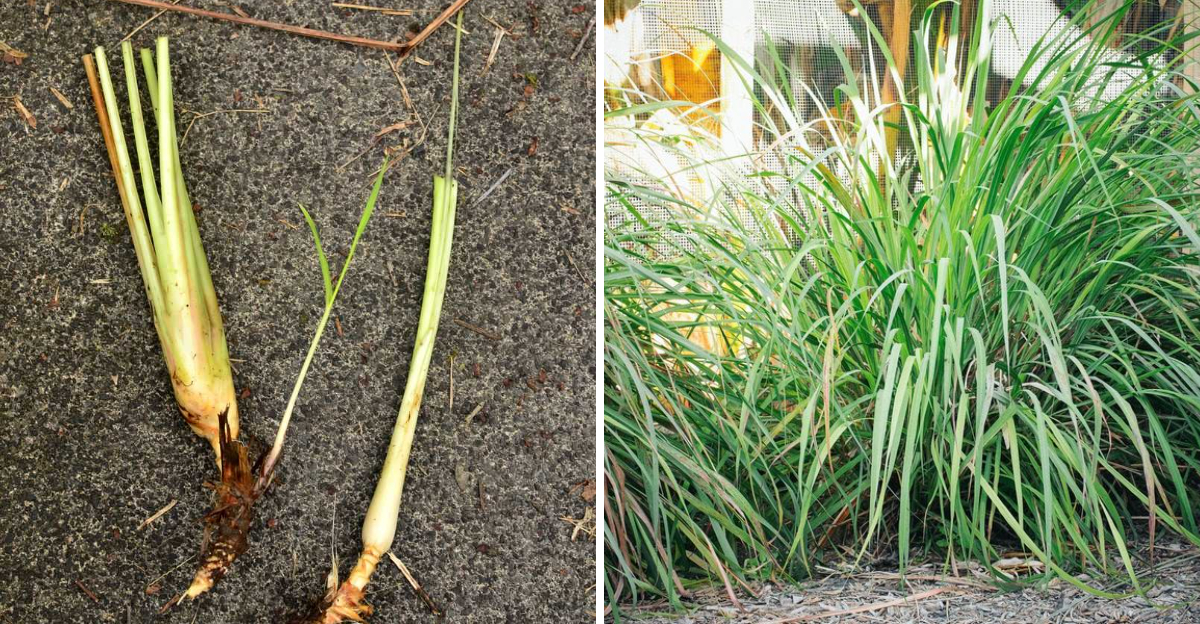
One lemongrass plant can turn huge surprisingly fast. What starts as a neat clump in spring often becomes a massive tangle of roots and stalks by early summer.
Trying to separate it later, once the heat becomes intense, is where many gardeners run into trouble.
Splitting lemongrass earlier gives the plant time to settle before brutal temperatures arrive. New sections root faster, stay stronger, and usually handle the transition much better while conditions are still manageable.
Many gardeners also use this timing to multiply the plant without buying more. A single healthy clump can fill several containers or garden spots in a short amount of time.
Arizona heat already puts enough pressure on plants during summer. Getting lemongrass divided before that peak arrives makes the whole growing season much easier to manage.
1. Early Dividing Helps Lemongrass Handle Heat Better
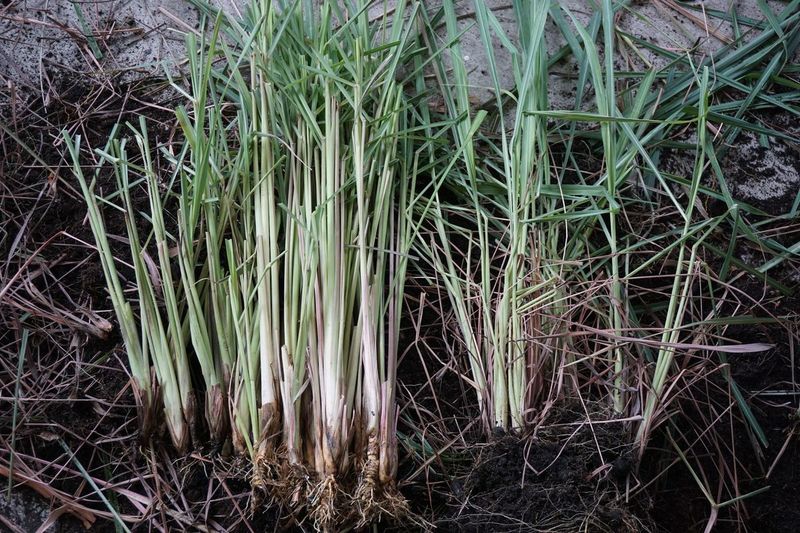
Splitting lemongrass before summer heat hits is one of the smartest moves a desert gardener can make.
Plants divided in cooler months have time to recover without the added pressure of extreme temperatures.
Lemongrass roots need a calm period to reestablish. When temps are still mild, the plant pushes energy into root development rather than survival.
That early investment pays off big once summer arrives.
A clump divided in late winter or early spring gets several weeks of manageable weather. Soil is workable, nights are cool, and the plant is not yet under stress.
Those conditions are ideal for recovery.
Once daytime highs climb past 100 degrees, any transplant stress hits harder. Roots that have not settled struggle to pull enough water through dry, hot soil.
Timing the division early removes that risk entirely.
Experienced desert gardeners treat the window between February and April as prime dividing season. It lines up with the natural growth cycle of lemongrass, which begins pushing new shoots as days get longer.
Healthy new divisions planted during this period often show visible growth within two to three weeks. That quick establishment signals that the roots took hold before summer stress could interfere.
2. Water The Clump Deeply Before Digging
Dry soil and sharp tools are not a winning combination when you are trying to divide a lemongrass clump cleanly. Watering deeply the day before you dig changes everything about how the job goes.
Moist soil loosens around root clusters more easily. Roots slide apart rather than snap, which means less damage to the sections you plan to replant.
That small step saves a lot of frustration.
In dry desert regions, soil can turn almost brick-hard between waterings. A deep soak the evening before you divide lets water penetrate several inches down, softening the zone where lemongrass roots are most active.
Aim to water slowly for 20 to 30 minutes, letting moisture move deep rather than running off the surface. Sandy soils drain fast, so a slow, steady soak works better than a quick burst.
Hydrated plants also handle transplant shock more gracefully. When the tissues are full of moisture at the time of division, the cut sections start their recovery from a stronger baseline.
Your Arizona Garden Changes Every Week. Your Plan Should Too.
Gardening in Arizona changes quickly throughout the season. Every Friday you’ll receive a simple weekly plan showing exactly what to plant, prune, fertilize, harvest, and protect so you never miss the right timing.
Skipping this step and digging into dry, compacted soil risks tearing root systems apart rather than separating them cleanly. Torn roots take longer to recover and are more vulnerable to stress once replanted.
3. Use A Sharp Spade To Separate Healthy Sections
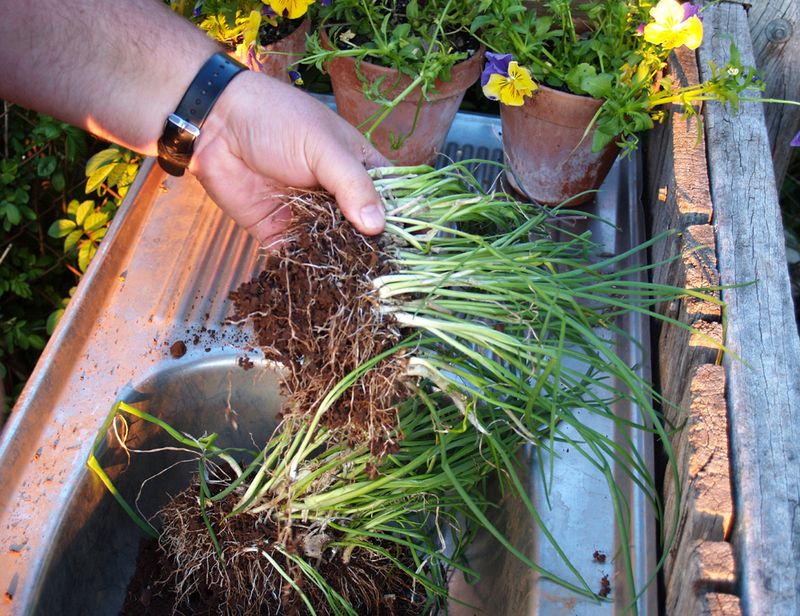
A dull blade drags and tears instead of cutting clean. When it comes to dividing lemongrass, the sharpness of your spade matters more than most people expect.
Lemongrass clumps develop dense, fibrous root systems over time. Forcing a dull tool through that mass creates ragged cuts that take longer to heal.
A sharp spade slices through quickly and leaves cleaner edges on each division.
Before you start, take a few minutes to sharpen the blade with a file or whetstone. It does not need to be razor-sharp, just sharp enough to cut through roots without excessive force.
That prep work pays off immediately.
Position the spade at the outer edge of the clump where newer growth tends to be strongest. Press straight down with steady pressure rather than prying or rocking.
Clean vertical cuts keep root damage minimal.
Older growth sits toward the center of a mature clump. Sections from the outer ring tend to establish faster and perform better after replanting.
Targeting those areas gives your divisions the best start.
Some gardeners use a heavy-duty garden knife for tighter spaces where a full spade is awkward. Either tool works well as long as the blade is clean and sharp before you begin.
4. Keep Several Strong Stalks Attached To Each Division
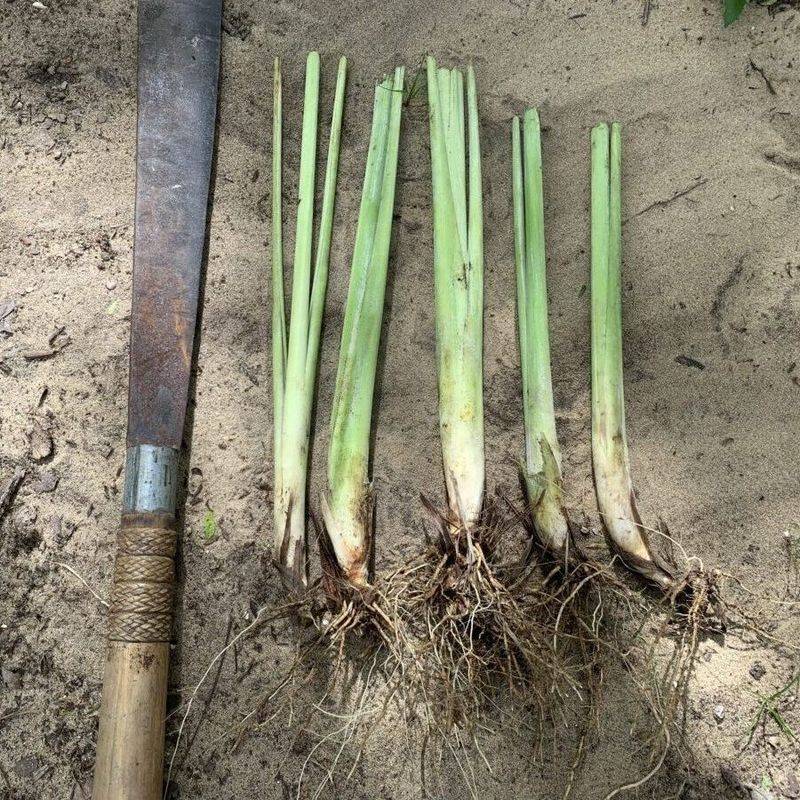
Size matters when it comes to lemongrass divisions. Sections that are too small struggle to recover, especially when warm weather is already building and the plant needs reserves to draw from.
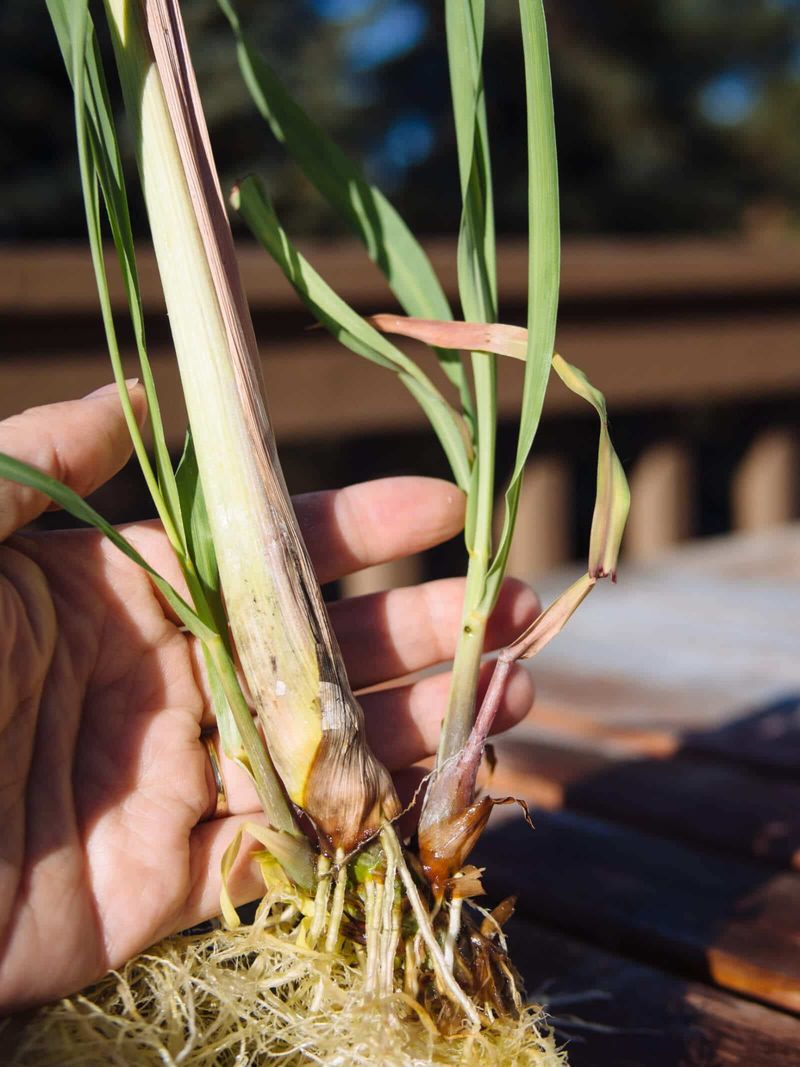
Aim to keep at least four to six sturdy stalks attached to each division. More stalks mean more leaf surface area and a larger root base, both of which support faster recovery after replanting.
Tiny single-stalk divisions are fragile. They can work under ideal conditions, but in a hot, dry climate, they often stall out before roots can establish.
Larger sections are simply more reliable in challenging environments.
Check each division before it goes in the ground. Stalks should feel firm and upright, not floppy or hollow at the base.
Soft or hollow bases can indicate sections that will not recover well regardless of care.
Root mass is equally important. Each division should have a visible cluster of healthy roots attached, not just a few thin threads.
Good root volume gives the plant immediate access to water and nutrients after replanting.
Avoid the temptation to make too many small divisions from a single clump just to maximize numbers. Fewer, stronger divisions outperform a large batch of weak ones almost every time.
5. Trim Back Excess Top Growth After Replanting
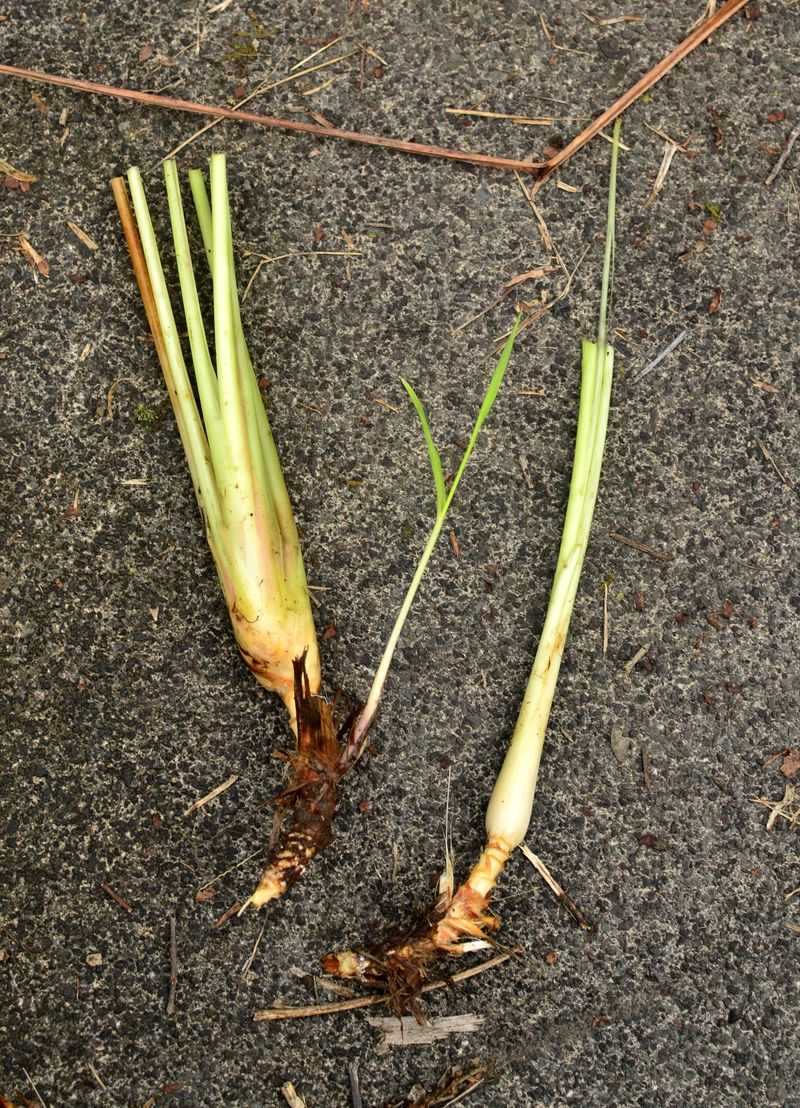
Freshly divided lemongrass has a reduced root system. Asking it to support a full canopy of tall leaves right away puts the plant under pressure it does not need during recovery.
Trimming the tops back to about six to eight inches helps the plant focus. Less leaf surface means less water loss through transpiration, which matters a lot when roots are still getting established in dry desert soil.
Use clean, sharp scissors or garden shears for this step. Ragged cuts left by dull blades can slow healing at the cut site.
A clean trim takes seconds and protects the plant during a vulnerable period.
Cut the stalks at a slight angle rather than straight across. Angled cuts shed water more easily and reduce the chance of moisture sitting at the cut end, which can sometimes invite rot in humid conditions.
New growth will emerge from the base of the stalks within a few weeks. That fresh green growth is a reliable sign that the roots have taken hold and the division is moving forward.
Some gardeners hesitate to cut back growth they worked hard to preserve. It feels counterintuitive, but the trimmed plant almost always outperforms an untrimmed one in the weeks following division.
6. Replant Divisions In Warm Well-Drained Soil
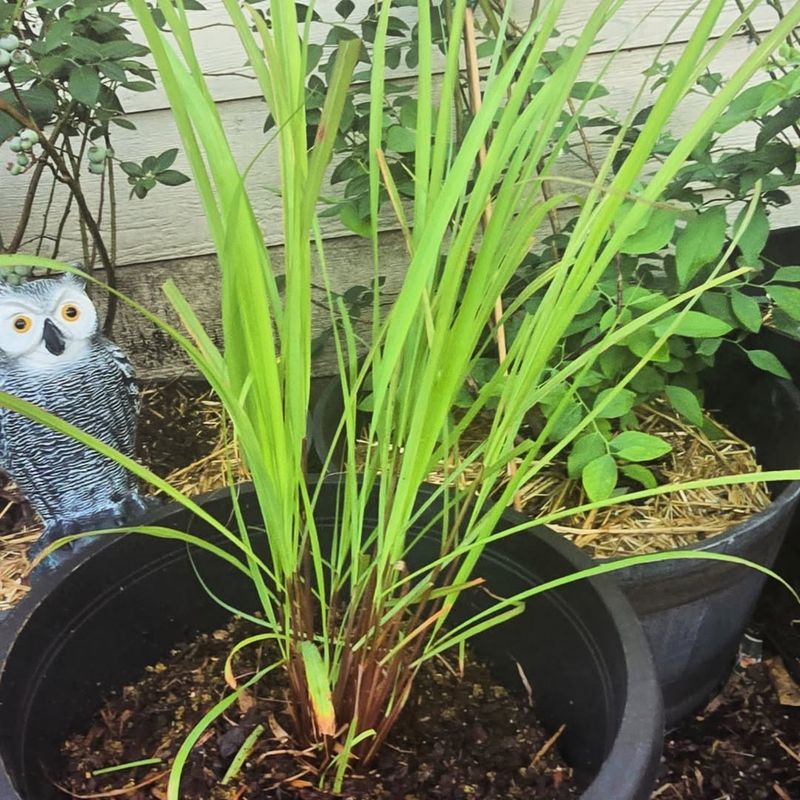
Lemongrass does not like wet feet. Planting in soil that drains well is non-negotiable, especially in regions where summer monsoon rains can suddenly saturate ground that was bone-dry just days before.
Sandy loam or amended garden beds work well for lemongrass. Heavy clay soils hold too much moisture around the roots, which can cause problems even for a plant known for its toughness.
Before replanting, loosen the soil in the new planting area to a depth of about ten inches. Breaking up compaction gives roots room to spread quickly and find water without fighting through dense ground.
Mixing in a small amount of compost improves soil structure without retaining too much moisture. It also adds a mild nutrient boost that supports early root development without overwhelming the plant with fertilizer.
Soil temperature plays a role too. Lemongrass roots respond well to warm soil, typically above 60 degrees Fahrenheit.
In Arizona, soil warms quickly in spring, which actually works in favor of early-season divisions.
Plant each division at the same depth it was growing before. Burying the base too deep can cause the crown to rot, while planting too shallow leaves roots exposed to rapid drying.
Firm the soil gently around the base of each division after placing it in the hole. Good soil-to-root contact helps the plant pull moisture evenly from its new surroundings.
Loose, airy pockets around the roots slow establishment and increase stress during the first critical weeks.
7. Water New Plants More Often During Early Growth
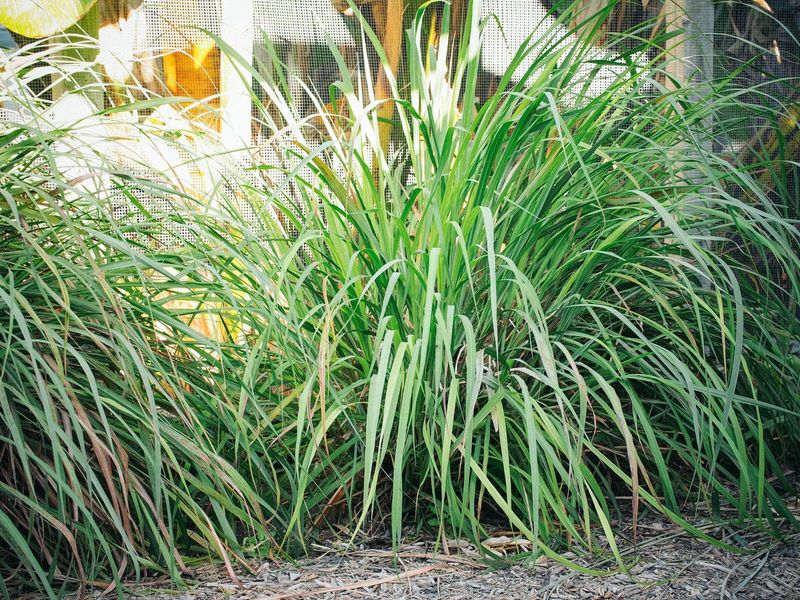
Newly divided lemongrass needs more attention than an established clump. Roots are rebuilding, and the plant cannot pull water as efficiently as it will once it is fully settled.
Plan to water new divisions every one to two days during the first two weeks, depending on how fast your soil dries out. Hot, dry desert air pulls moisture from the soil quickly, and young roots cannot chase it deep yet.
Morning watering works best in warm climates. Moisture soaks in before midday heat evaporates it, and foliage dries off quickly, reducing any risk of fungal issues that can sometimes appear with evening watering.
Watch the plant rather than following a rigid schedule. Wilting in the early morning, before heat builds, is a sign the plant needs water sooner.
Wilting only in the afternoon heat is normal and usually not a concern.
Avoid overwatering just as carefully as underwatering. Soggy soil suffocates roots and slows recovery.
The goal is consistently moist soil, not saturated ground that never dries between waterings.
Once new green growth appears at the base of the stalks, you can start backing off slightly on watering frequency.
New growth signals that roots have established enough to start supporting the plant independently.