These Arizona Plants Thrive On Neglect And Look Better For It
Arizona heat has a way of exposing every weak spot in a yard fast. Plants that once looked full can start to fade, stretch, or lose their shape without much warning.
Keeping everything alive can feel like constant work, especially once temperatures stay high day after day.
Yet some plants respond in a completely different way. Less attention does not hurt them.
In many cases, it helps them stay tighter, stronger, and more balanced without all the extra effort. They settle in, handle dry conditions, and keep their look even when care is minimal.
Many Arizona gardens rely on plants that demand too much and still struggle to hold up. There is a clear difference once the right ones take their place.
Suddenly, the yard feels more stable, more consistent, and far less demanding to keep in good shape through the toughest part of the season.
1. Agave Stores Water And Needs Very Little Care
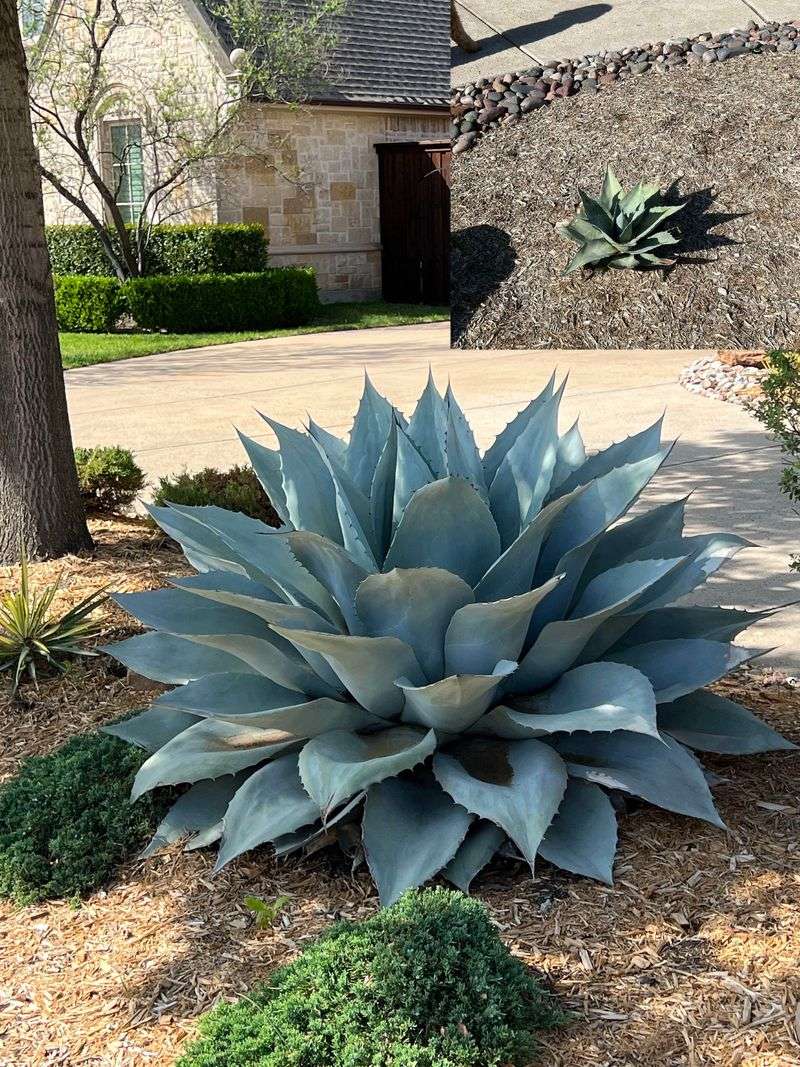
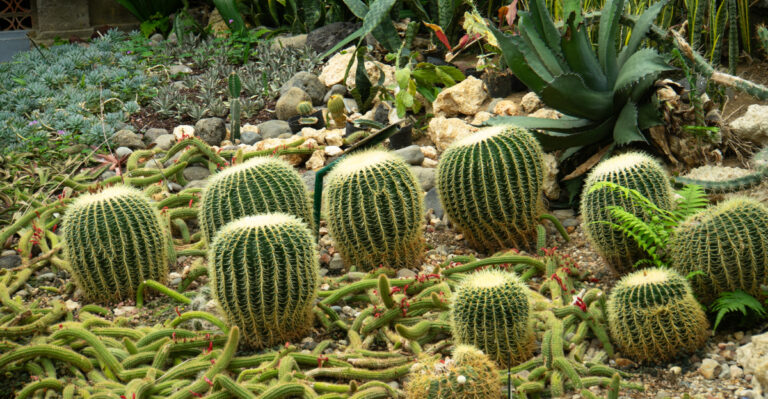
Cut your watering schedule in half, then cut it in half again, and an agave will still look completely unbothered. Native to arid regions across the Southwest, agave has been thriving in Arizona long before anyone thought about irrigation systems.
Its thick, waxy leaves are basically built-in water tanks, holding moisture through weeks of zero rainfall without missing a beat.
Planting one is almost too easy. Pick a sunny spot with fast-draining soil, drop it in, water it once to help it settle, and then largely forget about it.
Rocky or sandy soil? Even better.
Agave actually struggles more in rich, moist soil than in the dry, gritty ground that covers most Arizona yards.
Over-watering is the one real mistake people make with agave. Roots sitting in wet soil will rot much faster than roots baking in dry desert ground.
During Arizona summers, once a month is usually plenty. In winter, you can skip watering almost entirely without any negative effects.
Agave rosettes grow slowly but steadily, eventually reaching impressive sizes depending on the variety. Blue agave and century plant are both popular choices across the state.
Pups, or small offsets, sprout around the base and can be separated and replanted, giving you more plants for free with zero extra effort involved.
2. Red Yucca Handles Heat And Rarely Needs Water
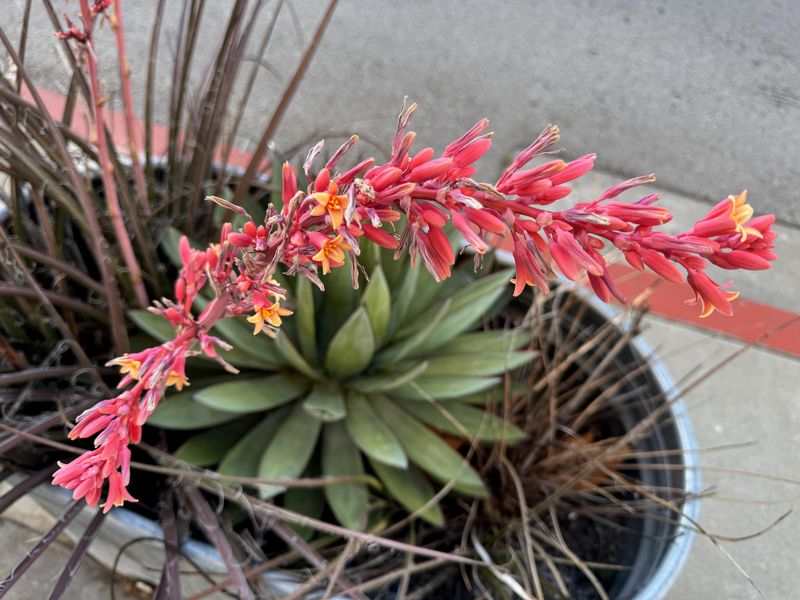
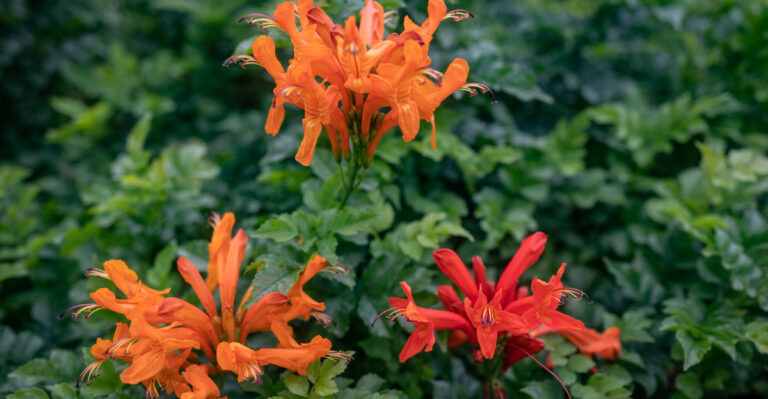
Hummingbirds show up before you even realize your red yucca is blooming. Those tall, coral-pink flower spikes shoot up in late spring and keep going well into summer, pulling in pollinators without any help from you.
Despite the name, red yucca is not a true yucca at all, but it handles Arizona heat just as well as anything with that label.
Arizona summers regularly push past 110 degrees in the low desert, and red yucca barely flinches. Once established, which usually takes one full growing season, it pulls moisture from deep in the soil and rarely asks for supplemental water.
During the hottest months, watering every two to three weeks is more than enough to keep it healthy.
What makes red yucca especially useful in Arizona landscapes is its soft, arching foliage. Unlike many drought-tolerant plants that look stiff or spiky, red yucca has a relaxed, almost ornamental feel that works well near patios, walkways, or mixed planting beds.
Your Arizona Garden Changes Every Week. Your Plan Should Too.
Gardening in Arizona changes quickly throughout the season. Every Friday you’ll receive a simple weekly plan showing exactly what to plant, prune, fertilize, harvest, and protect so you never miss the right timing.
It softens hard edges without needing constant trimming or shaping.
Plant it in full sun and well-draining soil for the best results. It tolerates poor, rocky soil without complaint and does not need fertilizer to perform well.
Removing old flower stalks after blooming keeps the plant looking tidy, but even skipping that step will not hurt it at all.
3. Desert Spoon Thrives In Dry Soil With Minimal Attention
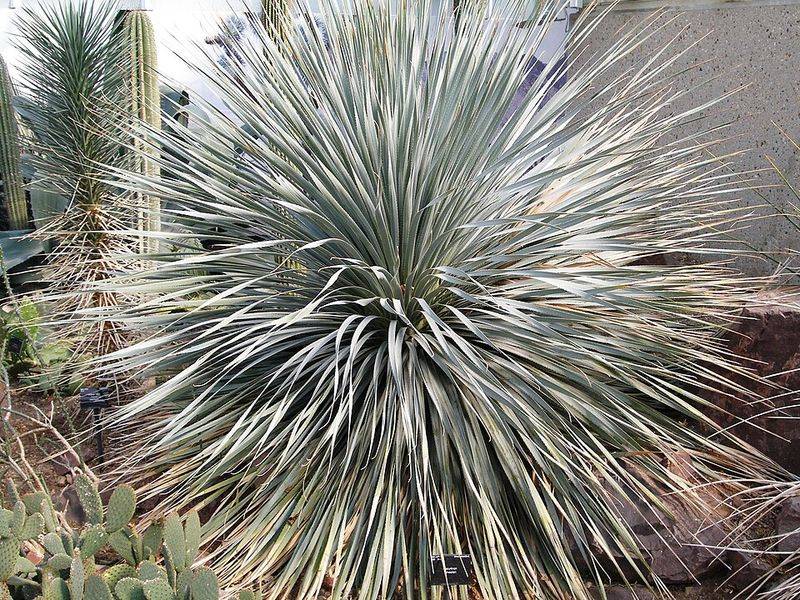
Crack open a leaf base on a desert spoon and you will find a perfect little spoon shape, which is exactly how this plant got its name. Beyond that quirky detail, desert spoon is one of the most reliable low-maintenance plants you can put in an Arizona yard.
It grows slowly, stays tidy, and genuinely does not want much from you.
Found naturally across the Chihuahuan and Sonoran deserts, desert spoon is completely at home in Arizona’s dry, rocky terrain. Established plants can go weeks without rain and still look sharp.
Watering once or twice a month during summer is usually enough, and in cooler months you can scale back even further without any visible stress on the plant.
One underrated quality is how well desert spoon handles poor soil. Sandy, gravelly, or caliche-heavy ground that would stress most plants is where desert spoon genuinely thrives.
Adding compost or fertilizer is not necessary and can actually encourage soft, weak growth that makes the plant look worse rather than better.
Mature desert spoon plants send up a dramatic flowering stalk that can reach fifteen feet tall, covered in creamy white blooms that attract bees and other pollinators. After flowering, the main rosette fades, but offsets around the base continue growing.
For Arizona gardeners who want bold structure with almost zero upkeep, desert spoon consistently delivers.
4. Creosote Bush Grows Well Without Extra Water
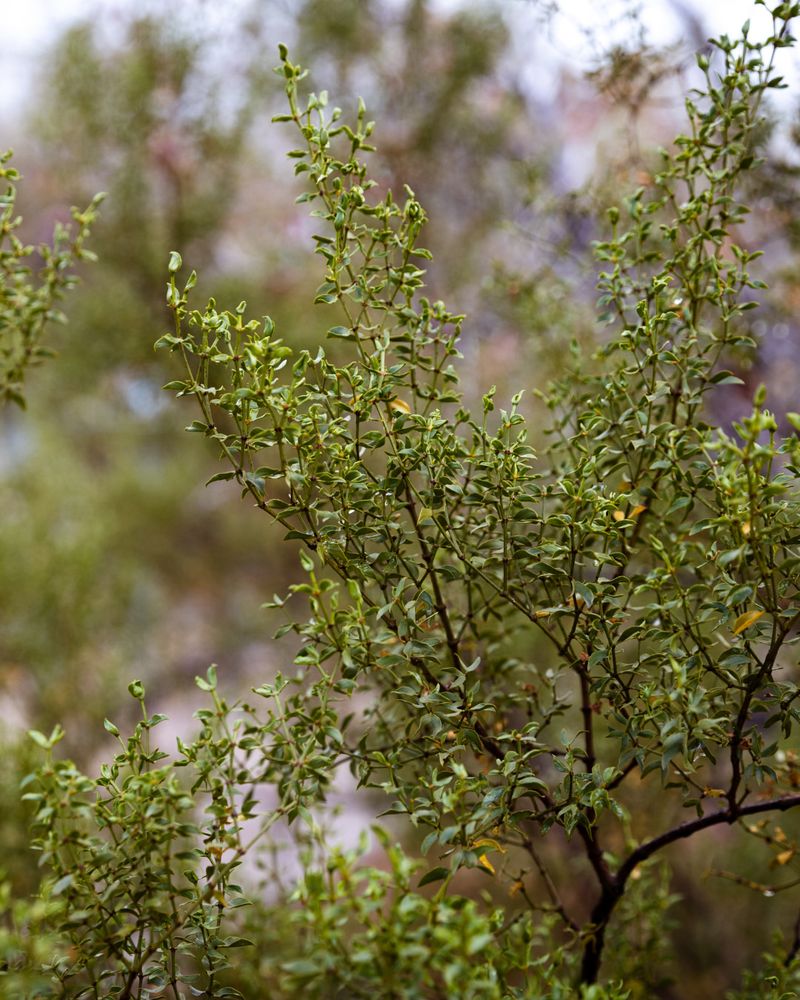
After a monsoon rain in Arizona, that sharp, earthy smell filling the air comes almost entirely from creosote bush. Few plants have a scent as instantly recognizable, and fewer still can match its ability to grow in conditions most plants would reject outright.
Creosote has been surviving in the Sonoran Desert for thousands of years, and it has never needed a gardener to do it.
Established creosote bushes essentially run on rainwater alone. In Arizona, where annual rainfall can be under ten inches in many areas, creosote has adapted to pull every drop of moisture from the soil before it evaporates.
Watering a mature plant more than once or twice during dry spells can actually make it look worse by encouraging leggy, unnatural growth.
Young plants do appreciate a little water during their first summer while roots establish, but after that first season, they become remarkably self-sufficient. Planting in full sun and leaving the soil lean and unammended gives creosote the best start.
It does not want rich soil or regular feeding, and providing those things tends to backfire.
Small yellow flowers appear after rain events, giving the shrub a cheerful burst of color that fades quickly but returns reliably. Birds use the dense branches for shelter, and the plant provides habitat value that goes well beyond its simple appearance.
For low-desert Arizona yards, creosote is practically a self-managing landscape feature.
5. Brittlebush Handles Poor Soil And Full Sun Easily
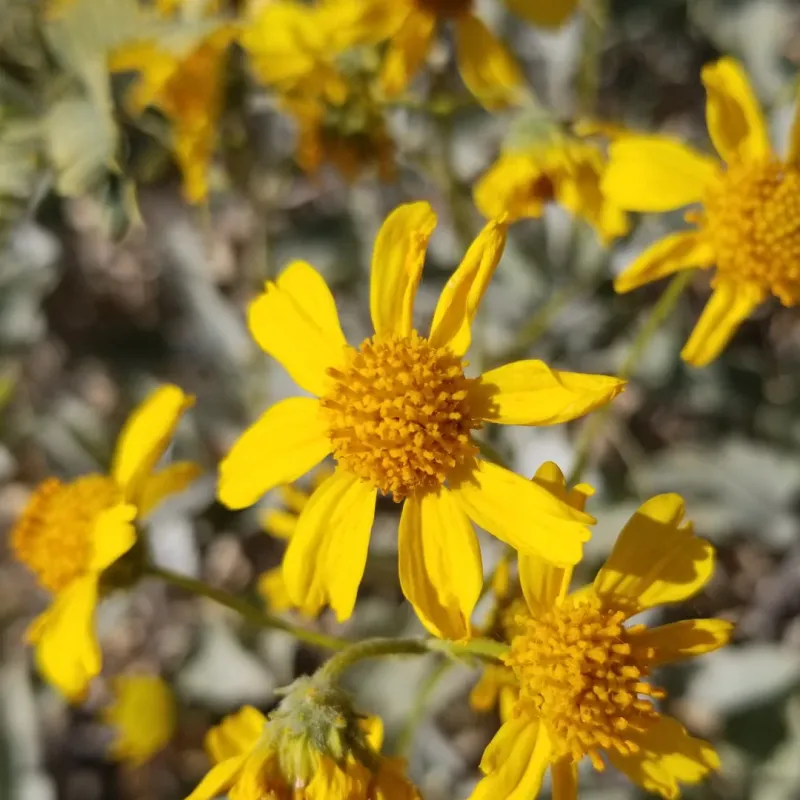
Driving through Arizona in late winter or early spring, you will notice entire hillsides turning yellow without any explanation. That yellow comes from brittlebush, one of the most cheerful and effortless plants in the entire Sonoran Desert.
It blooms heavily when most other plants are still dormant, and it does all of that in some of the worst soil imaginable.
Rocky slopes, gravelly roadsides, and compacted desert ground are where brittlebush naturally excels. Improved soil or regular watering tends to make plants floppy and short-lived rather than sturdy and productive.
Lean, fast-draining ground keeps the root system healthy and encourages the tight, rounded shape that makes brittlebush look so good in a landscape setting.
During summer, brittlebush goes semi-dormant in response to Arizona’s extreme heat. Leaves drop or turn silvery-gray, which is a completely normal response and not a sign of trouble.
Cutting back spent flower stalks after spring bloom encourages fresh foliage and prepares the plant for its next big flowering push the following year.
Water needs are minimal once established. Deep watering every three to four weeks during summer is sufficient, and during cooler months the plant gets by on whatever rain falls naturally.
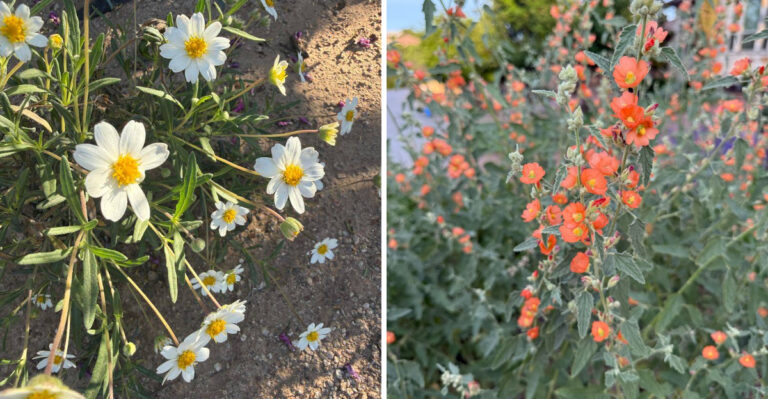
Native bees and butterflies are drawn to the flowers, adding extra life to any Arizona garden. Brittlebush is proof that a plant can be both tough and genuinely beautiful at the same time.
6. Ocotillo Adapts To Dry Conditions With Little Care
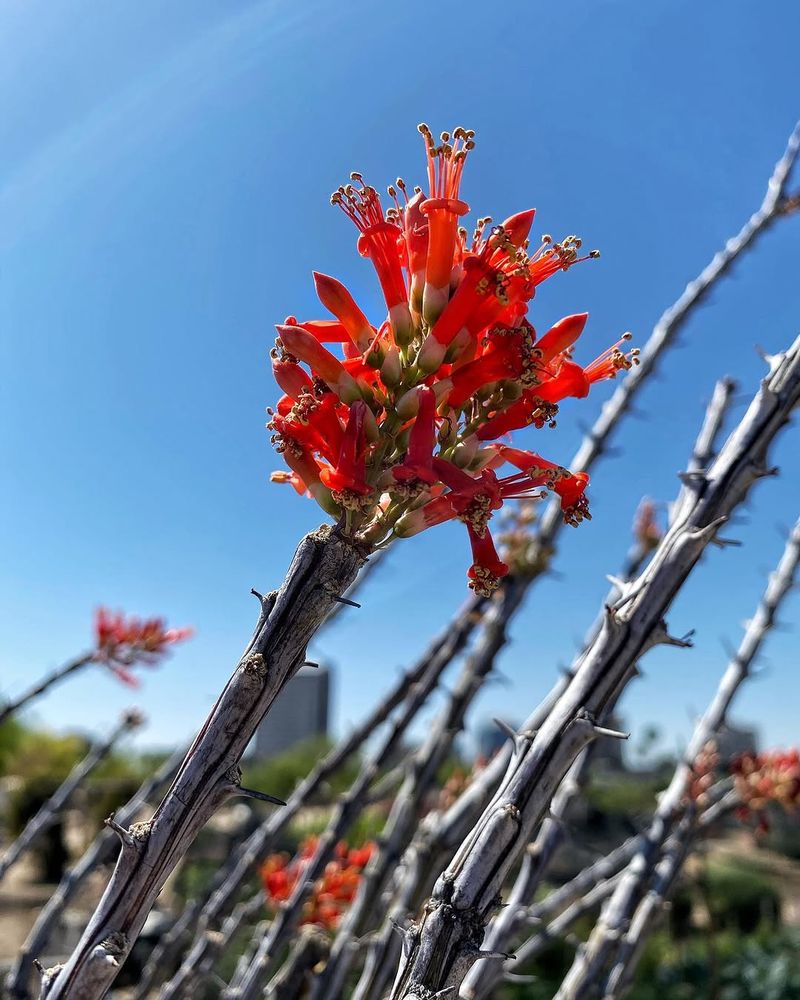
Bare, spiny canes one week and then exploding with red flowers the next, ocotillo operates on its own timeline and looks dramatic either way. Most people assume those leafless canes mean something went wrong, but that is just ocotillo being completely normal.
Leaves appear after rain and drop when things dry out again, a cycle that repeats dozens of times throughout an Arizona year.
Ocotillo tolerates some of the most punishing conditions across the Sonoran Desert. Rocky hillsides, south-facing slopes baking in direct sun, and soils with almost no organic matter are all places where ocotillo thrives without complaint.
Trying to improve those conditions with amendments or extra water usually does more harm than letting the plant handle things on its own terms.
Newly planted ocotillo can take a full season or two to establish, and patience is required during that window. Watering once every week or two during the first summer helps roots anchor without waterlogging the base.
After establishment, rainfall combined with occasional deep watering during extended dry stretches is all the plant needs to stay healthy and continue flowering.
Hummingbirds absolutely love ocotillo blooms, making it one of the best wildlife-friendly choices for Arizona yards. Mature plants can reach fifteen feet tall with dozens of canes spreading outward, creating a striking silhouette that looks like living sculpture.
Few plants make a stronger visual statement with less effort in the entire state.
7. Texas Sage Tolerates Drought And Looks Fuller Naturally
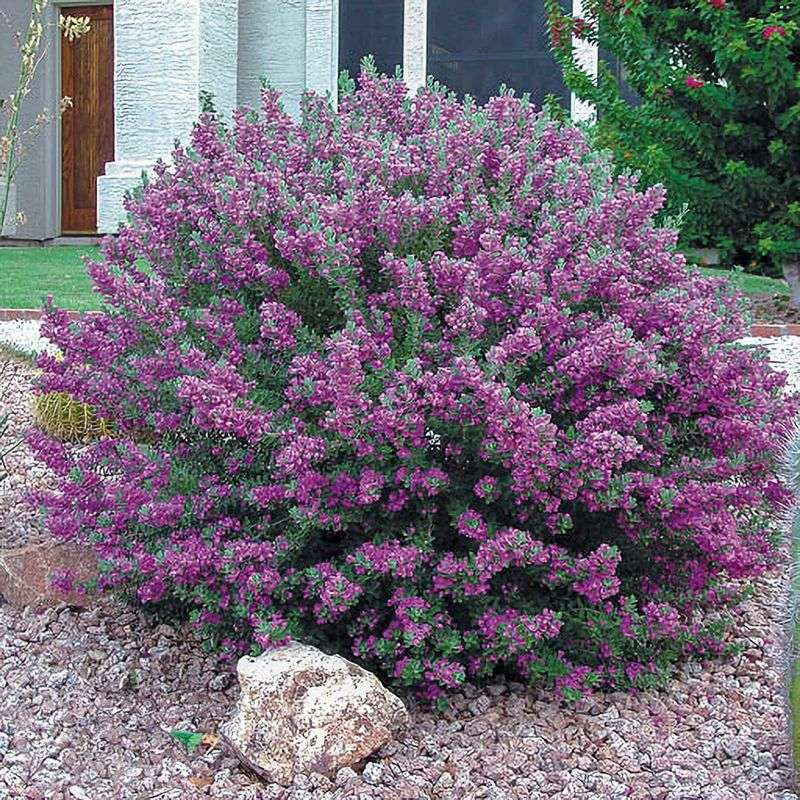
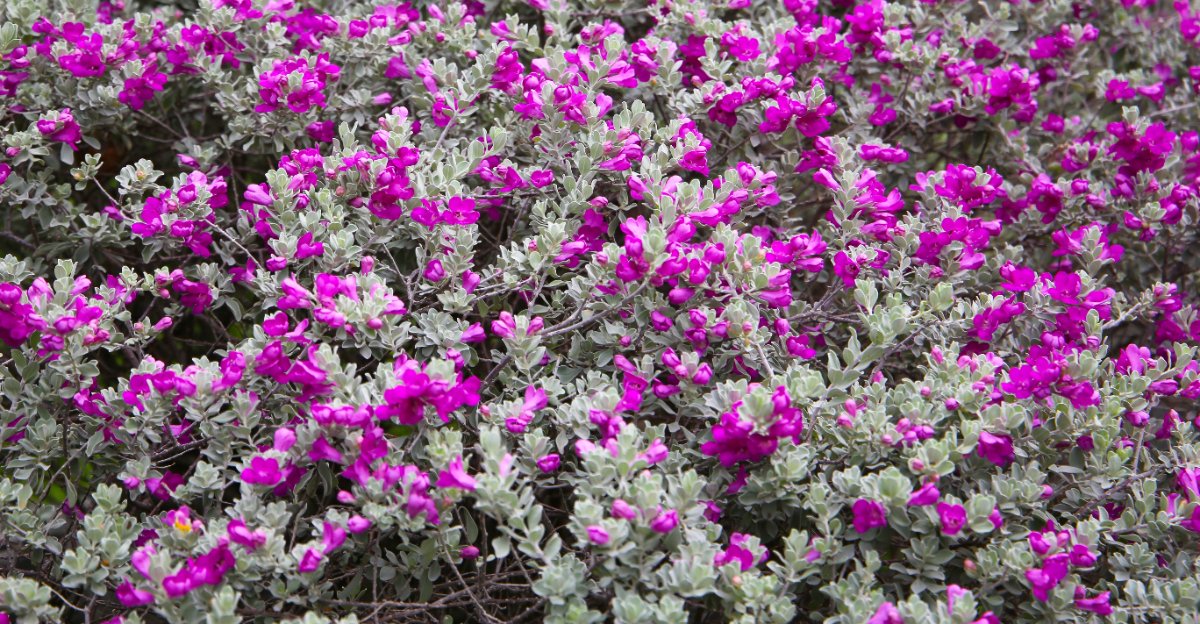
Right before a monsoon storm rolls through Arizona, Texas sage bursts into purple flowers almost overnight.
Locals call it the barometer bush because it blooms in response to humidity, and watching it light up ahead of summer rains is one of those small pleasures that never gets old.
Beyond the blooming trick, it is also one of the most forgiving shrubs you can plant in the state.
Silver-gray foliage holds up beautifully through intense heat and extended dry spells, reflecting sunlight rather than absorbing it. That reflective quality helps the plant stay cooler during Arizona’s brutal summers and reduces water loss from the leaves.
Even without blooms, the soft silvery color adds texture and contrast to any planting area.
Overwatering is probably the fastest way to run into problems with Texas sage. Rich, moist soil encourages rank growth that makes the shrub look floppy and uneven rather than the naturally rounded shape it develops in dry conditions.
Sandy or gravelly soil with sharp drainage produces tighter, fuller growth that honestly looks better than anything you could achieve with extra irrigation.
Pruning is optional and rarely needed when plants grow in appropriate conditions. Hard shearing removes the natural shape and reduces flowering, so if you do want to tidy things up, light selective trimming after a bloom cycle works much better.
Across Arizona landscapes, Texas sage earns its keep by looking polished without requiring constant attention from anyone.
8. Parry’s Agave Thrives With Neglect And Dry Conditions
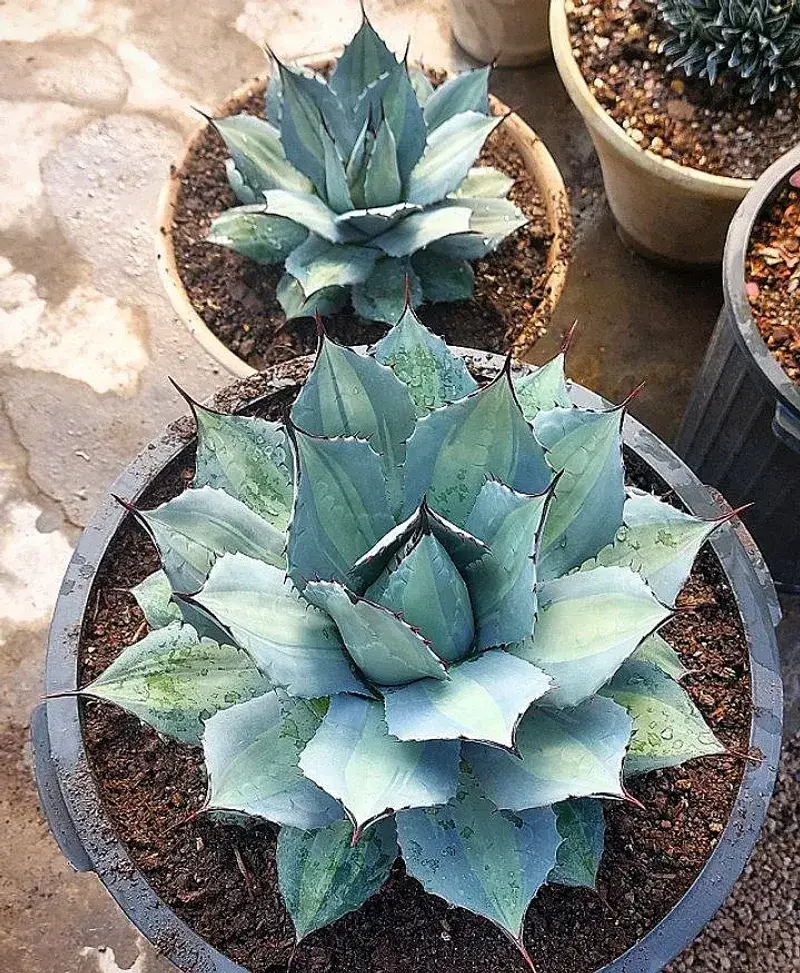
Symmetry that precise should not be possible without someone carefully arranging every leaf, but Parry’s agave pulls off that perfect rosette shape entirely on its own. Blue-gray leaves radiate outward in a tight, geometric pattern that looks almost architectural.
Across Arizona, from the Sonoran Desert up into higher elevation grasslands, this agave grows in conditions most cultivated plants would never tolerate.
Unlike some agave varieties that stay strictly in low desert zones, Parry’s agave handles cold temperatures surprisingly well. Elevations above four thousand feet across central and northern Arizona are well within its comfort zone, which makes it one of the more versatile options available to gardeners across the state.
Snow, freezing nights, and dry summers are all conditions it manages without much visible stress.
Water requirements drop to nearly nothing once Parry’s agave is established. Monthly deep watering during summer is plenty in most Arizona locations, and during winter months the plant gets by on natural precipitation alone.
Soil quality matters less than drainage, so rocky or sandy ground works much better than heavy clay that holds moisture around the roots.
Eventually, a single towering flower stalk rises from the center, reaching up to fifteen feet and producing masses of yellow blooms that attract orioles, bees, and hummingbirds. After that flowering event, the main rosette fades, but surrounding pups carry on.
For Arizona gardeners who want bold, low-effort structure, Parry’s agave is consistently one of the top choices available.