These Are The Shade-Loving North Carolina Plants That Transform Dark Spots Under Trees
Dark spots under mature trees are where planting ambitions often go to fade.
Many North Carolina gardeners give up on the bare ground under trees because dry soil, competing roots, and deep shade kill most flowering plants.
However, you don’t have to accept an empty yard. A specific group of tough, shade-loving plants thrives in these exact conditions, easily transforming difficult, root-filled spaces into beautiful garden features.
North Carolina’s range of native and well-adapted shade plants suited to exactly these conditions is broader than most gardeners realize, and the results from getting one of these spots right tend to be genuinely impressive.
1. Wild Ginger
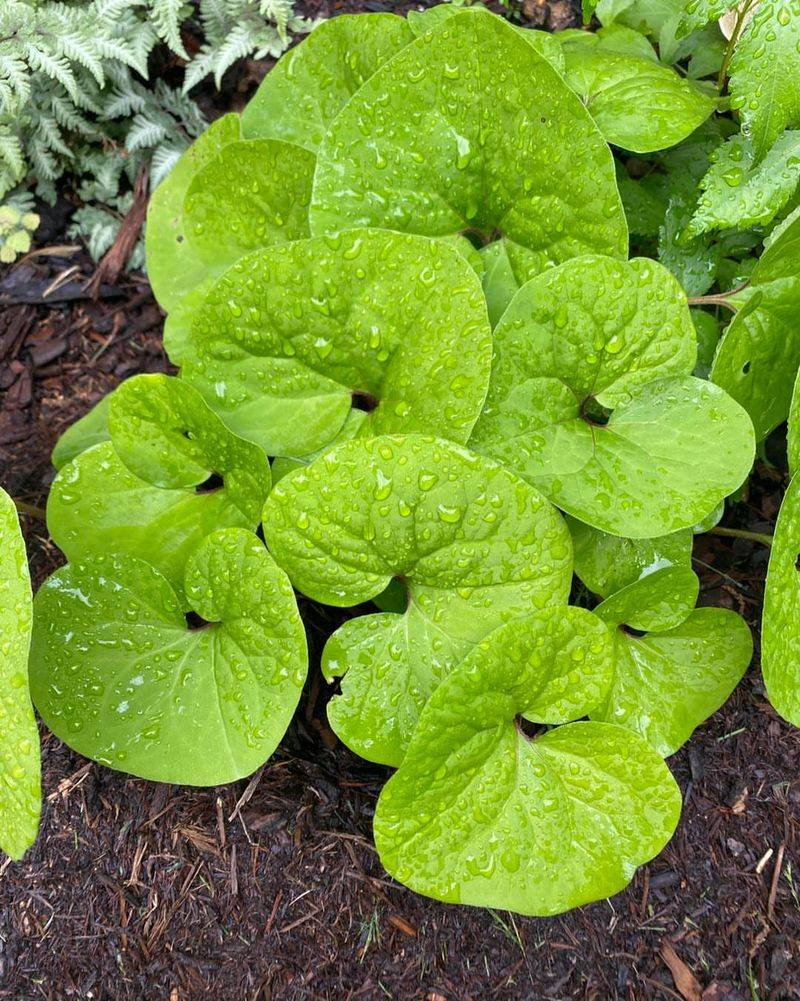
Tucked beneath a canopy of oaks or maples, Wild Ginger (Asarum canadense) looks like it has always belonged there.
This native woodland perennial spreads slowly but steadily through rich, moist soil, forming a thick, low-growing carpet of heart-shaped leaves that covers bare ground beautifully.
Once established, it fills in gaps that other plants simply refuse to touch.
Wild Ginger grows best in deep to partial shade with consistently moist, well-amended soil. Adding a layer of leaf mulch around plants mimics the natural forest floor and helps retain moisture during dry spells.
It handles the competition from tree roots surprisingly well when the soil is rich in organic matter.
Patience is key with this plant. Expect slow establishment in the first season, but by year two or three, you will notice it spreading outward in a satisfying way.
Spacing plants about 12 inches apart gives them room to fill in without overcrowding. The foliage stays lush through summer and into fall, making it a reliable visual anchor in shaded beds.
North Carolina gardeners often overlook this humble groundcover, but those who plant it rarely regret it. Its hidden flowers bloom at soil level in early spring, a charming little secret tucked beneath those bold, rounded leaves.
2. Christmas Fern
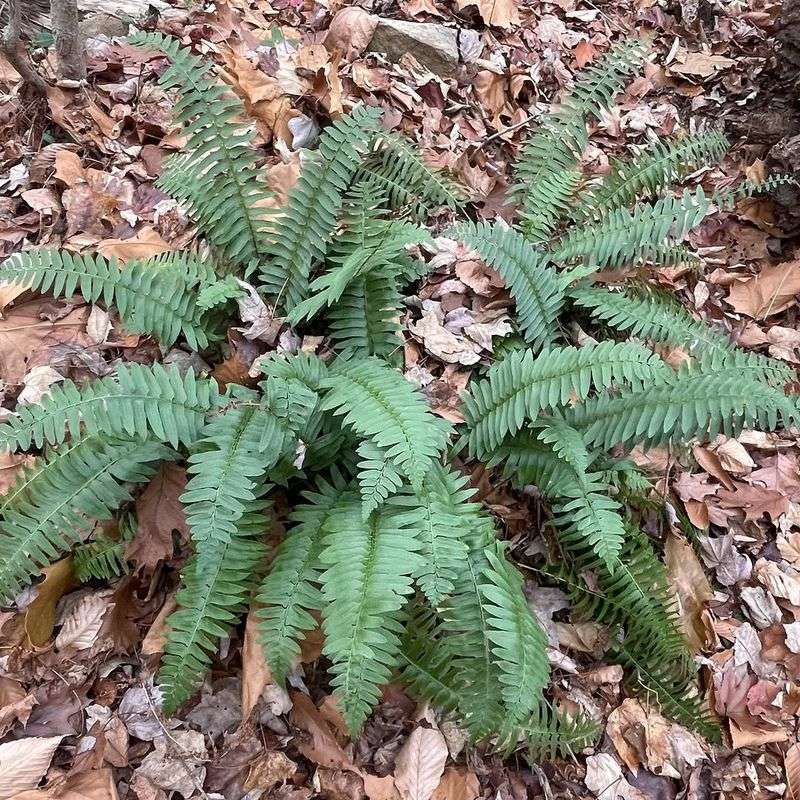
Few plants earn their place in a shade garden as reliably as Christmas Fern (Polystichum acrostichoides). Named for its evergreen fronds that stay green well into the holiday season, this tough native fern handles conditions that send most plants running.
Dry shade, shallow soil packed with tree roots, and low light are no match for its resilient nature.
Christmas Fern grows in clumping form, with arching dark green fronds that reach about 18 to 24 inches tall. It works beautifully as a border plant beneath large deciduous trees or tucked along shaded slopes where erosion can be a problem.
The root system holds soil firmly in place, making it a practical and attractive choice for hillside planting.
Once established, this fern needs very little attention. Water it during the first growing season to help it settle in, but after that, rainfall usually handles the rest.
Avoid heavy mulching directly over the crown, as that can cause rot. Spacing plants about 18 inches apart gives each clump enough room to spread naturally over time.
The fronds flatten slightly in winter but bounce back fresh and green each spring, adding reliable texture to the garden year-round. For North Carolina gardeners who want low-effort beauty under trees, Christmas Fern is one of the smartest choices available.
Your North Carolina Garden Changes Every Week. Your Plan Should Too.
Gardening in North Carolina changes quickly throughout the season. Every Friday you’ll receive a simple weekly plan showing exactly what to plant, prune, fertilize, harvest, and protect so you never miss the right timing.
3. Foamflower
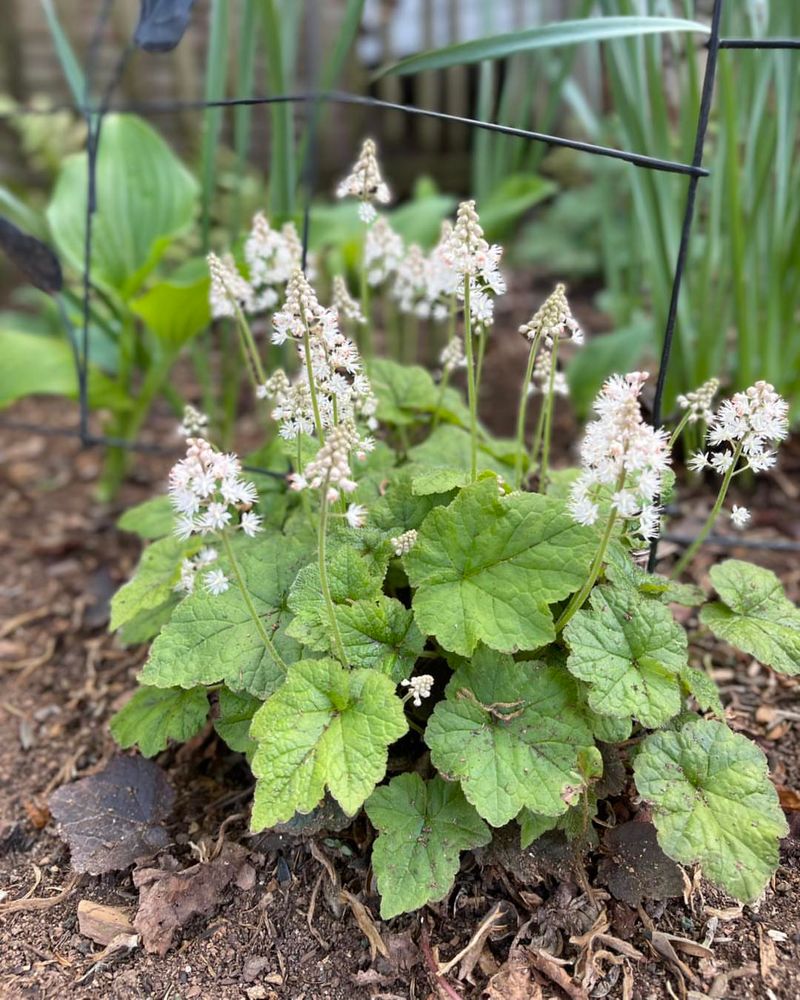
Foamflower (Tiarella cordifolia) earns its name every spring when clusters of feathery white blooms rise above the foliage like soft foam floating in a woodland stream.
This native perennial is one of the most charming plants you can grow beneath trees in North Carolina, and it brings both seasonal color and year-round texture to shaded spots that need a little life.
The lobed, maple-like leaves often show burgundy or bronze markings along the veins, adding visual interest even when the plant is not in bloom.
Foamflower spreads gradually through underground runners, slowly filling in bare areas with a tidy, attractive mat of foliage.
Rich, moist, well-drained soil with plenty of organic matter gives it the best start, and a consistent layer of leaf mulch keeps roots cool and moisture levels steady.
Space plants about 12 to 18 inches apart to allow natural spreading without crowding. Morning sun filtered through tree branches suits Foamflower perfectly, though it handles deeper shade with ease.
Water regularly during dry stretches, especially in the first year. North Carolina summers can get hot and dry, so keeping the soil evenly moist makes a real difference in how the plant performs.
Gardeners who discover this native gem often find themselves planting it in every available shaded corner, and honestly, that makes total sense.
4. Green And Gold
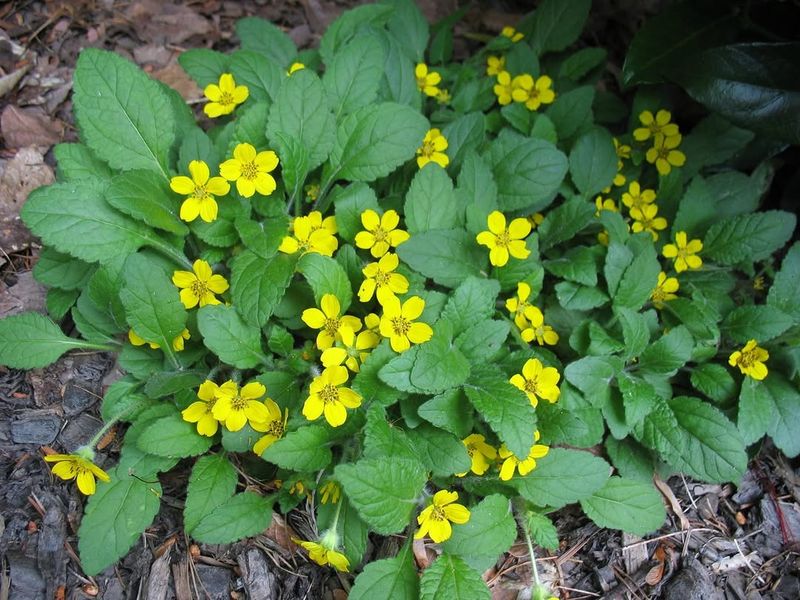
Bright yellow flowers popping up beneath the shade of tall trees might sound like a fantasy, but Green and Gold (Chrysogonum virginianum) makes it a reality.
This cheerful native groundcover produces sunny yellow blooms from spring through early summer, and in cooler weather it often flowers again in fall.
For a shaded spot that feels dull and lifeless, this plant is a genuine game changer.
Green and Gold stays low to the ground, typically reaching only 6 to 9 inches tall, making it ideal for spreading beneath shrubs and trees without competing for visual attention.
It spreads through a combination of runners and self-seeding, gradually covering bare soil with dense, weed-suppressing foliage.
Part shade to light shade suits it best, and it performs especially well under trees that allow some filtered sunlight to reach the ground.
Well-drained soil with moderate moisture is the sweet spot for this plant. It tolerates brief dry periods once established but looks its best with consistent watering during North Carolina summers.
Adding compost to the soil at planting time gives roots a nutritious foundation to grow from. Space plants about 12 inches apart and watch them fill in steadily over two to three seasons.
Maintenance is minimal once established, making Green and Gold one of the most rewarding native groundcovers available to North Carolina gardeners who want color without the constant effort.
5. Solomon’s Seal
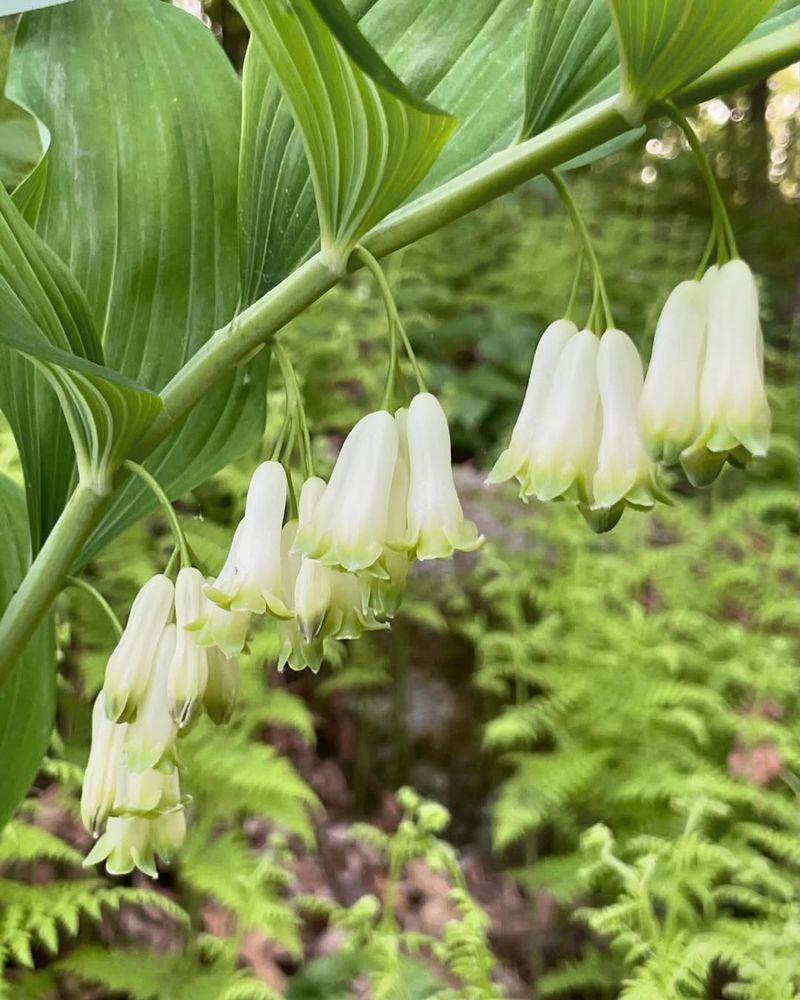
There is something almost poetic about the way Solomon’s Seal (Polygonatum biflorum) grows.
The long, arching stems curve gracefully outward from the base, with pairs of oval leaves arranged neatly along each stem and tiny white bell-shaped flowers dangling beneath them in spring.
In a shaded garden, it brings a sense of elegance that few other plants can match.
This native woodland perennial thrives in rich, moist, well-drained soil beneath deciduous trees. It spreads slowly through underground rhizomes, gradually forming wider clumps over several years.
The spreading habit is polite rather than aggressive, making it easy to manage in a mixed shade garden. Planting in groups of three or more creates a lush, layered look that feels natural and intentional at the same time.
Solomon’s Seal grows best with consistent moisture, especially during hot North Carolina summers. A generous layer of organic mulch helps maintain soil moisture and keeps roots cool.
Space plants about 18 inches apart to give each clump room to develop its full, arching form. The foliage turns a warm golden yellow in fall before fading back for winter, adding one last season of interest before the plant rests.
Blue-black berries appear in late summer, attracting birds and adding another layer of ecological value. For gardeners who want structure and movement in a shaded space, Solomon’s Seal delivers beautifully.
6. Woodland Phlox
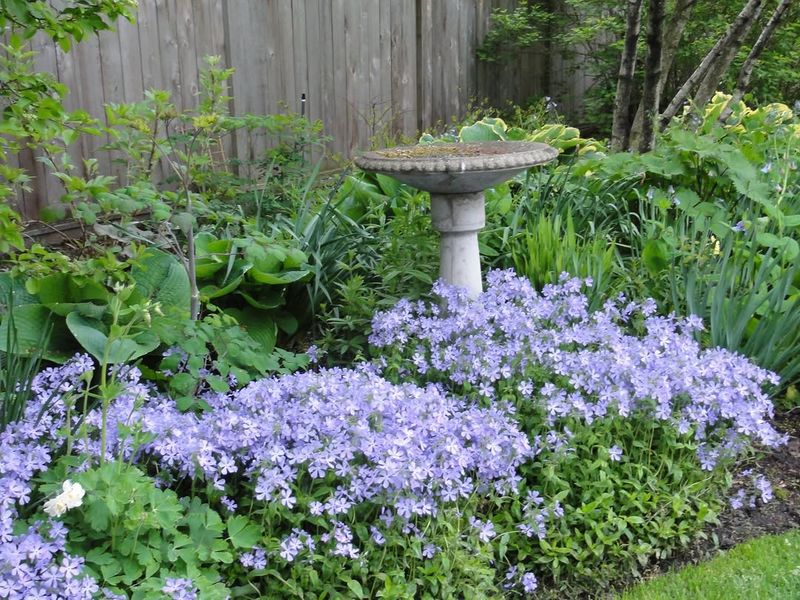
Walk through a North Carolina woodland in April and you might catch a soft cloud of lavender-blue hovering just above the ground.
That is Woodland Phlox (Phlox divaricata) doing what it does best, covering the shaded floor with color at a time when most gardens are still waking up.
This native wildflower is one of the most reliable spring bloomers for shaded spots under trees.
Woodland Phlox grows about 10 to 15 inches tall and spreads gradually to form loose, flowing colonies.
It performs best in spots that receive morning sun or filtered light through a tree canopy, though it handles deeper shade with some reduction in bloom density.
The flowers attract early pollinators including butterflies and native bees, adding ecological value to the garden right when it matters most in spring.
Moist, well-drained soil with good organic content keeps this plant thriving. Avoid planting in areas with poor drainage, as wet roots can cause problems over time.
Good airflow around the foliage helps reduce the risk of powdery mildew, which can occasionally affect phlox in humid conditions. Space plants about 12 to 18 inches apart to allow air circulation and natural spreading.
After blooming, the foliage remains attractive through summer and into fall. A light trim after flowering encourages tidy growth.
North Carolina gardeners who want spring color in tough shaded spots will find Woodland Phlox genuinely hard to beat.
7. Coral Bells
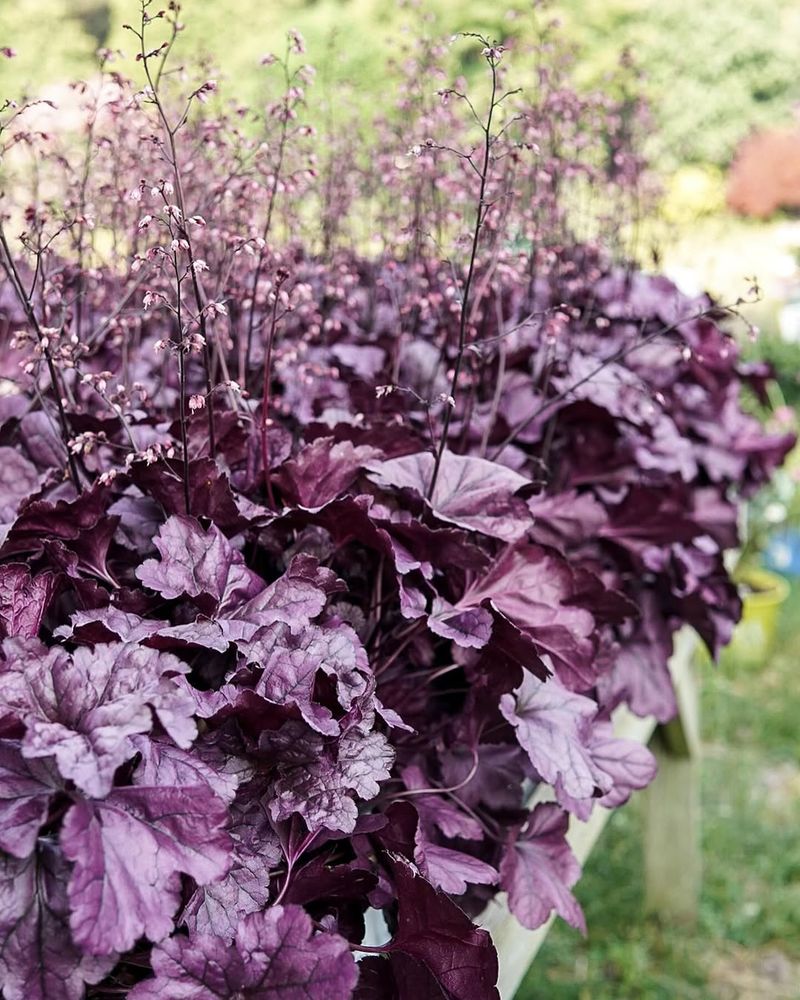
Bold foliage color in a shaded garden is not something you stumble across every day, which is exactly what makes Coral Bells (Heuchera americana) so exciting.
This native species brings dramatic leaf texture and color to spots under trees where most plants just sit quietly in green.
The foliage ranges from deep burgundy to silvery green with intricate vein patterns, and it holds that color through most of the growing season.
Coral Bells grows in a tidy mound about 12 to 18 inches tall, making it a great choice for edging shaded borders or filling gaps between larger shade plants.
Slender flower stalks rise above the foliage in late spring, carrying small bell-shaped blooms that attract hummingbirds and pollinators.
The combination of ornamental foliage and delicate flowers gives this plant a two-season appeal that is hard to find elsewhere in the shade garden.
Good drainage is critical for Coral Bells, especially during North Carolina’s humid summers. Planting in raised beds or amending heavy clay soil with compost helps prevent crown rot.
Avoid deep mulching directly against the crown, and space plants about 18 inches apart to encourage airflow. Afternoon shade is ideal in the hottest months, as intense summer sun can scorch the leaves.
Dividing clumps every three to four years keeps plants vigorous and prevents the crown from heaving out of the soil over time. With the right setup, this plant rewards you generously.
8. Partridgeberry
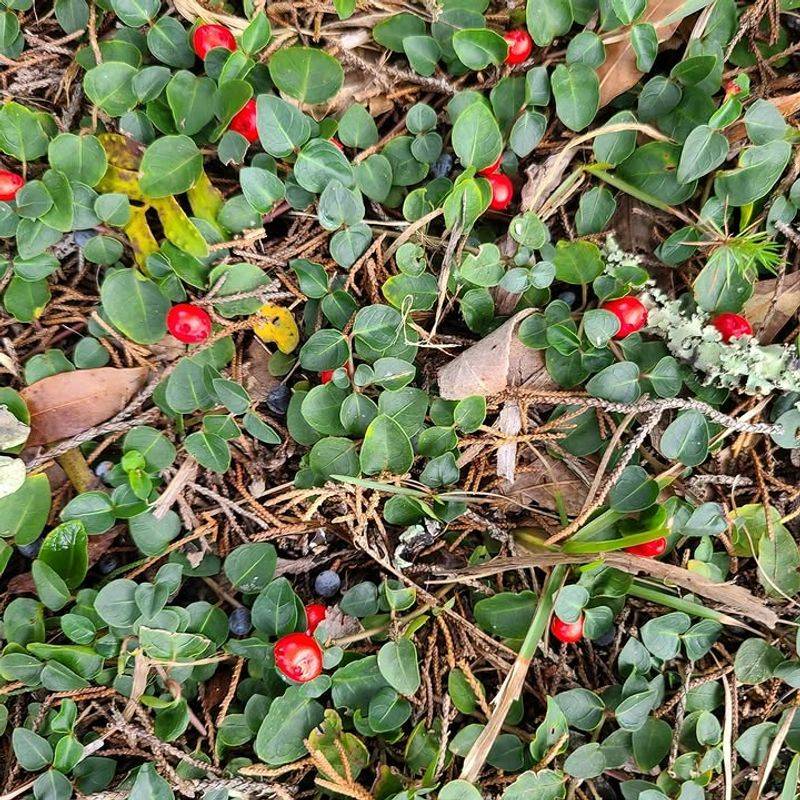
Partridgeberry (Mitchella repens) is one of those plants that rewards you for paying close attention.
At first glance it looks like a simple creeping groundcover, but look closer and you will find tiny white tubular flowers in spring, followed by bright red berries that persist through winter.
This native evergreen is one of the most charming small-scale groundcovers available for deep shade in North Carolina.
Growing only 2 to 3 inches tall, Partridgeberry spreads slowly across the soil surface, weaving between tree roots and rocks with a natural ease that feels completely at home in a woodland setting.
It thrives in acidic, well-drained soil rich in organic matter, exactly the kind of conditions found beneath pines, oaks, and other mature North Carolina trees. The evergreen foliage stays glossy and attractive through even the coldest winter months.
Establishment takes patience, as this plant spreads slowly and prefers not to be rushed. Keep the soil consistently moist during the first growing season, and avoid disturbing the shallow roots once the plant settles in.
Leaf litter from surrounding trees acts as a natural mulch and feeds the soil as it breaks down, which Partridgeberry genuinely appreciates. Space transplants about 6 to 12 inches apart and allow two to three seasons for them to knit together into a cohesive mat.
The red berries attract birds through fall and winter, turning a shaded corner into a small but lively wildlife habitat.