These Are The North Carolina Native Plants Pollinators Need Most Right Now
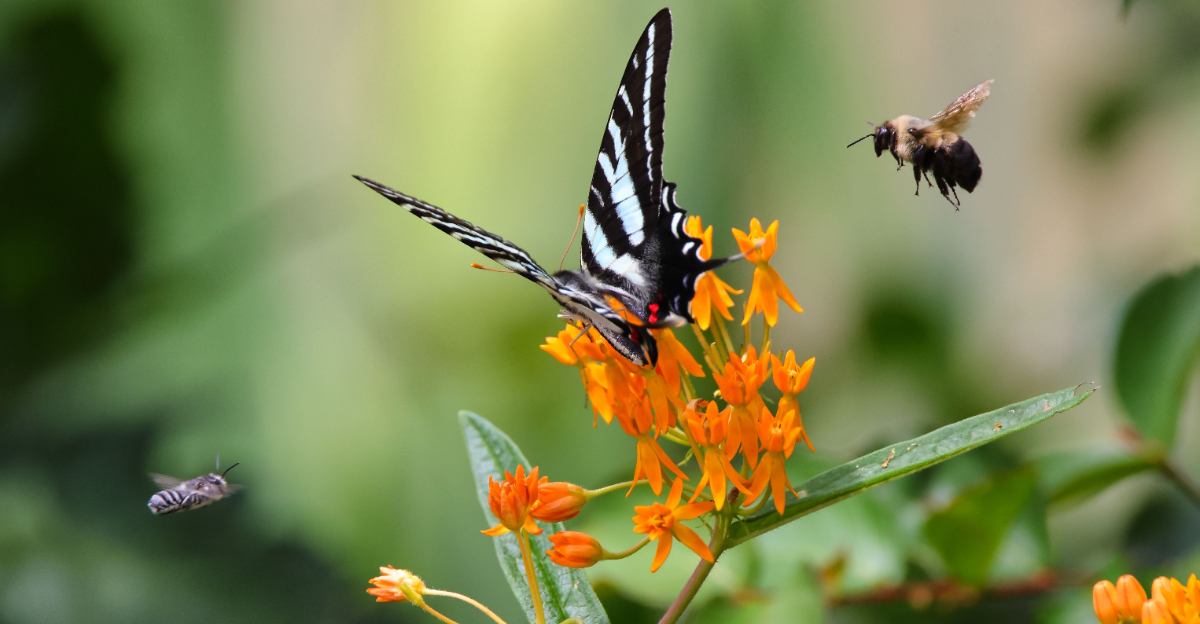
Pollinator populations across North Carolina are under consistent pressure, and the single most effective thing a gardener can do about it is plant the right native plants. Not every flowering plant supports pollinators equally.
Native bees, butterflies, and specialist insects are often dependent on specific native plant species that match their life cycles, feeding requirements, and nesting habits in ways that introduced ornamentals simply cannot replicate.
North Carolina sits within one of the most biodiverse regions in the eastern United States, and the native plants that support that diversity are worth knowing by name.
Right now, as the growing season accelerates and pollinator activity peaks, certain natives are more valuable than others and more urgently needed in residential yards where natural habitat has been steadily replaced by turf and non-native plantings.
1. Wild Columbine
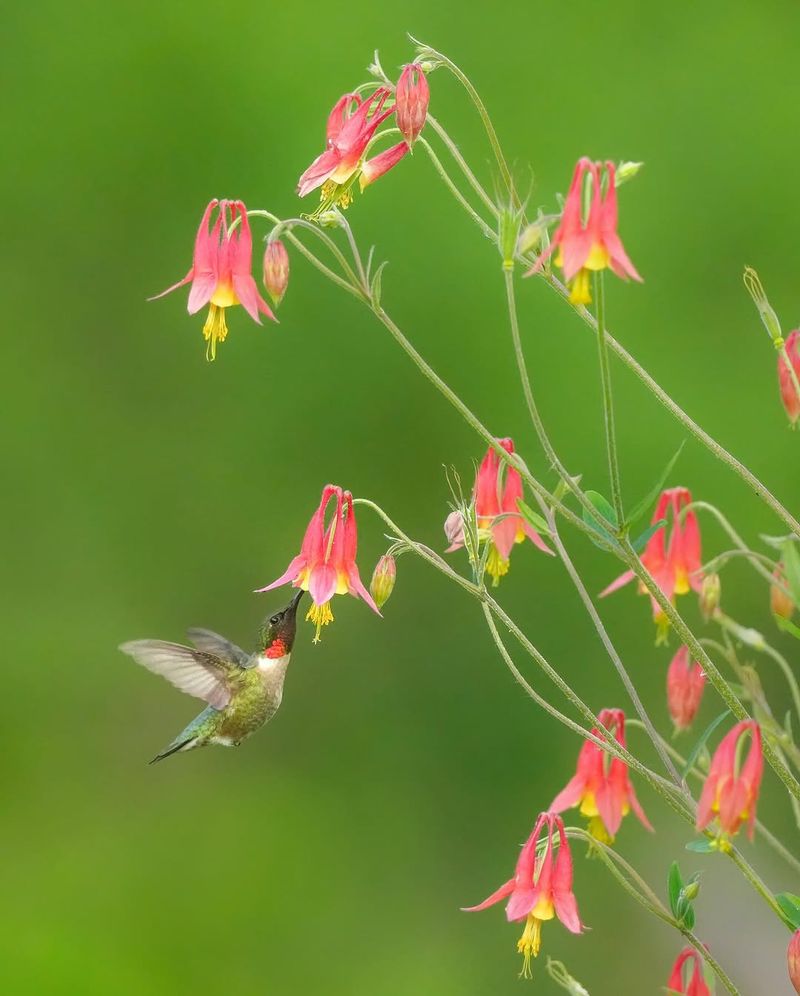
Picture a hummingbird hovering right at eye level, sipping nectar from a nodding red and yellow flower on a warm May morning.
That flower is Wild Columbine, known botanically as Aquilegia canadensis, and it is one of the most important native plants you can grow in a North Carolina garden.
Its unique spurred blooms are perfectly shaped for ruby-throated hummingbirds during their spring migration, making your yard an irresistible stop along their journey north.
Native bumblebees and mining bees also visit Wild Columbine regularly, collecting both nectar and pollen during a season when food sources are still limited.
The plant thrives in partial to full shade, making it an ideal choice for woodland edges, shaded borders, or beneath deciduous trees.
It prefers moist, well-drained soil with organic matter but handles occasional dry spells once it gets settled in.
Wild Columbine typically grows one to three feet tall and spreads naturally by reseeding itself around the garden.
You will often find cheerful little seedlings popping up in unexpected spots each spring, which is a welcome surprise. Removing some flowers while leaving others lets the plant self-sow without taking over.
In a woodland garden setting, combining it with ferns or native ginger creates a layered, naturalistic look that pollinators absolutely love.
2. Eastern Bluestar
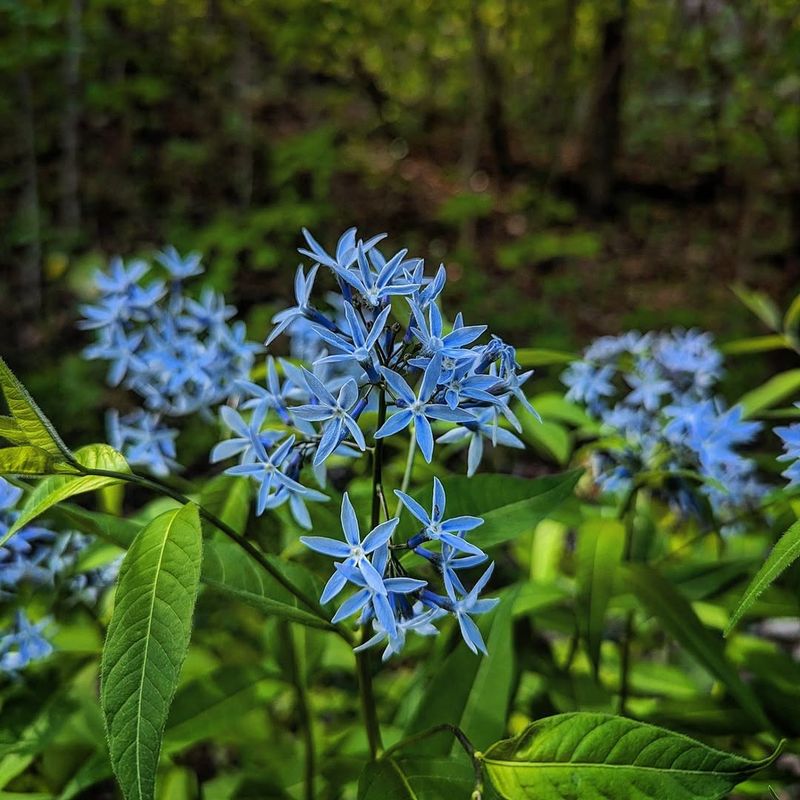
Soft, powder-blue flowers arranged in airy clusters might not look flashy at first glance, but Eastern Bluestar, or Amsonia tabernaemontana, is a powerhouse for native pollinators in late spring.
Native bees are especially drawn to its star-shaped blooms during May and June, when they need reliable pollen sources to feed their developing young. This plant delivers exactly that, blooming right when bees need it most.
Eastern Bluestar is a tough, adaptable perennial that grows well in full sun to partial shade across most of North Carolina.
It prefers average, well-drained soil and becomes impressively drought tolerant once established, making it a practical choice for low-maintenance gardens.
Spacing plants about two to three feet apart gives each one room to fill out into a full, rounded clump that looks great from spring through fall.
One of the best things about this plant is its year-round garden presence. After the blooms fade, the fine-textured, willow-like foliage stays lush and green through summer.
Your North Carolina Garden Changes Every Week. Your Plan Should Too.
Gardening in North Carolina changes quickly throughout the season. Every Friday you’ll receive a simple weekly plan showing exactly what to plant, prune, fertilize, harvest, and protect so you never miss the right timing.
Then in fall, it turns a stunning golden yellow that rivals any ornamental grass or shrub. Deer tend to leave it alone, which is a real bonus in suburban and rural North Carolina gardens.
No cutting is required, and it rarely needs dividing, so you can plant it and enjoy it with very little effort season after season.
3. Woodland Phlox
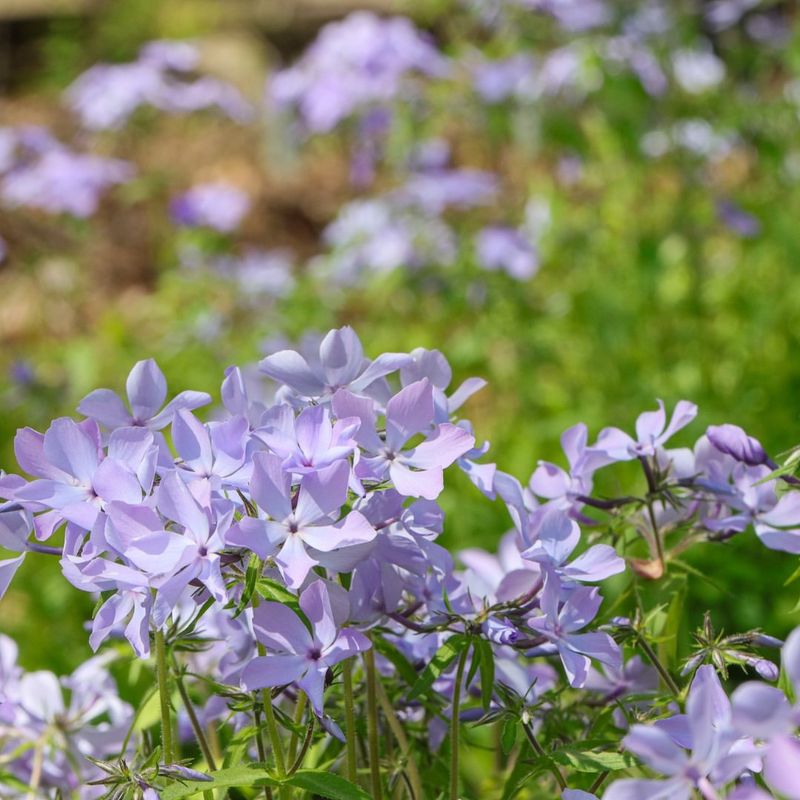
Walk near a patch of Woodland Phlox on a warm May evening and you will catch its sweet, gentle fragrance drifting through the air before you even see the flowers.
Phlox divaricata produces clouds of lavender-blue blooms that butterflies simply cannot resist, and swallowtails are among the most frequent visitors during late spring.
The fragrance works like a natural magnet, drawing pollinators in from surprising distances.
This native perennial is a natural fit for shaded and partly shaded North Carolina gardens, especially beneath trees or along woodland edges where the soil stays consistently moist.
It forms a low, spreading mat that typically reaches six to fifteen inches tall, making it an excellent ground cover option for spots where other plants struggle.
Good airflow around plantings helps prevent powdery mildew, so avoid crowding it too tightly against other plants or walls.
Spacing Woodland Phlox about twelve to eighteen inches apart allows it to spread gradually without becoming invasive.
Consistent moisture during the growing season keeps it looking its best, though it handles brief dry periods once established in the right spot.
After blooming, the foliage remains semi-evergreen through winter in many parts of North Carolina.
Pairing it with native ferns, wild ginger, or trillium creates a layered shade garden that feels truly alive with texture, color, and pollinator activity from early spring right through the warmer months ahead.
4. Coreopsis
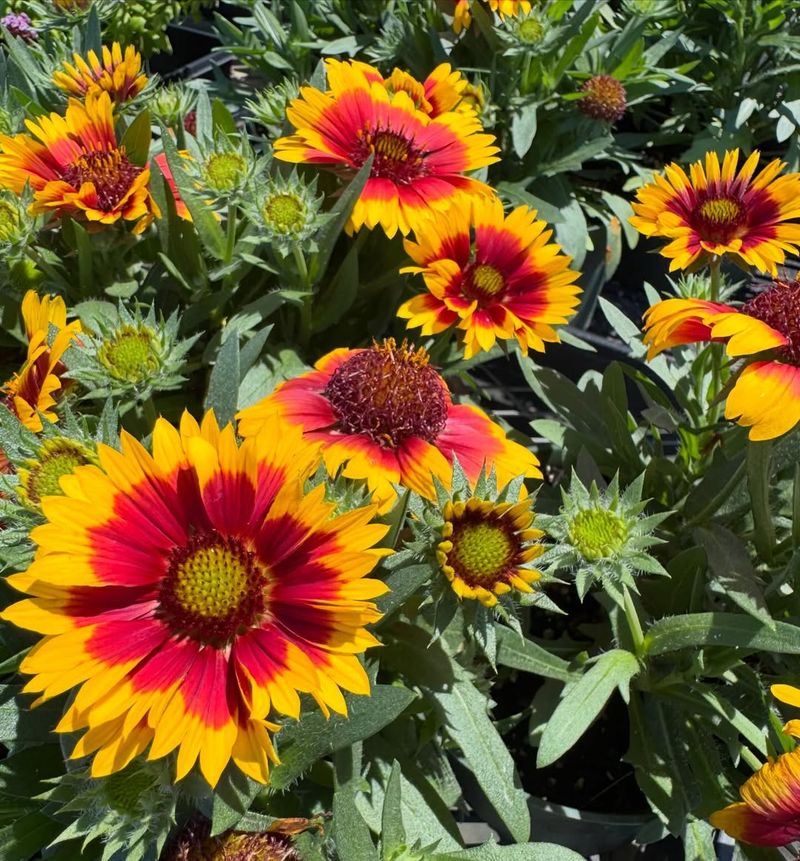
Few native flowers match the cheerful energy of Coreopsis in full bloom. Bright golden-yellow daisy-like flowers cover these plants from late spring into midsummer, creating a bold display that bees and butterflies flock to with real enthusiasm.
North Carolina gardeners have two outstanding native species to choose from: Coreopsis lanceolata, known as lanceleaf coreopsis, and Coreopsis verticillata, the threadleaf coreopsis, both of which are excellent pollinator plants.
Bumblebees, sweat bees, and small native bees visit Coreopsis flowers constantly during warming weather, collecting pollen and nectar to sustain their colonies.
Butterflies including skippers, fritillaries, and sulphurs are regular visitors as well. Full sun is essential for the best blooming, and well-drained soil is a must since both species struggle in soggy conditions.
Sandy or average garden soil suits them well, and they handle drought far better than most perennials.
Spacing plants about eighteen inches apart gives them room to spread naturally and fill in over time.
Removing spent blooms regularly extends the flowering season significantly, sometimes keeping plants blooming well into late summer.
Coreopsis verticillata in particular forms dense, airy mounds of fine foliage that look attractive even when not in bloom.
Both species are low maintenance once established, requiring little fertilizer and minimal watering.
Their long bloom season and consistent pollinator traffic make them one of the smartest investments any North Carolina gardener can make for a wildlife-friendly yard.
5. Bee Balm
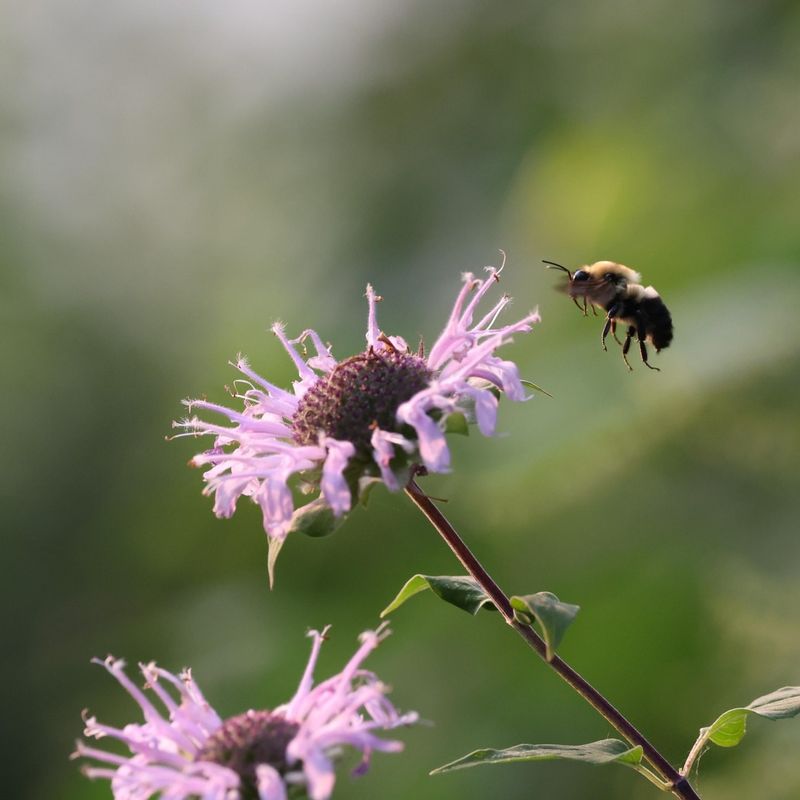
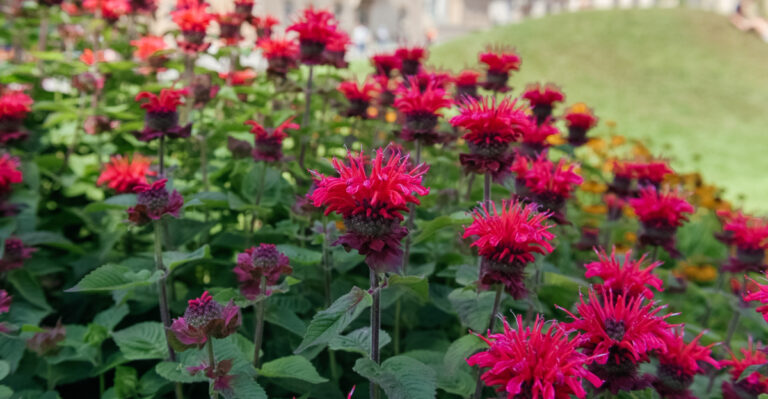
There is something almost electric about a Bee Balm plant in full bloom.
Monarda fistulosa, commonly called wild bergamot, produces shaggy, lavender-purple flower heads that hummingbirds, bumblebees, and swallowtail butterflies treat like an all-you-can-eat buffet during the hot, humid weeks of a North Carolina summer.
The nectar is rich and abundant, and the tubular flower shape is perfectly designed for long-tongued pollinators. Bee Balm grows best in full sun to light partial shade and prefers average, well-drained soil.
Spacing plants at least eighteen to twenty-four inches apart is important because good airflow between plants significantly reduces the chance of powdery mildew, which is the most common issue with this genus in humid climates.
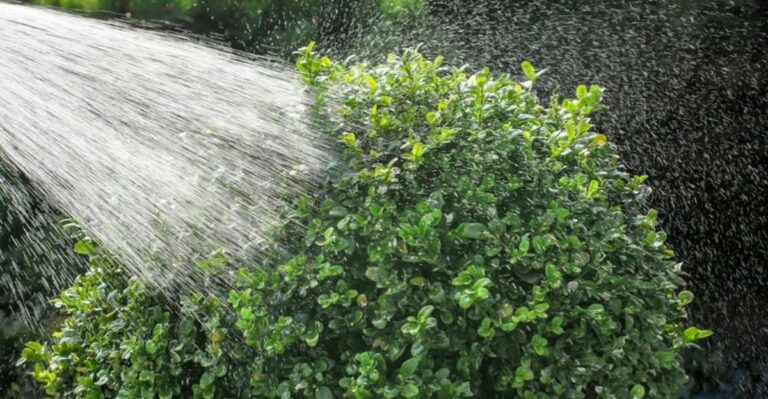
Avoid overhead watering when possible, and water at the base of the plant to keep foliage dry and healthy throughout the season.
Plants typically reach two to four feet tall and spread gradually through underground rhizomes, forming attractive colonies over time. Dividing clumps every two to three years keeps them vigorous and blooming at their best.
The aromatic foliage has a pleasant oregano-like scent that deer tend to avoid, which is a helpful bonus in gardens near wooded areas.
Cutting plants back by one-third in early June can delay bloom time and create a longer overall flowering window, giving pollinators access to fresh flowers well into late summer and beyond.
6. Purple Coneflower
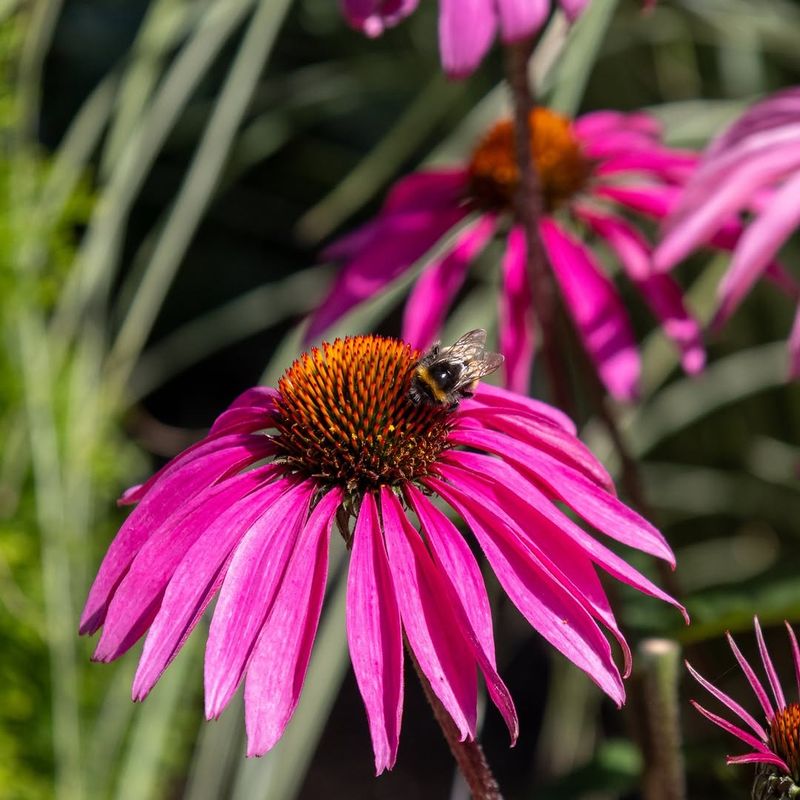
Purple Coneflower is the kind of plant that earns its place in the garden every single season.
Echinacea purpurea begins blooming in June across North Carolina, and when those large, rosy-purple petals open up around a spiky orange-brown center cone, bees arrive almost immediately.
Bumblebees are especially fond of the pollen-rich center disk, and you will often spot several working the same plant at once during peak bloom.
Butterflies, including monarchs, fritillaries, and painted ladies, visit the flowers regularly for nectar throughout the summer.
Full sun is ideal for the strongest blooming, though plants tolerate a half-day of shade without too much loss in flower production.
Well-drained soil is important, and Echinacea purpurea is notably drought tolerant once it establishes a strong root system, usually by its second season in the ground.
Spacing plants about eighteen to twenty-four inches apart gives each one room to develop fully without competition.
One of the smartest things you can do is leave the seed heads standing through fall and winter.
Goldfinches and other seed-eating birds depend on those bristly cones as a food source when other options are scarce. The dried stalks also provide winter texture and structure in the garden.
Echinacea purpurea rarely needs dividing and tends to reseed modestly on its own, gradually filling in beds with new plants that will support pollinators for years to come.
7. Butterfly Weed
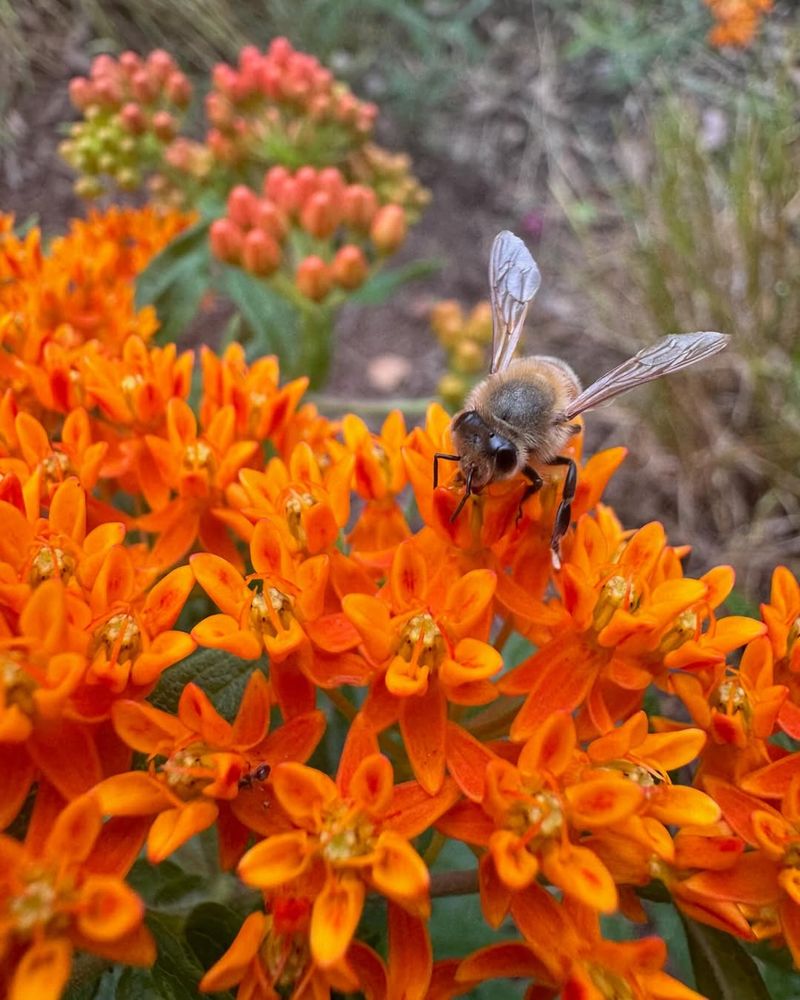
Brilliant orange flower clusters blazing in the summer sun, covered in monarchs, swallowtails, and bumblebees, that is the scene Butterfly Weed creates in a North Carolina garden every June.
Asclepias tuberosa is one of the most critical native milkweed species for monarch butterflies, which depend on milkweed plants as the only host plant where they lay their eggs.
Without milkweed, monarch populations cannot recover, making this plant far more than just a pretty face.
Butterfly Weed thrives in full sun and well-drained to dry soil, making it a perfect choice for hot, sunny spots where many other plants struggle.
Sandy or rocky soil actually suits it well, and excellent drainage is essential since the roots will rot in consistently wet conditions.
Unlike many other milkweed species, Asclepias tuberosa grows from a deep taproot that makes it very drought tolerant once established but also means it resents being transplanted after its first year.
Plan your planting location carefully before putting it in the ground, and give it at least two full growing seasons to establish before expecting heavy flowering.
Water new transplants regularly through the first summer to help the taproot develop. Spacing plants about eighteen inches apart works well for most garden beds.
Butterfly Weed is slow to emerge in spring, so mark its location to avoid accidentally disturbing it.
Once established, it needs almost no care and rewards you with stunning blooms and constant pollinator activity year after year.