7 Things Florida Gardeners Should Watch Out For When Growing Crotons
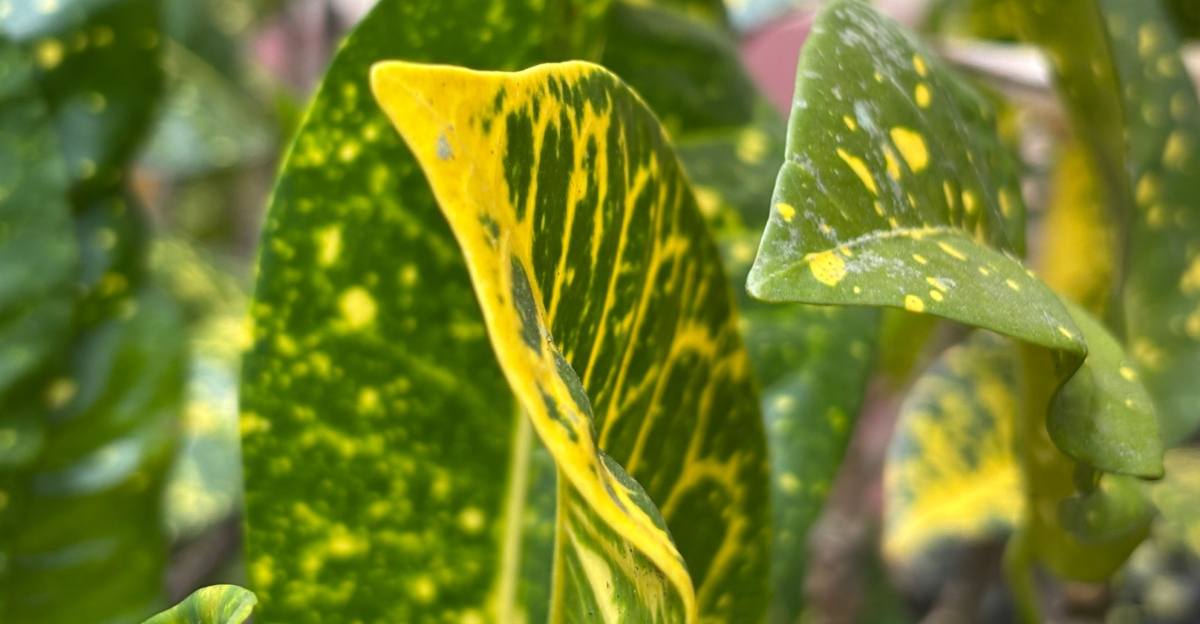
If Florida plants had a fashion show, crotons would absolutely win best dressed.
These bold, multicolored showstoppers bring shades of red, orange, yellow, and green to patios, entryways, poolside beds, and container gardens across South and Central Florida, and they do it without even trying.
Florida’s warm, humid climate suits them beautifully, and a well-placed croton can be surprisingly low maintenance. But even the most glamorous plants have their off days.
Crotons can run into a handful of common issues that affect their color, growth, and overall vibe, and catching those problems early makes a real difference.
A little know-how goes a long way with these plants, and once you understand what they need, keeping them looking vibrant and full year round becomes a whole lot easier.
1. Cold Snaps Can Damage Crotons
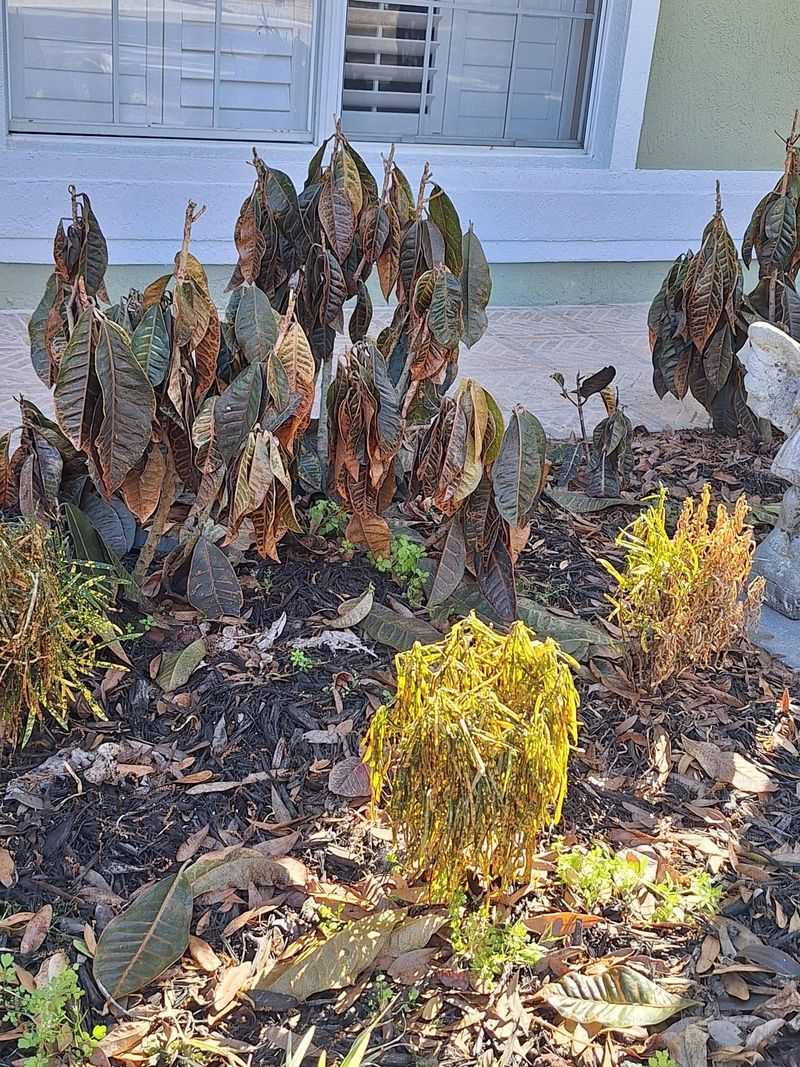
Florida winters may seem mild compared to the rest of the country, but even a brief cold front can catch croton growers off guard. Crotons are tropical plants that prefer warm temperatures, and they can show signs of stress when temperatures drop close to freezing.
Leaves may turn brown, wilt, or drop off after a frost or freeze, especially on plants grown in the ground in northern or central parts of the state.
South Florida gardeners tend to have fewer worries since hard freezes are rare that far south, but even there, an unexpected cold snap can cause leaf damage.
Gardeners in Central Florida and other cooler regions of the state face more risk during winter months.
Planting crotons near a south-facing wall, under a covered patio, or in a sheltered spot can help reduce cold exposure when temperatures fall.
One of the best strategies for gardeners in cooler zones is growing crotons in containers. A potted croton can be moved to a garage, covered porch, or indoor space when cold weather arrives.
This flexibility makes container growing a practical choice for anyone who wants to enjoy these colorful plants without worrying too much about winter damage. After a cold event, wait and see if the plant sends out new growth before assuming the worst.
Roots often survive even when top growth is damaged, and fresh leaves may emerge once warm weather returns to Florida.
2. Low Light Can Dull Leaf Color
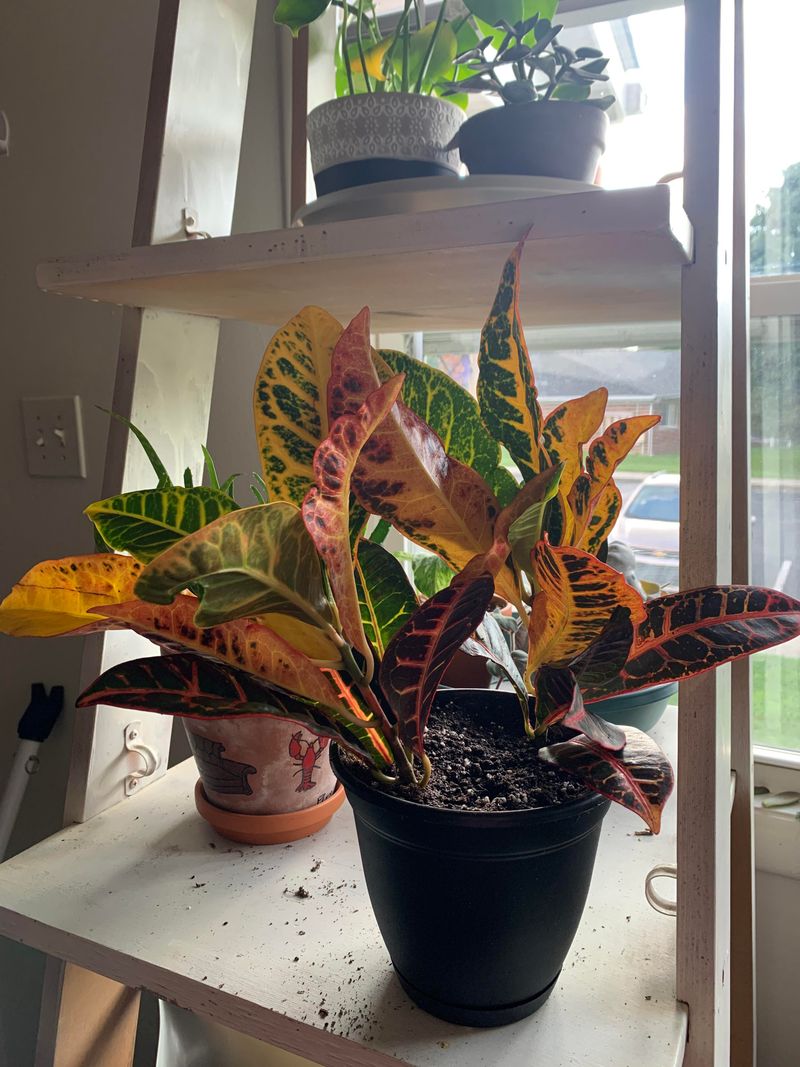
One of the most rewarding things about crotons is their vivid leaf color, but that color can fade noticeably when the plant does not get enough light.
Many croton cultivars grow best in full sun, and when grown outdoors in Florida’s bright climate, they tend to show their most intense shades of red, orange, and yellow.
Move them into a shady spot, and the leaves may start to look more green and less vibrant over time.
Indoor crotons face this challenge often. A croton placed far from a window or in a low-light room may gradually lose the bold coloring that made it attractive in the first place.
South or west-facing windows tend to offer the most light indoors, which can help maintain better leaf color. Rotating the pot occasionally so all sides receive light is also a helpful habit.
Your Florida Garden Changes Every Week. Your Plan Should Too.
Gardening in Florida changes quickly throughout the season. Every Friday you’ll receive a simple weekly plan showing exactly what to plant, prune, fertilize, harvest, and protect so you never miss the right timing.
Not every cultivar responds the same way. Some varieties are more shade-tolerant than others, and a few actually prefer partial shade rather than direct sun.
Checking the specific needs of the cultivar you are growing can make a real difference.
Outdoors in Florida, a spot with morning sun and some afternoon shade often works well for shade-tolerant types, especially during the hottest summer months when intense afternoon sun can sometimes stress the plant.
Finding the right light balance for your specific croton may take a little experimentation, but the payoff is a plant with richer, more striking foliage that truly stands out in any garden or living space.
3. Too Much Or Too Little Water Can Stress Plants
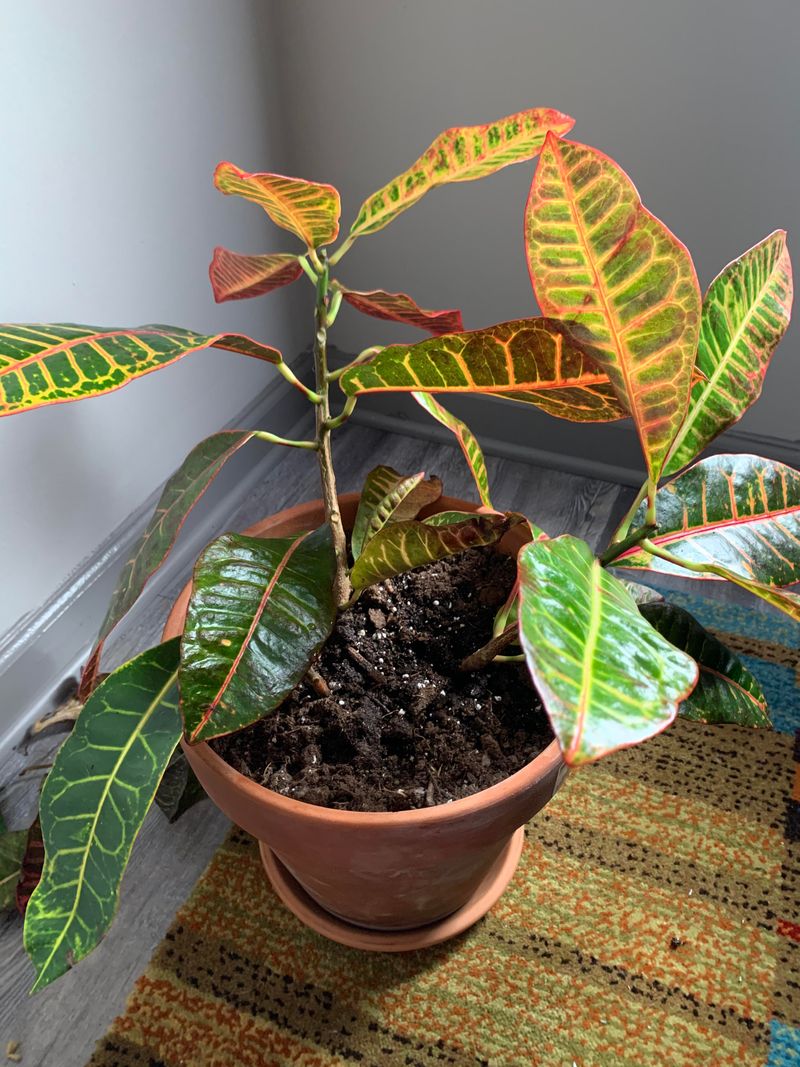
Watering crotons is one of those things that sounds simple but takes a little attention to get right. These plants enjoy warm, humid conditions and need regular watering, but overwatering can be just as problematic as letting them dry out too much.
Florida’s rainy season, which typically runs from late spring through early fall, can sometimes provide more than enough moisture on its own, so gardeners need to adjust their watering habits based on what the weather is actually doing.
A helpful sign to watch for is wilting on new foliage. When young leaves begin to droop, that is often a signal the plant needs water.
Established crotons in the ground can handle brief dry spells better than newly planted ones, which need more consistent moisture while their roots are getting settled.
Sandy Florida soils drain quickly, which means water can move through the root zone fast, sometimes leaving plants thirstier than expected even after a recent rain.
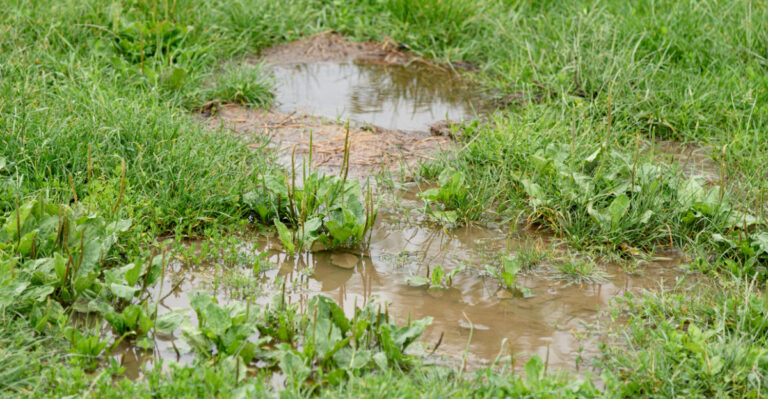
On the flip side, waterlogged soil can lead to root problems that affect the whole plant. If a croton sits in soggy ground for extended periods, the roots may struggle to function properly, and the plant can show signs of stress like yellowing leaves or slow growth.
Checking the soil before watering rather than following a strict schedule is a smarter approach.
Stick a finger a couple of inches into the soil, and if it still feels moist, hold off on watering for another day or two before checking again.
4. Poor Container Drainage Can Cause Problems
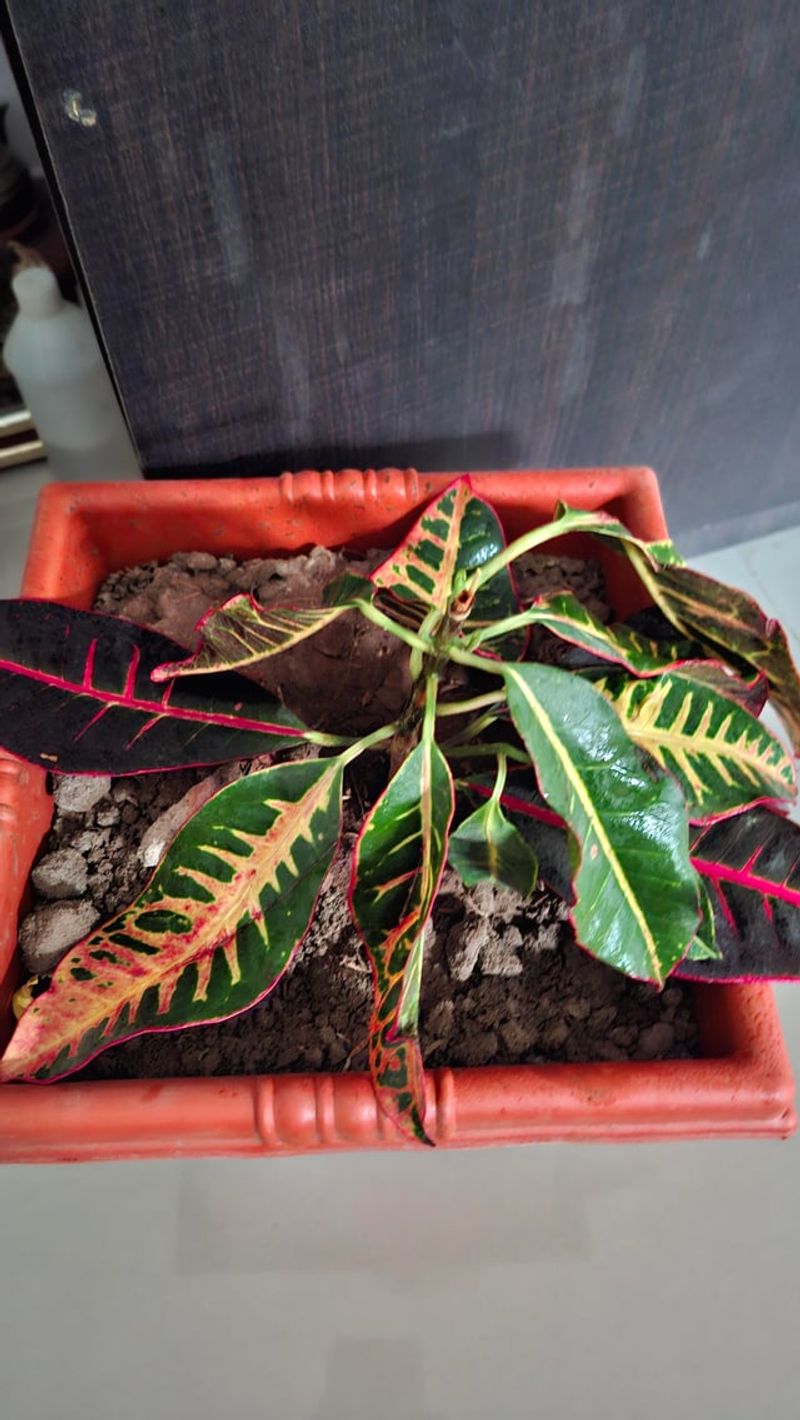
Container gardening is a popular choice for croton lovers, especially for those who want the flexibility to move plants when cold weather rolls in or when light conditions change with the seasons.
Growing crotons in pots comes with real benefits, but it also means drainage becomes something you need to actively manage.
A container without proper drainage can hold too much water around the roots, and that creates conditions where the plant may struggle even if everything else seems fine.
Choosing a pot with drainage holes is the first step. Beyond that, the potting medium matters a great deal.
A high-quality potting mix that drains well while still holding some moisture is a better choice than dense garden soil, which tends to compact in containers and slow drainage significantly.
Some gardeners add perlite or coarse material to their potting mix to improve drainage further, especially if the container will sit in a spot that gets frequent rain during summer.
Saucers placed under pots to protect patios and decks can trap water beneath the container if they are not emptied regularly. A croton sitting in standing water for hours after a rain is not in an ideal situation.
Elevating containers slightly on pot feet or a rack can help excess water drain away more freely. Checking containers after heavy Florida summer rains is a good habit to build.
With the right pot, the right mix, and a little attention to drainage, container-grown crotons can thrive on patios and entryways across Florida for a long time.
5. Pests And Fungal Issues Can Occasionally Show Up
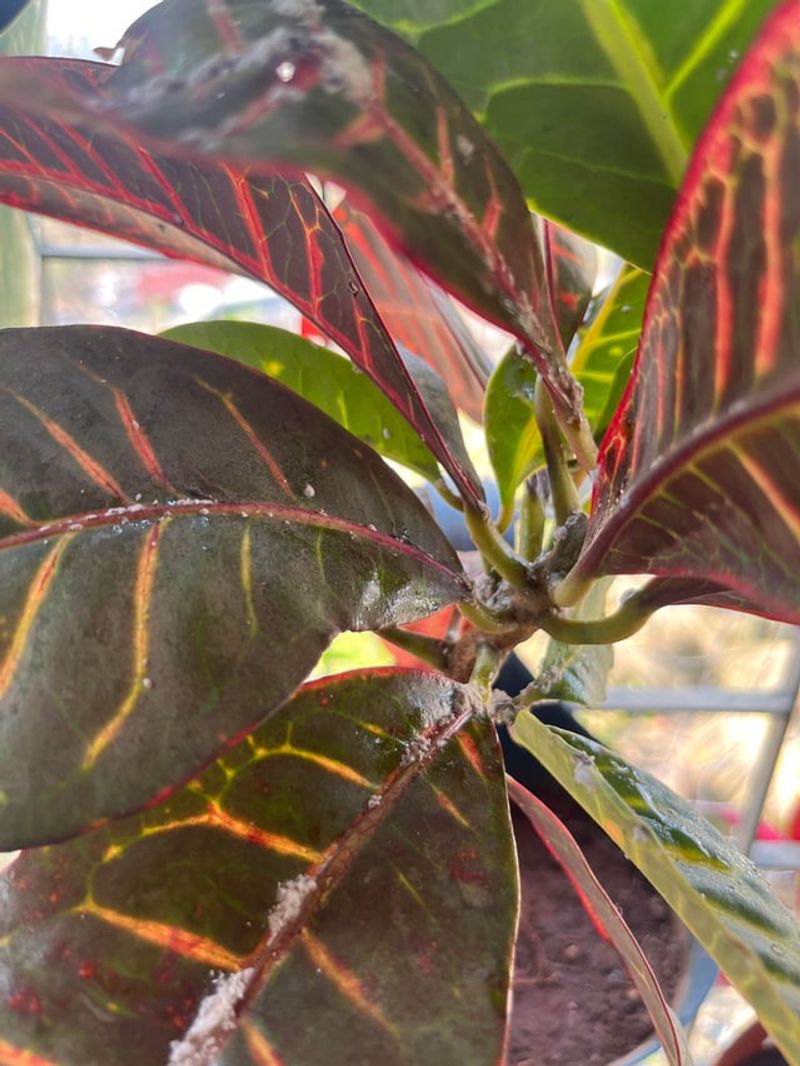
Crotons are generally considered low-maintenance when it comes to pests and diseases, and for the most part, a healthy plant in the right spot will not face many problems.
Still, certain pests and fungal issues can show up from time to time, and catching them early makes a noticeable difference in how quickly the plant bounces back.
Florida’s warm, humid climate creates conditions where some of these issues can develop faster than they might in drier parts of the country.
Mealybugs, scale insects, spider mites, and thrips are among the pests that may occasionally appear on crotons. Mealybugs look like small white cottony clusters, often found along stems or in leaf joints.
Scale insects can appear as small bumps on stems or the undersides of leaves. Spider mites tend to be more of an issue for indoor crotons, especially in dry conditions.
A dusty indoor croton can be taken outside and washed gently in a shaded area to help manage mites and remove buildup from leaves.
Fungal issues are less common but can develop when plants are in overly wet conditions or have poor air circulation around them.
Keeping plants properly spaced and avoiding overhead watering when possible can help reduce the chance of fungal problems developing.
Checking your crotons regularly, including the undersides of leaves, is one of the most effective ways to spot trouble before it spreads.
Early action, whether that means rinsing leaves, adjusting watering, or improving airflow, tends to produce better results than waiting until the problem becomes severe.
6. Leaves And Sap Need Careful Handling Around Kids And Pets
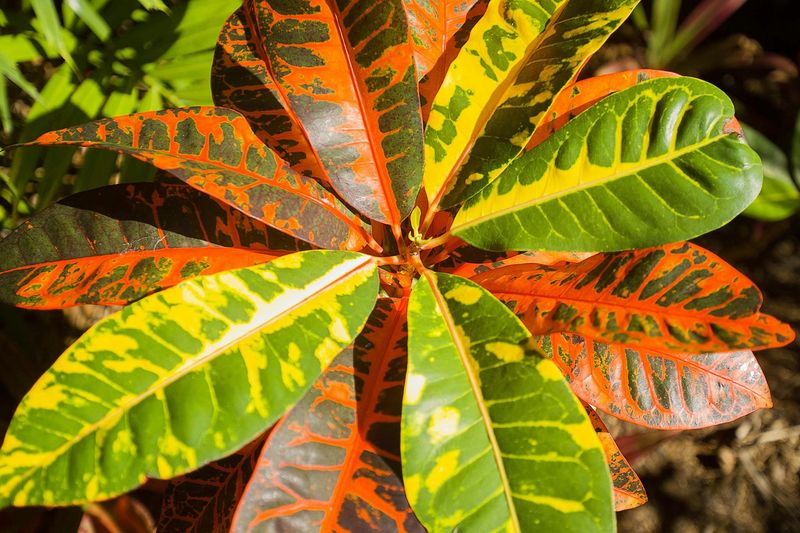
Crotons are undeniably beautiful, but there is one important thing every gardener should know before planting them near play areas, walkways, or anywhere children and pets spend time.
The leaves and sap of croton plants have irritating and poisonous qualities, and nibbling on the leaves can cause problems for both kids and animals.
This does not mean crotons cannot be part of your Florida landscape, but it does mean placement and awareness matter.
For households with young children or curious pets, planting crotons in areas that are harder to access, such as raised beds, upper patio planters, or spots separated from play zones, is a sensible approach.
Indoor crotons should be placed out of reach of cats, dogs, and toddlers who might be tempted to chew on the colorful leaves.
Even brief contact with the sap can cause skin irritation in some people, so wearing gloves when pruning or handling crotons is a practical habit worth building.
The sap from croton stems can also stain surfaces, clothing, and skin, so taking care during pruning or repotting is worthwhile. Having a damp cloth nearby to wipe up any sap drips before they set can save some frustration.
Gardeners who love the look of crotons but have active pets or small children at home can still enjoy these plants by being thoughtful about where they are placed and how they are maintained.
A little planning goes a long way toward making crotons a safe and stunning part of any Florida garden or outdoor living space.
7. Poolside Placement Needs The Right Variety And Spot
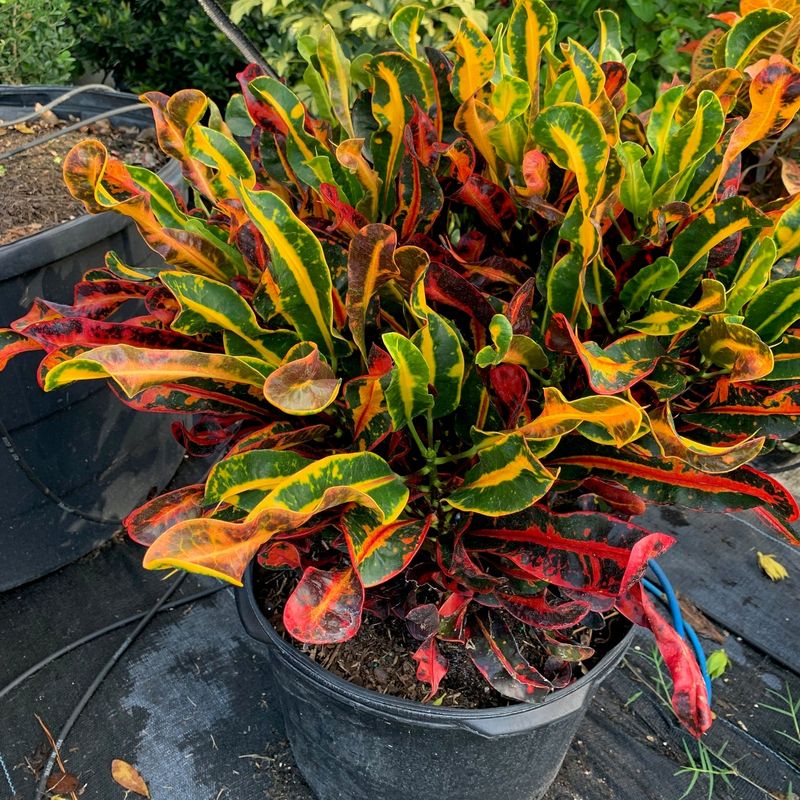
Poolside crotons can bring strong color to a Florida patio, but placement matters more than many gardeners expect.
Crotons are often used for bold foliage near pools because their red, orange, yellow, green, and purple leaves can brighten paved areas without relying on flowers.
Still, not every croton fits every poolside space. Some varieties can grow several feet tall, while dwarf types may be easier to manage near walkways, screen enclosures, seating areas, or narrow planting beds.
A larger croton can work well as a background shrub, but it may crowd a tight space if it is planted too close to the pool edge. Light is another point to consider.
Many crotons color up well in bright conditions, while some cultivars perform better with partial shade, especially where afternoon sun reflects off paving, walls, or pool surfaces.
Containers can be useful because they let Florida gardeners adjust the plant’s location as light, heat, or cold-season needs change.
Good drainage is also important around pools and patios, since crotons prefer frequent moisture without staying overly wet. A sheltered poolside corner may also help protect container crotons from chilly winter winds.
When planting near a pool, leave enough room for airflow, maintenance access, and mature growth. With the right variety and a thoughtful spot, crotons can add tropical color while staying easier to care for in a busy Florida outdoor space.