These Are The 8 Container Plants Ohio Gardeners Swear Keep Mosquitoes Away
You step outside to enjoy your porch and within five minutes you’re swatting at your arms and heading back inside. Every Ohio summer, same story.
Candles, sprays, those little clip-on fans, you’ve probably tried a few of them with mixed results. But what if your container garden could actually pull some of that weight?
Certain plants have a real reputation for keeping mosquitoes at bay. Better yet, most of them look beautiful in a pot.
Now, no plant is a silver bullet, but pairing the right ones together in your containers gives you a fighting chance at actually enjoying your backyard again. These are the ones Ohio gardeners keep coming back to every single season.
1. Citronella Grass Brings The Classic Mosquito-Repelling Scent
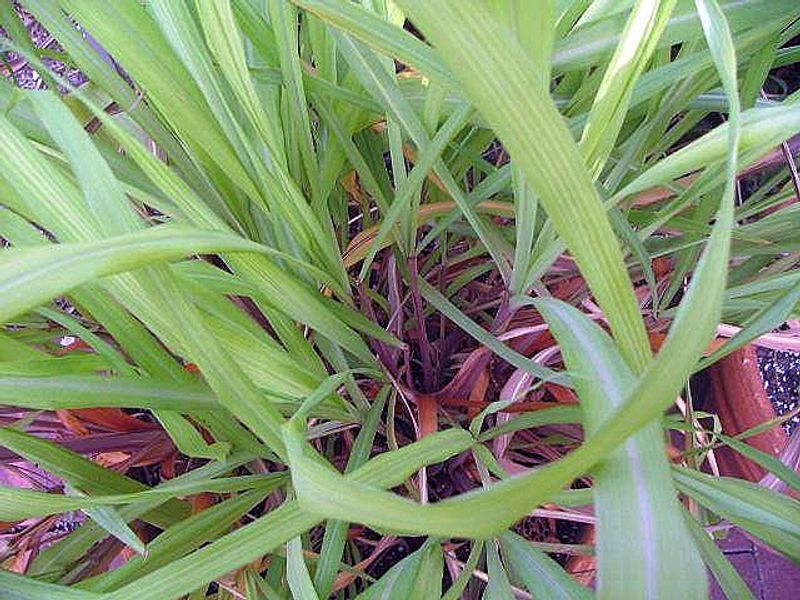
Few plants carry the mosquito-repelling reputation quite like citronella grass. That bold, lemony scent is something many people recognize instantly from candles and outdoor torches.
But the real plant has its own kind of charm, especially when it is growing tall and green in a big pot near your porch or deck.
Make sure you are buying true citronella grass, a Cymbopogon species, not the scented geranium often sold as “citronella plant” or “mosquito plant.”
The scent is strongest when the long leaves are brushed, crushed, or warmed by direct sun. Just walking past a pot and grazing the leaves can release that familiar fragrance into the air around your seating area.
Placing the container near a walkway, gate, or chair makes that contact more likely.
Citronella grass needs full sun, warm temperatures, steady moisture, and a large container with good drainage holes. A five-gallon pot or bigger is a smart choice because the plant can grow quite tall during our warm season.
Keep the soil evenly moist but never waterlogged.
Since this plant is tropical, it will not survive a frost. Bring it indoors before temperatures drop in the fall, or treat it as a warm-season annual.
It will not control mosquitoes across your entire yard on its own.
As part of a thoughtful patio planting strategy, it is a strong and fragrant anchor plant that earns its spot in any outdoor container garden.
2. Lavender Adds Fragrance Mosquitoes Tend To Avoid
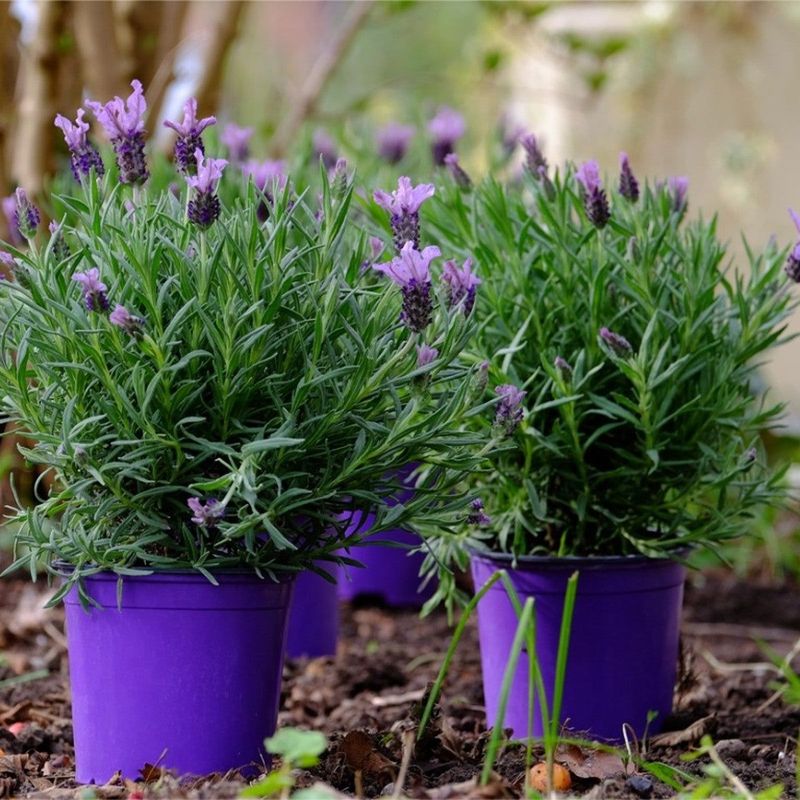
There is something almost nostalgic about the scent of lavender drifting across a warm patio on a July afternoon. Gardeners have grown it near doorways, benches, and outdoor tables for generations.
Part of the reason is that strong herbal fragrance that many insects seem to find unappealing.
Lavender thrives in full sun and needs soil that drains quickly and completely. This is exactly where growing it in a container can be a real advantage in our state.
Heavy clay garden beds and wet Ohio summers can make lavender struggle badly in the ground. A container filled with a well-draining potting mix, possibly blended with a little coarse sand or perlite, gives lavender the dry feet it needs to stay healthy.
Your Ohio Garden Changes Every Week. Your Plan Should Too.
Gardening in Ohio changes quickly throughout the season. Every Friday you’ll receive a simple weekly plan showing exactly what to plant, prune, fertilize, harvest, and protect so you never miss the right timing.
Place lavender pots in the sunniest spots on your porch or deck. South-facing or west-facing locations tend to work well.
Water it only when the top inch or two of soil feels dry, and never let the pot sit in a saucer full of standing water.
Trim spent blooms regularly to encourage new flower production and keep the plant looking tidy. In humid summers, good airflow around the container helps prevent fungal problems.
Lavender is not a mosquito eliminator, but its persistent scent makes it a pleasant and practical addition to any fragrant patio container collection.
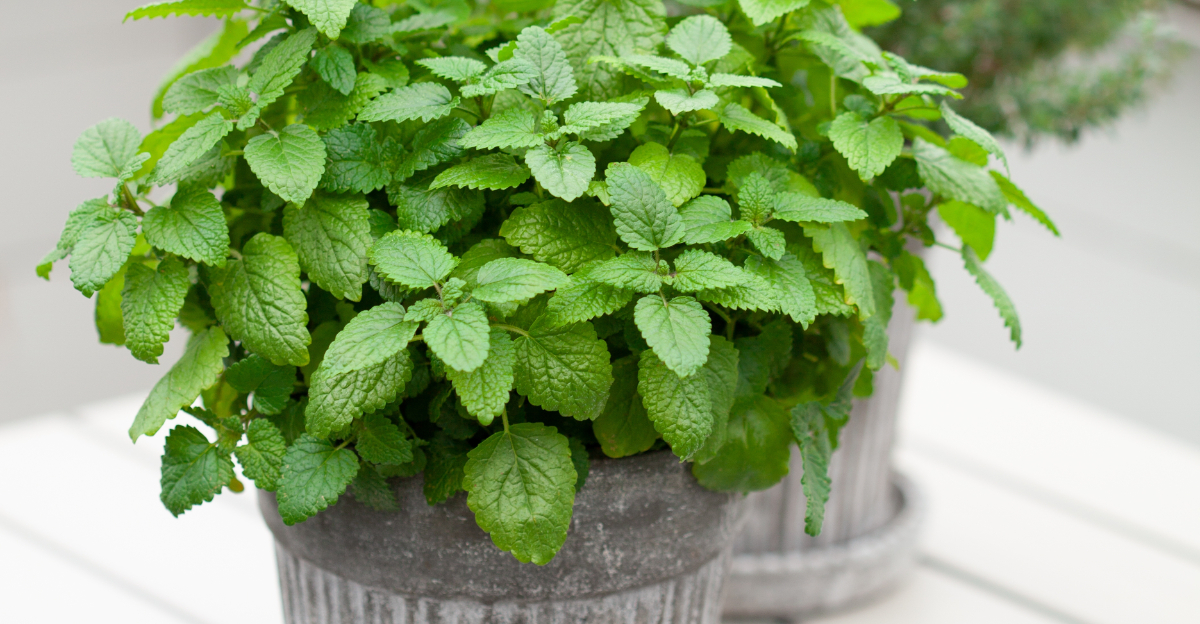
3. Lemon Balm Gives Patio Pots A Strong Citrus Scent
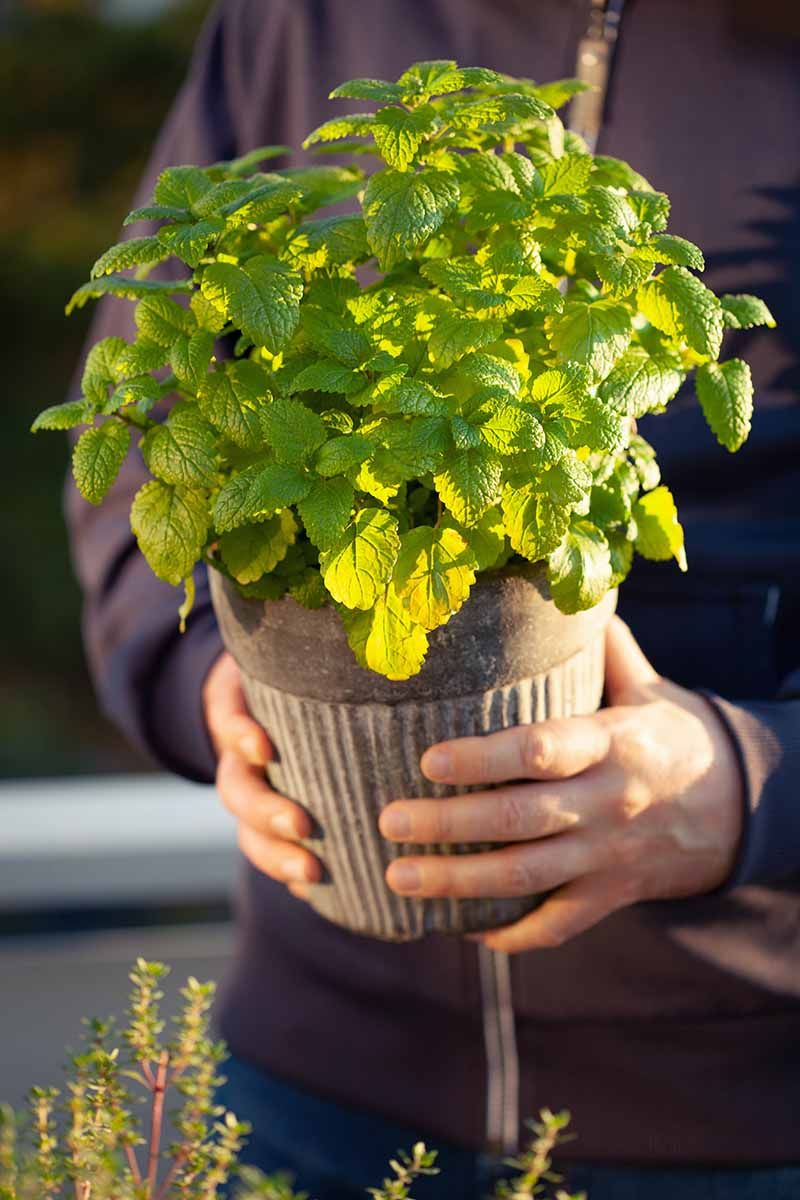
Rub a single leaf between your fingers and lemon balm immediately announces itself with a sharp, bright citrus scent that fills the air around you. That fragrance is one reason this herb has found its way into so many patio pots across the state.
It smells clean, fresh, and nothing like the kind of environment mosquitoes prefer.
Lemon balm belongs to the mint family, which tells you two important things right away. First, it is vigorous and easy to grow.
Second, it can spread aggressively if it ever gets into an open garden bed. Keeping it in a container is absolutely the right call.
A medium to large pot with drainage holes works well, and the plant will fill it out nicely through the growing season.
It grows happily in part sun to full sun and prefers steady, even moisture. Do not let the soil dry out completely between waterings, especially during hot stretches in July and August.
Trim the plant back regularly to keep it from getting leggy and to encourage fresh, fragrant new growth.
The scent releases most strongly when leaves are touched or brushed.
Place the pot near a chair arm, gate latch, or frequently used walkway to get the most from it. Lemon balm is an easygoing, productive herb that earns its place in any container herb garden near your outdoor seating area.
4. Basil Works Double Duty Near Outdoor Seating
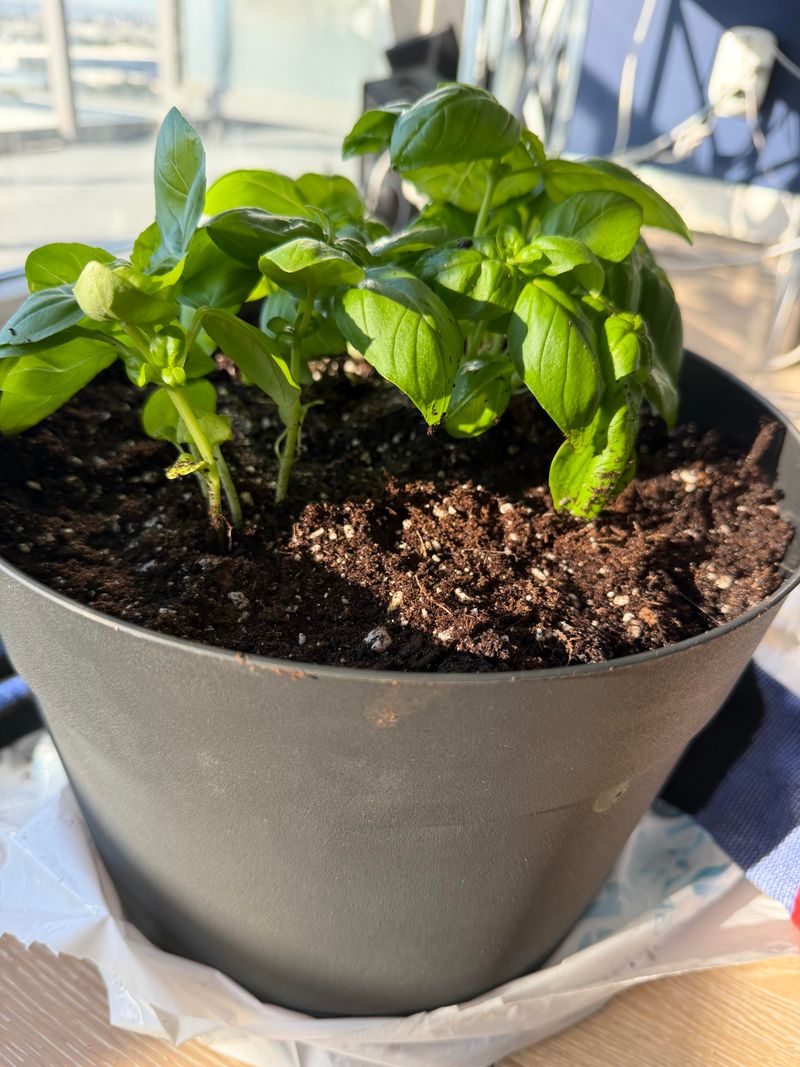
Planting basil near your outdoor table might be one of the smartest moves a summer gardener can make. You get a bold, spicy fragrance wafting through the air and fresh leaves ready to snip for dinner.
You also get a plant that genuinely earns its container space from late spring through early fall.
Basil has a strong, distinctive scent that many gardeners describe as intense and almost medicinal up close. That same aroma is part of why it shows up near patios, grills, and kitchen doors.
Pinching off a few leaves while you cook outside releases that fragrance right into the surrounding air.
One important timing note: do not rush basil into the ground or into outdoor pots too early. It is a warm-weather plant that sulks and stalls when nights are still cool.
Wait until nighttime temperatures are consistently above 50 degrees Fahrenheit before moving pots outside. In many parts of the state, that means late May or early June is the safer window.
Basil needs full sun, at least six hours daily, well-drained potting mix, and regular harvesting to stay productive and bushy. Pinch off flower buds as soon as they appear to keep the plant focused on leaf production.
A pot near your grill or patio table puts it exactly where you will use it most.
It is handy for cooking and for enjoying its lively, fragrant presence through the summer season.
5. Mint Smells Fresh But Needs A Container To Behave
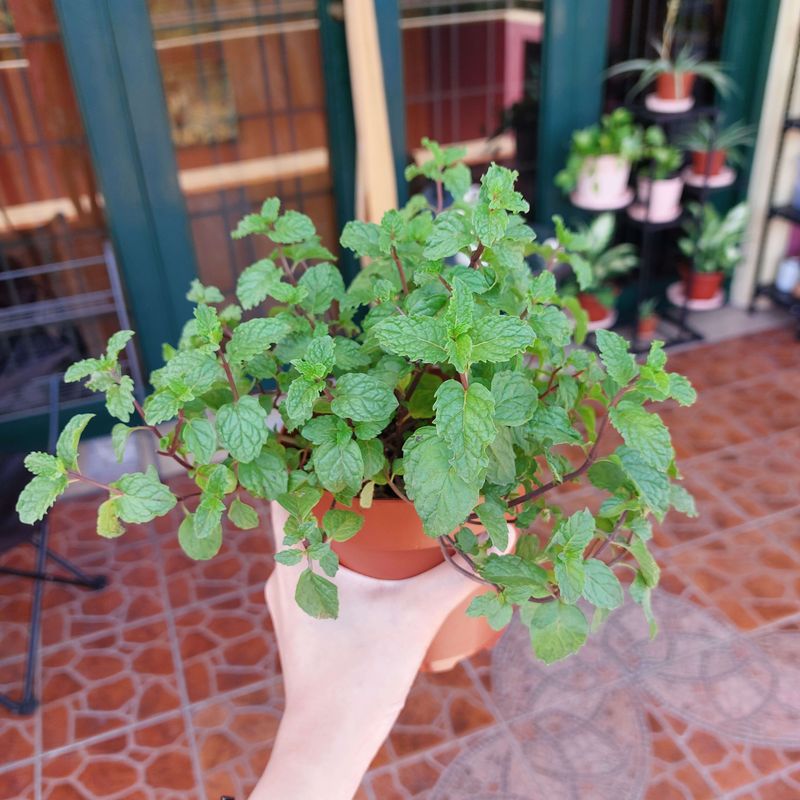
Ask almost any experienced gardener what happens when mint gets loose in a garden bed, and you will hear a story that ends with the mint winning.
This plant spreads by underground runners with remarkable determination, and once it establishes itself in open soil, it is genuinely difficult to manage.
A container is not just a good idea for mint. It is practically required.
Keeping mint in a pot gives you all the benefits of its fresh, sharp fragrance without the garden takeover. Place the pot on a hard surface like a deck, patio slab, or concrete step so the roots cannot escape through drainage holes and root into nearby soil.
That one small detail prevents a lot of future frustration.
Mint grows well in part sun to full sun and appreciates consistent moisture. It does not like to dry out completely between waterings, especially during hot summer stretches.
Trim it back regularly to keep the plant full and productive. Cutting it back also encourages the freshest, most fragrant new growth to emerge.
There are many mint varieties to try in containers, including spearmint, peppermint, and chocolate mint, each with its own scent profile. Place the pot near a seating area where people will brush past it naturally.
That contact releases the fragrance and makes the patio feel noticeably fresher. Mint is a reliable, sensory-rich container plant for any outdoor space.
6. Rosemary Handles Sunny Pots With Sharp Herbal Fragrance
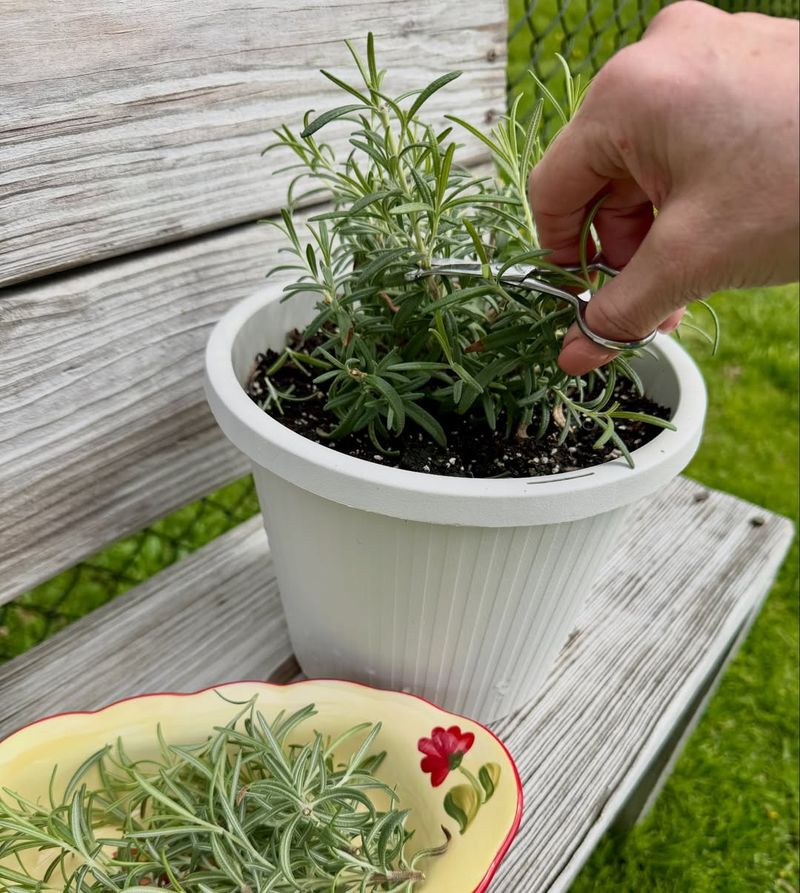
Rosemary has a scent that is hard to ignore. It is sharp, resinous, and almost piney, the kind of fragrance that hits you immediately when you brush your hand across the needled branches.
That bold aroma is one reason gardeners love placing rosemary pots near outdoor seating areas, walkways, and porch steps where contact happens naturally.
In many parts of the state, rosemary is not reliably winter-hardy. Our cold winters and wet freeze-thaw cycles can be hard on it, which is why growing rosemary in a container is a practical and popular approach.
You can move the pot indoors to a sunny windowsill or cool bright room when temperatures start dropping in autumn, then bring it back outside once warm weather returns.
Rosemary demands full sun and excellent drainage above almost everything else. Soggy soil is its biggest enemy.
Use a well-draining potting mix and make sure the container has strong drainage holes. Water deeply but allow the soil to dry out somewhat between waterings.
Avoid pots without drainage, and never let rosemary sit in collected water.
Trim rosemary lightly and regularly to keep its shape tidy and to harvest sprigs for cooking. The trimming also releases that wonderful sharp scent into the air around you.
A rosemary pot on a sunny deck is both a practical herb garden staple and a fragrant, sensory anchor for your outdoor summer container collection.
7. Marigolds Add Color While Scenting The Patio
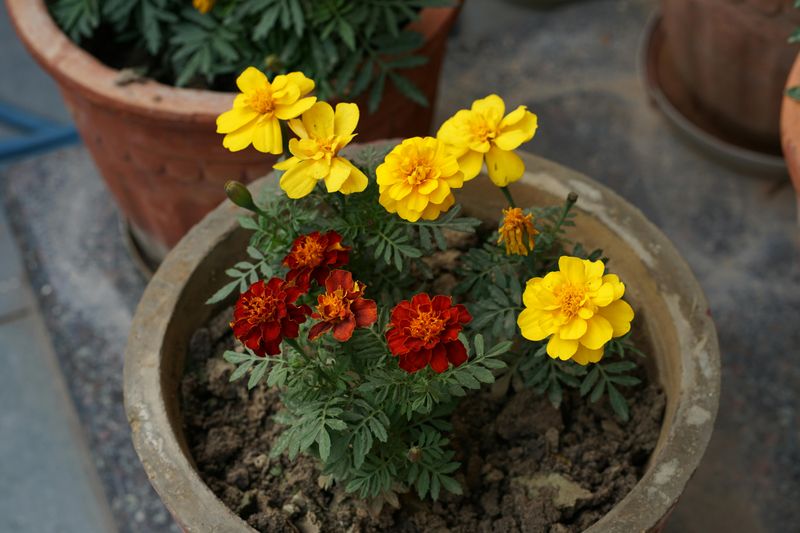
Walk through any garden center in late spring and you will spot marigolds immediately. Those bold orange, yellow, and red blooms are almost impossible to miss.
Beyond the color, marigolds bring something else to a patio setup.
They offer a distinctive, pungent scent that many gardeners associate with keeping unwanted insects at bay around beds and seating areas.
The fragrance is not subtle. Marigolds have a sharp, slightly bitter smell that comes from the plant’s natural compounds.
Gardeners have placed them near tomatoes, peppers, and patio chairs for decades, partly for that reason. They are not a stand-alone mosquito control method, but as one fragrant layer in a thoughtful patio planting, they absolutely hold their own.
Marigolds are straightforward to grow in containers. They need full sun, at least six hours daily, and well-drained soil.
Water consistently but avoid overwatering, which can cause root problems and reduce blooming. Trimming spent flowers regularly is the single best way to keep marigolds producing blooms from late spring right through the first frost of autumn.
French marigold varieties tend to work especially well in container pots because they stay compact and full. African marigolds grow taller and make a bolder visual statement in larger planters.
Either way, a cluster of marigold pots arranged near your outdoor table or porch steps adds cheerful color and a lively scent to any summer patio setup.
8. Catnip Has Research Behind Its Mosquito-Repelling Compounds
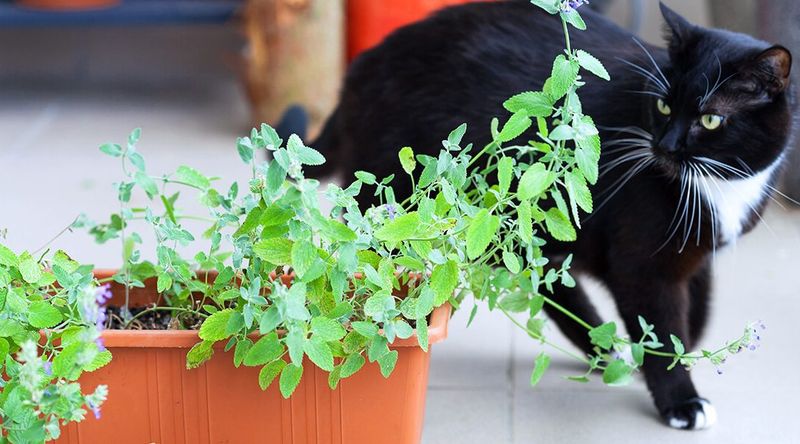
Catnip might be best known for sending cats into a happy frenzy, but researchers have found something interesting beyond that familiar feline reaction.
The plant contains nepetalactone, a naturally occurring compound that has shown mosquito-repelling activity in laboratory studies.
That research is one reason catnip has gained attention as a container plant for outdoor spaces.
A potted catnip plant is not the same as a tested, formulated repellent product. The research on nepetalactone is promising, but placing a pot on your deck will not replicate the concentrated results seen in lab settings.
Still, catnip is a strongly scented, easy-to-grow herb that makes a practical and interesting addition to a fragrant patio container collection.
Like mint and lemon balm, catnip belongs to the mint family and can spread aggressively in open beds. Keeping it in a container is the smart approach.
Place the pot on a hard surface so roots cannot escape through drainage holes and establish themselves in surrounding soil.
Catnip grows well in full sun to part sun and prefers soil with good drainage. Water it regularly but do not overwater, and trim it back periodically to encourage fresh new growth and keep the plant tidy.
One practical note: if neighborhood cats visit your yard, place the pot somewhere out of reach. A cat rolling across a catnip plant can flatten it quickly.
Keep it elevated or protected to get the most from this research-backed, fragrant container herb.