The California Herbs That Repel Rats And Look Beautiful In Any Garden
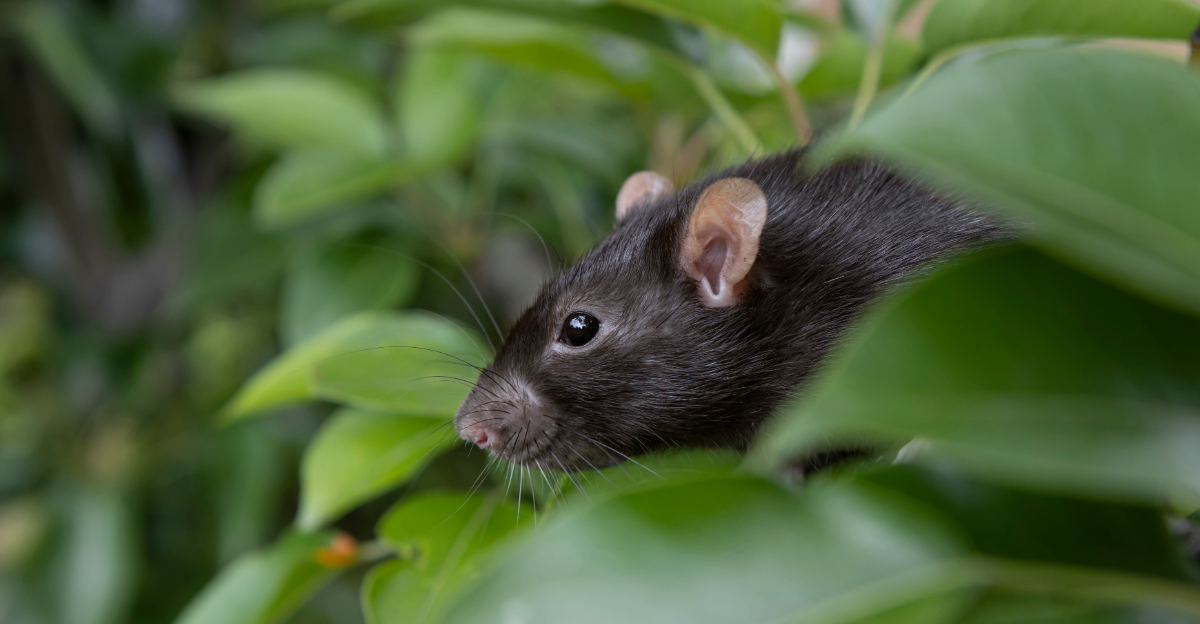
Rats can make a garden feel a lot less charming, even when the plants look great. That is why many California gardeners are paying closer attention to herbs with strong scents.
These plants cannot solve a rat problem on their own, but they can help make certain areas feel less inviting. The best part is that they also look good in beds, borders, and pots near patios.
Some bring soft leaves and fresh fragrance. Others add flowers that make the garden feel brighter through the warm season.
A few can even be clipped for the kitchen, which is a nice little bonus. In California’s mild climate, many herbs grow easily once they have sun and decent drainage.
A garden can smell better, look prettier, and feel a bit more protected at the same time. That is a pretty useful plant trick.
1. Rosemary Adds Strong Scent And Structure
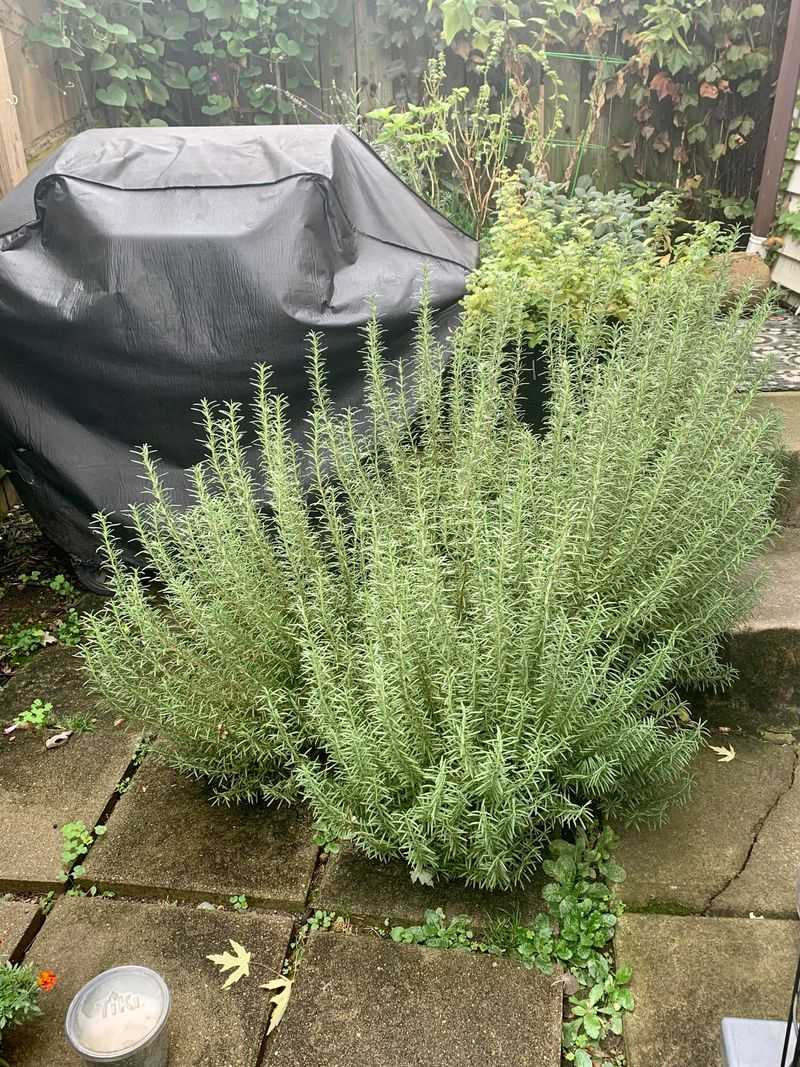
Few herbs are as hardworking and handsome as rosemary. Its sharp, piney scent fills the air on warm days, and that same smell is exactly what sends rats running in the other direction.
Rodents have very sensitive noses, and rosemary overwhelms them fast. Plant it along walkways, near entry points, or as a low border hedge.
It grows into a sturdy, attractive shrub over time and does not need much water once it is established. Our state’s dry summers are actually perfect for this Mediterranean herb.
Rosemary can grow up to four feet tall, making it useful as a natural barrier. Trim it regularly to keep it full and bushy.
The more you prune, the stronger the scent becomes, which is great news for keeping pests away.
Beyond pest control, rosemary is wonderful in the kitchen. Use it with roasted vegetables, chicken, or bread. Having it right outside your back door makes cooking feel effortless and fresh.
It also attracts pollinators like bees, which helps the rest of your garden thrive. Plant rosemary in well-drained soil with full sun, and it will reward you for years. This is one herb that truly does it all without asking for much in return.
2. Lavender Makes Garden Edges Smell Amazing
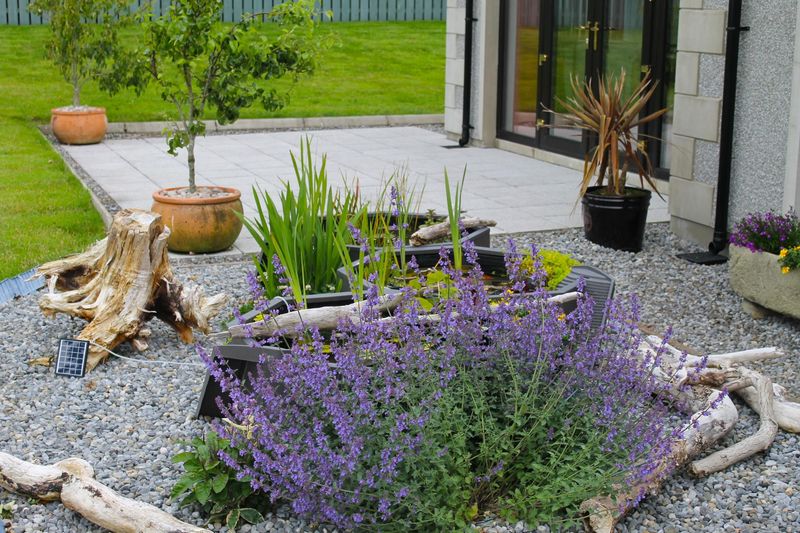
There is something almost magical about a garden edge lined with lavender. The soft purple flower spikes sway in the breeze, and the sweet, floral scent drifts across the yard.
Most people love it, but rats absolutely cannot stand it. Lavender contains linalool, a natural compound that rodents find deeply unpleasant.
Planting it along fences, garden beds, and pathways creates a scented barrier that works around the clock. No chemicals needed, just beautiful, fragrant plants doing their thing.
It grows well in our state’s sunny, dry conditions and needs very little water after the first season.
Choose a spot with full sun and soil that drains well. Lavender does not like wet roots, so avoid low-lying areas that collect water after rain.
Trim the flower stalks after blooming to encourage fresh growth and keep the plant looking tidy. Dried lavender bundles are also useful indoors, tucked into closets or near pantry shelves to deter pests inside the home.
Your California Garden Changes Every Week. Your Plan Should Too.
Gardening in California changes quickly throughout the season. Every Friday you’ll receive a simple weekly plan showing exactly what to plant, prune, fertilize, harvest, and protect so you never miss the right timing.
English lavender tends to be the most cold-hardy, while Spanish lavender handles hotter, drier conditions better. Either variety works well as a rat repellent.
Pick the one that suits your local climate, and enjoy both the beauty and the protection it brings to your outdoor space every single season.
3. Mint Works Best When Kept In Pots
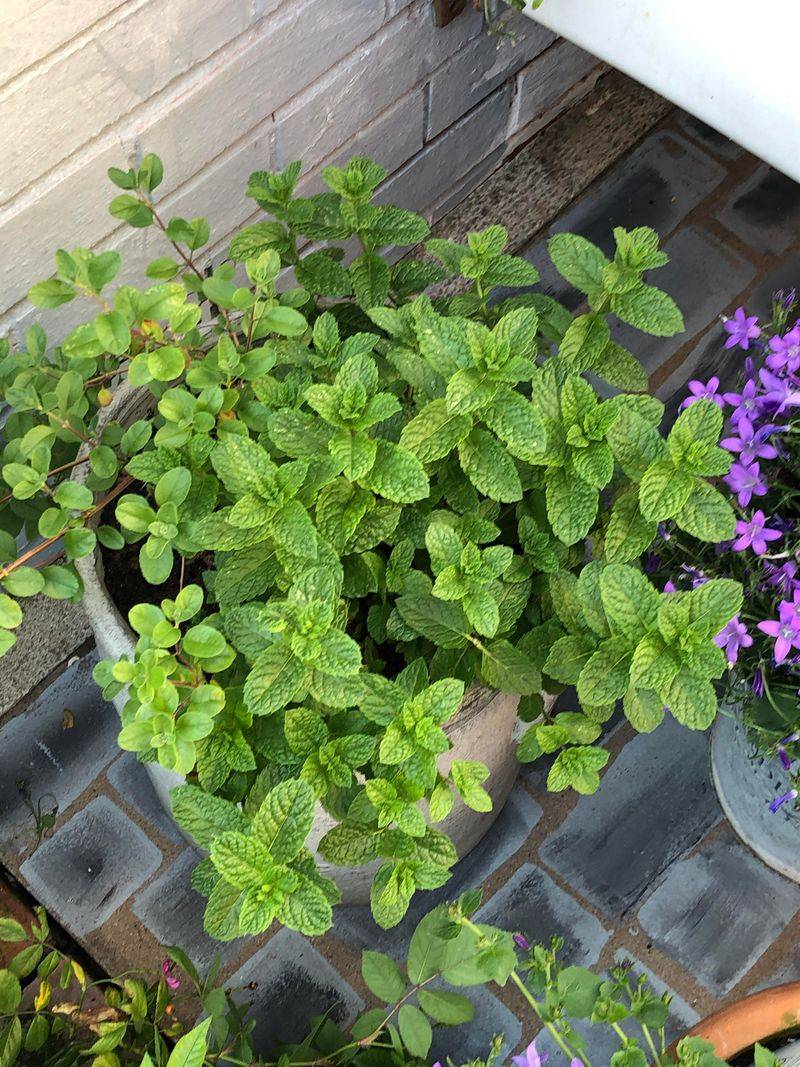
Mint is one of those plants that seems almost too good to be true. It smells incredible, it is useful in drinks and cooking, and it makes rats turn around and head the other way.
The strong menthol scent is simply too intense for their sensitive noses. Here is the catch though: mint spreads aggressively underground. If you plant it directly in your garden beds, it will take over within a season or two.
The smartest move is to grow it in pots and place those pots around your patio, near doors, or along garden edges.
You get all the pest-repelling benefits without the headache of pulling out rogue mint shoots every week.
Terra cotta pots work especially well because they dry out faster, which mint actually appreciates during hot summers.
Spearmint and peppermint are both strong choices for repelling rodents. Peppermint tends to have the most intense scent, making it the more powerful option.
Crush a few leaves between your fingers and you will immediately understand why rats want nothing to do with it.
Water mint regularly and place the pots in a spot that gets morning sun with some afternoon shade. Harvest often to keep the plant producing fresh leaves.
The more you pick, the bushier and more fragrant it becomes, which is exactly what you want from a natural pest deterrent.
4. Sage Brings Silvery Leaves And Sharp Fragrance
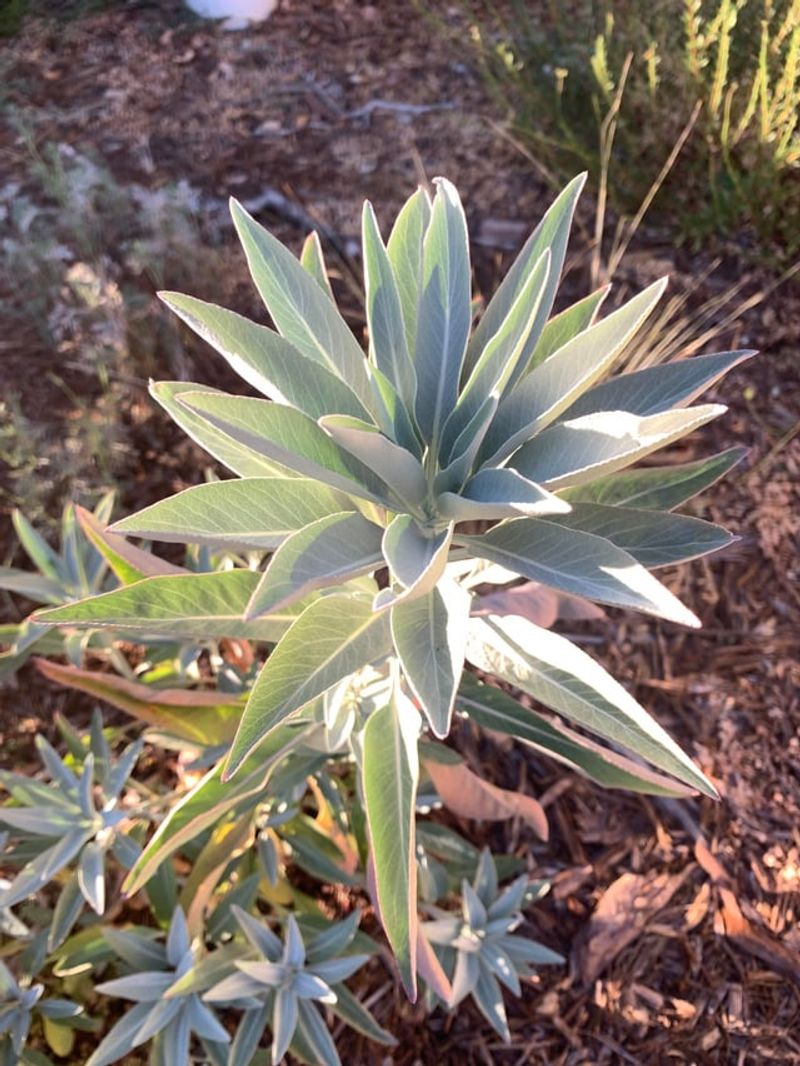
Garden sage has a look that is hard to match. The soft, velvety, silver-green leaves catch the light beautifully, and the upright purple flower spikes add real elegance to any bed or border.
It is a plant that earns its spot on good looks alone. On top of that, sage produces a sharp, earthy fragrance that rats find extremely off-putting. The strong essential oils in its leaves create an invisible shield around your garden.
Planting sage near vegetable beds or fruit trees adds a layer of natural protection that works without any effort from you.
Our state’s warm, dry climate suits sage perfectly. It loves full sun and handles drought conditions without complaint.
Water it deeply but infrequently, letting the soil dry out between waterings. Overwatering is the main thing to avoid with this herb.
Common garden sage grows to about two feet tall and wide. Trim it lightly after flowering to maintain a compact shape and encourage new growth.
Older plants can get woody over time, so replace them every few years to keep the fragrance strong.
Sage is also one of the most useful culinary herbs you can grow. It pairs beautifully with pasta, roasted meats, and buttery sauces.
Growing it in the garden means you always have fresh leaves on hand, and the rats will always have a reason to stay far away from your space.
5. Thyme Tucks Beautifully Along Sunny Borders
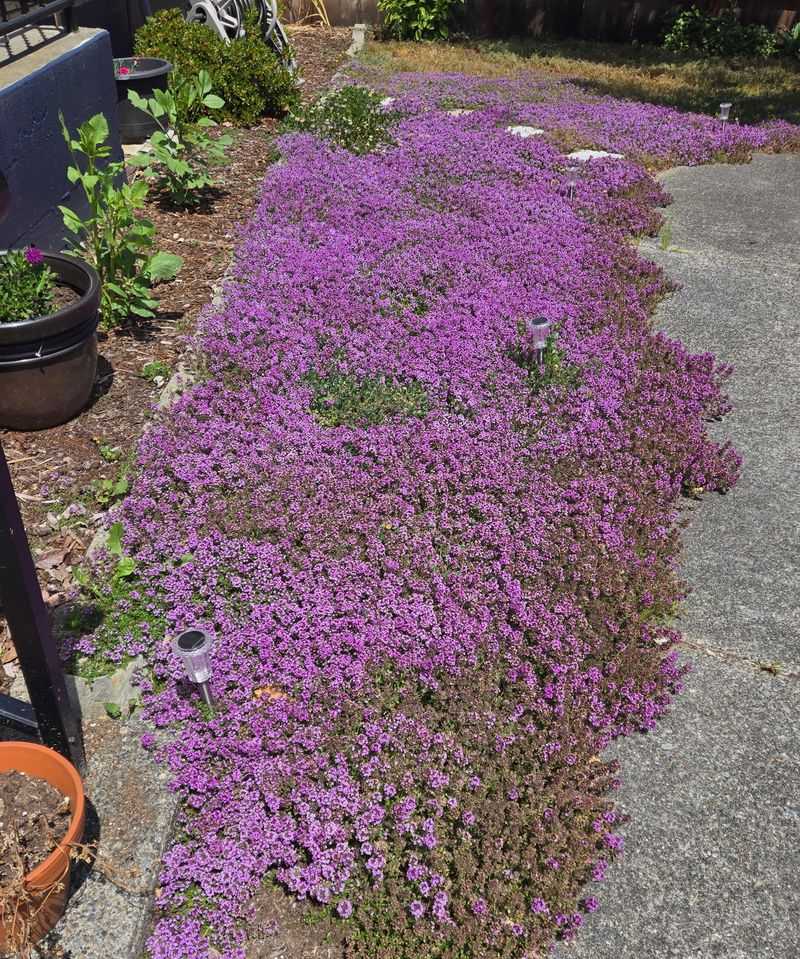
Not every rat-repelling herb needs to be tall or bold to be effective. Thyme proves that small plants can punch well above their weight.
This low-growing herb spreads into a dense, fragrant mat that fills gaps along borders, between stepping stones, and at the edges of raised beds.
The strong herbal scent that makes thyme so beloved in cooking also makes it deeply unappealing to rodents.
Rats rely on scent to explore and navigate, and thyme confuses and discourages them from settling in nearby areas. It is a quiet but reliable defender of your garden.
Thyme thrives in full sun and well-drained soil, making it an excellent fit for the warm, sunny conditions found across much of our state.
It is drought-tolerant once established and actually performs better in slightly poor soil than in rich, heavily fertilized ground.
Creeping thyme is especially good for borders and pathways. It stays low, spreads sideways, and produces a carpet of tiny pink or purple flowers in spring.
These blooms attract bees and other beneficial insects, which supports the health of your whole garden.
Harvest thyme regularly to keep it from becoming woody. A light trim after flowering encourages fresh new growth and keeps the scent strong.
Use the cuttings in soups, stews, or marinades for a simple kitchen bonus that makes this border plant feel extra worthwhile.
6. Oregano Handles Heat And Smells Strong
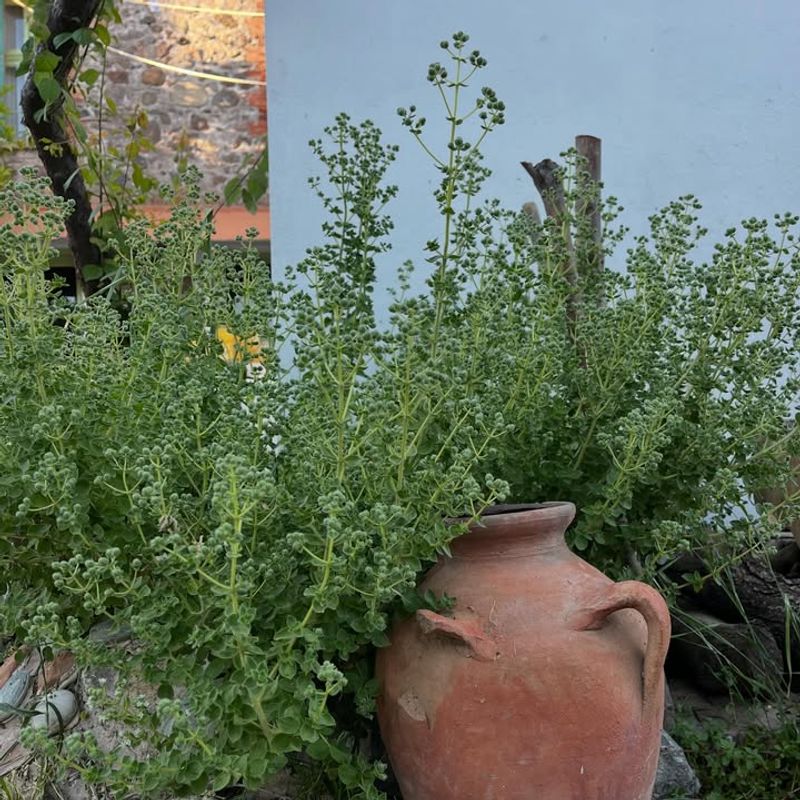
When summer temperatures climb and other plants start to struggle, oregano just keeps going.
It is one of the toughest herbs you can grow, and it thrives in exactly the kind of hot, dry conditions that our state is famous for. The fact that it also repels rats is a major bonus.
Oregano’s sharp, spicy scent comes from a compound called carvacrol. Rats find this smell overpowering and will avoid areas where oregano is growing.
Plant it near compost bins, vegetable gardens, or anywhere you have noticed rodent activity in the past.
It grows into a bushy, spreading mound about one to two feet tall. Greek oregano tends to have the strongest scent and the best pest-repelling power.
Italian oregano is milder but still effective, and it produces more leaves for cooking if that is a priority for you.
Give oregano full sun, gritty or sandy soil, and minimal water. It genuinely does better with neglect than with too much attention.
Overwatering or heavy fertilizing will actually reduce the intensity of its scent, so keep things lean and dry.
Trim it back by about a third after it flowers to encourage fresh growth and maintain a tidy shape. Fresh oregano is wonderful on pizza, in pasta sauces, and with grilled vegetables.
This herb is one of the easiest and most rewarding plants you can add to your outdoor space this season.
7. Bay Laurel Works Like A Handsome Patio Shrub
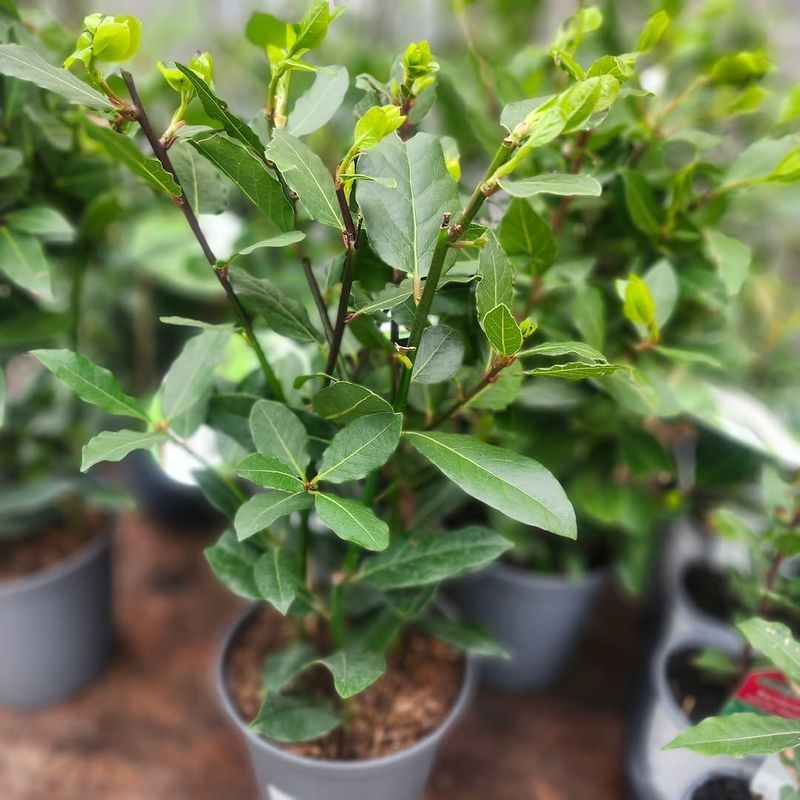
Bay laurel is the herb that looks like it belongs in a formal garden but works just as well in a casual backyard.
Its glossy, deep green leaves are beautiful year-round, and it can be shaped into a neat shrub, a small standard tree, or a privacy screen depending on how you prune it.
Rats strongly dislike the strong, spicy aroma that bay leaves release. Placing a bay laurel near your patio, back door, or outdoor dining area creates a natural scent boundary that keeps rodents from getting too comfortable near your home.
In our state, bay laurel grows well in the ground or in large containers. Potted bay trees are especially popular for patios and courtyard gardens because they are easy to move around and look incredibly polished.
Use a well-drained potting mix and water moderately, letting the soil dry slightly between sessions.
Bay laurel is slow-growing, so be patient with it. Once established, it becomes a long-lived, low-maintenance fixture in your garden.
It tolerates some drought and handles coastal conditions well, making it versatile across many parts of the state.
Harvest leaves throughout the year for cooking. Fresh or dried bay leaves add deep, savory flavor to soups, stews, and braised dishes.
Having a beautiful bay shrub on your patio means you always have both a natural pest barrier and a fresh supply of one of the most classic cooking herbs around.
8. Lemongrass Adds A Citrusy Barrier Near Seating Areas
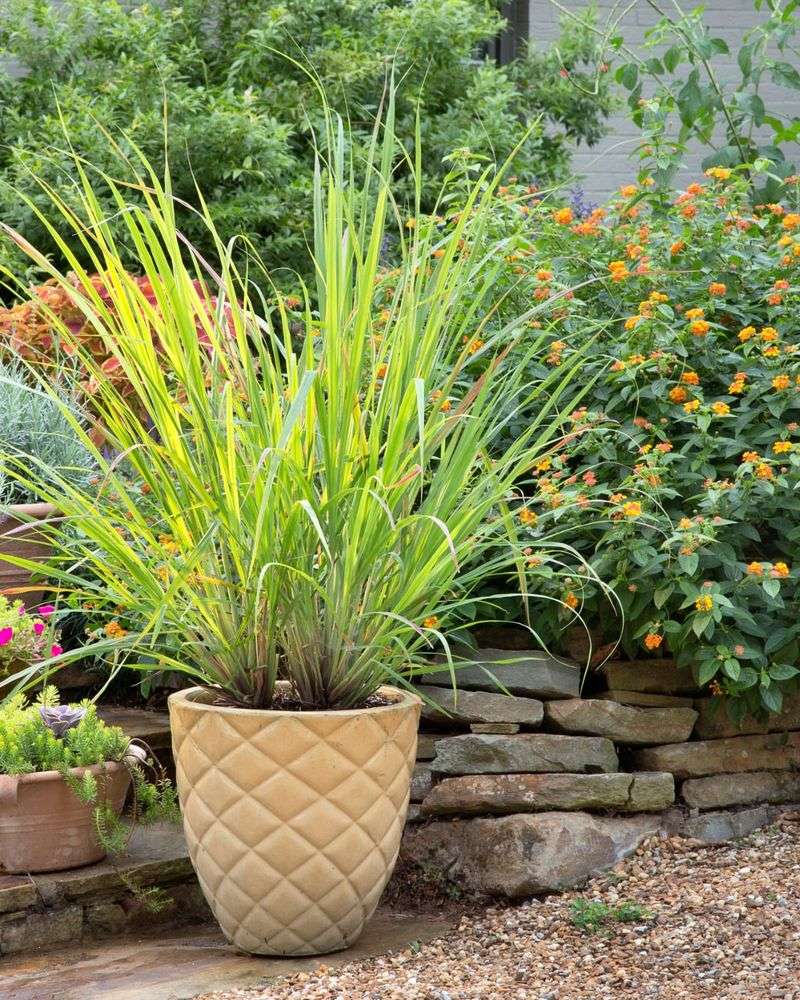
Lemongrass brings a bold, tropical energy to any garden. Its tall, arching stalks grow in dramatic clumps that can reach five or six feet high, creating a lush, eye-catching feature near patios and seating areas.
It looks stunning and smells even better. The citrusy scent comes from citronella oil, which is the same compound used in many commercial insect and rodent repellents.
Rats find this smell deeply unpleasant and will steer clear of areas where lemongrass is planted thickly. It works best when placed in clusters rather than as single plants.
Our state’s warm climate is ideal for lemongrass. It loves heat, full sun, and regular watering during the growing season.
In cooler northern regions, grow it in large pots that can be moved indoors when temperatures drop in winter. In warmer southern areas, it can stay outside year-round.
Plant clumps along the edges of seating areas, near outdoor kitchens, or beside fences where rodents might try to enter.
The dense, tall growth also acts as a visual screen, adding privacy while protecting your space from unwanted visitors.
Lemongrass is widely used in Southeast Asian cooking, particularly in soups, curries, and marinades. Harvest the lower stalks by cutting them close to the base.
Fresh lemongrass adds a bright, lemony flavor that dried versions simply cannot match, making this beautiful barrier plant one of the most rewarding herbs you can grow.