What Texas Citrus Trees Need Before The Heat Gets Brutal
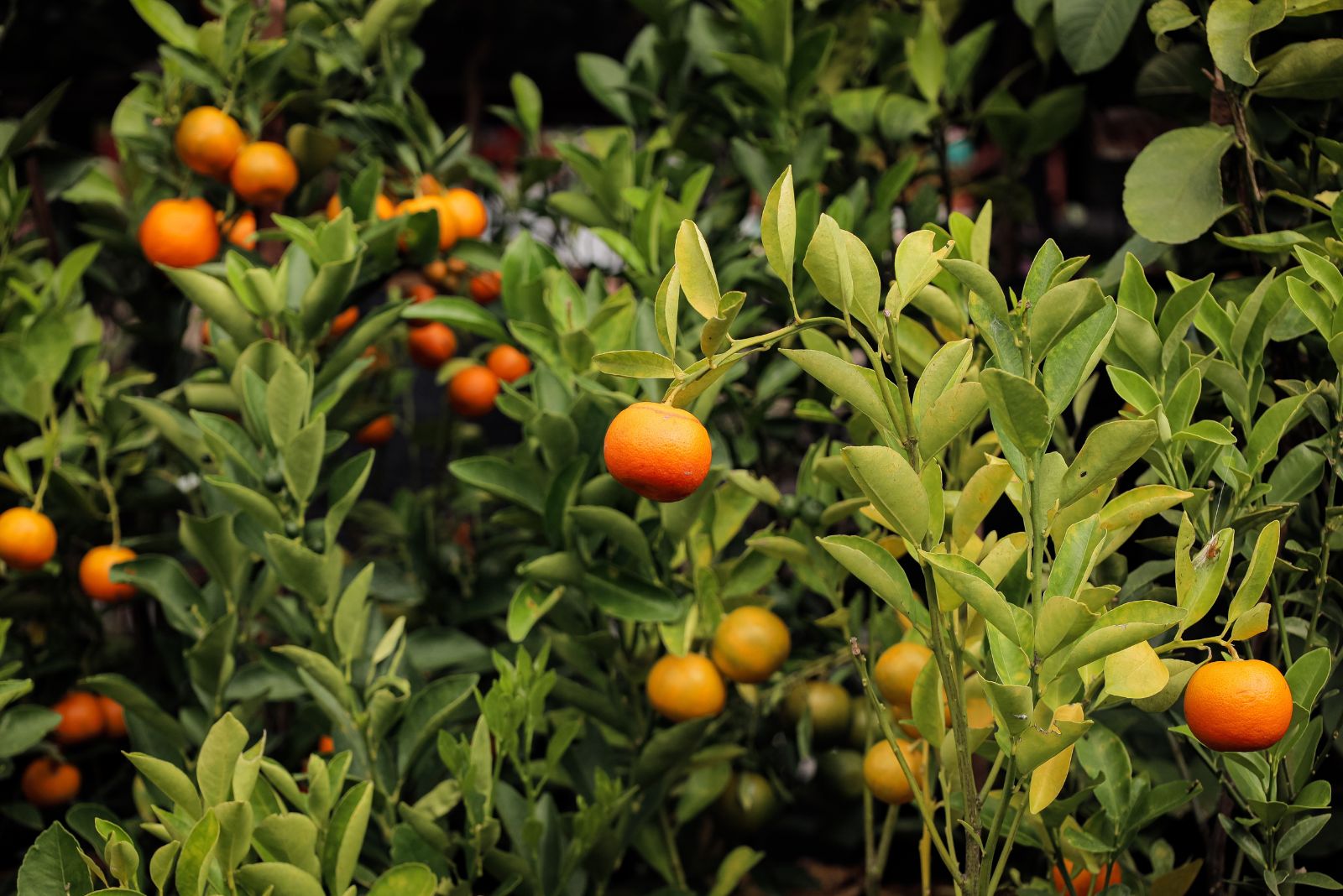
Citrus trees in Texas can be genuinely rewarding, producing fruit that tastes far better than anything you will find in a grocery store and adding real character to a backyard.
What stands between a thriving citrus tree and a struggling one is often what happens before the brutal heat of summer sets in.
Once temperatures climb and stay up, citrus trees shift most of their energy toward survival rather than fruit development, which means the care you put in right now has an outsized impact on how the rest of the season goes.
Watering habits, fertilizing timing, and a few protective steps that most people skip can make a significant difference in tree health, fruit quality, and how well your citrus handles the months ahead.
Texas heat is not a problem citrus cannot handle, but it does need the right preparation to come through it well.
1. Deep Watering Before Summer Arrives
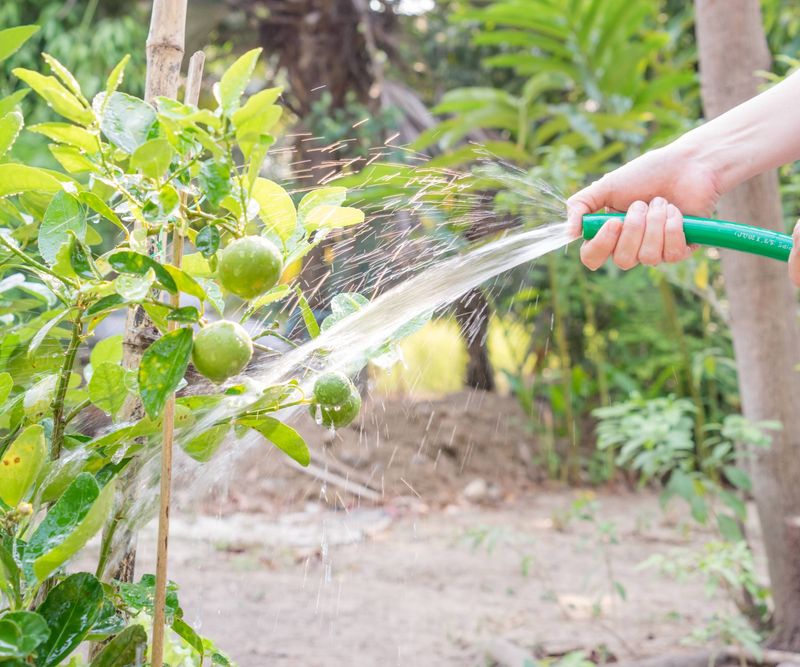
Most people water their citrus trees too often and not deeply enough. Shallow watering only wets the top few inches of soil, which encourages roots to stay close to the surface. That becomes a real problem when Texas heat rolls in and dries out the topsoil fast.
Deep watering means letting water soak slowly into the ground so it reaches 12 to 18 inches below the surface. When roots chase that moisture deeper into the earth, they become more stable and better protected from heat.
A deep root system can pull water from lower soil layers even when the surface is completely dry.
The best way to water deeply is to use a slow drip or soaker hose and let it run for 30 to 45 minutes in one spot. Watering quickly with a regular hose does not allow enough time for moisture to move downward.
You want the water to soak in, not run off. Start this practice about four to six weeks before summer heat peaks. Water your citrus tree every seven to ten days during that period, adjusting based on rainfall.
Sandy soils dry out faster, so those may need more frequent deep watering than clay-heavy soils.
Morning is the best time to water. It gives the soil time to absorb moisture before afternoon heat causes evaporation.
Avoid watering at night because standing moisture around the trunk can lead to fungal problems. Deep, consistent watering before summer is one of the smartest things you can do for your citrus tree.
2. A Thick Layer Of Mulch
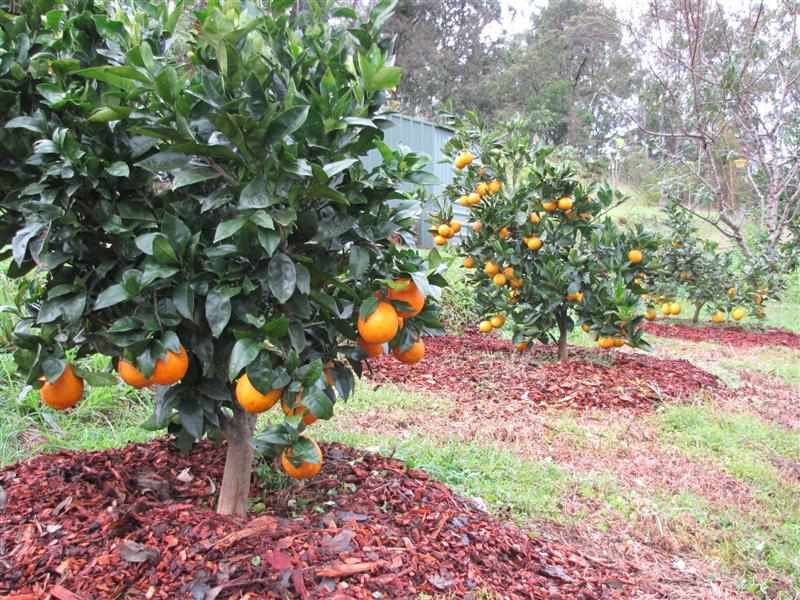
Bare soil under a citrus tree is basically an open invitation for moisture to escape fast. When the Texas sun beats down on exposed ground, the heat pulls water right out of the soil before the roots ever get a chance to use it.
Mulch acts like a protective blanket that keeps things cooler underground.
Spreading a layer of organic mulch around your citrus tree is one of the easiest and most effective things you can do before summer. Wood chips, shredded bark, or straw all work well.
Your Texas Garden Changes Every Week. Your Plan Should Too.
Gardening in Texas changes quickly throughout the season. Every Friday you’ll receive a simple weekly plan showing exactly what to plant, prune, fertilize, harvest, and protect so you never miss the right timing.
Aim for a layer that is three to four inches thick and spreads out at least two to three feet from the trunk in every direction.
One important rule is to keep the mulch away from the trunk itself. Leave about two to three inches of space between the mulch and the base of the tree.
Piling mulch directly against the trunk traps moisture and can cause rot or invite insects to nest there.
Good mulch does more than just hold moisture. It also regulates soil temperature, which is a big deal in Texas.
Soil under mulch can stay 10 to 15 degrees cooler than bare soil on a hot day. That cooler environment helps roots stay active and healthy even when the air above ground feels like an oven.
Mulch also breaks down slowly over time, adding organic matter back into the soil. Refreshing your mulch layer every spring keeps it working at full strength. It is a low-cost, high-reward habit that pays off all summer long.
3. Balanced Citrus Fertilizer
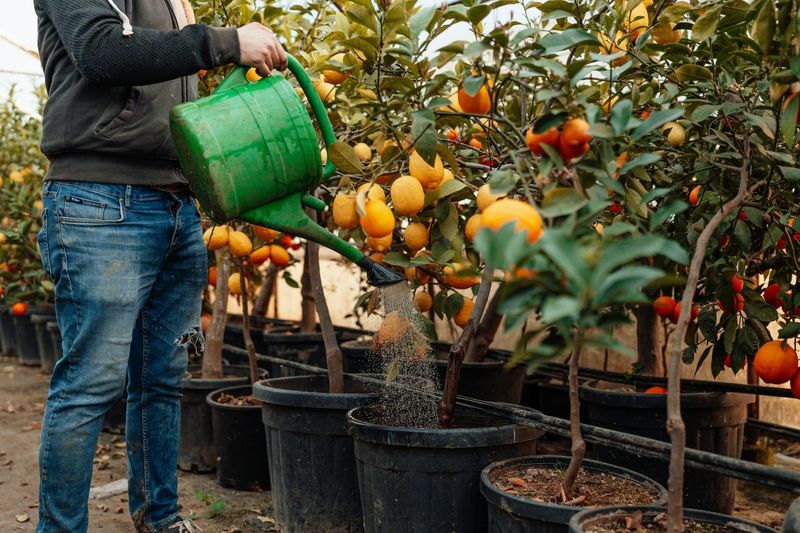
Feeding your citrus tree at the right time is just as important as feeding it the right thing. Late spring is the sweet spot for fertilizing in Texas.
The tree is actively growing, flowering, and starting to develop fruit, so it is hungry for nutrients and ready to put them to good use.
Citrus trees need a fertilizer that contains nitrogen, phosphorus, and potassium, along with trace minerals like iron, manganese, and zinc.
These micronutrients are especially important in Texas soils, which can be alkaline and naturally low in some of these elements. Without them, leaves can turn yellow and fruit production drops.
Look for a fertilizer labeled specifically for citrus. These blends are formulated with the right ratios of nutrients that citrus trees prefer.
Follow the package directions carefully because too much fertilizer can actually burn roots and cause more harm than good.
Granular fertilizers work well for most home gardeners. Sprinkle them evenly around the drip line of the tree, which is the outer edge of the canopy.
Avoid putting fertilizer right next to the trunk. Water the area after applying so the nutrients can begin moving into the soil where roots can absorb them.
Fertilizing too late in summer is not a great idea. Heavy nitrogen in late summer pushes new tender growth that can get stressed by intense heat.
Stick to a late spring feeding schedule to support the tree through its most active growth period without pushing it too hard during the hottest months.
4. Protection From Sudden Heat Stress
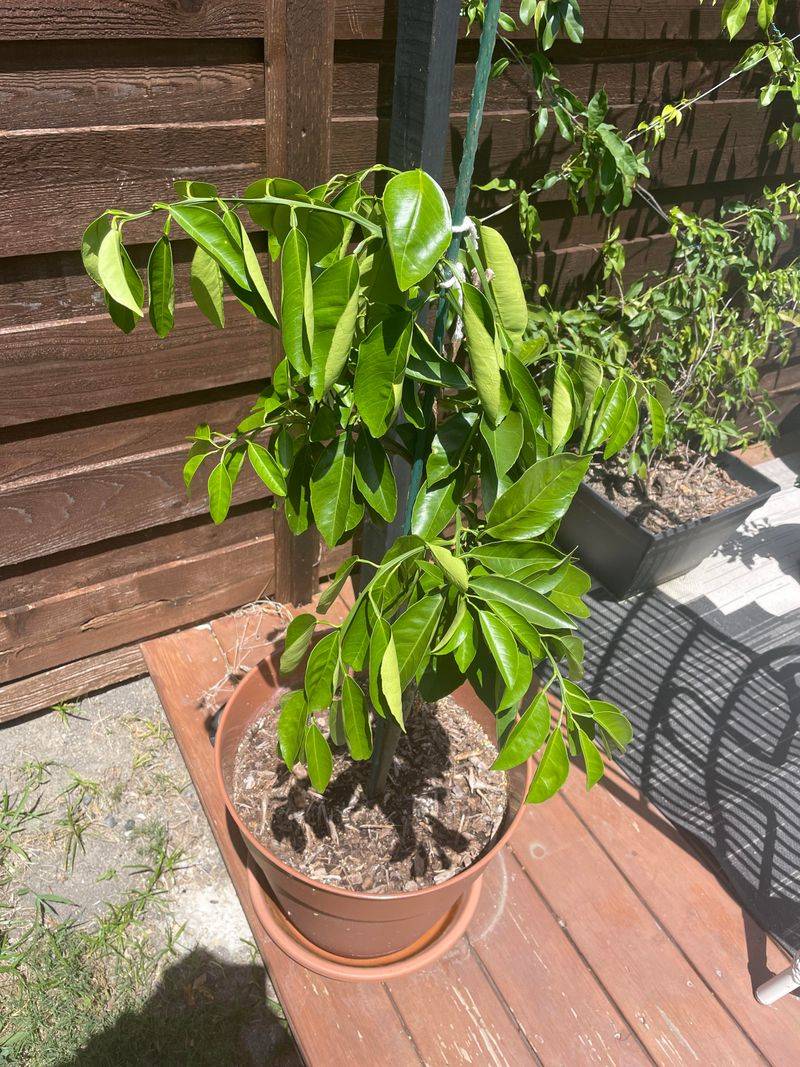
Young citrus trees have not yet built up the thick canopy and deep roots that mature trees rely on to handle extreme heat. When a sudden heat wave arrives early in summer, those younger trees can show signs of stress fast.
Leaves may curl, wilt, or drop, and developing fruit can fall off before it matures.
Temporary shade is a simple and effective way to protect young citrus trees during the most intense heat spikes. Shade cloth, which is a lightweight fabric that filters sunlight, can be draped over the tree or attached to stakes around it.
A cloth that blocks 30 to 40 percent of sunlight is usually enough without cutting off too much of the light the tree still needs.
You do not need to keep the shade cloth on all summer. Use it during heat waves when temperatures are expected to stay above 100 degrees for several days in a row.
Once temperatures drop back to a more manageable range, remove it so the tree gets full sun again.
Mature trees are generally more resilient, but even they can benefit from a little extra attention during unusual early summer heat spikes.
Keeping the soil moist and mulched goes a long way toward helping older trees handle temperature swings without dropping fruit.
Positioning also matters. If you are planting a new citrus tree, choose a spot that gets some natural afternoon shade from a fence, wall, or larger tree.
That natural buffer can reduce heat stress without any extra effort on your part during the toughest weeks of summer.
5. Early Pest Monitoring
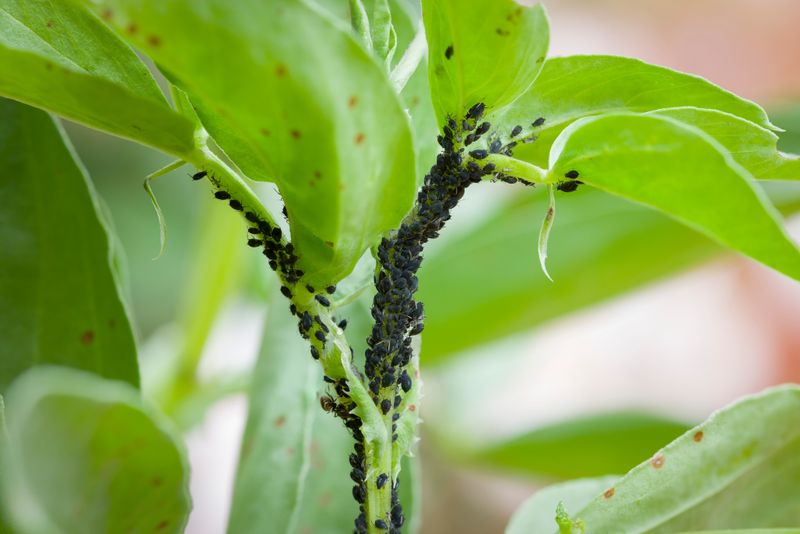
As soon as Texas temperatures start climbing, certain pests wake up and get to work fast. Spider mites, aphids, and scale insects are among the most common troublemakers for citrus trees, and they tend to multiply quickly when the weather turns hot and dry.
Catching them early is the key to keeping your tree healthy. Spider mites are tiny and hard to spot with the naked eye, but they leave clues. Look for fine webbing on the undersides of leaves and a dusty or stippled look to the leaf surface.
Aphids cluster together on new growth and leave a sticky residue called honeydew. Scale insects look like small bumps on branches and stems and can be mistaken for part of the bark.
Walk around your citrus tree at least once a week and flip over a few leaves to check for activity. Early detection means you can handle small problems before they grow into big ones.
A strong spray of water from a garden hose can knock off aphids and mites without any chemicals at all.
For more stubborn infestations, neem oil spray is a popular and relatively gentle option. It works well against a wide range of insects and is safe to use around most beneficial bugs when applied correctly.
Always spray in the early morning or evening to avoid burning leaves in the midday heat. Healthy, well-watered, and well-fed trees are naturally more resistant to pest pressure.
Stressed trees attract more insects, so keeping up with watering and fertilizing is actually part of your pest prevention strategy too.
6. Good Drainage Around The Roots
Here is something that surprises a lot of new citrus growers: too much water in the wrong place can be just as damaging as not enough water. Citrus roots need both moisture and oxygen to function properly.
When soil stays soggy for too long, roots cannot breathe and start to break down from the inside out.
Poor drainage is a common problem in Texas clay soils. Clay holds water for a long time and can leave roots sitting in wet conditions for days after a heavy rain.
Before summer heat arrives, check how well your soil drains by digging a small hole about 12 inches deep and filling it with water. If it takes more than an hour to drain, you have a drainage problem worth addressing.
One of the best fixes is to mix compost or coarse sand into the planting area to loosen heavy clay. Raised beds or mounded planting areas also help by naturally elevating the root zone above low-lying water.
These adjustments do not take long to set up but make a noticeable difference in how the tree performs.
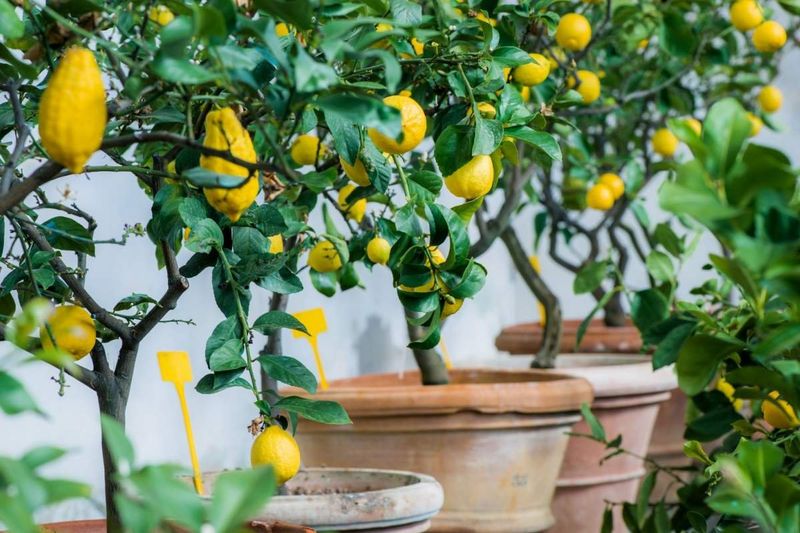
Container-grown citrus trees need drainage holes at the bottom of the pot. Never let pots sit in standing water for more than a day or two. Empty saucers after rain or watering to prevent roots from soaking in excess moisture.
Good drainage keeps roots oxygenated and active, which directly supports the tree’s ability to absorb water and nutrients during summer. A well-drained root zone is one of the foundations of a strong, productive citrus tree year after year.