Do These Things The Moment Your Michigan Roses Start Setting Buds
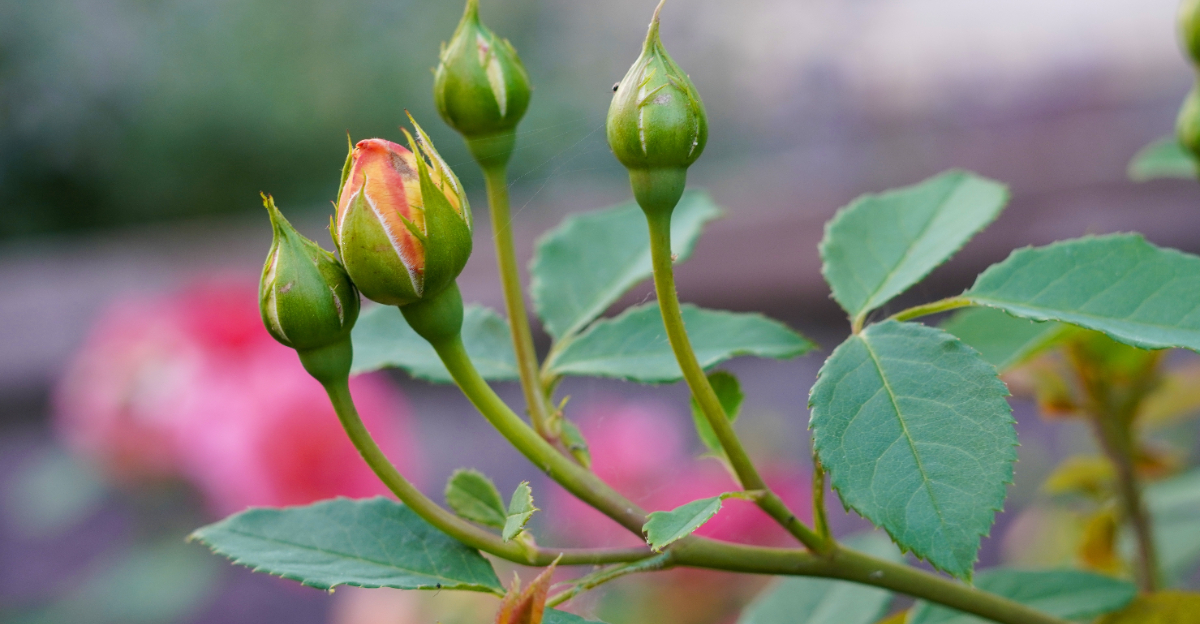
The moment rose buds appear in a Michigan garden, most gardeners feel a quiet sense of relief. The plant made it through winter, the season is underway, and flowers are coming.
What a lot of people do not realize is that this exact window is one of the most important moments in the entire rose growing calendar.
What you do in the days right after buds appear shapes the quality of every bloom that follows, and it influences how well the plant holds up through the rest of the summer.
Miss this window and the roses still bloom, but they rarely reach what they are capable of. Catch it at the right time with the right steps and the difference by midsummer is something you will notice every single time you walk past the bed.
1. Start Deep Watering More Consistently As Buds Form
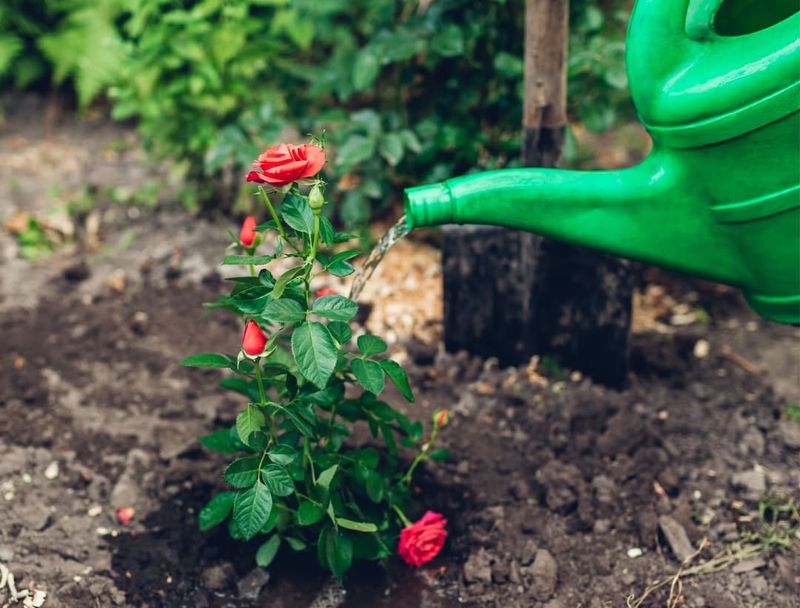
Roses are thirsty plants, and once those buds start forming, their water demand goes up noticeably. Skipping a watering session during bud development can stress the plant and result in smaller, weaker blooms.
Consistency matters far more than occasional heavy soaking.
Michigan gardens deal with a wide range of soil types, and each one handles water differently. Clay soil holds moisture longer but can become waterlogged, so water deeply every five to seven days.
Sandy soil drains quickly and may need watering every three to four days, especially during dry spring stretches. Established landscape roses generally do well with one deep watering per week unless rainfall is scarce.
Container roses dry out faster than in-ground plants, so check the soil every day or two by pressing a finger about an inch deep. If it feels dry, water thoroughly until it drains from the bottom.
Drip irrigation works wonderfully for all rose types because it delivers steady moisture directly to the roots without wetting the foliage. Aim for about one inch of water per week total, adjusting based on rainfall.
Deep watering encourages roots to grow downward, which builds stronger, more resilient plants that handle our variable late spring weather with much greater ease and produce fuller, healthier blooms all season long.
2. Feed Roses Lightly Before Heavy Blooming Begins
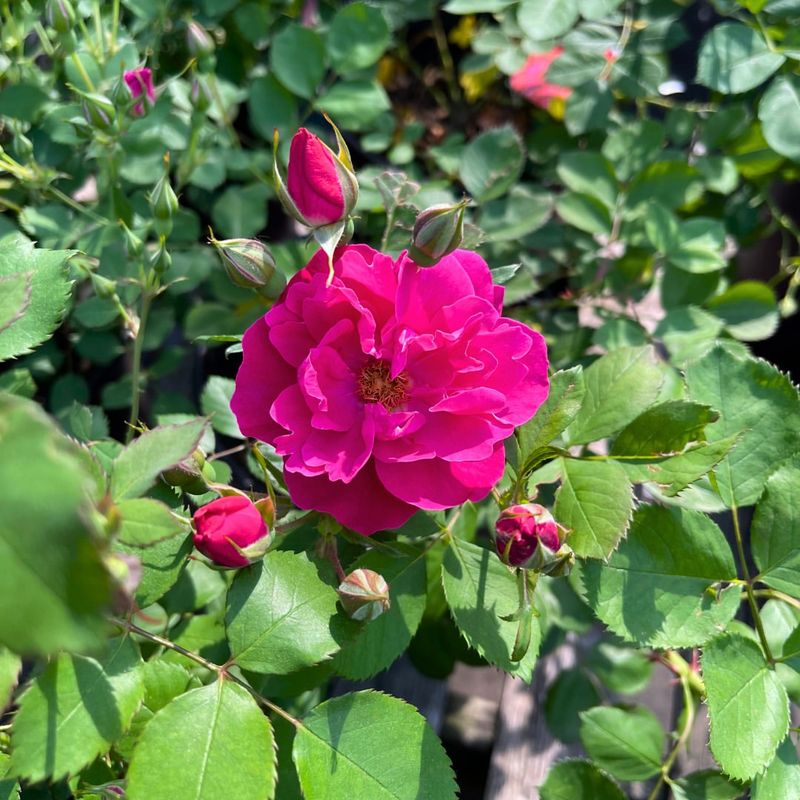
Fertilizing at the right moment can be the difference between average blooms and truly spectacular ones.
When buds first appear, roses are entering one of their most energy-demanding phases, and a light, balanced feeding gives them exactly what they need without pushing too much soft leafy growth.
A balanced fertilizer with equal nitrogen, phosphorus, and potassium works well at this stage. Something like a 10-10-10 granular formula applied lightly around the base of each plant is a great starting point.
Avoid going heavy on nitrogen right now, especially in Michigan where humid late spring conditions can encourage fungal problems on overly lush, soft foliage.
Too much nitrogen produces beautiful leaves but weak flower development, which is the opposite of what you want.
Organic options like alfalfa meal, compost, or fish emulsion are excellent choices because they feed plants slowly and improve soil health at the same time. Work a small amount of compost into the top inch of soil around each rose for a gentle, steady nutrient boost.
Your Michigan Garden Changes Every Week. Your Plan Should Too.
Gardening in Michigan changes quickly throughout the season. Every Friday you’ll receive a simple weekly plan showing exactly what to plant, prune, fertilize, harvest, and protect so you never miss the right timing.
Always water the plant well before and after applying any fertilizer to avoid root burn. Feeding lightly every four to six weeks through the blooming season keeps energy levels steady.
Starting this habit the moment buds appear sets your roses up for a long, productive, and colorful Michigan summer.
3. Begin Watching Closely For Aphids On Tender New Growth
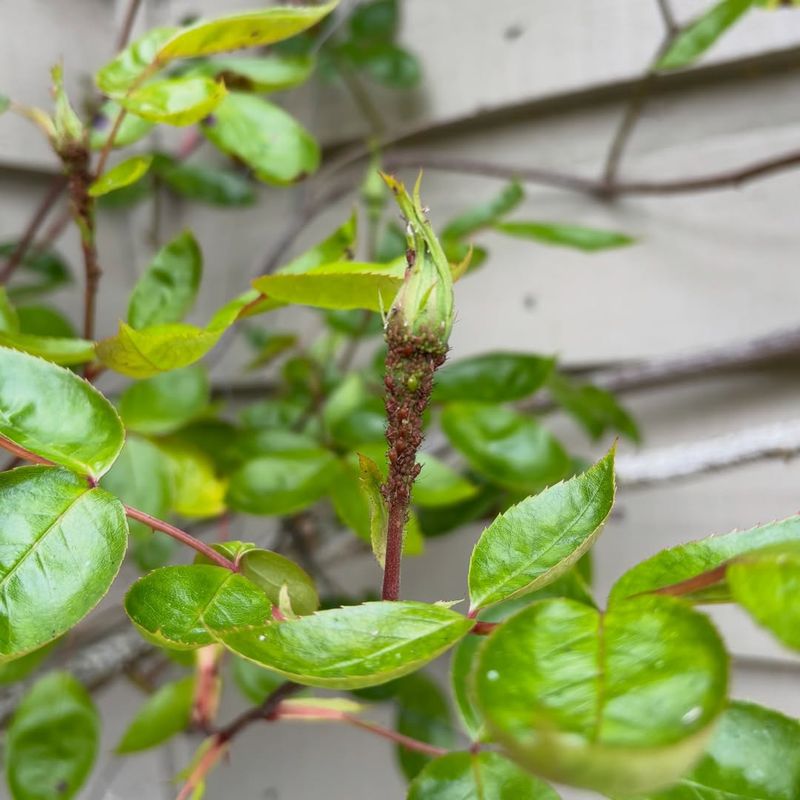
Aphids have a talent for showing up exactly when roses are at their most vulnerable. These tiny, soft-bodied insects love tender new growth and developing buds, and they can appear in large numbers almost overnight during warm Michigan spring days.
You will usually find them clustered tightly on new stem tips, under young leaves, or directly on the bud itself. Their feeding causes curled, distorted leaves and misshapen flowers that never quite open the way they should.
They also leave behind a sticky residue called honeydew, which attracts ants and can encourage a black sooty mold to develop on the foliage. Catching them early makes a big difference in how much damage they actually cause.
Walk through your garden every few days and flip over new leaves to check for colonies. A strong spray of plain water from a garden hose knocks large numbers of aphids off plants quickly and effectively.
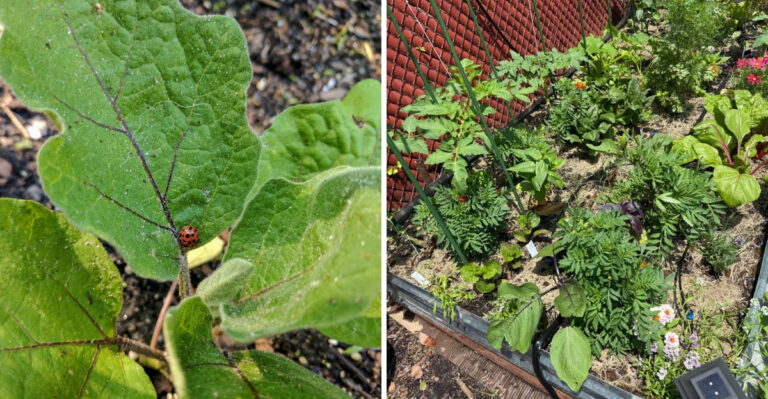
Insecticidal soap or neem oil solution applied in the early morning works well for heavier infestations without harming beneficial insects like ladybugs, which are natural aphid predators.
Avoid spraying during midday heat, as this can stress plants and reduce effectiveness.
Encouraging a healthy garden ecosystem with flowers that attract beneficial insects nearby gives your roses a natural layer of protection throughout the entire growing season.
4. Mulch Roses Before Summer Heat Builds Up
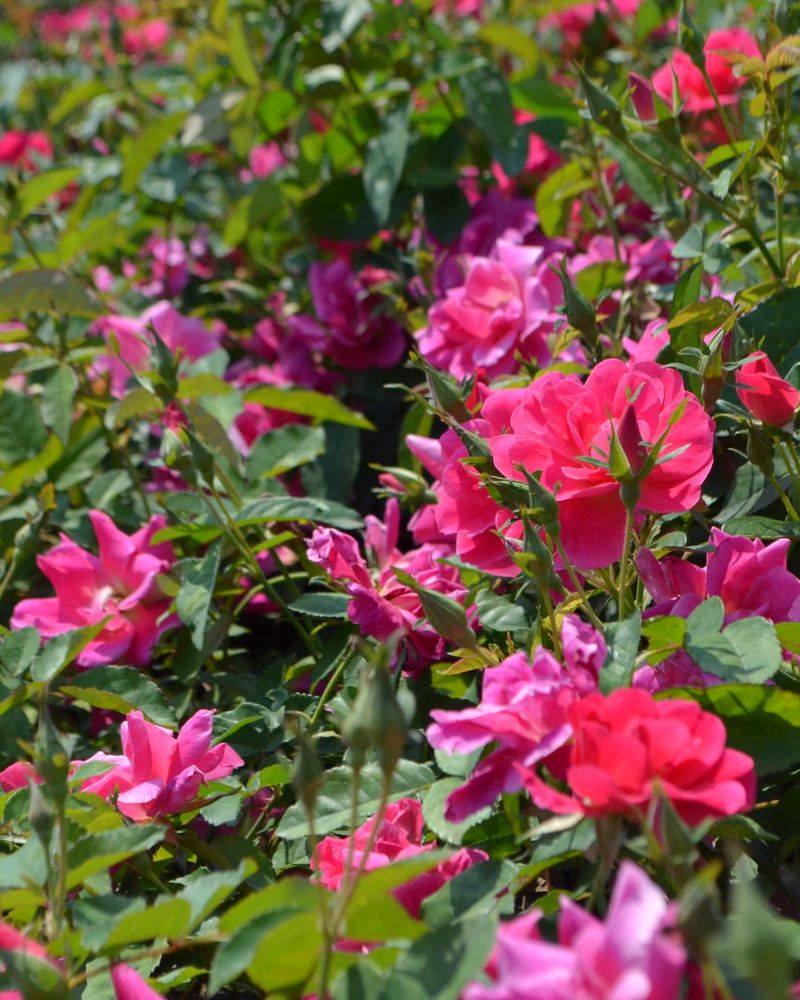
Mulching is one of the simplest things you can do for your roses, and the timing matters more than most gardeners realize. Applying mulch right as buds begin forming gives your roses a protective layer before summer heat and dry spells arrive in Michigan.
A two to three inch layer of organic mulch, such as shredded wood chips, bark, or straw, helps the soil retain moisture between waterings. This means your roses stay more consistently hydrated without you needing to water as frequently.
Mulch also keeps the soil temperature cooler and more stable during hot summer days, which reduces stress on roots during peak heat. An added bonus is that it suppresses weeds effectively, saving you time and effort throughout the season.
One of the most important benefits of mulching roses is reducing soil splash during rain or overhead watering.
Fungal spores live in the soil, and when raindrops hit bare ground, they send tiny soil particles flying onto lower leaves, spreading black spot and other fungal diseases quickly.
Mulch acts as a physical barrier that dramatically reduces this splash effect. Keep the mulch about two to three inches away from the base of each cane to allow good air circulation right at the soil line.
Piling mulch against the canes traps moisture and can encourage rot and disease at the crown, so always leave that small gap for the healthiest possible plants.
5. Stop Wetting Rose Leaves During Watering

How you water your roses matters just as much as how often you water them.
Once buds start forming, wet foliage becomes a real problem in Michigan, where spring and early summer humidity can already push roses toward fungal diseases like black spot and powdery mildew.
Black spot is one of the most frustrating rose diseases, and it spreads rapidly when leaves stay wet for extended periods.
Spores land on moist foliage and germinate quickly, causing those familiar dark circular spots that eventually turn leaves yellow and cause them to drop.
Once it spreads through a plant, it takes consistent treatment to get under control, so preventing it from starting in the first place is always the smarter approach.
Switching to ground-level watering is the easiest and most effective solution. A soaker hose laid around the base of your rose plants delivers water directly to the roots while keeping all the foliage completely dry.
Drip irrigation systems work even better for larger rose beds. If you use a watering can or hose, angle the water flow low and direct it toward the soil rather than over the top of the plant.
Always water in the morning so any accidental splash on leaves has time to dry before evening.
Wet leaves overnight are far more likely to develop disease, so morning watering combined with low-angle delivery keeps your roses much healthier through Michigan’s humid growing season.
6. Support Good Airflow Before Roses Fully Leaf Out
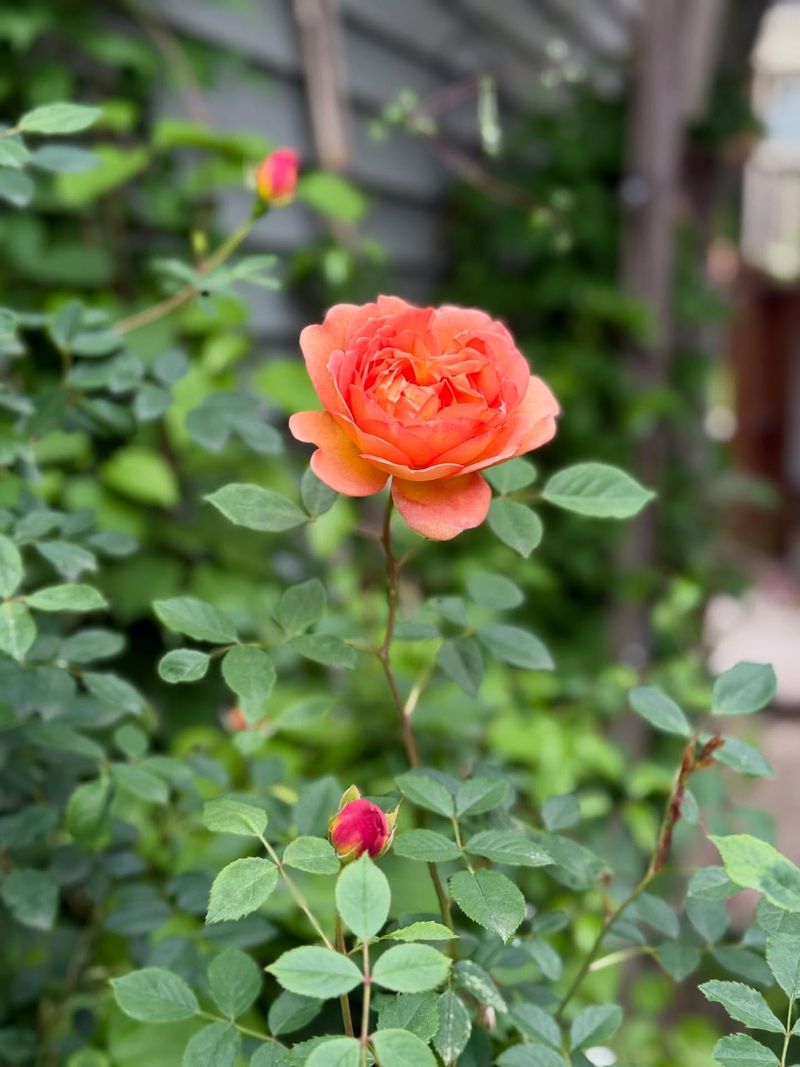
Good airflow around your roses is one of the most underrated parts of keeping them healthy.
When foliage becomes dense and crowded, especially as temperatures warm in late spring, humid air gets trapped around the leaves and flowers, creating perfect conditions for fungal disease to take hold.
Michigan springs can swing between cool rainy days and warm humid stretches, and roses surrounded by crowded growth or planted too close together struggle to dry out properly after rain or morning dew.
This lingering moisture is exactly what black spot, powdery mildew, and botrytis need to spread.
Taking a few minutes to improve airflow now, before roses fully leaf out, saves you from fighting disease problems all summer.
Look at the center of each rose bush and remove any crossing, rubbing, or inward-facing canes that block air movement through the plant.
You do not need to prune heavily at this stage since the plant is actively growing, but opening up the center slightly makes a noticeable difference.
Check nearby plants too. Perennials, shrubs, or other garden plants growing too close to your roses can trap humidity and reduce the breeze that naturally dries foliage. Giving roses at least two to three feet of open space on all sides helps enormously.
Proper spacing and light pruning work together to keep the growing environment around your roses open, breezy, and far less friendly to the fungal problems that plague Michigan gardens every summer.
7. Watch For Japanese Beetle Damage Before Peak Summer Arrives
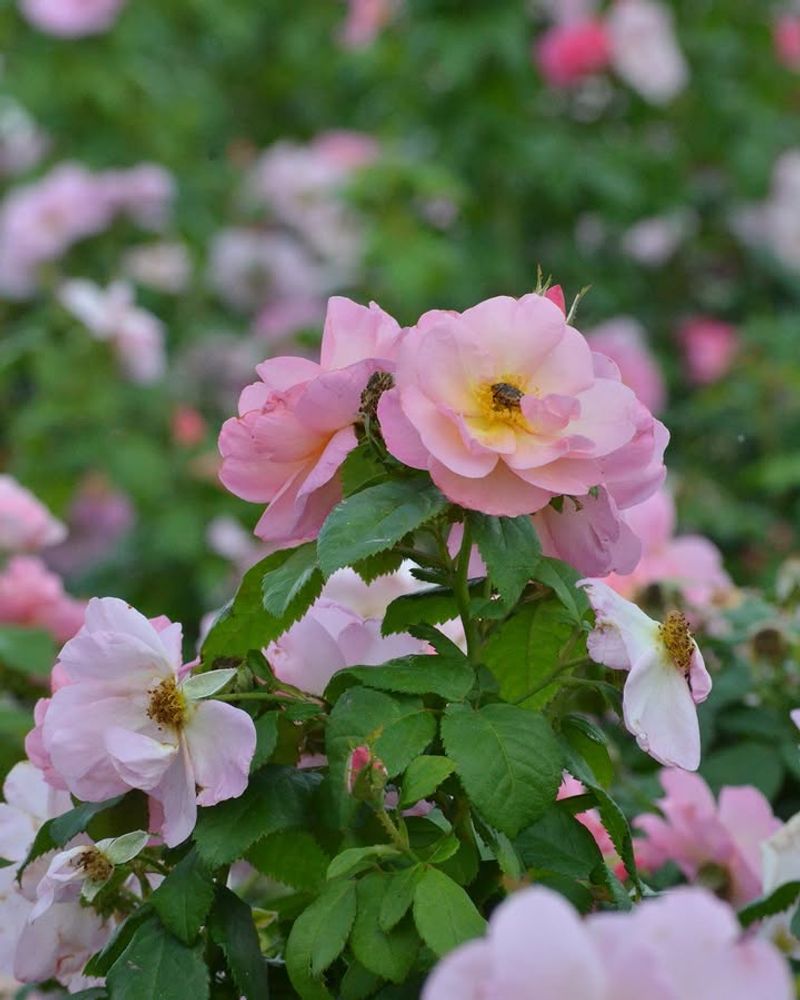
Japanese beetles are one of the most frustrating summer pests for Michigan rose growers, and the smart move is to start preparing before they even show up.
These metallic green and copper beetles typically emerge in late June through July in Michigan, but roses that are already stressed by the time beetles arrive suffer far more damage than healthy, well-maintained plants.
Getting your roses into strong condition during the bud stage means they will have better natural resilience when beetle season hits.
Healthy plants can tolerate some feeding pressure and recover more quickly, while stressed or weakened roses tend to struggle much harder.
Start inspecting your roses regularly now so you can spot the first beetles the moment they appear rather than discovering widespread damage weeks later.
Hand-picking beetles early in the morning works surprisingly well because they are sluggish in cooler temperatures and easier to remove. Drop them into a bucket of soapy water to stop them from returning to the plant.
Avoid Japanese beetle traps near your roses since research consistently shows that traps attract far more beetles to the area than they actually catch, making the problem worse.
Neem oil applied as a preventive spray on foliage and buds can deter feeding to some degree.
Focusing on plant health now, through proper watering, feeding, and disease prevention, gives your Michigan roses the best possible foundation for handling whatever summer pest pressure comes their way.
8. Remove Weak Or Damaged Growth Before Flowers Open
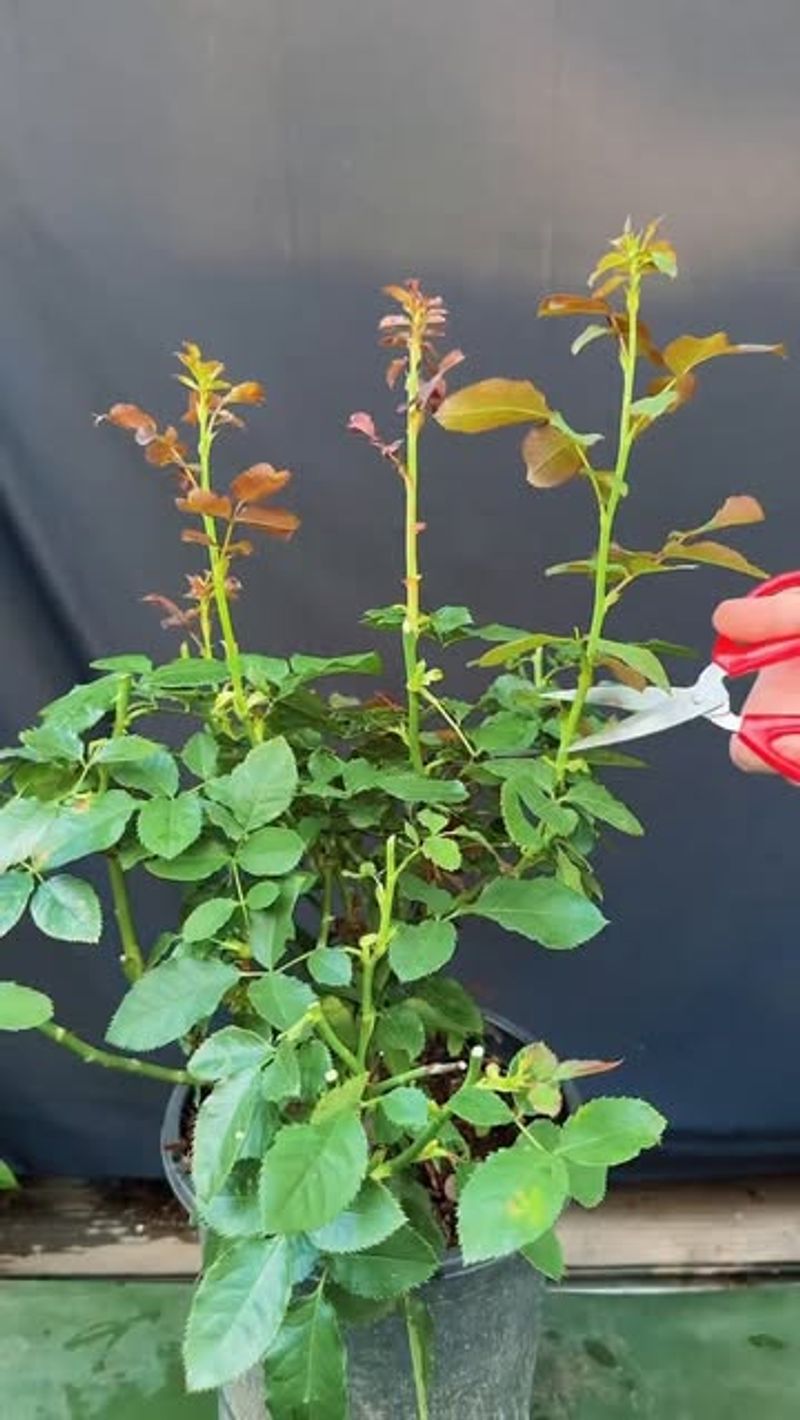
Roses put a tremendous amount of energy into producing flowers, and anything that wastes that energy slows the whole process down.
Weak, spindly, or damaged canes sitting on the plant are essentially like weight, pulling resources away from the strong, healthy growth that produces the best blooms.
Walk around your roses with a pair of clean, sharp pruning shears and look for canes that are noticeably thinner than a pencil, discolored, bent, or showing signs of disease or insect damage.
Removing these before flowers open gives the plant a clear signal to direct its energy toward the strongest, most productive stems.
You do not need to take off large amounts of growth, just clean up the weak material that would not have produced quality blooms anyway.
Always make cuts at a slight angle just above an outward-facing bud or leaf node to encourage new growth in a direction that keeps the plant open and well-shaped.
Clean your pruning shears with rubbing alcohol between plants to avoid accidentally transferring any disease from one rose to another.
This is especially important in Michigan gardens where fungal diseases can spread easily in spring conditions. Think of this cleanup as setting the table for a great meal.
You are simply clearing away what does not belong so the best parts of the plant have room, light, and energy to shine when bloom time finally arrives in your garden.
9. Morning Sun Helps Roses Produce Better Blooms
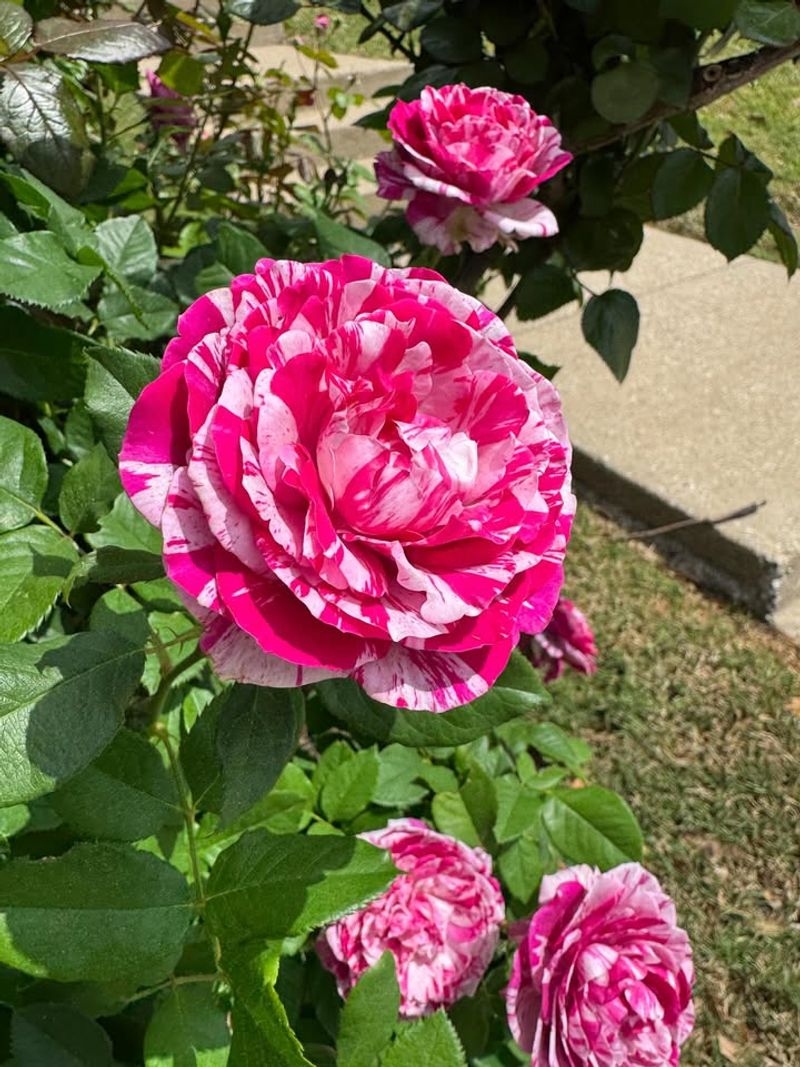
Sunlight is the engine that powers your roses, and the quality of light they receive during bud development has a direct impact on how well those flowers develop.
Roses need at least six hours of direct sun daily, and morning sun is particularly valuable for Michigan gardens.
Morning light warms the foliage gently and helps dry off dew and any overnight moisture quickly. Leaves that dry fast are far less likely to develop black spot and other fungal diseases that thrive in prolonged wet conditions.
Afternoon sun is hot and intense, which can actually stress roses during Michigan’s hottest summer days, so a location with strong morning sun and some light afternoon shade often produces better results than full blazing afternoon exposure.
If your roses are in a spot that gets mostly afternoon sun or significant shade from trees, fences, or buildings, you may notice that buds take longer to develop, flowers are smaller, and disease pressure is higher.
There is not much you can do about an established rose’s location mid-season, but noting where the light falls now helps you make smarter planting decisions in the future.
For roses in containers, take advantage of their mobility by shifting them toward the best morning sun exposure as the season progresses.
Strong, consistent morning light combined with proper watering and feeding during the bud stage genuinely shapes how impressive your Michigan roses look when they finally reach full bloom.
10. Healthy Bud Formation Often Predicts Summer Rose Performance

Experienced rose growers know something that beginners often discover the hard way: the bud-setting stage is one of the most telling signs of how a rose will perform for the rest of the summer.
Buds that form on strong, upright canes with healthy green foliage beneath them almost always develop into full, beautiful flowers.
Buds forming on weak or stressed plants tend to be small, slow to open, or prone to dropping before they bloom.
Everything you do during this stage, from consistent watering and light feeding to managing pests and supporting airflow, adds up. Roses are responsive plants, and they reward attentive care quickly.
A well-watered, properly fed rose with good air circulation and full morning sun will show noticeably more vigorous bud development than a neglected one growing nearby in the same yard. The difference becomes obvious within just a few weeks.
Think of bud formation as a report card for how your spring care has gone so far. Lots of plump, evenly spaced buds on healthy green canes means you are doing things right.
Sparse or distorted buds signal that something needs adjustment, whether that is watering frequency, nutrition, or pest management.
The encouraging part is that roses are remarkably resilient, and even small improvements made right now during this critical window can dramatically shift their performance through the rest of Michigan’s growing season.
Keep paying attention, stay consistent, and your roses will reward you generously.