Texas Iris Mistakes That Explain Why They Won’t Bloom
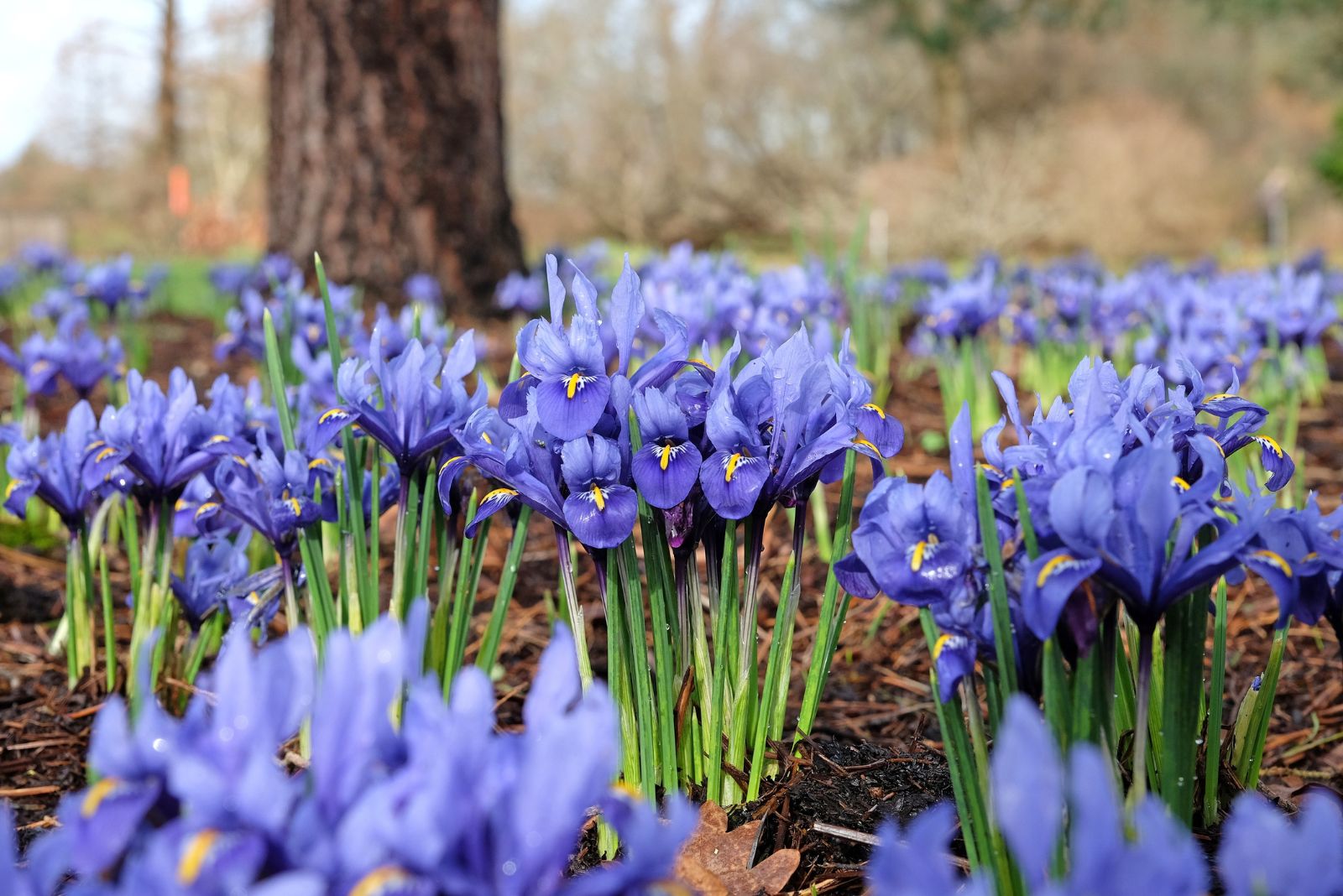
Irises in Texas can be absolutely spectacular, but getting them to bloom reliably is something a lot of Texas gardeners struggle with more than they expect to.
The plant looks healthy, the foliage comes back every year, and yet the blooms either never show up or get worse with each passing season.
The frustrating part is that irises are not particularly demanding plants. When they fail to bloom in Texas, there is almost always a specific and fixable reason behind it, and the most common ones are things that seem harmless or even helpful on the surface.
Planting depth, sun exposure, division timing, and soil conditions all play a role, and getting any one of them wrong can shut down blooming entirely.
Texas also throws in some climate specific challenges that make certain mistakes more damaging here than they would be elsewhere. If your irises have been coming up green and nothing else, this is worth reading closely.
1. Planting Irises Too Deeply
Burying your iris rhizomes too deep in the ground is one of the most common and easiest mistakes to make, especially for newer gardeners.
It feels natural to want to tuck a plant safely under the soil, but irises just do not work that way. These plants actually need their rhizomes to bake in the sun to trigger blooming.
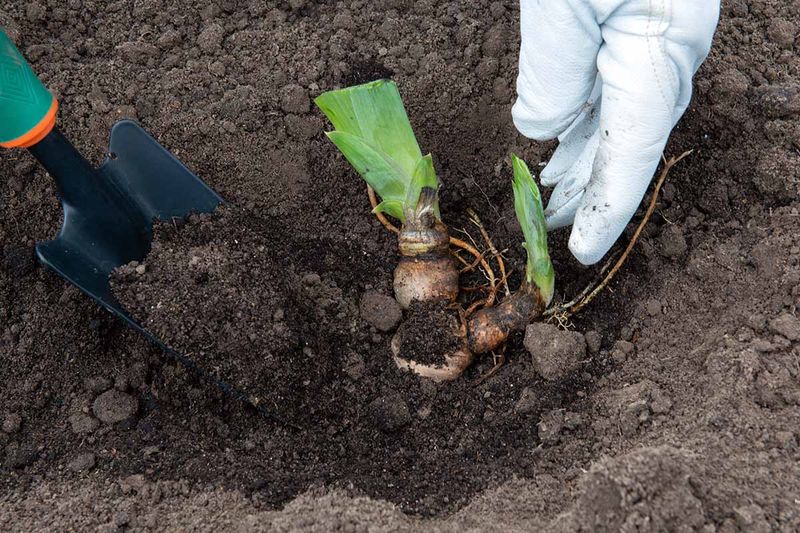
Iris rhizomes are the thick, root-like stems that sit at the base of the plant. In Texas, they should be planted so that the top of the rhizome is either at soil level or barely peeking above it.
When you bury them even a couple of inches too deep, they stop getting the warmth and light they need to produce flower buds.
A lot of gardeners plant irises deep thinking it will protect them from Texas heat. Ironically, that shading and moisture buildup around the rhizome can actually cause more harm than good.
Covered rhizomes stay too cool and too wet, which slows down the blooming cycle significantly.
If your irises have lots of healthy green leaves but zero flowers, check the planting depth right away. Gently dig around the base and look at where the rhizome is sitting.
If it is buried more than half an inch under the soil, carefully lift it and replant it higher. The fix is simple and quick. Replant the rhizome so the top is exposed to direct sunlight.
Within one growing season, you should start to see a noticeable improvement in flowering. Proper planting depth really does make a huge difference.
2. Giving Them Too Much Shade
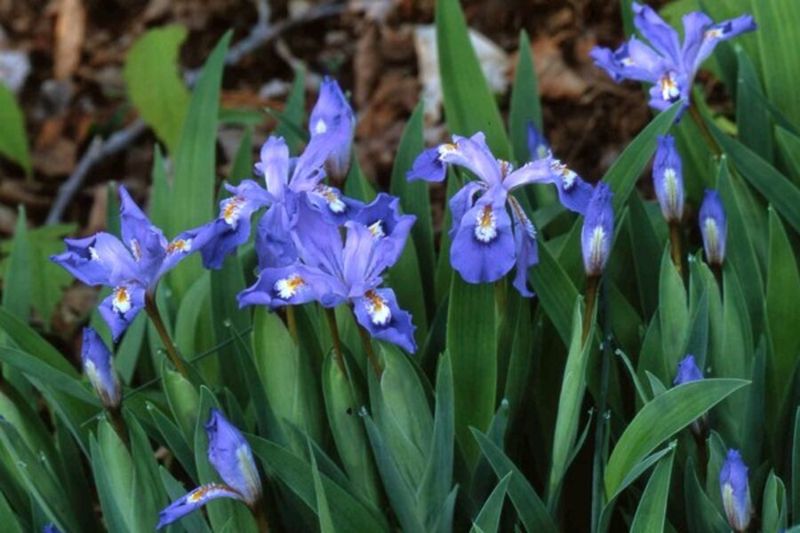
Shade might feel like a kindness in the blazing Texas summer, but most irises are serious sun lovers and will simply refuse to bloom without enough direct light.
If your irises are planted under trees, along a shaded fence, or in a spot that only gets a couple of hours of sun each day, that is very likely why you are not seeing any flowers.
Most bearded and Louisiana irises need at least six hours of direct sunlight daily to bloom well. In Texas, morning sun with some afternoon shade is actually ideal because it gives them the light they need without the brutal heat of late afternoon.
Your Texas Garden Changes Every Week. Your Plan Should Too.
Gardening in Texas changes quickly throughout the season. Every Friday you’ll receive a simple weekly plan showing exactly what to plant, prune, fertilize, harvest, and protect so you never miss the right timing.
But full or heavy shade throughout the day will almost always shut down flower production completely.
Many gardeners plant irises in shady spots hoping to brighten up a dark corner of the yard. The plants may survive and even grow lush green leaves, but leaves alone do not mean a happy, blooming iris.
Photosynthesis from direct sunlight is what gives the plant the energy it needs to produce flowers.
Take a close look at your garden throughout the day and track how many hours of direct sun your iris bed actually receives.
Trees that were small when you planted your irises may have grown and now block far more light than before. Seasonal changes in leaf cover can also shift how much sunlight reaches your plants.
Moving irises to a sunnier spot in fall is usually the best solution. Fall transplanting gives them time to settle in before the spring bloom season kicks off, which is when you really want them performing at their best.
3. Overwatering During Warm Weather
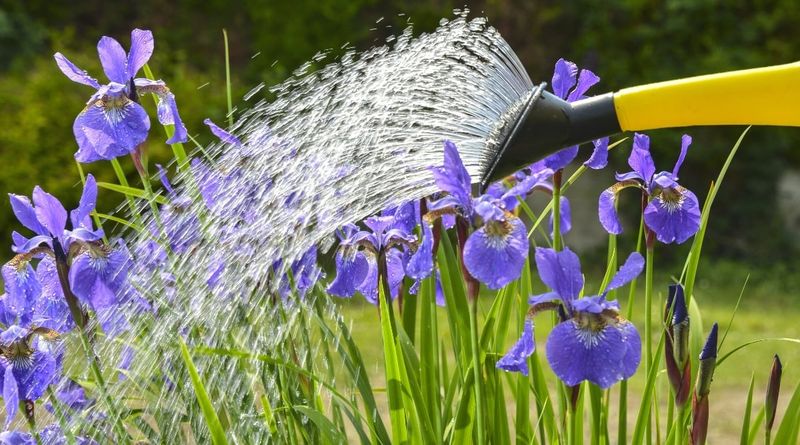
Water is essential for any plant, but too much of it can quietly wreck your irises before you even realize what is happening.
Texas summers are hot and steamy, and when you add constant watering to that mix, the soil around your iris rhizomes can stay wet for way too long. That kind of soggy environment is a recipe for rot and weak, bloomless growth.
Iris rhizomes are naturally designed to handle some drought. They store energy and moisture in their thick stems, which means they do not need to be watered as frequently as other garden plants.
During the warm months in Texas, watering once a week or even less is often plenty, depending on rainfall and soil type.
One easy way to tell if you are overwatering is to check the soil before you water again. Stick your finger a couple of inches into the ground near the rhizome.
If the soil still feels damp or cool, hold off on watering for a few more days. Irises prefer to dry out a bit between waterings.
Clay-heavy Texas soil makes overwatering even riskier because it holds moisture much longer than sandy or loamy soil. If your yard has heavy clay, consider adding some coarse sand or organic matter to improve drainage.
Raised beds are another great option for gardeners dealing with poor-draining soil. Cutting back on water during summer dormancy is especially important.
Many Texas irises rest during the hottest months, and watering them heavily while they are resting does more harm than good. Let the soil guide your watering schedule rather than sticking to a rigid routine.
4. Skipping Division For Too Many Years
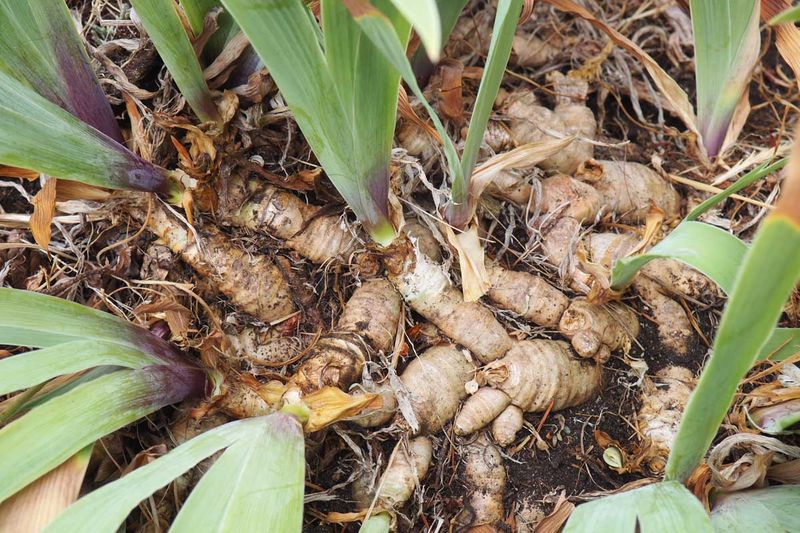
Irises are not the kind of plant you can just set and forget for years on end. Over time, the rhizomes multiply and spread, filling up every inch of available space in the garden bed.
When things get that crowded, the plants start competing with each other for water, nutrients, and room to grow, and blooming is usually the first thing to suffer.
Most gardeners are surprised to learn that irises actually need to be divided every three to four years to stay healthy and productive.
Dividing means digging up the clump, separating the individual rhizomes, and replanting the healthiest ones with proper spacing between them.
It sounds like a lot of work, but it is one of the most effective ways to bring back strong blooms.
You can usually tell when irises need dividing by looking at the center of the clump. If the middle section looks dried out while the outer edges are still growing, that is a clear sign the plant is overcrowded.
The newest and most vigorous growth always happens at the outer edges of the clump. The best time to divide Texas irises is in late summer or early fall, usually between August and October.
Dividing during this window gives the replanted rhizomes time to establish roots before the cooler weather arrives and before the spring bloom season begins.
When replanting divided rhizomes, space them at least twelve to eighteen inches apart. That extra room allows each plant to spread without crowding its neighbors.
Generous spacing also improves airflow, which helps prevent the fungal problems that are so common in Texas gardens during humid months.
5. Using Too Much Nitrogen Fertilizer
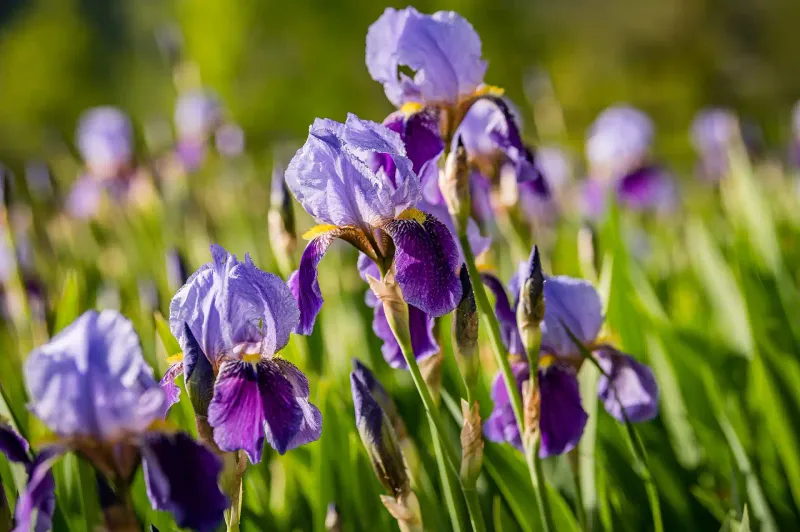
Fertilizing your irises sounds like a great idea, and it can be, but reaching for the wrong kind of fertilizer is a surprisingly common mistake that leads to lots of leaves and zero flowers. Nitrogen is the nutrient most responsible for leafy, green growth in plants.
When irises get too much of it, they pour all their energy into producing big, beautiful foliage while completely ignoring flower production.
Many general-purpose lawn and garden fertilizers are loaded with nitrogen because green, lush growth looks healthy and impressive. But for flowering plants like irises, that growth can come at a serious cost.
A plant that is busy building leaves simply does not have the resources left over to build flowers.
The better choice for irises is a fertilizer that is lower in nitrogen and higher in phosphorus. Phosphorus is the nutrient that supports root development and flower production.
Look for a fertilizer with an NPK ratio where the middle number, which represents phosphorus, is the highest of the three. Something like a 5-10-10 or 6-12-12 blend works well for irises.
Timing also matters a lot when it comes to feeding irises. The best times to fertilize are in early spring just as new growth begins, and again right after the blooming period ends.
Avoid fertilizing in the heat of summer or during winter dormancy, as the plant cannot effectively use nutrients during those periods.
Always follow the label directions and avoid over-applying even the right fertilizer. More is not always better when it comes to feeding plants.
A light, well-timed application of the right blend will do far more for your blooms than a heavy dose of the wrong one.
6. Ignoring Poor Airflow Around Plants
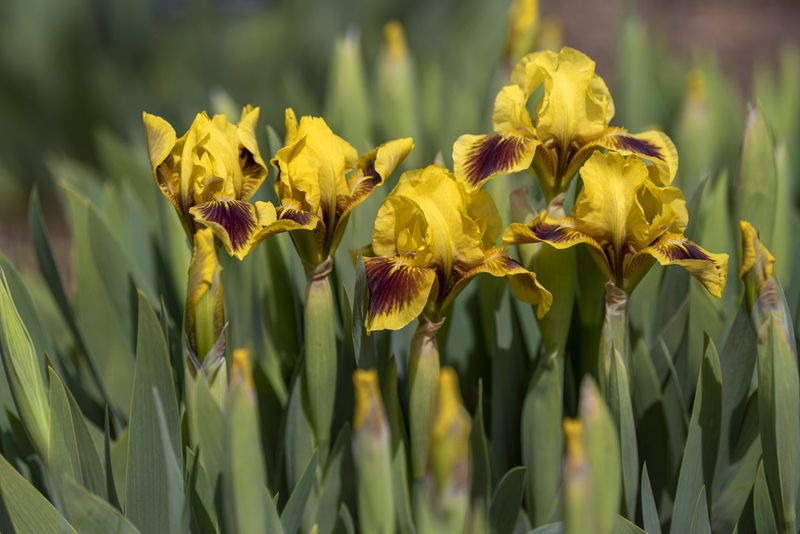
Texas humidity is no joke, and when you combine thick, muggy air with a crowded garden bed, your irises can end up in a really tough spot.
Poor airflow around plants creates the perfect conditions for fungal diseases to spread, and those diseases can stress your irises so badly that they skip blooming altogether. It is one of those problems that sneaks up on you slowly.
Fungal issues like leaf spot, botrytis, and crown rot thrive in warm, humid, still air. These infections attack the leaves and rhizomes, weakening the plant and draining the energy it would otherwise use to produce flowers.
By the time you notice the damage, the bloom season may already be lost for that year. Keeping your iris beds open and well-spaced is one of the simplest ways to prevent airflow problems.
Avoid planting irises too close together or right next to large, bushy plants that block the movement of air through the garden.
Weeds are another big culprit, so keeping the bed clean and tidy really does pay off in the long run.
Removing dry or damaged leaves from the base of the plant is also a helpful habit. Old foliage that sits on the ground traps moisture and creates a cozy hiding spot for fungal spores.
Cleaning up around your irises regularly takes only a few minutes but makes a noticeable difference in overall plant health.
If fungal problems are already present, a copper-based fungicide can help get things back under control. Apply it according to the label instructions and repeat as needed.
Improving airflow alongside treatment gives your irises the best possible chance of bouncing back strong for the next bloom season.