Smart Tricks Oregon Gardeners Should Use To Prevent Weeds Between Pavers
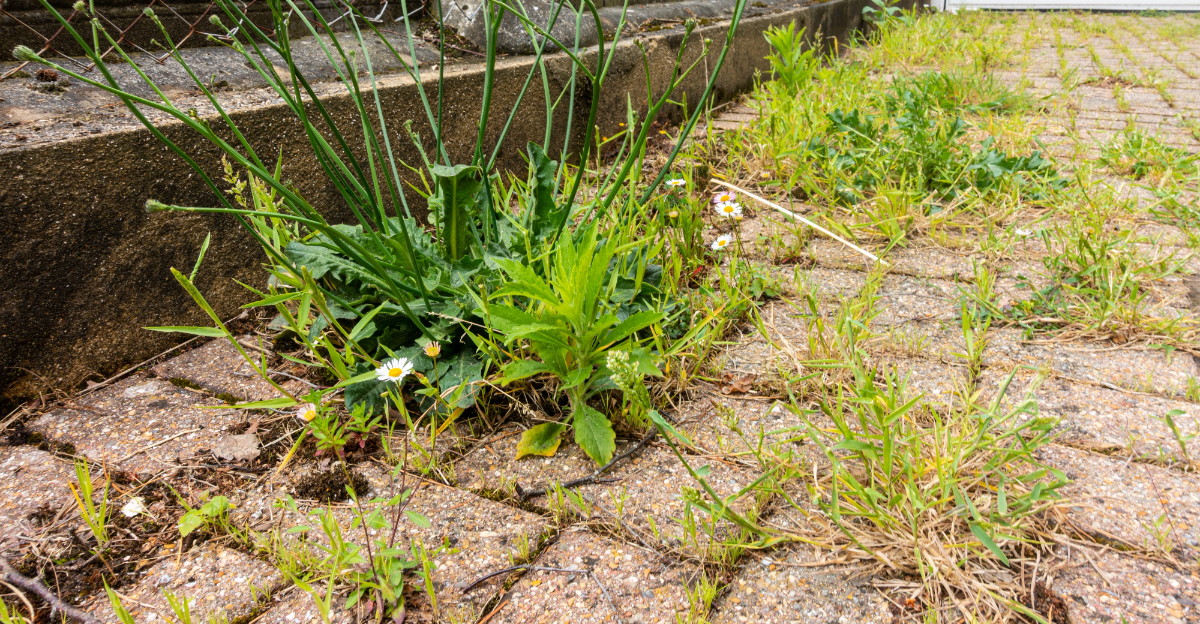
Weeds between pavers are tiny garden villains with excellent timing. You sweep the walkway, admire the clean lines, and then little green sprouts pop up like they were personally invited.
In Oregon, paver gaps can become weed magnets because spring rain keeps debris soft enough for seeds to settle in.
Once the weather warms, those cracks can turn into mini nurseries. Very rude. The tricky part is that pulling weeds once does not always solve the problem.
Roots hide deep, seeds keep drifting in, and moss may join the party if the area stays damp. A few smart habits can make paver paths much easier to manage before weeds take over the whole look. The goal is not endless weekend scrubbing.
It is keeping those narrow spaces less welcoming, so your walkway stays neat without becoming your new full time hobby.
1. Sweep Out Dirt Before Weeds Root
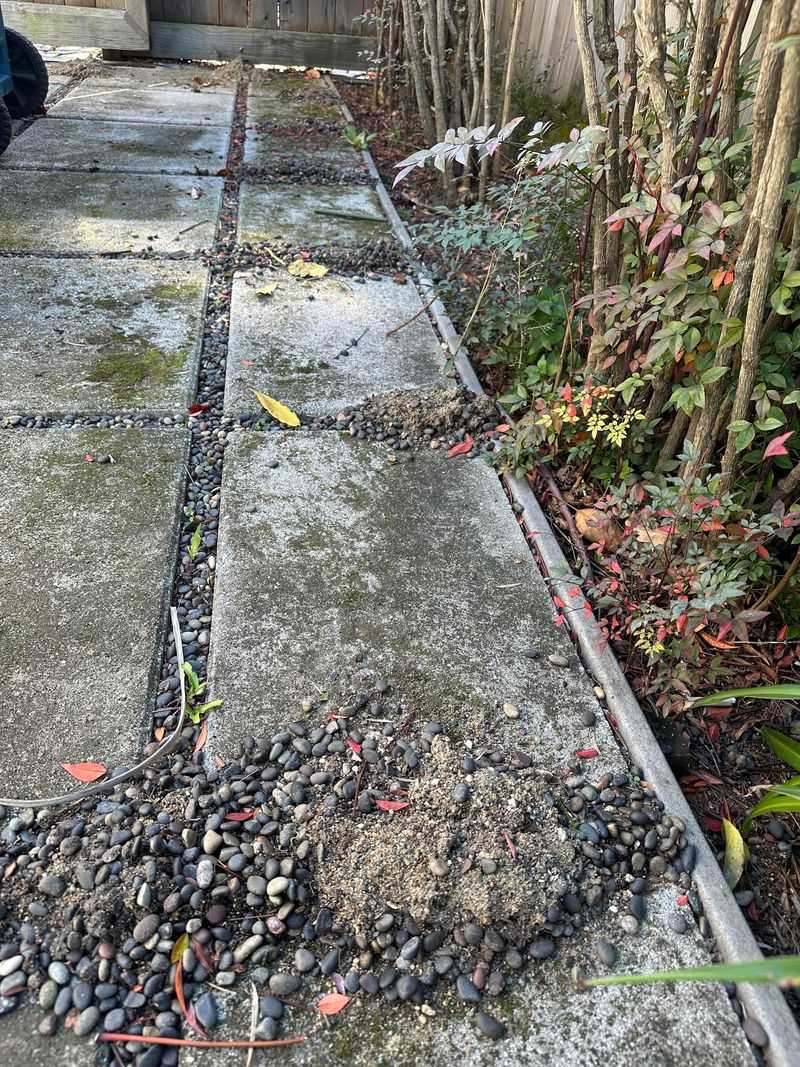
Dirt buildup between pavers is one of the sneakiest ways weeds get started. Every time wind blows or rain falls, fine soil particles settle into the gaps. Over time, that thin layer of dirt becomes a perfect seedbed for weeds to sprout.
Sweeping your pavers regularly removes that soil before seeds have a chance to root. A stiff-bristled broom works best for this job. Push the bristles into the cracks with firm strokes to dislodge packed-in debris.
Do this at least once a week during spring and fall when weed seeds are most active in our state.
Pay extra attention after heavy rain. Wet soil washes deep into joints and compacts quickly once it dries. If you let it sit, it becomes much harder to remove later.
A quick five-minute sweep after a storm can prevent weeks of weed trouble. Keeping a broom near your patio door makes it easy to stay consistent. You are more likely to sweep when the tool is already within reach.
Some gardeners pair their sweeping routine with a quick visual inspection to catch any tiny sprouts before they spread.
Removing dirt also keeps your pavers looking cleaner and sharper. Guests notice a tidy walkway.
More importantly, you enjoy your outdoor space more when it looks well-maintained. Start sweeping now and stay ahead of the problem all season long.
2. Don’t Let Leaves Break Down In The Cracks
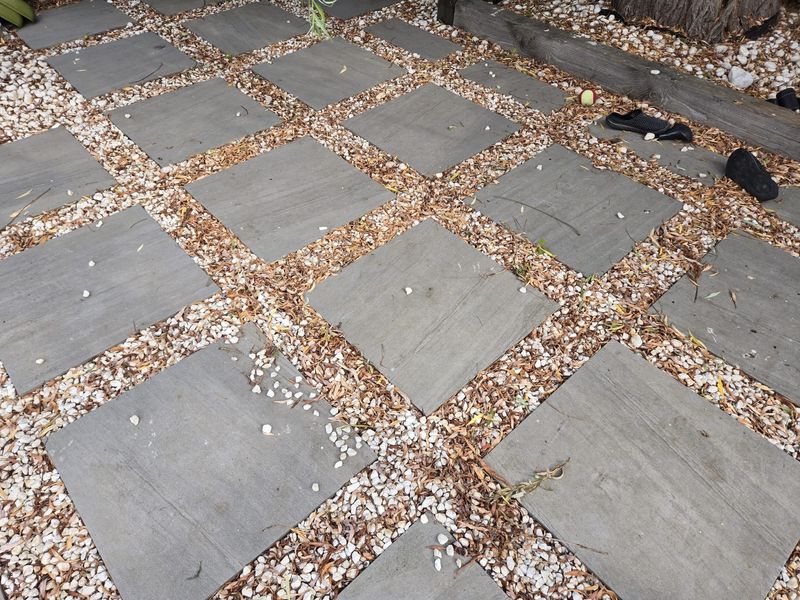
Fallen leaves look harmless, but they cause real trouble when they pile up between pavers. As leaves break down, they create a rich, moist layer of organic matter right inside the cracks.
That material acts like compost, giving weed seeds exactly what they need to grow fast. Our state gets heavy leaf fall in autumn, and the damp climate slows the drying process.
Leaves stay wet longer here than in drier regions, which speeds up decomposition right in your paver joints.
By the time winter arrives, those cracks can be packed with nutrient-rich debris ready to feed spring weeds.
Clearing leaves from your paved areas should be part of your fall routine. Use a leaf blower on a low setting to push leaves out of the gaps without disturbing the sand underneath. A handheld blower gives you better control around tight spaces and curved edges.
Your Oregon Garden Changes Every Week. Your Plan Should Too.
Gardening in Oregon changes quickly throughout the season. Every Friday you’ll receive a simple weekly plan showing exactly what to plant, prune, fertilize, harvest, and protect so you never miss the right timing.
If you prefer raking, use a flexible rubber rake that can get into narrow joints without scratching the paver surface.
Clear leaves every few days during peak fall season rather than letting them accumulate. A smaller, more frequent effort is much easier than tackling a thick mat of decomposed leaves all at once.
Staying on top of leaf removal protects the structural integrity of your pavers too. Wet, decomposing debris holds moisture against the surface and can cause staining or shifting over time. Keep those cracks clean and your patio will look better for years.
3. Refill Gaps With Polymeric Sand
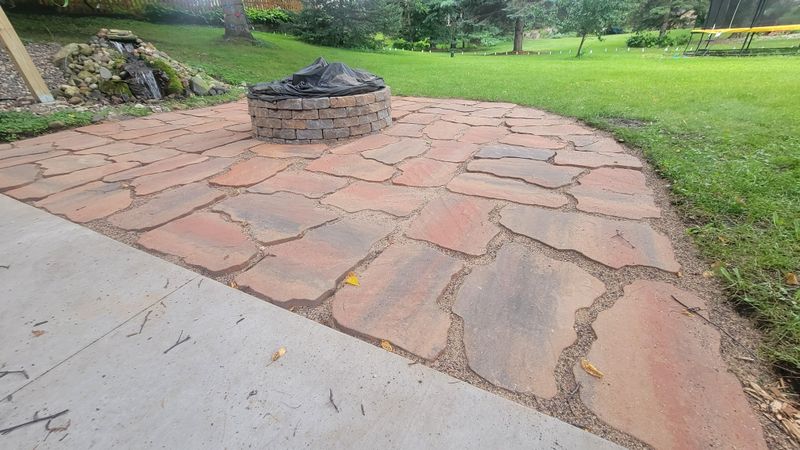
Polymeric sand is one of the most effective long-term solutions for keeping weeds out of paver joints.
Unlike regular sand, it contains a special binding agent that hardens when it gets wet. Once it sets, it creates a firm, solid joint that makes it very difficult for seeds to take hold.
Applying it is straightforward. Start by sweeping the existing joints clean and removing any old sand or debris. Pour the polymeric sand over your pavers and use a broom to work it deep into the gaps.
Make sure the joints are filled completely, right up to the surface. Once the sand is in place, use a leaf blower to clear off any excess from the paver tops. Then lightly mist the surface with water.
The moisture activates the binding agent and starts the hardening process. Avoid heavy watering right away, as it can wash the sand out before it sets.
In our state, timing matters. Apply polymeric sand during a dry stretch of weather so it has time to cure properly before rain arrives. Most products need at least 24 hours to fully harden.
Check the forecast before you start and plan accordingly. Reapply every few years as the sand naturally wears down over time.
Regular maintenance keeps the joints tight and your paver surface looking neat. Many gardeners say this single step made the biggest difference in reducing their weed problems season after season.
4. Fix Loose Pavers Before Weeds Move In
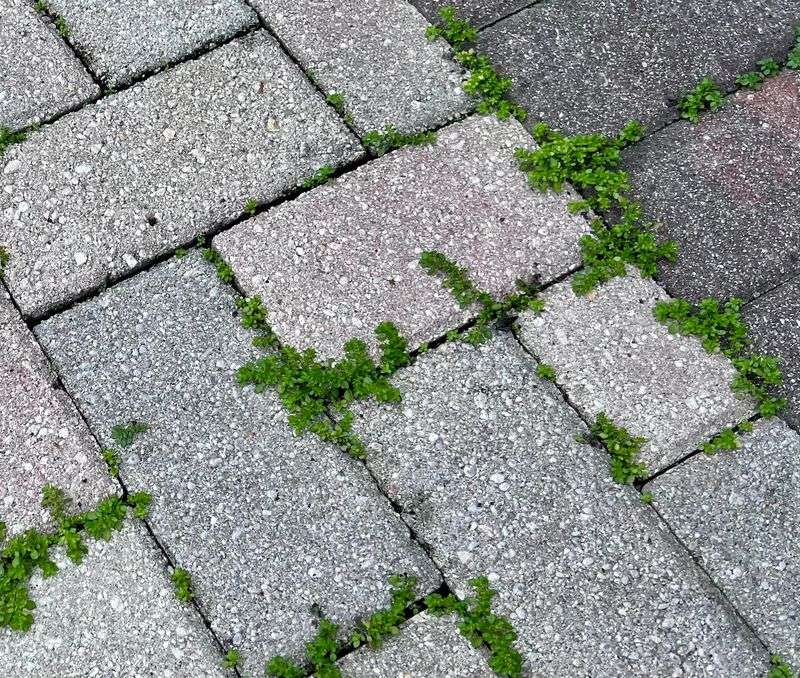
A wobbly or sunken paver is more than just a tripping hazard. It creates an uneven gap where dirt, moisture, and seeds collect quickly.
Once a paver shifts out of place, the joint beneath it opens up and becomes an easy entry point for weeds.
Walk across your paved areas and press down on each paver with your foot. If any rock or tilt, those are the ones to fix first. A paver that moves even slightly has a gap underneath that needs attention before weeds find it.
Fixing a loose paver is easier than most people expect. Lift it out carefully and set it aside. Scrape out the old base material and add fresh leveling sand.
Use a hand tamper or the flat end of a rubber mallet to compact the sand evenly. Then set the paver back in place and press it down firmly until it sits flush with the surrounding surface.
Check the edges and corners too. Those spots shift most often because they have less support on all sides. Adding extra sand along the edges during reinstallation helps stabilize them for longer.
In this state, soil movement from rain and freeze-thaw cycles in northern regions can shift pavers more often than in warmer areas.
Doing a quick walkthrough inspection every spring and fall catches problems early. Staying ahead of small shifts prevents larger repairs down the road and keeps weeds from finding a foothold in the gaps.
5. Improve Drainage Around Damp Walkways
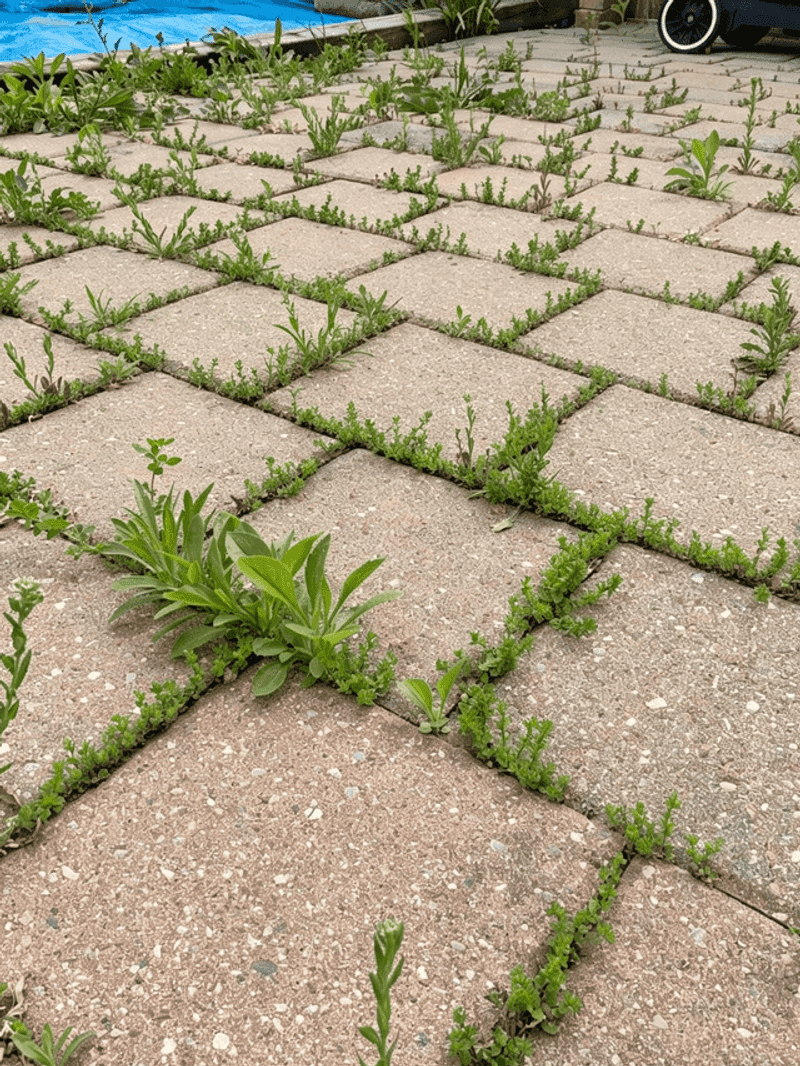
Standing water between pavers is a major weed magnet. Wet joints stay soft, and soft joints are easy for roots to push through. Poor drainage does not just encourage weeds.
It also causes pavers to shift, crack, and stain over time. Our state gets a lot of rain from fall through spring, and many yards have clay-heavy soil that does not drain well.
Water pools on the surface and soaks into the paver joints instead of running off. That constant moisture keeps the base material loose and inviting for weed seeds.
Improving drainage starts with looking at the slope of your walkway. Pavers should have a slight grade of about one inch for every eight feet. This allows water to run off to the sides instead of sitting in the joints.
If your walkway is flat or sloped toward the house, regrading the base layer can make a big difference.
Adding a gravel border along the edges of your paved areas also helps. Gravel allows water to drain away quickly and discourages weeds from creeping in from the sides.
French drains or channel drains work well for areas that collect heavy runoff after storms.
Cleaning out debris from around your pavers also improves drainage. Leaves, soil, and mulch pile up along edges and block water from flowing away.
Keeping those areas clear lets rain move through naturally and keeps your paver joints drier between storms, which makes weed growth much less likely.
6. Edge The Patio Before Grass Creeps In
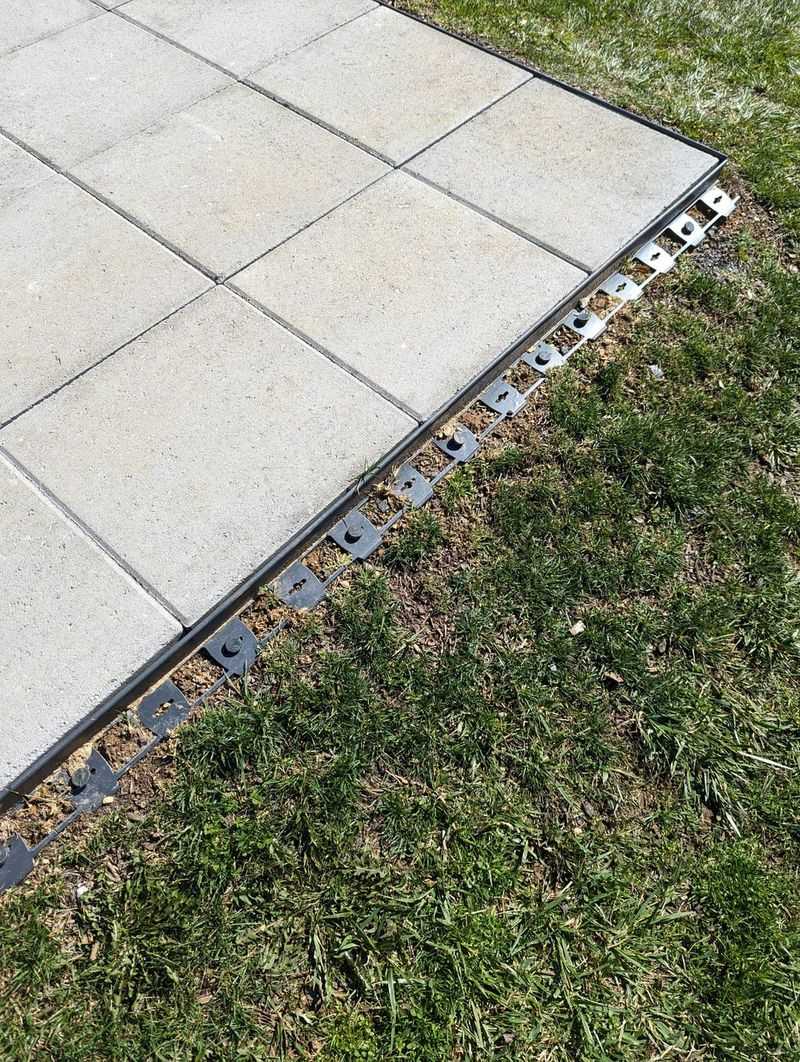
Grass along the edge of a patio does not stay in place for long. Runners and rhizomes spread quietly underground and push up between pavers before you notice what is happening.
By the time you see green shoots popping through the joints near the border, the roots may already be several inches deep. Edging creates a physical barrier that slows that creeping process.
A clean, defined edge between your lawn and your paved surface cuts off the path that grass uses to spread. It also gives you a clear boundary to monitor during your regular yard maintenance.
Use a half-moon edger or a flat spade to cut straight down along the patio border. Go at least three to four inches deep to interrupt the root zone.
Remove the cut material and dispose of it rather than leaving it nearby where roots can re-establish.
In our state, certain grass types like creeping bentgrass and perennial ryegrass spread aggressively in cool, moist conditions.
Edging every four to six weeks during the growing season keeps them in check. After heavy spring rains, the edges can blur quickly, so checking them regularly is worth the few minutes it takes.
Installing a plastic or metal patio edging strip along the border adds extra protection. These strips create a hard barrier underground that roots cannot easily cross.
Combined with regular manual edging, they keep grass where it belongs and protect the clean look of your paved areas all season.
7. Pull Tiny Seedlings Before Roots Spread
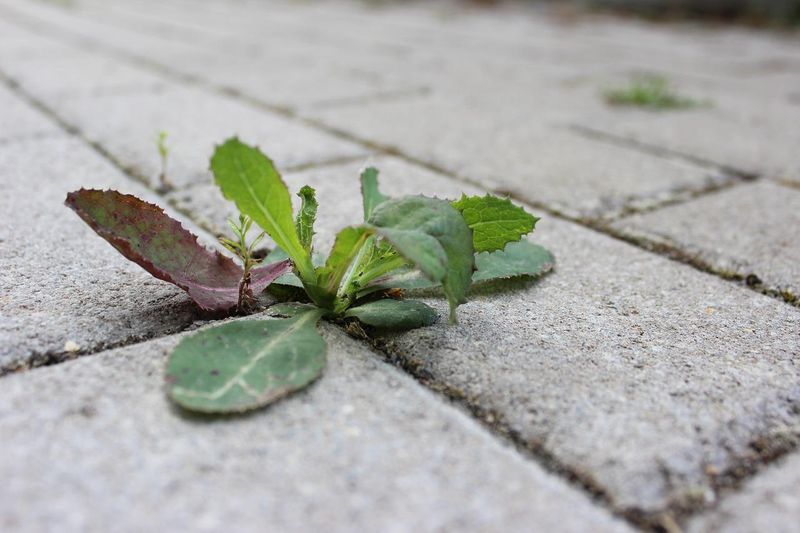
Catching weeds when they are still tiny is one of the most satisfying and effective strategies you can use.
A seedling that just sprouted has barely any root system yet. You can pull it out in seconds with almost no effort, and it leaves nothing behind to regrow.
Wait even a week or two, and that same seedling develops a taproot or a fibrous root network that anchors itself firmly into the joint material.
Pulling it then takes more force, risks breaking the root off below the surface, and can disturb the sand in the crack.
Make a habit of scanning your pavers every few days during spring and early summer. Those are the peak sprouting seasons in this state. Morning light at a low angle is the best time to spot tiny green sprouts.
Walk slowly and look closely at every joint, especially in shaded or damp areas where moisture lingers.
A narrow weeding tool with a pointed tip works well for getting into tight joints without damaging the surrounding sand.
Some gardeners use an old butter knife or a stiff wire tool for the same purpose. The goal is to get underneath the seedling and lift the root out cleanly.
Working after a light rain makes pulling easier because moist soil releases roots more willingly.
Dry, compacted joints grip roots tightly and increase the chance of snapping them. Keep a small bucket nearby to collect pulled seedlings so they do not re-root on the paver surface.
8. Use Boiling Water For Small Weed Flushes
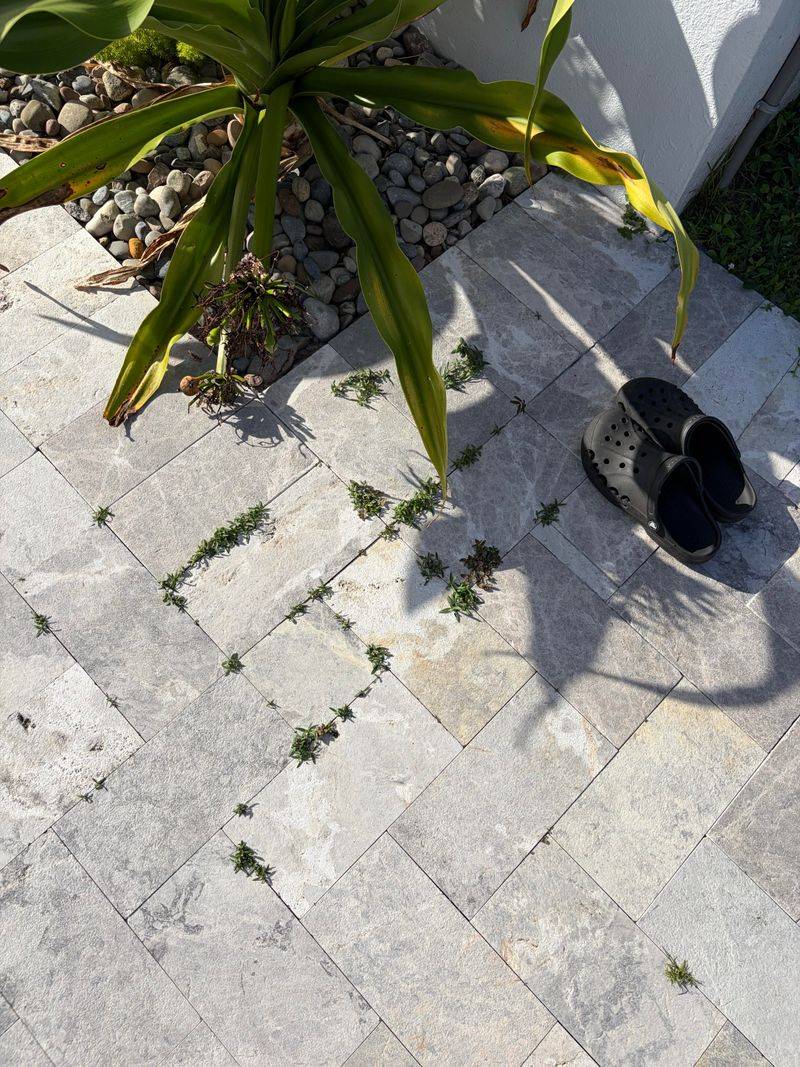
Boiling water is a surprisingly powerful and completely natural way to handle small weed outbreaks between pavers.
It works by damaging plant tissue on contact, causing the weed to wilt and stop growing within a day or two. No chemicals, no residue, and no waiting period before kids or pets can use the area again.
Grab a full kettle and bring it to a rolling boil. Then pour it slowly and directly onto the weeds you want to target. Aim for the base of each plant where the stem meets the soil.
The hot water needs to reach the root zone to be most effective, so pour steadily rather than splashing.
This method works best on small weeds in tight spots where tools cannot easily reach. It is also great for clearing moss or algae that builds up in shaded paver joints during our long, wet winters. A single treatment often handles light infestations well.
Be careful not to pour near plants you want to keep. Boiling water does not discriminate and will affect any vegetation it contacts.
Keep the pour tight and controlled, and protect nearby ground cover or border plants with a piece of cardboard as a shield if needed.
Repeat every week or two for persistent weeds that regrow from deep roots. Consistency matters more than a single heavy treatment.
Over time, repeated hot water applications weaken even stubborn weeds and reduce their ability to bounce back in the same spot.