Texas Homeowners Replacing Bermuda Grass With These Natives Are Cutting Water Bills
Bermuda grass has been the standard Texas lawn choice for a long time, and it does have real strengths. It handles heat, recovers from foot traffic, and stays green through conditions that would finish off a lot of other turf.
The downside is the water it demands, especially through the peak of a Texas summer when keeping a Bermuda lawn green can feel like a part time job with a serious utility bill attached.
Texas homeowners who have started replacing Bermuda with native groundcovers and low water alternatives are reporting a difference that shows up quickly and keeps compounding.
Native plants are adapted to Texas rainfall patterns, meaning they often need little to no irrigation once established. The lawn still looks great, sometimes better, and the water meter tells a completely different story.
If the cost of keeping Bermuda alive through summer has been adding up, there are some very practical alternatives worth knowing about.
1. Frogfruit
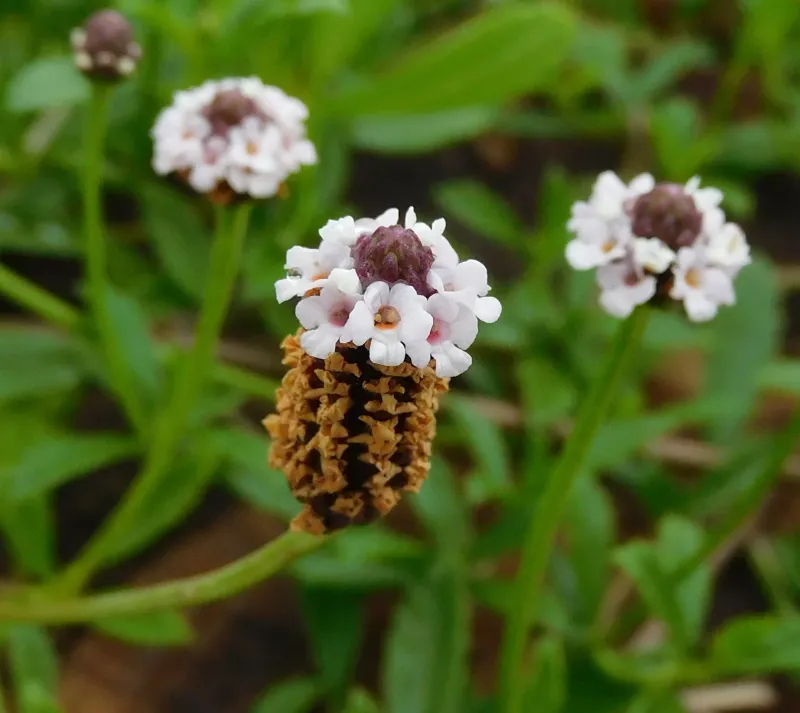
Frogfruit might have a funny name, but it is one of the hardest-working ground covers you can plant in a Texas yard.
It forms a thick, low mat that hugs the ground and spreads naturally without much help from you. Most homeowners are surprised by how quickly it fills in bare patches.
One of the best things about frogfruit is how little water it needs once it gets settled in. After the first season, it can handle long dry spells without looking stressed or patchy.
Compare that to Bermuda grass, which can demand watering two or three times a week in the summer heat.
Frogfruit also produces tiny white flowers that butterflies absolutely love. So while you’re saving money on your water bill, you’re also turning your yard into a little pollinator paradise.
That’s a pretty great trade-off for doing less yard work. Mowing is another area where frogfruit wins big. It naturally stays low, usually only a few inches tall, so you can skip most of your mowing sessions.
Some homeowners go weeks without needing to touch it at all. It handles foot traffic reasonably well too, making it a solid choice for paths and open areas.
Frogfruit grows best in full sun to partial shade, which makes it flexible for different parts of your yard. It works in sandy or clay soil, and it doesn’t need fertilizer to thrive.
For Texas homeowners looking to simplify lawn care and shrink their water bills, frogfruit is a genuinely exciting option.
2. Buffalograss
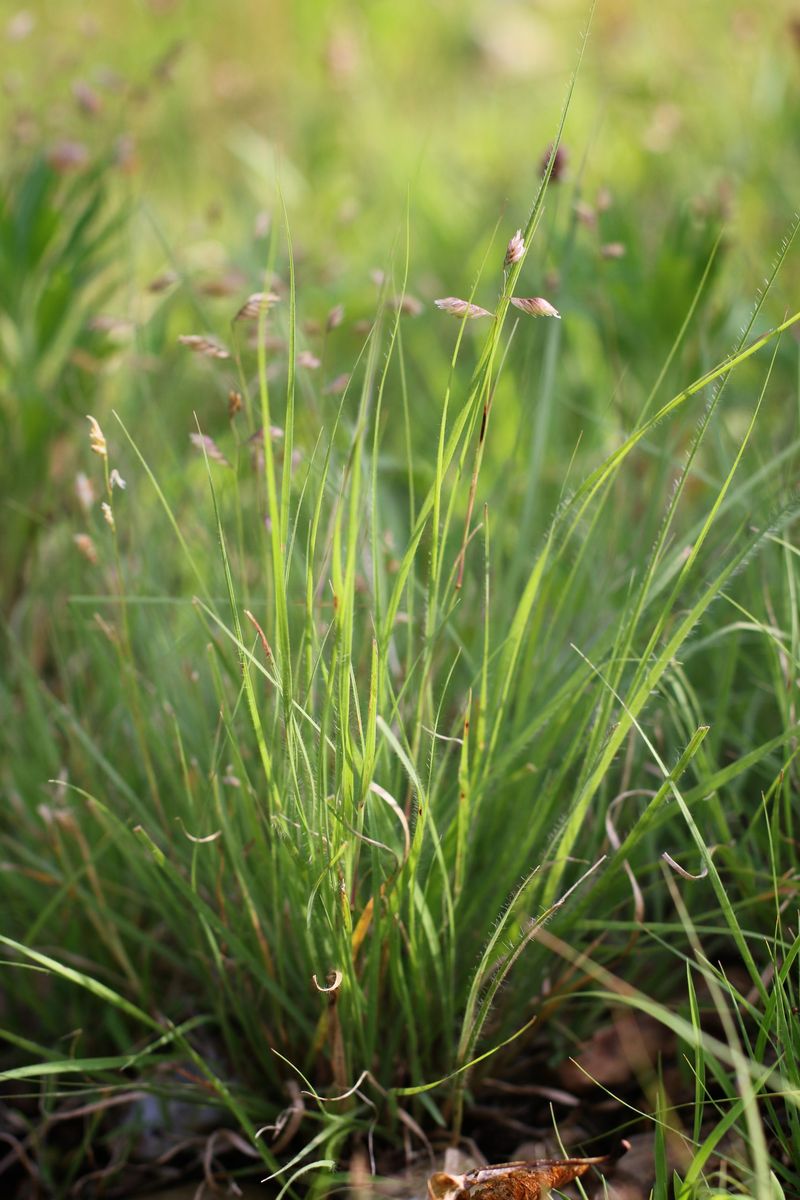
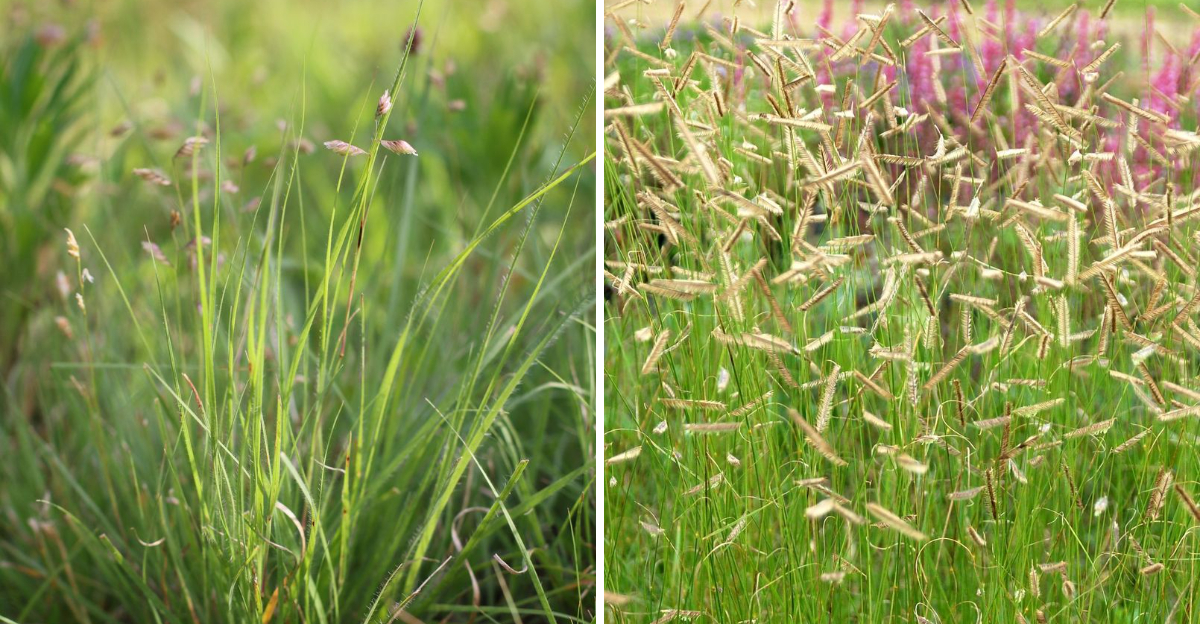
Buffalograss is the original Texas lawn grass, and it’s been growing across the Great Plains for thousands of years before anyone ever planted Bermuda.
It has a soft, fine texture and a beautiful blue-green color that looks clean and tidy without much effort. Once you see a healthy buffalograss lawn, it’s hard not to want one.
The water savings with buffalograss are real and significant. Studies from Texas A&M have shown that buffalograss can use up to 75 percent less water than traditional turf grasses.
Your Texas Garden Changes Every Week. Your Plan Should Too.
Gardening in Texas changes quickly throughout the season. Every Friday you’ll receive a simple weekly plan showing exactly what to plant, prune, fertilize, harvest, and protect so you never miss the right timing.
For a state where summer droughts are a regular reality, that kind of efficiency makes a huge difference in monthly bills.
Buffalograss grows slowly and stays naturally short, usually between four and six inches tall. That means fewer mowing trips and less fuel or electricity spent running your lawn equipment.
Many homeowners mow it just once or twice a month during the growing season, and some skip mowing altogether for a more natural meadow feel.
It does best in full sun and well-drained soil, which describes most Texas front yards perfectly. Clay soils can work too, as long as water doesn’t pool for long periods.
It goes dormant and turns tan during winter, then greens back up in spring without any help from you.
Planting buffalograss from plugs or sod is straightforward, and most garden centers in Texas carry it. Give it one good watering per week during the first summer, then step back and let it do its thing.
It truly earns its reputation as the low-maintenance lawn champion of the Lone Star State.
3. Blue Grama
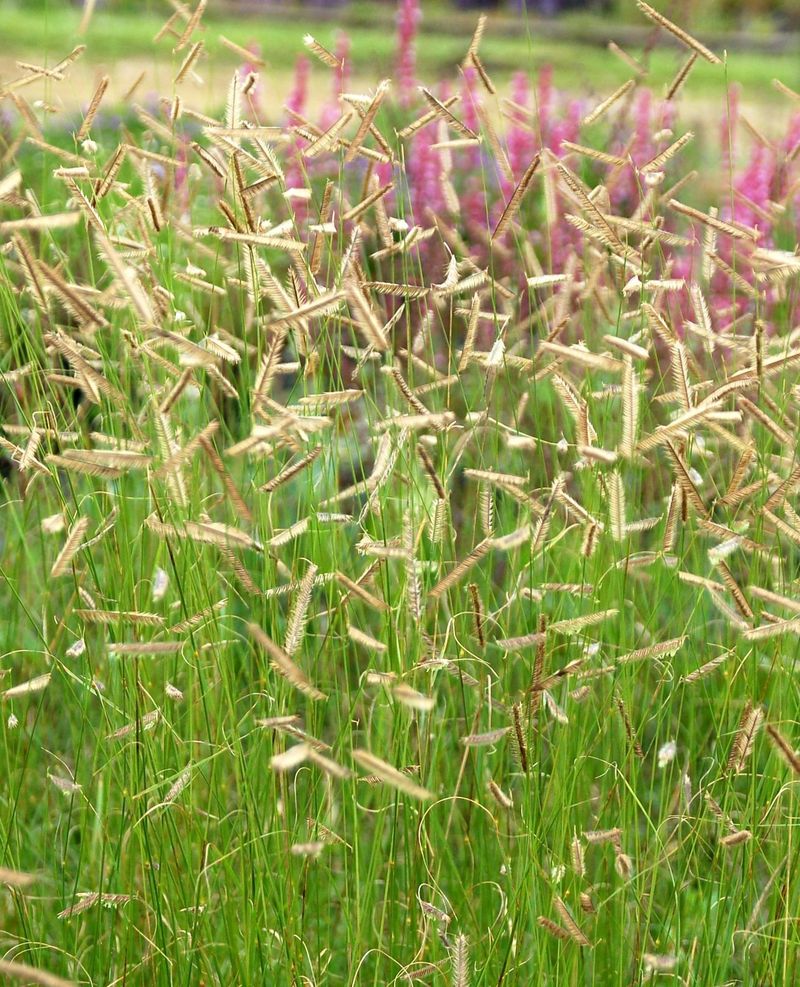
There’s something almost magical about blue grama grass. Its seed heads look like tiny curved eyelashes or little flags waving in the breeze, and they add a playful visual texture to any yard.
Most people don’t even realize it’s a grass until they look closely.
Blue grama is native to Texas and much of the American Southwest, so it is perfectly built for hot, dry conditions. It can survive on as little as 12 inches of rainfall per year, which is well within the range of many Texas regions.
Once established, it rarely needs supplemental watering, even during the driest stretches of summer.
Height-wise, blue grama stays compact and tidy. It typically tops out around 12 to 18 inches when left unmowed, but it can be kept shorter with occasional trimming.
Either way, it needs far less attention than Bermuda grass, which demands regular cutting to stay looking neat.
This grass performs best in full sun and thrives in poor, rocky, or sandy soils where other grasses struggle to survive. It doesn’t need fertilizer and actually prefers soil that isn’t too rich.
That means less money spent on lawn products throughout the year. Blue grama also offers a bonus for wildlife lovers. Birds feed on its seeds in the fall and winter, turning your yard into a small habitat.
Planting it alongside wildflowers creates a natural prairie look that is both beautiful and low-effort. For homeowners who want a yard that practically takes care of itself, blue grama is a smart, satisfying choice worth making.
4. Texas Sedge
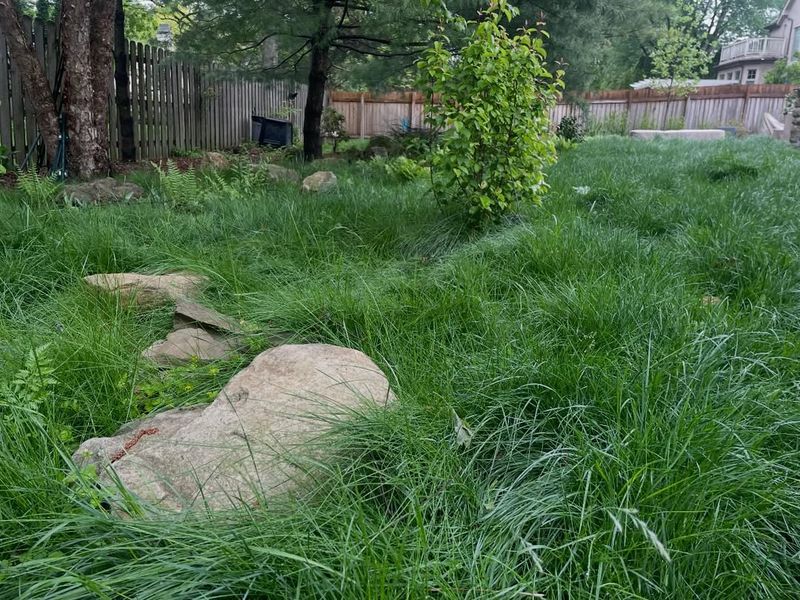
Not every yard in Texas is blasted with full sun all day long. If you have big oak trees, a covered patio, or a north-facing area that stays shady, Texas sedge could be your best friend.
It fills in shaded spots beautifully, creating a soft, lawn-like carpet where other grasses simply refuse to grow.
Texas sedge is a native perennial that stays green most of the year in central and south Texas. It grows in loose, graceful clumps that spread slowly over time to form a smooth, uniform surface.
The blades are fine and slightly arching, giving it a lush appearance that looks intentional and polished.
Water needs are much lower compared to Bermuda grass, especially in shaded areas where the soil holds moisture longer. Once Texas sedge is established, it can often survive on rainfall alone during cooler months.
During summer, a light watering once a week is usually enough to keep it looking fresh. Mowing is optional with Texas sedge. If you prefer a neat, trimmed look, a light mow every few weeks does the job.
If you prefer a more natural, flowing style, you can let it grow freely and it will stay at a manageable height on its own. Either way works beautifully.
It grows well in sandy or loamy soils and tolerates occasional foot traffic without much damage. Texas sedge pairs wonderfully with shade-loving native plants like inland sea oats and wild ginger.
Together, they create a layered, low-water landscape that looks professionally designed without the high price tag or the heavy watering schedule.
5. Horseherb
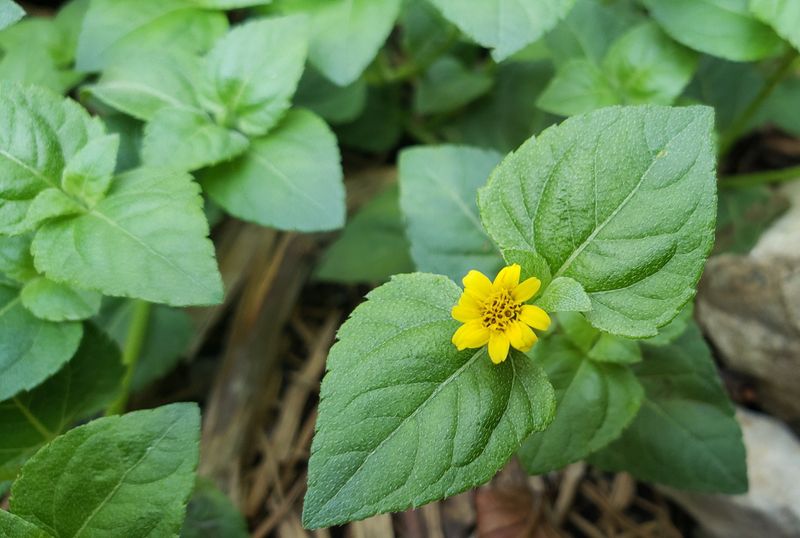
Horseherb is one of those plants that Texans either love immediately or overlook entirely because it looks so unassuming.
But spend a summer watching it spread cheerfully through the shade while your neighbor’s Bermuda grass turns brown and crispy, and you’ll quickly become a fan. It’s a tough little plant with a big personality.
Officially known as Calyptocarpus vialis, horseherb is a native Texas ground cover that thrives in shaded or partially shaded areas. It produces small, rounded leaves and tiny yellow flowers almost year-round.
Pollinators visit those little flowers regularly, which is a nice bonus you don’t get with a plain grass lawn.
Once horseherb gets established, it needs almost no irrigation at all. It spreads on its own through runners and seeds, filling in gaps and creating a dense, weed-suppressing mat.
That self-spreading habit means less work for you and fewer bare spots to worry about over time.
It handles poor soil conditions without complaint, which is a huge advantage in Texas where clay and rocky soils are common. No fertilizer is needed, and no special soil preparation is required to get it started.
Just plant it, give it a few weeks of regular watering to help it settle in, and then step back. Horseherb also handles foot traffic surprisingly well for such a small plant. It bounces back quickly after being walked on, making it practical for side yards or shaded play areas.
For homeowners dealing with shaded zones where grass refuses to cooperate, horseherb is a reliable, water-saving solution that earns its place in any Texas landscape.
6. Little Bluestem
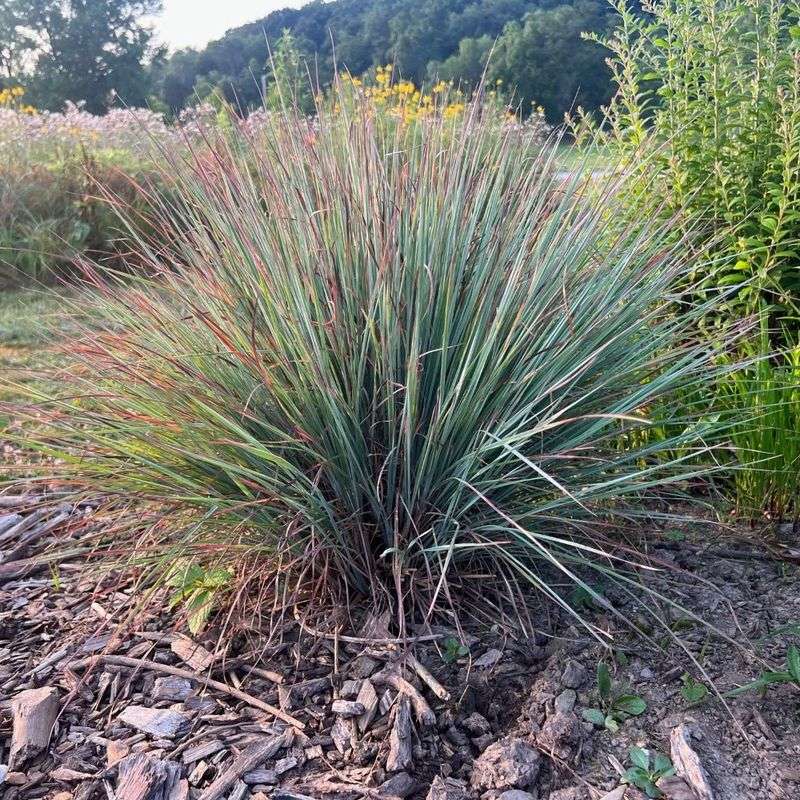
Walk past a yard planted with little bluestem in October and you might stop and stare. The grass turns a stunning mix of copper, rust, and burgundy in the fall, and its fluffy white seed heads catch the light in a way that looks almost like a painting.
It’s one of the most visually striking native plants you can grow in Texas. Little bluestem is a warm-season bunchgrass that grows in clumps, usually reaching two to four feet tall.
It works beautifully in meadow-style or naturalistic landscapes where homeowners want something that looks lush without requiring constant upkeep. Planted in groups, it creates a flowing, textured look that changes with the seasons.
Drought tolerance is one of little bluestem’s strongest qualities. It evolved on the Texas prairies, where rainfall is unpredictable and summers are brutal.
Once established, it rarely needs watering beyond what nature provides, making it one of the most water-efficient choices on this list.
Full sun is where little bluestem truly shines. It prefers well-drained soils and actually does better in poor or rocky ground than in rich, fertile soil.
Overly fertile soil can cause it to flop over, so skip the fertilizer and let it grow lean and upright the way nature intended.
Birds love the seeds in winter, and the dense clumps provide shelter for small wildlife throughout the year. Replacing a section of Bermuda grass with little bluestem doesn’t just cut your water bill.
It transforms a flat, forgettable lawn into a dynamic, living landscape that rewards you with beauty every single season.
7. Silver Ponyfoot
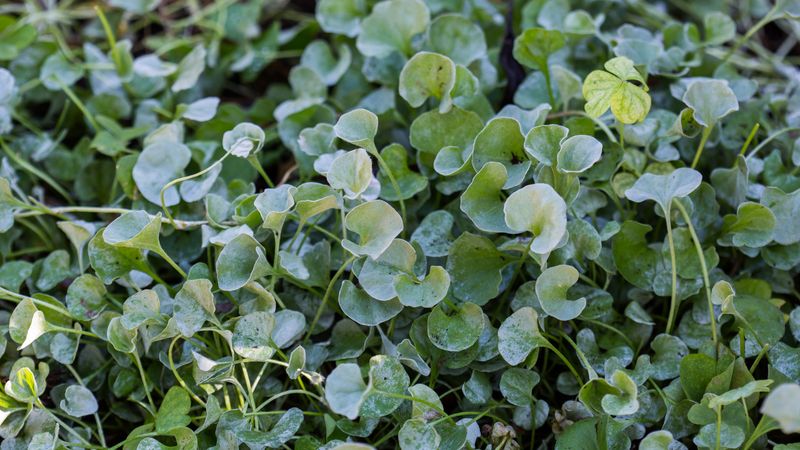
Silver ponyfoot is the kind of plant that makes people stop and ask, what is that? Its small, round leaves are coated in a soft silver fuzz that gives it an almost metallic shimmer in the sun.
Tucked between stepping stones or spilling along a garden path, it creates a look that feels both elegant and effortless.
Botanically known as Dichondra argentea, silver ponyfoot is native to the dry, rocky areas of Texas and the Southwest.
It was built for heat and sun, which means it performs at its best during the very conditions that send other ground covers into retreat. The hotter and drier it gets, the more silver and striking it becomes.
Water needs are minimal once silver ponyfoot gets established. It can survive on rainfall alone during most of the year in central and west Texas.
During extreme heat waves, a light watering once every week or two is usually all it needs to stay looking sharp and full.
It spreads slowly but steadily, filling in gaps between rocks, pavers, and landscape borders without becoming aggressive or invasive.
That controlled spreading habit makes it easy to manage and keeps it from taking over areas where you don’t want it. It stays low, usually just a few inches tall, so no mowing is ever required.
Silver ponyfoot works especially well in rock gardens, xeriscape designs, and dry slopes where erosion can be a problem. It holds soil in place while adding visual interest to spots that would otherwise look bare and dusty.
For Texas homeowners building a low-water landscape with real style, silver ponyfoot is an underrated gem worth planting right away.