These Are The Oregon Vegetables To Plant Right Now That Thrive When Soil Hits 50 Degrees
Oregon spring can be a tease. The sun pops out, seed packets start looking tempting, and every gardener suddenly feels like the season is yelling “go.”
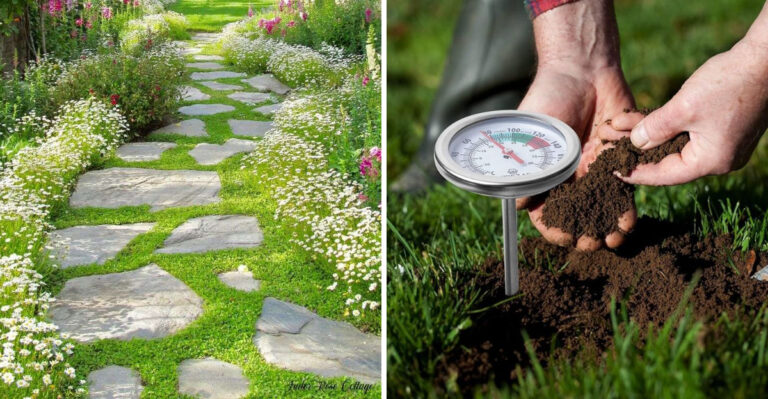
But the real signal is hiding under your boots. When soil reaches about 50 degrees, some vegetables finally wake up and grow like they mean it.
Plant too early, and seeds may sit there doing their best rock impression. Wait for that warmer soil, and the garden gets a much better start. This is the sweet spot for cool season crops that do not need summer heat to perform.
It is also a great moment for gardeners who are tired of guessing based on air temperature alone.
Oregon weather can act cheerful while the ground is still chilly, which is rude but very on brand. Once the soil hits that magic number, a whole new round of planting starts to make sense.
1. Peas Take Off In Cool Soil
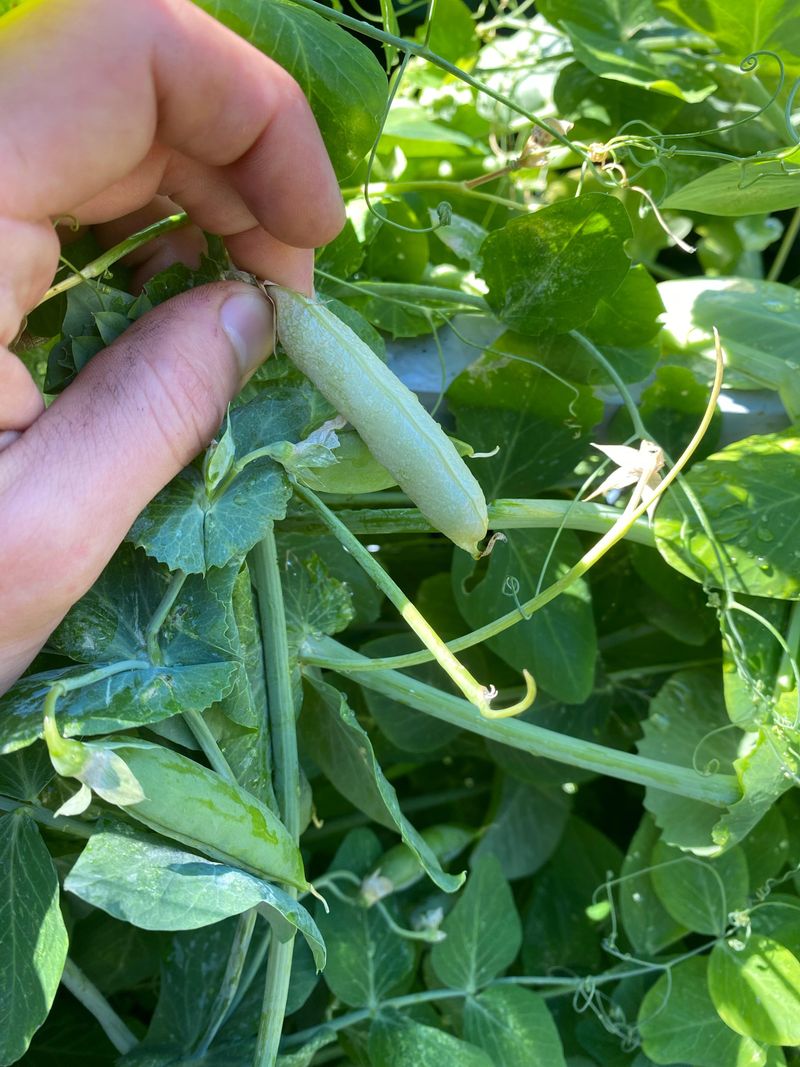
Cool soil is basically a green light for peas. When the ground hits 50 degrees, pea seeds wake up fast and send out strong roots before warmer crops even get started.
In fact, peas planted in cool soil often outperform those planted later in warmer conditions.
Plant your seeds about one inch deep and two inches apart. They do not need much fertilizer since peas actually fix their own nitrogen in the soil. A simple trellis or some sticks tied together will give the vines something to grab onto as they climb.
Oregon’s wet, cool springs are almost perfectly designed for peas. The plants prefer temperatures between 45 and 70 degrees, which lines up nicely with what we get here in early spring.
They struggle once summer heat arrives, so getting them in the ground now gives you the best possible harvest window.
Sugar snap peas are a crowd favorite because you can eat the whole pod. Snow peas are great for stir-fries and fresh salads. Shelling peas take a little more work but are worth every bite.
Try planting a mix of types to enjoy variety throughout the season. Water consistently but avoid soaking the soil. Peas like moisture but not standing water.
Within about 60 to 70 days, you will be picking handfuls of sweet pods straight off the vine. Few garden moments feel more rewarding than that first fresh pea of the season.
2. Lettuce Grows Fast Before Heat Builds
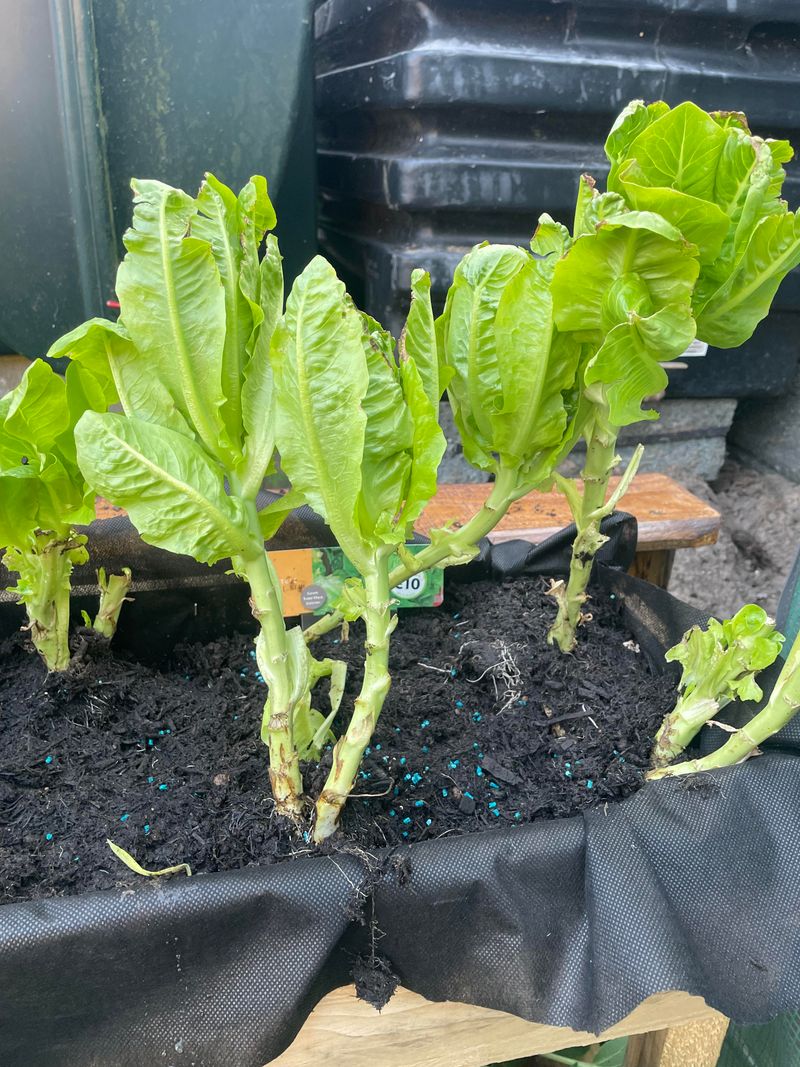
Few vegetables reward impatient gardeners quite like lettuce. It sprouts quickly, grows in just about any container or bed, and starts producing leaves you can harvest in as little as 30 days. When soil temps hit 50 degrees, lettuce is already eager to grow.
Scatter seeds thinly across moist soil and press them down gently. Lettuce seeds need light to germinate, so do not bury them deep. A thin layer of soil or even just pressed contact with the surface is enough.
Keep the area consistently moist until sprouts appear. Loose-leaf varieties like Black Seeded Simpson or Red Sails are perfect for cut-and-come-again harvesting.
That means you snip outer leaves and the plant keeps growing from the center. Head lettuces like romaine or butterhead take a little longer but give you a satisfying full head to harvest.
Your Oregon Garden Changes Every Week. Your Plan Should Too.
Gardening in Oregon changes quickly throughout the season. Every Friday you’ll receive a simple weekly plan showing exactly what to plant, prune, fertilize, harvest, and protect so you never miss the right timing.
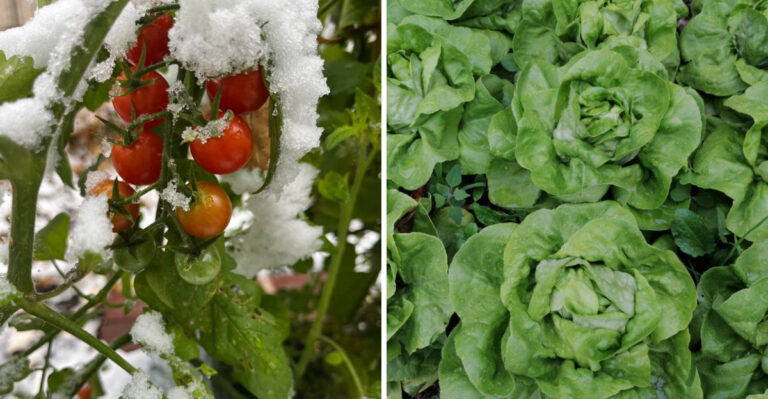
Our state’s cool, cloudy springs are ideal for lettuce. Too much sun and heat causes it to bolt, meaning it sends up a seed stalk and turns bitter.
Getting it growing now means you beat the heat and enjoy sweet, tender leaves for weeks.
Planting in a partially shaded spot can also extend your harvest into early summer. Try succession planting by sowing new seeds every two weeks.
That way, you always have fresh lettuce coming in. It is one of the most practical and beginner-friendly vegetables you can grow in spring.
3. Spinach Loves Oregon’s Cool Beds
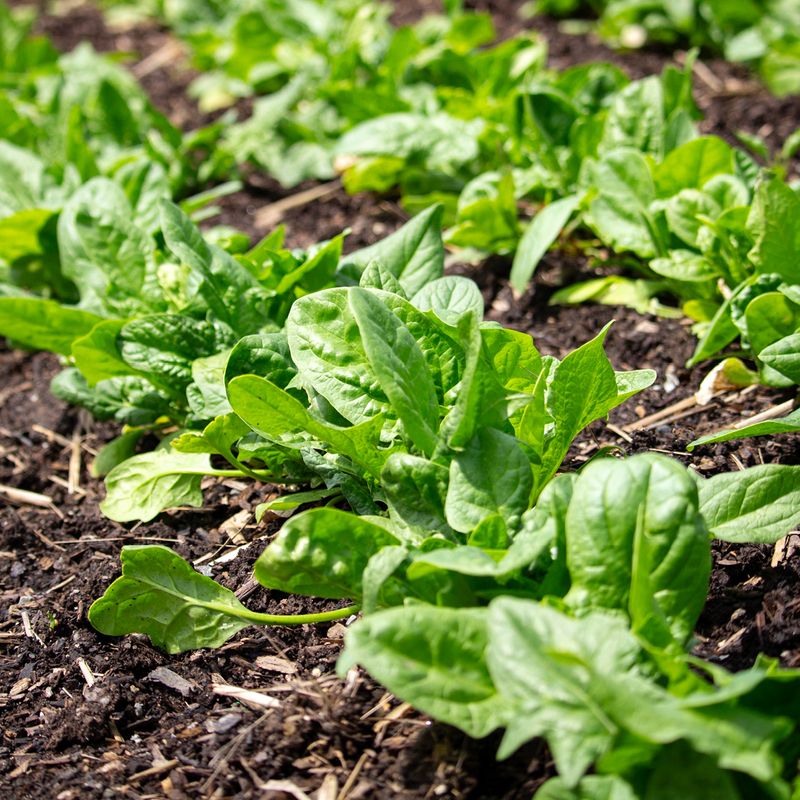
Spinach has a reputation for being a powerhouse in the kitchen, but it is just as impressive in the garden.
It germinates well in soil as cool as 40 degrees, and once temps hit 50, it really gets going. Few leafy greens are as well-suited to our state’s early spring conditions.
Sow seeds about half an inch deep and two to three inches apart. Rows should be spaced about a foot apart to give leaves room to spread.
Thin seedlings as they grow so plants are not crowding each other. Those thinned sprouts are delicious in salads, so nothing goes to waste.
Spinach prefers full sun in spring but can handle some shade, especially in warmer microclimates along the coast or in southern valleys.
Water regularly and keep the soil from drying out completely between waterings. A light mulch layer helps hold moisture and keeps roots cool.
Savoy varieties have crinkled leaves that add great texture to dishes. Flat-leaf types are easier to wash and work well for cooking. Baby spinach varieties grow fast and are perfect for salads.
All of them thrive in the cool, damp conditions our state delivers in early spring. Harvest outer leaves regularly to keep the plant producing.
Spinach bolts quickly once temperatures climb above 75 degrees, so enjoy the harvest while the weather cooperates. With a second planting in late summer, you can also enjoy a fall crop when cool weather returns.
4. Radishes Are Ready In A Hurry
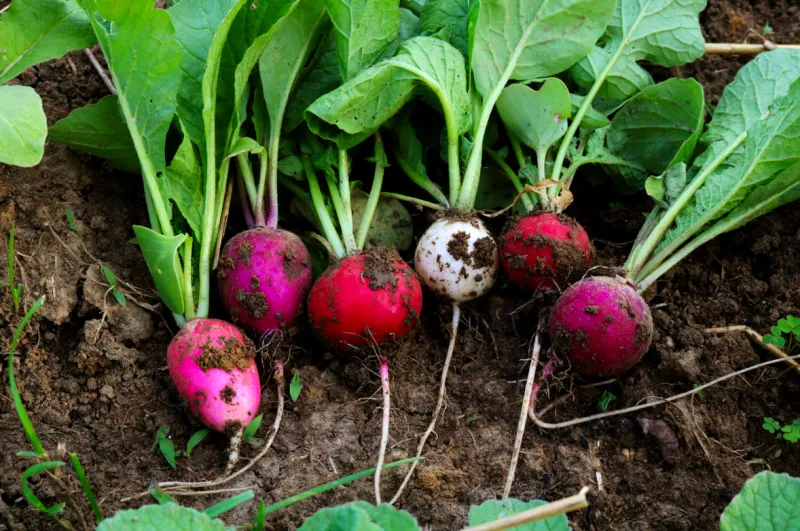
If you have never grown radishes before, get ready for a pleasant surprise. They are one of the fastest vegetables on the planet, going from seed to harvest in as little as 22 to 25 days. When soil hits 50 degrees, radish seeds practically sprint out of the ground.
Sow seeds about half an inch deep and one inch apart in rows. Thin them to about two inches apart once they sprout so the roots have room to swell.
They do not need much space, which makes them ideal for small garden beds, containers, or even gaps between slower-growing plants.
Cherry Belle and French Breakfast are two popular varieties that do especially well in our state’s cool spring conditions.
They develop crisp, peppery roots that are great raw in salads, sliced onto sandwiches, or pickled for a tangy snack. The greens are also edible and taste similar to arugula.
Radishes grow best in loose, well-draining soil. Rocky or compacted ground can cause them to grow misshapen.
If your soil is heavy clay, add some compost to loosen it up before planting. Consistent moisture keeps them from getting too hot and spicy in flavor.
Gardeners often use radishes as row markers for slower crops like carrots. Plant them together and the radishes will be harvested long before the carrots need the space.
It is a smart, efficient way to get double the use out of every inch of your garden this spring.
5. Carrots Can Start Before Summer Crops
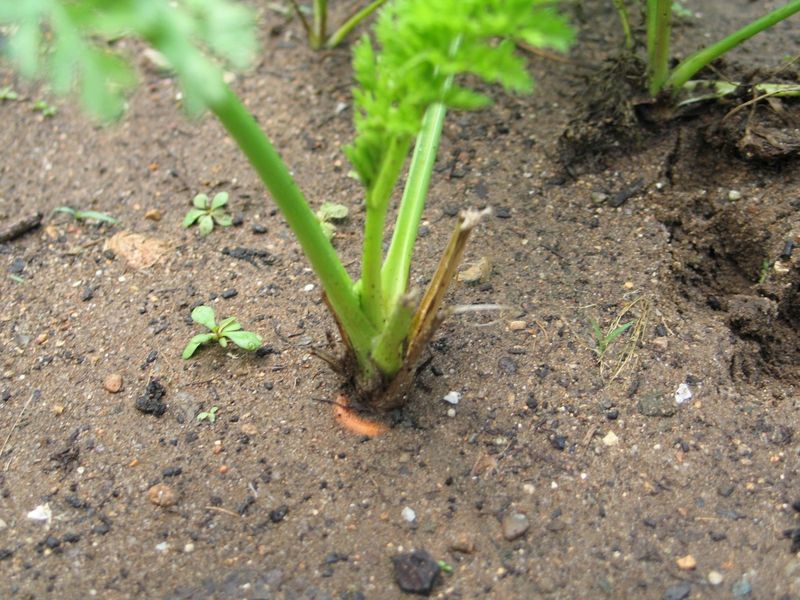
Carrots are patient vegetables, and planting them early pays off in a big way. They germinate slowly, sometimes taking two to three weeks to show their first tiny sprouts.
Getting them in the ground now, when soil hits 50 degrees, gives them a head start that summer crops simply cannot match.
Sow carrot seeds directly in the garden about a quarter inch deep. Sprinkle them thinly in rows about a foot apart. Do not transplant them since carrots do not like having their roots disturbed.
Once seedlings are a few inches tall, thin them to about two to three inches apart for best root development.
Loose, deep, rock-free soil is the key to growing straight, healthy carrots. Compacted or rocky soil causes roots to fork and twist. Raised beds filled with a mix of compost and sandy loam work beautifully.
Our state’s naturally moist spring soil also helps seeds stay hydrated during that slow germination period.
Shorter varieties like Danvers or Chantenay work well in heavier soils common in many parts of our state.
Nantes varieties are sweet and cylindrical, making them a family favorite. Try covering your seed row with a light layer of burlap or row cover to hold moisture until germination begins.
Carrots take about 70 to 80 days to mature, so planting now means a summer harvest. They also taste sweeter after a light frost, which makes them one of the most satisfying crops to pull from the ground on a cool morning.
6. Beets Handle Cool Soil Well
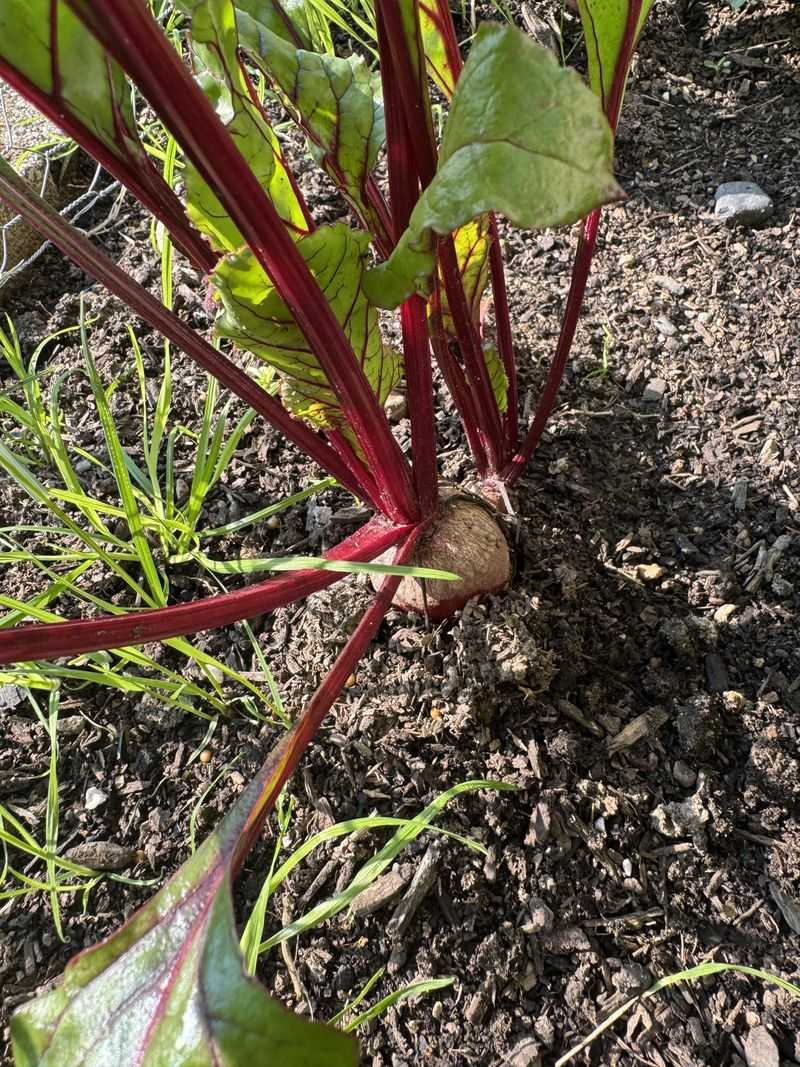
Beets are one of those vegetables that quietly do everything right. They tolerate cool soil, grow relatively quickly, and give you two harvests in one since both the roots and the leafy tops are edible.
When soil temperatures reach 50 degrees, beet seeds are ready to get going. Plant beet seeds about half an inch deep and two to three inches apart.
Each beet seed is actually a cluster of seeds, so multiple seedlings may sprout from one spot. Thin them to the strongest plant once they reach a few inches tall.
Those thinned seedlings taste great sauteed in butter with garlic. Full sun is ideal for beets, but they can handle partial shade without much trouble.
They prefer consistent moisture and do not like to dry out completely between waterings. A layer of compost worked into the bed before planting gives them the loose, nutrient-rich soil they love.
Detroit Dark Red is a classic variety that performs reliably in our state’s spring conditions. Golden beets are milder in flavor and do not bleed their color when cooked, which makes them popular in salads.
Chioggia beets have a beautiful candy-cane pattern inside that is always a conversation starter at the dinner table.
Beets mature in about 55 to 70 days depending on the variety. Harvest them when the shoulders push up through the soil surface and reach about two to three inches in diameter.
Leaving them too long makes the roots woody, so check on them regularly as harvest time approaches.
7. Swiss Chard Bridges Cool And Warm Weather
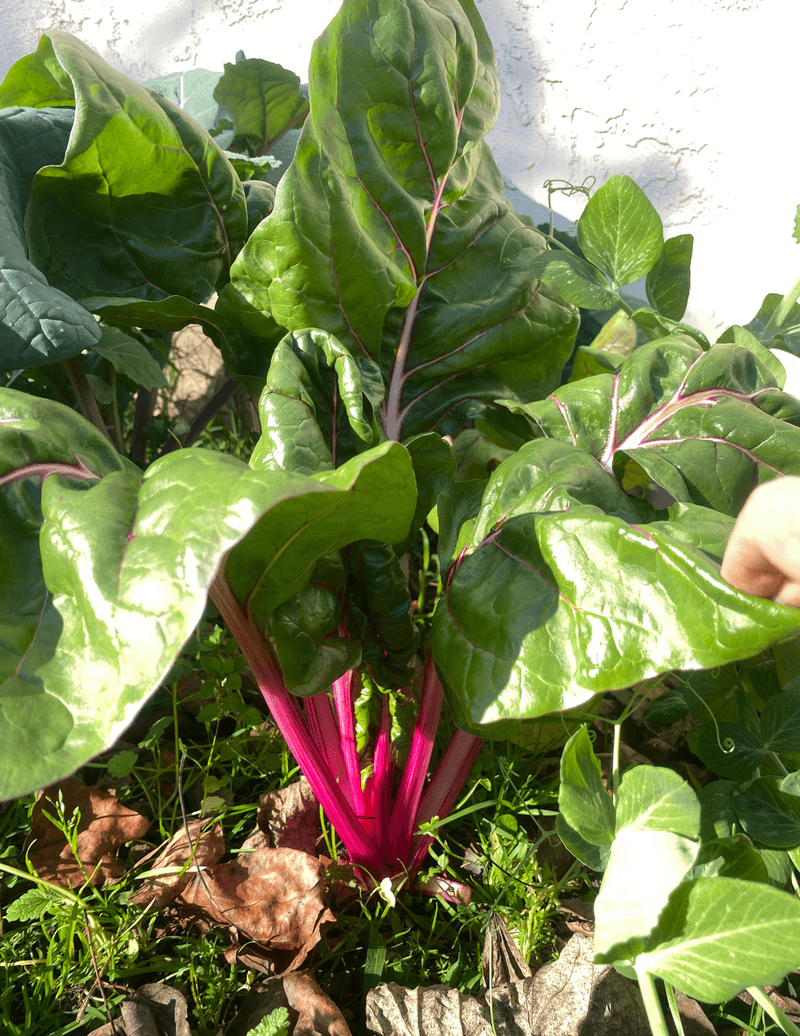
Swiss chard is one of those rare vegetables that refuses to quit. It handles cool spring temps without flinching and then keeps producing straight through summer heat and into fall.
Planting it now, when soil hits 50 degrees, gives you a long and generous harvest season. Direct sow chard seeds about half an inch deep and four to six inches apart.
Like beets, each chard seed is a cluster, so thin to one plant per spot once they are a few inches tall. Full sun is best, but chard handles partial shade better than most other vegetables.
Rainbow chard is especially popular because of its bright stems in shades of red, orange, yellow, and white.
It is just as beautiful in the garden as it is on a plate. The large, glossy leaves are mild in flavor and work well in stir-fries, soups, omelets, and pasta dishes.
Chard does not bolt as quickly as spinach or lettuce, which makes it a smarter choice for gardeners who want greens all season long.
It can handle light frosts in spring and fall without missing a beat. In mild coastal areas of our state, it sometimes overwinters and comes back the following spring.
Harvest outer leaves when they reach six to eight inches long. The plant will keep pushing out new growth from the center.
Water regularly and add a side dressing of compost midseason to keep plants productive. Few vegetables give you more for your effort than a well-tended patch of Swiss chard.
8. Turnips Make Quick Roots And Greens
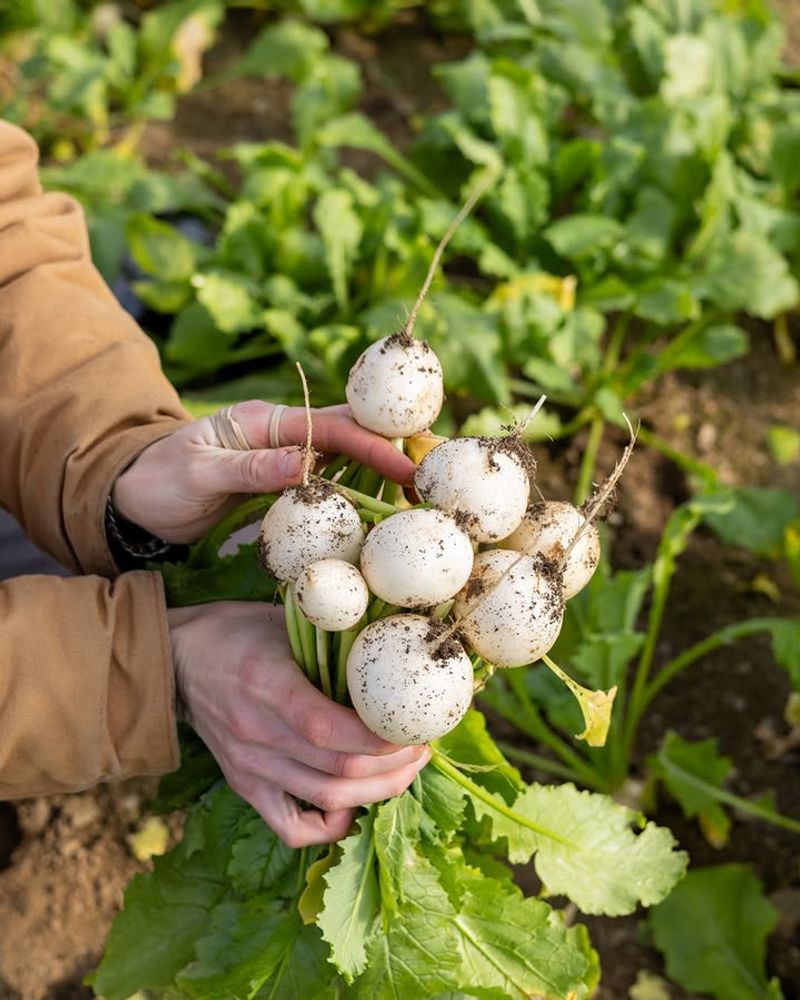
Turnips do not always get the attention they deserve, but they are one of the most efficient vegetables you can plant in cool spring soil.
They grow fast, taste great roasted or mashed, and their leafy tops are some of the most nutritious greens in the garden. When soil hits 50 degrees, turnips are ready to run.
Sow seeds about a quarter inch deep and thin to about four to six inches apart once seedlings emerge.
They grow best in loose, fertile soil with consistent moisture. Heavy clay soils can be improved with compost to help roots develop properly.
Full sun produces the best results, though they tolerate light shade. Purple Top White Globe is the most common variety and a reliable performer in our state’s cool springs.
Hakurei turnips are smaller, sweeter, and great eaten raw like an apple. Both varieties mature in 40 to 60 days, making them one of the faster root vegetables available to spring gardeners.
Turnip greens can be harvested when they reach six to eight inches tall. They are rich in vitamins A, C, and K. Saute them with olive oil and garlic for a simple, satisfying side dish.
Many people grow turnips specifically for the greens and treat the roots as a bonus harvest. Consistent watering prevents the roots from becoming too hot and bitter in flavor.
A light frost actually improves the sweetness of the root, so early planting works in your favor here. Turnips are easy, fast, and incredibly useful in the kitchen from top to bottom.
9. Green Onions Don’t Need Hot Soil
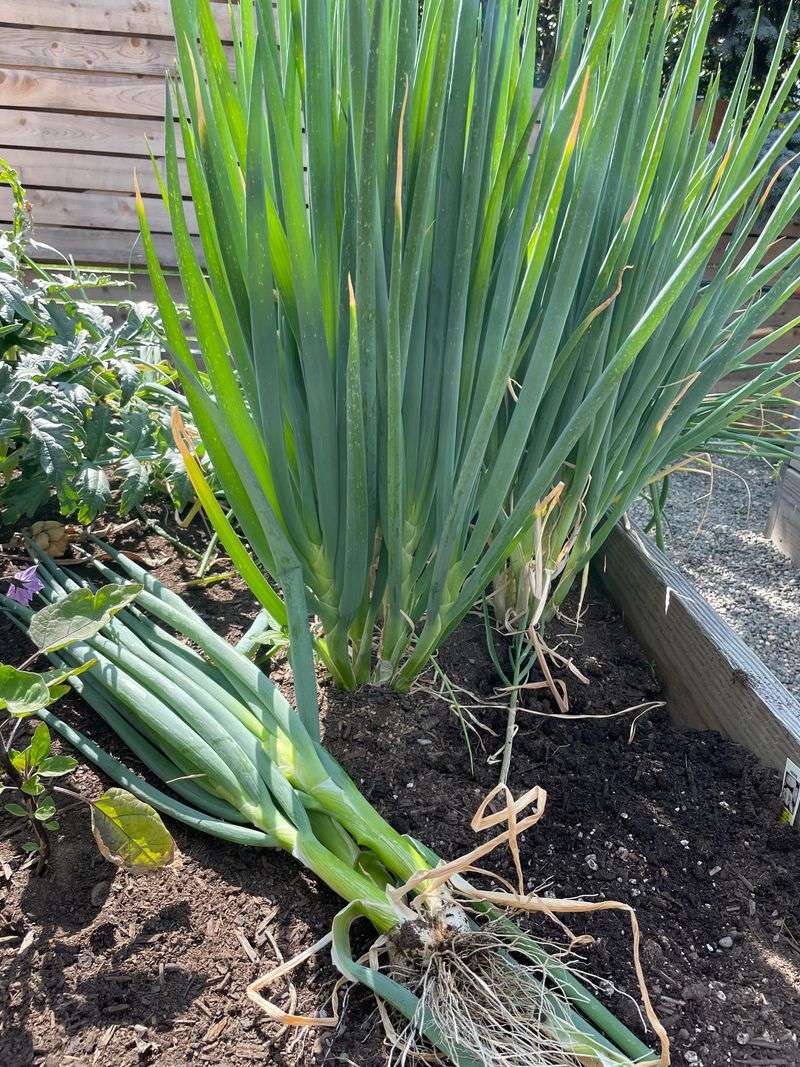
Green onions are the unsung heroes of the spring garden. They take up almost no space, grow quickly in cool soil, and add fresh flavor to just about any meal.
When the ground hits 50 degrees, green onion seeds and sets both take off without any fuss.
You can grow green onions from seed or from sets, which are small bulbs available at most garden centers.
Sets are faster and easier for beginners. Plant them about an inch deep and two to three inches apart in rows.
They do not need rich soil, but loose ground helps them grow straight and strong. Bunching varieties like Evergreen Hardy White are especially well-suited to our state’s cool, wet springs.
They do not form large bulbs like regular onions. Instead, they produce clusters of slim, flavorful stalks that you can harvest repeatedly by cutting them back to an inch above the soil surface.
Green onions are a fantastic choice for container gardening too. A deep pot on a porch or patio works just as well as a raised bed. They need about six hours of sun a day and regular watering.
Because they are so compact, you can tuck them into nearly any available space in your garden layout.
Harvest when stalks reach six to eight inches tall. The flavor is mildest when harvested young and sharpens slightly as they mature.
Use them fresh in salads, tacos, soups, and egg dishes. Planting a new batch every few weeks keeps a steady supply going well into summer.