When A Praying Mantis Appears In Your Indiana Garden, There’s A Good Reason For It
You are up to your elbows in tomato plants on a sticky Indiana afternoon when something stops you cold.
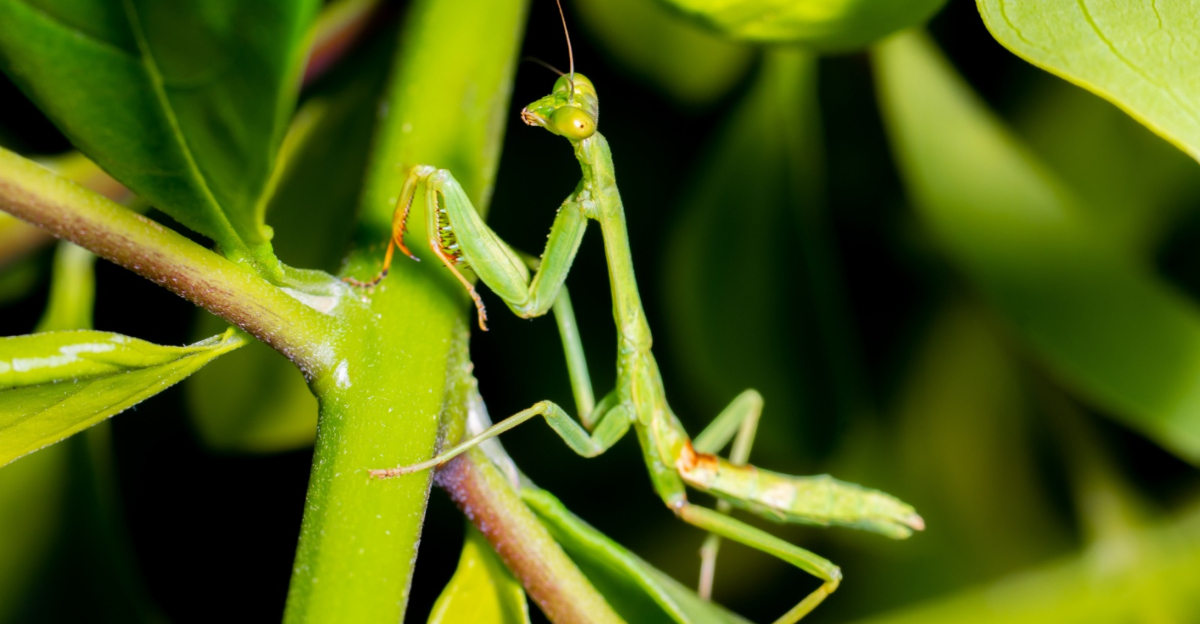
There, on a stem, a Praying mantis is staring you down like it owns the place.
And honestly?
It kind of does.
Before you think about shooing it away, know this: that little predator just became your garden’s best employee.
It shows up uninvited, stays all season, and has a serious appetite for the bugs you would rather not deal with.
Praying mantises hunt aphids, beetles, and caterpillars with the calm focus of someone who has never once doubted themselves.
Better yet, their presence means your garden has built itself into a real ecosystem.
And your garden is doing just fine on its own.
In Indiana, from rural half-acres to tidy suburban raised beds, spotting one is genuinely worth stopping for.
Here is why.
Meet Indiana’s Favorite Garden Visitor
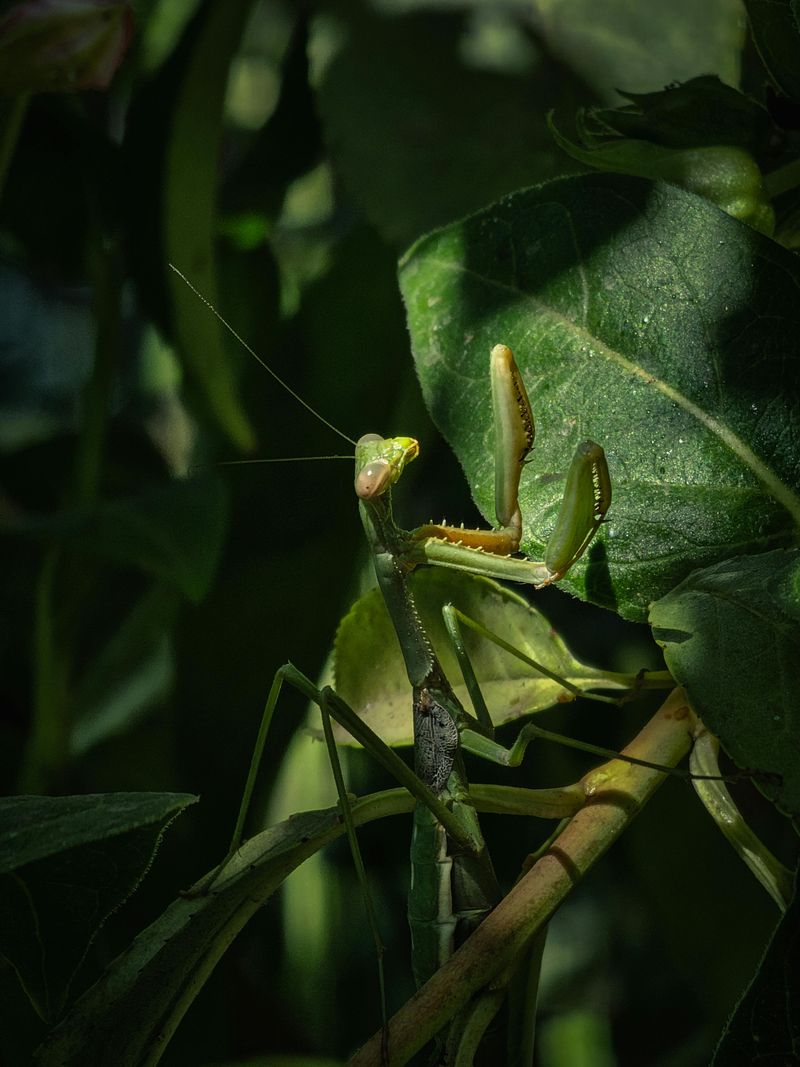
You are tending your pepper plants when you notice it.
Perfectly still.
Perfectly green.
Staring right at you.
The praying mantis does not flinch, and neither do you.
Most people recognize those folded front legs and that swiveling triangular head instantly.
But there is so much more to this insect than its iconic pose.
A praying mantis can rotate its head nearly 180 degrees, making it one of the few insects capable of looking over its own shoulder.
That eerie ability helps it track prey with frightening accuracy.
Full-grown adults in Indiana typically measure between two and four inches long, with the larger Chinese mantis occasionally reaching five.
Spotting a praying mantis in your garden is actually a sign that your outdoor space is doing something right.
These insects prefer environments with dense vegetation, plenty of insect activity, and low pesticide use.
If one has chosen your yard as its hunting ground, consider it a compliment from nature itself.
Their camouflage is extraordinary, blending seamlessly into stems, leaves, and bark.
Some gardeners spend entire seasons never noticing the mantis quietly patrolling just feet away.
Once you know what to look for, though, you will start spotting them everywhere.
The Natural Pest Control Your Garden Didn’t Know It Had
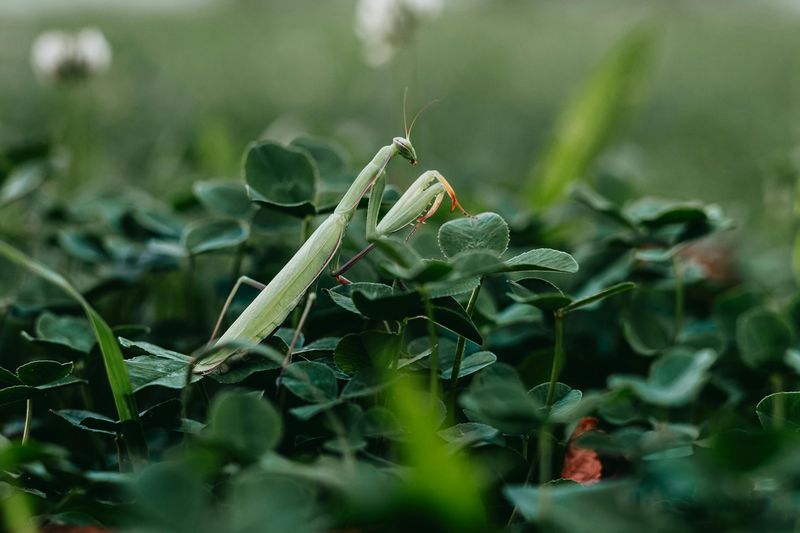
One single praying mantis can eat hundreds of pest insects over the course of a single growing season.
That number should make every gardener in the Midwest sit up and pay attention.
No store-bought spray comes close to that kind of targeted, tireless performance.
They go after aphids, beetles, caterpillars, grasshoppers, and even the dreaded squash bug that plagues Indiana vegetable beds every summer.
They do not wait for pests to come to them.
A mantis actively stalks its prey with slow, deliberate movements before striking faster than the human eye can follow.
What makes them especially valuable is their patience.
A mantis will wait motionless on a flower or stem for hours, letting curious insects wander straight into range.
That ambush strategy means zero wasted energy and maximum results for your garden.
Your Indiana Garden Changes Every Week. Your Plan Should Too.
Gardening in Indiana changes quickly throughout the season. Every Friday you’ll receive a simple weekly plan showing exactly what to plant, prune, fertilize, harvest, and protect so you never miss the right timing.
Unlike broad-spectrum pesticides, a mantis does not wipe out every insect in the area.
It selectively targets whatever is moving and available, which often happens to be the bugs causing the most damage.
Indiana’s Native Vs. Non-Native Mantis Species
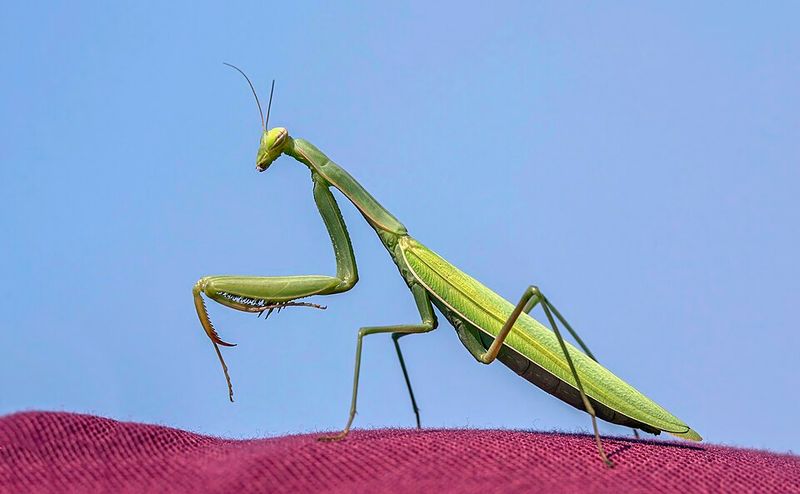
Not every mantis you spot in your garden is a local.
Indiana is actually home to both native and non-native species, and knowing the difference adds a whole new layer of appreciation for these insects.
The native Carolina mantis is smaller, usually around two inches, and sports a mottled gray-brown pattern that blends perfectly into tree bark and dried stems.
The Chinese mantis, introduced to North America in the late 1800s as a pest control agent, is the big one.
It can grow up to five inches long and ranges from green to tan in color.
Spotting a Chinese mantis feels almost prehistoric because of its sheer size.
A third species, the European mantis, also shows up occasionally in Indiana gardens.
It tends to be bright green and slightly smaller than its Chinese cousin.
All three species are beneficial to your garden, though entomologists encourage appreciation for the native Carolina mantis in particular.
The Carolina mantis faces pressure from the larger invasive species, which can outcompete it for food and territory.
Supporting native plant diversity in your yard actually helps the Carolina mantis thrive.
Knowing which species is visiting your garden makes every sighting feel like a genuine discovery.
Signs A Praying Mantis Has Settled Into Your Garden
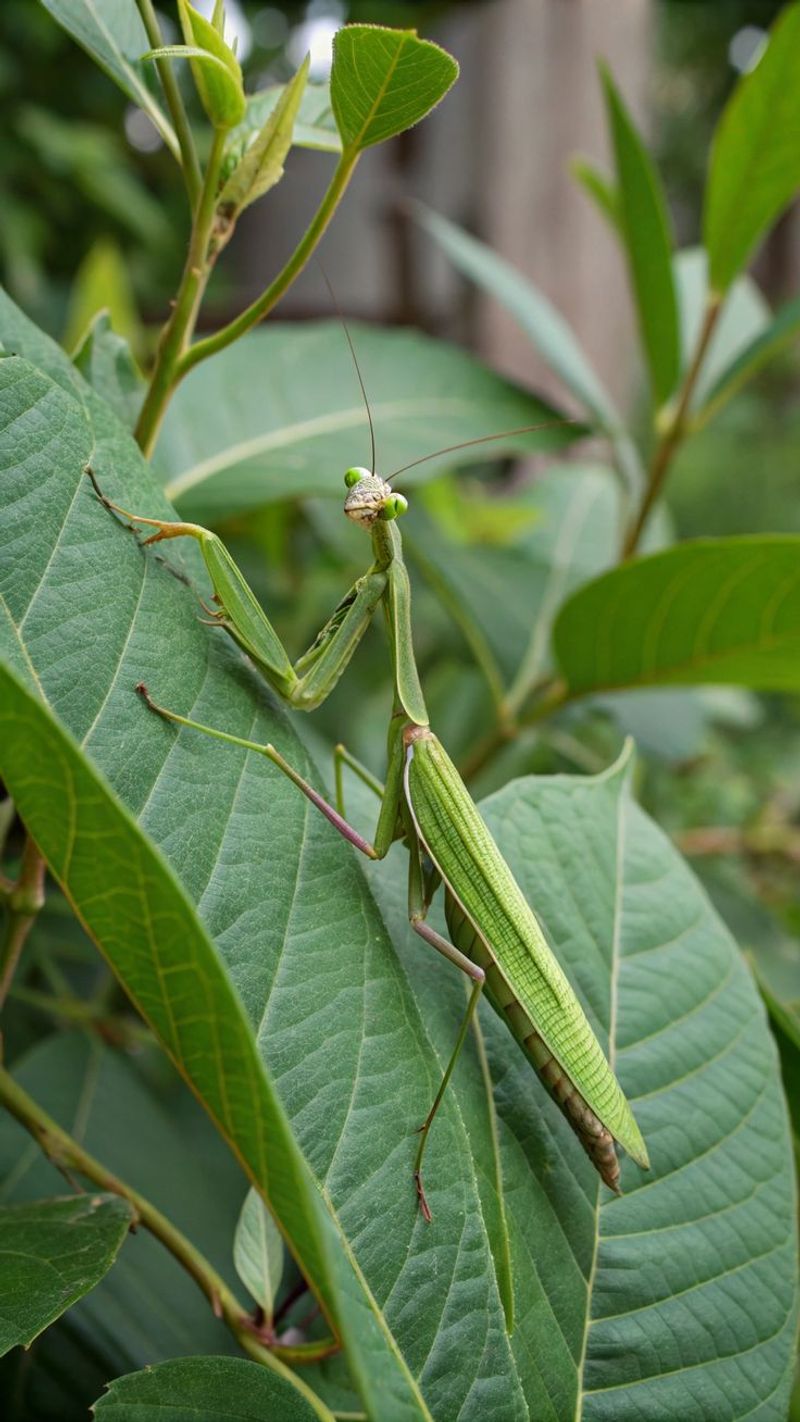
Egg cases are the clearest clue that a praying mantis has claimed your garden as home base.
These papery, foam-like structures are called oothecae.
You will find them attached to stems, fence posts, and woody shrubs.
In Indiana gardens, they start appearing in late summer and stay well into fall.
Each case can contain anywhere from 50 to 400 eggs, depending on the species.
That means one female can launch an entire generation of pest controllers right in your backyard.
Beyond egg cases, watch for shed exoskeletons clinging to plant stems.
As mantises grow, they molt multiple times, leaving behind a ghostly, translucent shell that looks almost identical to the living insect.
Finding one means a mantis has been actively growing and feeding in your space for weeks.
You might also notice unusual stillness on a plant that you cannot quite explain.
That odd-shaped bump on your rose bush might just be watching you back.
Chewed or missing pest insects without obvious cause is another quiet signal.
If your aphid population suddenly crashes without any intervention on your part, a mantis may deserve the credit.
Nature has its own way of balancing the books.
What To Do When You Spot One
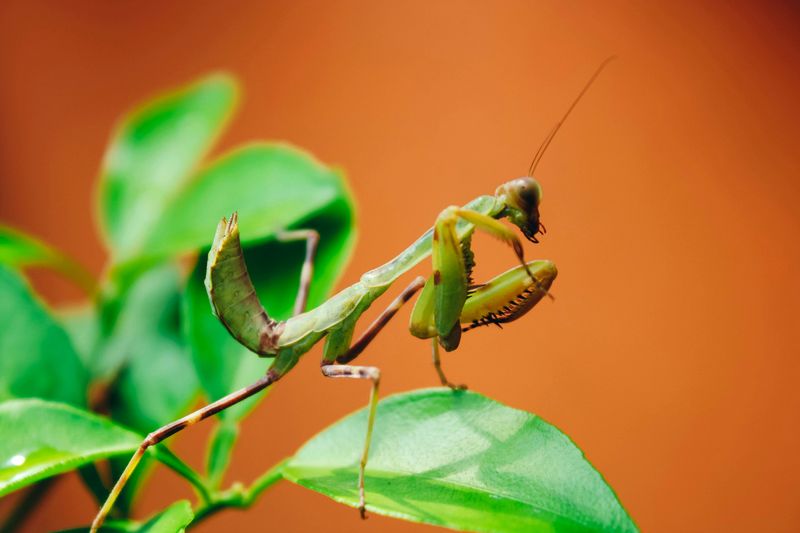
Your first instinct might be to grab your phone and take a photo, and honestly, that is a great idea.
Documenting your sighting helps you track mantis activity across your growing season.
Apps like iNaturalist even let you contribute your observation to real scientific databases, turning your backyard moment into citizen science.
Resist the urge to pick it up right away, especially if the mantis appears to be hunting.
Interrupting a stalk means a missed meal for your garden ally.
Give it space, watch quietly, and you might witness one of nature’s most efficient ambush attacks play out right in front of you.
If you do handle one, move slowly and let the insect walk onto your hand rather than grabbing it.
Mantises can deliver a harmless pinch with their forelegs if they feel threatened, but they are generally calm and curious creatures.
Most gardeners describe holding one as surprisingly peaceful.
Never relocate a mantis to a completely different area of your yard.
These insects are highly territorial and have already scouted your specific plants for optimal hunting.
Leaving it exactly where you found it gives both you and the mantis the best possible outcome for the season ahead.
How To Attract More Praying Mantises To Your Yard
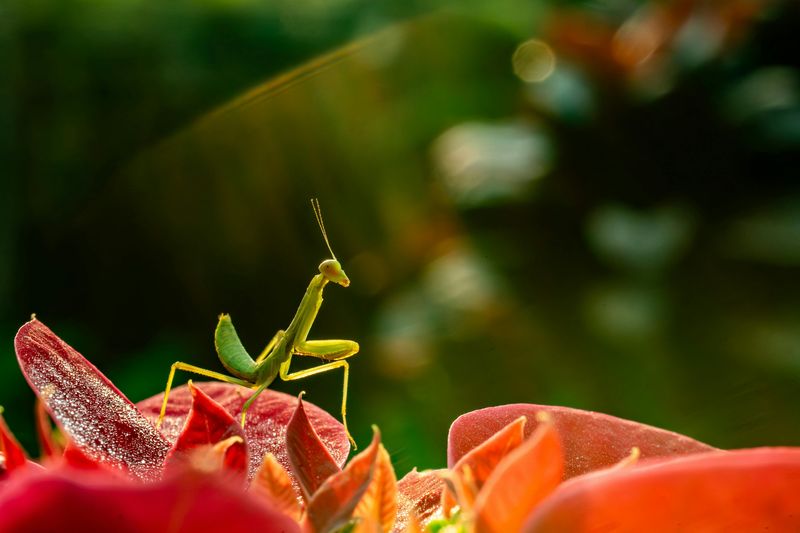
Dense plantings are one of the best ways to attract praying mantises looking for a new territory.
Tall ornamental grasses and native wildflowers like coneflower and black-eyed Susan are a good place to start.
Layered shrub borders help too.
Together they create the kind of sheltered, insect-rich environment a mantis actively seeks out.
The more structural variety your garden has, the more appealing it becomes to these hunters.
Reducing pesticide use makes a significant difference if you want mantises to stick around.
Broad-spectrum sprays do not distinguish between harmful pests and beneficial insects.
A mantis exposed to chemical residue will not survive long enough to help you.
Switching to organic pest management, even partially, sends an open invitation to the good bugs you actually want.
Leaving a section of your yard slightly wild also makes a meaningful difference.
A patch of unmowed grass, a brush pile near the fence, or a row of native shrubs gives mantises safe zones to molt, mate, and lay their egg cases undisturbed.
That small act of restraint pays off with generations of natural pest control.
Purchasing mantis egg cases from garden centers is another option many Indiana gardeners swear by.
Releasing them in spring gives your yard a head start on the season.
Once they hatch and realize your garden is a well-stocked hunting ground, they tend to stay.
Why The Praying Mantis Is The Ultimate Garden Ally
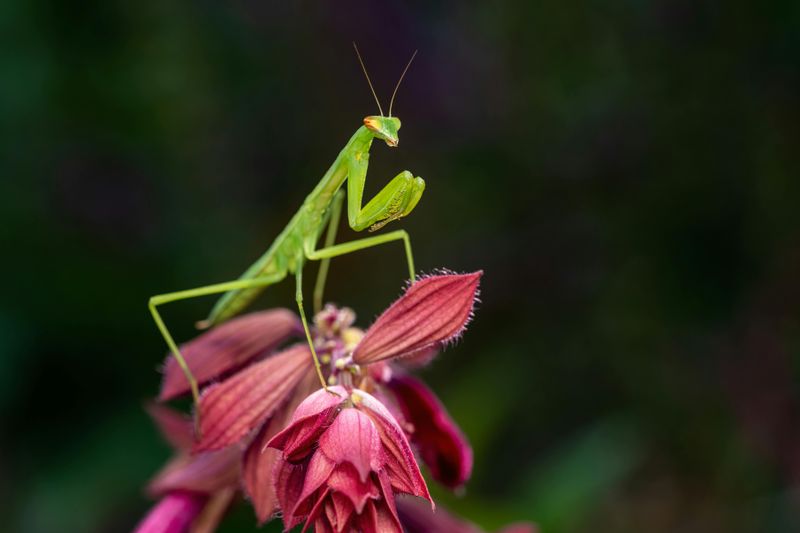
Some garden helpers require maintenance, feeding, or careful management, but the praying mantis asks for absolutely nothing in return.
No special equipment, no ongoing cost, and no effort on your part beyond creating a welcoming environment.
That kind of low-maintenance benefit is rare in any gardening toolkit.
Beyond pest control, the presence of a mantis signals something deeply encouraging about your garden’s overall health.
Spotting a mantis means you are genuinely getting there.
Children who grow up seeing praying mantises in the garden tend to develop a lasting curiosity about the natural world.
That connection to backyard wildlife is increasingly rare and genuinely precious.
A single sighting can spark a lifelong interest in entomology, ecology, or simply spending more time outdoors.
For Indiana gardeners who have spent years battling pests with sprays and traps, discovering a praying mantis feels like a revelation.
A shortcut that was always available.
Nature has been offering this solution for millions of years.
Step back, put down the spray bottle, and let it work.