Hardy North Carolina Shrubs That Thrive On Neglect Through Summer Heat And Humidity
Not every gardener has time to coddle their shrubs through a North Carolina summer, and frankly, the best ones do not need it.
Heat and humidity that push past comfortable levels by June are simply part of the reality here, and shrubs that cannot handle those conditions without intervention are the wrong shrubs for this state.
The ones worth planting are built for exactly this climate, pushing through dry stretches, shrugging off the fungal pressure that humidity creates, and coming back stronger each season without a maintenance schedule attached to their survival.
North Carolina rewards gardeners who choose shrubs matched to the actual conditions rather than the ideal ones, and the payoff is a landscape that holds together through the hardest months of the year without constant attention keeping it that way.
1. Yaupon Holly
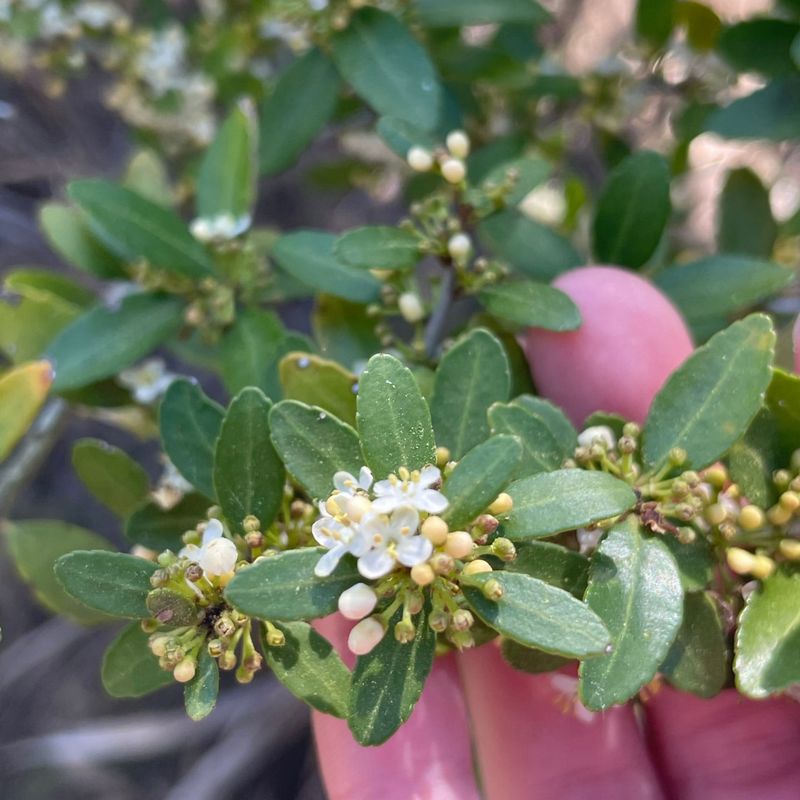
Tough, adaptable, and surprisingly beautiful, Yaupon Holly (Ilex vomitoria) is one of the most underrated shrubs a North Carolina gardener can plant. It shrugs off summer heat like it was born for it, which, honestly, it was.
Native to the Southeast, this evergreen shrub handles drought once established, tolerates poor soil, and keeps its glossy green leaves looking sharp all year long.
Mature plants typically reach 8 to 12 feet tall and wide, though dwarf varieties stay much smaller, making them perfect for foundation beds or tidy borders. Full sun to part shade works just fine, so placement is flexible.
Space standard varieties about 6 to 8 feet apart for a natural screen, or trim them into a formal hedge with ease.
Female plants produce clusters of small red berries that birds absolutely go crazy over during fall and winter. You will need a male plant nearby to get good berry production, so plan accordingly when purchasing.
Wildlife value is genuinely excellent with this shrub. Pruning Yaupon Holly is simple because it tolerates heavy cutting without complaint. Shape it into a small tree, a rounded shrub, or a dense privacy screen.
Front yards, screening borders, and foundation plantings all suit it beautifully. For North Carolina gardeners who want an evergreen that works hard without asking for much, Yaupon Holly belongs at the top of the list.
2. Wax Myrtle
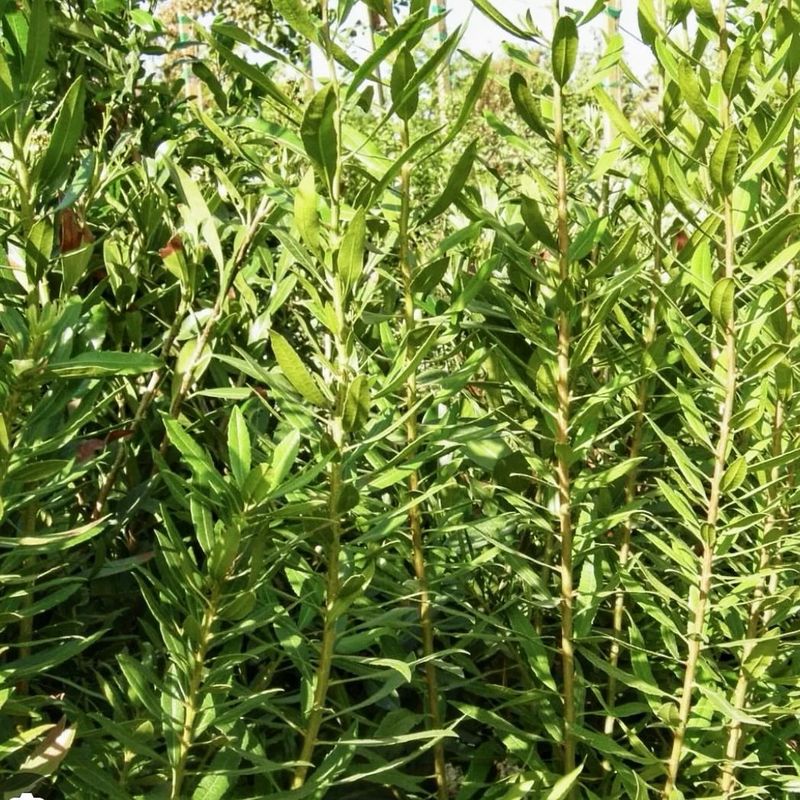
Few shrubs grow as fast or as fearlessly as Wax Myrtle (Morella cerifera). Plant it in spring, and by midsummer you will already notice impressive growth.
This native evergreen is a workhorse in North Carolina gardens, thriving through brutal heat and humidity without skipping a beat. Once it settles in, it practically runs on autopilot.
Wax Myrtle is especially popular along the coast because it handles salty air and sandy, nutrient-poor soil with zero drama. Inland Piedmont gardens benefit just as much, since the shrub adapts easily to a wide range of conditions.
Left alone, it can reach 10 to 15 feet tall, making it an outstanding natural privacy screen or windbreak.
The aromatic gray-green leaves have a pleasant, spicy fragrance when crushed, which is a nice bonus. Birds love the waxy blue-gray berries, which are produced in large quantities on female plants.
Your North Carolina Garden Changes Every Week. Your Plan Should Too.
Gardening in North Carolina changes quickly throughout the season. Every Friday you’ll receive a simple weekly plan showing exactly what to plant, prune, fertilize, harvest, and protect so you never miss the right timing.
Yellow-rumped warblers are especially fond of them during migration season, so planting Wax Myrtle adds genuine wildlife value to your yard.
Pruning keeps it in check if you prefer a more polished look, though it responds well to hard cuts without any lasting trouble.
For coastal and Piedmont gardeners wanting a fast-growing, low-fuss evergreen screen that feeds local wildlife and laughs at summer heat, Wax Myrtle is a brilliant choice worth every inch of space you give it.
3. American Beautyberry
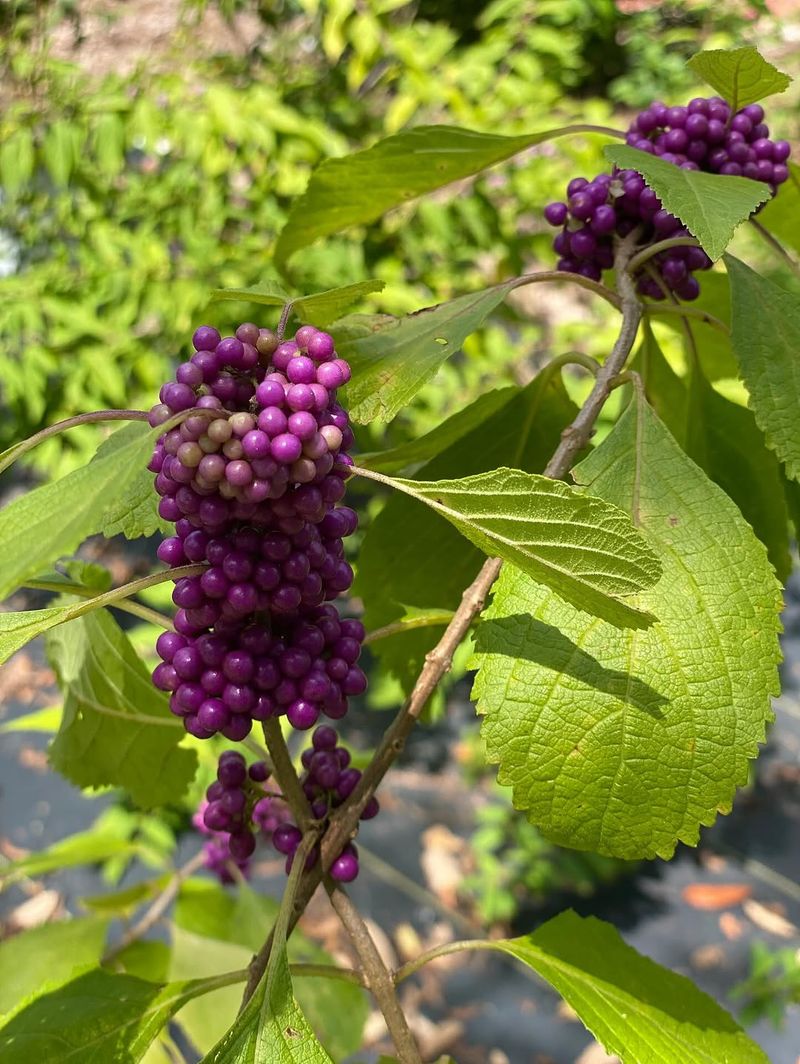
Nothing in the summer garden stops visitors in their tracks quite like American Beautyberry (Callicarpa americana). Those shocking clusters of neon-purple berries, packed tightly along arching stems, look almost too vivid to be real.
Yet this native shrub earns its showstopping reputation without asking for much in return, which makes it a true gem for busy North Carolina gardeners.
Through the hottest, stickiest weeks of summer, Beautyberry holds up beautifully. It tolerates average to poor soil, handles humidity with ease, and needs very little supplemental watering once established.
Full sun encourages the best berry production, though part shade works perfectly well too, especially in hotter inland gardens where some afternoon relief is welcome.
Mature shrubs typically reach 4 to 6 feet tall and wide with graceful, arching stems that give the plant a relaxed, informal look. That loose habit makes it ideal for naturalized borders, woodland edges, or casual beds where structure matters less than personality.
Songbirds, mockingbirds, and other wildlife feast on the berries through fall and into winter.
Pruning is refreshingly simple. Cut plants back hard in late winter or early spring, and they bounce back quickly with fresh, vigorous growth.
The large, soft green leaves provide pleasant summer texture even before the berries appear. For informal gardens that need bold fall color and serious wildlife appeal without complicated care, American Beautyberry absolutely delivers.
4. Sweetshrub
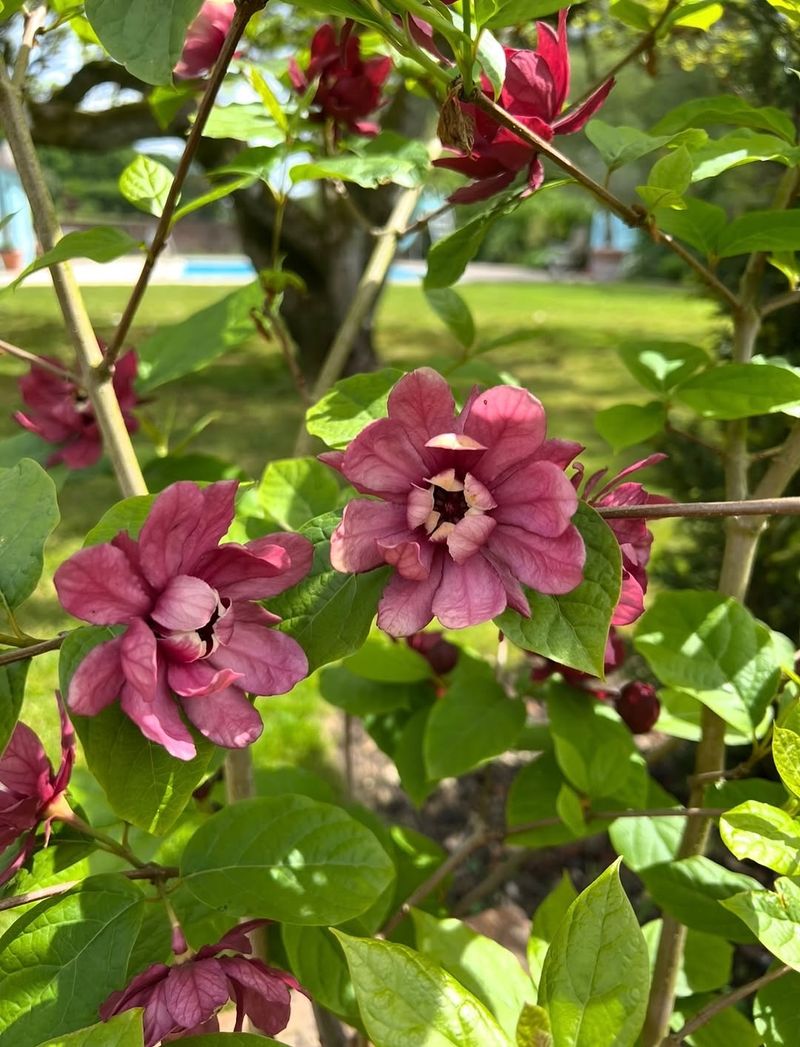
Sweetshrub (Calycanthus floridus) has been charming Southern gardeners for centuries, and once you catch a whiff of its unusual flowers, it is easy to understand why.
The dark reddish-brown blooms carry a rich, fruity fragrance that some gardeners describe as strawberry, others as banana, and a few as something entirely their own. Whatever you call it, the scent is genuinely addictive.
Beyond the flowers, Sweetshrub proves itself as one of the most easygoing shrubs for North Carolina conditions. It thrives in clay-heavy soils that frustrate many other plants, tolerates shade to part sun, and handles summer humidity without complaint.
Established plants need very little supplemental water, making them a practical choice for low-maintenance beds under large trees or along shaded borders.
Expect mature plants to reach about 6 to 9 feet tall and wide with a rounded, multi-stemmed habit and glossy, deep green leaves that stay attractive through the growing season.
The overall look is lush and full without ever feeling overgrown or difficult to manage. Maintenance is minimal.
An occasional trim after flowering keeps the shape tidy, and removing older stems every few years encourages fresh, vigorous growth from the base.
Sweetshrub fits naturally into cottage gardens, woodland-style landscapes, and shaded foundation beds where fragrance and low-effort beauty are the top priorities.
For North Carolina gardeners who love a shrub with genuine old-fashioned charm, this one never disappoints.
5. Virginia Sweetspire
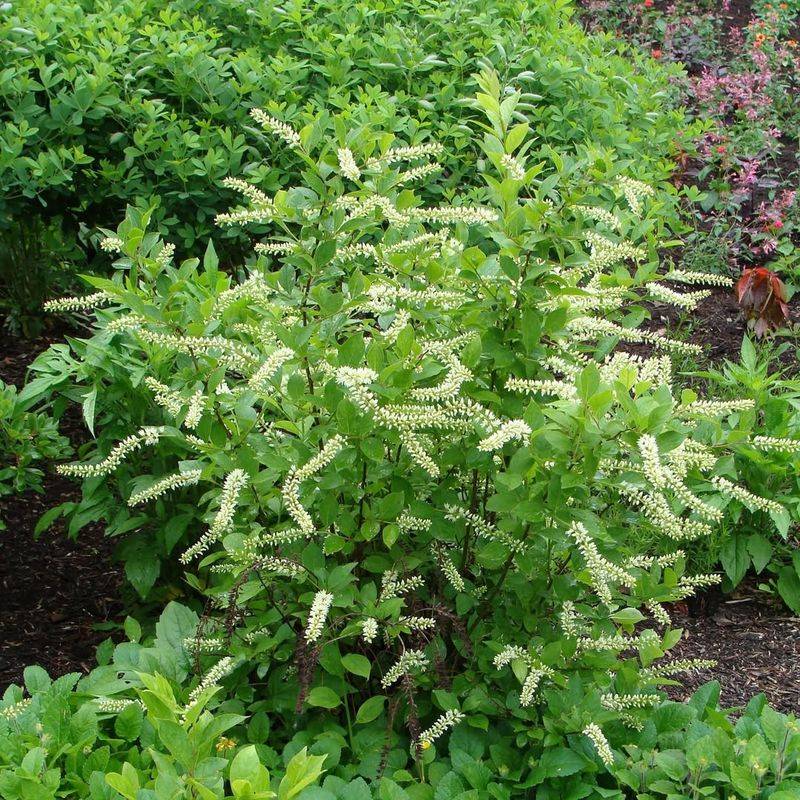
Virginia Sweetspire (Itea virginica) is the kind of shrub that earns its place in the garden three seasons running. In early summer, arching spikes of fragrant white flowers drape gracefully over the foliage, drawing in bees and butterflies by the dozens.
Come fall, the leaves shift into brilliant shades of red, orange, and burgundy that rival any ornamental shrub on the market.
What makes this native truly special for North Carolina gardeners is its incredible flexibility. It performs beautifully in moist, wet soils where other shrubs struggle, making it a top pick for rain gardens, low-lying areas, and slopes prone to seasonal flooding.
Part sun to full sun both work well, and established plants handle summer heat and humidity without any special attention.
Plants typically grow 3 to 5 feet tall and spread generously through suckering, forming attractive colonies over time.
That spreading habit makes Virginia Sweetspire excellent for stabilizing slopes, filling large informal borders, or creating natural-looking masses along stream banks or pond edges.
Pollinators genuinely love the flowers, so planting it supports local bee and butterfly populations in a meaningful way.
Pruning is optional but easy. Remove older stems at the base every few years to keep plants vigorous and full.
For North Carolina gardeners searching for a low-maintenance native shrub that offers flowers, fall color, and genuine ecological value all in one reliable package, Virginia Sweetspire checks every single box.
6. Fragrant Sumac
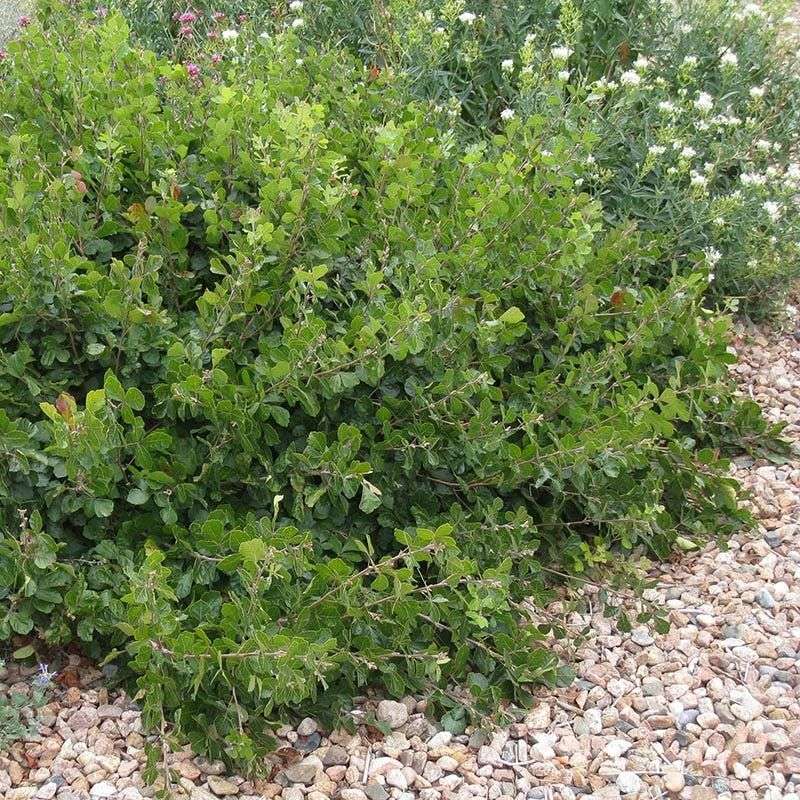
Fragrant Sumac (Rhus aromatica) is the unsung hero of tough, sunny spots where most shrubs simply give up. Rocky slopes, dry banks, hot south-facing exposures, poor sandy soil, this low-growing native handles all of it without complaint.
For North Carolina gardeners struggling with difficult sites that seem impossible to plant, Fragrant Sumac is often the best answer available.
The shrub spreads in a wide, low mound that typically stays 2 to 6 feet tall but can spread 6 to 10 feet wide, making it outstanding for erosion control on slopes and embankments.
Clusters of small yellow flowers appear in early spring before the leaves emerge, offering early food for pollinators just waking up from winter. Small red berries follow later in the season and attract birds reliably.
Summer foliage is a fresh, pleasant green, and the leaves release a mild, spicy fragrance when brushed or crushed, which adds a sensory bonus during garden walks. When fall arrives, the show really begins.
Leaves turn vivid shades of orange, red, and scarlet that genuinely rival more famous fall-color shrubs.
Drought tolerance is exceptional once established, and Fragrant Sumac needs virtually no supplemental irrigation through even the driest North Carolina summers. Pruning is rarely necessary, though a light trim in late winter keeps the shape tidy if needed.
For challenging hot, dry sites where beauty and toughness must coexist, this native shrub performs beyond expectations every single year.
7. Possumhaw Holly
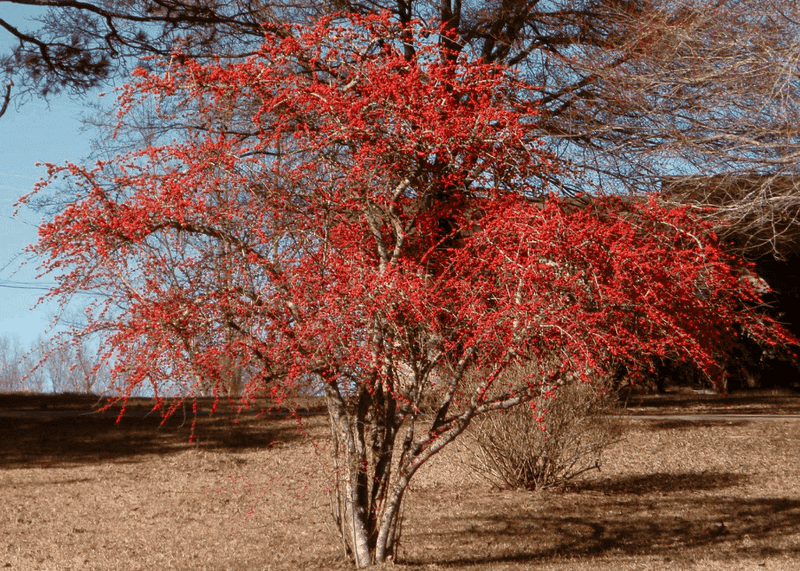
When the garden goes quiet in winter and most shrubs fade into the background, Possumhaw Holly (Ilex decidua) steps forward with a spectacular show.
Bare stems covered in dense clusters of red, orange, or yellow berries light up the landscape from late fall through early spring, offering one of the most striking winter displays any North Carolina yard can have.
Through summer, this deciduous native blends comfortably into the landscape with clean green foliage and a relaxed, multi-stemmed form.
It handles heat and humidity without fuss, tolerates both wet soils and brief dry spells once established, and adapts to a wide range of site conditions across the state.
Full sun to part shade suits it well, giving gardeners plenty of placement options. One important detail to keep in mind: Possumhaw Holly requires both male and female plants for berry production.
Plant at least one male variety nearby, and the female plants will reward you with an abundance of berries that birds absolutely flock to during winter months. Cedar waxwings, bluebirds, and robins are among the biggest fans.
Mature plants typically reach 7 to 10 feet tall with a naturally open, somewhat irregular shape that fits beautifully into naturalized landscapes, woodland edges, and informal borders. Little pruning is needed beyond occasional shaping.
For North Carolina gardeners who want outstanding winter interest and serious wildlife value with minimal summer effort, Possumhaw Holly is a standout choice.