How To Get Your Kentucky Cucumber Garden Off To A Good Start
Kentucky might not be the first place you picture when you think of a thriving vegetable garden.
But cucumbers practically beg to grow here.
The summers are long, the soil is generous, and the humidity that makes your hair frizz is exactly what cucumber vines love.
You are already working with a natural advantage.
The trick is not wasting it.
Most gardeners who struggle with cucumbers in Kentucky don’t have a soil problem or a weather problem.
They have a timing problem.
A few small decisions made in the first days after planting quietly determine whether you end up with a bumper crop or a tangle of yellowing vines.
Get those early steps right, and Kentucky’s climate does most of the heavy lifting for you.
Here is what to do from the moment your cucumbers go in the ground.
1. Start With The Right Location And Soil Conditions
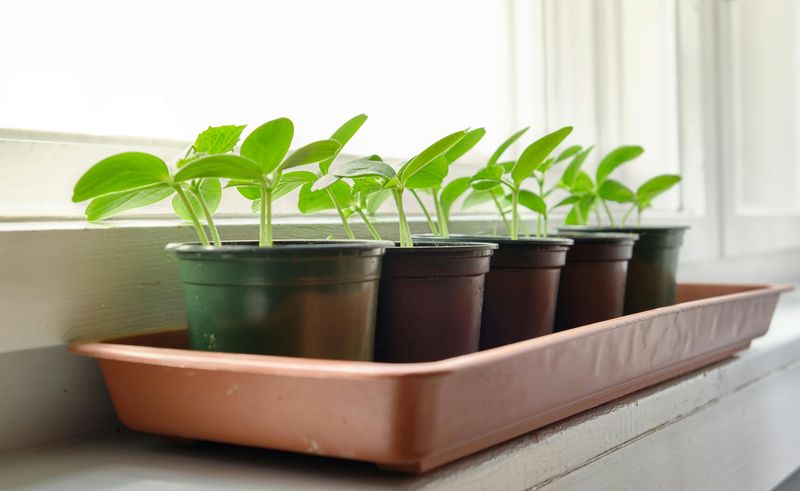
Cucumbers are sun-hungry plants, and they will not perform well if you shortchange them on light.
Your Kentucky cucumber garden needs a spot that gets at least six to eight hours of direct sunlight every single day.
Skip the shady corners near the fence or under the tree canopy.
Soil quality matters just as much as sunshine.
Cucumbers thrive in loose, well-draining soil with a pH between 6.0 and 6.8.
If your ground is heavy clay or compacted, mix in compost or aged manure to loosen it up before planting.
Testing your soil before you plant is one of the smartest moves a gardener can make.
Many county extension offices in the state offer affordable soil tests that tell you exactly what nutrients are missing.
Knowing your starting point means you can fix problems before they become crop failures.
Raised beds are a popular choice for cucumber growers who deal with poor native soil.
They warm up faster in spring, drain better after heavy rain, and give your roots room to breathe.
Building even one simple raised bed can completely change what your harvest looks like this season.
2. Plant At The Right Time For Kentucky’s Climate
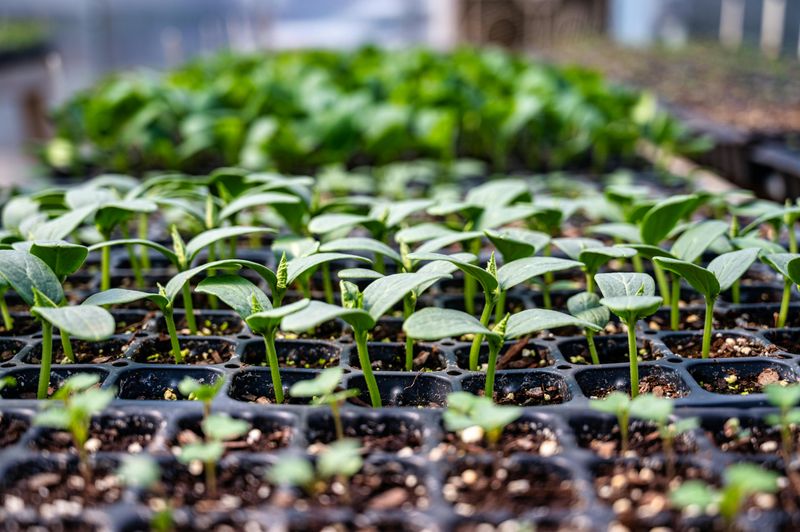
In Kentucky, planting a week or two too soon can make a bigger difference than you might think.
Cucumbers are warm-season plants that absolutely cannot handle frost.
The last average frost date in most of the state falls between mid-April and early May, depending on your county.
Soil temperature is actually more important than the calendar date.
Cucumber seeds need soil that is at least 60 degrees Fahrenheit to germinate properly.
Seeds struggle to germinate in cold soil and may rot if conditions stay wet, which wastes your time and money.
Direct seeding into the garden works well once conditions are right.
Plant seeds about one inch deep and space them roughly six inches apart in rows.
Thinning seedlings later gives the strongest plants room to spread and produce.
Starting seeds indoors two to three weeks before your last frost date gives you a head start on the season.
Your Kentucky Garden Changes Every Week. Your Plan Should Too.
Gardening in Kentucky changes quickly throughout the season. Every Friday you’ll receive a simple weekly plan showing exactly what to plant, prune, fertilize, harvest, and protect so you never miss the right timing.
Use biodegradable pots so you can transplant without disturbing delicate roots.
Get the timing right, and July will speak for itself.
3. Water Correctly From The Very First Day
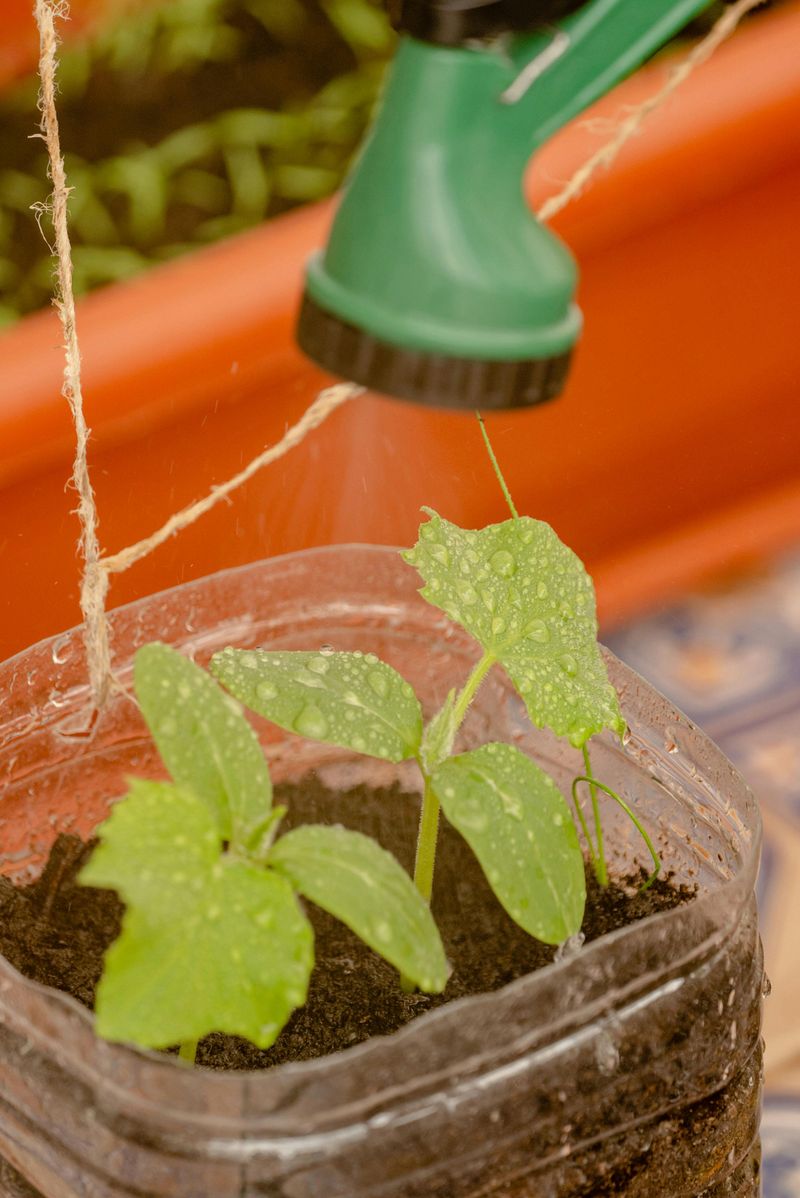
Cucumbers are made up of roughly 95 percent water, which tells you everything about how thirsty these plants are.
Consistent moisture from the moment seeds go in the ground is not optional.
Uneven watering can cause bitter, misshapen, or poor-quality cucumbers.
Aim to give your plants about one inch of water per week, and more during hot spells or dry stretches.
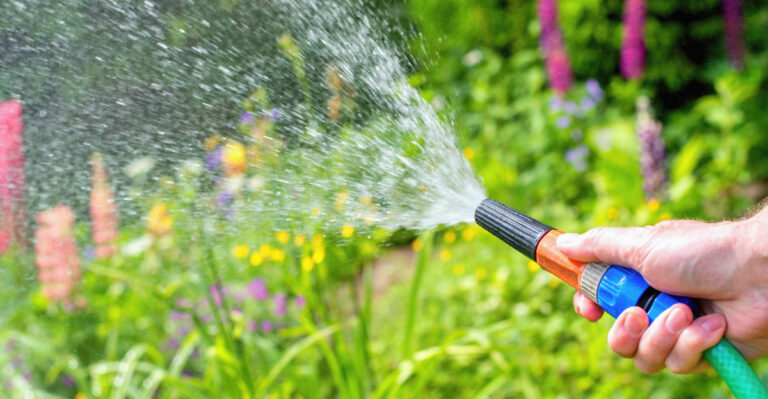
Morning watering is best because it lets the leaves dry out during the day, reducing the chance of fungal disease.
Watering at night leaves moisture sitting on foliage for hours, which increases the risk of mildew and rot.
Soaker hoses and drip irrigation systems are worth every penny for cucumber growers.
They deliver water directly to the root zone without splashing leaves or wasting water to evaporation.
Installing one early in the season makes the whole summer much easier to manage.
Stick your finger two inches into the soil near the base of the plant.
If it feels dry at that depth, it is time to water.
Building a consistent watering habit early keeps stress off your plants and keeps the harvest coming strong all season.
4. Mulch To Protect Moisture And Regulate Soil Temperature
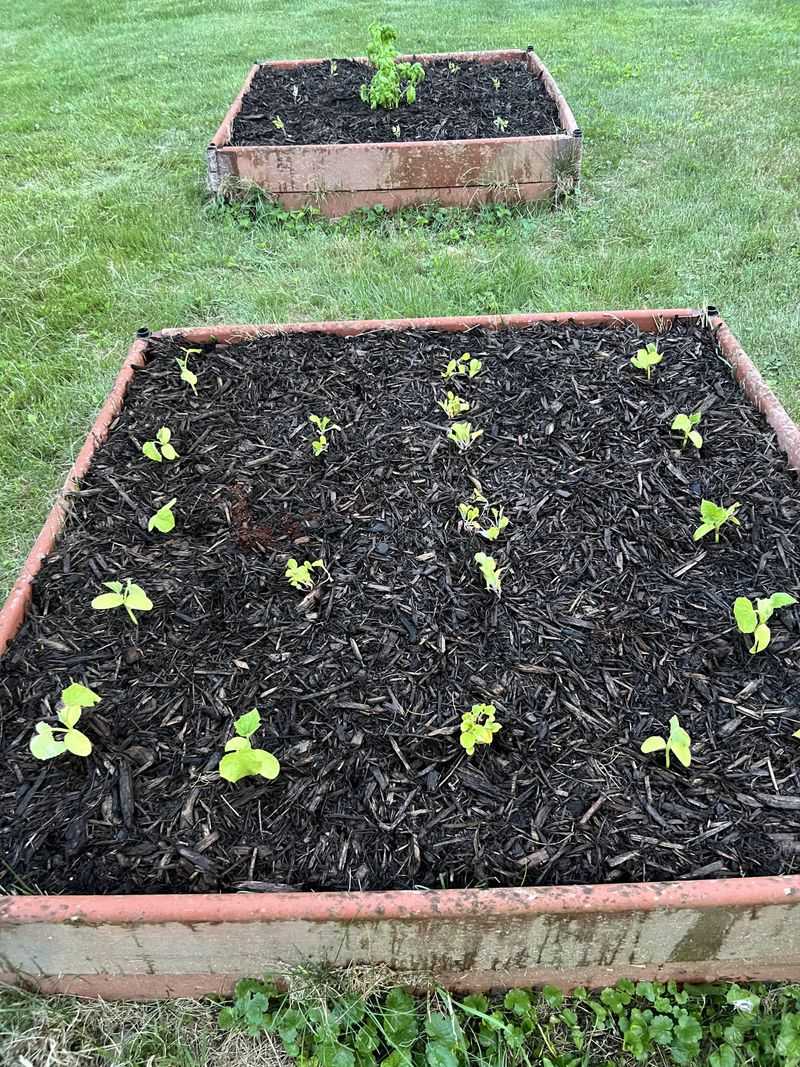
Bare soil in a cucumber garden is a missed opportunity.
Mulching around your plants is one of the easiest and most impactful things you can do after planting.
A good layer of mulch keeps moisture locked in, cuts down on weeding, and buffers the soil from temperature swings that stress young plants.
Straw is a top choice for vegetable gardens because it is light, easy to spread, and breaks down slowly over the season.
Shredded leaves, grass clippings, and wood chips also work well depending on what you have available.
Apply a layer about two to three inches thick, keeping the mulch a couple of inches away from the base of each plant to prevent rot.
Summer in Kentucky can bring stretches of serious heat that bake the ground and dry out roots fast.
Mulch acts like a natural insulator, keeping soil temperatures cooler and more stable during those scorching afternoons.
Cooler roots mean healthier plants and better fruit production through the hottest part of the season.
Mulching also reduces soil splash during heavy rains, which helps prevent soilborne diseases from spreading to your cucumber leaves.
It is a simple step that pays dividends all season long.
Once you start mulching your garden, you will wonder how you ever managed without it.
5. Set Up Support Structures Early
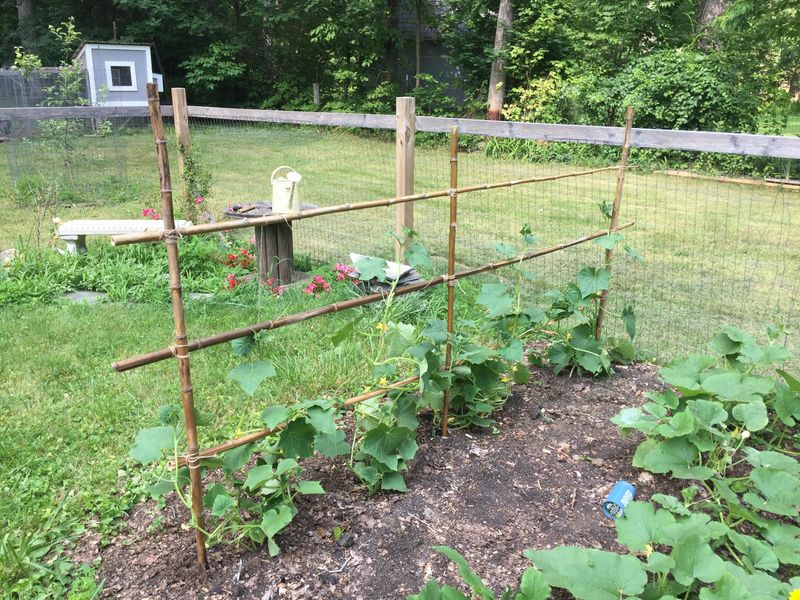
Cucumber vines can grow six feet long or more, and letting them sprawl across the ground is a recipe for trouble.
Fruit that sits on bare soil rots faster, attracts pests, and develops uneven color.
Getting a trellis or support structure in place before the vines start running saves you a lot of headaches down the road.
A simple A-frame trellis made from wood and wire mesh is one of the most practical options for home gardens.
Steel cattle panels bent into an arch work beautifully too and can last for years with minimal maintenance.
Whatever structure you choose, anchor it firmly so summer storms do not knock it over once the vines are loaded with fruit.
Growing cucumbers vertically also improves air circulation around the leaves, which is a big deal in humid summer conditions.
Better airflow means less powdery mildew and fewer fungal problems that can wipe out a crop seemingly overnight.
Vertical growing also makes harvesting faster and easier since the fruit hangs in plain sight instead of hiding under dense foliage.
Put your supports in place on the same day you transplant or shortly after seeds sprout.
Training vines upward early is far easier than trying to redirect established growth.
A well-supported cucumber plant looks tidy, produces more, and makes your whole garden feel like it is under control.
6. Fertilize At The Right Stage Of Growth
Feeding at the wrong time pushes the plant toward leafy growth at the expense of fruit production.
Feed them correctly and you get strong plants loaded with crisp, flavorful cucumbers all summer.
Knowing when and what to apply is the key to getting fertilization right.
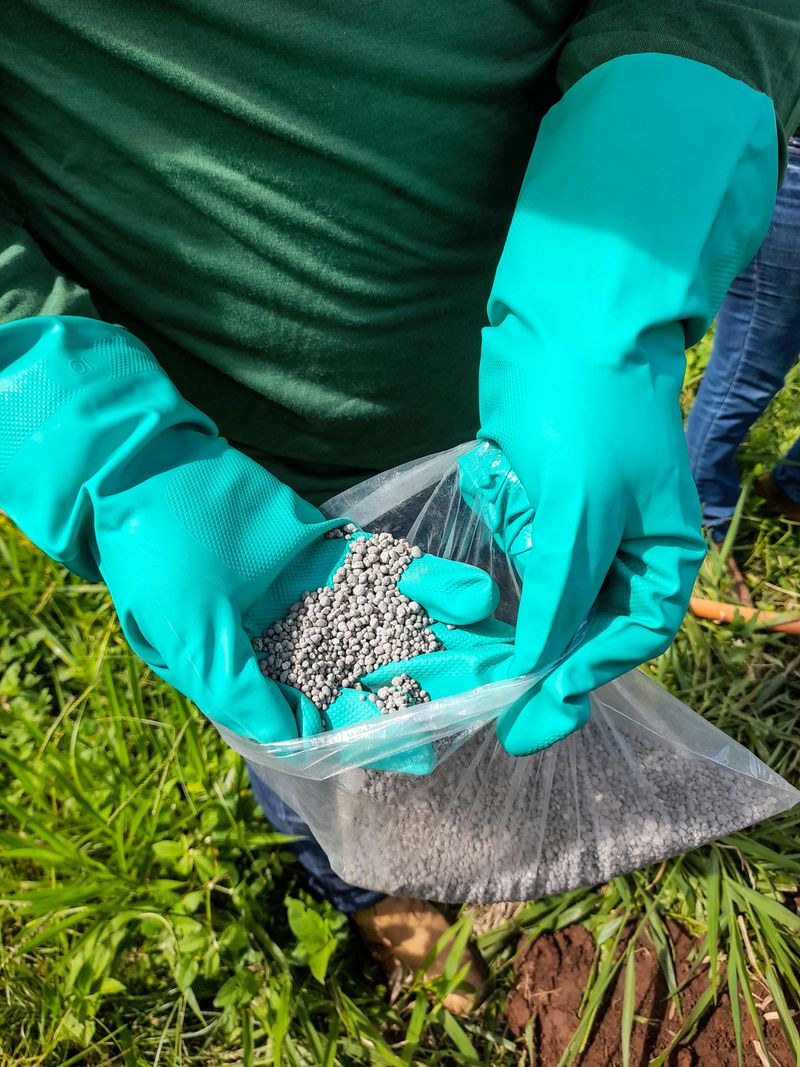
At planting time, work a balanced fertilizer like a 10-10-10 blend into the top few inches of soil.
This gives seedlings the nutrients they need to establish quickly and build strong root systems.
Avoid going heavy on nitrogen at this early stage because too much pushes leafy growth at the expense of flowering.
Once your plants start flowering, switch to a fertilizer that is lower in nitrogen and higher in phosphorus and potassium.
This shift encourages the plant to put its energy into fruit development rather than producing more foliage.
A tomato fertilizer works well at this stage since the nutrient ratios are designed exactly for fruiting crops.
Side-dressing with compost every few weeks is a gentler way to keep nutrients available throughout the season.
Compost feeds slowly, improves soil structure, and reduces the risk of burning roots with too much synthetic fertilizer.
Feed the plant for the stage it is in, not the stage you want it to be in.
7. Watch For Common Kentucky Pests And Diseases
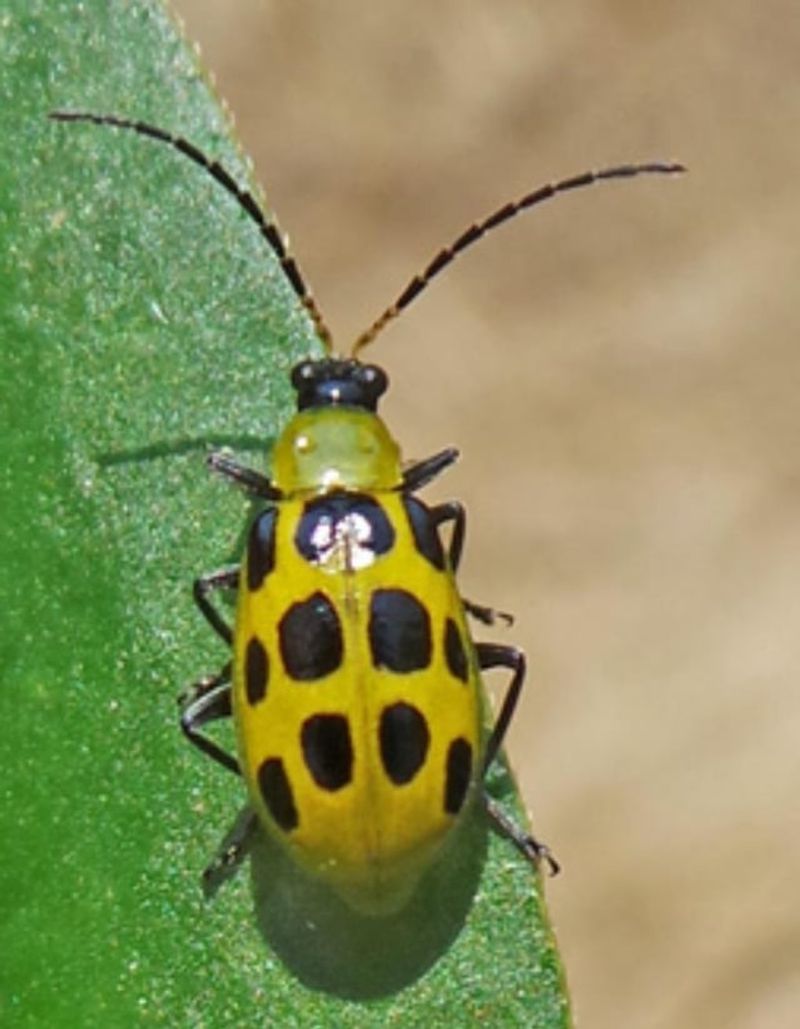
If there is one pest every Kentucky cucumber grower learns to recognize fast, it is the cucumber beetle.
These small yellow-and-black striped or spotted insects chew on leaves and damage roots.
They also spread a bacterial wilt disease that can cause serious decline within a week or two if left unchecked.
Spotting them early and acting fast is the difference between a minor setback and a total crop loss.
Aphids are another persistent pest that cluster on the undersides of leaves and drain the plant’s energy.
A strong blast of water from a garden hose knocks them off and disrupts their feeding.
Neem oil spray is a reliable organic option that handles aphids and several other soft-bodied insects without harsh chemicals.
Powdery mildew is the most common fungal disease in the region, showing up as a white powdery coating on leaves.
It spreads fast in humid conditions, which are plentiful during a Kentucky summer.
Improving air circulation through trellising and spacing plants properly goes a long way toward keeping it from taking hold.
Walk your Kentucky cucumber garden at least every two days during peak growing season.
Early detection makes every problem easier and cheaper to handle.
The best harvests go to the gardeners who notice things early.
8. Thin Your Cucumber Seedlings Early
Planting extra seeds is smart insurance.
Not every seed germinates, and having a few extras in the ground gives you a backup if something goes wrong early on.
But once those seeds sprout and you have multiple seedlings crowding the same spot, it is time to make a decision.
Thinning feels counterintuitive.
You grew these plants from seed, watched them push through the soil, and now you are pulling some of them out.
But leaving too many seedlings in the same space does more harm than good.
Crowded roots compete for water and nutrients.
Airflow drops between plants, and the whole group ends up weaker than a single well-spaced plant would have been.
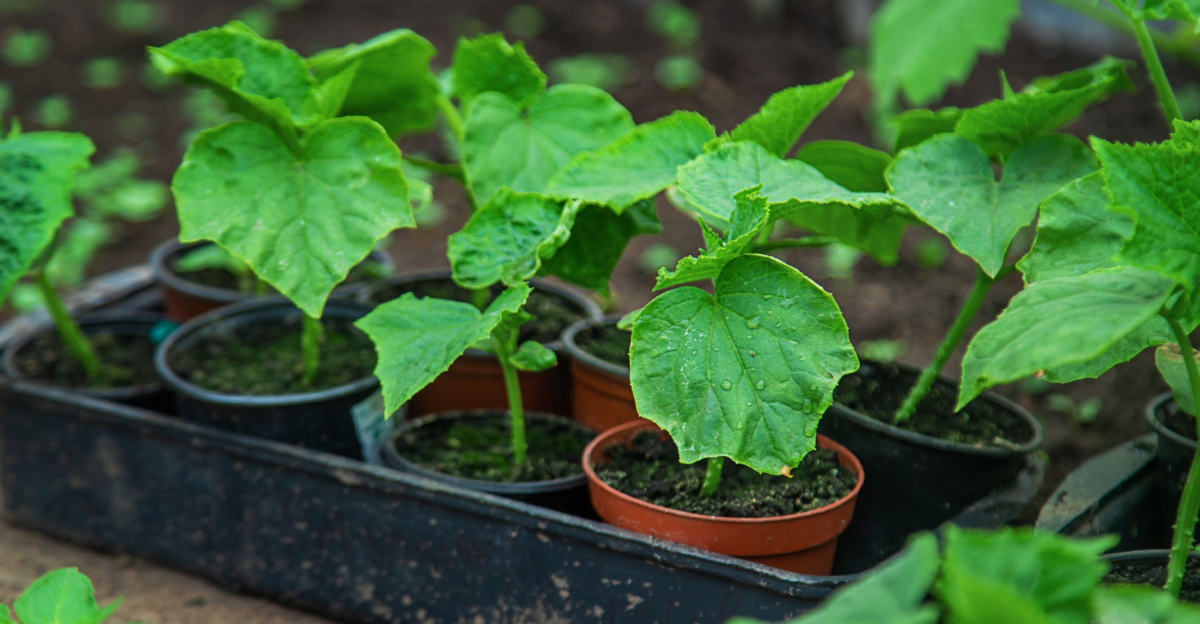
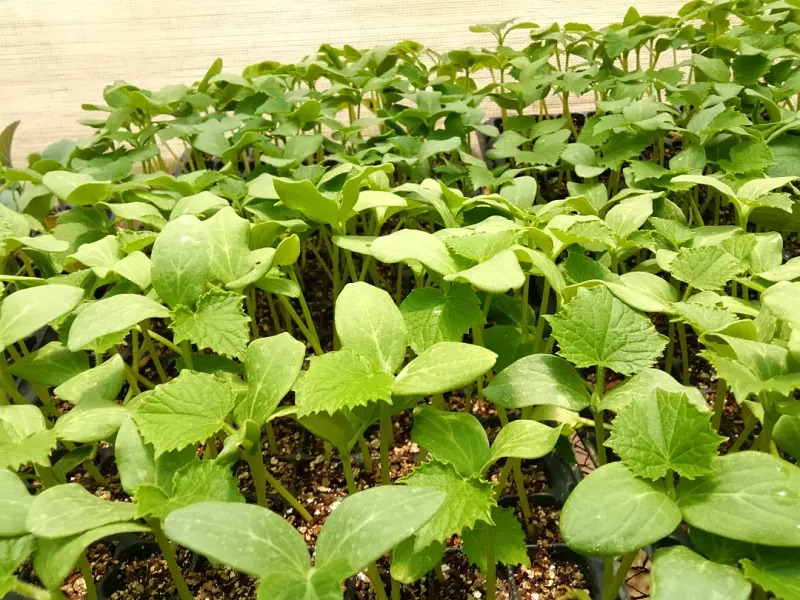
Wait until seedlings have their first set of true leaves before you thin.
Those are the second set of leaves that appear, and they look like miniature versions of the adult leaf rather than the simple rounded seed leaves that come first.
Keep the strongest-looking seedling in each spot and remove the rest by snipping them at soil level with small scissors.
Pulling them out risks disturbing the roots of the plant you are keeping.
Aim for one plant every twelve inches in a row, or follow the spacing recommended on your seed packet.
Give them room to grow and they will use every inch of it.
9. Harden Off Seedlings Before Planting This Way
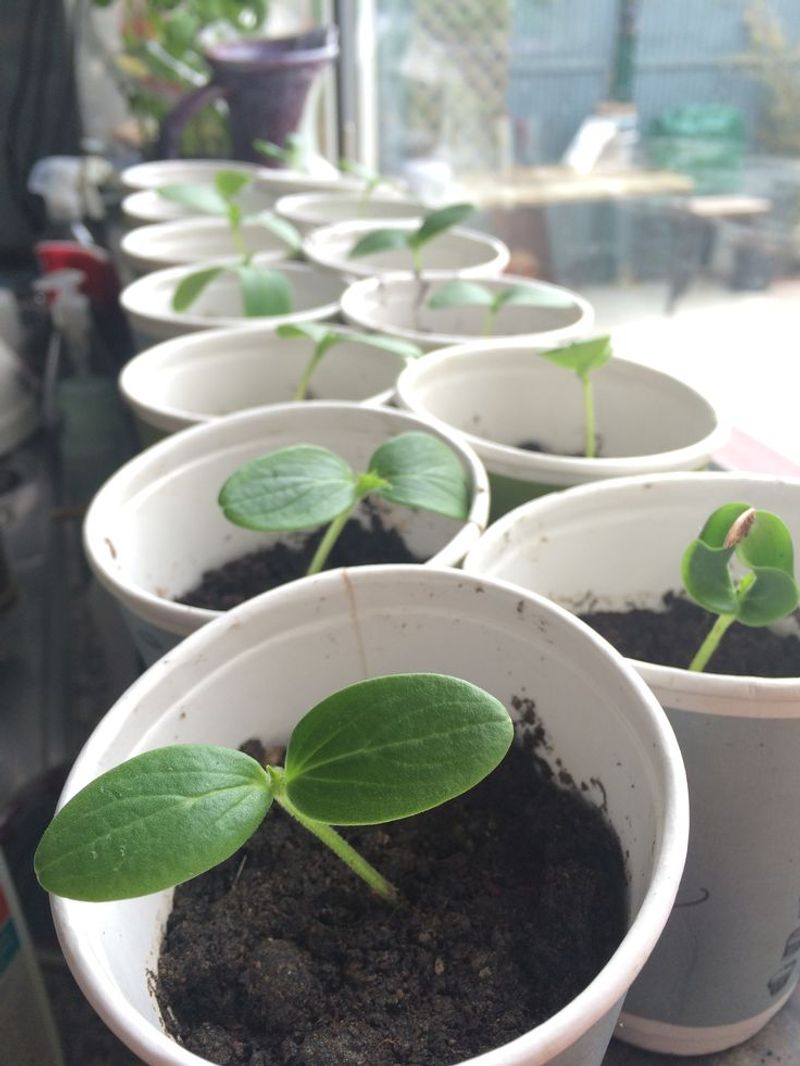
Starting cucumbers indoors gives you a head start on the season.
But moving them straight from a warm windowsill into the garden is asking for trouble.
The sudden change in temperature, wind, and light intensity shocks young plants and can set them back by days or even weeks.
Hardening off is the process of gradually introducing indoor-grown seedlings to outdoor conditions before transplanting them for good.
It takes about a week and requires very little effort, but it makes a real difference in how well your plants settle in.
Start by setting your seedlings outside in a sheltered spot for just a couple of hours on the first day.
Choose a spot with indirect light and protection from wind.
Bring them back inside before temperatures drop in the evening.
Each day, increase the time they spend outside and gradually expose them to more direct sun and open air.
By the end of the week they should be spending a full day outside without any sign of stress.
Watch for wilting, leaf curl, or bleached patches on the leaves.
These are signs the transition is moving too fast, if you notice any of them, slow down and give the plants an extra day or two at the current stage.
Transplant on a calm, cloudy day if possible.
It reduces stress on the plant and gives the roots time to settle before they face full sun.
Do it right and your seedlings will never know the difference.