This Invasive Plant Looks Innocent, But Spreads Fast Through Virginia Yards
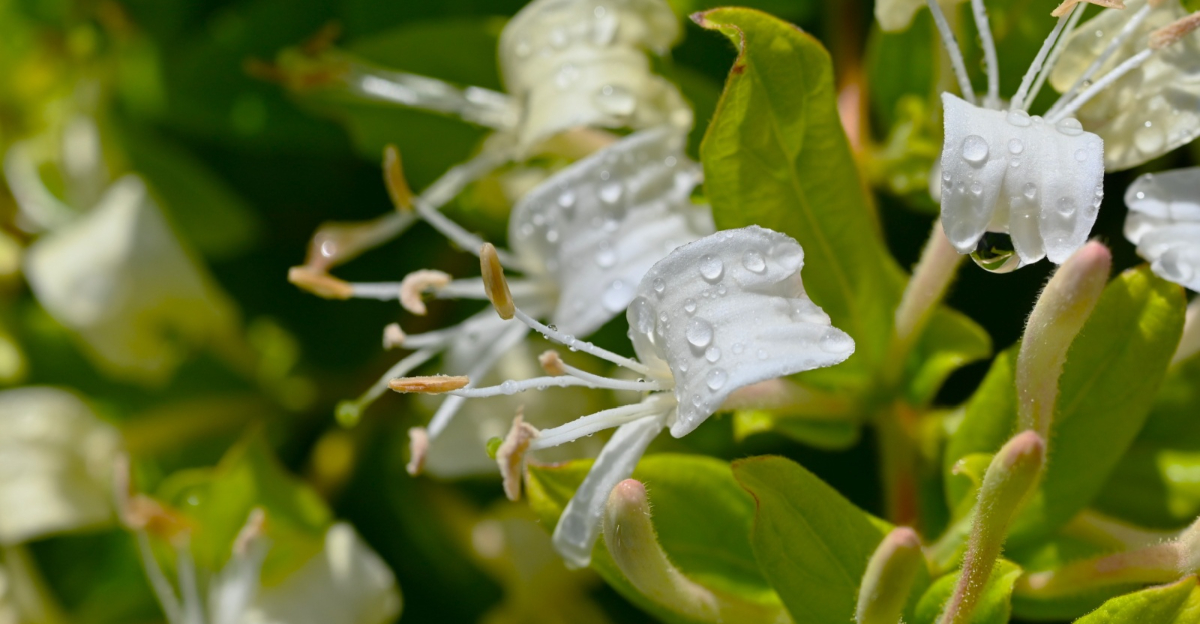
Your fence looks charming draped in flowering vines, but Virginia’s most deceptive invader may already be growing there.
This plant lures you in with gorgeous blooms and an intoxicating fragrance. It arrived from Asia in the early 1800s as a decorative ground cover.
Gardens could not contain it for long. It slipped into forests, roadsides, and neighborhoods across the eastern U.S., and it never stopped spreading. The real danger is how innocent it looks.
Most homeowners admire the flowers without realizing the damage happening underneath. This plant quietly smothers native vegetation, wraps around young trees, and pushes out everything competing for space.
Across Virginia, it has been reshaping landscapes for generations without most people noticing.
Ready to spot it before it spreads further? Learn what it looks like, what it does, and how to stop it in its tracks.
It Smothers Everything It Touches
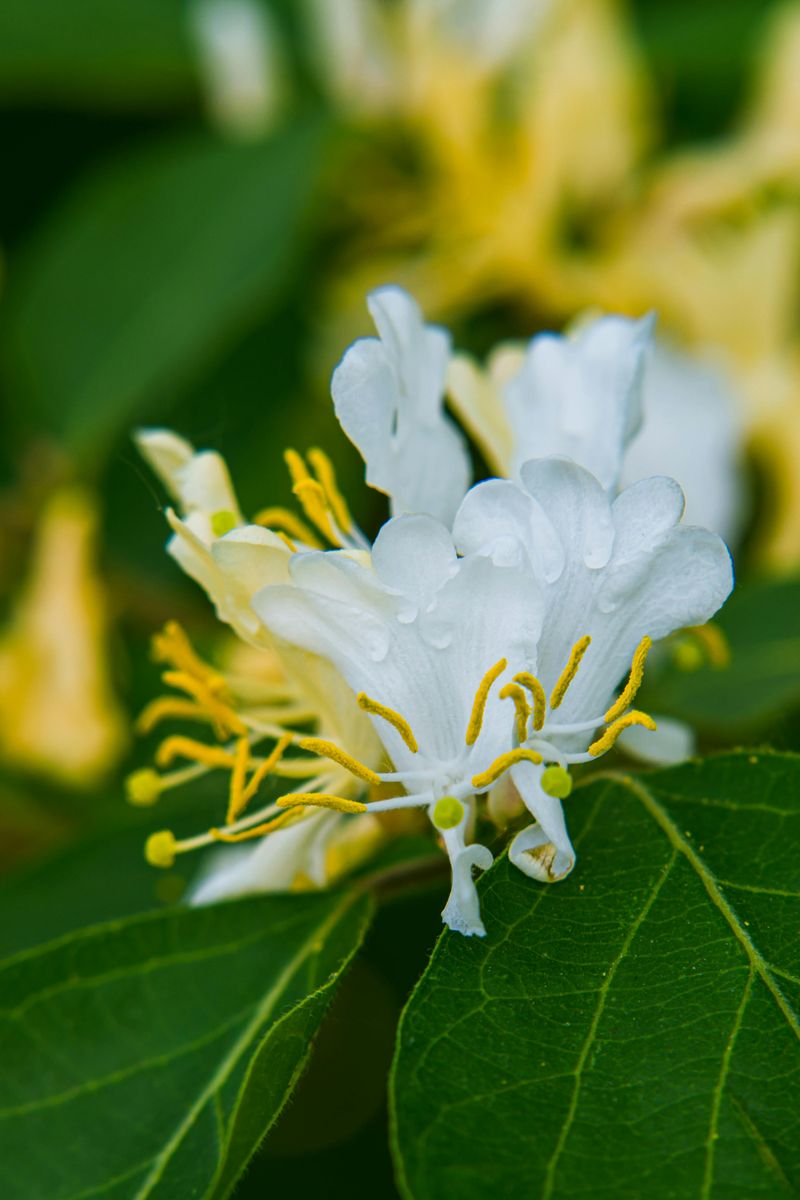
Japanese Honeysuckle does not just grow alongside other plants.
It grows over them, under them, and through them until nothing else can survive.
This vine moves fast, sometimes growing up to 15 feet in a single season, draping itself like a thick green blanket over anything in its path.
Picture a healthy shrub in your backyard.
Give Japanese Honeysuckle one summer, and that shrub might be completely buried under a tangle of vines.
The plant wraps around stems, climbs up branches, and piles on until the host plant collapses under the weight.
What makes this even harder to handle is how innocent it looks.
The leaves stay green late into fall, which means the smothering continues long after most plants have gone dormant.
Homeowners often mistake the lush coverage for healthy growth.
By the time the damage becomes obvious, the vine has already established a root system that is stubborn and deep.
Knowing what you are dealing with is the first step toward stopping it.
You Are Unlikely To Remove This In A Single Attempt
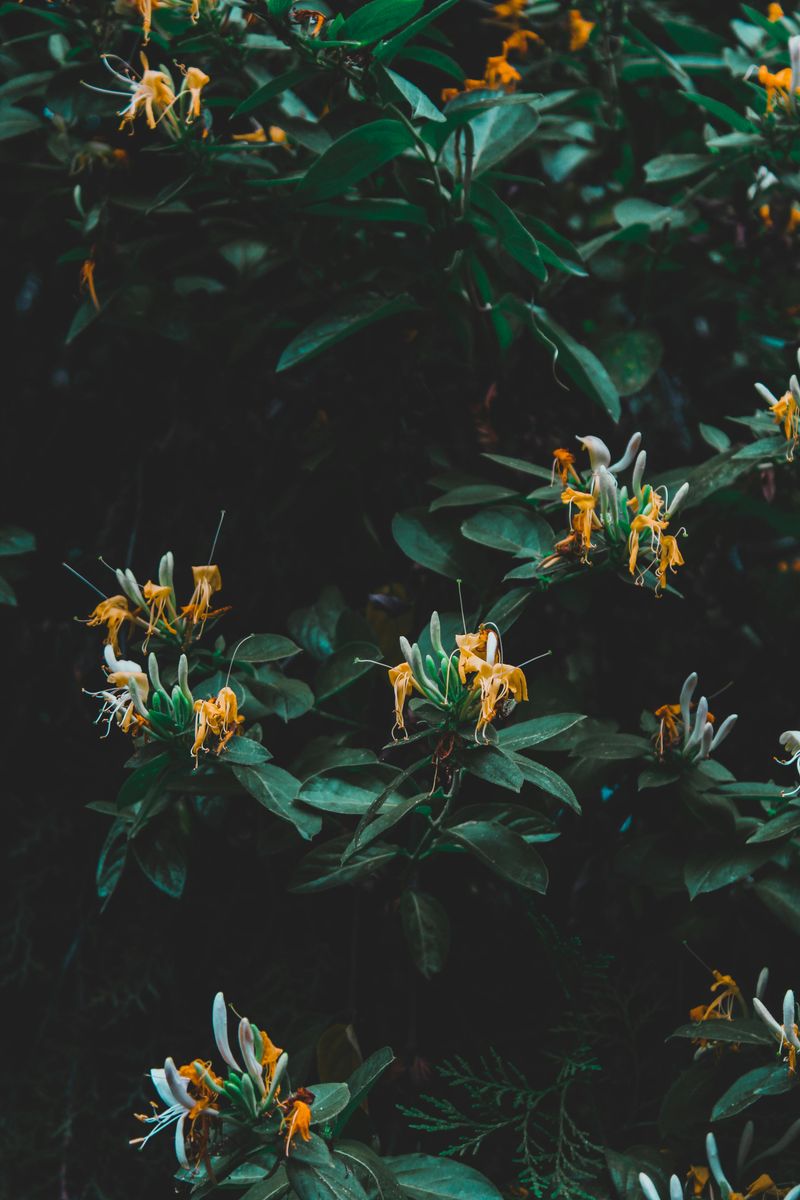
Pulling Japanese Honeysuckle out of the ground feels like arm wrestling a tree.
The roots go deep, branch out wide, and snap back with a grip that makes most gardeners want to give up after the first try.
One broken root left in the soil can sprout a whole new plant.
Hand-pulling works only on very young seedlings, and even then you need to get every bit of root.
Older plants laugh at shovels.
The root system forms dense mats underground that hold tight no matter how hard you tug.
Many Virginia homeowners spend entire weekends clearing a patch, only to watch it return within weeks.
Cutting the vines at the base helps slow things down, but the roots just send up new shoots.
Repeated cutting over several growing seasons can weaken the plant, but patience is required.
Some experts recommend a combination of manual removal in spring followed by targeted treatment in fall when the plant is pulling nutrients back into its roots.
That timing matters.
Tackling Japanese Honeysuckle anywhere in Virginia means working on the plant’s schedule, not yours, to gain any real ground against it.
Your Virginia Garden Changes Every Week. Your Plan Should Too.
Gardening in Virginia changes quickly throughout the season. Every Friday you’ll receive a simple weekly plan showing exactly what to plant, prune, fertilize, harvest, and protect so you never miss the right timing.
You Are Dealing With A Fast Mover
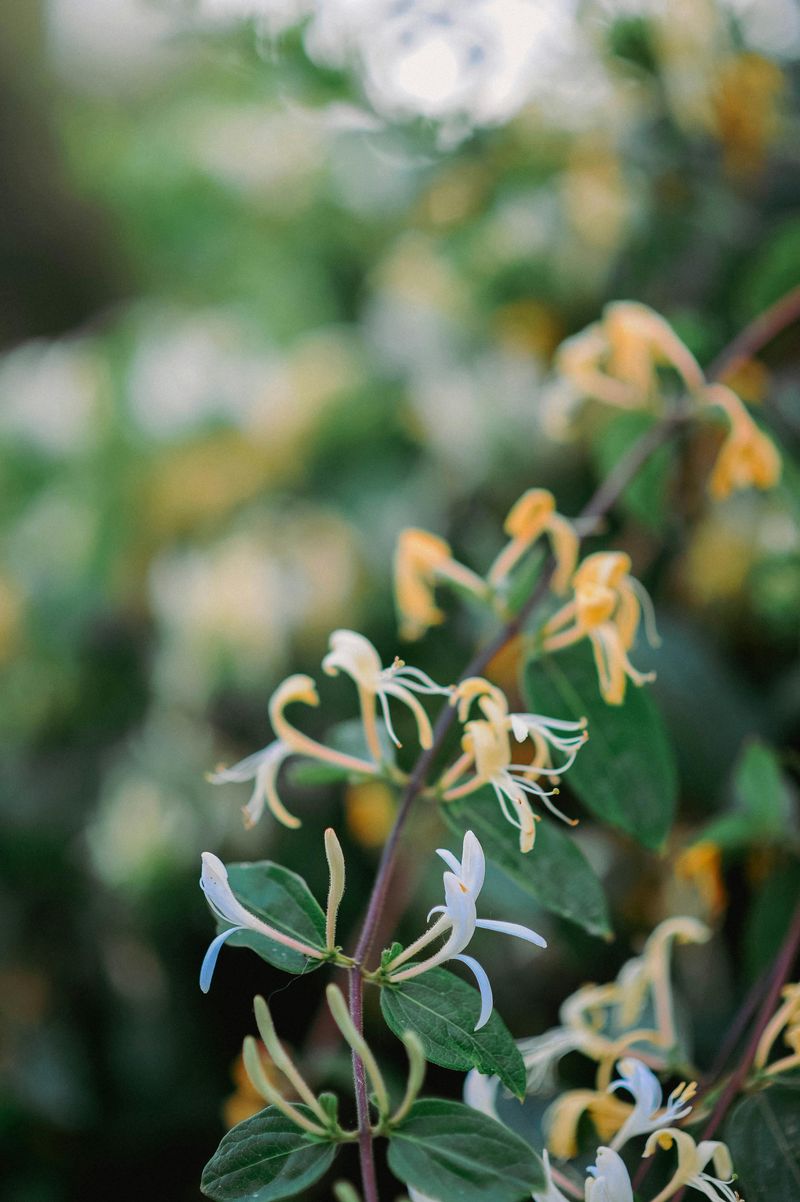
One vine can turn into a hundred plants faster than most people expect.
Japanese Honeysuckle spreads through underground runners and stems that root on contact with soil. Birds carry its seeds, scattering them across wide areas.
Three different spreading methods working at the same time is a tough combination to beat.
A single established plant can send runners several feet in every direction in one season.
Those runners touch the ground, root themselves, and become independent plants.
Meanwhile, the original vine is still producing berries that birds carry off and deposit in new locations. Before long, a problem that started in one corner of your yard has jumped the fence and moved into the woods behind your house.
Warm winters make this worse across much of Virginia.
Japanese Honeysuckle is semi-evergreen, holding onto its leaves through mild winters.
This gives it a head start in early spring, pushing out new growth before native plants even wake up.
That early start gives it a competitive edge that builds every single year.
What began as a decorative vine planted generations ago has now spread across millions of acres of eastern forests, and Virginia has seen some of the heaviest impact.
The spread is not slowing down on its own.
Other Plants Are Losing Water And Nutrients To This One Vine
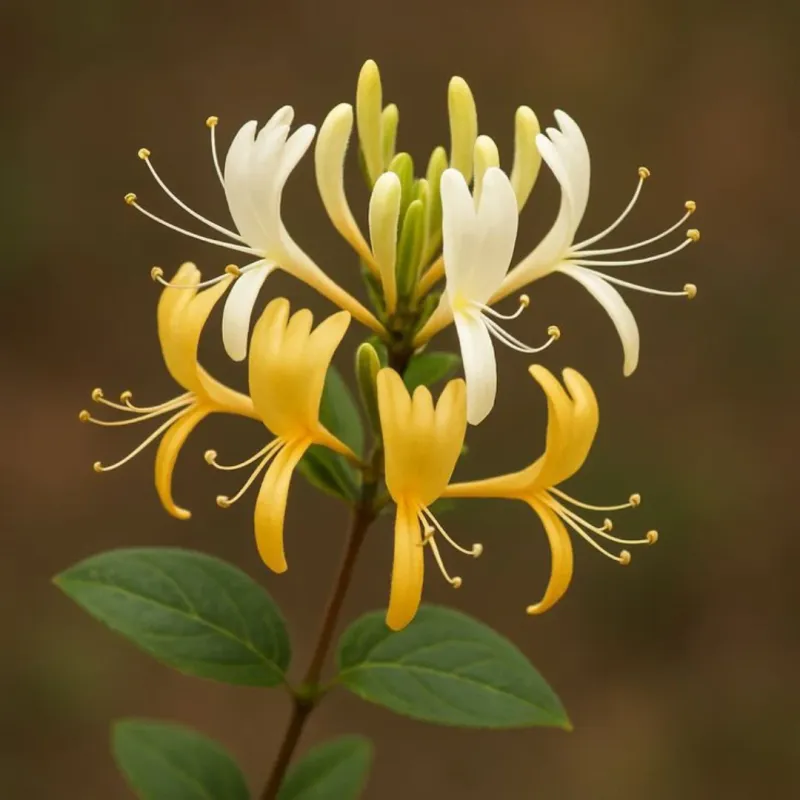
Every plant in your yard is competing for the same limited resources underground.
Japanese Honeysuckle plays that competition ruthlessly.
Its root system spreads aggressively through the soil, pulling water and nutrients away from native plants, garden flowers, and even established shrubs.
During dry summer stretches in Virginia, this becomes especially damaging.
Native plants that evolved in local conditions are already stressed by heat and drought.
Japanese Honeysuckle, with its deep and wide-ranging root network, can access moisture that shallower-rooted plants simply cannot reach.
The result is that your native wildflowers and garden perennials slowly weaken while the invasive vine thrives.
Soil chemistry also shifts over time in areas where Japanese Honeysuckle dominates.
Some research suggests Japanese Honeysuckle alters the microbial balance in the soil.
This can make conditions less favorable for native species, even after the vine is fully removed.
This is not just about one season of competition.
The effects build up over years, leaving behind soil that is harder for native plants to reclaim.
Restoring a Virginia yard after a heavy Japanese Honeysuckle invasion often means amending the soil along with removing the plant itself.
It Is Stealing Your Sunlight All Year Long
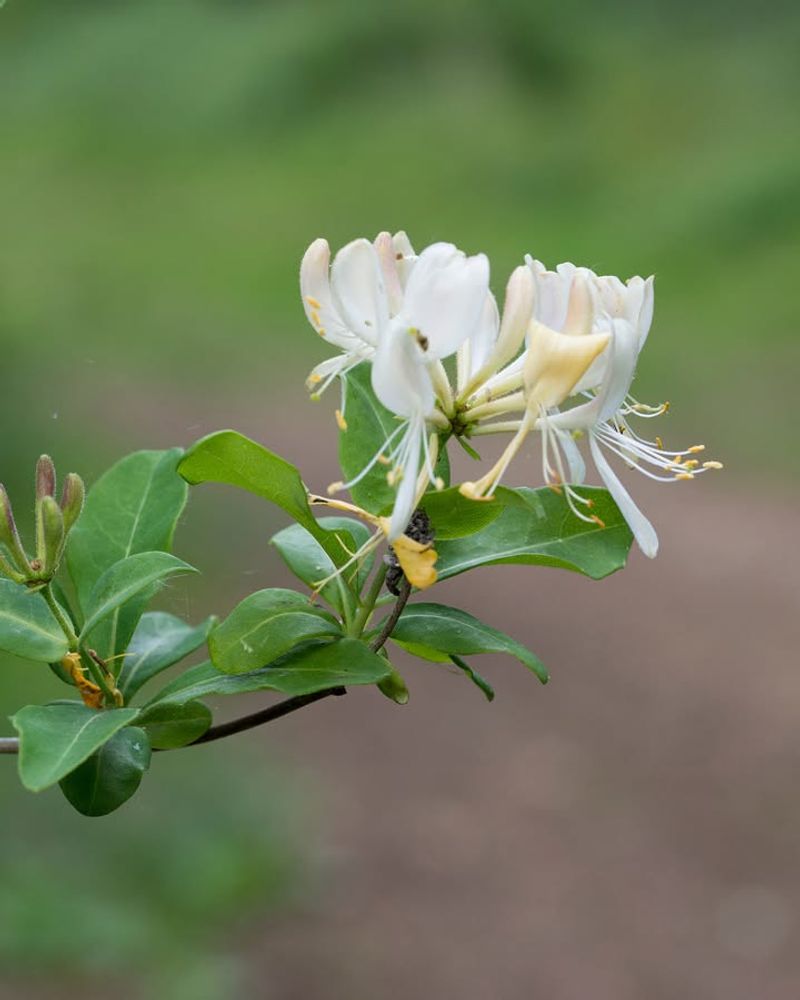
Sunlight is life for plants, and Japanese Honeysuckle knows how to hoard it.
The vine holds its leaves well into winter, staying green long after natives go dormant. It then leafs out earlier than most native plants in spring.
This gives it control over available light for more months than almost anything else in your yard.
Underneath a thick mat of Japanese Honeysuckle, the ground becomes dim and shaded for most of the day.
Virginia wildflowers, native groundcovers, and tree seedlings that depend on spring sunlight never get the light they need to establish themselves.
Over time, the understory of a yard or woodland edge becomes nearly empty of native species.
This light-blocking behavior is especially harmful in areas where spring ephemerals grow.
These are wildflowers that bloom early, set seed, and die back before summer.
They depend on those brief weeks of bright spring light to complete their entire life cycle.
When Japanese Honeysuckle leafs out too early, it shades out spring ephemerals before they can bloom. Without enough light, these plants cannot set seed and slowly disappear from the Virginia landscape.
Losing those early bloomers means losing the insects and pollinators that depend on them.
That loss sets off a chain reaction through the whole ecosystem, one that affects Virginia gardens and woodlands alike.
Birds Spread Seeds Everywhere
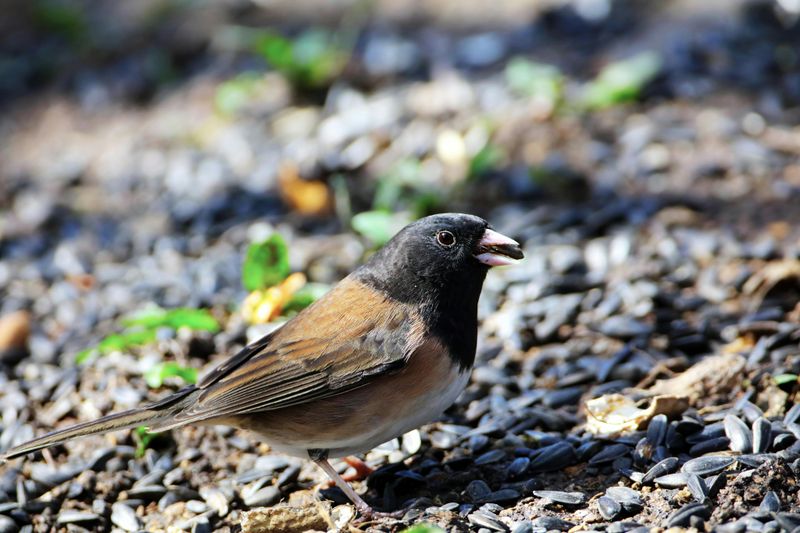
Birds absolutely love Japanese Honeysuckle berries.
Robins, mockingbirds, cedar waxwings, and dozens of other species flock to the small black fruits each fall. Seeds pass through birds undigested and land in prime spots like forest edges, stream banks, and open fields.
A single bird can carry seeds hundreds of feet from where it fed.
Multiply that by every bird visiting your yard over the course of a season, and the math gets alarming fast. New Japanese Honeysuckle plants pop up in places you never planted anything, growing from seeds deposited in bird droppings months earlier.
This is part of why controlling Japanese Honeysuckle on your own property is not enough to stop the spread.
Even if you clear every vine from your yard, birds from neighboring areas will continue dropping seeds into your soil.
Cut new seedlings each spring before they develop the deep roots that make removal so difficult.
Early detection is genuinely your best tool against bird-assisted spread.
Trees In Its Path Rarely Come Out Unaffected
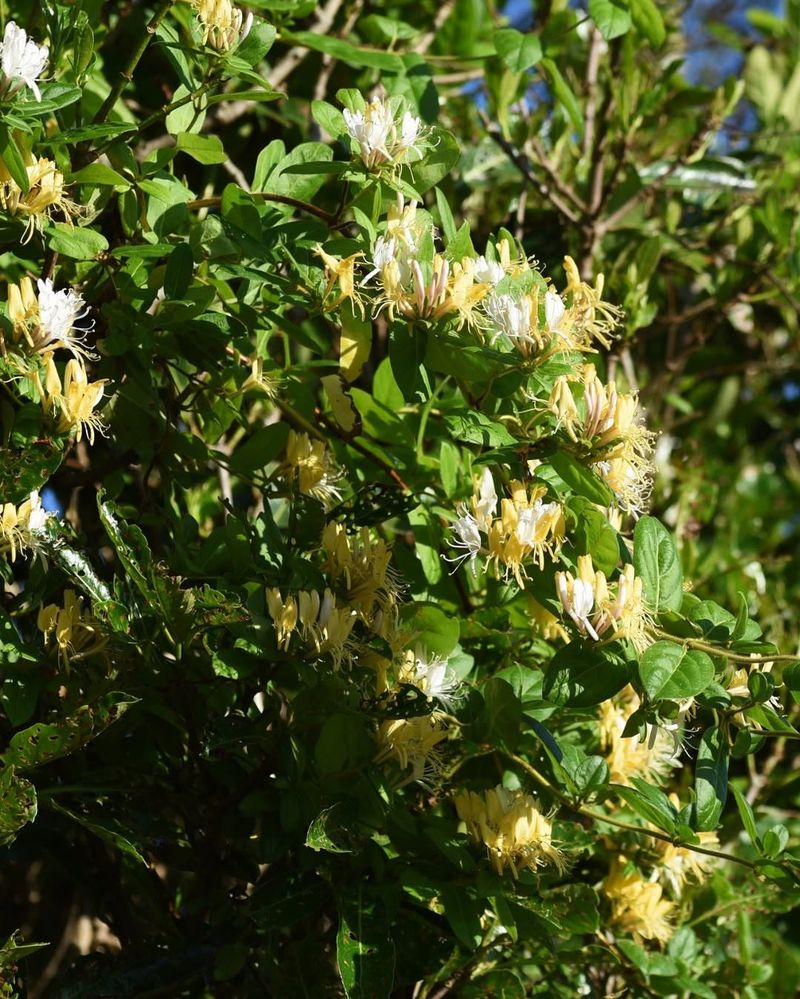
Young trees barely have a chance when Japanese Honeysuckle moves in.
The vine wraps tightly around trunks and branches, girdling the tree by cutting off the flow of water and nutrients just beneath the bark.
Across Virginia, trees that survive the girdling often grow with permanent deformities, twisted shapes that weaken their structure over time. Saplings are the most vulnerable.
A tree that is only a few feet tall can be completely engulfed within one growing season.
The weight of the vine adds stress to young branches, and the dense leaf coverage blocks the sunlight the tree needs to grow.
Many saplings simply stop developing and eventually fail to establish themselves as mature trees.
Forest regeneration depends on young trees making it to maturity.
When Japanese Honeysuckle consistently takes out sapling after sapling, the forest cannot replace aging or fallen trees.
Over decades, this creates a gap in forest age structure that ripples through the entire woodland community.
For Virginia homeowners living near woodland edges, this process can begin right at the back of their own property.
Protecting young trees from this vine is not just about your backyard. It is about keeping future Virginia forests healthy and structurally sound for generations ahead.
Plant Diversity In Yard Takes A Hit When This Vine Gets Established
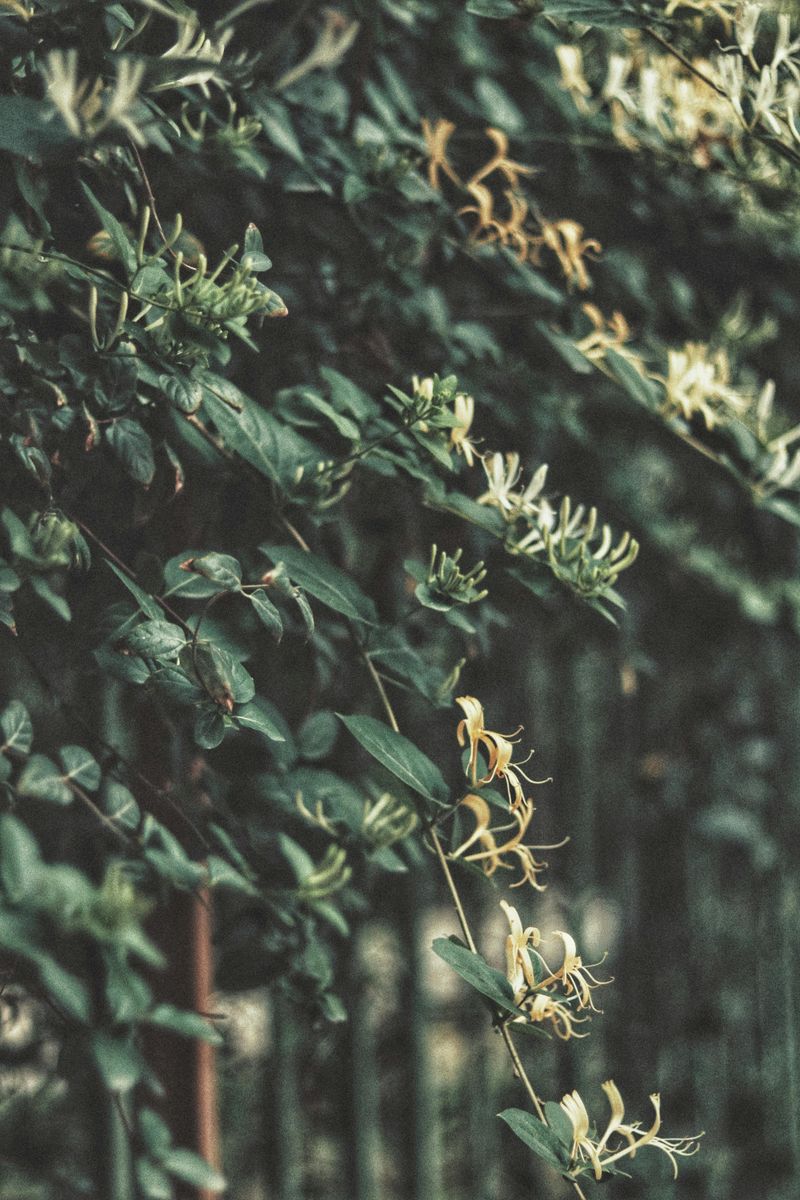
Biodiversity is the backbone of a healthy yard and a healthy ecosystem.
When Japanese Honeysuckle moves in, it does not share space.
It crowds out native wildflowers, ferns, shrubs, and groundcovers until only one species remains across large patches of land.
That kind of monoculture is ecologically empty.
A diverse plant community supports hundreds of insect species, which in turn feed birds, amphibians, and other wildlife.
Strip that diversity away, and the food web begins to weaken from the bottom up.
Insects that evolved alongside native plants cannot use Japanese Honeysuckle as a food source.
Without those insects, the birds that eat them have less to feed on, and populations begin to drop.
Native bees and butterflies are hit especially hard.
Many of them are specialists, meaning they can only feed on or reproduce using specific native plants. When those plants disappear from an area, the specialist species disappear too.
Yards that once buzzed with pollinators go quiet.
Restoring plant diversity after a Japanese Honeysuckle takeover takes years of consistent effort.
This means replanting natives while managing invasive regrowth every single season.
The payoff, though, is a yard that is alive again in every sense of the word.
It Invades And Ruins Garden Beds
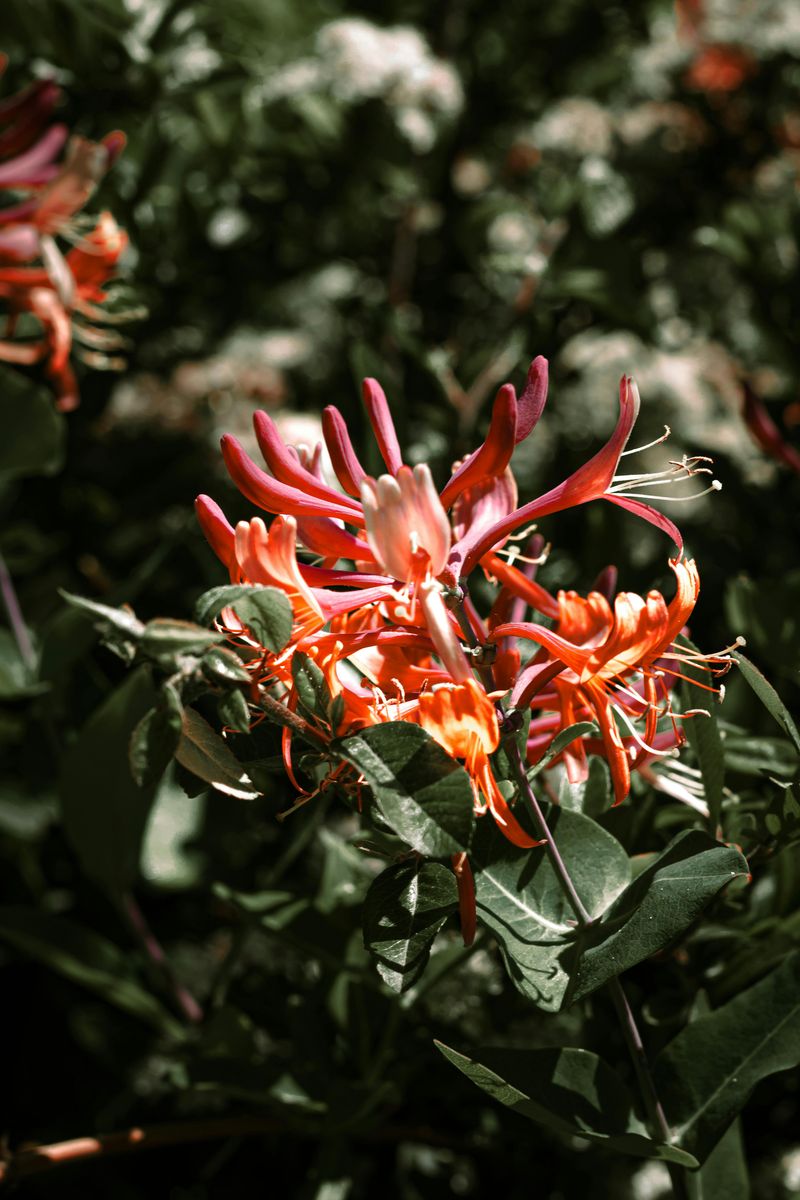
Your carefully planted garden bed is not safe from Japanese Honeysuckle.
The vine threads its way through mulch, between perennials, and under garden borders with surprising speed.
Once established among ornamentals, separating it without causing damage becomes a frustrating puzzle. The vine blends in so well that many gardeners miss it until it has already woven through the entire bed.
By then, removing it means tracing every stem back to its root by hand.
The process is time-consuming and often damages the surrounding plants along the way.
Staying ahead of Japanese Honeysuckle means checking your garden beds every few weeks during the growing season. Pull new shoots the moment you spot them.
A thick layer of mulch can slow seed germination slightly, but it will not stop established runners from spreading into the bed from nearby areas.
Edging your garden beds with a physical barrier sunk a few inches into the soil can help slow underground runners.
Consistent monitoring is the real key.
Catching Japanese Honeysuckle early in your garden beds makes all the difference between a manageable problem and a full-scale takeover.