Native Pennsylvania Plants To Grow Instead Of Daylilies Along Sunny Borders
Daylilies are everywhere along Pennsylvania borders, and it is not hard to see why they caught on. They are nearly impossible to destroy, they spread on their own, and they produce reliable color without much attention from the gardener.
The problem is that their peak lasts only a few weeks, they can spread more aggressively than most people plan for, and they do very little to support the local ecosystem beyond taking up space.
Pennsylvania has a genuinely impressive lineup of native plants that thrive in the same sunny border conditions daylilies prefer, and several of them bloom across a much longer stretch of the season.
They bring in pollinators, feed birds, and add a kind of layered natural interest that a wall of daylilies simply cannot match.
If your sunny borders have been running on autopilot with the same orange blooms year after year, these natives offer something worth considering before the next planting season gets underway.
1. Purple Coneflower
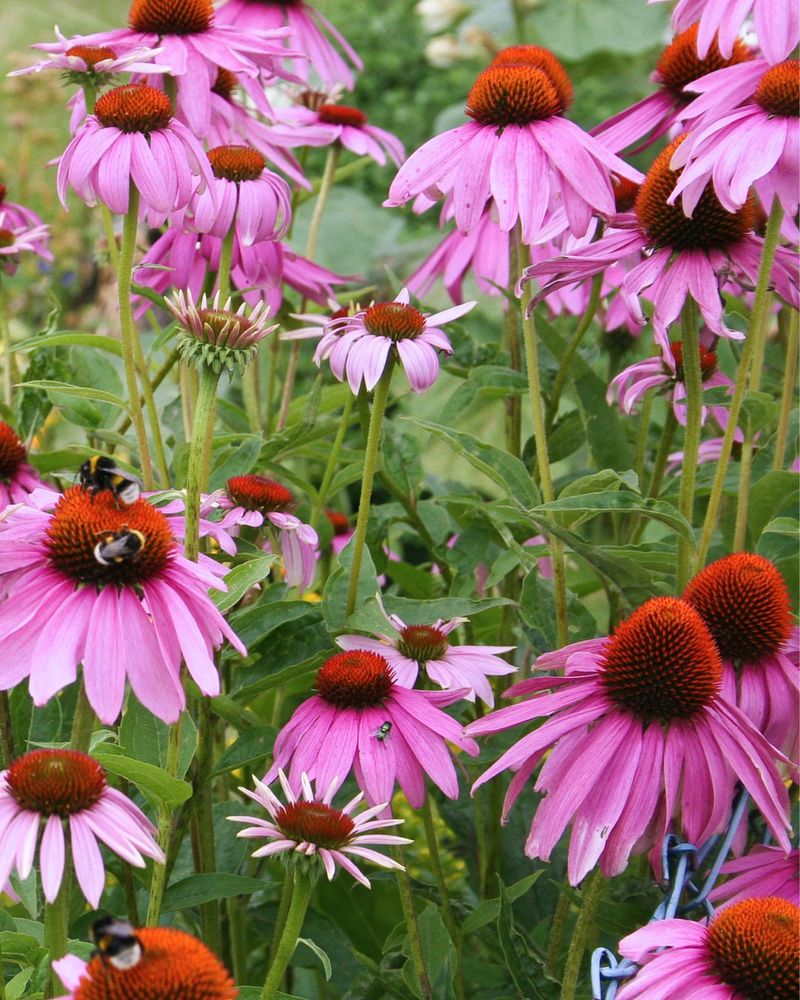
Few plants earn their spot in a sunny border quite like Purple Coneflower. Known scientifically as Echinacea purpurea, this cheerful native has been brightening Pennsylvania landscapes for centuries.
Its bold purple petals and spiky orange centers are hard to miss, and pollinators absolutely love them.
Coneflowers bloom from early summer all the way into fall, giving you weeks of reliable color. Bees, butterflies, and even goldfinches visit them regularly.
Goldfinches especially enjoy picking seeds from the dried flower heads in late fall, so leaving the spent blooms standing is actually a smart move for wildlife.
Planting coneflowers is straightforward. They prefer full sun but can handle a bit of afternoon shade.
Well-drained soil works best, though they are surprisingly tough and can handle dry spells once established. Space plants about 18 to 24 inches apart to give them room to fill out naturally.
One of the best things about Purple Coneflower is how low-maintenance it really is. You do not need to fertilize often, and overwatering can actually cause more problems than drought.
Divide clumps every three to four years to keep plants vigorous and blooming at their best. Purple Coneflower also works beautifully alongside other native plants like Black-Eyed Susan and Wild Bergamot.
Together, they create a layered, naturalistic border that looks intentional without requiring constant attention. If you want a plant that does most of the work for you, this is a strong starting point.
2. Black-Eyed Susan
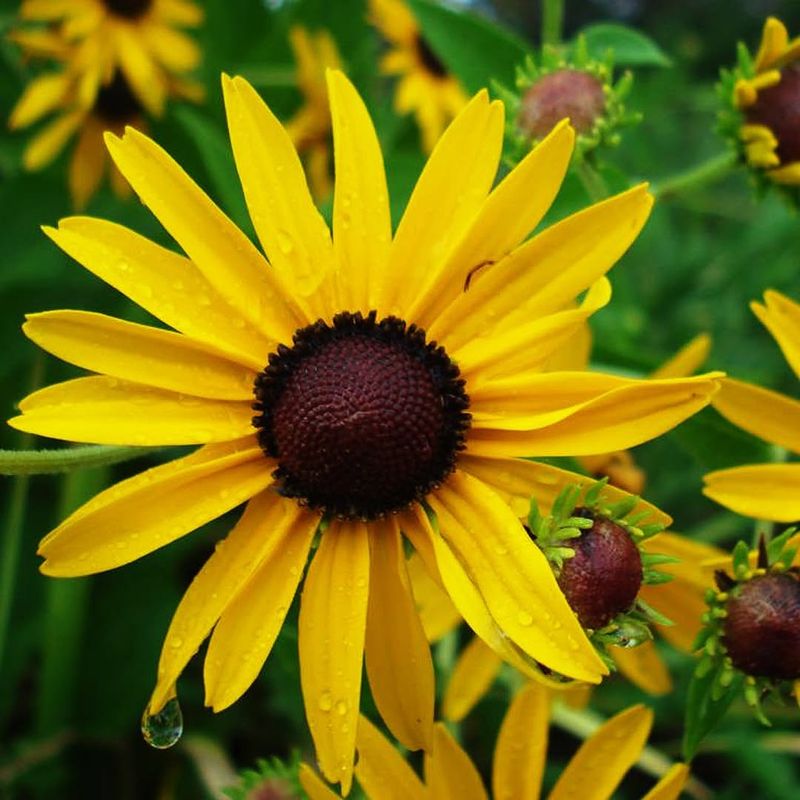
Walk past a field in Pennsylvania during midsummer and you will almost certainly spot Black-Eyed Susan glowing in the sunlight. Rudbeckia hirta is one of the most recognizable native wildflowers in the state, and for good reason.
Its golden yellow petals surrounding a dark chocolate center are cheerful, bold, and instantly welcoming.
What makes this plant especially appealing for sunny borders is its tolerance for tough conditions. Black-Eyed Susan handles heat, drought, and poor soil without complaint.
Once established, it essentially takes care of itself, which is great news for gardeners who do not want to fuss over their plants every week.
Your Pennsylvania Garden Changes Every Week. Your Plan Should Too.
Gardening in Pennsylvania changes quickly throughout the season. Every Friday you’ll receive a simple weekly plan showing exactly what to plant, prune, fertilize, harvest, and protect so you never miss the right timing.
Bloom time runs from late June through September, making it a reliable source of color when many other plants are starting to fade. Pollinators flock to the flowers throughout the season.
Native bees in particular are drawn to the open, accessible blooms, making this plant a genuine powerhouse for supporting local insect populations.
Black-Eyed Susan is also a self-seeder, meaning it will naturally spread and fill in gaps over time. If you prefer a tidier look, simply deadhead spent blooms before seeds fully develop.
Otherwise, letting it reseed creates a relaxed, meadow-style border that feels effortlessly natural.
Pair it with Purple Coneflower or Goldenrod for a long-blooming combination that carries color from early summer into fall. It grows to about two feet tall, making it a perfect mid-border plant that never overwhelms its neighbors but always holds its own beautifully.
3. Butterfly Weed
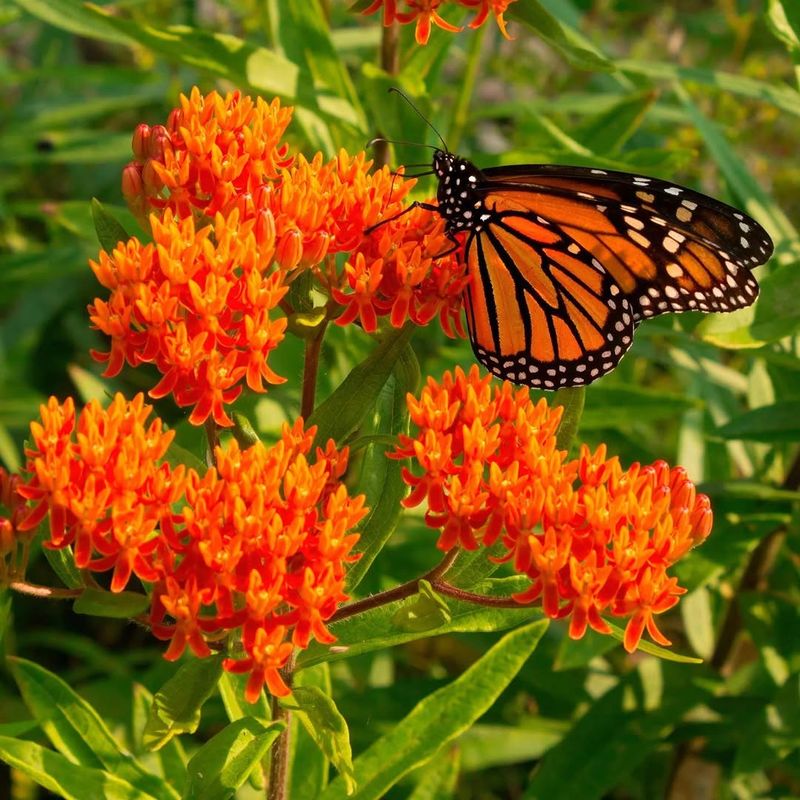
If there is one plant that stops people in their tracks, it is Butterfly Weed in full bloom. Asclepias tuberosa produces clusters of intensely orange flowers that practically glow under the summer sun.
The name says it all because butterflies, especially Monarchs, cannot resist it. Beyond its stunning looks, Butterfly Weed plays a critical role in the ecosystem. It is a host plant for Monarch butterfly caterpillars, meaning females lay their eggs on its leaves.
Without milkweed species like this one, Monarch populations struggle to maintain healthy numbers. Planting it is genuinely one of the most impactful things a Pennsylvania gardener can do.
Unlike many milkweeds, Butterfly Weed does not spread aggressively. It stays in a tidy clump and grows to about one to two feet tall, making it an ideal fit for the front or middle of a sunny border.
It prefers dry, well-drained soil and actually performs poorly in wet conditions, so avoid low spots in the garden.
One important note is that Butterfly Weed has a long taproot, which means it does not transplant well once established. Choose its permanent location carefully before planting.
Starting from seed directly in the ground or purchasing young container plants works best for long-term success.
The blooms appear from June through August and are followed by attractive seed pods that split open to release silky seeds on the breeze. Even after flowering, the plant remains visually interesting.
Few natives deliver this level of ecological value and sheer visual excitement in one compact package.
4. Wild Bergamot
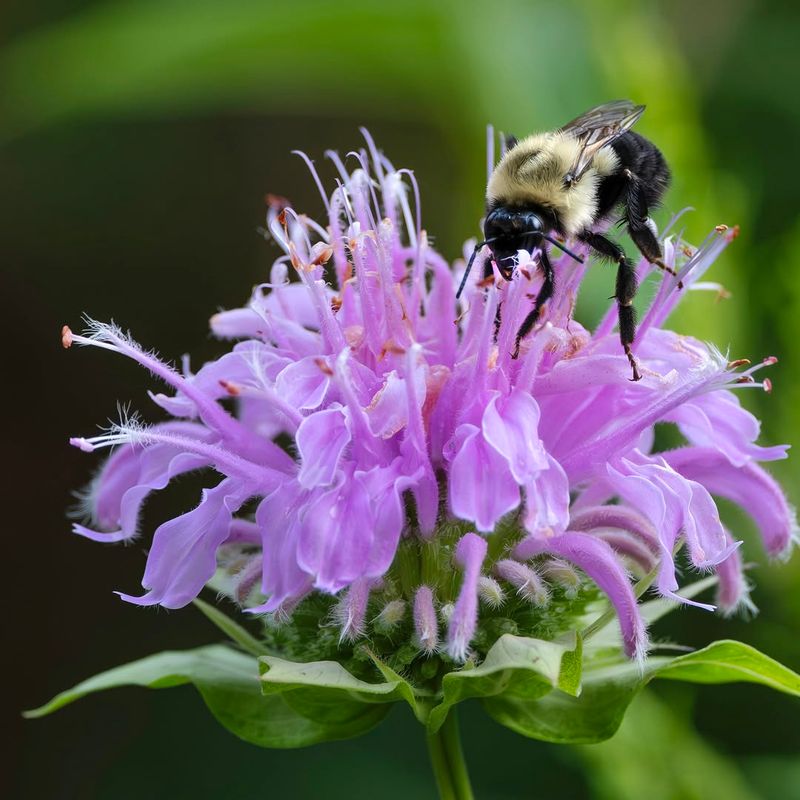
Crush a leaf of Wild Bergamot between your fingers and you will instantly understand how it got its name. The fresh, oregano-like scent is unmistakable and genuinely pleasant.
Monarda fistulosa is a native Pennsylvania wildflower that brings both fragrance and beauty to sunny garden borders without asking for much in return.
The blooms are lavender to soft purple and appear in rounded clusters atop sturdy stems from July through September. Bumblebees are especially fond of Wild Bergamot, and on a warm summer morning, the plants can be buzzing with activity.
Hummingbirds and various butterfly species also visit regularly, making this plant a true pollinator magnet.
Wild Bergamot grows two to four feet tall, giving it a strong vertical presence in the border. It spreads gradually by rhizomes, filling in spaces over several seasons without becoming invasive.
Dividing clumps every few years keeps the plants vigorous and prevents them from crowding neighboring species.
This plant is remarkably adaptable. It thrives in average to dry soils and handles heat well once established.
Mildew can occasionally appear on leaves in humid conditions, but choosing an open, airy planting location with good air circulation usually prevents the problem entirely.
Historically, Native American communities used Wild Bergamot medicinally and for flavoring. That long relationship with people and the land gives this plant a sense of rootedness that newer ornamental varieties simply cannot replicate.
Planting it feels like honoring Pennsylvania’s natural heritage while also creating something genuinely lovely in your own backyard.
5. Goldenrod
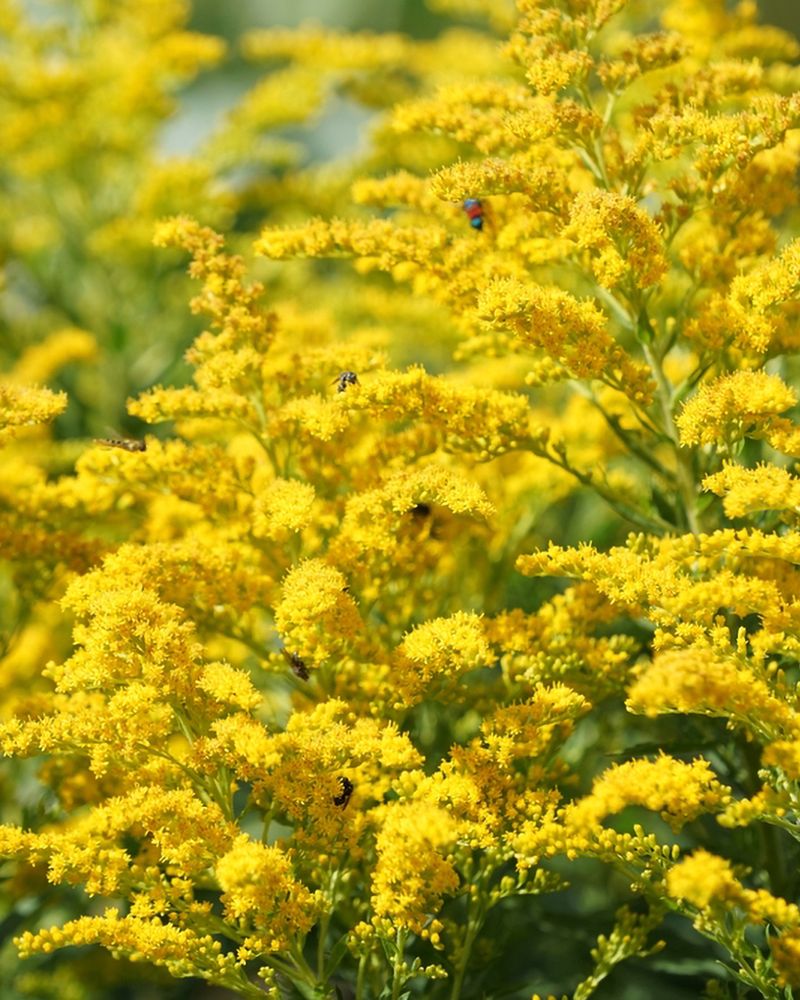
Goldenrod gets a bad reputation that it does not deserve. Many people blame it for fall allergies, but the real culprit is ragweed, which blooms at the same time.
Solidago species, which include several native Pennsylvania types, produce heavy pollen that insects carry rather than wind-blown pollen that triggers sneezing. Goldenrod is actually one of the most ecologically important native plants you can grow.
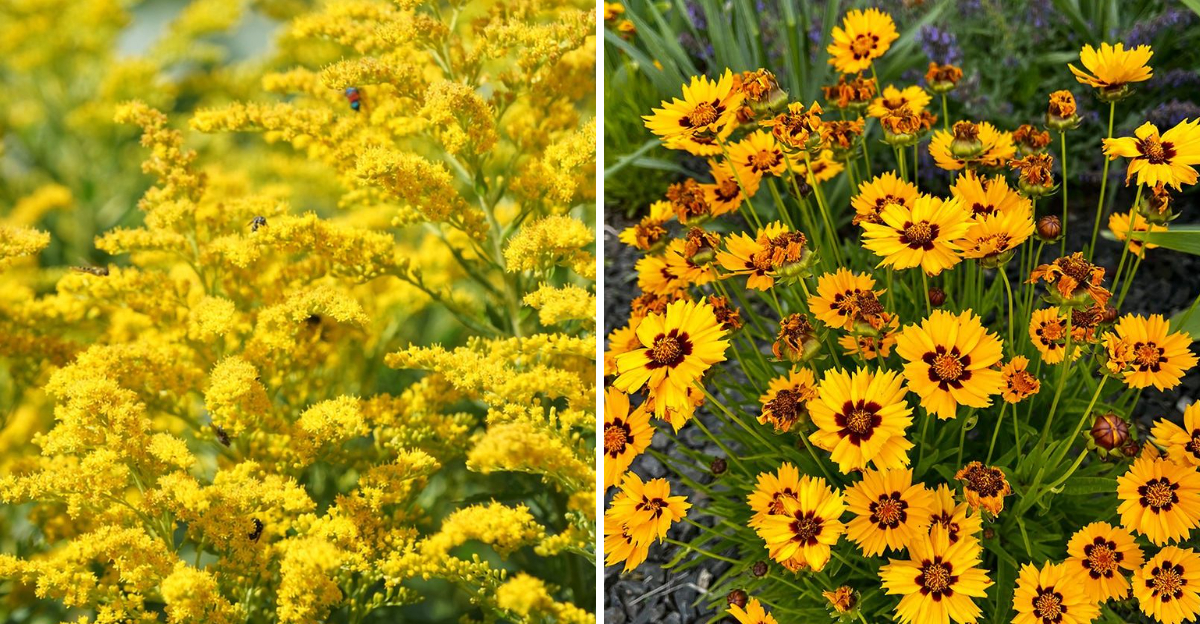
The bright yellow flower plumes appear from late August through October, arriving just when most other garden plants are winding down.
For pollinators preparing for winter, this late-season nectar source is genuinely vital. Hundreds of insect species rely on Goldenrod to fuel up before cold weather settles in.
In the garden, Goldenrod grows two to five feet tall depending on the species, and the arching stems loaded with golden blooms create a dramatic, warm-toned display.
It pairs beautifully with purple-flowering plants like Ironweed or Aster, creating classic fall color combinations that feel both wild and intentional at the same time.
Some Goldenrod species spread by rhizomes and can colonize a border quickly. Choosing clump-forming varieties like Solidago speciosa or Solidago rigida keeps growth more controlled and predictable.
Both are native to Pennsylvania and widely available at native plant nurseries across the state. Maintenance is minimal. Cut plants back in early spring before new growth emerges.
Leave the stems standing through winter because many native insects use hollow or pithy stems for shelter and overwintering. Goldenrod earns every inch of space it takes up in a sunny border.
6. Coreopsis
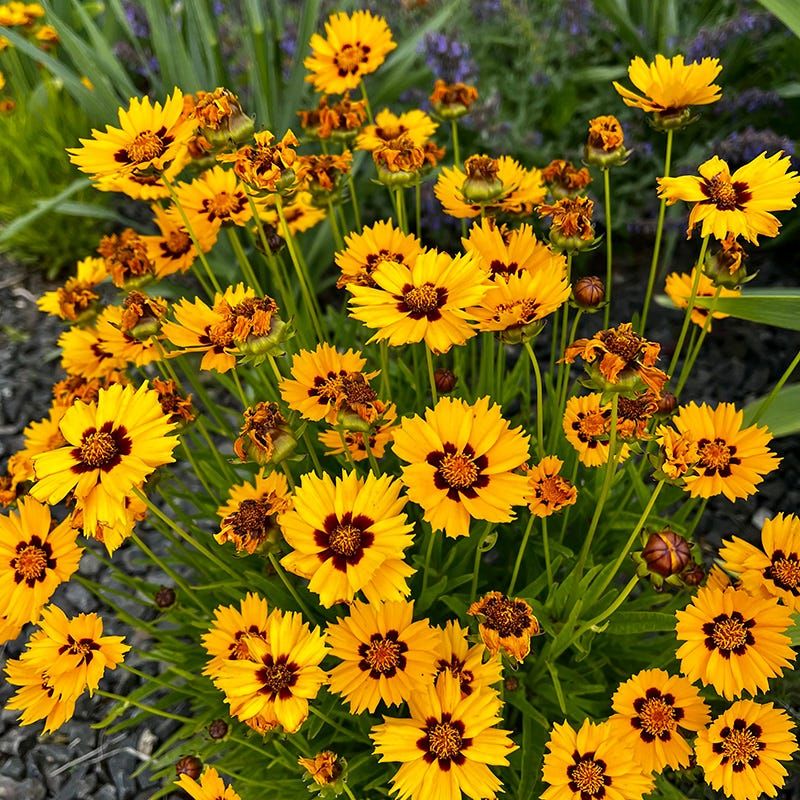
Some plants just want to bloom, and Coreopsis is absolutely one of them. Often called Tickseed, native Coreopsis species like Coreopsis lanceolata and Coreopsis tripteris produce cheerful yellow flowers in remarkable quantities throughout the summer months.
Give them full sun and decent drainage and they will reward you generously season after season.
Coreopsis is one of the easiest native plants to establish in a Pennsylvania garden. It tolerates poor, dry soil better than most flowering perennials, and it does not need fertilizer to perform well.
In fact, overly rich soil can cause plants to flop rather than stand upright, so leaner conditions actually produce stronger, tidier plants.
Bloom time varies slightly by species but generally runs from June through August, with some varieties continuing into September if deadheaded regularly. The flowers are magnets for native bees and small butterflies.
Their open, simple structure makes nectar easy to access, which is why so many different insect species visit them throughout the day.
Coreopsis grows one to three feet tall depending on the species, making it versatile enough to use at the front, middle, or back of a border.
Tall Coreopsis, Coreopsis tripteris, can reach six feet and creates a bold architectural statement at the back of a wide sunny border without becoming weedy or unruly.
Fun fact: Coreopsis was designated the official state wildflower of Florida, but several species are native to Pennsylvania and thrive just as well in northern climates.
It is a plant with wide appeal, deep roots, and a sunny personality that fits right into any naturalistic garden design.
7. Blue Vervain
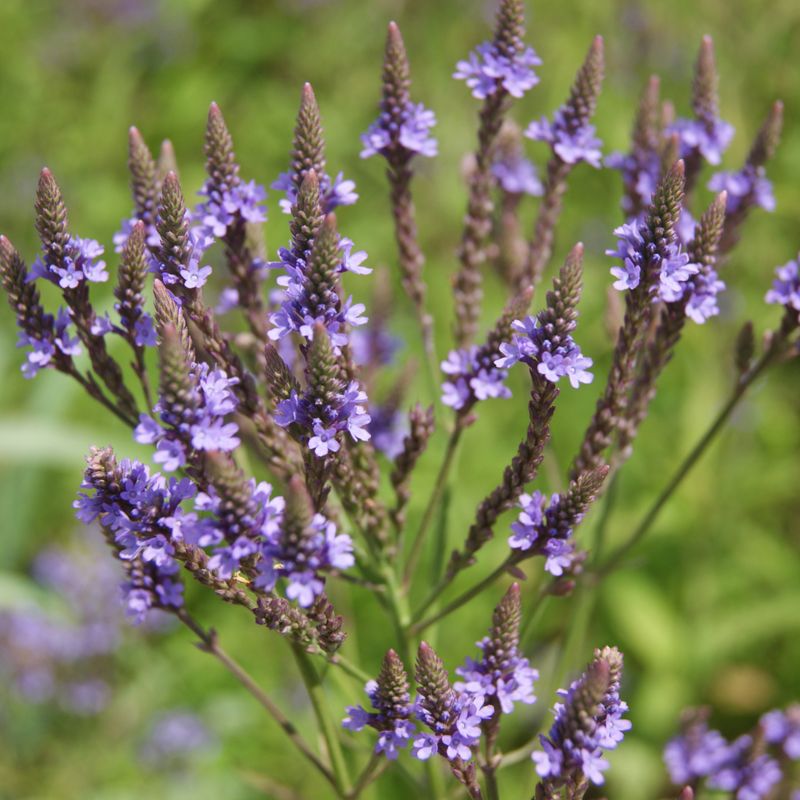
There is something quietly dramatic about Blue Vervain. Verbena hastata sends up tall, branching stems topped with slender spikes of tiny violet-blue flowers that bloom progressively from bottom to top over several weeks.
The effect is like watching a slow, beautiful fireworks display happening in your own garden from July through September.
Native to Pennsylvania, Blue Vervain naturally grows in moist meadows and along stream banks, but it adapts well to average garden soils as long as they do not dry out completely during summer.
In a sunny border with reasonable moisture, it can reach three to five feet tall, giving it a strong vertical presence that few other native plants can match.
Pollinators go absolutely wild for Blue Vervain. Native bees, especially small sweat bees and bumblebees, work the flower spikes methodically from morning until evening.
The plant also attracts several species of native butterflies, and the seeds that form after flowering are a favorite food source for swamp sparrows and other small songbirds.
Blue Vervain clumps up over time and can self-seed in favorable spots, gradually naturalizing an area in a relaxed, meadow-like way.
If you prefer a more controlled planting, remove seed heads before they fully mature. Either approach works well depending on the style of garden you are creating.
Pairing Blue Vervain with Joe-Pye Weed, Swamp Milkweed, or even Goldenrod creates a tall, layered border that buzzes with life all summer long.
Its vertical habit, unusual flower color, and wildlife value make it one of the most underused native plants available to Pennsylvania gardeners today.