Pennsylvania Clay Soil Plants That Spread, Thrive, And Never Need Replacing
Clay soil has a reputation in Pennsylvania gardens that is mostly deserved. It drains slowly, compacts easily, and has a way of making plant selection feel like a process of elimination rather than an exciting choice.
A lot of gardeners spend years fighting their clay soil instead of working with it, buying plants that struggle from the start and replacing them season after season.
What changes everything is finding plants that are not just tolerant of clay but genuinely suited to it, plants that dig in, spread over time, and come back stronger each year without any help.
Pennsylvania has a real range of these, from flowering perennials to tough groundcovers, and once they get established in clay they tend to outlast and outperform everything around them.
If you have a clay problem area that has defeated everything you have tried, the right plant in the right spot can turn that frustration into one of the most low maintenance parts of your yard.
1. Bee Balm
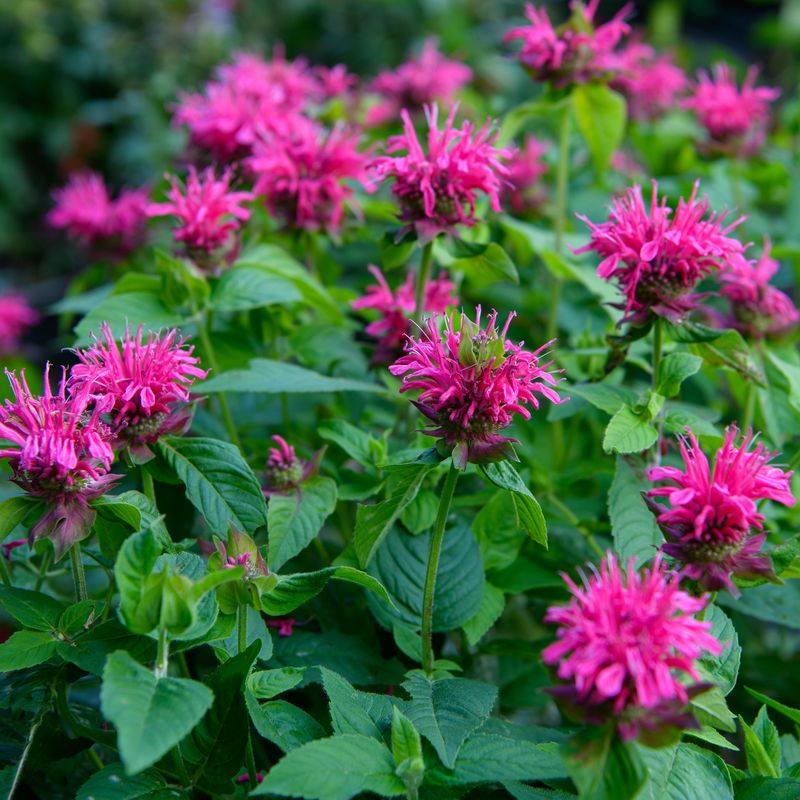
Walk past a patch of bee balm in full bloom and you will stop in your tracks. Those wild, spidery flower heads in shades of red, pink, and purple are impossible to miss. Bees, butterflies, and hummingbirds flock to it like it is the best party in the garden.
Bee balm, also known as Monarda, is a native Pennsylvania wildflower that handles heavy clay soil surprisingly well.
Its roots push through compacted ground with ease, and once it gets settled, it spreads steadily by underground runners. Within a few seasons, a single plant can fill a wide patch of ground all on its own.
It blooms in midsummer and reaches about three to four feet tall, making it a great backdrop plant in borders or along fences.
Full sun to part shade works perfectly for this tough performer. Water it during dry spells in its first year, and after that, it mostly takes care of itself.
One thing to watch is powdery mildew, which can show up on the leaves in humid summers. Choosing mildew-resistant varieties like ‘Jacob Cline’ or ‘Raspberry Wine’ helps avoid that problem.
Thinning the clumps every few years keeps the plant healthy and blooming strong. Bee balm also has a wonderful minty fragrance that fills the air on warm days. It was used by Native Americans as an herbal remedy for centuries.
Growing it means connecting with Pennsylvania’s natural plant heritage in the most colorful way possible.
2. Black-Eyed Susan
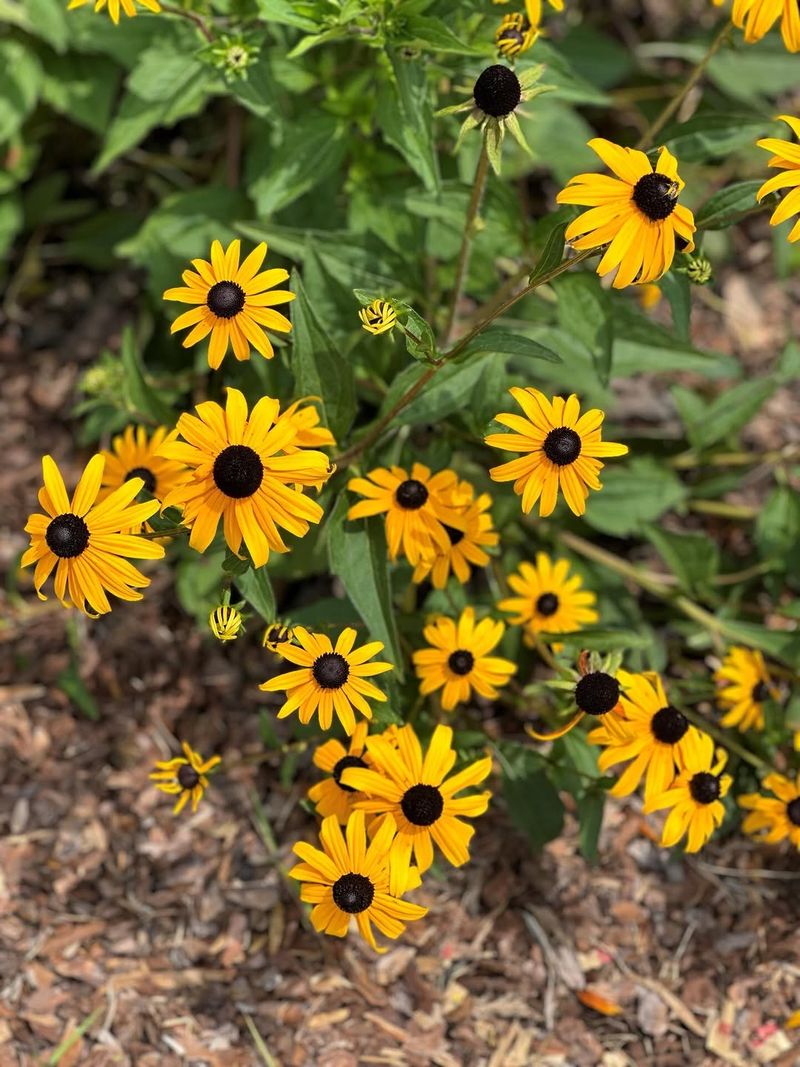
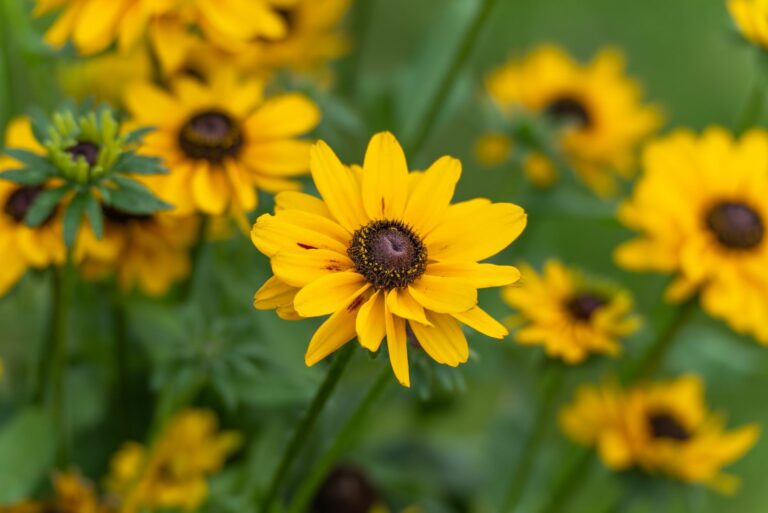
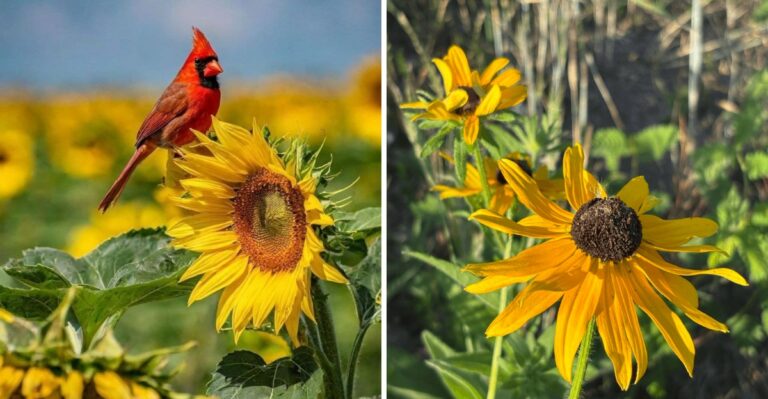
Few wildflowers say ‘Pennsylvania summer’ quite like the Black-Eyed Susan. Those cheerful yellow petals surrounding a dark chocolate center are a familiar sight along roadsides, meadows, and backyard gardens across the state.
They are bold, bright, and incredibly tough. Rudbeckia hirta, the plant’s scientific name, is built for survival in challenging soils. Clay does not slow it down one bit.
It reseeds freely every year, meaning once you plant it, you will likely never need to buy another one. New seedlings pop up around the parent plant each spring, slowly expanding the patch without any help from you.
Your Pennsylvania Garden Changes Every Week. Your Plan Should Too.
Gardening in Pennsylvania changes quickly throughout the season. Every Friday you’ll receive a simple weekly plan showing exactly what to plant, prune, fertilize, harvest, and protect so you never miss the right timing.
Black-Eyed Susans bloom from midsummer into fall, giving you months of color when many other plants are winding down. They grow about two to three feet tall and work beautifully in naturalistic plantings, cottage gardens, or mixed borders.
Full sun is where they shine brightest, though they tolerate a little afternoon shade without complaint.
Leaving the seed heads standing through winter is actually a smart move. Birds like goldfinches love snacking on the seeds during cold months, turning your garden into a little wildlife refuge.
Come spring, some of those seeds will sprout and continue the cycle. Did you know Black-Eyed Susan is the state flower of Maryland? Pennsylvania gardeners have long appreciated it too, and for good reason.
It is reliable, native, and full of personality. Pair it with switchgrass or Joe-Pye weed for a stunning naturalistic combination that practically takes care of itself.
3. Daylily
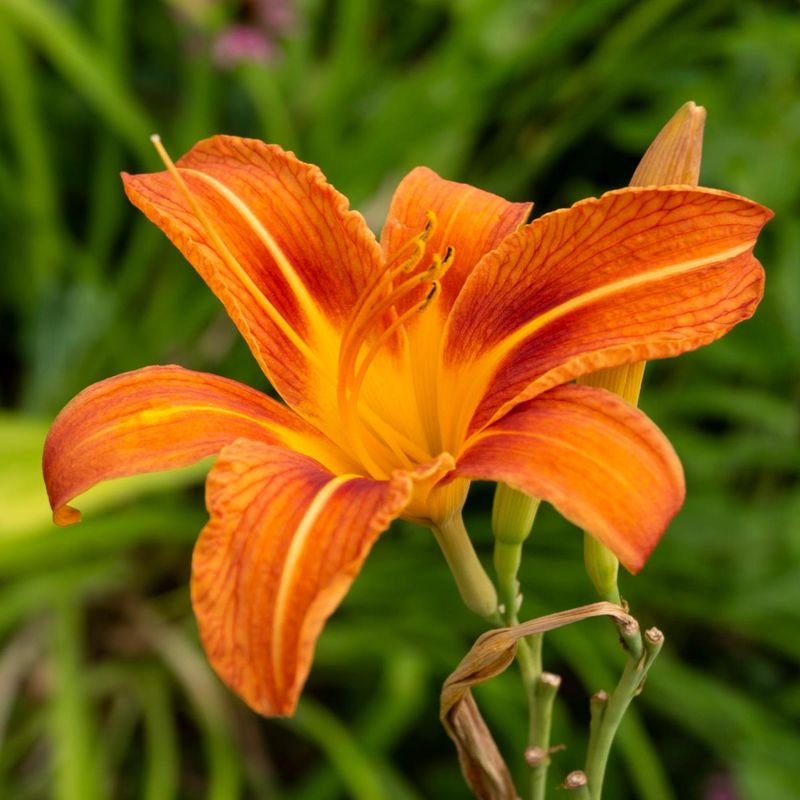
There is a reason daylilies show up in almost every Pennsylvania neighborhood. They are practically unstoppable.
Dense clay soil, drought, neglect, and even partial shade barely slow them down. These plants have a reputation for thriving in spots where other flowers simply give up.
Hemerocallis, the botanical name, translates roughly to ‘beautiful for a day,’ because each flower only blooms for a single day. But do not let that fool you.
A healthy clump produces dozens of buds, so the show keeps going for weeks. Varieties bloom from early summer through late summer depending on which type you choose, and mixing a few different ones extends the display beautifully.
Daylilies spread by forming ever-larger clumps of fleshy roots. Every few years, you can divide those clumps and replant the divisions elsewhere in your yard, or share them with neighbors.
This is one plant that practically multiplies for free. Many Pennsylvania gardeners pass daylily divisions down through generations, making them a truly timeless garden choice.
They are incredibly low maintenance once established. No deadheading is needed, and they rarely struggle with pests or disease.
Give them a spot with at least six hours of sun and they will reward you generously. Even in part shade, they still bloom, just a little less abundantly.
The classic orange ditch lily is the toughest of all, but modern hybrids come in nearly every color imaginable. From pale peach to deep burgundy, there is a daylily for every garden style and personality.
4. Switchgrass
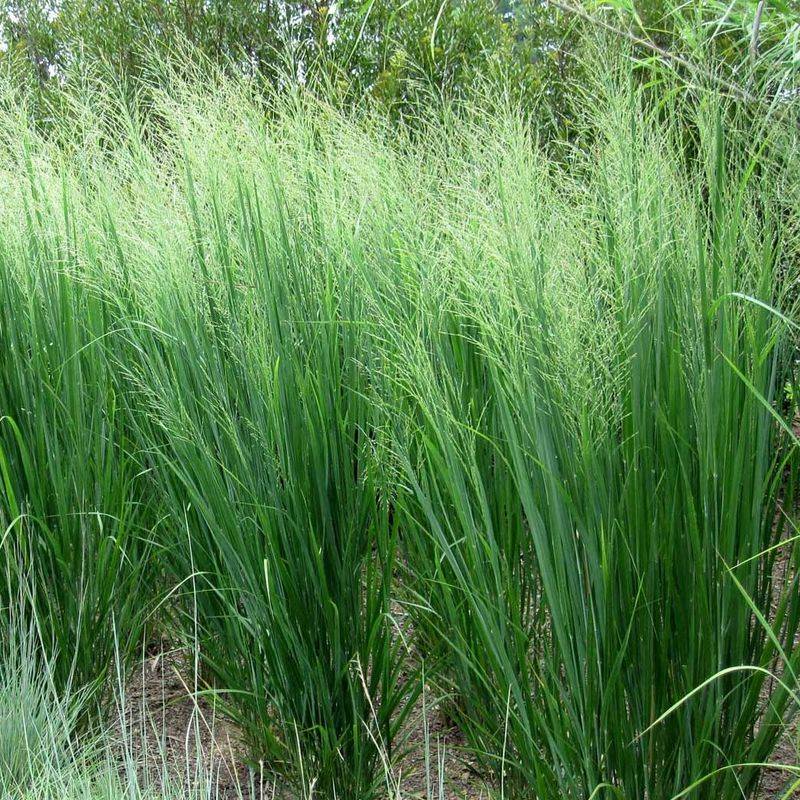
Switchgrass is one of those plants that looks effortless but works incredibly hard behind the scenes. Above ground, its airy, feathery seed heads sway in the breeze with a quiet elegance that few ornamental grasses can match.
Below ground, its deep root system is doing something truly impressive. Panicum virgatum is native to North American prairies, and Pennsylvania clay soil is no obstacle for it.
Those roots can reach six feet or more into the ground, breaking up compacted clay over time and improving drainage season by season. Planting switchgrass is basically a long-term investment in your soil’s health.
It grows anywhere from three to six feet tall depending on the variety, and it changes with the seasons in a beautiful way. Spring brings fresh green growth.
Summer adds soft, cloud-like seed heads. Fall turns the whole plant into shades of orange, red, and gold. Winter gives it a sculptural, frosted look that adds interest to an otherwise bare garden.
Switchgrass spreads slowly by seed and by underground rhizomes, gradually filling in an area without becoming aggressive. It is well-behaved compared to many spreading plants, making it easy to manage.
Varieties like ‘Shenandoah’ and ‘Heavy Metal’ are popular choices that stay upright and colorful through the seasons.
Birds love the seeds, and the dense clumps provide shelter for small wildlife during cold months. If you want a plant that earns its keep in every season while quietly fixing your tough Pennsylvania soil, switchgrass is a strong choice that rarely disappoints.
5. Joe-Pye Weed
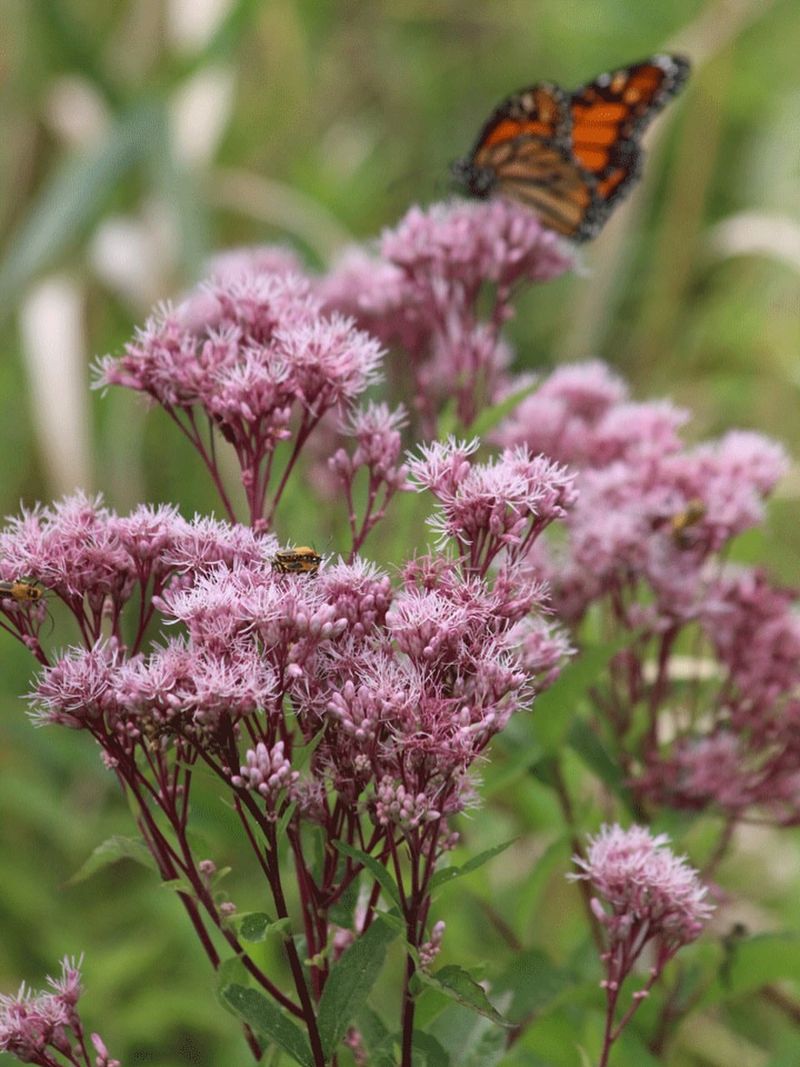
Joe-Pye weed has one of the most memorable names in the plant world, and it lives up to the intrigue. Legend has it the plant was named after a Native American healer named Joe Pye who used it medicinally.
Whether that story is fully accurate or not, this plant has earned legendary status in Pennsylvania native gardens.
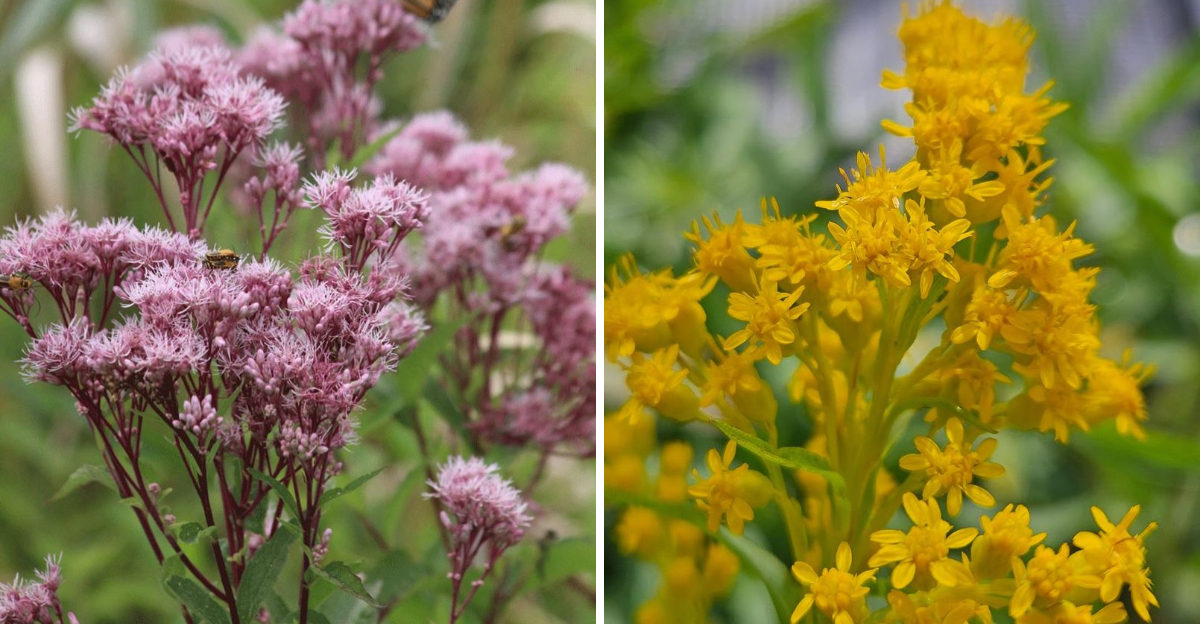
Growing up to seven feet tall in the right conditions, Joe-Pye weed is a true showstopper in late summer. Its large, domed clusters of dusty pink to mauve flowers attract an incredible number of butterflies, especially monarchs and swallowtails.
Standing near a blooming Joe-Pye plant on a warm August afternoon feels like watching a nature documentary up close.
Moist, heavy clay soil is practically ideal for this plant. It naturally grows along stream banks and low-lying meadows, so wet clay spots that frustrate other plants are exactly where Joe-Pye thrives.
Once established, it spreads steadily and returns reliably every year without needing to be replanted.
Give it a spot with full sun to light shade and plenty of room to grow. It works well at the back of a border or in a naturalized area where its height becomes an asset rather than a problem.
Cutting stems back by half in late spring, a technique called the Chelsea chop, keeps plants a bit shorter and encourages bushier growth.
Joe-Pye weed is a true workhorse for Pennsylvania gardeners who want big, bold, pollinator-friendly plants that handle tough soil with zero fuss and maximum impact.
6. Goldenrod
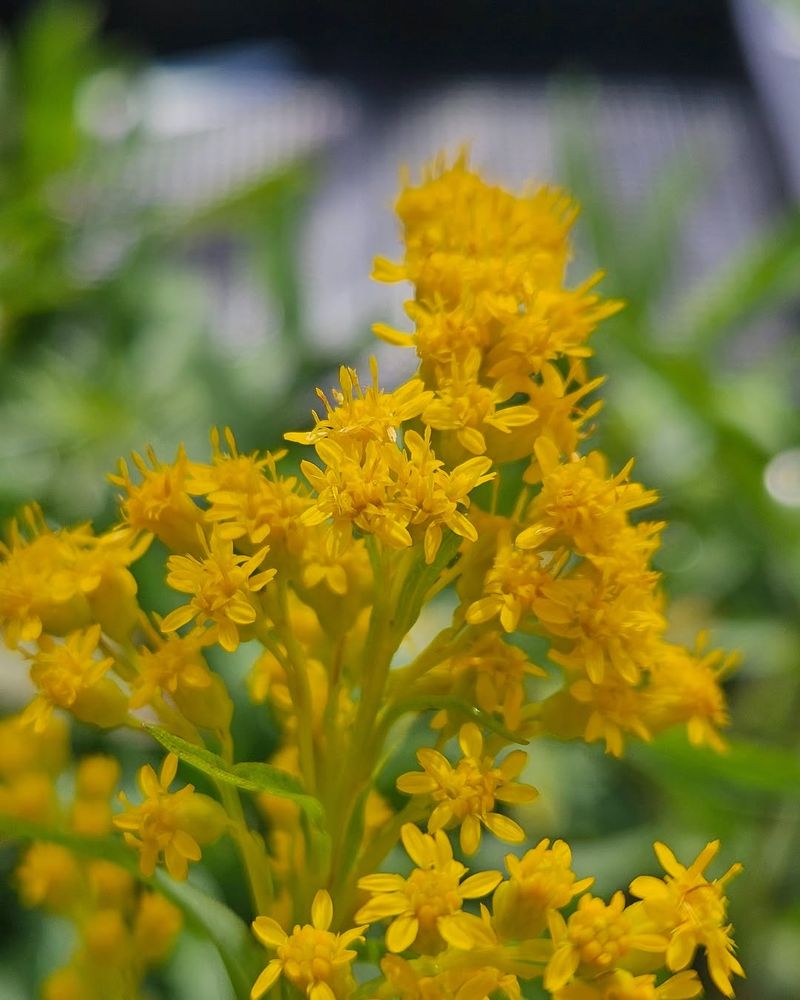
Goldenrod gets a bad reputation that it absolutely does not deserve. Many people blame it for fall allergies, but that is actually ragweed causing the trouble.
Goldenrod’s pollen is too heavy and sticky to float through the air. It is completely misunderstood, and Pennsylvania gardeners who give it a chance are always glad they did.
Solidago species are native to Pennsylvania and incredibly well adapted to local growing conditions. Clay soil suits them just fine.
Once planted in a sunny spot, goldenrod spreads by both seeds and underground rhizomes, gradually filling in bare areas with cheerful yellow plumes every fall. It is one of the most reliable spreaders in the native plant world.
The bright yellow flowers bloom from late summer into October, providing a critical food source for bees, butterflies, and other pollinators preparing for winter.
Over 100 insect species depend on goldenrod. Planting it is one of the kindest things a Pennsylvania gardener can do for local wildlife.
Goldenrod grows anywhere from two to four feet tall depending on the species. ‘Fireworks’ and ‘Golden Fleece’ are popular compact varieties that look polished in a garden setting without losing their wild charm.
They pair beautifully with asters, switchgrass, and Joe-Pye weed in a classic Pennsylvania meadow-style planting.
Maintenance is minimal. Cut it back in late winter before new growth emerges and divide clumps every few years to keep things tidy.
For a carefree, wildlife-friendly, fall-blooming plant that spreads on its own, goldenrod is hard to beat.
7. Pennsylvania Sedge
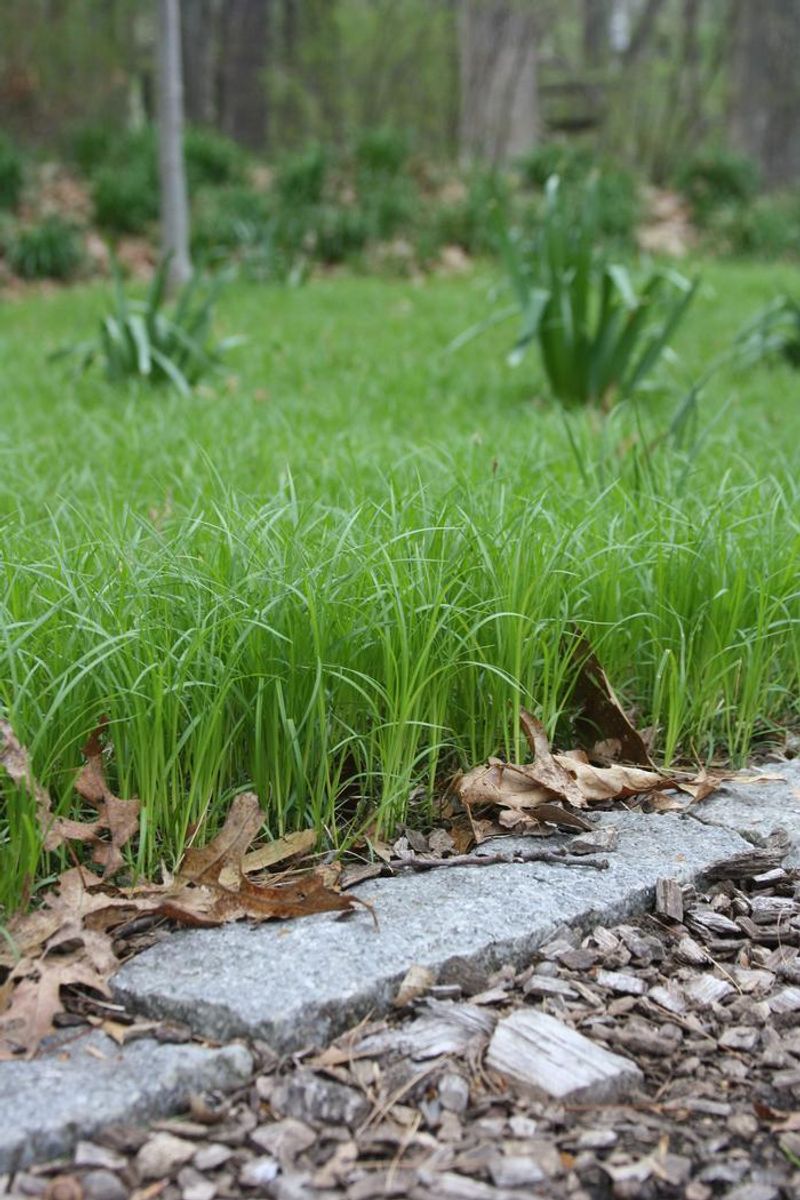
Pennsylvania sedge is one of those quiet, unassuming plants that slowly does exactly what you need it to do without any fanfare. It does not have showy flowers or dramatic fall color.
What it does have is an extraordinary ability to form a dense, weed-suppressing mat of fine, arching green foliage in places where most plants refuse to grow.
Carex pensylvanica is native to Pennsylvania woodlands, which means it is perfectly at home under trees, along shady slopes, and in dry to moderately moist clay soils.
It spreads by underground rhizomes at a slow, steady pace, gradually knitting together into a lush, low carpet that reaches only about six to twelve inches tall. It is the kind of ground cover that looks like it has always belonged there.
One of its biggest selling points is shade tolerance. Deep shade under established trees is one of the toughest gardening challenges, and Pennsylvania sedge handles it with ease.
It stays green through most of the year in mild winters and bounces back quickly in spring after cold snaps.
Foot traffic is not its strong suit, so it works best in areas where people are not constantly walking. Use it under trees, along pathways, or on slopes where erosion is a concern.
Once established, it needs almost no watering, no fertilizing, and no mowing unless you want a tidier look.
For shady clay spots that feel impossible to plant, Pennsylvania sedge is the answer that experienced native plant gardeners have been recommending for years. It is patient, tough, and quietly beautiful.