6 Perennials That Thrive In Michigan Springs (And 4 That Barely Make It To Summer)
Most Michigan gardeners find out the hard way. They spend money, they plant with hope, and then spring does what Michigan spring always does. Some plants answer the call. Others just quietly give up.
What separates a garden that absolutely explodes with color from one that looks apologetic until July has nothing to do with luck. It has nothing to do with skill.
It comes down to one thing: knowing which perennials were actually built for this state’s unpredictable spring season.
Some of the plants on this list will genuinely surprise you. A few of the ones that struggle are probably already sitting in your yard right now, and you have no idea.
And the ones that thrive? They do things in a Michigan spring garden that you have to see to believe.
Gardeners who know this information plan better, spend smarter, and walk outside in May to something worth talking about. Before you buy a single plant this season, read every word of this.
1. Let Hellebores Lead The Spring Show
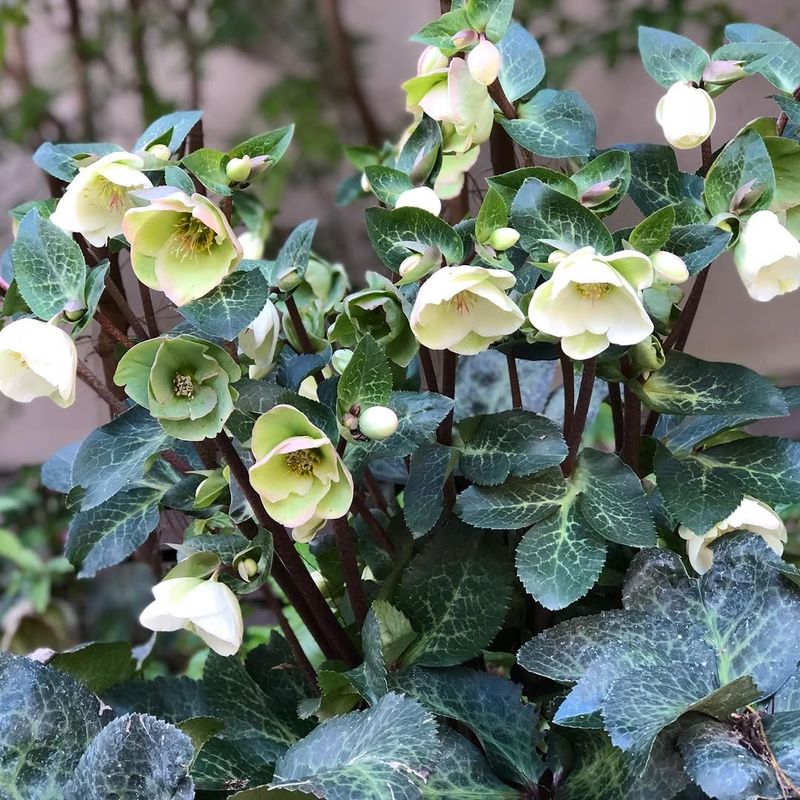
While the rest of your garden is still hitting snooze, hellebores are already clocked in and working. These tough perennials push out nodding blooms in late February or March. Sometimes, even with frost still on the ground.
They are perfectly built for Michigan’s shaded spots under trees, where spring light filters through bare branches. They want well-drained, humus-rich soil.
They do not want wet feet. Amend your planting area with compost before dropping them in, and they will pay you back for years.
The foliage is the real bonus. Dark, leathery, evergreen leaves stay attractive long after the blooms are gone.
Through summer, fall, and straight into winter, hellebores hold their structure when everything else has checked out for the season. Your garden looks intentional even in February. That is a rare thing.
Hellebores also shrug off most pests and diseases. Slugs occasionally show up, but rarely cause real damage.
Just trim old leaves in late winter before new growth pushes through. Plant in groups of three or more for visual weight.
Then step back and let them do their thing, because hellebores have been doing this long before you showed up.
2. Plant Virginia Bluebells For A Cool Weather Glow
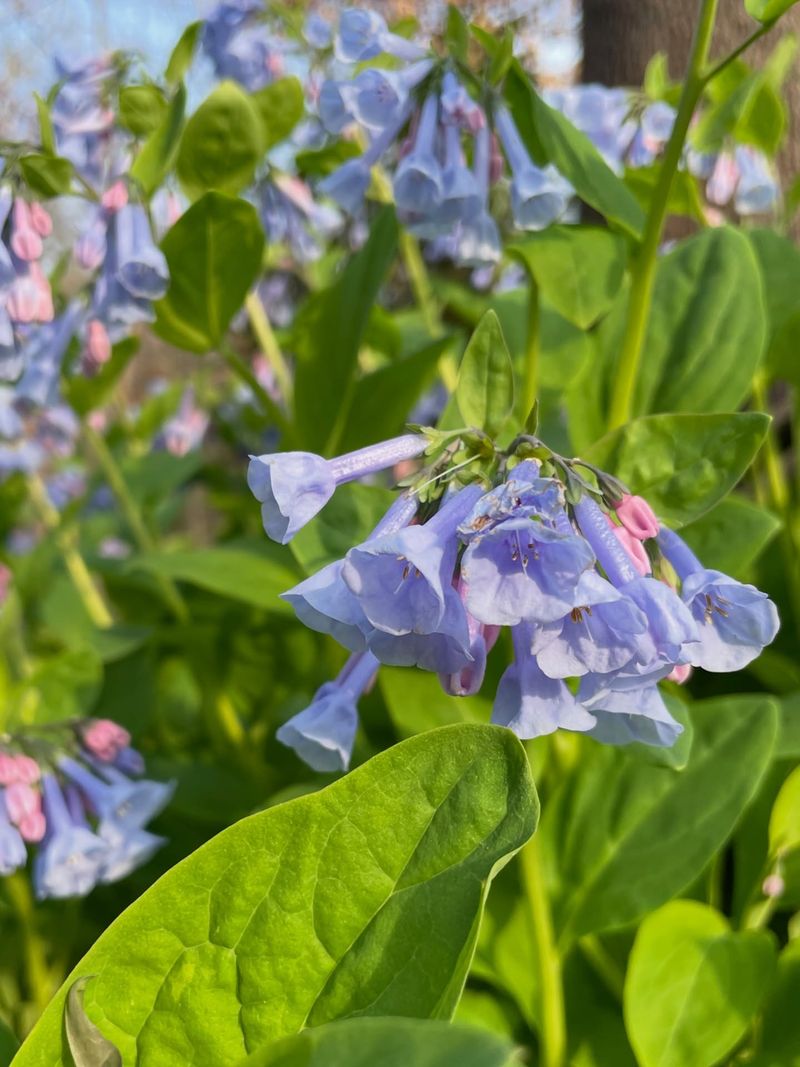
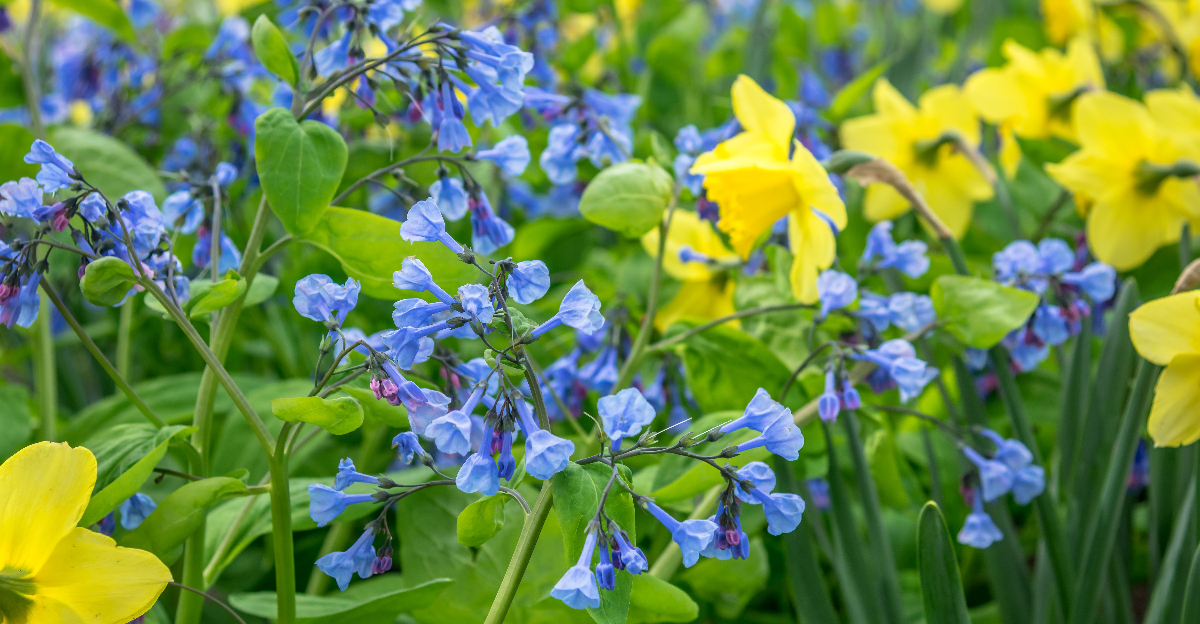
Few plants earn a gasp quite like Virginia bluebells in full bloom. The buds open pink, then shift to a soft, luminous sky blue as they mature.
It is a two-tone trick that looks almost too good to be real. And it happens right in April and May when Michigan gardeners are absolutely starving for color.
As a native plant, Virginia bluebells know this state’s spring playbook by heart. Cool temperatures, moist soil, dappled shade.
They thrive in exactly the conditions Michigan reliably delivers. Stream banks, rain gardens, and shaded borders that stay damp through spring. These are their happy places.
Early bumblebees know it too. Freshly out of overwintering, they make a beeline straight for bluebells when almost nothing else is open yet.
Your Michigan Garden Changes Every Week. Your Plan Should Too.
Gardening in Michigan changes quickly throughout the season. Every Friday you’ll receive a simple weekly plan showing exactly what to plant, prune, fertilize, harvest, and protect so you never miss the right timing.
Planting these is essentially putting out a welcome mat for your most important spring pollinators.
Now for the twist. Virginia bluebells are spring ephemerals. By midsummer, the foliage yellows and disappears completely. No trace. No warning. Just gone.
Plan for this by placing summer perennials nearby to fill the void they leave behind. The good news is they spread by seed on their own schedule. A small patch today becomes a sweeping colony over several years. Let them do the math.
3. Bring In Bleeding Hearts For Woodland Charm
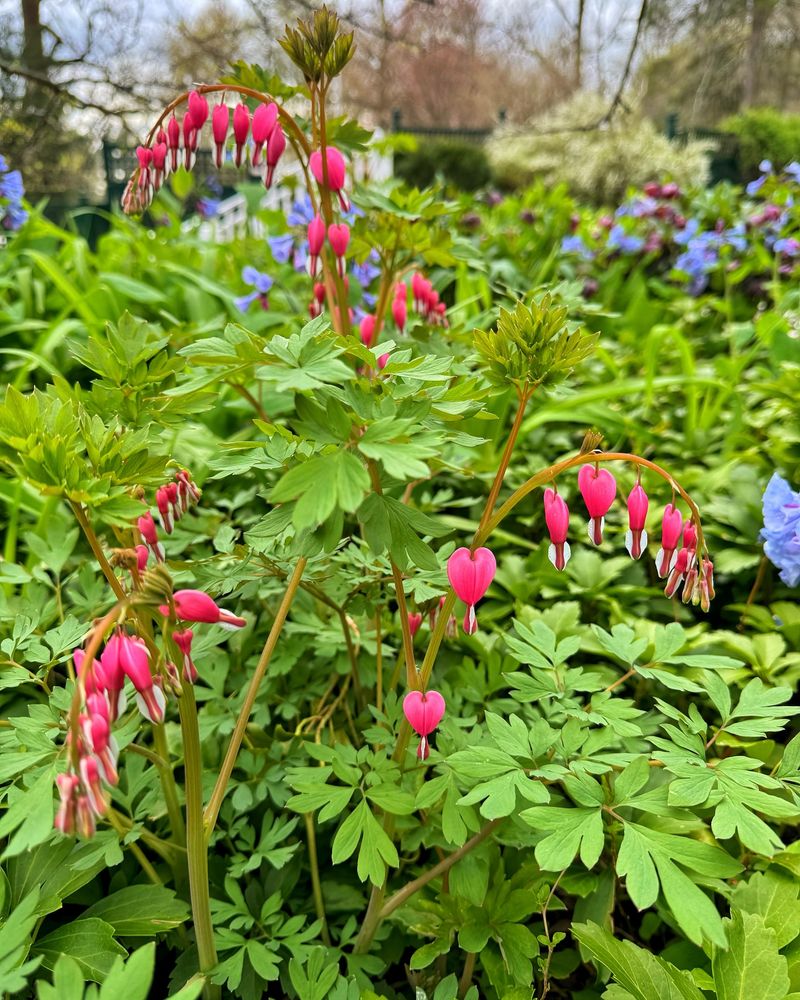
Bleeding hearts are proof that drama and elegance can share the same stem. Those long branches lined with heart-shaped blooms have been stopping gardeners mid-stride for generations.
Michigan’s cool, shaded spring gardens are precisely where they feel most like themselves. They bloom from mid-April through late May.
They want partial shade and consistently moist, well-drained soil. Morning sun is fine. Harsh afternoon sun is not.
In Michigan, spring afternoons can flip from pleasant to scorching inside a week, and bleeding hearts notice. Too much heat scorches the foliage and sends the plant into early dormancy before you are ready to say goodbye.
Moisture matters, but drowning does not. Good drainage is essential, especially during Michigan’s soggy spring weeks.
A layer of organic mulch around the base goes a long way. It holds moisture, keeps roots cool, and buys the plant a little more time before summer arrives.
After blooming, the foliage gradually fades. This is not a problem. It is just the plan. Pair bleeding hearts with hostas, ferns, or astilbe to pick up the visual slack once they step offstage.
For Michigan specifically, Dicentra eximia species handles heat better than traditional Asian varieties. It gives you the same romance, with a little more staying power.
It gives you the same romance, with a little more staying power. Either way, bleeding hearts belong in any shaded border worth taking seriously.
4. Use Trilliums For A Native Spring Moment
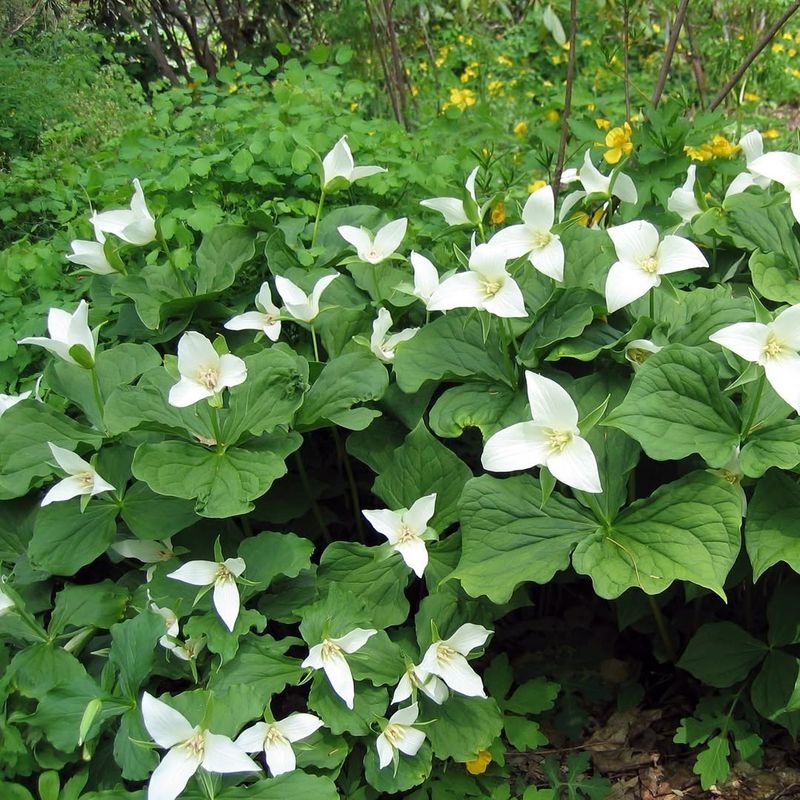
There is a moment in every Michigan April that feels sacred. You are walking through a woodland, and then suddenly, there they are.
Trilliums in full bloom. Nothing in the garden quite replicates that feeling, but with some patience, you can get close.
Now, patience is the operative word. A trillium grown from seed takes five to seven years to bloom.
That is not a typo. These plants operate on their own timeline, and they are completely unbothered by your schedule.
The reward for waiting is a naturalized colony that multiplies slowly and looks like it has always been there. Because eventually, it has.
Wild trilliums have been over-harvested for decades. Always buy nursery-propagated plants from reputable native sources.
Never dig from natural areas. The plants are slow to recover, and populations can take generations to rebuild. Your garden deserves the real thing, sourced the right way.
Trilliums want deep shade, consistently moist soil, and plenty of leaf litter. They hate drought. They hate compacted soil. Replicate their woodland home, and they ask for almost nothing in return.
Michigan State University Extension calls them important early pollinator plants. Native bees visit them when almost no other flowers are available.
Ants carry their seeds back to nests and accidentally plant new colonies. Trilliums have figured out a whole system, and you get to watch it unfold right in your own backyard.
5. Add Trout Lilies For Early Season Spark
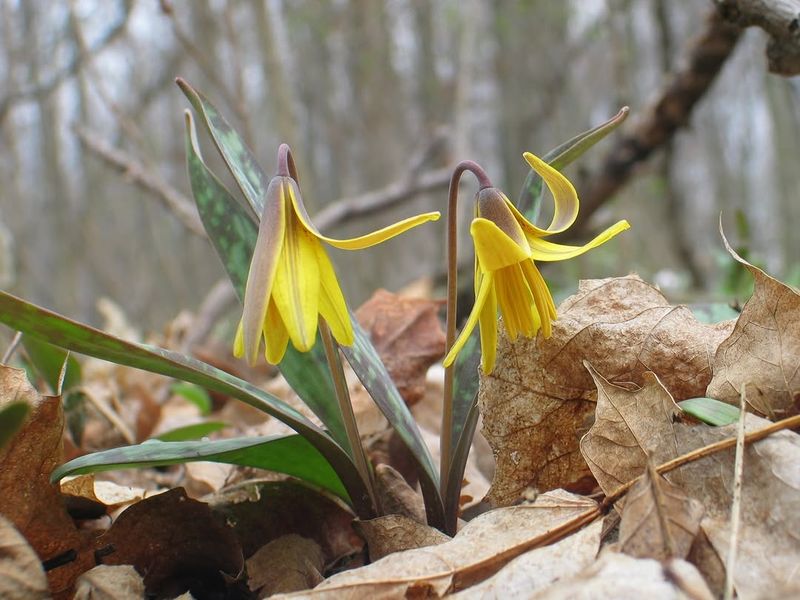
The speckled leaves show up first, mottled brown and green like the flank of a brook trout lying still in cold water.
Then the flowers come. Small, brilliant yellow, catching the low March or April light in a way that feels completely out of season. Trout lilies do not wait for warm weather. They were built for the cold open.
As a native Michigan woodland plant, trout lilies are tuned precisely to early spring conditions.
Cold soil, dappled shade, rich, moist ground under a canopy that is barely leafing out. That is their window, and they use every day of it. Dry sunny borders are not their scene.
A naturalized area under deciduous trees, where leaf litter keeps moisture steady, is exactly what they want.
Here is what surprises first-time growers. By early summer, the foliage is completely gone. No trace above ground.
However, the corms stay active underground, storing energy for next spring. But you would never know it.
So, resist the urge to dig around looking for them. The corms are easy to damage when you cannot see them.
From a pollinator standpoint, trout lilies earn serious respect. Early native bees have almost nothing else to visit when these flowers open. Every bloom is a lifeline.
Plant them alongside Virginia bluebells and trilliums, and you have a layered native woodland garden that supports wildlife from the very first thaw. That is not just beautiful. That is genuinely useful.
6. Count On Peonies For Late Spring Drama
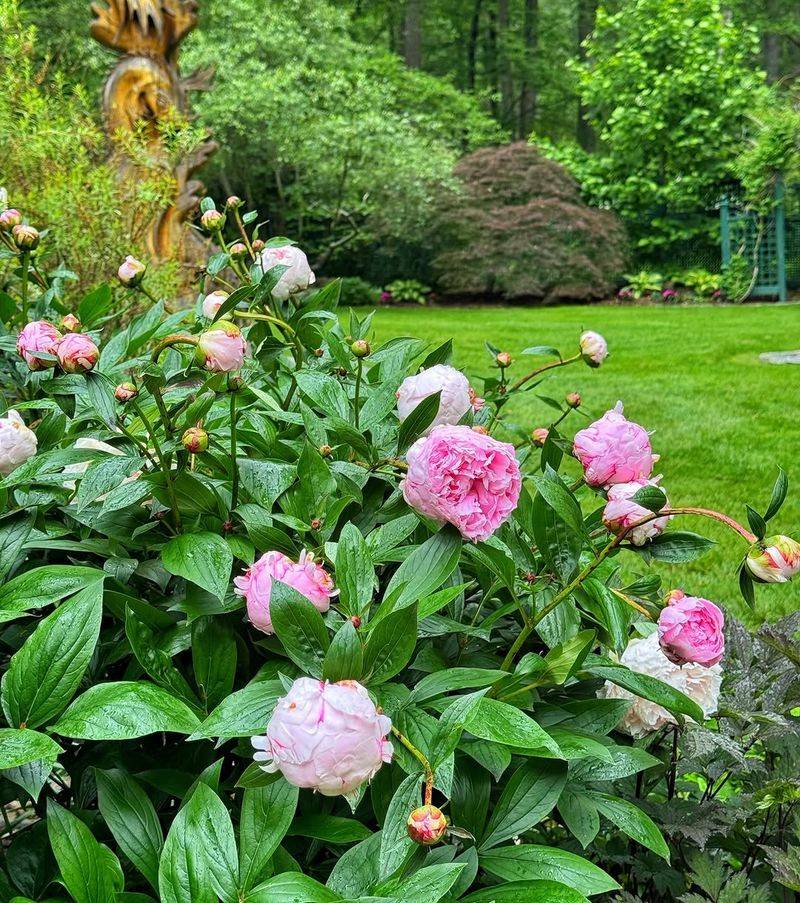
Peonies do not sneak up on you. They announce themselves. By late May, those fragrant blooms in white, pink, red, and coral are putting on a performance that the rest of the garden simply cannot compete with.
Midwestern gardeners have known this for over a century. Peonies are not a trend. They are a tradition, and they have earned every bit of it.
The sun is the first requirement, and there is no negotiating. Six hours of direct sunlight daily, minimum. Shaded spots produce weak stems and sparse blooms.
Good airflow is equally important. Botrytis blight, a fungal disease that loves cool, damp conditions, moves fast in a crowded bed. Give plants room to breathe, and the problem mostly takes care of itself.
Support is not optional. Peony blooms are heavy, and a spring rain combined with wind will knock them flat.
Install wire peony rings early, before stems grow through them. Let the plant grow up inside the support naturally. Future you will be grateful.
Late frosts in Michigan can catch emerging buds off guard. A freeze in early May is not unusual. Keep a row cover or old bedsheet nearby for those nights when the forecast turns suspicious.
One more thing. Do not plant too deep. The eyes should sit no more than one to two inches below the soil surface. Plant them deeper, and you will wait years for blooms. Peonies are patient, but they are not forgiving about this.
7. Watch Hostas When Slugs Move In
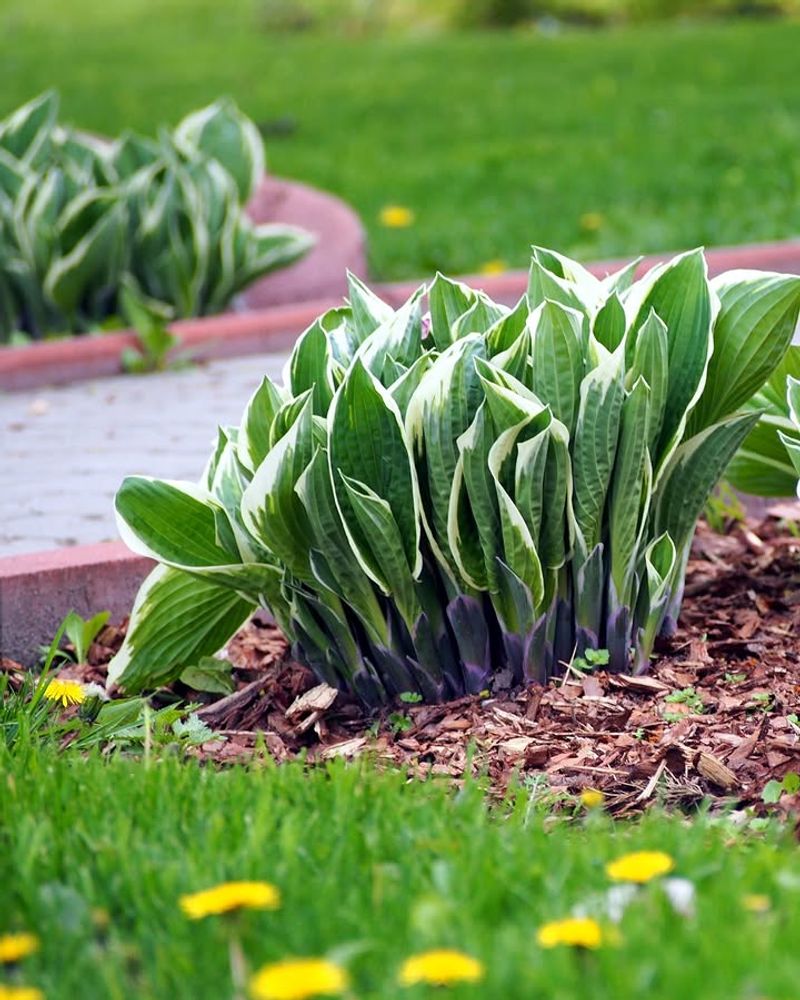
Hostas have a reputation for being bulletproof. That reputation is mostly deserved, but wet springs have a way of introducing a very specific villain into the story. Slugs. Cool, damp, shaded conditions are basically a five-star resort for slugs.
The damage is hard to miss. Ragged holes chewed through leaves overnight, and silvery slime trails across the foliage by morning.
In a genuinely wet spring, the destruction can be severe enough to leave plants looking completely shredded. It is the kind of thing that makes gardeners question all their choices at once.
Variety selection is your first line of defense. Thick-leaved hostas like Sum and Substance or Halcyon hold up far better than thin-leaved types.
Slugs can still visit, but they cannot do nearly as much damage when the foliage puts up more of a fight.
Prevention beats cleanup every time. Pull mulch a few inches back from plant crowns to remove slug hiding spots.
Improve drainage in low-lying areas where water sits after rain. Copper tape around raised beds acts as a physical deterrent.
Iron phosphate slug bait works well and is considered safe around pets and wildlife when used correctly.
Spacing is, however, underrated as a strategy. Crowded hostas create a humid microclimate at soil level that slugs absolutely love.
Give each plant room to breathe. Catching a slug problem early is the difference between minor touch-ups and full-scale damage control.
8. Give Pulmonaria Extra Protection In Wet Springs
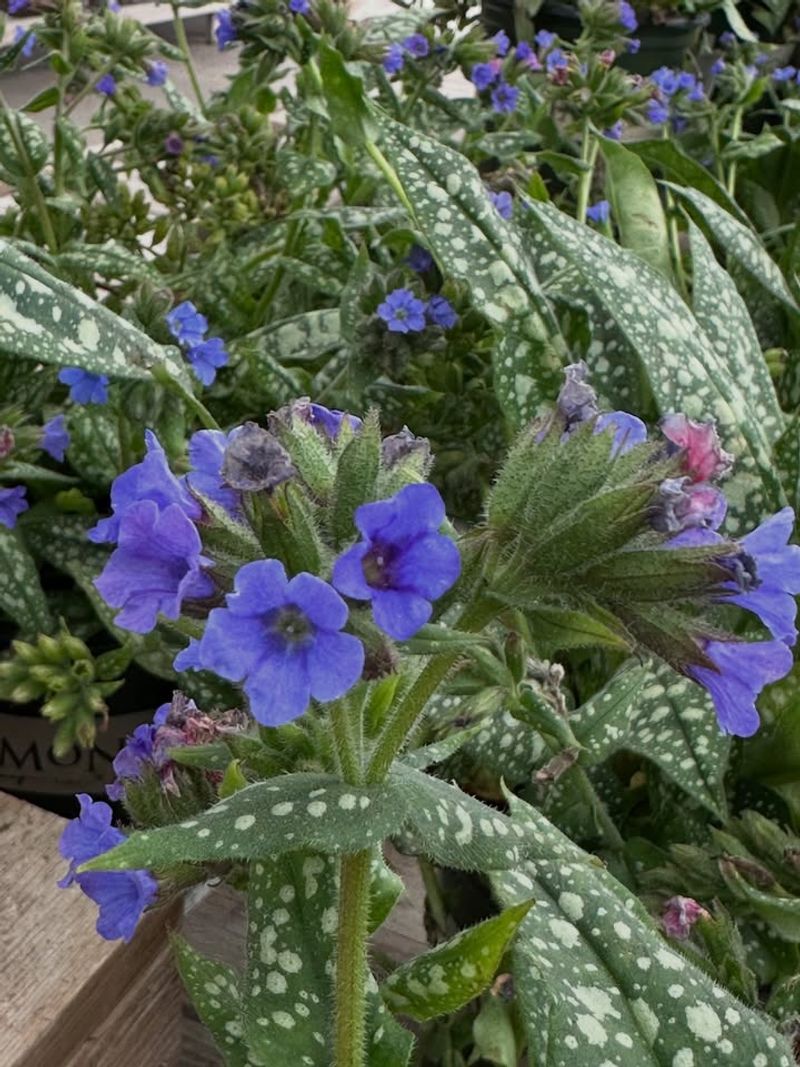
Pulmonaria starts spring looking like it has everything figured out. Silver-spotted leaves that catch the light in a distinctive way.
Early blooms in blue, pink, and purple arrive exactly when the garden needs them most. For a few weeks, lungwort looks like one of the smartest plants in the border.
Then Michigan spring does what it does. Wet, cool, grey weeks with poor air circulation, and suddenly powdery mildew shows up uninvited.
White or grey powder coats the leaf surfaces, spreading fast under the right conditions. The plant rarely perishes from it, but it looks rough and tired right when everything else is hitting its stride.
Luckily, the fix is mostly about space. Crowded pulmonaria traps moisture around foliage and sets up the perfect environment for fungal problems to thrive.
Give each plant at least eighteen inches of breathing room on all sides. That one change makes an enormous difference in how plants perform through a wet spring.
Also, water at the soil level, not overhead. Wet leaves in cool weather are an open invitation to mildew. Remove affected foliage the moment you spot it. Do not let it sit and spread.
After blooming, cut the whole plant back hard. New foliage flushes in healthy, and the plant finishes summer looking far better than it started.
Choose mildew-resistant varieties like Raspberry Splash or Trevi Fountain when possible. They handle Michigan’s moody spring weather considerably better than older cultivars. And more importantly, they make the whole process feel a lot less like a battle.
9. Keep Rudbeckia From Getting Mildew Trouble
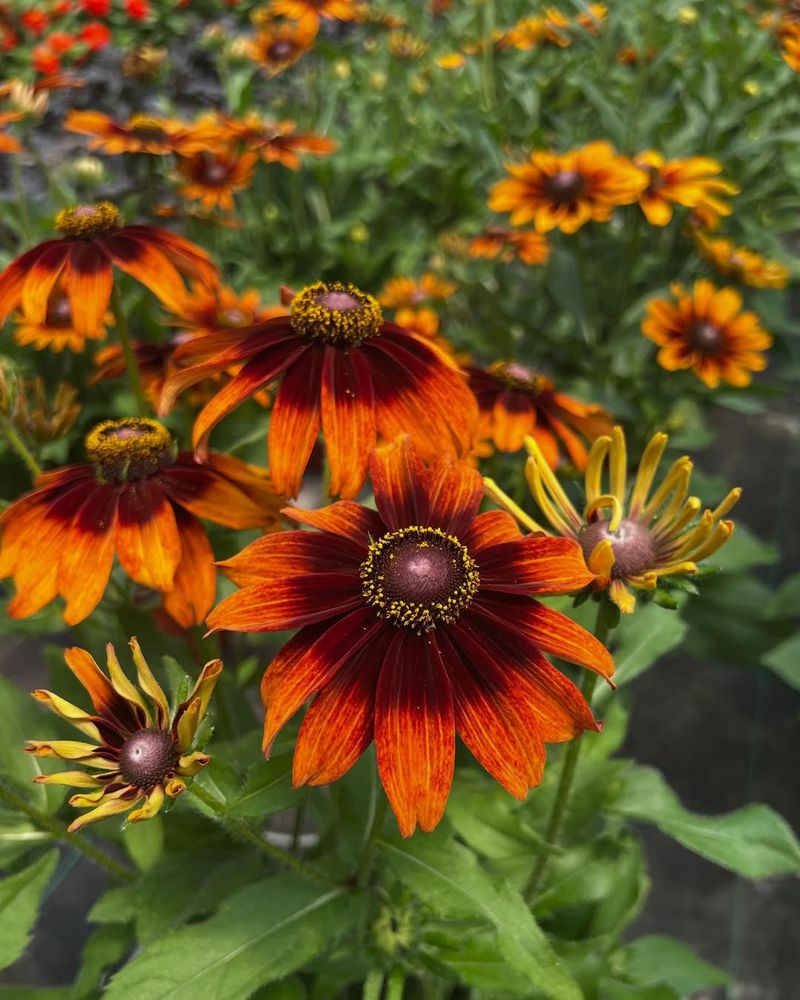
Rudbeckia has a reputation for toughness that it absolutely earns by midsummer. Bright yellow blooms, strong stems, reliable performance through heat and drought.
By July, it looks completely unstoppable. But from April through June, there is a version of this plant that most gardeners usually don’t advertise on their social media.
Wet spring weeks combined with dense planting create the exact conditions powdery mildew needs to get a foothold. It starts on the lower leaves, where airflow is worst.
White or grey patches spread upward from there. Plants that spend spring fighting fungal disease arrive at summer already behind, and the bloom display suffers for it.
Sun is non-negotiable for Rudbeckia in Michigan. A plant in partial shade during cool spring weather is way more vulnerable than one growing in a fully open, sunny location.
Low-lying spots where cold air and moisture collect overnight are the worst possible placement. So, avoid them without exception.
Spacing also does real work here. Eighteen to twenty-four inches between plants keeps air moving freely through the planting.
That single decision prevents more disease problems than any spray or treatment applied after the fact.
Variety selection rounds out the strategy. Goldsturm and the American Gold Rush are both recommended.
They come into spring with disease resistance already built in, which means less monitoring and more enjoying.
Remove affected lower leaves promptly and skip the overhead watering entirely. Rudbeckia already has enough to manage in a Michigan spring without help.
10. Help Coreopsis Push Through Cool Wet Weather
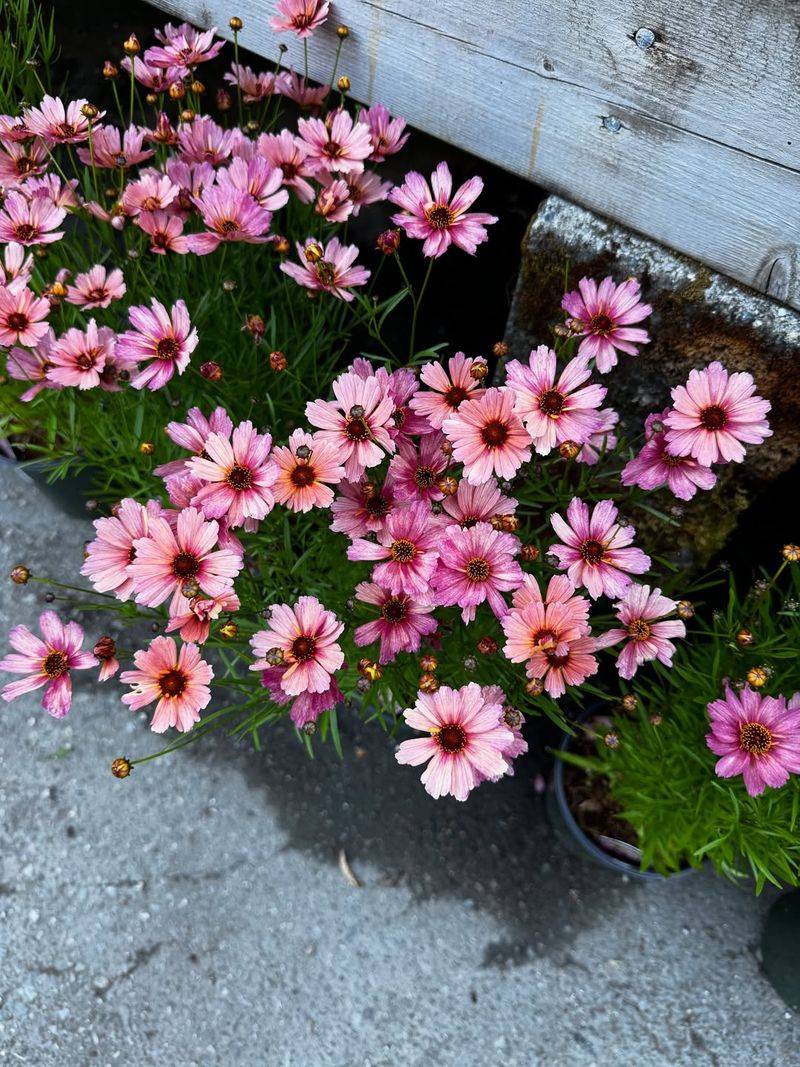
Coreopsis looks like a summer plant. Bright, sunny, cheerful flowers that seem engineered for heat and dry spells. And in summer, that description is completely accurate.
But Michigan springs have a habit of testing plants before the easy weather arrives. Coreopsis walks into that test with one significant vulnerability: drainage. Or more specifically, the lack of it.
Heavy clay soil that stays saturated for weeks is the enemy. Coreopsis roots don’t tolerate waterlogged conditions for any extended period.
In Michigan, a wet April or May can mean standing water in low spots for weeks at a stretch.
Roots sitting in soggy soil cannot function properly. The plant responds with yellowing foliage, stunted growth, and a general look of defeat that no amount of summer sunshine fully corrects.
However, site selection solves most of this before it starts. Full sun and fast-draining soil are the two requirements that matter most.
Improve drainage with raised beds, berms, or compost and avoid planting in low, waterlogged spots.
Cut back any weak or mushy growth early in the season without hesitation. The plant needs to redirect energy into healthy new stems, and holding onto struggling growth just delays the recovery.
Also, avoid overwatering in spring. Rainfall provides more than enough moisture on its own, and adding more is the last thing this plant needs.
Threadleaf varieties like Moonbeam handle wet springs slightly better than upright types, making them the smart starting point for Michigan gardeners. If you want reliable results from the first thaw, this is what you need to do.