What To Do If A Fox Appears In Your Georgia Yard And Mistakes To Avoid
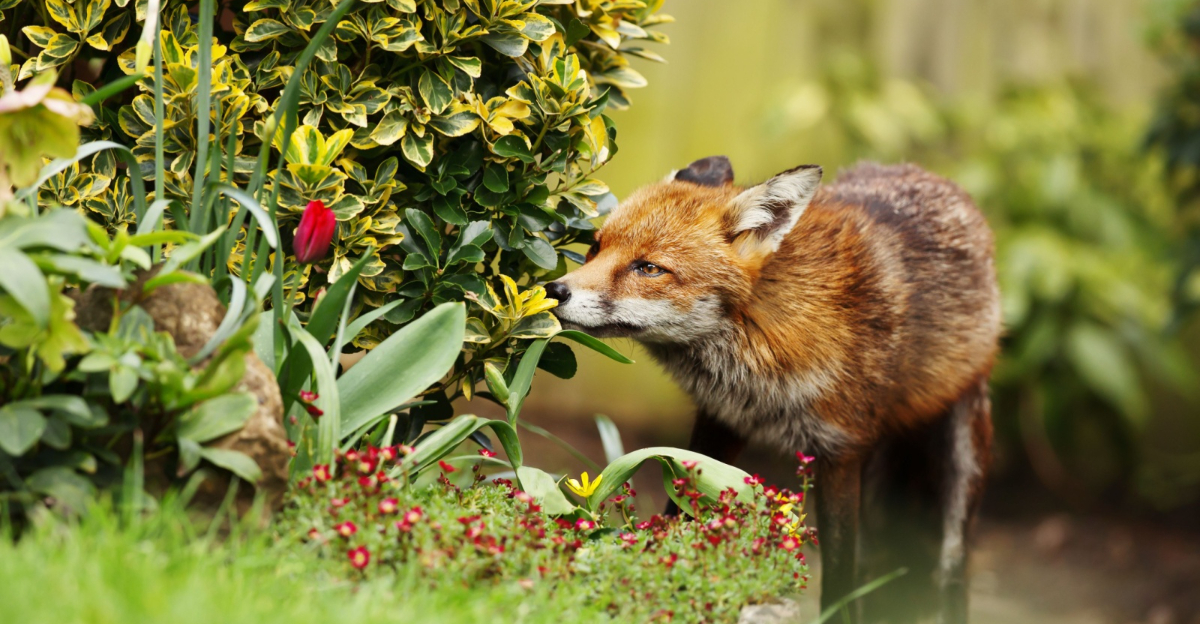
A fox in the yard has a way of turning an ordinary Georgia morning into a full backyard wildlife episode. One second you are checking the garden, the next you are whispering, “Is that a fox?” like you just spotted a celebrity near the compost bin.
Red foxes and gray foxes both live in Georgia, so an occasional visit near fences, wooded edges, or quiet corners is not too shocking. The key is staying calm and not turning the moment into a chase scene.
A fox passing through is often just looking for food, shelter, or a route across the neighborhood.
Pets, poultry, trash, and outdoor food can make a yard more interesting, so a few smart choices can help keep the visit brief, safe, and less dramatic for everyone involved.
1. Stay Calm And Watch From A Distance
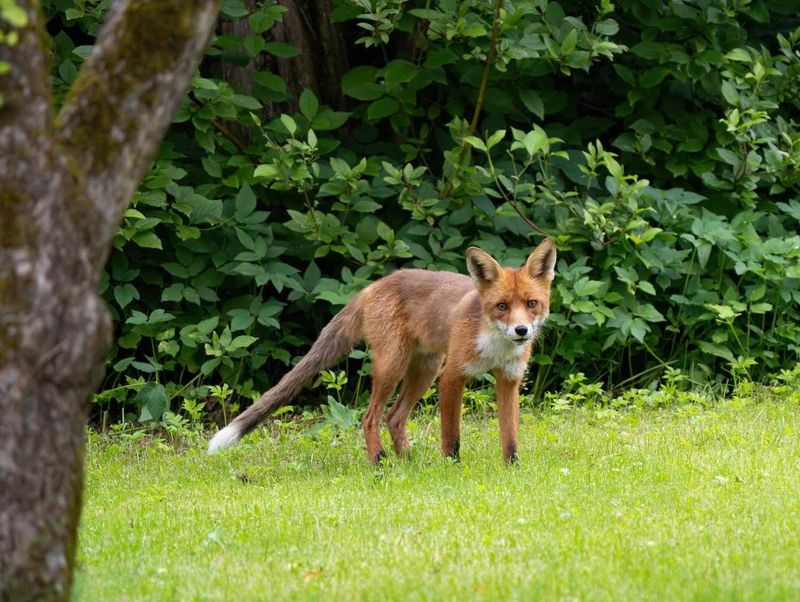
A flash of rusty orange near the fence line or a gray shape slipping through the garden can make your heart jump, but taking a slow breath is genuinely the best first move.
Foxes passing through Georgia yards are often just doing what they do naturally, searching for food, exploring territory, or simply cutting through on their way somewhere else.
Reacting with loud noise or sudden movement right away may startle the fox and cause it to behave unpredictably.
Watching quietly from inside your home or from a comfortable distance gives you a chance to actually observe what the fox is doing. Is it moving smoothly and confidently?
Does it seem alert and aware of its surroundings? A fox that moves normally and shows no interest in people is likely healthy and passing through on its own schedule.
Taking a few minutes to observe also helps you gather useful information. You can note the time of day, where the fox entered the yard, and whether it seems to be returning regularly.
Georgia foxes are most active at dawn and dusk, so a daytime sighting is worth paying attention to but does not automatically signal a problem. Staying calm means you can make smarter, safer decisions rather than reacting out of surprise or fear.
2. Do Not Feed Or Approach The Fox
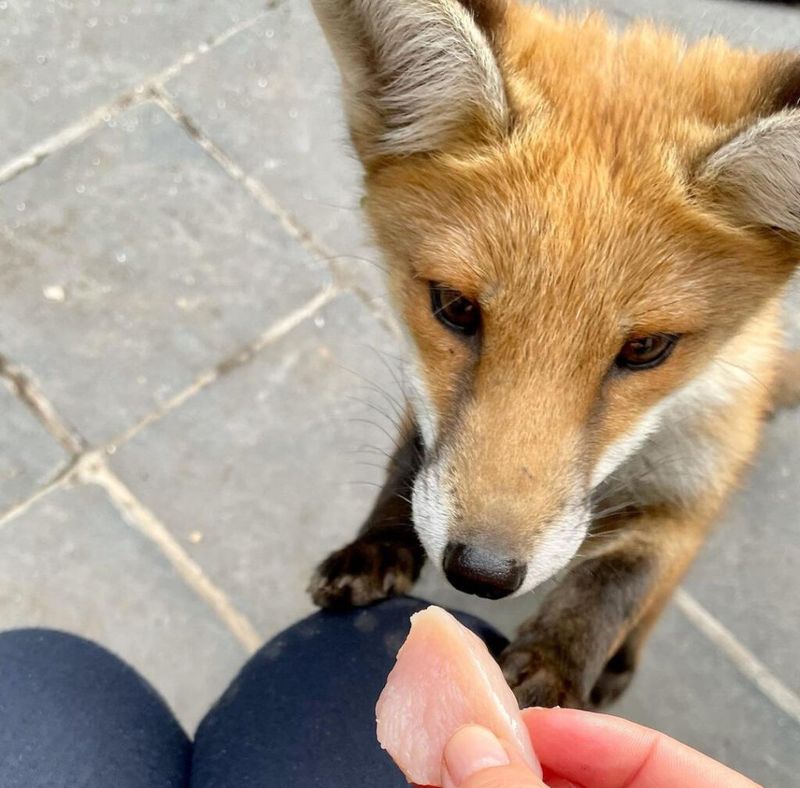
Watching a fox from your porch can feel like a magical wildlife moment, and the temptation to toss it a scrap of food or inch closer for a better look is completely understandable.
However, feeding a wild fox is one of the most common mistakes homeowners make, and it tends to create far bigger problems than the original encounter.
When foxes learn that a yard offers food rewards, they begin returning more frequently and may lose their natural wariness of people.
A fox that feels comfortable approaching humans is more likely to wander near children, pets, or neighbors who may not respond as calmly.
Over time, this kind of habituation can put both the fox and people at greater risk.
Approaching the fox directly is equally risky. Even a healthy fox may feel cornered and react defensively if a person gets too close.
Your Georgia Garden Changes Every Week. Your Plan Should Too.
Gardening in Georgia changes quickly throughout the season. Every Friday you’ll receive a simple weekly plan showing exactly what to plant, prune, fertilize, harvest, and protect so you never miss the right timing.
Wild animals rely on their instincts, and what feels like a friendly gesture to you can feel like a threat to them. Keeping a respectful distance protects you and also gives the fox the space it needs to move along naturally.
Letting the fox pass through without interaction is almost always the safest and most responsible choice for Georgia homeowners who want to coexist with backyard wildlife.
3. Bring Pets Indoors Or Keep Them Closely Supervised
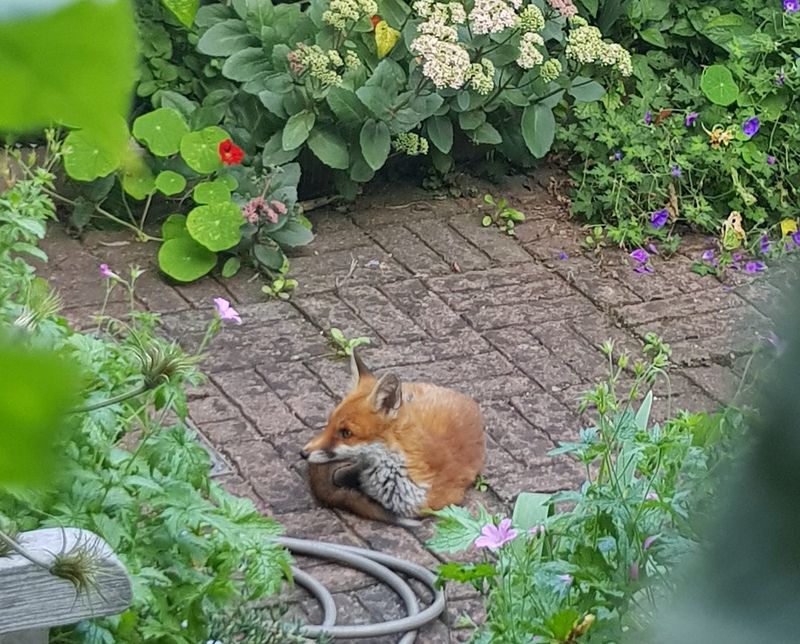
Pets left outside unsupervised near a fox sighting are one of the most pressing concerns for homeowners, and acting quickly matters.
Small dogs, cats, and other outdoor pets can attract a fox’s attention, and even a brief unsupervised moment in the yard can turn into a stressful situation.
Bringing your pets inside as soon as you spot a fox is a straightforward way to reduce that risk significantly.
Cats that roam freely outdoors and small dogs tied up in the yard are particularly vulnerable. A fox may not always retreat simply because a pet is present, especially if the fox has become comfortable around that yard.
Supervision means staying actively present outside with your pet rather than simply leaving the door open and assuming everything is fine.
Keeping pets on a leash during outdoor time is a practical habit to build, especially during dawn and dusk hours when foxes are most likely to be active in Georgia neighborhoods.
Even medium-sized dogs can get into confrontations with cornered wildlife that lead to injuries.
Staying aware of where your pets are at all times, particularly near fence lines, garden edges, and wooded borders, gives you the best chance to step in before anything escalates.
A few extra minutes of supervision can prevent a stressful encounter for everyone involved.
4. Remove Food Attractants From The Yard
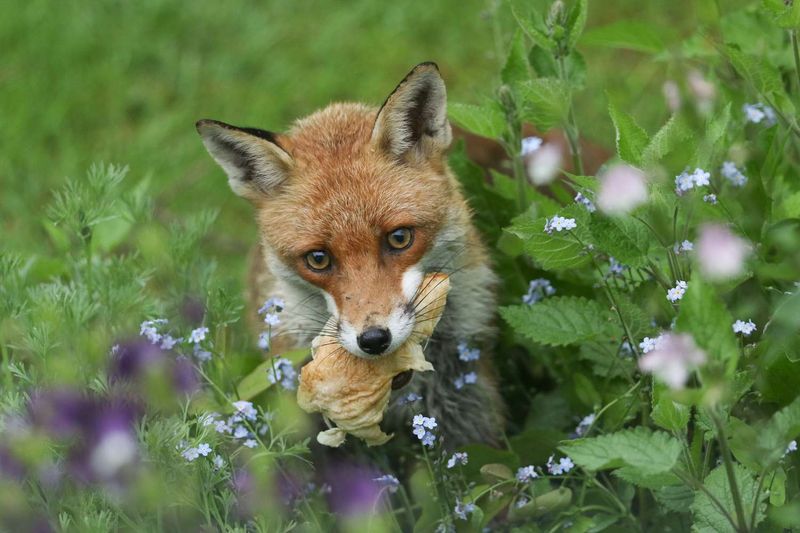
Compost piles left uncovered, fallen fruit beneath backyard trees, unsecured garbage cans, and spilled birdseed on the ground are all things that can quietly draw foxes into a Georgia yard over and over again.
Many homeowners are surprised to learn that the fox is not necessarily attracted to their yard because of something they did intentionally.
These food sources can build up gradually and go unnoticed until a fox starts appearing regularly.
Securing garbage cans with tight-fitting lids or moving them into a garage or shed overnight makes a noticeable difference. Compost bins should have solid, secure covers rather than open tops that allow easy access.
If you have fruit trees, picking up fallen fruit from the ground regularly removes one of the most common and overlooked attractants in Georgia gardens.
Bird feeders are another factor worth reconsidering during periods of fox activity. Seed that falls to the ground attracts small rodents, and foxes follow rodents.
Temporarily removing feeders or switching to a design that reduces ground spillage can help break that chain. Pet food left outside in bowls is also a common culprit that is easy to overlook.
Taking a walk around your yard and thinking like a foraging animal helps you spot what might be inviting a fox to return, and small changes can shift their patterns noticeably.
5. Protect Chickens And Small Livestock With Secure Housing
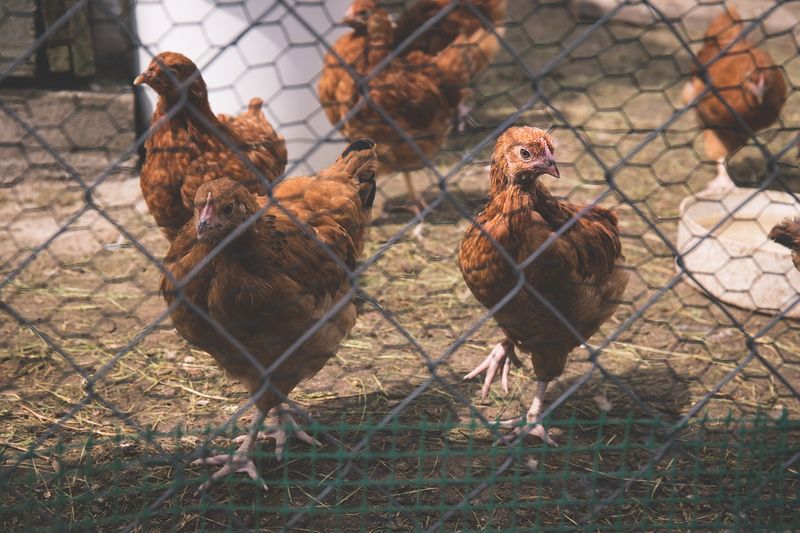
Backyard chicken keeping has become increasingly popular across Georgia, from suburban neighborhoods to rural homesteads, and foxes view a poorly secured coop as an easy opportunity.
Foxes are clever and persistent, and a basic wooden coop with a simple hook latch is rarely enough to keep them out.
Understanding how foxes approach coops can help you build or upgrade housing that actually holds up.
Hardware cloth with small openings is far more effective than standard chicken wire, which foxes can pull apart or squeeze through in some spots.
Burying an apron of hardware cloth around the base of the coop, extending outward and slightly downward, helps prevent foxes from digging underneath to gain entry.
Doors and latches should be checked regularly to make sure nothing has loosened or warped over time.
Locking chickens inside their coop at night is one of the most reliable protective steps poultry owners can take. Foxes are more active in low-light hours, and birds that roost outside or in an unsecured run overnight face far greater exposure.
Automatic coop door closers that operate on a timer or light sensor can help ensure the birds are secured even when schedules get busy.
Small livestock like rabbits kept in outdoor hutches benefit from the same approach, with solid flooring or buried wire to prevent access from below.
6. Use Gentle Hazing If The Fox Gets Too Comfortable
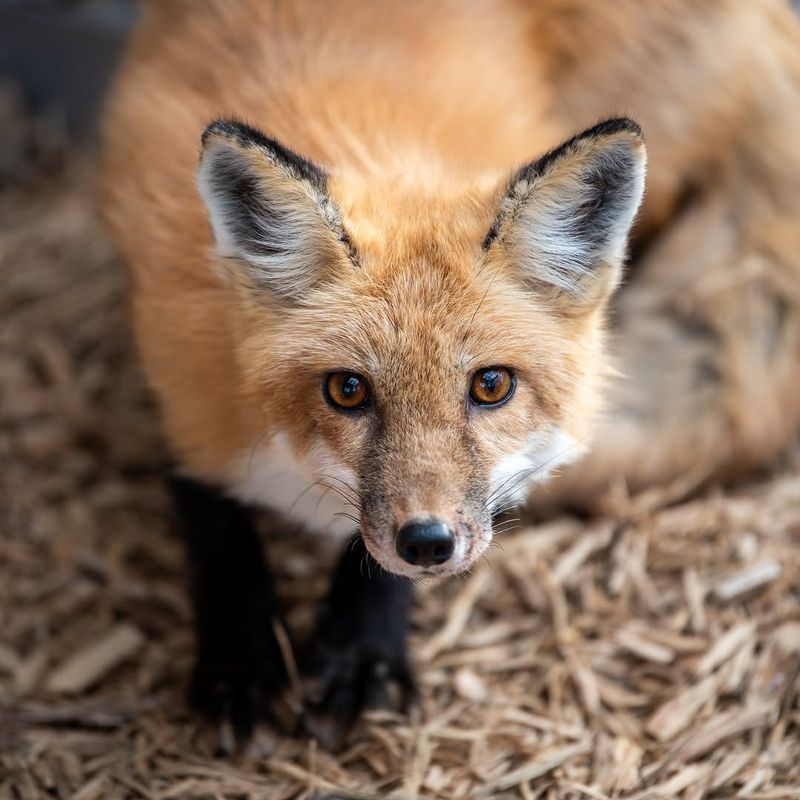
A fox that lingers near your patio, sits calmly in the open lawn, or shows no interest in moving when you come outside may have grown too comfortable in your Georgia yard.
That level of ease around people is worth addressing, and gentle hazing is a widely recommended approach for encouraging wild foxes to keep a more natural distance from human spaces.
Hazing simply means using non-harmful methods to startle or discourage the fox without causing it physical harm.
Clapping your hands firmly, shouting in a calm but firm voice, or spraying water from a garden hose in the fox’s direction are all examples of gentle hazing that can be effective.
The goal is to remind the fox that people and yards are not comfortable, safe spaces for it to relax in.
Consistency matters more than intensity when it comes to hazing.
A single noisy encounter may not change a fox’s habits, but repeated gentle responses over several days can gradually shift its behavior and encourage it to move its activity elsewhere.
Multiple people in the household doing the same thing reinforces the message. Avoid escalating to anything that could injure the animal, and keep children and pets back during hazing attempts.
When done calmly and consistently, this approach can restore a healthier boundary between a Georgia yard and the wildlife passing through it.
7. Do Not Try To Trap Or Relocate It Yourself
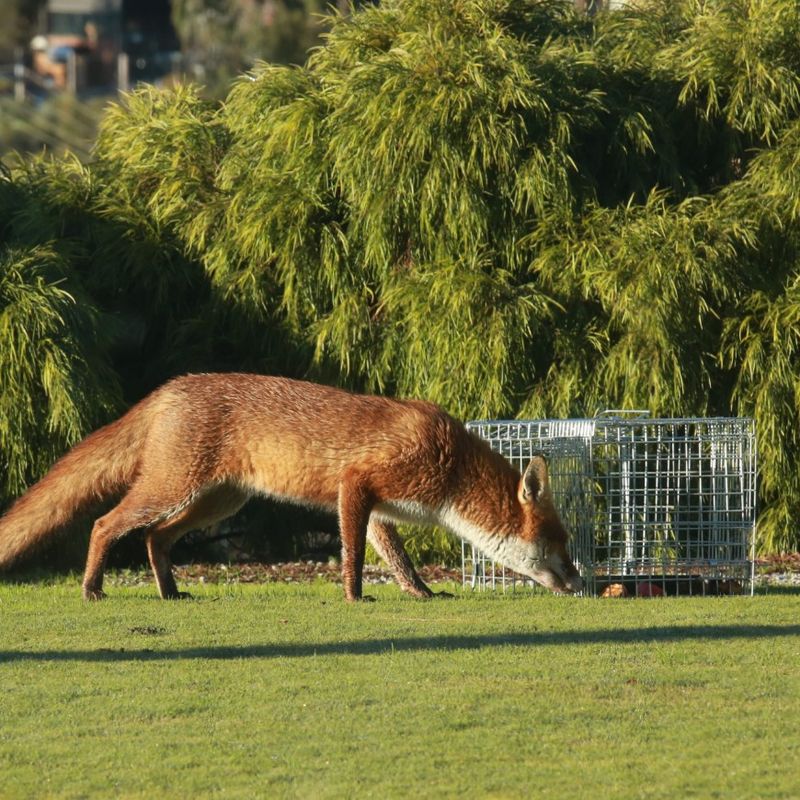
The idea of setting a live trap and moving a fox to a wooded area far from the neighborhood might seem like a practical and humane solution, but it tends to create more problems than it resolves.
In Georgia, trapping and relocating wildlife without the proper permits is regulated, and attempting it without guidance can put both you and the fox in a difficult situation.
Relocated foxes are dropped into unfamiliar territory where they must compete with established animals for food and space. The stress of capture and relocation is significant for wild animals, and survival rates for relocated foxes are not reliable.
Beyond the animal’s wellbeing, an improperly handled trap can injure the fox or expose the person setting it to potential bites or scratches.
If you believe a fox needs to be removed from your property, reaching out to a licensed wildlife control professional or your local animal control office is the appropriate path.
These professionals have the training, equipment, and legal authority to handle the situation safely.
Trying to resolve it independently with rented equipment or online tutorials can lead to outcomes that are worse for everyone involved.
Patience, prevention, and professional support tend to produce better long-term results than a rushed attempt at trapping that may not even address the root reason the fox was drawn to your yard in the first place.
8. Call Local Animal Control If The Fox Acts Sick Or Aggressive
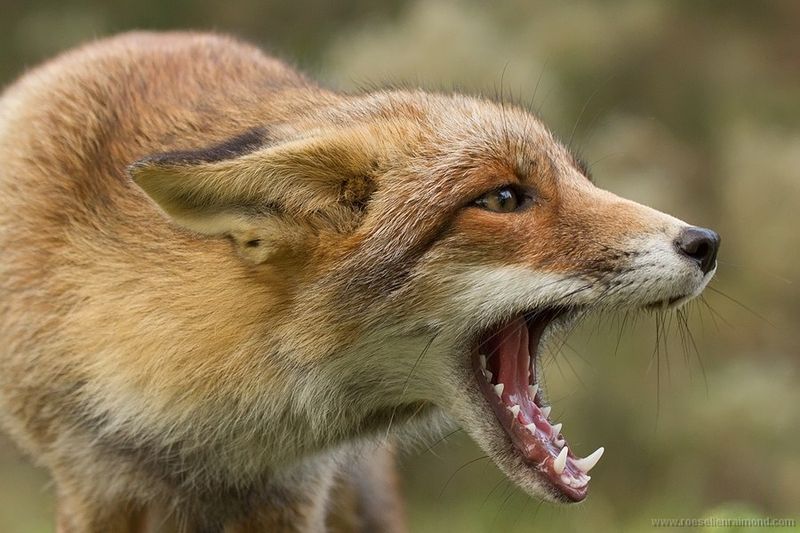
Most foxes that wander through Georgia yards are healthy, cautious, and entirely uninterested in people.
However, knowing the warning signs of a fox that may be sick or behaving unusually is something every Homeowner should keep in mind, especially those with children or outdoor pets nearby.
Signs that warrant a call to local animal control include a fox that is stumbling, moving in circles, appearing disoriented, or approaching people without hesitation.
A fox that is active in the middle of the day is not automatically cause for alarm, since foxes can be active at various hours.
However, combined with other unusual behaviors, daytime activity becomes more noteworthy. Mange, which causes significant fur loss and skin irritation, is another condition sometimes seen in Georgia foxes and is worth reporting.
Rabies is present in wildlife populations, and foxes can be carriers. A fox that approaches people aggressively, shows no fear response, or appears confused and uncoordinated should be reported promptly rather than approached or handled.
Keep children and pets away from the animal and note its location and behavior to share with animal control when you call. Do not attempt to corner, capture, or shoo a fox that is behaving strangely.
Let trained professionals assess and handle the situation, since their involvement protects both the community and the animal far more effectively than any at-home response could.