Vegetables Arizona Gardeners Plant In June That Almost Never Work Out And Better Swaps
June can trick Arizona gardeners into planting vegetables that looked perfectly fine just a few weeks earlier.
Garden centers still display full racks of popular crops, seeds stay easy to find, and it becomes tempting to keep planting like spring never ended.
Then the heat starts taking over fast. Some vegetables struggle almost immediately once nighttime temperatures stay high.
Leaves begin scorching, flowers drop before producing anything useful, and young plants often stop growing before summer fully settles in.
A few crops handle June conditions far better than others though. Certain vegetables keep producing during extreme heat while weaker choices fade quickly in the desert sun.
Knowing what to avoid in June can save a lot of wasted water, effort, and disappointment once the hottest stretch of summer arrives.
1. Lettuce Bolts Fast During Extreme June Heat
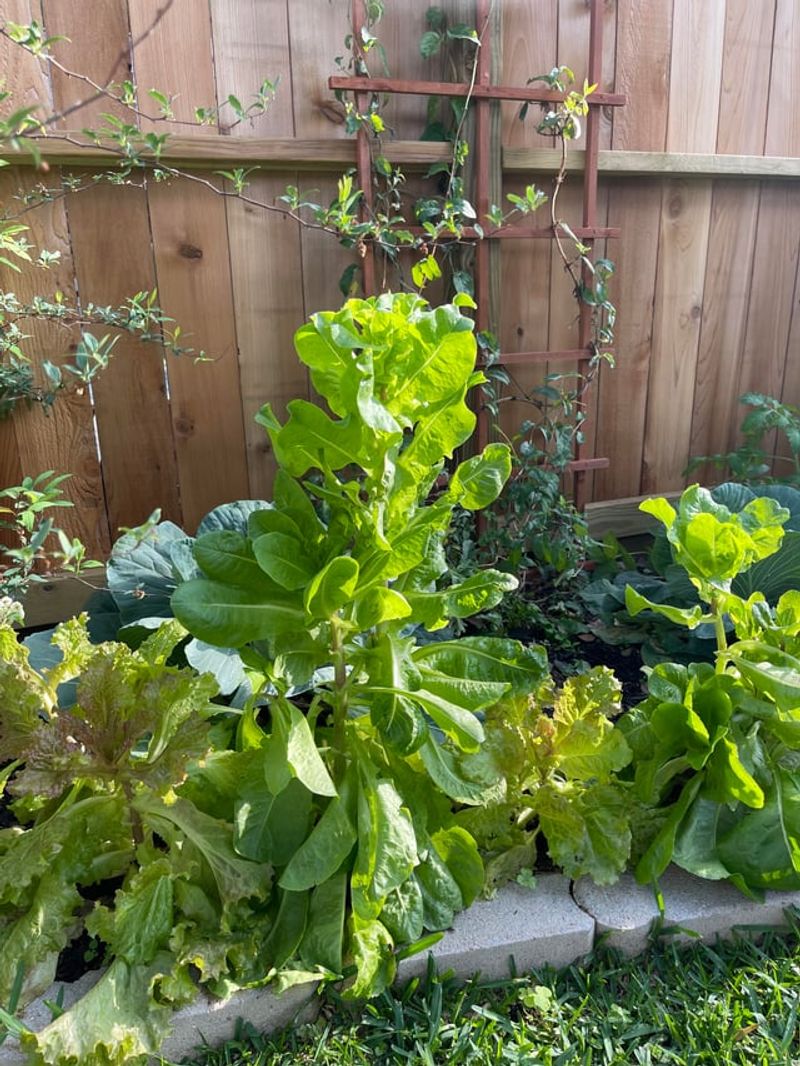
Lettuce looks promising in spring, but June changes everything fast.
Once daytime temperatures push past 85 degrees, lettuce bolts almost immediately. Bolting means the plant shoots up a tall stalk, turns bitter, and stops producing usable leaves.
Heat builds quickly in the low desert once summer settles in. Lettuce struggles to keep producing once soil temperatures stay hot for long stretches during the day and night.
Even shade cloth usually provides only temporary relief before plants begin declining anyway.
Warm evenings create additional stress because lettuce depends on cooler nighttime temperatures to recover properly after intense daytime heat.
Leaves often become smaller, tougher, and more bitter before the plant fully bolts.
Growth slows down noticeably once hot weather becomes consistent across the garden.
Extra watering rarely changes the outcome for very long either. The roots continue struggling once surrounding soil stays overheated through the evening hours.
Young transplants may survive briefly, but steady production usually disappears quickly after planting. Bitter flavor and stretched growth become difficult to avoid once summer temperatures stay extreme for days in a row.
Cool-season greens simply were not built for sustained desert heat. Waiting until fall usually leads to healthier plants, better texture, and much more reliable harvests overall.
2. Peas Struggle Once Overnight Air Stays Warm
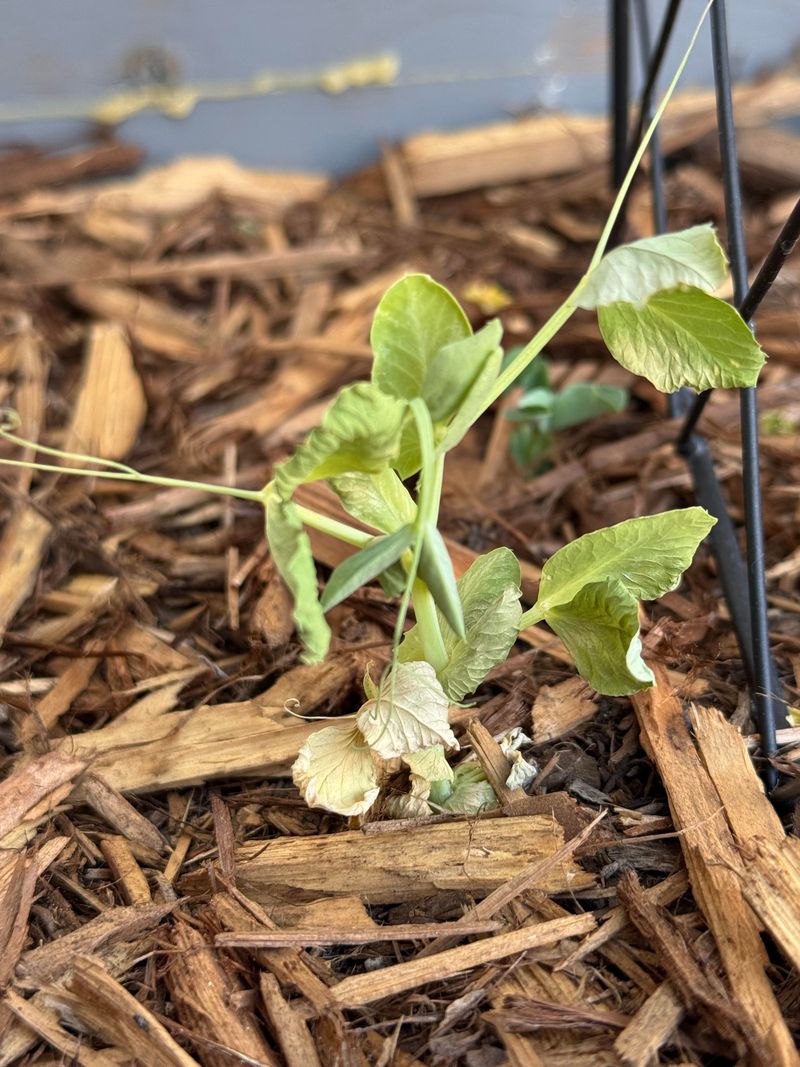
Peas are a cool-season crop, full stop. Once nighttime temperatures stay above 65 degrees consistently, pea plants begin fading fast.
June nights in the low desert rarely stay cool enough for healthy production.
Pods may begin forming, but heat usually causes them to shrivel before they fully develop. Plants yellow quickly, stop climbing well, and gradually collapse once summer conditions intensify.
Extra watering rarely changes the outcome for very long. Warm soil and hot evenings place too much stress on the plants once June heat becomes consistent.
Peas also struggle to produce tender pods during extended hot weather. Flavor quality drops quickly once temperatures remain high overnight for long stretches.
Many gardeners notice vines looking weak and exhausted only a short time after planting. Growth slows down noticeably once the plant starts directing energy toward survival instead of steady pod production.
Cool-season vegetables often reach their limit surprisingly fast once summer conditions fully settle in.
Your Arizona Garden Changes Every Week. Your Plan Should Too.
Gardening in Arizona changes quickly throughout the season. Every Friday you’ll receive a simple weekly plan showing exactly what to plant, prune, fertilize, harvest, and protect so you never miss the right timing.
Waiting until fall usually leads to healthier vines, better pod development, and far more productive harvests overall.
Pea flowers also tend to drop faster once extreme heat arrives in early summer.
Many plants stop setting usable pods completely after only a short stretch of hot nights.
3. Broccoli Declines Quickly In Early Dry Gardens
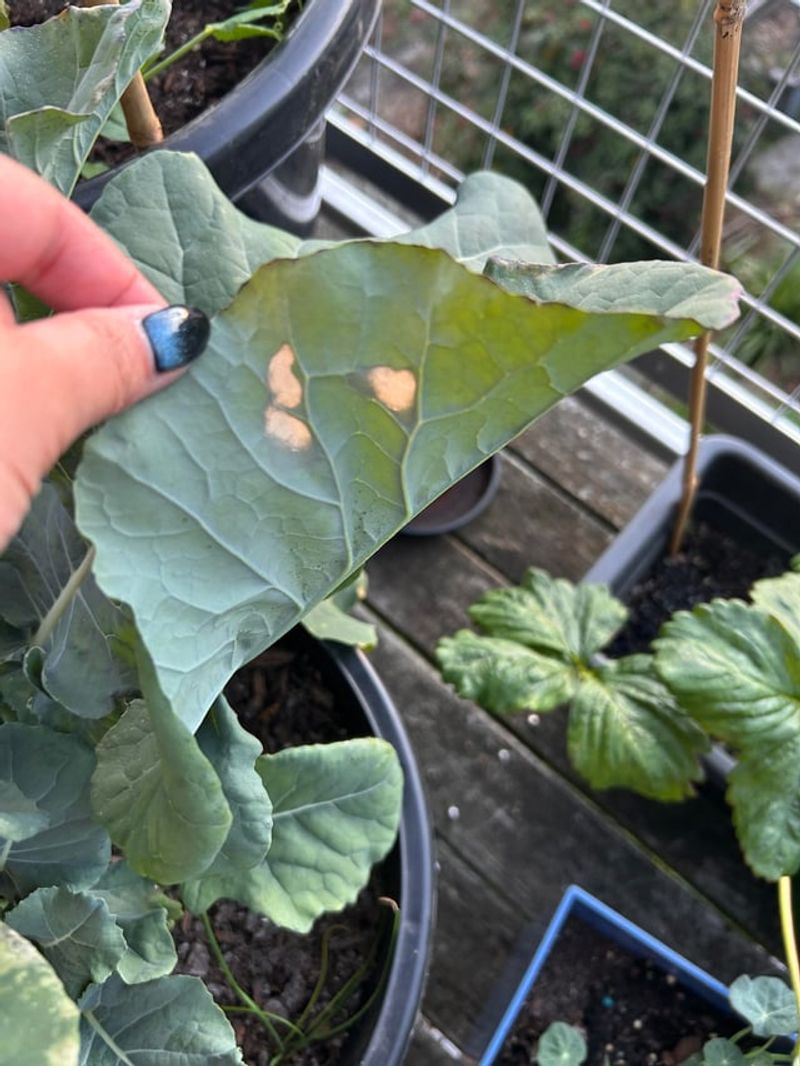
Broccoli struggles badly once June heat settles across the low desert. Plants that looked healthy during spring often begin declining fast once temperatures stay extreme day after day.
Heads usually stay small or loosen early before they ever reach a useful size. Some plants begin flowering almost immediately instead of putting energy into producing dense harvestable heads.
Dry air creates another problem.
Moisture disappears from the leaves quickly during long afternoons, especially once hot wind starts moving through the garden regularly.
Many gardeners respond by watering more often, but that rarely fixes the issue for very long. Broccoli simply was not built for this kind of sustained summer heat.
Warm overnight temperatures make things even harder. The plant depends on cooler evenings to recover from daytime stress, but June nights often stay too warm for proper recovery.
Leaves may yellow, stems stretch, and overall growth slows down noticeably within only a few weeks after planting.
Shade cloth can reduce some stress, though results are usually disappointing once full summer conditions arrive.
Most gardeners eventually stop planting broccoli this late because the harvests rarely end up worth the extra water and effort once summer heat becomes fully established.
Heavy soil temperatures create extra stress around the roots during June. Plants often stop developing properly once the ground stays hot overnight.
4. Spinach Turns Bitter Once Summer Heat Arrives
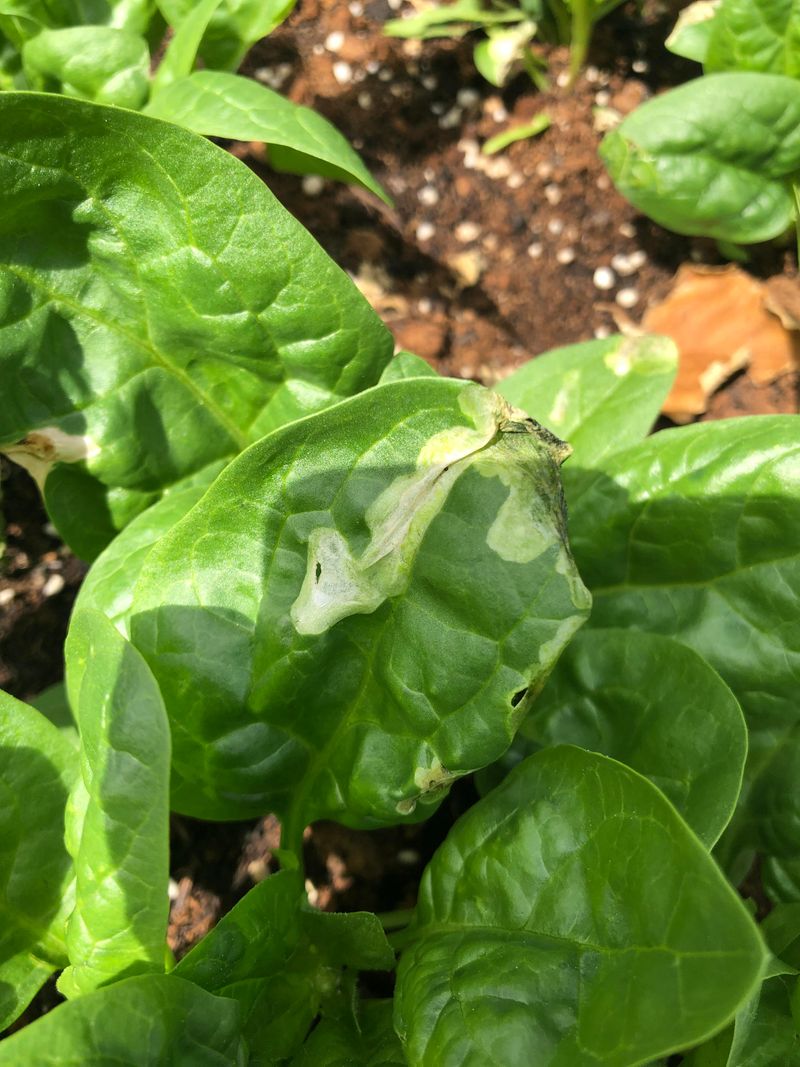
Spinach is stubborn in all the wrong ways when summer arrives. Heat triggers bolting quickly, and once that happens, the leaves develop a sharp, unpleasant bitterness that makes them nearly inedible.
Spinach planted in June in the low desert almost never produces a useful harvest.
Even heat-tolerant spinach varieties struggle when daytime highs push into the upper 90s and beyond. The plant redirects energy toward reproduction instead of leaf production.
Quality drops off sharply. Shade structures help slightly, but they rarely solve the core problem.
Warm desert nights make things even worse. Once overnight temperatures stop cooling down properly, spinach declines fast no matter how carefully it gets watered.
Leaves become smaller, growth slows down, and plants quickly lose the tender texture gardeners actually want from spinach.
Many Arizona gardeners keep trying to stretch spinach deeper into summer because spring harvests usually perform so well. June conditions are completely different though.
Intense sunlight, dry air, and trapped heat near gravel or walls create stress the plant simply cannot handle for very long.
Heat-tolerant leafy crops are usually a much better choice for Arizona gardens once June temperatures become consistent. Traditional spinach struggles too much once overnight warmth and extreme afternoon sun take over.
Gardeners usually get far better production focusing on crops naturally built for desert summer conditions instead.
5. Armenian Cucumbers Grow Well In Triple-Digit Weather
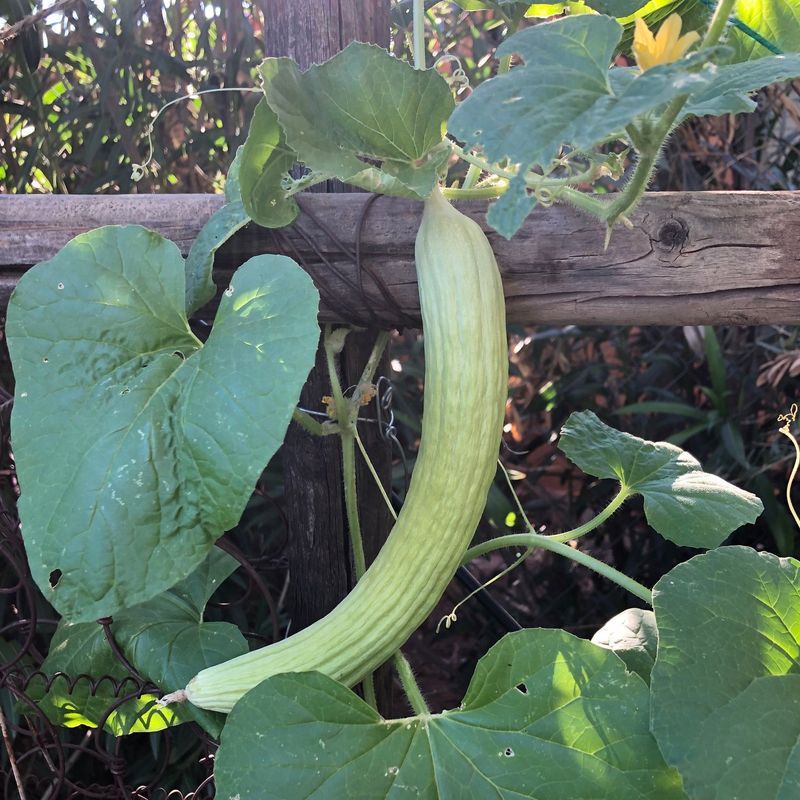
Not every vegetable fails in June heat. Armenian cucumbers are genuinely built for it.
While standard cucumbers wilt and produce bitter fruit when temperatures climb, Armenian cucumbers keep going strong even when the thermometer pushes past 110 degrees.
Botanically a muskmelon, the Armenian cucumber has a thin, pale green skin and a mild, crisp flavor. It does not require the same careful temperature management that regular cucumbers demand.
Plant seeds directly in the garden after the last frost risk passes. Water deeply two to three times per week and give vines a trellis to climb for better airflow and easier harvesting.
Fruits grow quickly and can reach two feet long if left on the vine. Harvest them young, around 12 to 15 inches, for the best texture and flavor.
They are excellent sliced raw in salads, pickled, or eaten straight off the vine.
Armenian cucumbers are widely available at local nurseries and seed suppliers in the Southwest. If you have struggled to grow standard cucumbers through a desert summer, switching to Armenian cucumbers will likely change your experience completely.
Few crops reward June gardeners more consistently than this one. Consistent harvesting also encourages the vines to keep producing new fruit through the hottest part of summer.
6. Sweet Potatoes Thrive Through Extended Hot Spells
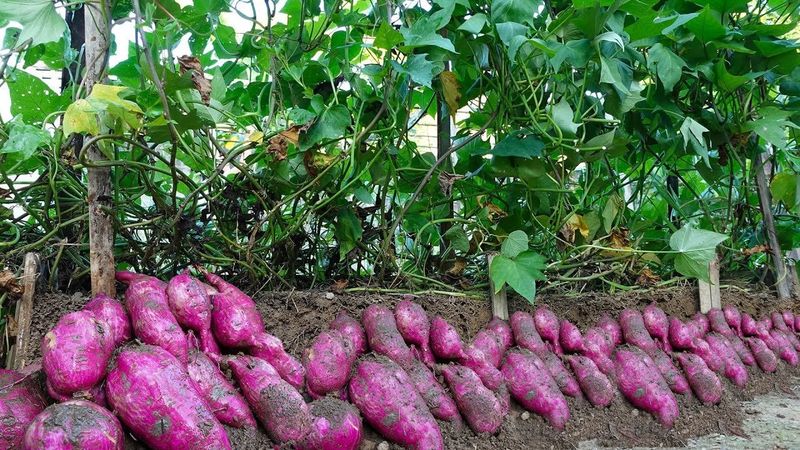
Sweet potatoes might be the single best crop a desert gardener can plant in June. They love long, hot growing seasons, tolerate sandy or rocky soil better than most vegetables, and produce a generous harvest with relatively little fuss.
Start with slips, which are rooted cuttings from a mature sweet potato plant, rather than trying to grow from seed. Plant slips in loose, well-draining soil and space them about 12 inches apart.
Water deeply every few days rather than lightly every day. Sweet potato vines spread aggressively, so plan for them to take up significant space in the garden.
Harvest usually happens around 90 to 120 days after planting, which puts the timing perfectly into fall. Soil that stays consistently warm through summer actually improves tuber development.
Avoid overwatering, which can lead to root problems and smaller yields.
Sweet potatoes are also surprisingly drought-tolerant once established. That matters a lot during a desert summer when water conservation is always on a gardener’s mind.
Few crops fit the season as naturally or produce as reliably in extreme heat as sweet potatoes do when planted correctly in June.
Warm nighttime temperatures help sweet potato vines grow faster during the peak of summer.
7. Yardlong Beans Stay Strong In Intense Afternoon Sun
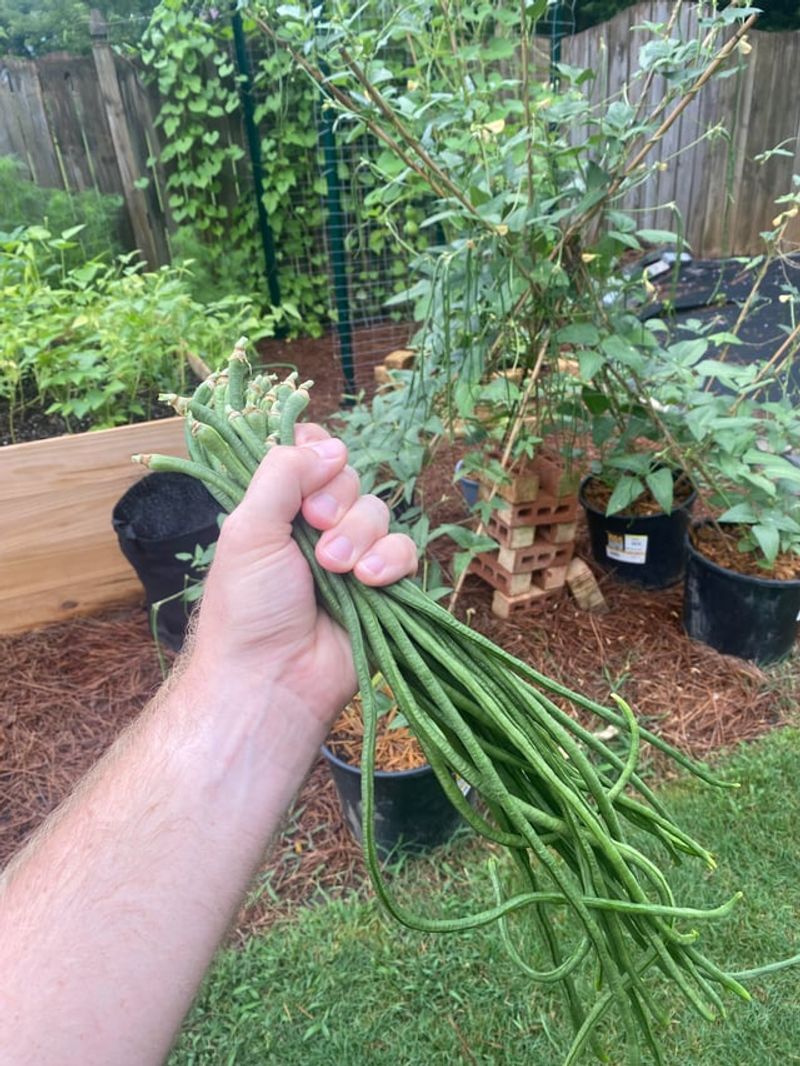
Afternoon sun in the desert is relentless, and most bean varieties fade under that pressure. Yardlong beans are a clear exception.
Native to Southeast Asia, they evolved in hot, humid conditions and handle intense heat far better than common green beans or bush beans.
Plant seeds about an inch deep along a sturdy trellis or fence line. Warm soil speeds up germination significantly, and June soil temperatures in the low desert are ideal.
Vines climb quickly and begin producing pods within about 60 days of planting.
Water consistently, aiming for deep watering sessions two to three times per week rather than shallow daily watering. Pods grow fast and should be harvested when they reach about 12 to 18 inches long.
Leaving them on the vine too long causes the beans inside to swell and the pod texture to toughen.
Yardlong beans taste best lightly stir-fried with garlic and oil, but they also work well steamed or added to soups. Production stays consistent through the hottest weeks of summer as long as water is reliable.
For gardeners looking for a productive June bean crop, yardlong varieties deliver results that bush beans simply cannot match in extreme heat.
8. Okra Handles Bright Conditions With Little Fuss
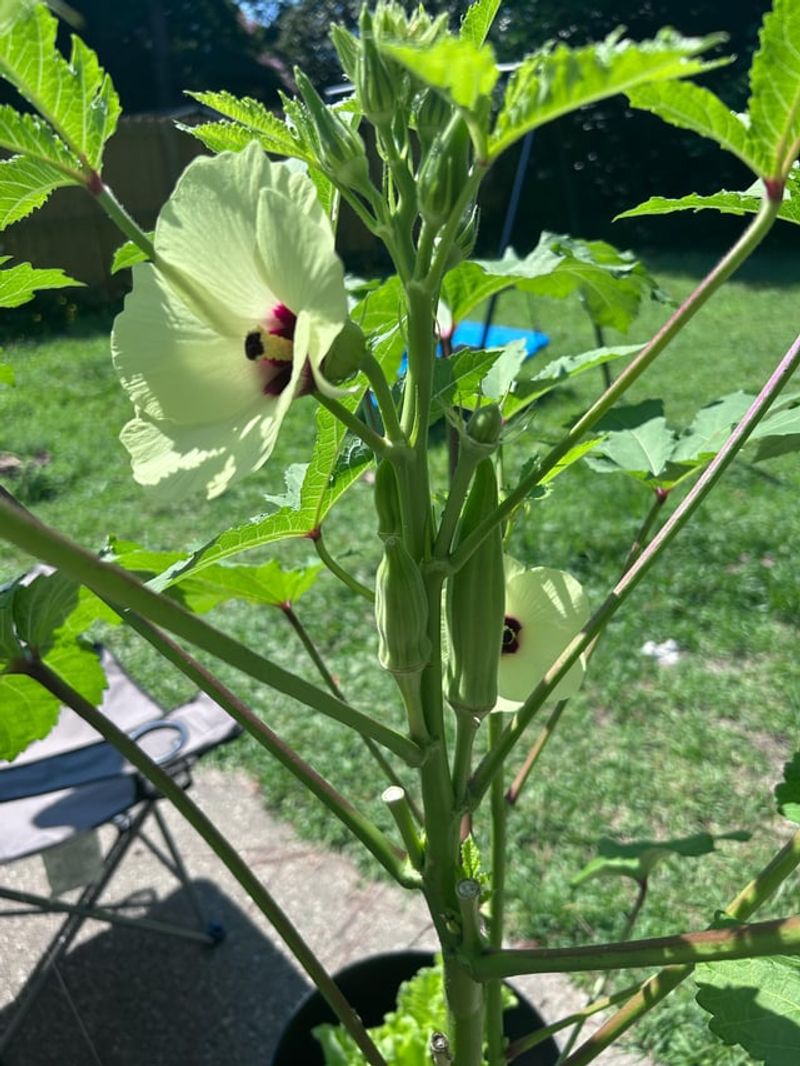
Okra was practically designed for summers like this. Originally from Africa, it thrives in intense heat, tolerates dry conditions better than most vegetables, and produces steadily through the hottest months without much intervention from the gardener.
Plant seeds directly in the garden after soaking them overnight to improve germination rates. Okra prefers well-draining soil and full sun, which is rarely in short supply during a desert summer.
Space plants about 18 inches apart to allow for good airflow.
Water deeply once or twice per week once plants are established. Pods develop quickly after flowering and should be harvested when they reach about three to four inches long.
Waiting too long makes pods woody and unpleasant to eat. Check plants every two to three days during peak production.
Okra grows tall, sometimes reaching five to six feet, so plant it where it will not shade smaller crops nearby. It pairs well in the kitchen with tomatoes, onions, and spices.
Few vegetables perform as reliably through a brutal desert summer as okra does. Gardeners who have never grown it before are often surprised by how little attention it needs to produce a strong, consistent harvest all season long.
9. Malabar Spinach Outlasts Traditional Leafy Greens
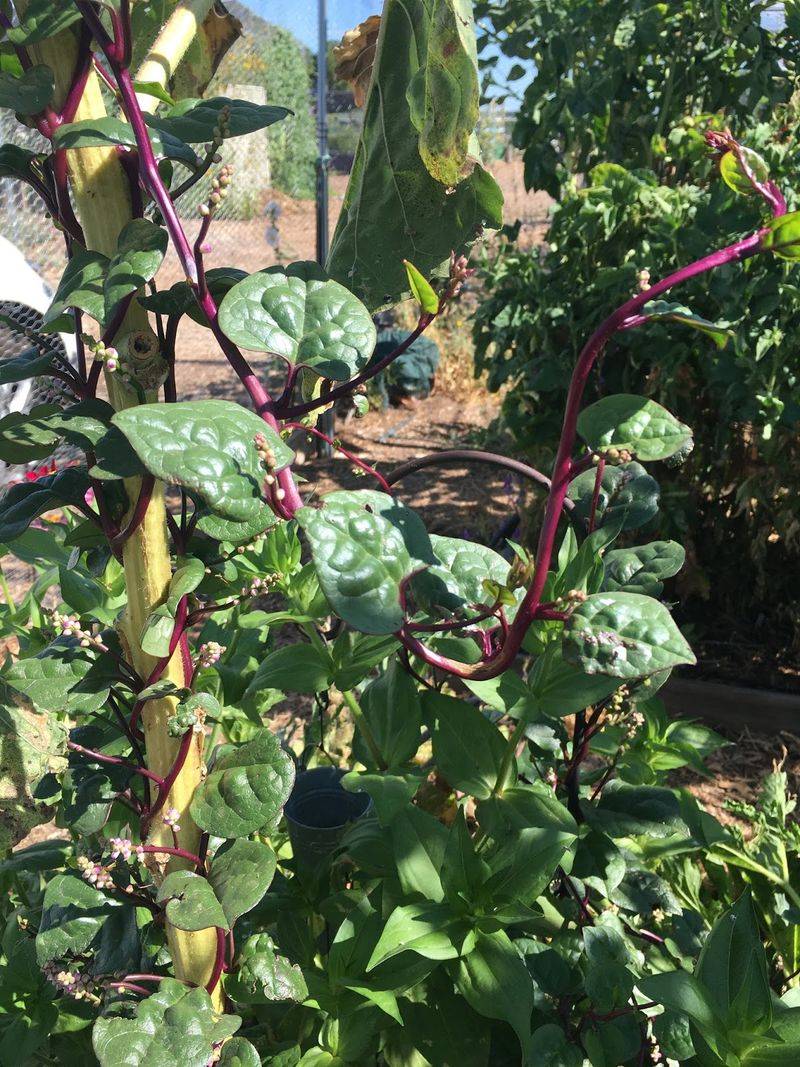
Traditional leafy greens surrender to summer heat, but Malabar spinach just keeps climbing. A tropical vine originally from South Asia, it thrives in the exact conditions that collapse most other greens.
Heat, humidity, and intense sunlight are not problems for this plant. They are requirements.
Soak seeds overnight before planting to soften the hard outer coat and speed up germination. Plant in full sun with a trellis or fence nearby for the vine to climb.
Water consistently and watch it take off within a couple of weeks.
Malabar spinach grows fast once established and produces large, glossy leaves throughout summer without bolting.
Leaves have a slightly mucilaginous texture when eaten raw, similar to okra, but that quality disappears with cooking.
Saute them with garlic and olive oil, add them to soups, or use them in curries. Red-stemmed varieties add visual interest to the garden and the plate.
Nutritionally, Malabar spinach is comparable to regular spinach and offers good amounts of vitamins A and C.
For anyone frustrated by the short lifespan of cool-season greens in extreme summer heat,
Malabar spinach offers a genuine solution that lasts from June all the way through early fall.