7 Summer Vegetables Florida Gardeners Should Grow Instead Of Tomatoes
Big tomatoes and brutal summers have never really gotten along, and if you garden in Florida, you already know exactly how that story ends.
The heat climbs, the humidity follows right behind it, and those large-fruited varieties basically wave goodbye and stop producing.
Honestly, fair enough. But here is the fun part, summer is not actually a lost cause in the garden.
There is a surprisingly solid lineup of vegetables that genuinely love hot, rainy, steamy conditions, and keeping things productive is very much possible when you pick crops that actually fit the season.
The key is knowing your region, your space, your soil, and how much time you want to spend out there sweating between rain showers.
Get those details right and summer gardening might just surprise you.
1. Okra Handles Florida Heat
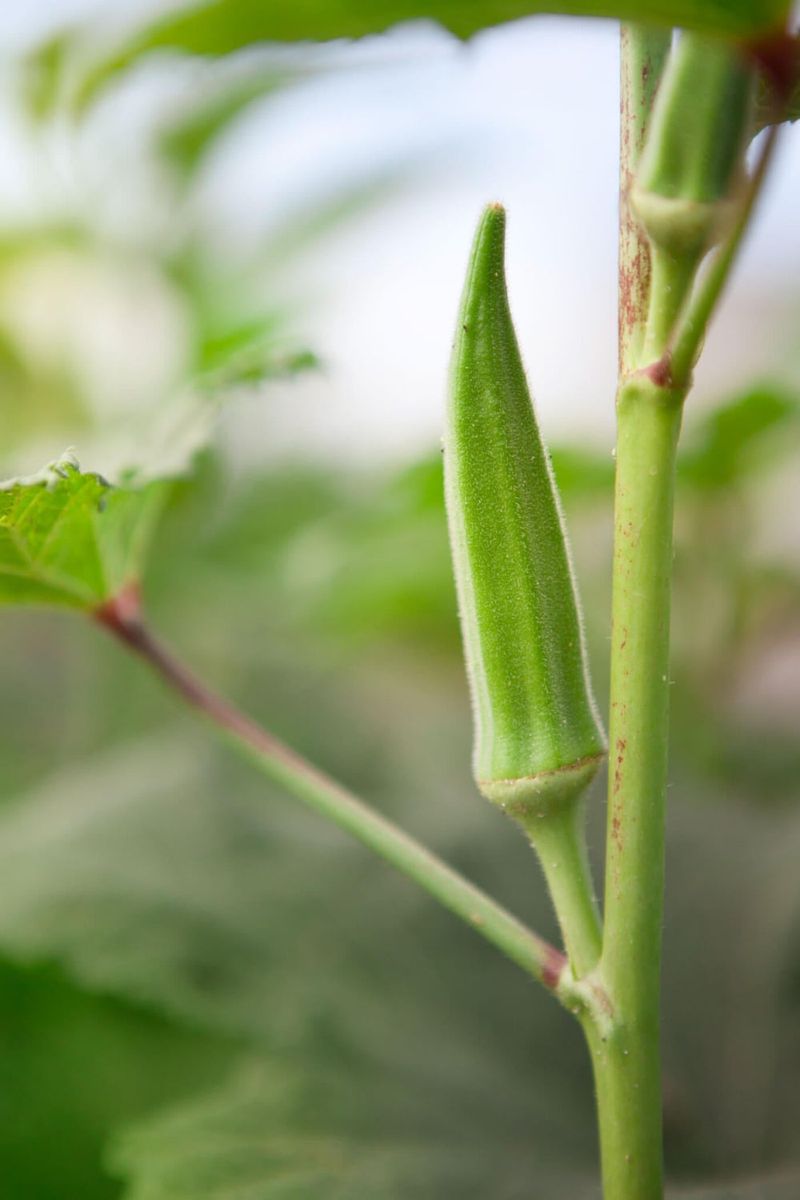
When summer temperatures climb and afternoon storms roll across Florida, okra barely flinches.
Few vegetables are as well suited to the intense heat and humidity that define summer, making okra one of the most dependable crops a home gardener can plant during the warm season.
It grows quickly, produces steadily, and does not require the cooler nights that tomatoes need to set fruit reliably.
Okra can be planted during the warm season across much of Florida, though planting windows vary between North, Central, and South Florida, so checking your region’s timing is worth doing before you start.
Sandy soils are workable for okra as long as you improve drainage and add organic matter to support consistent moisture.
Regular watering matters most during dry spells between summer rain events.
Harvesting pods every two to three days keeps the plant productive. Pods left on the plant too long become tough and fibrous, which reduces both quality and the plant’s motivation to keep producing.
Stinkbugs and caterpillars can show up during the season, so checking plants regularly helps you catch pest pressure early before it becomes harder to manage.
Okra plants can grow quite tall, so giving them enough space and full sun will help them perform well throughout long, warm growing season.
2. Southern Peas Grow Through Summer
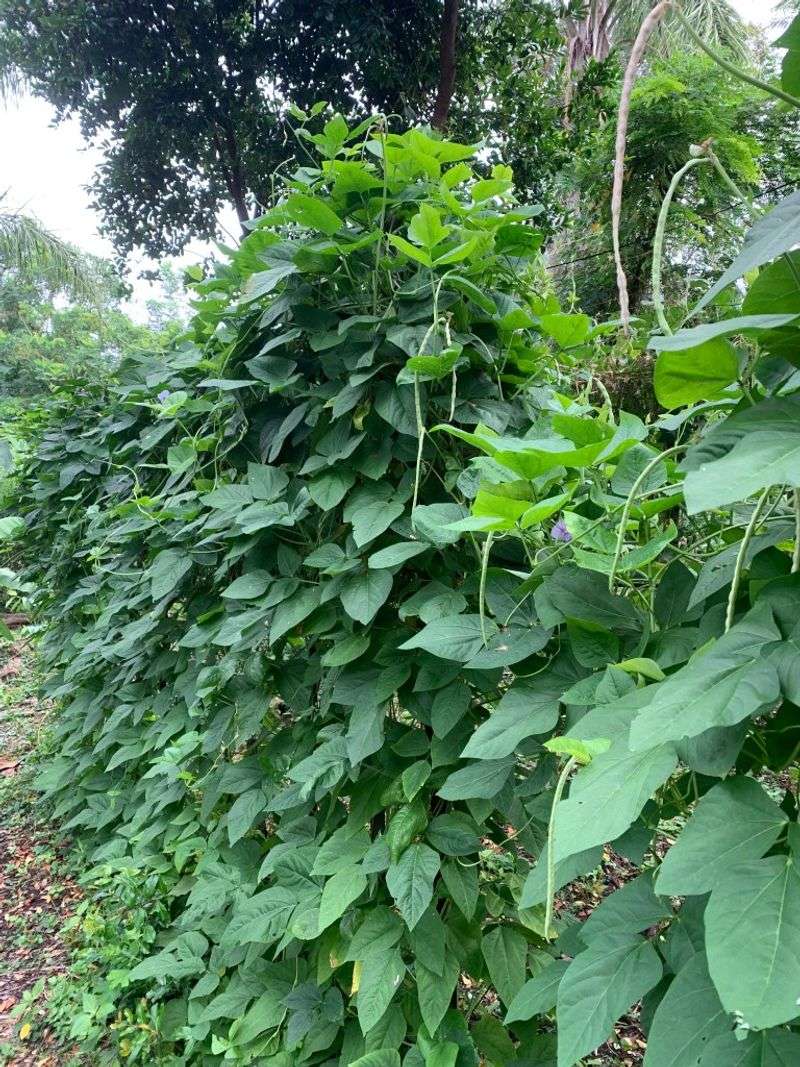
Hot, humid afternoons that send most gardeners running for shade are exactly the kind of conditions that Southern peas handle without complaint.
Also called cowpeas or field peas, these warm-season legumes have been feeding families across the South for generations, and gardeners have long relied on them as a summer staple.
They fix nitrogen in the soil as they grow, which means they can improve your garden bed while feeding your household at the same time.
Southern peas are listed among Florida’s recommended summer vegetables, and they can be grown across North, Central, and South Florida during the warm season.
They tolerate heat, manage reasonably well in sandy soils, and are less demanding than many other crops when it comes to fertilizer.
That said, consistent moisture during pod development helps produce a better harvest, so do not let the soil dry out completely between waterings.
Your Florida Garden Changes Every Week. Your Plan Should Too.
Gardening in Florida changes quickly throughout the season. Every Friday you’ll receive a simple weekly plan showing exactly what to plant, prune, fertilize, harvest, and protect so you never miss the right timing.
Planting windows vary by region, so matching your timing to your part of Florida gives you the best chance of success. Bush-type varieties work well in smaller garden spaces, while vining types may need some light support.
Pest monitoring is still important because aphids and caterpillars can visit Southern pea plants during the season.
Harvesting pods at the right stage, whether you prefer fresh green peas or dried field peas, shapes the flavor and texture you bring to the table from your summer garden.
3. Sweet Potatoes Love Warm Seasons
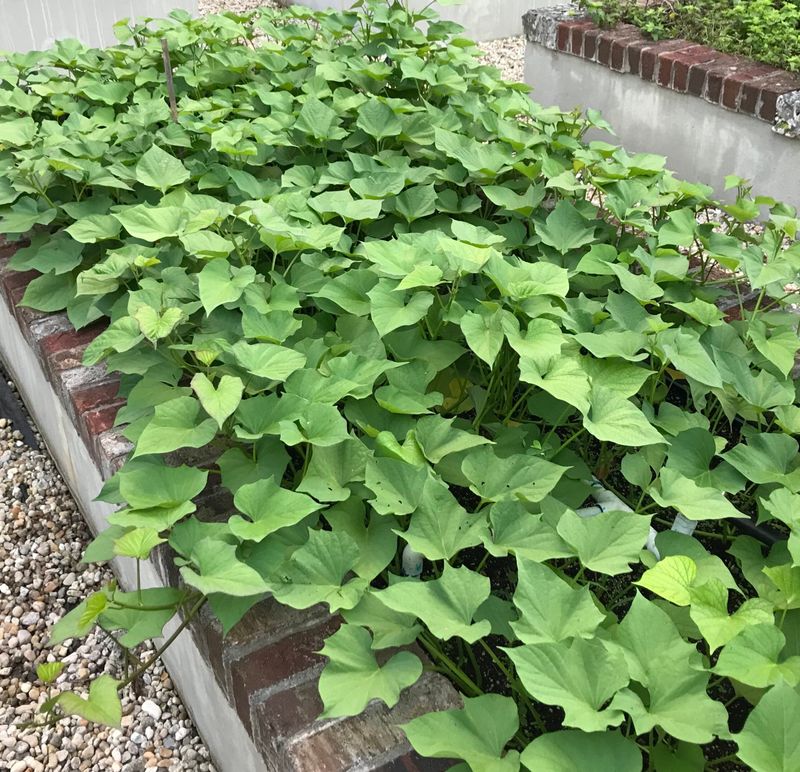
Lush vines spreading across a garden bed, covering bare soil while quietly building starchy roots underground – that is the quiet magic of growing sweet potatoes in summer.
Unlike tomatoes, which struggle to set fruit when temperatures stay high day and night, sweet potatoes actually want that warmth.
They are one of the crops that genuinely thrive when Florida’s summer heat is at its most intense.
North, Central, and South Florida gardeners can plant sweet potatoes through July, giving the crop a long planting window that fits well with Florida’s extended warm season.
They grow from slips rather than seeds, so sourcing quality planting material before the season starts is an early step worth planning for.
Sandy soils common across Florida can work well for sweet potatoes because loose soil makes it easier for roots to expand without resistance.
The spreading vines do need room, so smaller garden spaces may require some management to keep growth contained.
Weevils are a known pest concern for sweet potatoes in Florida, and using certified disease-free slips helps reduce the risk of bringing problems into your garden from the start.
Vines can also be trained to stay within a defined area if space is limited. After around 100 to 120 days, roots are typically ready to harvest, giving gardeners a rewarding late-summer or fall crop that stores well after curing.
4. Malabar Spinach Keeps Greens Coming
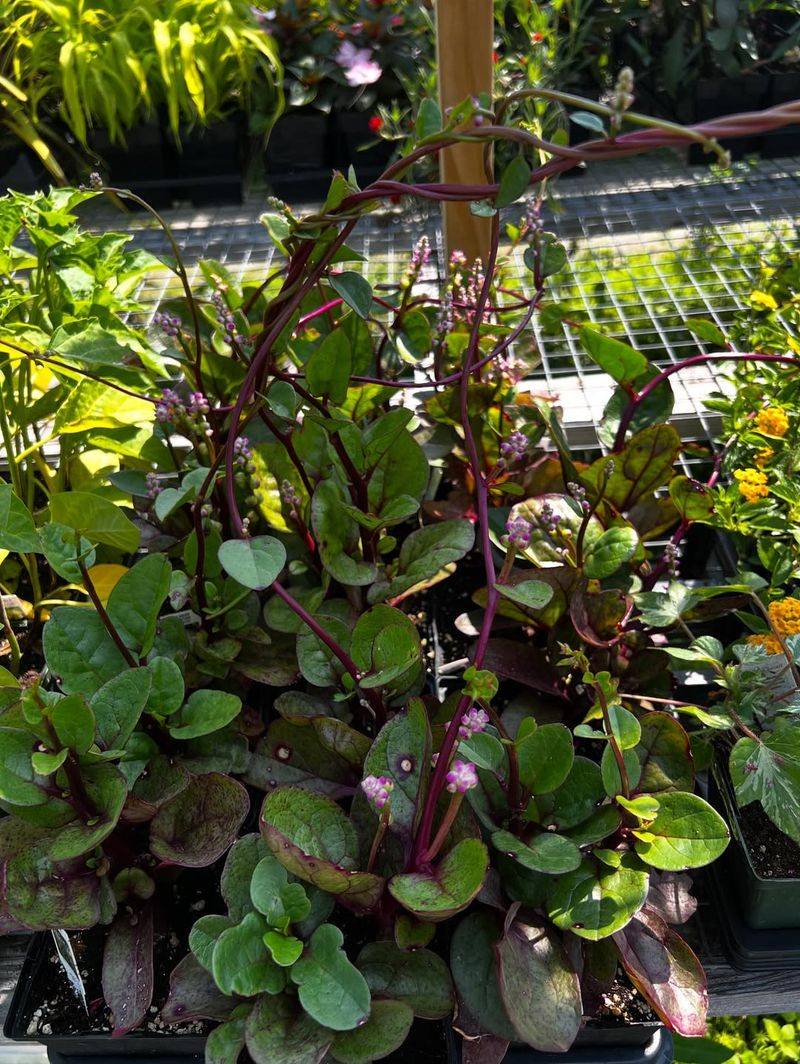
Keeping leafy greens on the table through summer is one of the trickier challenges home gardeners face, because most familiar greens bolt or wilt when heat and humidity take over. Malabar spinach is a tropical exception.
This vigorous climbing vine produces thick, glossy leaves that hold up in warm, humid weather in a way that cool-season spinach simply cannot manage once Florida’s summer sets in.
Malabar spinach is not a true spinach but works as a leafy green substitute during the warm season and into fall.
It grows well on a trellis, fence, or other vertical support, which also makes it a practical choice for smaller garden spaces where ground area is limited.
The stems can be red or green depending on the variety, and both types produce well in Florida’s summer conditions.
Young leaves and stem tips have the best texture for cooking and fresh use, while older leaves can become thicker and more mucilaginous, similar to okra.
Regular harvesting of new growth encourages the plant to keep producing rather than putting all its energy into flowering.
Malabar spinach prefers consistent moisture and will benefit from a fertile planting bed with added organic matter. It can handle Florida’s rainy periods reasonably well but does not want soggy, waterlogged soil.
For gardeners in North, Central, and South Florida who miss having greens during summer, this vine is a practical and productive warm-season solution worth trying.
5. Cassava Brings A Tropical Root Option
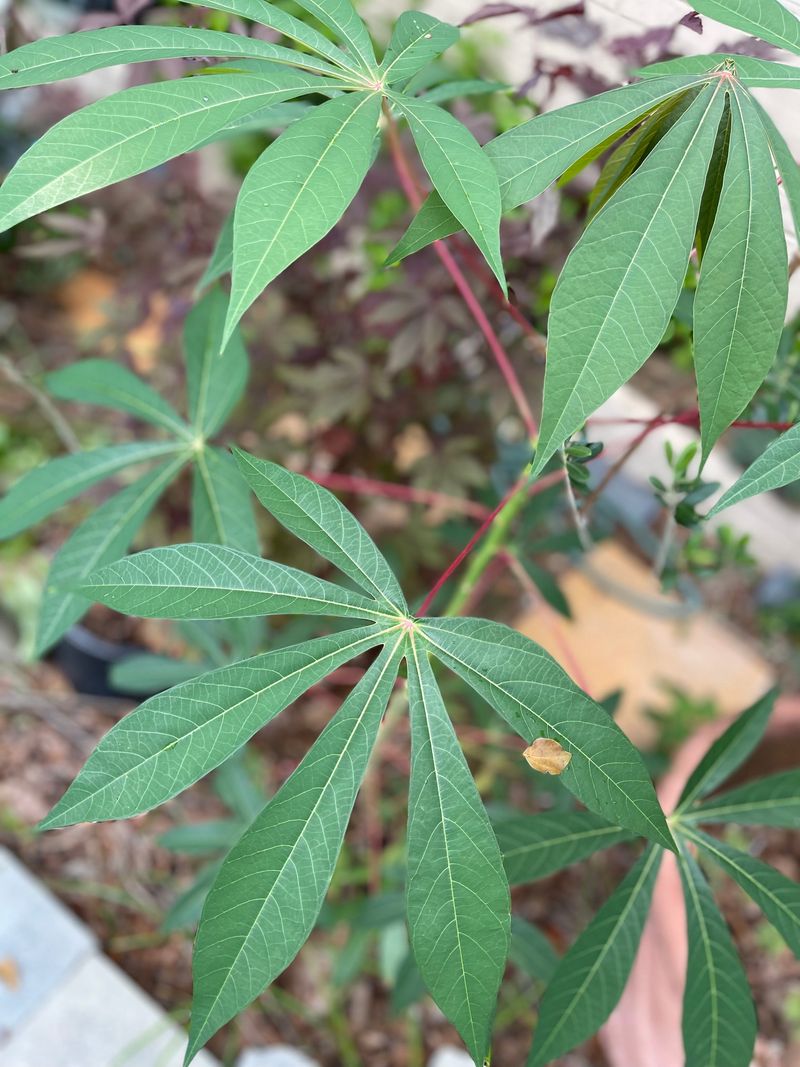
Not every crop fits neatly into a single growing season, and cassava is a good example of a vegetable that works on its own timeline.
Known also as yuca, cassava is a tropical root crop that thrives in Florida’s heat and humidity but requires a long frost-free growing period to develop roots worth harvesting.
It is not a quick seasonal vegetable in the way that okra or Southern peas are, but for gardeners with the right conditions and patience, it can be a rewarding addition to the warm-season garden.
Cassava is listed by extension resources as a summer alternative for Florida’s heat, and it performs best in areas of the state that stay frost-free for extended periods.
South Florida gardeners generally have the most flexibility with this crop, while gardeners in North Florida need to be aware that frost can cut the growing season short before roots reach full size.
The plants grow from stem cuttings rather than seeds and can reach considerable height during the season.
Sandy, well-drained soils suit cassava well, and the plant is relatively drought-tolerant once established, though consistent moisture supports better root development. Spacing plants generously gives the root system room to expand.
Cassava roots can be harvested when the plant matures, typically after many months of growth. The roots require proper preparation before eating because raw cassava contains compounds that must be removed through cooking.
For adventurous gardeners, it is a genuinely tropical crop that fits the climate well.
6. Long Beans Climb In Summer Heat
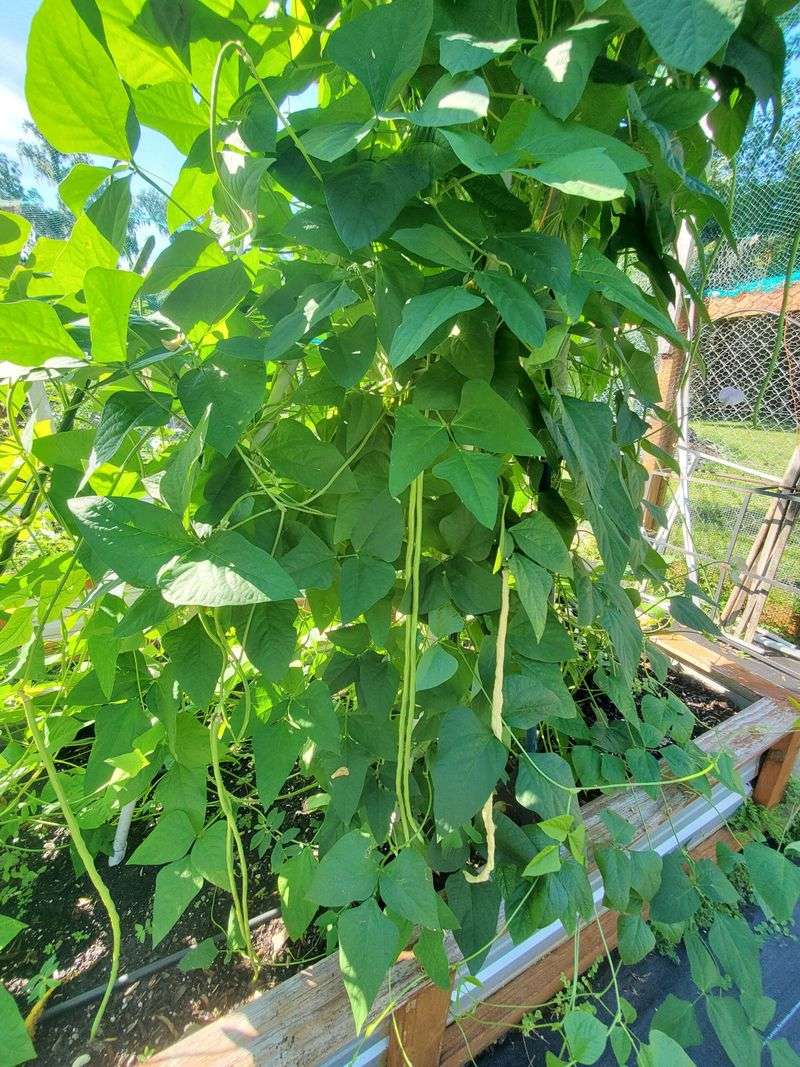
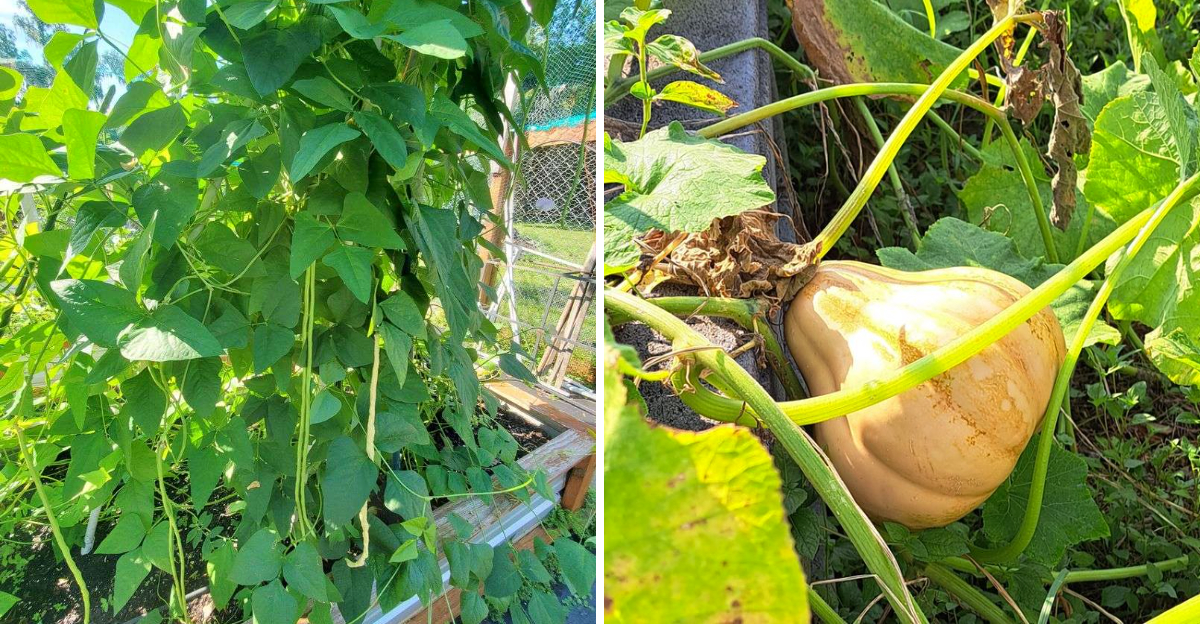
Watching a trellis fill up with climbing vines and foot-long bean pods dangling in the warm summer air is one of the more satisfying sights in a vegetable garden.
Long beans, sometimes called yard-long beans or asparagus beans, are heat-loving plants that fit Florida’s summer conditions far better than common snap beans, which tend to struggle when temperatures stay high for extended stretches.
The vines are vigorous and productive when given proper support and consistent care.
Long beans are listed among Florida’s good summer garden choices, and they can produce reliably during the warm season when given a sturdy trellis, fence, or other climbing structure to grow on.
The pods grow quickly once the plant starts flowering, and harvesting them while they are still young and tender gives you the best eating quality.
Leaving pods on the plant too long results in tougher texture and seeds that become more prominent inside the pod.
Sandy soils can support long beans well when amended with compost to improve moisture retention and fertility. Regular watering is important during dry stretches between summer rain events, especially while pods are forming.
Aphids and caterpillars can appear during the growing season, so checking plants regularly is a good habit.
Planting windows vary across North, Central, and South Florida, so timing your planting to match your region helps you get the most out of this productive and space-efficient summer climbing crop in your garden.
7. Seminole Pumpkin Handles Florida Summer
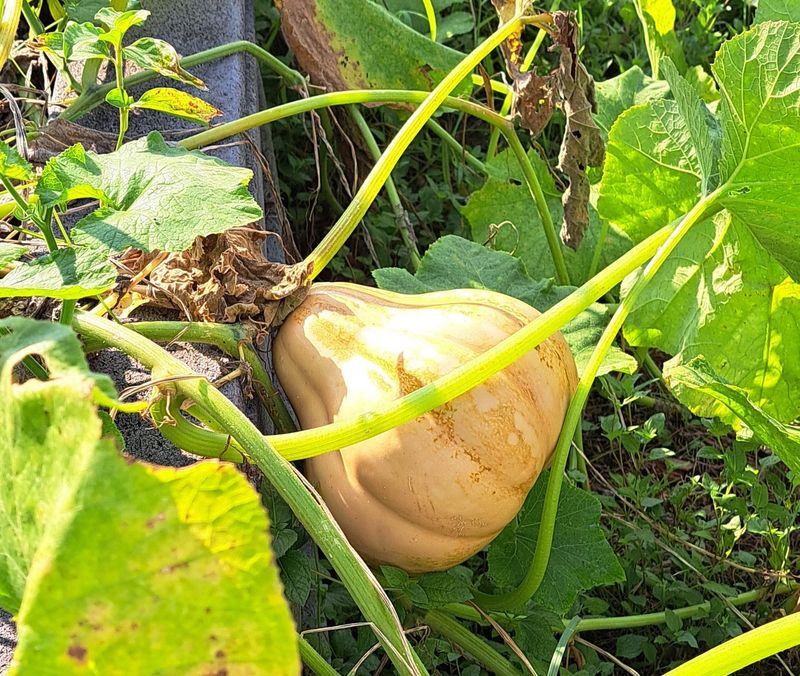
Few vegetables carry as much Florida history as the Seminole pumpkin, a crop that has been grown in the region for centuries and remains one of the most heat-tolerant squash options available to home gardeners today.
When summer squash and other cucurbits struggle with disease, bugs, and heat stress during Florida’s hottest months, Seminole pumpkin tends to keep going where others give out.
That kind of seasonal reliability is hard to find in a summer garden crop.
Extension resources describe Seminole pumpkin as reliable for Florida gardens and capable of handling summer heat, which sets it apart from many other squash varieties that fade quickly once conditions intensify.
The vines spread widely, so gardeners need to plan for significant space or direct vines along a fence line to manage their footprint.
Giving the plant room to roam is one of the most important things you can do to help it succeed.
Fruits typically have a tan to brownish skin and store well after harvest, which extends their usefulness beyond the growing season. The flesh is dense and flavorful, making it a versatile ingredient in the kitchen.
Powdery mildew and squash vine borers can be concerns during the season, so monitoring plants and acting early when problems appear helps protect your harvest.
Planting in full sun with well-amended soil gives Seminole pumpkin the foundation it needs to spread, flower, and produce through Florida’s long, warm, and often rainy summer season.