How To Water Tomato Plants In Arizona In June For Bigger Healthier Harvests
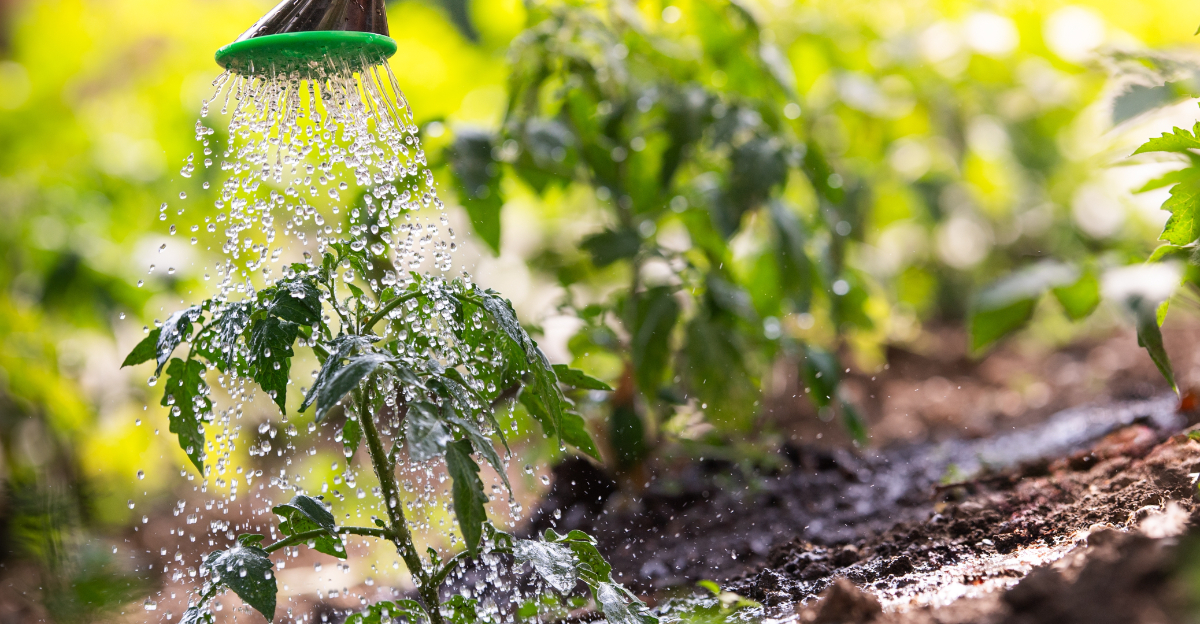
Tomato plants change quickly in Arizona once June heat settles in for the season. Vines that looked strong during spring can suddenly slow down once the soil starts heating up day after day.
Flowers dry out faster, leaves curl during the afternoon, and small fruit may stop developing under intense sun.
Watering habits matter more during this stage than many gardeners expect.
Quick daily watering can leave deeper roots searching for moisture once temperatures keep rising. Soggy surface soil may also create weaker growth during extreme heat.
Plants usually respond better when moisture reaches farther below the root zone.
Mulch helps slow moisture loss once dry air and hot soil start working against the plant.
Slower watering and better timing can help tomatoes stay fuller and support more consistent fruit production through summer.
1. Deep Morning Watering Helps Plants Stay Cooler
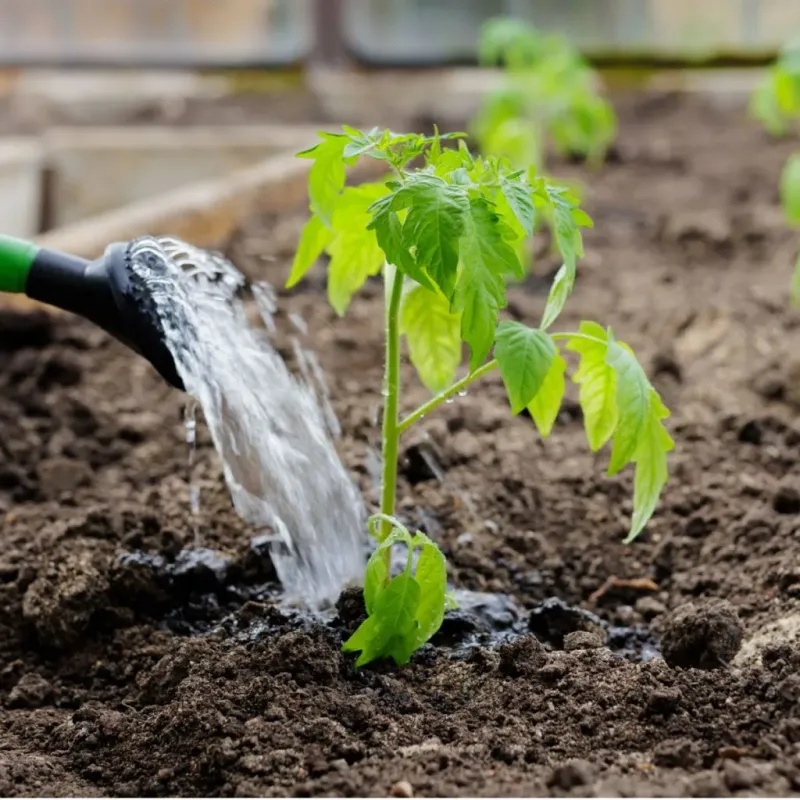
Watering in the early morning is one of the smartest habits a desert gardener can build. When you water before 7 a.m., the soil soaks up moisture before the sun turns the surface into a frying pan.
Roots get a long drink, and the plant enters the hottest part of the day already well-supplied.
Afternoon watering in June is a real problem. Water evaporates fast before it even reaches the root zone.
You end up using more water and delivering less of it where the plant actually needs it.
Morning watering also gives the soil time to absorb deeply. Slow, steady flow at the base works far better than a quick splash.
Aim for water to penetrate at least 8 to 10 inches down, where the roots are actively feeding.
A drip system set on a timer makes this almost effortless. Set it to run before sunrise and let it go for 30 to 45 minutes depending on your soil type.
Sandy desert soils drain fast, so lean toward the longer end.
Tomato plants in peak summer heat need that deep reservoir of moisture to survive midday temperatures.
2. Dry Topsoil Does Not Always Mean Thirsty Plants
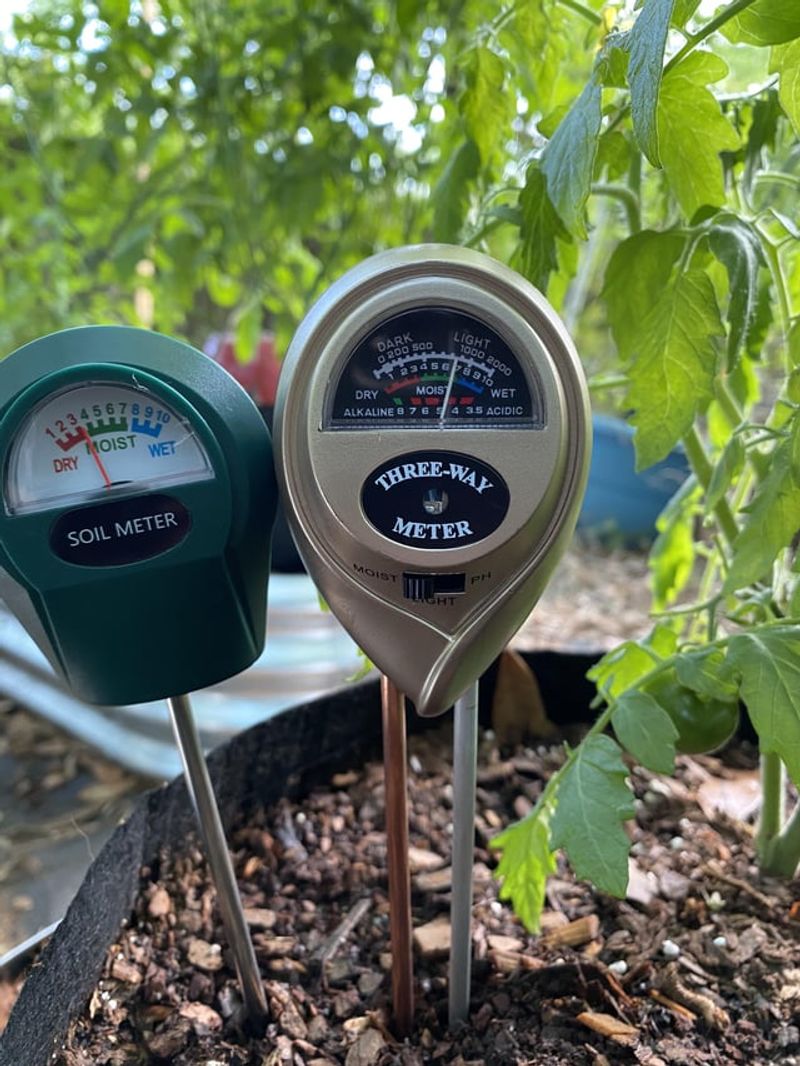
Cracked, dry soil on top can fool even experienced gardeners. In June, the surface dries out within hours of watering.
Judging plant thirst by what you see on top leads to overwatering, which causes its own set of problems.
Push your finger or a wooden dowel about 3 inches into the soil. If it feels damp at that depth, the roots are probably fine.
If it comes out bone dry, it is time to water.
A soil moisture meter is a cheap and reliable tool that removes all the guesswork. You can find them for under ten dollars, and they give you an accurate reading at root depth without digging around constantly.
Tomato roots in established plants go deep, sometimes 18 inches or more. Surface dryness means almost nothing about what is happening at root level.
Checking deeper before watering helps you avoid soggy soil conditions that can lead to root problems.
Overwatered plants actually show many of the same signs as underwatered ones. Wilting, yellowing leaves, and slow growth can come from too much water just as easily as too little.
Your Arizona Garden Changes Every Week. Your Plan Should Too.
Gardening in Arizona changes quickly throughout the season. Every Friday you’ll receive a simple weekly plan showing exactly what to plant, prune, fertilize, harvest, and protect so you never miss the right timing.
3. Thick Mulch Slows Moisture Loss Faster
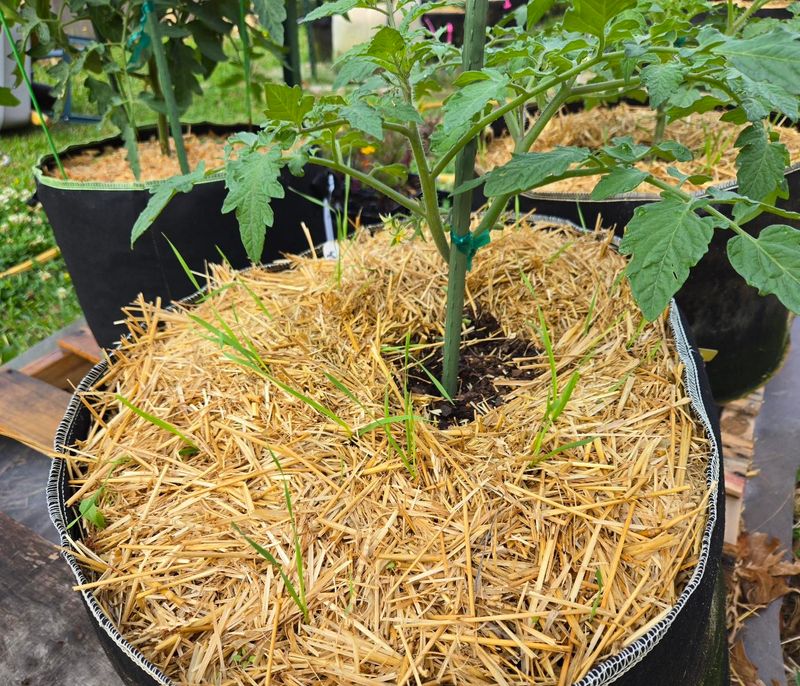
Bare soil in a June desert garden loses moisture at a shocking rate. A thick layer of mulch changes that completely.
It acts like a blanket, keeping ground temperatures lower and slowing evaporation to a fraction of what bare soil experiences.
Straw, wood chips, and shredded leaves all work well. Aim for a layer at least 3 to 4 inches thick around each plant.
Keep it a few inches away from the main stem to prevent moisture buildup right against the plant base.
Mulch also moderates soil temperature swings. Desert soil without mulch can reach temperatures that stress root systems during peak afternoon hours.
With a solid mulch layer, soil stays significantly cooler and more stable throughout the day.
Organic mulches break down over time and feed the soil as they decompose. That is a bonus benefit on top of water retention.
Straw is a popular choice because it is affordable, easy to find, and works quickly.
In areas with extreme summer heat like the low desert, mulch can reduce watering frequency noticeably. Some gardeners report needing to water less often after applying a proper mulch layer, simply because the moisture stays put longer.
4. Shallow Soaking Can Weaken Root Development
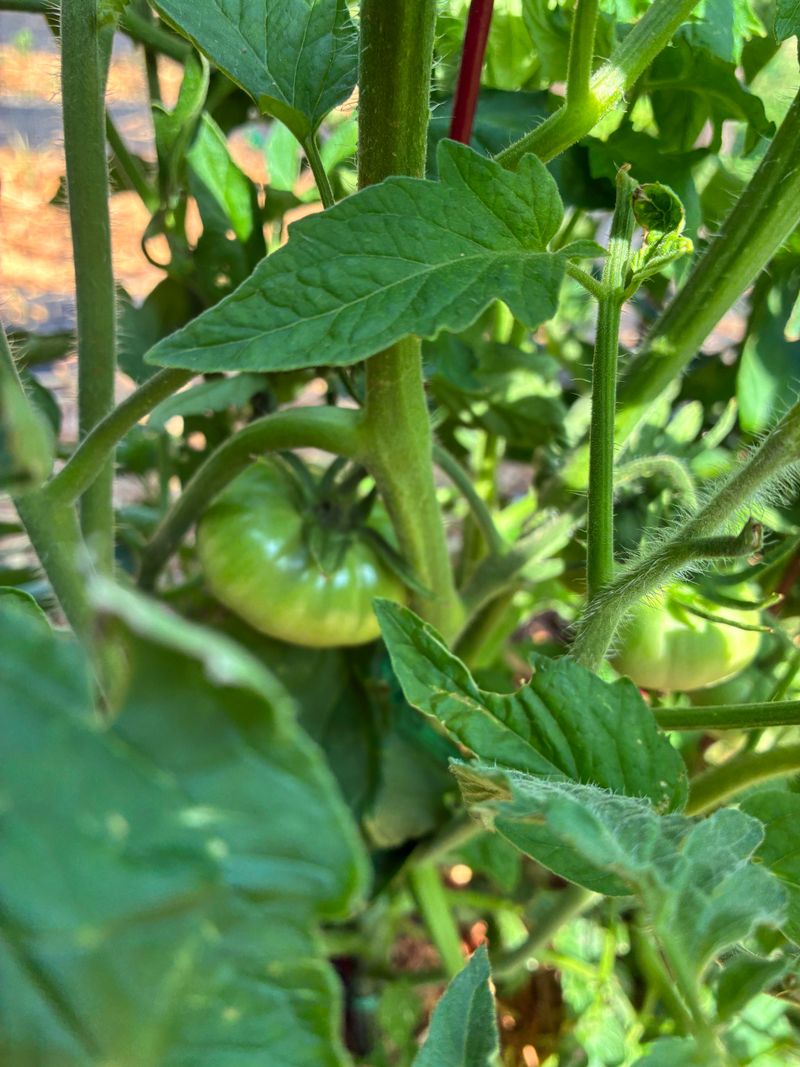
Short, frequent watering sessions do more harm than most gardeners realize. When water only reaches the top few inches of soil, roots have no reason to grow deeper.
They cluster near the surface, where heat and dryness are most intense.
Surface roots make plants fragile. A single hot, dry day without water can stress a shallow-rooted plant much faster than one with roots reaching deep into cooler, moister soil.
Deep roots equal more resilience.
Push water down slowly and consistently. Drip irrigation at low flow rates gives water time to travel deep before it spreads sideways.
A quick blast from a hose encourages runoff rather than deep penetration, especially in compacted or clay-heavy soils.
Water deeply every 2 to 3 days in June rather than lightly every day. Let the soil dry slightly between sessions at the surface while staying moist deeper down.
That pattern encourages roots to follow the moisture downward.
Deep-rooted tomato plants handle the brutal desert summer far better. When roots reach 12 inches or deeper, they tap into soil zones that hold moisture longer and stay cooler even on 110-degree days.
5. Containers Usually Need Water Much More Often
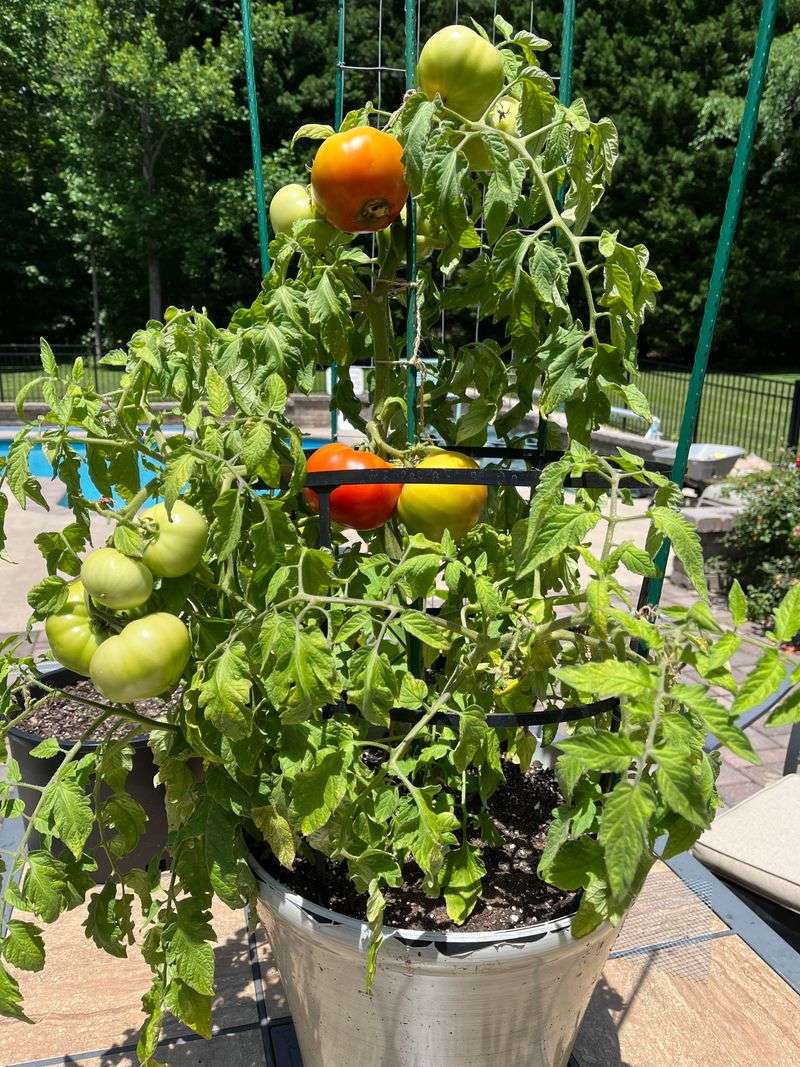
Container tomatoes play by different rules. Pots heat up fast in full sun, and small volumes of soil dry out much quicker than in-ground beds.
During a hot June in the desert, some containers need watering twice a day.
Check your pots morning and evening. Press a finger an inch into the soil.
If it feels dry at that depth, water right away. Do not wait for plants to wilt before acting, because wilting in extreme heat can set plants back significantly.
Pot size matters a lot. Smaller containers dry out faster and give roots less room to spread.
A five-gallon pot is a minimum for tomatoes, but ten gallons or larger is much better for summer growing in hot climates.
Self-watering containers are worth the investment for desert gardeners. They hold a reservoir of water at the bottom and allow roots to draw moisture as needed.
Refill the reservoir daily during peak heat and you will see a noticeable difference in plant stability.
Dark-colored pots absorb more heat than light-colored ones. Switching to white or light gray containers, or wrapping dark pots in burlap, helps keep root zone temperatures lower.
Cooler roots perform better and require less water overall.
6. Wet Leaves Can Increase Summer Stress
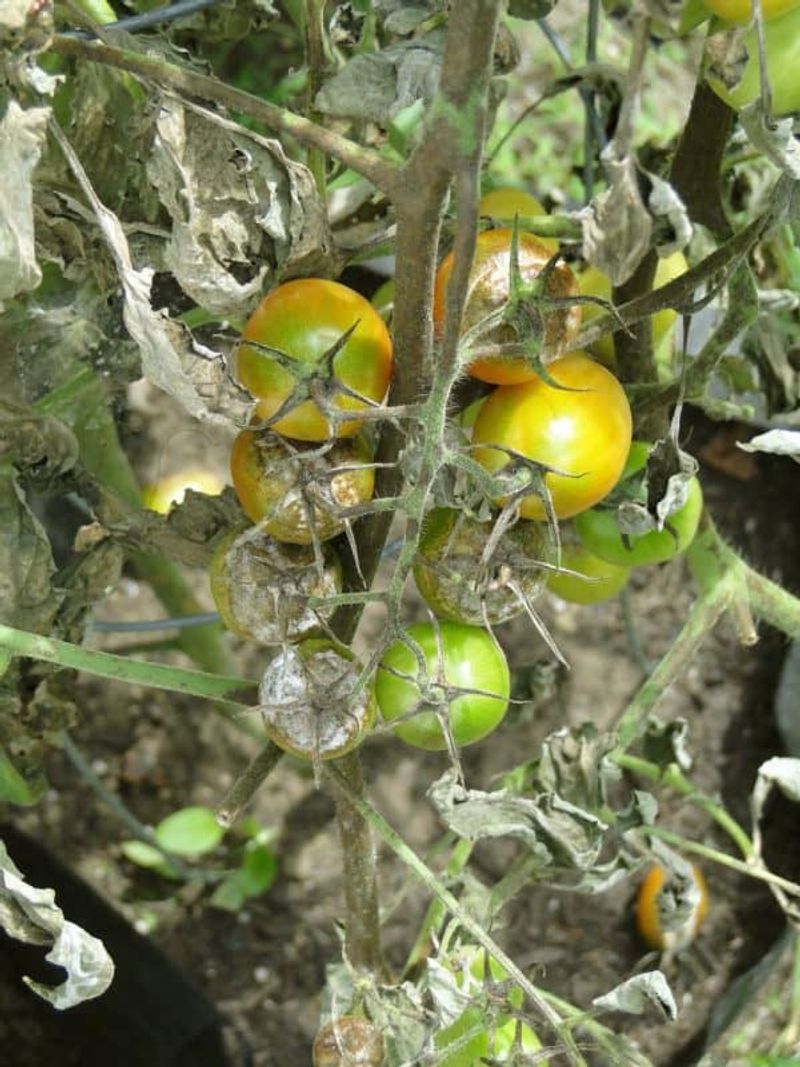
Splashing water on tomato leaves during summer is a habit worth breaking fast. Wet foliage combined with intense sun can cause leaf scorch, and damp leaves that stay wet overnight create conditions where fungal problems take hold.
Always aim water at the base of the plant, not the leaves. Drip irrigation handles this automatically.
Hand watering with a wand or hose takes more attention, but keeping water off the foliage is worth the extra effort.
Fungal diseases spread quickly in hot, humid microclimates created by overhead watering. Early blight and other common tomato diseases gain a foothold when leaves stay wet repeatedly.
Prevention is far easier than treatment once a problem takes hold.
Morning watering at the base gives any accidental splash time to dry before evening. Evening overhead watering is the worst combination because leaves stay wet through the night when fungal spores are most active.
Wet leaves during extreme heat can increase stress and raise the risk of fungal problems.
Water sitting on leaves during midday can intensify the sun’s impact on the leaf tissue, leaving behind pale or brown spots.
7. Steady Soil Moisture Helps Prevent Blossom-End Rot
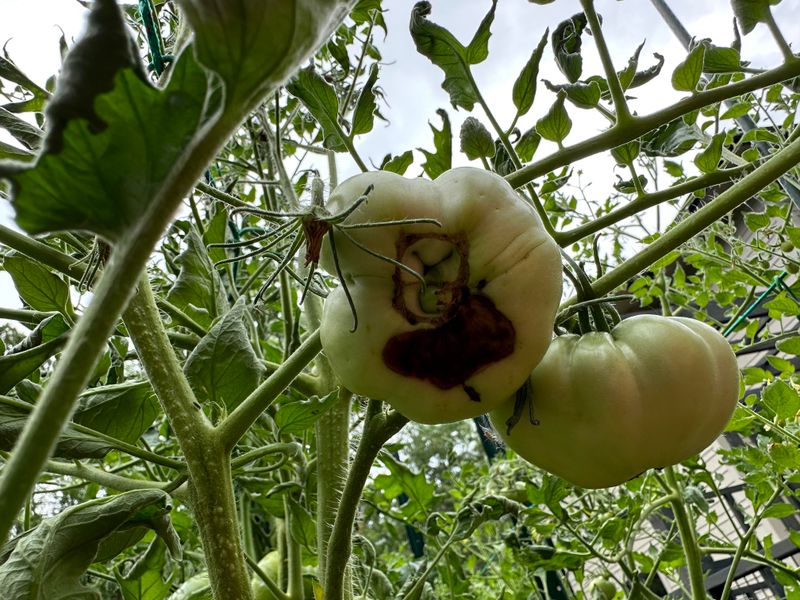
Blossom-end rot shows up as a dark, sunken spot on the bottom of tomatoes. It looks like a disease, but it is actually a calcium problem triggered by inconsistent watering.
Wild swings between dry and soaking wet soil block calcium uptake even when calcium is present.
Keeping soil moisture steady is the most reliable fix. Tomatoes need a consistent supply of water to move calcium from soil into fruit tissue.
When soil dries out and then gets flooded, that process gets disrupted at a critical stage.
Mulching helps enormously here. A steady moisture level under mulch reduces the extreme wet-dry cycles that trigger the problem.
Combine mulch with a drip system on a regular schedule and blossom-end rot becomes much less common.
Calcium sprays sold at garden centers offer a temporary boost, but they do not fix the root cause. Consistent watering solves the underlying issue.
Sprays work best as a short-term bridge while you adjust your irrigation habits.
Check your watering schedule if you start seeing the problem appear. In June, a reliable drip system running every 1 to 2 days at consistent duration is usually enough to maintain steady soil moisture in most garden setups.