What Arizona Gardeners Should Stop Fertilizing Before Extreme Heat Hits
Spring feeding habits can become a real problem once brutal heat starts creeping closer in Arizona. Gardens still look healthy this time of year, so it feels natural to keep fertilizing like usual.
That is usually where trouble begins.
Fresh growth may look great for a little while. Then temperatures start climbing higher every week, nights stop cooling down properly, and plants suddenly begin struggling much faster than expected.
Extra watering does not always fix the issue once heat stress starts building.
Late fertilizer applications often push plants at the worst possible time. Growth that looked strong during spring can become harder to support once long stretches of extreme heat settle in.
Small timing changes now can make a huge difference before summer starts putting serious pressure on the garden.
1. Why Citrus Trees Should Not Be Fertilized Too Late
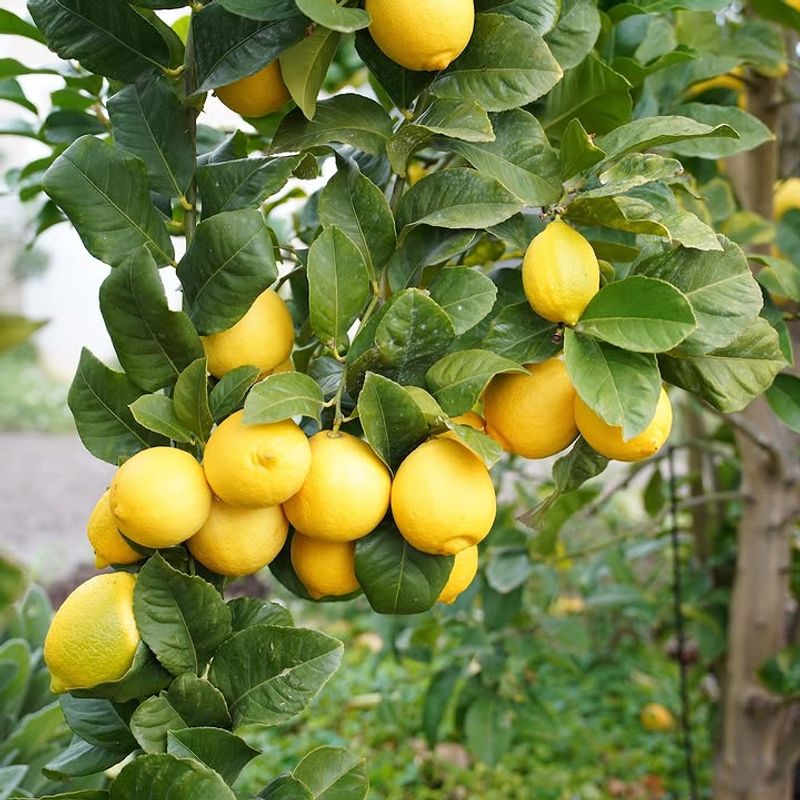
Citrus trees in Arizona are tough, but they have limits. Pushing them with fertilizer right before summer heat kicks in can cause more harm than most people expect.
When you apply nitrogen-heavy fertilizer too close to extreme heat, the tree responds by pushing out soft new growth. That tender growth cannot handle the scorching sun, and it often burns badly within days.
Avoid extra or heavy fertilizer right before extreme heat, but follow the proper citrus schedule. Many citrus trees still receive a planned feeding in May or June, depending on the type.
Fertilizing during this period can also cause salt buildup in dry desert soil, which stresses the root system even further.
Citrus trees actually do fine with less feeding than most people assume. Deep watering becomes much more important once temperatures start climbing, especially for younger citrus trees that dry out faster in Arizona heat.
A thick layer of mulch around the base can also help the soil hold moisture longer and reduce stress during long stretches of extreme sun.
Just keep mulch a few inches away from the trunk so excess moisture does not sit directly against the bark. If leaves start looking pale by midsummer, it is usually better to wait until temperatures ease before reaching for more fertilizer again.
2. Bougainvillea Can Struggle With Extra Feeding Before Heat
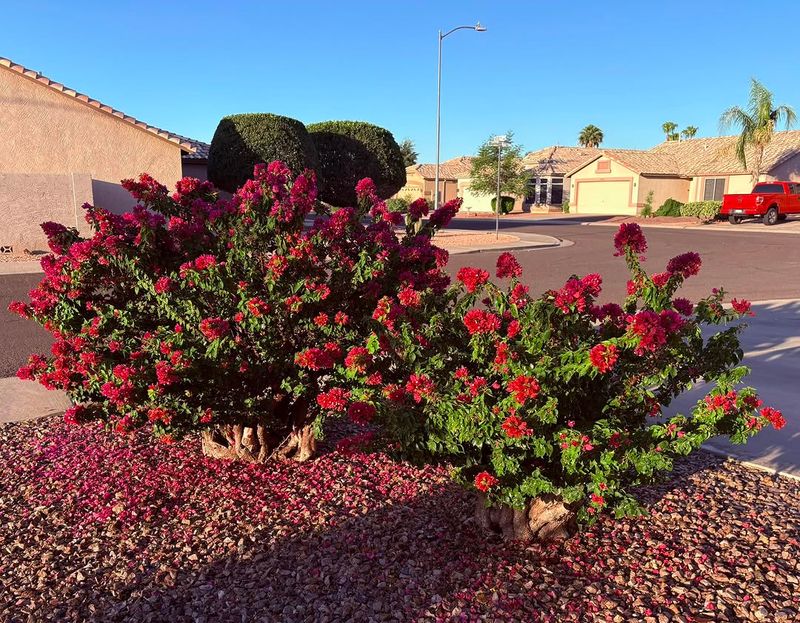
Bougainvillea looks invincible, and in many ways it is, but feeding it at the wrong time can throw it off balance before summer even starts. Most people think more fertilizer equals more blooms, but that logic falls apart when heat is just around the corner.
Nitrogen fertilizer encourages leafy green growth, which sounds nice until that soft growth meets 115-degree heat and starts looking scorched and sad.
Bougainvillea actually blooms better under a little stress. Gardeners across Arizona have found that cutting back on fertilizer in late April helps trigger more vibrant color rather than less.
Keeping it a bit lean before summer encourages the plant to push flowers instead of chasing leafy growth that cannot survive the heat anyway.
Phosphorus-focused fertilizers can be used lightly in early spring to support blooming, but even those should be stopped before temperatures get consistently high.
Your Arizona Garden Changes Every Week. Your Plan Should Too.
Gardening in Arizona changes quickly throughout the season. Every Friday you’ll receive a simple weekly plan showing exactly what to plant, prune, fertilize, harvest, and protect so you never miss the right timing.
Once summer settles in, bougainvillea is better left alone with regular deep watering rather than any feeding schedule.
Too much fertilizer can also make bougainvillea grow long, messy vines that need constant trimming instead of staying packed with color. Established plants usually handle Arizona heat far better when growth stays slower and more controlled going into summer.
Slightly dry soil between deep waterings often encourages stronger blooming than overly rich soil ever will.
3. Lavender Shrubs Prefer Less Fertilizer Before Summer
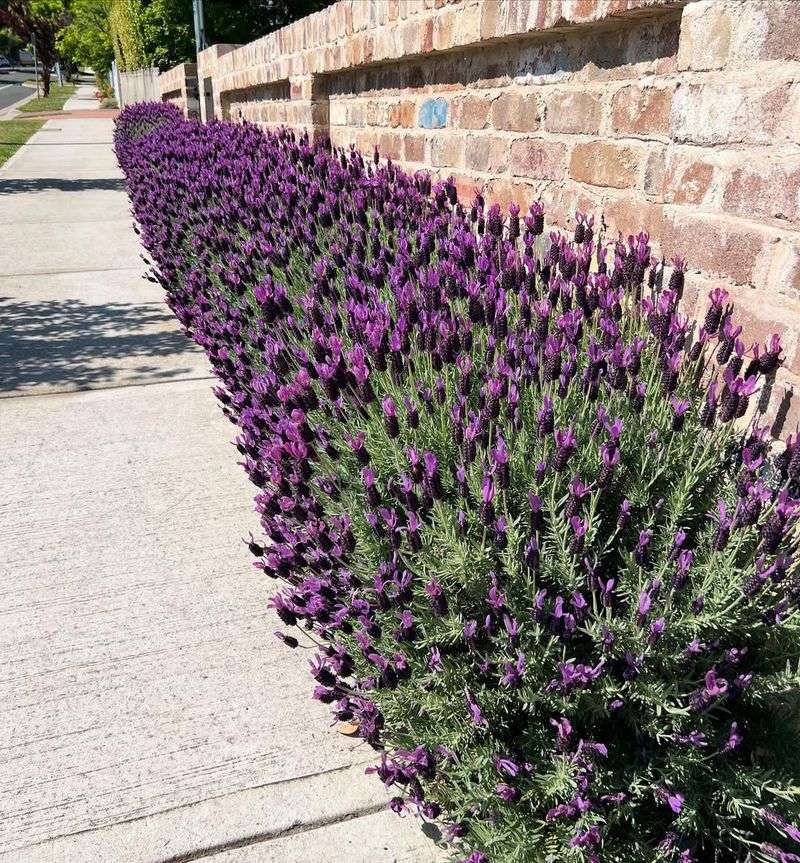
Lavender is built for tough conditions, and gardeners love it for exactly that reason. What catches people off guard is that lavender actually prefers poor soil, and fertilizing it too much, especially before summer, can create real problems.
Rich soil and heavy feeding push lavender toward lush, floppy growth that struggles in heat and can even develop root rot in poorly draining desert soils.
Spanish and French lavender varieties, which are the most common in landscapes, have adapted to thrive with very little nutrition.
Feeding them with nitrogen-heavy fertilizer before summer encourages soft stems and dense foliage that retains too much moisture around the plant’s crown.
In intense summer heat, that kind of growth becomes a liability rather than an asset.
Stopping fertilizer applications for lavender by early April is a practical guideline for most areas. After that point, the focus should shift entirely to proper drainage and airflow around the plant.
Lavender planted in gravel or decomposed granite tends to handle summers better than lavender planted in rich amended soil.
Overwatering becomes a much bigger risk than underwatering once summer heat settles in. Lavender roots need oxygen around them, and soggy soil during hot weather can weaken the plant surprisingly fast.
Light pruning after flowering also helps keep plants compact and improves airflow without pushing excessive new growth before peak heat arrives.
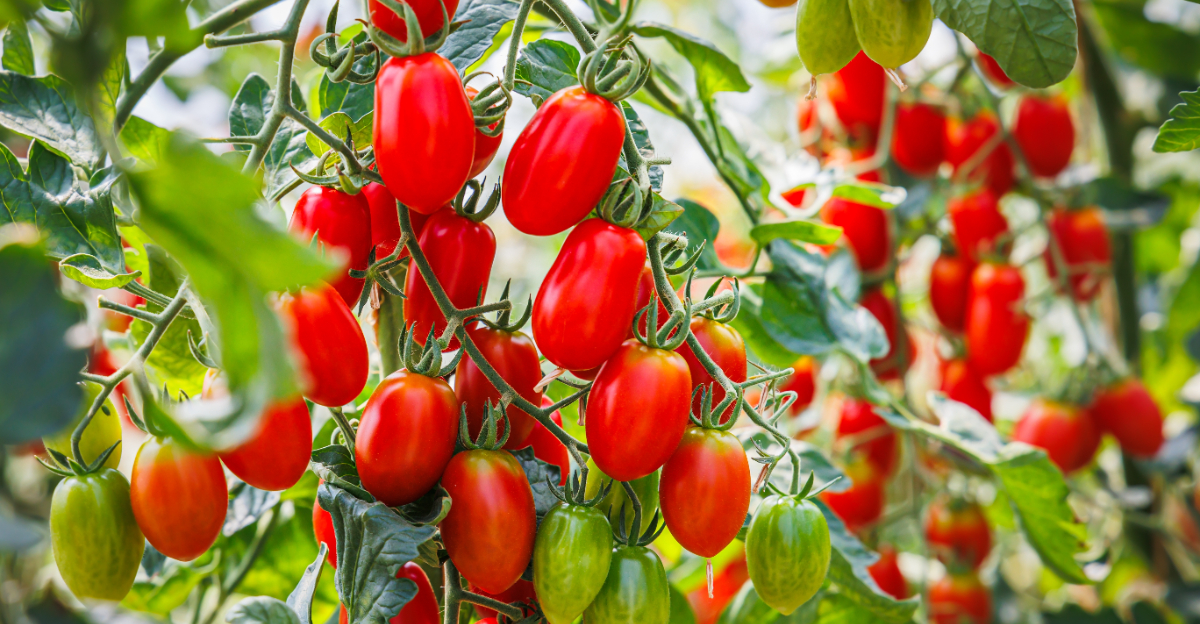
4. Tomato Plants React Poorly To Heavy Fertilizer In Heat
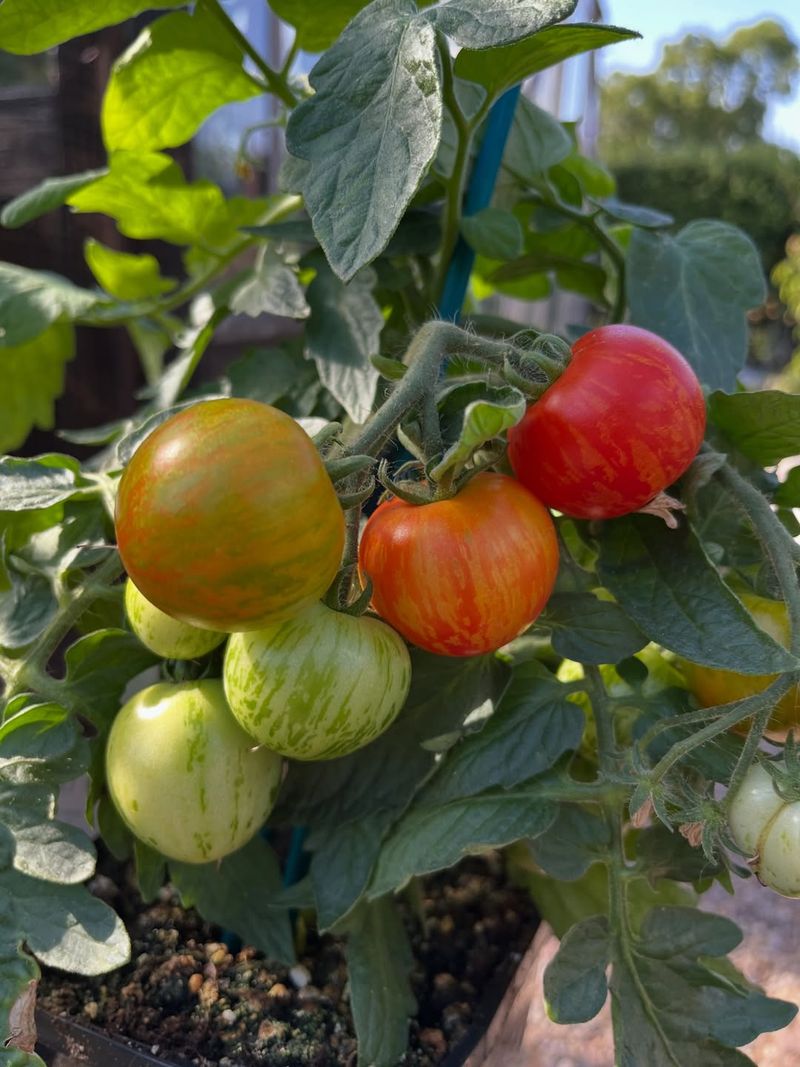
Tomatoes have a narrow window where they actually thrive, and most experienced local gardeners know that window closes fast. Once daytime temperatures push past 95 degrees consistently, tomato plants shift into survival mode.
Applying heavy fertilizer right before that happens sends mixed signals to the plant and often leads to flower drop, poor fruit set, or scorched leaves.
High-nitrogen fertilizer is especially risky for tomatoes heading into summer. It pushes plants to grow bigger and faster at exactly the wrong time.
All that extra leafy material needs more water to stay alive, and the roots struggle to keep up when soil temperatures climb. Root stress combined with heat stress is a tough combination for any tomato variety, even ones bred for warm climates.
A better approach for gardeners is to give tomatoes a light, balanced feeding in early spring and then ease off by late March or early April. Mulching heavily around the base of the plant does more good than fertilizer once real heat arrives.
Shade cloth can also make a huge difference once intense afternoon sun becomes relentless.
Many tomato plants stop setting fruit entirely during extreme heat, so forcing extra growth with fertilizer usually wastes energy the plant cannot use well anyway.
Deep morning watering helps roots stay cooler and more stable than frequent shallow watering during hot weather.
5. Agave Can Become Stressed After Heavy Feeding
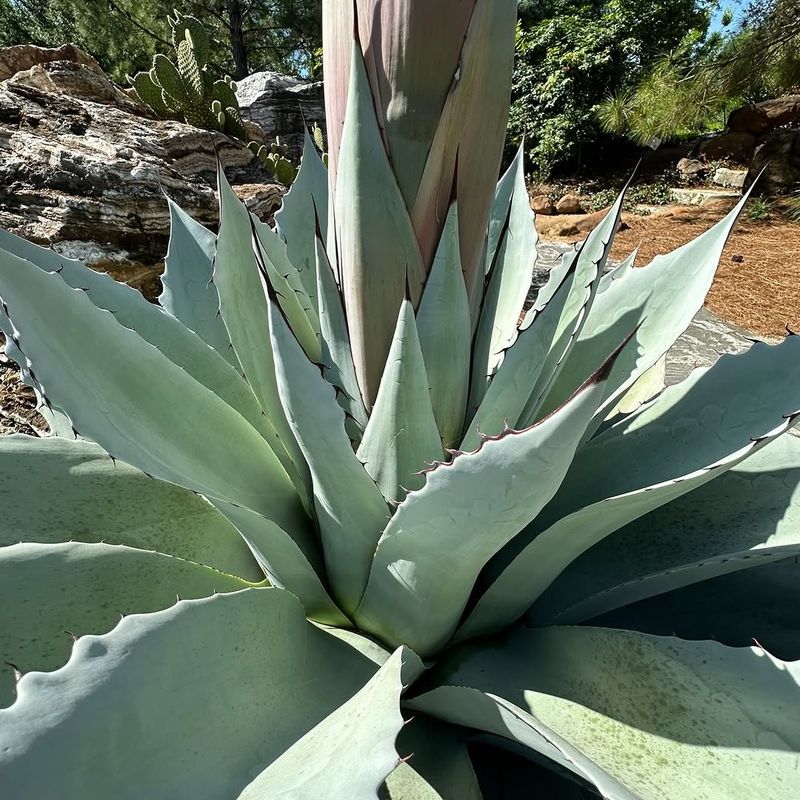
Agave is one of the most iconic plants in Arizona landscapes, and it earned that status by being almost completely self-sufficient. Fertilizing agave before extreme heat is one of those well-meaning mistakes that can set back an otherwise thriving plant.
Agave stores nutrients and water in its thick leaves, and pushing extra nutrients into the soil right before summer can disrupt that balance in ways that are hard to reverse quickly.
Heavy feeding encourages rapid growth in agave, which sounds fine until you realize that fast growth in succulents often means weaker, less dense tissue.
That softer tissue is more vulnerable to sunscald during Arizona’s brutal summer afternoons, particularly on younger plants that have not fully hardened off.
Established agave plants are more forgiving, but even they do not benefit from late-season fertilizer applications.
Agave in Arizona rarely needs fertilizer at all under normal circumstances. If you feel the plant needs a boost, a very light application of a balanced slow-release fertilizer in late winter is the safest approach.
By the time spring transitions into the furnace-like heat of an Arizona summer, agave should be left completely alone to do what it does naturally.
Agave also handles dry conditions better when roots stay in fast-draining soil instead of rich, moisture-retaining mixes.
Too much fertilizer can encourage pups to form more aggressively, which may crowd the base of the plant faster than expected.
6. Basil Often Struggles With Too Much Fertilizer In Heat
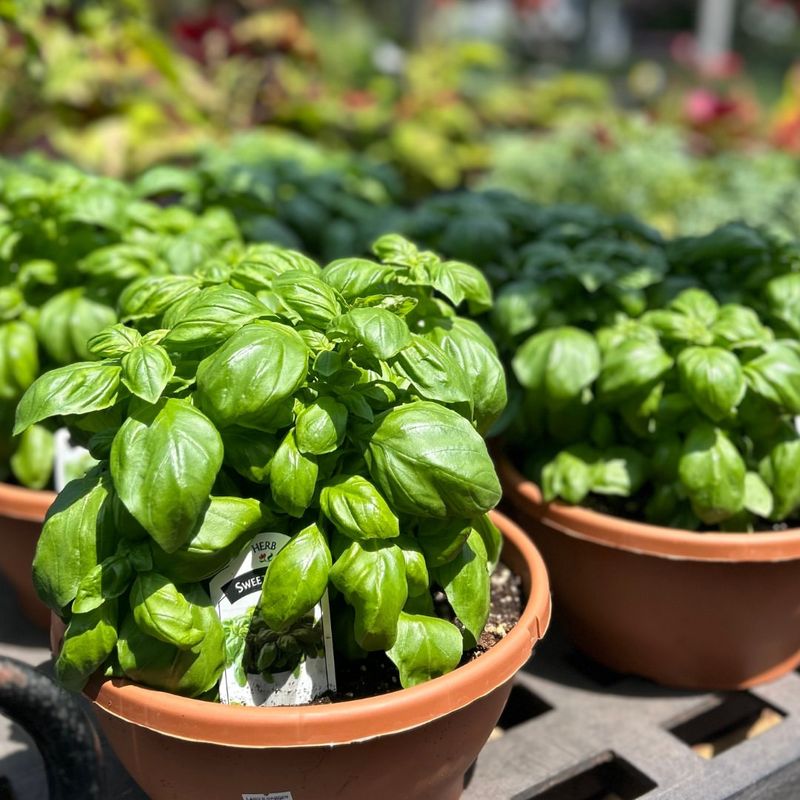
Basil is a warm-weather herb, but heat takes things to a level that even basil finds challenging. One of the quickest ways to shorten basil’s productive life in a garden is to over-fertilize it right before the hottest stretch of summer.
Heavy nitrogen feeding pushes basil into rapid leafy growth, and while that sounds ideal for a culinary herb, it also causes the plant to bolt faster and struggle more under extreme heat.
When basil bolts, it shifts energy from producing flavorful leaves to forming flowers and seeds. Heat stress accelerates that process on its own, and adding fertilizer to the mix speeds it up even more.
Gardeners who have grown basil for a few seasons often learn this the hard way after watching a beautifully fertilized plant turn bitter and woody within a couple of weeks once June temperatures arrive.
Keeping basil lightly fed in early spring with a balanced fertilizer gives it a good foundation without creating a growth surge it cannot sustain.
Once April rolls around in most areas, it is worth backing off entirely and focusing on consistent watering and afternoon shade instead.
Potted basil on a covered patio tends to last longer than in-ground basil during summer.
Pinching off flower buds as soon as they appear can also help basil stay leafy and productive a little longer before intense heat fully takes over.
7. Rosemary Usually Prefers Light Feeding In Hot Weather
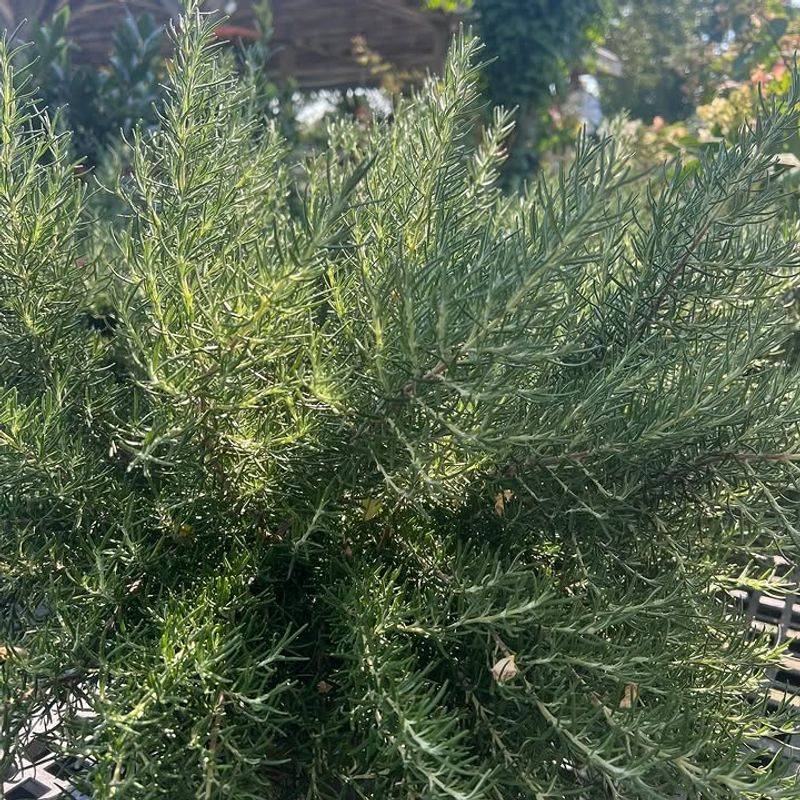
Rosemary is one of those plants that thrives on neglect, which makes it a natural fit for landscapes.
Gardeners who are used to feeding their plants on a regular schedule sometimes make the mistake of applying the same routine to rosemary, especially right before summer.
Rosemary actually does better with very minimal feeding throughout the year, and any fertilizer applied close to extreme heat can push growth that the plant simply cannot support.
Extra nitrogen before summer heat encourages soft new growth on rosemary, and that tender growth is vulnerable to sunburn in the sun.
Rosemary that has been over-fertilized also tends to have a less intense flavor and aroma, which defeats the purpose of growing it as a culinary herb.
The essential oils that give rosemary its signature scent actually concentrate more in plants that experience some stress, not plants that are heavily fed.
A single light application of a balanced fertilizer in early spring is all rosemary really needs in a garden. After that, the best thing you can do is step back and let the plant manage the heat on its own terms.
Good drainage, minimal watering, and zero fertilizer during summer is the winning formula.
Overwatering usually causes far more trouble for rosemary than dry soil ever does once summer arrives. Pruning lightly after flowering can also help maintain airflow and keep the plant from becoming too woody or dense over time.
8. Pepper Plants Can Suffer From Overfeeding Before Summer
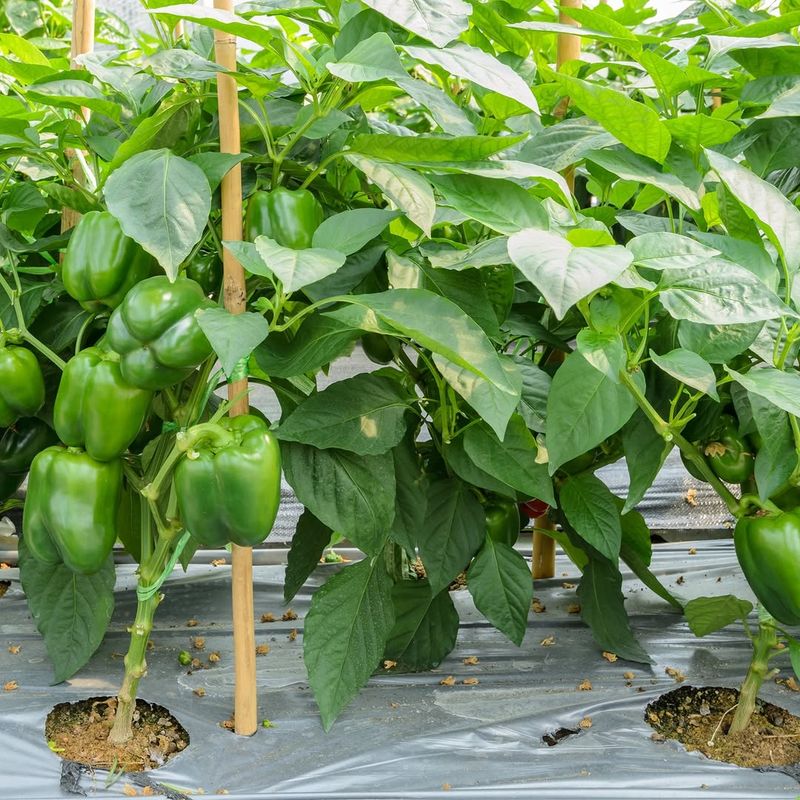
Pepper plants and Arizona summers have a complicated relationship. Peppers love heat up to a point, but once temperatures consistently exceed 100 degrees, they start dropping flowers and struggling to set fruit.
Adding heavy fertilizer to the mix right before that threshold makes things worse, not better.
Nitrogen overload pushes peppers into aggressive vegetative growth at exactly the moment when the plant should be conserving energy and hardening off for the heat ahead.
Arizona gardeners often notice that heavily fertilized pepper plants look great in May but fall apart fast once June heat arrives.
The lush foliage that fertilizer produces requires more water and more energy to maintain, which stretches the plant thin during the most stressful part of the year.
Flowers drop, fruit fails to develop, and the plant ends up looking rough by midsummer despite the extra care it received in spring.
A smarter approach is to give peppers a balanced fertilizer in early spring when they are establishing and starting to grow vigorously. By late April in most locations, it is time to ease off and let the plants shift their focus naturally.
Mulching around the base of pepper plants helps retain moisture and keeps soil temperatures from spiking too dramatically.
Providing light afternoon shade during the hottest part of summer can also help pepper plants hold onto flowers and reduce stress when temperatures become extreme.