These Are The Georgia Plants That Thrive In Red Clay Without Any Soil Amendment
Heavy rain can leave parts of a Georgia yard muddy for days, then summer heat suddenly turns that same ground hard as brick. Many plants never seem fully comfortable in red clay for very long.
Fresh growth slows down fast. Roots struggle to spread.
Some flowers and shrubs start looking stressed almost as soon as temperatures rise.
Still, a few plants settle into red clay without much fuss.
Leaves stay fuller during hot weather and growth keeps moving even when the soil feels dense and difficult to work with. Certain plants seem built for those conditions from the start.
That is why some yards look healthier and more established over time even without piles of compost, soil mixes, or constant work getting added around every new plant.
1. Oakleaf Hydrangea Holds Up Well In Dense Ground
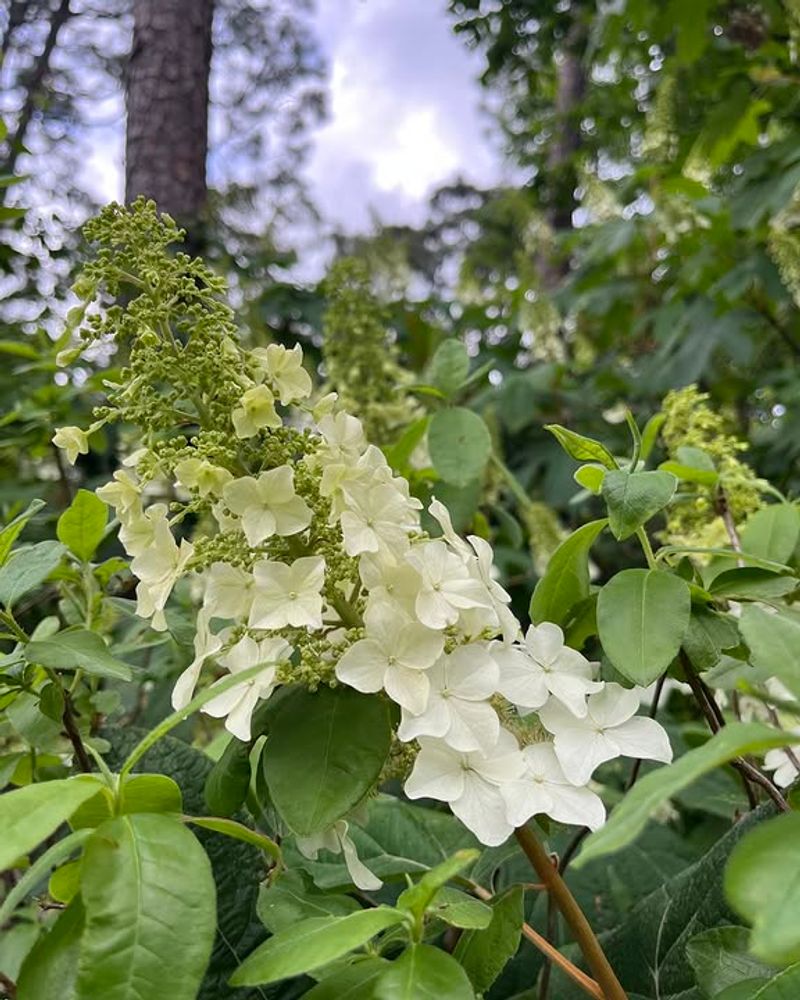
Oakleaf Hydrangea does not need perfect soil to put on a show. In red clay, it roots down slowly but steadily, building a tough base that holds through heat and drought.
Its flower clusters open white in early summer, then age to a parchment pink by fall. Few shrubs give you that kind of seasonal color change without any extra effort on your part.
Plant it where it gets morning sun and afternoon shade. That combination works especially well in the Southeast, where afternoon heat can stress plants that are still getting established.
One underrated benefit is its peeling bark. In winter, after the leaves drop, the cinnamon-colored bark adds real visual interest to an otherwise bare yard.
Oakleaf Hydrangea also handles occasional wet feet better than most shrubs. In areas where red clay holds water after rain, this plant shrugs it off and keeps growing.
Give it room to spread. Mature plants can reach six to eight feet wide, so crowding it will limit its natural shape and reduce flowering over time.
Older plants also become surprisingly low maintenance once those deep roots settle into Georgia’s heavy clay soil.
2. Black-Eyed Susan Keeps Blooming In Red Dirt
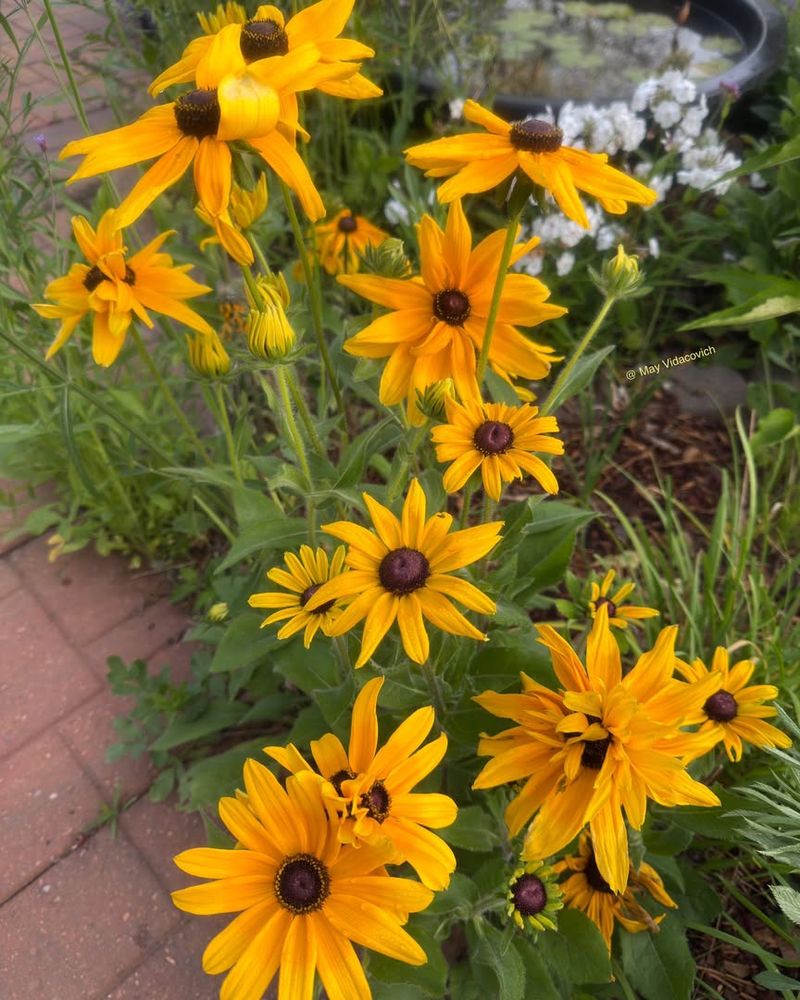
Few flowers push through dry red clay with as much confidence as Black-Eyed Susan. It treats poor soil like a challenge it already won.
Bright yellow petals surrounding a deep brown center make it one of the most recognizable wildflowers in the region. It blooms from midsummer into fall, filling gaps when other plants have already faded.
Black-Eyed Susan spreads by seed, so one plant can become a small colony within two or three seasons. That self-seeding habit makes it ideal for low-maintenance beds and naturalized areas.
It handles full sun without complaint. In fact, shading it too much reduces bloom production and can cause leggy, weak stems that flop over easily.
Pollinators absolutely love it. Bees, butterflies, and even goldfinches visit regularly, making it a practical choice for anyone trying to support local wildlife without much effort.
Watering is rarely needed once established. In Georgia, summer rains are usually enough to keep it going, though a deep soak during extended dry spells helps it rebound quickly.
Your Georgia Garden Changes Every Week. Your Plan Should Too.
Gardening in Georgia changes quickly throughout the season. Every Friday you’ll receive a simple weekly plan showing exactly what to plant, prune, fertilize, harvest, and protect so you never miss the right timing.
Cut stems back by half after the first bloom flush to encourage a second wave of flowers before frost arrives.
Black-Eyed Susan also handles heat and humidity far better than many short-lived flowering perennials.
3. Virginia Sweetspire Adapts Easily To Damp Areas
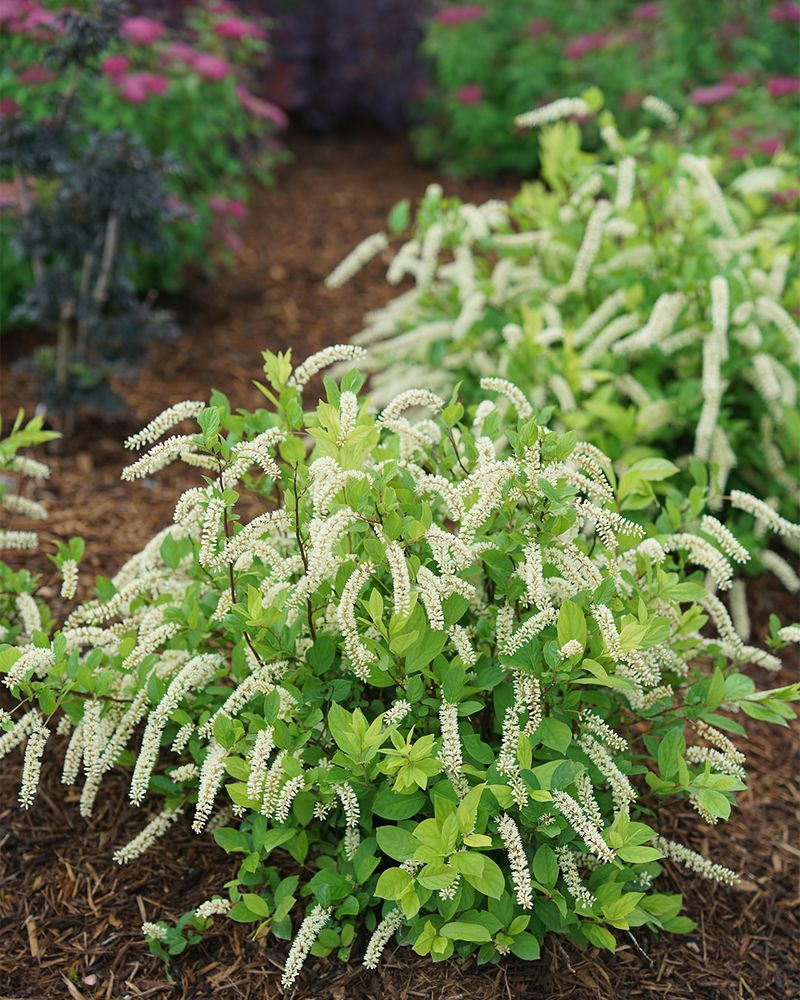
Standing water after heavy rain is a common problem in red clay yards. Virginia Sweetspire does not mind one bit.
It handles both wet and dry conditions better than almost any other native shrub. That flexibility makes it genuinely useful in spots where other plants simply refuse to cooperate.
In late spring, it produces long, arching white flower clusters that smell lightly sweet. The fragrance is subtle, not overwhelming, which makes it pleasant near patios and walkways.
Fall color is another strong point. Leaves shift to deep red, orange, and burgundy, and they hold that color for weeks longer than many other shrubs in the same conditions.
Virginia Sweetspire spreads slowly by suckers, forming a dense colony over time. Some gardeners appreciate this for erosion control along slopes or stream edges with heavy clay soils.
It works well in partial shade too. Under tall trees where drainage is poor and light is limited, this shrub fills space naturally without needing constant attention or soil improvement.
Pruning is optional. Left alone, it takes on a graceful, arching shape that looks intentional even in informal garden settings throughout the Southeast.
Established plants also tolerate summer heat surprisingly well once their roots settle deeply into heavy soil.
4. Purple Coneflower Develops Strong Roots In Hard Soil
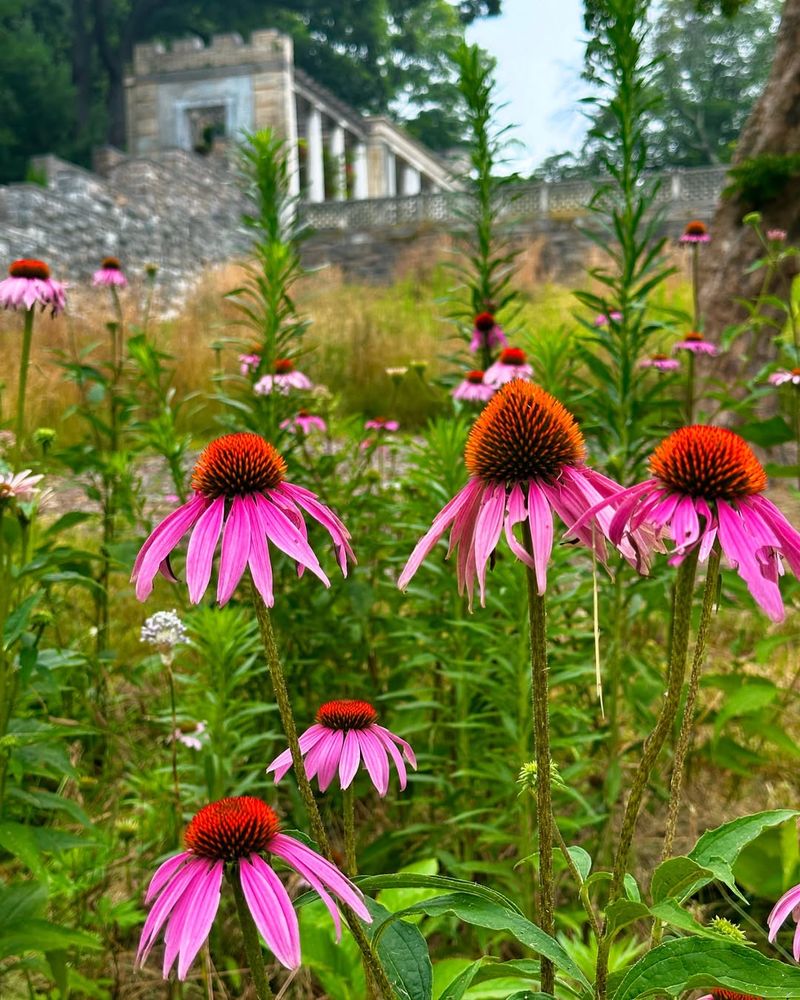
Purple Coneflower sends its roots deep, and hard red clay actually helps anchor it firmly once established. Loose, amended soil can sometimes cause shallow rooting that makes plants unstable.
Blooms appear in midsummer and last for weeks. Each flower starts with flat petals that gradually droop back, giving the spiky center cone more prominence as the season progresses.
Pollinators treat it like a buffet. Bees work the flowers constantly during peak bloom, and goldfinches return in late summer to eat the seed heads, so leaving them standing benefits local wildlife.
It handles full sun and heat without flinching. In areas where summers are long and intense, Purple Coneflower keeps blooming while other perennials take a break.
Dividing clumps every three to four years keeps plants vigorous and encourages heavier bloom production. Do this in early spring before new growth gets too far along.
Water needs drop significantly after the first growing season. Once roots reach down into the clay, the plant taps into moisture reserves that shallower plants cannot access.
Avoid heavy mulching right at the base. Good air circulation around the crown prevents the rot that can occasionally occur in poorly drained red clay soils.
Spent seed heads also add texture through fall and winter, especially once frost settles across the garden.
5. Native Asters Grow Reliably Without Extra Work
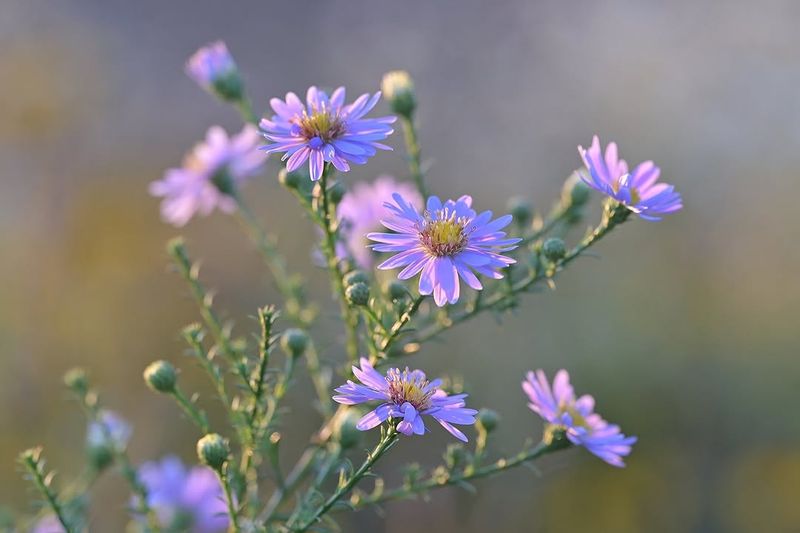
Late-season color is hard to find in most gardens, but native asters solve that problem without asking for much in return. They bloom when nearly everything else has finished for the year.
Small daisy-like flowers cover the entire plant in fall, ranging from pale lavender to deep purple depending on the species. The show lasts for weeks and improves with age as clumps get larger.
Red clay does not slow them down.
Native asters evolved in these conditions and have root systems built to handle both compaction and poor drainage without added soil amendments.
Cutting plants back by one-third in early summer encourages bushier growth and more blooms. Skip that step and plants tend to get leggy, though they still flower reliably.
Asters pair well with grasses and coneflowers in naturalized plantings. The combination creates a layered look that carries visual interest from summer straight through the first hard frost.
Seedlings pop up around established plants each spring. Some gardeners move these to fill gaps elsewhere in the garden, which is a practical way to expand a planting for free.
Minimal watering is needed once roots are set. In the Southeast, seasonal rainfall typically provides everything these plants require to perform well year after year.
6. Wax Myrtle Tolerates Compacted Areas With Little Fuss
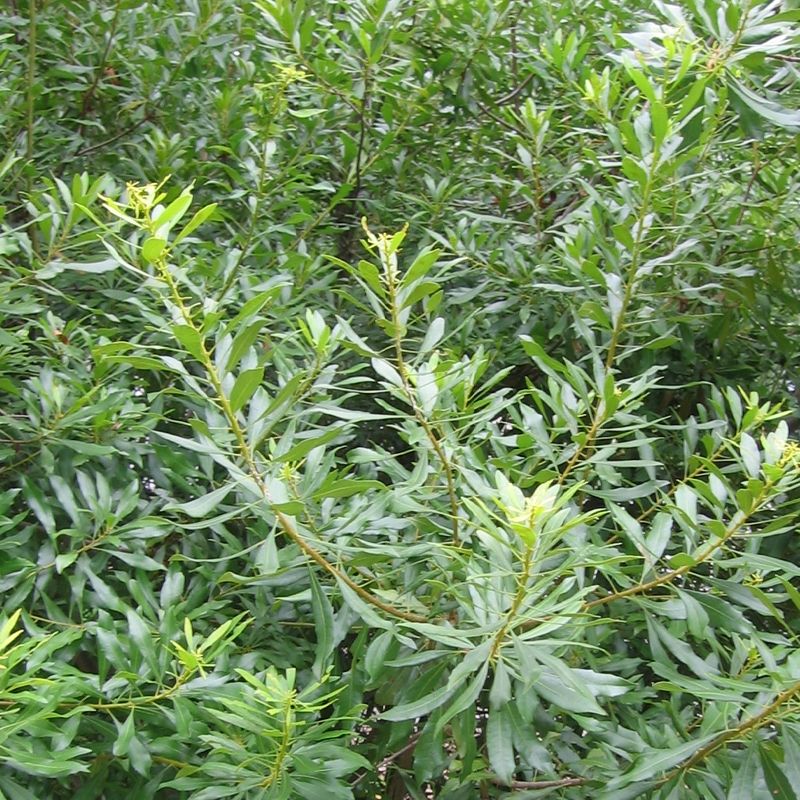
Wax Myrtle is one of the toughest evergreen shrubs you can put in a Southern yard. Compacted red clay, poor drainage, salt spray near roadsides, it handles all of it without complaint.
Growth is fast compared to most native shrubs. Under good conditions it can put on three or more feet per year, which makes it useful for quickly screening unsightly views or creating a privacy border.
The small, waxy berries attract birds in winter. Dozens of species rely on these berries as a food source during cold months when other options are scarce.
Fragrant foliage is a nice bonus. Brush against a branch and you get a pleasant, slightly spicy scent that most people find appealing rather than overpowering.
Wax Myrtle fixes nitrogen in the soil through root associations with bacteria. Over time, this actually improves the ground around it, which can benefit neighboring plants in the same bed.
Prune it as a multi-stemmed shrub or train it into a small tree. Both forms work well in landscapes, and the plant responds to cutting without any long recovery period.
It handles wet areas and dry ridges with equal ease, making it one of the most versatile choices for yards with variable clay-heavy soil conditions.
7. Threadleaf Bluestar Stays Strong In Heavy Dirt
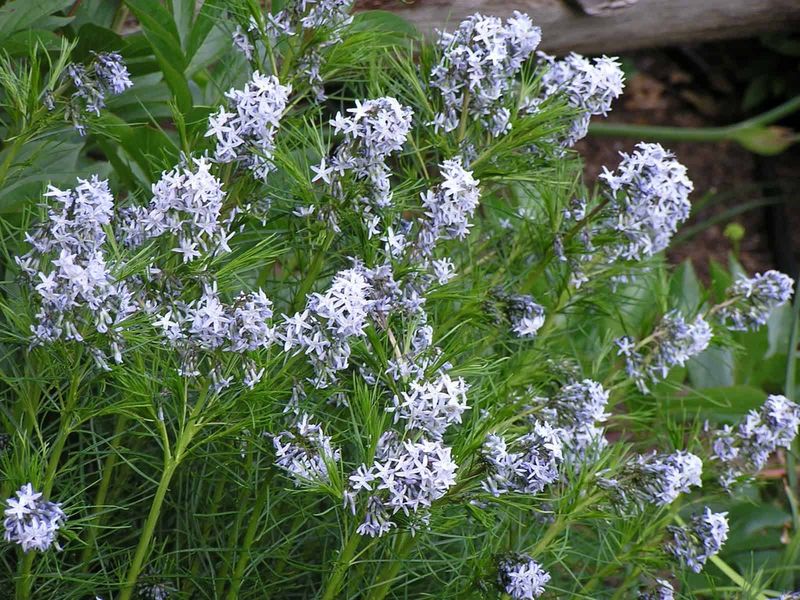
Threadleaf Bluestar looks delicate, but do not let that fool you. Its fine, needle-like leaves give it an airy appearance that hides just how tough this plant actually is in heavy soil.
Star-shaped blue flowers appear in spring, covering the plant completely for two to three weeks. After blooming, the foliage stays attractive all season as a feathery green mound.
Fall color is genuinely impressive. Leaves turn a clear, bright yellow in autumn, which stands out sharply against the red and orange tones of surrounding plants.
Root depth is part of what makes it so reliable in clay.
Threadleaf Bluestar pushes roots down rather than spreading wide, which helps it access moisture even when the surface layer dries out completely.
It grows slowly, so patience is needed in the first season. By year two, growth picks up noticeably, and by year three, the clump fills in to a satisfying size.
Full sun to light shade works equally well. In partly shaded spots under open canopy trees, it still blooms well and holds its shape without becoming floppy or weak.
Dividing older clumps in early spring refreshes growth. Replanting divisions in other areas of the garden is an easy way to expand the planting without any additional cost.
8. Switchgrass Thrives In Thick Soil With Little Effort
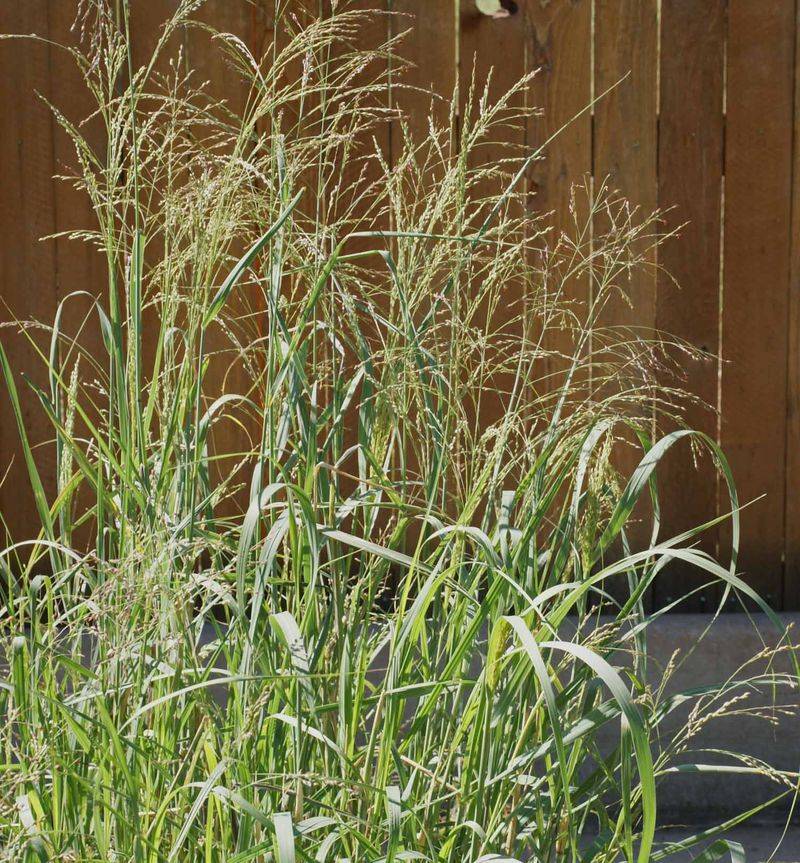
Switchgrass is one of those plants that actually seems to prefer difficult conditions. Put it in rich, loose soil and it can get floppy.
Plant it in thick red clay and it stands upright all season long.
Stems reach four to six feet tall depending on the variety. That height adds structure to mixed borders and fills vertical space that low-growing perennials cannot cover.
Seed heads emerge in late summer, creating a hazy, cloud-like effect above the foliage. Morning light filtering through the seeds is one of the better visual moments a grass planting can offer.
Fall color varies by variety. Some cultivars turn golden yellow, others shift to deep red or burgundy, giving gardeners a range of options depending on the color palette they want.
Winter interest is a real strength. Switchgrass holds its shape through cold months, providing texture and movement in the garden when most other plants have gone completely dormant.
Cut it back to about six inches in late winter before new growth begins. Waiting too long makes cleanup harder and can damage fresh shoots emerging from the base of the plant.
Birds feed on the seeds throughout fall and winter. Leaving plants standing as long as possible gives wildlife more time to take advantage of this natural food source.
9. Butterfly Weed Handles Dry Clay Without Struggling
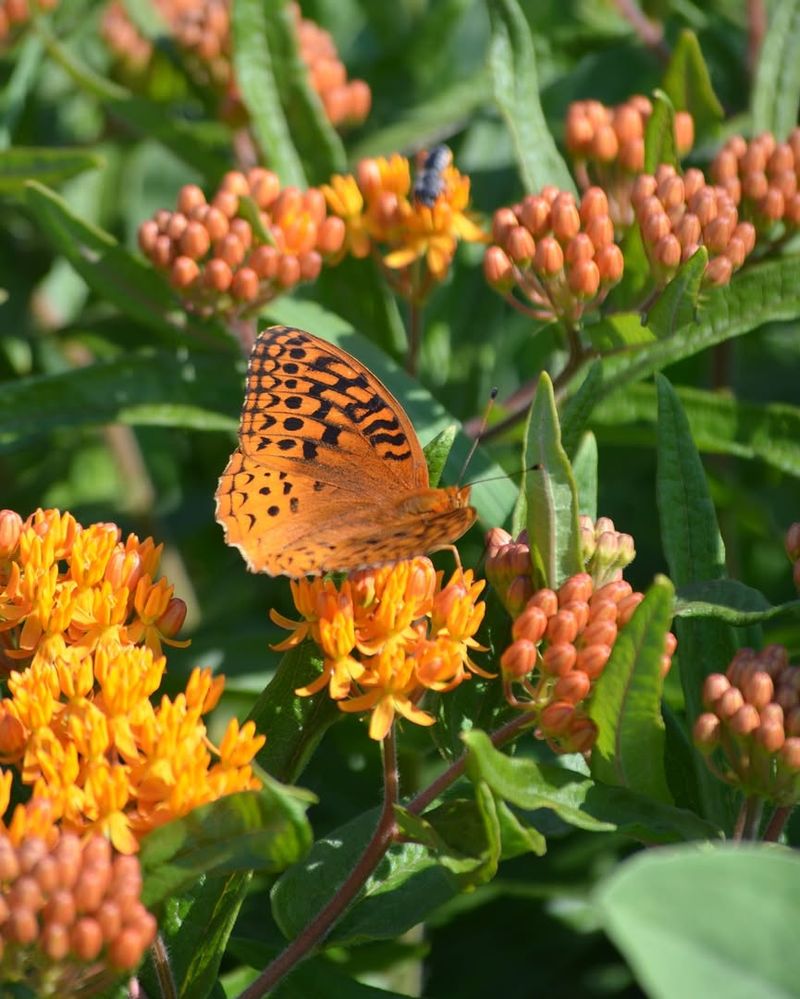
Bright orange flower clusters on Butterfly Weed are hard to miss. Against red clay soil, that color contrast is especially striking, and the plant earns it without any extra watering or fertilizing.
It belongs to the milkweed family, which means it is a host plant for monarch butterflies. Caterpillars feed on the leaves, making this plant a practical choice for anyone supporting pollinator populations.
Dry clay is actually ideal for this plant. Too much moisture causes root rot, so the naturally poor drainage of red clay works in its favor rather than against it.
Taproot development takes one full growing season.
During that first year, growth above ground looks slow, but underground the plant is building a deep anchor that will support strong growth for years.
Do not move it once established. The taproot does not transplant well, so choose the planting location carefully before putting it in the ground.
Full sun is non-negotiable. Shade reduces blooming significantly, and plants in low-light spots tend to stay small and produce very few flowers compared to those in open, sunny areas.
Seedpods split open in fall, releasing silky seeds that drift on the wind. Letting a few seeds land naturally is an easy way to expand the planting without any extra effort on your part.