What To Do If Moles Keep Coming Back To Your Georgia Yard No Matter What You Try
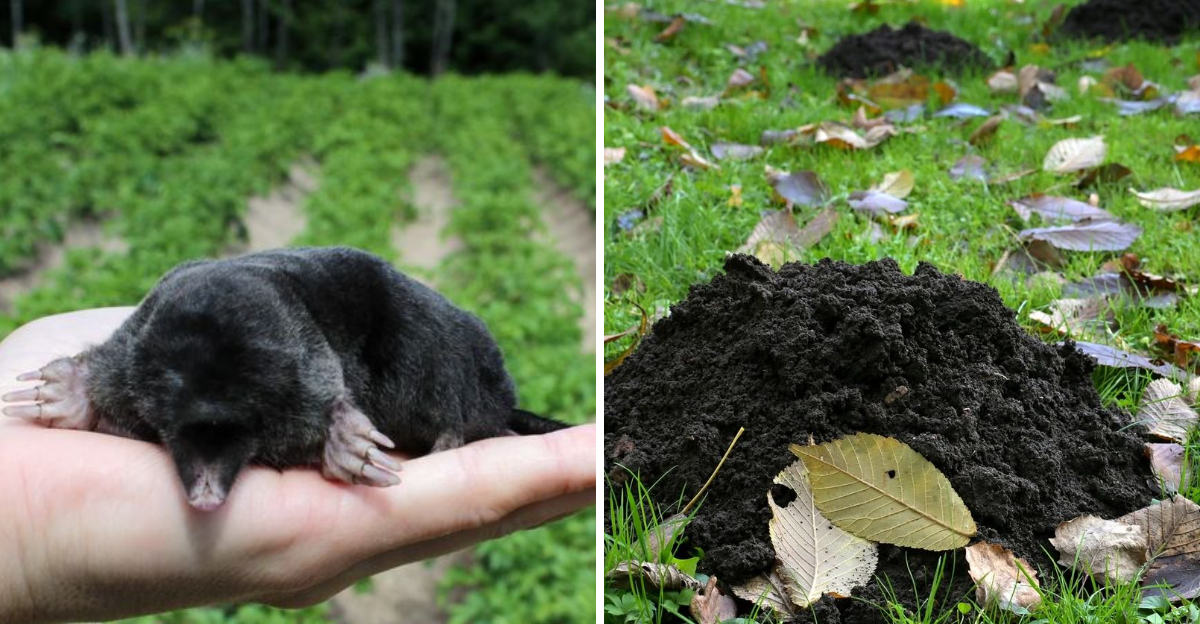
Mole tunnels have a way of turning a normal Georgia yard into a frustrating mess almost overnight. Fresh ridges push through the lawn, soft spots appear underfoot, and every new tunnel makes it feel like nothing is actually working.
Many people try one quick fix after another hoping the problem finally stops. A trap goes out for a few days.
Granules get spread across the yard. Someone swears a certain trick worked perfectly for them once.
Then new tunnels show up again anyway.
That is usually when the whole situation starts feeling impossible.
Moles are stubborn for a reason, and some common habits can actually make a yard more attractive to them without anyone realizing it.
Small changes in watering, soil conditions, and lawn care often play a bigger role than most people expect once mole activity starts increasing.
1. Start By Identifying Which Tunnels Are Still Active
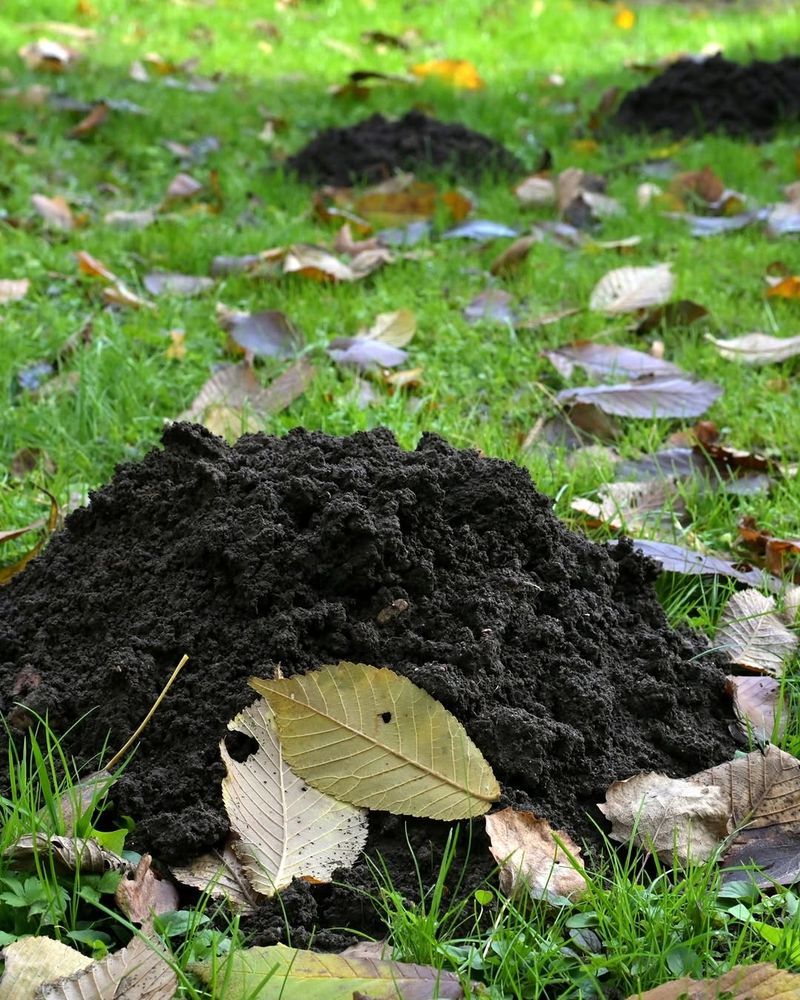
Not every tunnel in your yard is worth worrying about. Moles create two types: surface runs they use daily and deeper tunnels they travel less often.
Treating the wrong ones wastes your time completely.
Press down a section of raised tunnel with your foot. Check it again after 24 hours.
If it pushed back up, that tunnel is active and worth targeting first.
Mark several spots at once using small flags or sticks. Checking multiple areas helps you figure out which paths moles use most.
Focus your efforts on those high-traffic routes.
Active tunnels near garden beds or tree lines tend to be main routes, not random paths. Moles return to productive feeding areas again and again.
Knowing which tunnels are live saves effort and improves results.
Flat or sunken tunnels that stay flat after pressing are usually abandoned. Moles move on when food runs low in one area.
Skip those and focus where movement is confirmed.
Checking activity every day or two gives you a clearer picture of their pattern. Moles are creatures of habit.
Once you map their active routes, every other step you take becomes more targeted and effective.
2. Reduce Frequent Lawn Watering During Wet Periods
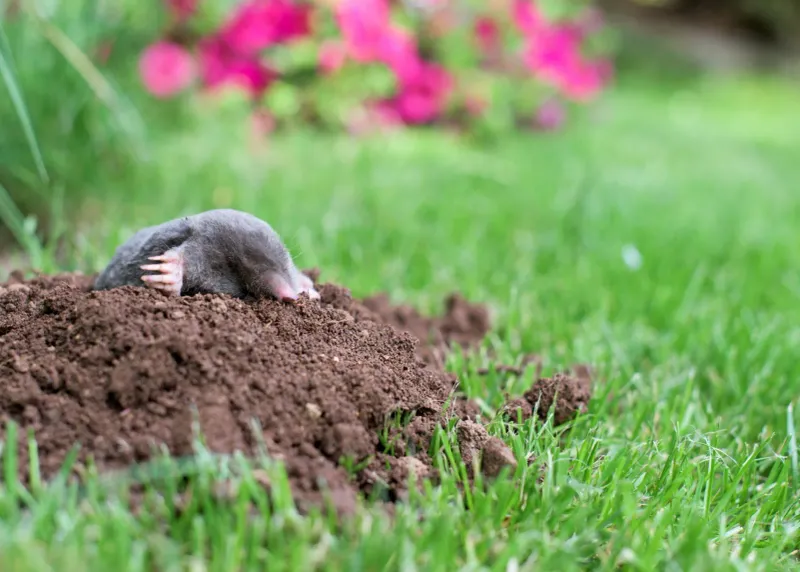
Wet soil is a mole magnet. Overwatered lawns stay soft and easy to dig through, which makes feeding faster and tunneling almost effortless for moles.
During rainy stretches, cut back on irrigation completely. Your lawn does not need extra water when nature is already doing the job.
Adding more moisture just creates better conditions for moles to work.
Sandy or loamy soils common in many parts of the Southeast drain faster but still hold enough moisture after heavy rain. If you water on top of that, the ground stays soft for days.
Moles take full advantage of that window.
Check your soil before running sprinklers. Push a screwdriver into the ground.
If it slides in easily, your lawn has enough moisture and does not need watering yet.
Letting the top few inches of soil dry out between watering sessions makes digging harder for moles. It does not remove them completely, but it reduces how comfortable your yard feels compared to neighboring properties.
Your Georgia Garden Changes Every Week. Your Plan Should Too.
Gardening in Georgia changes quickly throughout the season. Every Friday you’ll receive a simple weekly plan showing exactly what to plant, prune, fertilize, harvest, and protect so you never miss the right timing.
Drip irrigation aimed directly at plant roots wastes less water on open lawn areas. Less surface moisture means less appeal for moles hunting earthworms and grubs near the top of the soil.
Consistent overwatering also attracts more soil insects, which feeds the problem further.
3. Reduce Excess Soil Insects Around Active Tunnels
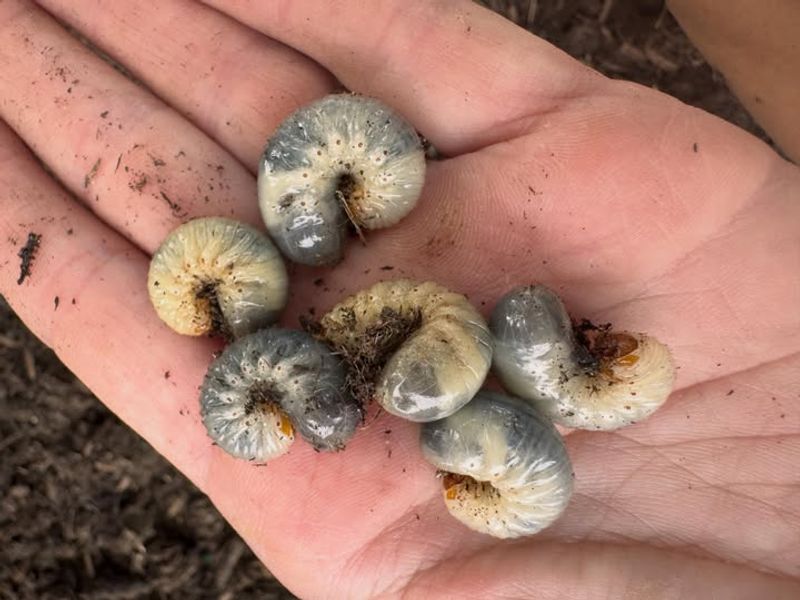
Moles are not in your yard to cause trouble. They follow food.
Grubs, earthworms, and beetle larvae are the main reasons they keep digging through your lawn season after season.
Grub populations peak in late summer across much of the South. That timing lines up with increased mole activity in many yards.
Treating the soil for grubs during that window can reduce the food supply moles depend on.
Beneficial nematodes are a natural option worth trying. Applied when soil is moist and warm, they target grub larvae without harsh chemicals.
Results vary based on soil type and application timing, so follow product directions carefully.
Milky spore is another biological treatment that works against Japanese beetle grubs specifically. It takes time to establish in the soil, sometimes a full season or more.
Patience matters with this approach.
Reducing grubs does not guarantee moles leave immediately. Earthworms are also a major food source, and those are harder to manage without harming your soil health.
Focus on grubs first since they are the more controllable variable.
Check grub levels before treating. Dig up a small patch of sod about a foot square and count the grubs you find.
More than five or six per square foot usually indicates a population worth addressing.
4. Flatten Raised Tunnels To Track New Movement Faster
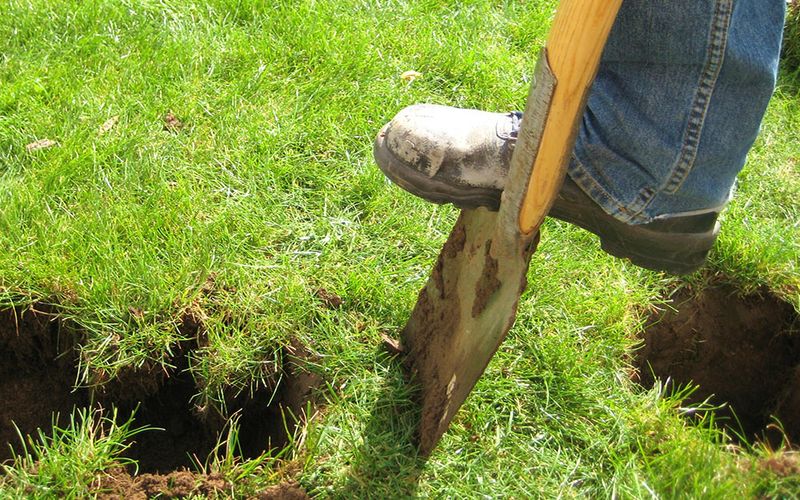
Raised tunnels make it hard to see what is new and what is old. Flattening them resets the clock and gives you a clear starting point for tracking fresh activity.
Use a lawn roller, a flat board, or even your feet to press tunnels back down. Do the entire visible network in one pass.
Mark the date so you know exactly when you started watching.
Walk the yard again the next morning. Any tunnel that rose back up overnight is active.
Any section that stayed flat is likely abandoned or used infrequently.
This method works well before placing traps or applying any product. You stop guessing and start working with real information.
Moles that return to the same path consistently are easier to target with precision.
Repeat the flattening process every few days if needed. Some moles are cautious and may avoid disturbed areas briefly before returning.
Giving it two or three days between checks accounts for that behavior.
Keeping a simple log helps. Write down which sections rose back up and when.
Patterns become obvious within a week. You will notice certain routes get used almost daily while others sit flat.
5. Focus On Soft Soil Near Garden Beds And Tree Lines
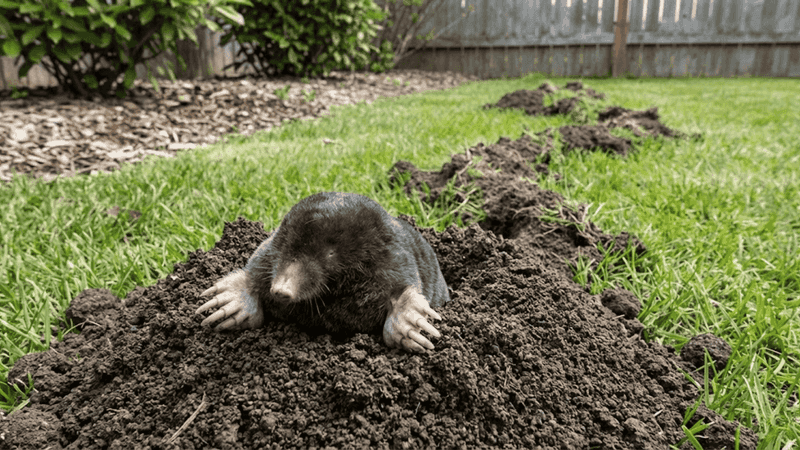
Garden beds and tree lines are prime mole territory. Loose, amended soil holds more moisture and more insects than compacted lawn areas.
Moles know where the easy digging is.
Mulched beds stay soft longer after rain. Roots from trees and shrubs attract earthworms, which attract moles.
These zones often become the starting point for tunnels that spread outward into the rest of the lawn.
Pay close attention to edges where lawn meets garden beds. That transition zone is where moles often enter from one area into another.
Tunnels along fence lines and tree roots tend to be main travel routes, not just random paths.
Placing physical barriers like underground wire mesh along garden bed borders can slow mole movement into planted areas. Hardware cloth buried at least 12 inches deep and bent outward at the bottom is more effective than surface-level solutions.
Barriers do not eliminate moles from the yard, but they protect the areas you care most about. Vegetable gardens and flower beds are worth protecting since mole tunnels can disturb roots and dry out soil around plants.
Check soft soil zones after every rain. Fresh tunnel activity shows up more clearly in loose soil than in dense lawn areas.
Early detection near beds lets you respond before tunnels extend further.
6. Avoid Using Multiple Repellents At The Same Time
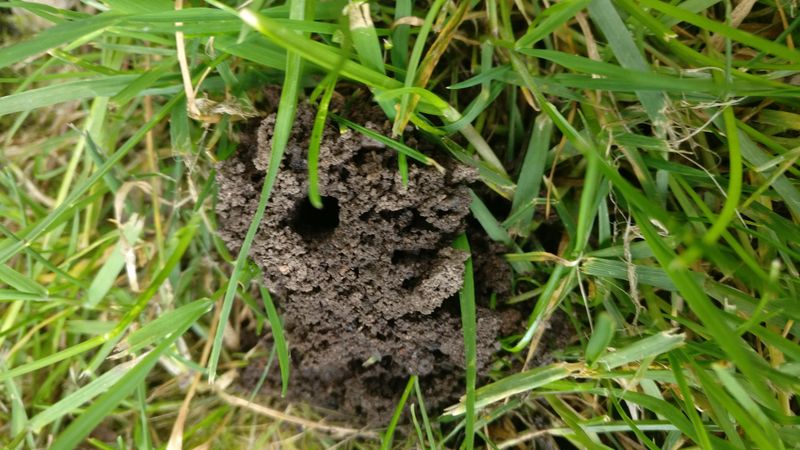
Stacking repellents on top of each other is one of the most common mistakes homeowners make. It feels like doing more, but it usually just creates confusion about what is actually working.
Castor oil granules, vibrating stakes, and scent-based repellents all work differently. Using all three at once makes it impossible to know which one, if any, is having an effect.
You cannot improve a strategy you cannot measure.
Pick one method and give it a real trial period. Most repellents need consistent application over two to four weeks before you can judge results fairly.
Switching too fast or layering products cuts that process short.
Vibrating stakes can actually interfere with mole behavior in unpredictable ways. Some moles habituate to vibration quickly, especially in yards where other noise sources are common.
Relying on them alone is rarely enough in high-activity yards.
Castor oil-based granules have a stronger track record than most other repellents. Applied along active tunnels and watered in, they coat the soil and make the area less appealing.
Reapplication after rain is essential for continued effect.
Read the label on whatever you choose. Application rate and timing matter more than most people realize.
Under-applying or applying at the wrong time reduces effectiveness significantly.
Choosing one product, applying it correctly, and tracking results gives you honest feedback. That feedback tells you whether to continue, adjust, or try something else entirely.
7. Repeat Control Methods Consistently Instead Of Once
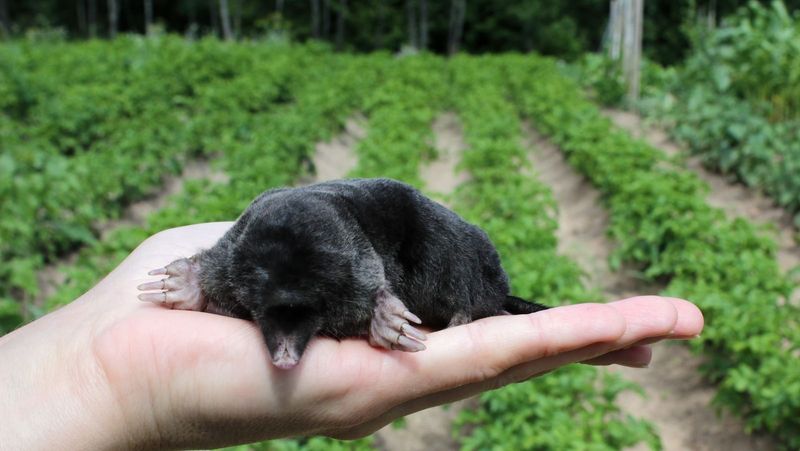
One treatment almost never solves a mole problem. Moles that move away from a treated area often return within days once conditions feel normal again.
Consistency is what creates lasting results.
Think of mole control as an ongoing routine, not a one-time fix. Repellents wear off.
Traps need checking and resetting. Barriers need inspection after heavy rain or soil shifting.
Each step requires follow-through.
Set a schedule that matches your method. If you use castor oil granules, plan to reapply every three to four weeks or after significant rainfall.
Mark it on a calendar so it does not get forgotten between busy weeks.
Trap-based control requires daily checks. A trap left unchecked for several days loses effectiveness and can miss the window when a mole is actively using that tunnel.
Short, regular check-ins beat infrequent long sessions.
Mole pressure also varies by season. In the Southeast, mild winters mean moles stay active longer than in colder regions.
Spring and fall typically bring heavier surface activity as moles follow food closer to the topsoil.
Skipping your routine during quieter periods is tempting, but that is exactly when moles rebuild their tunnel networks undisturbed. Staying consistent through slower periods prevents larger problems from developing later.