The Climbing Plants Michigan Gardeners Are Using To Cover Ugly Walls And Fences Fast
Some parts of a yard just sit there looking stubborn. A plain garage wall, a tired fence, a bare utility corner – none of them exactly scream garden charm.
That is where climbing plants start looking like a very clever move. Instead of ripping things out or spending a fortune hiding them, Michigan gardeners are letting vines do the heavy lifting.
Honestly, it is one of the easiest visual upgrades out there. A good climber can soften harsh lines, add flowers or fresh green coverage, and make an awkward spot feel intentional instead of forgotten.
Even better, it does all that without taking over precious planting space at ground level. In sunny yards, shady corners, and porch-side trellises across Michigan, these fast-growing climbers are turning blank vertical surfaces into something much more inviting.
Not bad for a plant that just wants something to climb.
1. Virginia Creeper Covers Big Surfaces Fast
Bare fence panels and wide garage walls can feel like a blank problem with no easy fix, but Virginia Creeper is the kind of plant that takes that challenge seriously.
This vigorous native vine is one of the most reliable large-surface coverers in Michigan landscapes, and it earns that reputation season after season.
It clings directly to rough surfaces like brick, stone, and wood using small adhesive pads at the tips of its tendrils, which means no trellis or wire support is needed on most textured walls.
Virginia Creeper is native to Michigan and grows comfortably in a wide range of conditions, from full sun to part shade, making it one of the more flexible options for yards with mixed exposures.
It pushes out fast growth during warm months, sending long stems across wide surfaces in a single season.
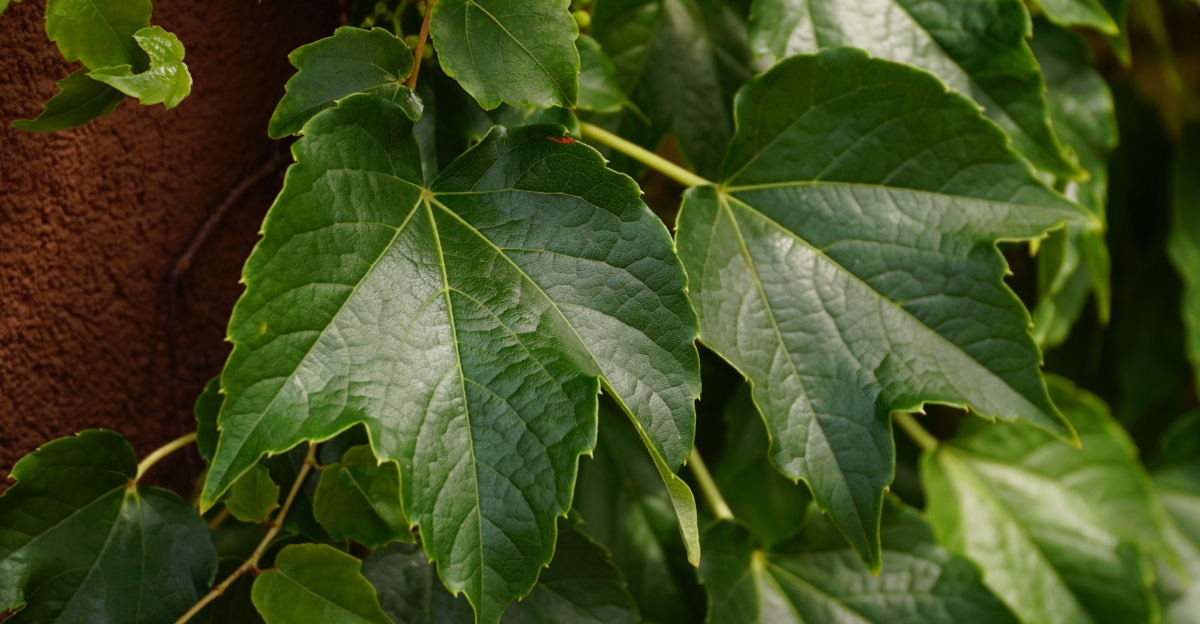
The five-leaflet foliage is dense enough to create solid visual coverage through summer.
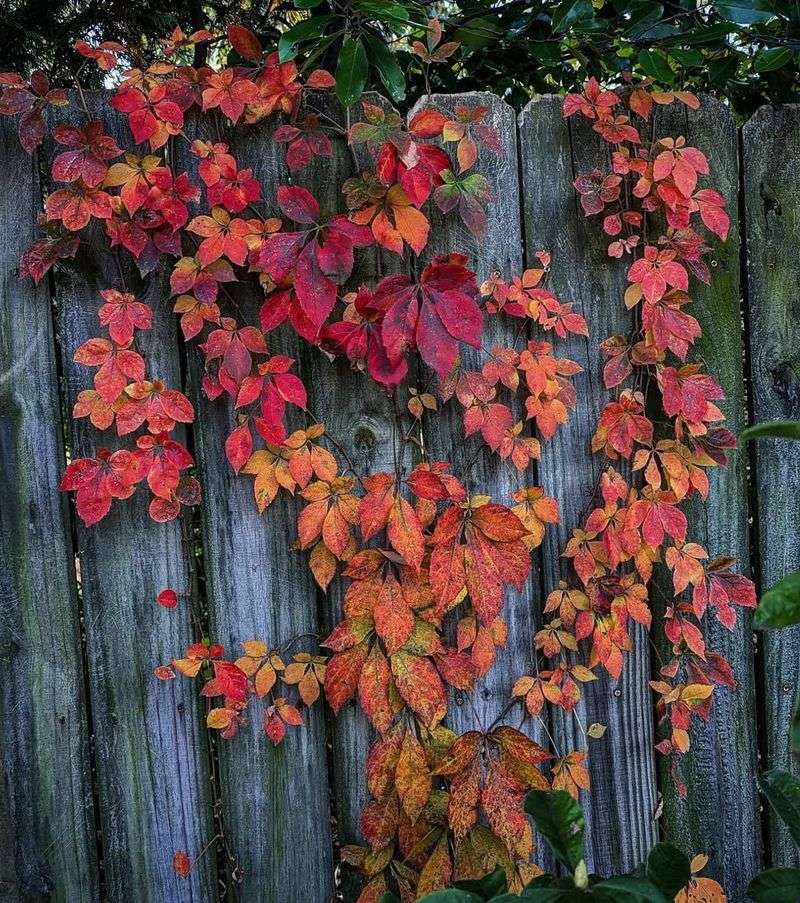
Come fall, the leaves shift to a striking deep red, which gives Michigan yards a burst of seasonal color just as other plants are winding down.
One thing worth knowing before planting is that Virginia Creeper’s adhesive pads can leave marks on painted surfaces or certain siding materials, so it works best on masonry, wood fences, or unpainted structures.
It also spreads readily, so trimming the edges each season keeps it from moving into areas where it is not wanted. For large, unattractive vertical spaces, few climbers match what Virginia Creeper can do.
2. Climbing Hydrangea Softens Walls With Flowers And Foliage
Not every Michigan yard has a sunny south-facing fence to work with, and that is exactly where Climbing Hydrangea earns its place on this list.
Unlike many flowering vines that need full sun to bloom well, this one performs reliably in part shade to full shade, which makes it a strong choice for north-facing walls, shaded garage sides, or fences that sit under a tree canopy.
Climbing Hydrangea attaches to surfaces using small aerial rootlets, similar to how English Ivy grips a wall.
It can grow directly on stone, brick, or rough wood without needing a separate support structure, though it does take a few seasons to establish before growth picks up noticeably.
Your Michigan Garden Changes Every Week. Your Plan Should Too.
Gardening in Michigan changes quickly throughout the season. Every Friday you’ll receive a simple weekly plan showing exactly what to plant, prune, fertilize, harvest, and protect so you never miss the right timing.
Gardeners who plant it near a shaded wall should expect slower progress in the first year or two, followed by more confident spreading as the root system settles in.
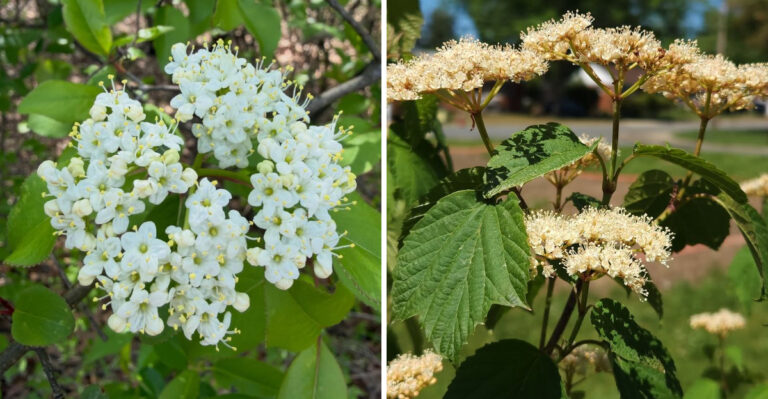
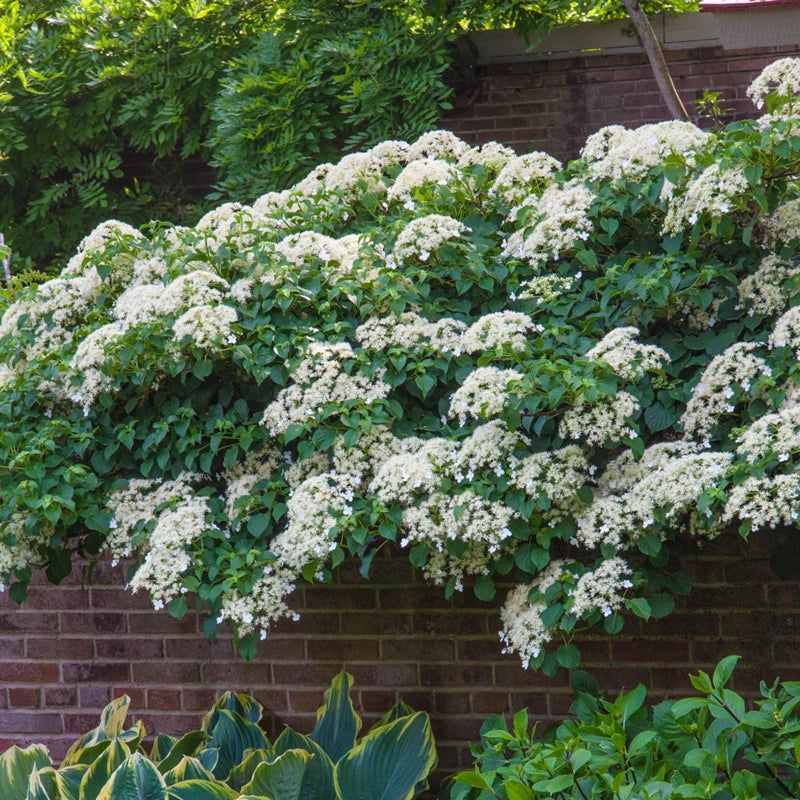
The payoff is a vine that produces large, flat-topped white flower clusters in early summer, set against rich green foliage that stays attractive through the season.
The flowers have a lacecap appearance that feels elegant without looking fussy, and the dried flower heads add some winter interest to an otherwise bare wall.
The bark also develops a peeling, cinnamon-toned texture over time that gives older plants a natural, layered look.
For gardeners who want a flowering climber that handles shade gracefully and builds into something genuinely beautiful over the years, Climbing Hydrangea is a thoughtful, rewarding choice.
3. Clematis Adds Color To Fences And Trellises
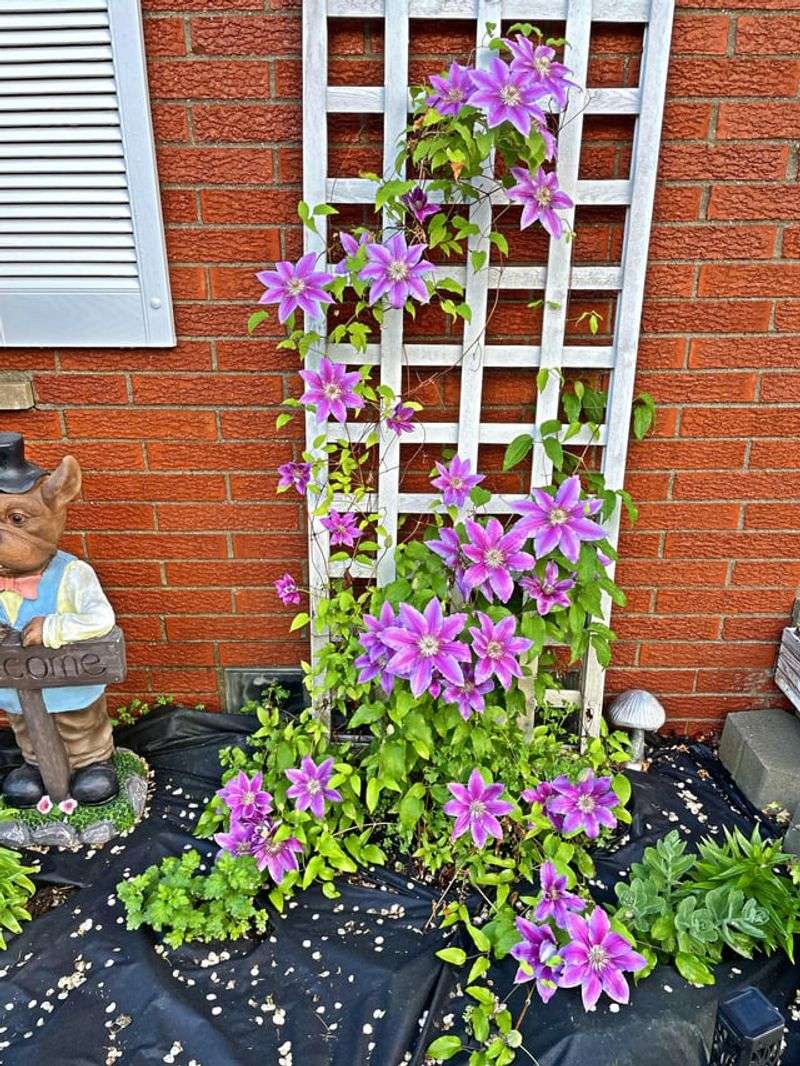
Few flowering vines bring the kind of bold, concentrated color to a fence or trellis that Clematis can deliver during Michigan’s growing season.
The blooms come in a wide range of colors, from deep purple and rich pink to white and soft lavender, and different varieties bloom at different times, which means a well-chosen selection can keep color going from late spring well into fall.
Clematis is a twining vine, meaning it wraps its leaf stems around supports rather than clinging directly to flat surfaces.
This makes it an excellent match for wire fencing, wooden trellises, lattice panels, and pergola frames, but it will need something to grab onto in order to climb effectively.
A simple wire grid or wooden trellis mounted to a fence panel is usually all it takes to get Clematis moving upward with confidence.
One of the more well-known pieces of advice for growing Clematis successfully is to keep the roots shaded and cool while the top of the plant reaches toward sunlight.
In Michigan yards, this is easy to manage by planting a low perennial or placing a few flat stones around the base to keep the soil from getting too warm in summer.
Most Clematis varieties are cold-hardy and come back reliably each spring. Pruning requirements vary by variety, so checking which group a specific plant belongs to before cutting it back in fall or early spring helps avoid removing next season’s blooms by mistake.
4. Trumpet Honeysuckle Brings Fast Growth And Bright Blooms
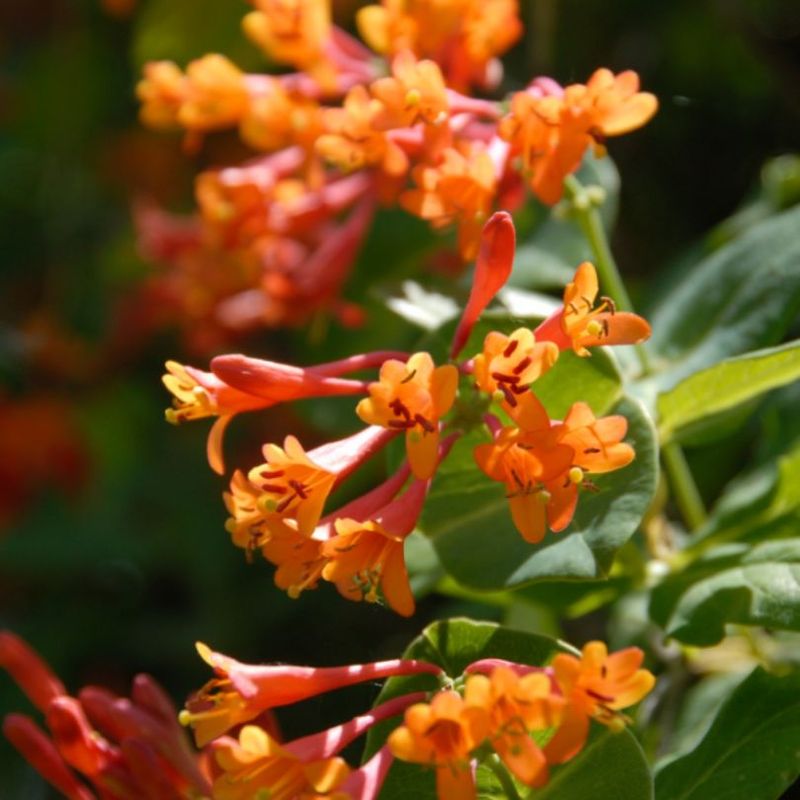
Along sunny backyard boundaries and near porch railings, Trumpet Honeysuckle has a way of making a fence look like it was always meant to have something growing on it.
The tubular red and orange flowers appear in clusters from late spring through summer, and they have a well-earned reputation for drawing hummingbirds and butterflies into Michigan gardens on a regular basis.
Unlike its invasive relative Japanese Honeysuckle, Trumpet Honeysuckle is a native vine and a well-behaved one at that. It grows vigorously during warm months without the aggressive spreading that makes some vines a problem in the long run.
It twines around supports and works well on wooden fences, trellises, wire frames, and porch railings, making it a versatile option for a range of yard situations.
Trumpet Honeysuckle prefers full sun for the best flower production, though it tolerates part shade reasonably well. In sunnier spots across Michigan, it tends to push out faster growth and more consistent blooms through the season.
The foliage is a clean blue-green color that holds up well through summer, and the vine does not typically become invasive or require heavy management the way some fast growers do.
Watering consistently during dry stretches helps keep it growing steadily, and a light pruning after the main bloom period encourages fresh growth and often a second flush of flowers later in the season.
For gardeners who want fast coverage along with genuine wildlife value, this native climber delivers on both.
5. Hops Create Quick Summer Screening In Michigan Yards
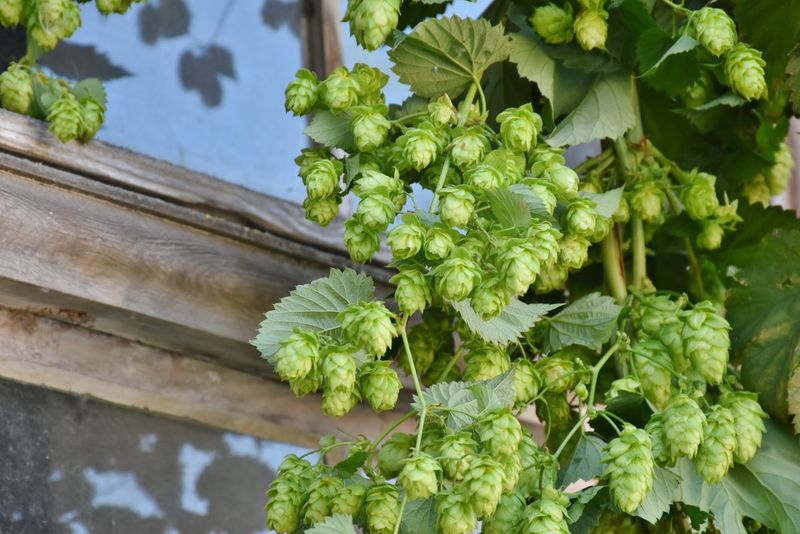
When the goal is fast, dense summer screening rather than flowers or fall color, Hops might be the most practical climber gardener can plant.
The common hop vine is a true seasonal powerhouse, capable of putting on many feet of growth during a single Michigan summer, which makes it one of the quickest ways to cover a fence, pergola, or arbor with thick green foliage.
Hops are herbaceous, meaning the above-ground stems come back from the roots each spring rather than persisting through winter like a woody vine.
This is actually an advantage in some Michigan yards because it means the vine does not build up heavy woody bulk on a fence or structure over the years.
Each spring, fresh new growth emerges and climbs rapidly, twining around supports with noticeable speed once warm weather arrives.
The large, lobed leaves create a lush, tropical-looking screen through summer, and female plants produce the familiar cone-shaped hops that many home brewers find useful.
Hops grow best in full sun and prefer well-drained soil with consistent moisture during the growing season.
They do spread through underground rhizomes over time, so planting them in a contained spot or being prepared to manage the root spread keeps them from taking over nearby garden beds.
A sturdy trellis, fence, or pergola frame gives them the best climbing surface.
For gardeners who need a quick seasonal solution for an unattractive fence or utility view, Hops offer impressive results without a long wait.
6. Boston Ivy Turns Plain Walls Into Green Backdrops

Plain concrete block walls, plain brick backdrops, and bare wooden fence panels all share one thing in common, and Boston Ivy has a simple answer for all of them.
This vigorous, self-clinging vine uses small adhesive discs to grip smooth and rough surfaces alike, including masonry, brick, concrete, and painted wood, which makes it one of the most wall-friendly climbers available to gardeners.
Boston Ivy is a deciduous vine, so it drops its leaves in fall after putting on a reliable show of orange and red color that rivals what many trees offer in Michigan’s autumn landscape.
Through summer, the foliage is a rich, glossy green that creates the kind of layered, textured backdrop that makes a yard feel more like a designed space and less like an afterthought.
Growth is steady and fairly fast once the plant is established, covering a wide wall surface within a few seasons.
One practical note worth keeping in mind is that Boston Ivy’s adhesive pads can leave residue on certain surfaces if the vine is removed later, so it is best suited for walls and fences where long-term coverage is the plan.
It handles Michigan winters well and comes back reliably each spring.
Full sun to part shade suits it comfortably, giving gardeners flexibility when choosing a planting spot. Regular trimming around windows, doors, and gutters keeps it looking intentional rather than overgrown.
For transforming a blank wall into a green focal point, Boston Ivy is one of the most straightforward and satisfying choices available.