These Michigan Plants Fill Shady Spots Better Than Hostas
Hostas are the default answer for shade in Michigan, and they earn that status by being reliable, easy, and widely available.
Reliable is not always enough though, and gardeners who want more variety, more seasonal interest, or better performance in specific conditions have options worth knowing about.
Some shade plants bloom more freely than hostas, spread more effectively to fill difficult ground, handle dry shade under tree canopies more gracefully, or simply bring a different texture and color range that makes a shaded bed feel more layered and intentional.
Shade gardening in Michigan does not have to look the same in every yard.
Moving beyond the default opens up a genuinely interesting range of plants that perform just as dependably in low light conditions while offering something different from the familiar hosta clump.
1. Wild Ginger
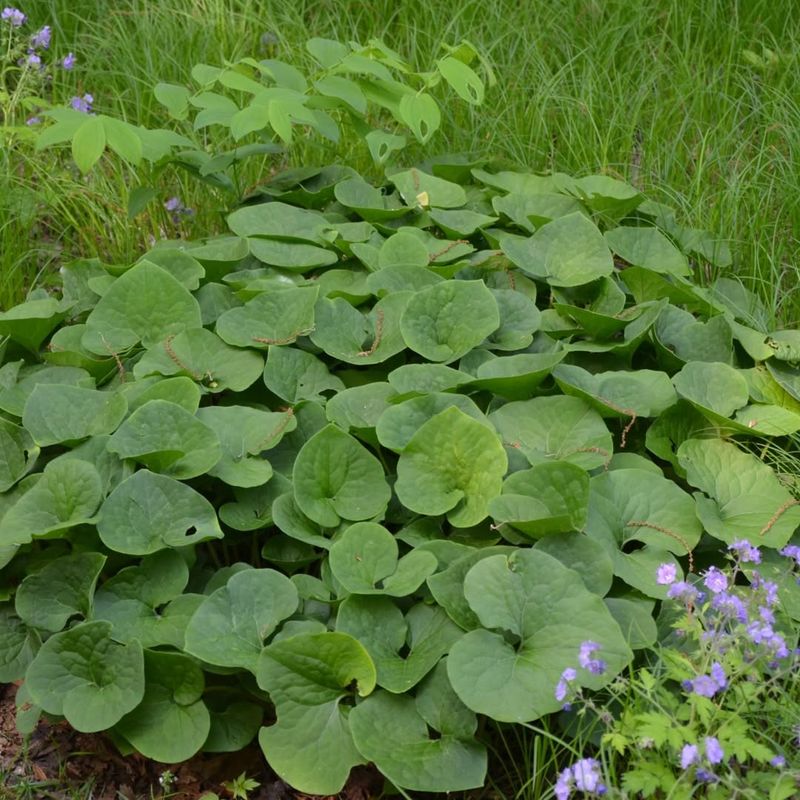
Walk through almost any hardwood forest in spring and you will likely spot Wild Ginger creeping quietly across the forest floor.
Known botanically as Asarum canadense, this native woodland perennial forms lush, dense colonies that look like a living carpet of heart-shaped leaves.
It spreads steadily through underground rhizomes, filling in shady spots over time without becoming aggressive or invasive.
Wild Ginger thrives in moist, well-drained soil rich in organic matter, making it a natural fit under Michigan’s maples, oaks, and beeches. Once established, it needs very little attention.
Watering during dry spells in its first year helps it settle in, but after that, it handles Michigan summers with surprising toughness.
Spacing plants about 12 inches apart gives them room to spread while still filling in nicely within two to three seasons. A layer of leaf mulch mimics the forest floor it loves and keeps soil moisture steady.
Unlike hostas, Wild Ginger stays low and uniform, rarely growing taller than six inches, which makes it ideal beneath shrubs or along shaded walkways.
One fun fact worth knowing: Wild Ginger produces tiny, hidden flowers near the soil surface in spring that go unnoticed by most gardeners but are adored by certain ground-level insects.
For a no-fuss, naturally beautiful groundcover that truly belongs in any garden, Asarum canadense is hard to beat.
2. Pennsylvania Sedge
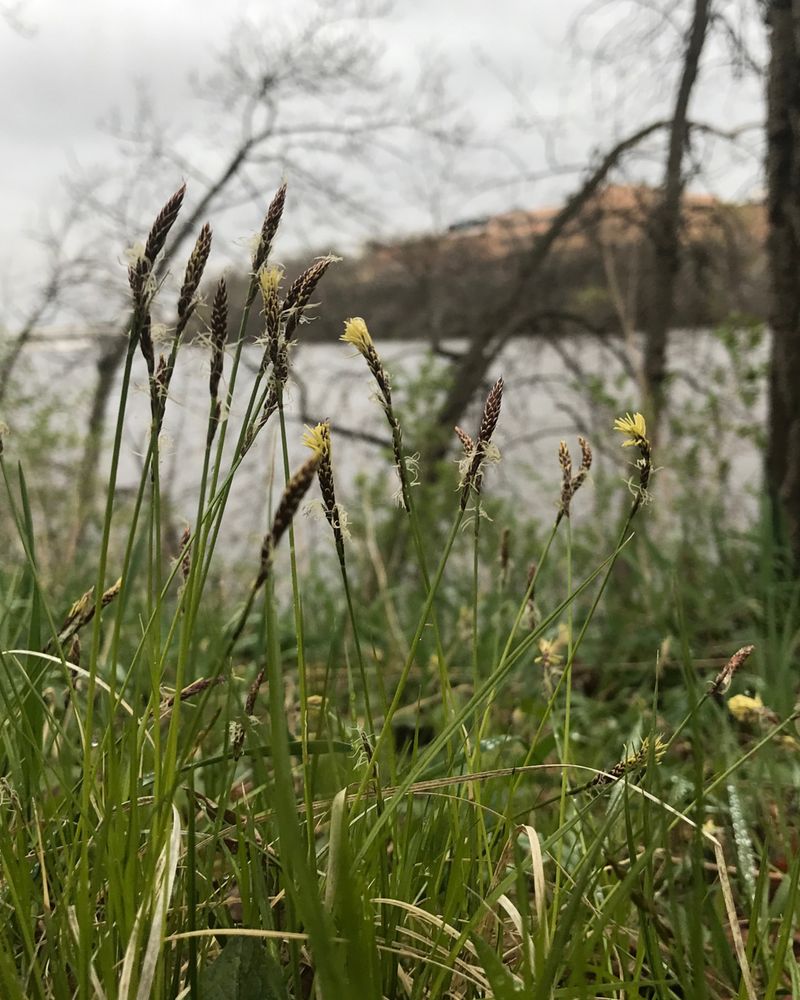
Most gardeners expect shade-tolerant plants to need plenty of moisture, but Pennsylvania Sedge flips that assumption on its head.
Carex pensylvanica is a fine-textured, grass-like native sedge that actually thrives in dry shade, including the notoriously tough zone beneath shallow-rooted trees like oaks and maples where almost nothing else survives.
It spreads gradually through short rhizomes, forming soft, flowing colonies that move naturally with a gentle breeze. The foliage stays a fresh green through much of the season, giving shaded areas a clean, tidy appearance without any fussy upkeep.
If you want a lawn-like look under trees without the struggle of growing actual grass in shade, Pennsylvania Sedge is your answer.
One of the best things about this plant is how little maintenance it asks for. You can mow it lightly once a year in early spring to refresh the foliage, or simply leave it alone and enjoy its natural, arching habit.
Your Michigan Garden Changes Every Week. Your Plan Should Too.
Gardening in Michigan changes quickly throughout the season. Every Friday you’ll receive a simple weekly plan showing exactly what to plant, prune, fertilize, harvest, and protect so you never miss the right timing.
It competes well with tree roots once established, though giving it consistent moisture during its first growing season helps it get a strong start.
Space plants about 12 to 18 inches apart for good coverage within a few seasons. Pennsylvania Sedge also pairs beautifully with spring ephemerals and native wildflowers, adding layers of texture to any shaded Michigan landscape.
For dry, difficult spots where hostas would struggle, Carex pensylvanica delivers reliable, low-maintenance beauty year after year.
3. Foamflower
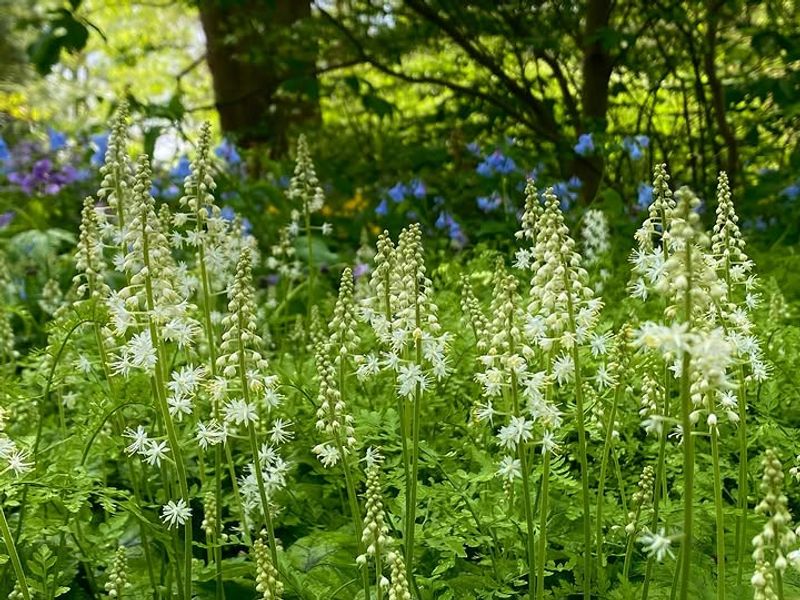
Few plants bring as much charm to a shaded garden as Foamflower in full spring bloom. Tiarella cordifolia earns its whimsical name from the frothy white flower spikes that rise above its textured, maple-like foliage every May and June.
It is one of those native plants that makes you stop and stare, then immediately wonder why you ever planted hostas instead.
Foamflower spreads gradually by stolons, forming soft colonies in moist, humus-rich soil. It performs best in part to full shade, making it a natural companion for Michigan’s woodland gardens.
The foliage is genuinely attractive even after the blooms fade, with interesting lobed leaves that sometimes show reddish or purplish markings depending on the variety.
Moisture is important for this plant, especially during hot summers. Consistent watering and a good layer of shredded leaf mulch keep the root zone cool and moist, which Tiarella cordifolia appreciates deeply.
Spacing plants about 12 to 18 inches apart allows them to fill in smoothly without overcrowding.
Foamflower also earns points for supporting early pollinators. Bees visit the blooms readily in spring when other food sources are still scarce.
Unlike hostas, which attract slugs in wet conditions, Foamflower tends to stay cleaner and healthier with far fewer pest problems. For moist shaded spots in Michigan, this woodland native offers beauty, texture, and ecological value all in one reliable package.
4. Barren Strawberry
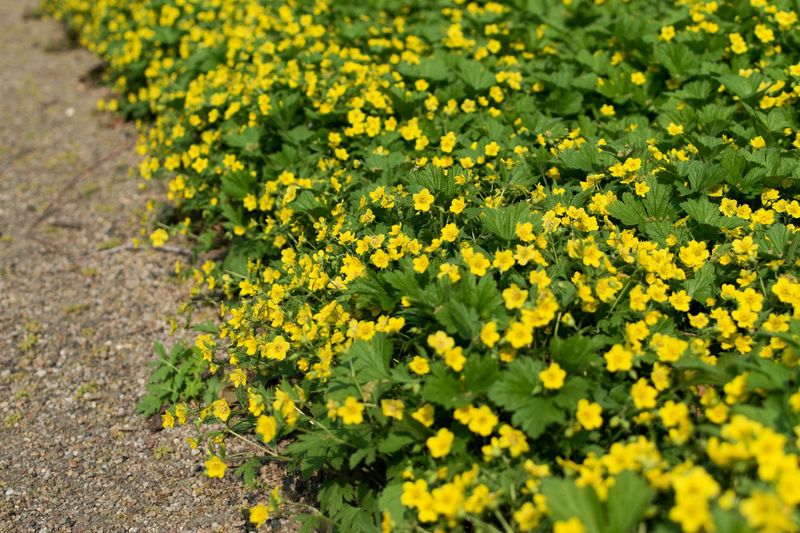
The name might sound uninspiring, but Barren Strawberry is anything but boring in a shade garden. Geum fragarioides is a compact native perennial that spreads through runners to create a low, evergreen carpet of glossy, strawberry-like leaves.
Small yellow flowers appear in spring, adding a cheerful pop of color to shaded areas that might otherwise feel dull and lifeless.
What makes this plant stand out is its toughness. Barren Strawberry handles a range of conditions from part shade to full shade and tolerates drier soils better than many traditional shade perennials.
It works especially well at the edges of woodland gardens, along shaded paths, or beneath deciduous shrubs where light levels vary throughout the season.
Spacing plants about 12 inches apart gives them room to spread while still providing quick coverage. Consistent moisture during the first season helps runners establish more quickly, but once rooted in, Geum fragarioides becomes surprisingly self-sufficient.
Leaf mulch around new plants keeps moisture in and competing weeds out while the colony fills in. One standout quality is the foliage persistence.
Unlike hostas that vanish completely in winter, Barren Strawberry keeps its leaves through much of Michigan’s cold season, providing year-round ground coverage that prevents soil erosion and adds visual interest even in January.
For gardeners wanting a dependable, low-growing alternative that looks tidy through every season, this native gem is worth every bit of attention it rarely gets.
5. Christmas Fern
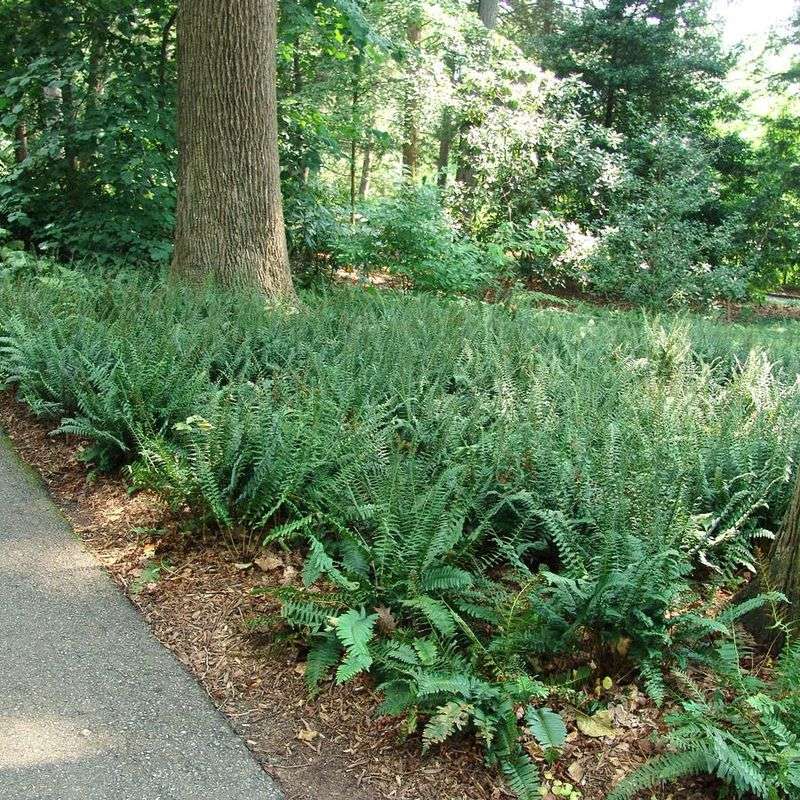
Christmas Fern gets its festive name from an old tradition of using its evergreen fronds in holiday decorations, but its real gift to the garden lasts all twelve months of the year.
Polystichum acrostichoides is one of our most reliable native ferns, holding its deep green, leathery fronds through snow and cold temperatures when nearly every other shade perennial has disappeared.
This fern thrives in part to full shade and prefers moist, well-drained soil with good organic content. It grows in a graceful, vase-like clump that reaches about 18 to 24 inches tall, making it useful as both a groundcover and a mid-layer plant in woodland garden designs.
Unlike hostas, Christmas Fern rarely attracts slug damage or deer browsing, which is a significant advantage in many neighborhoods.
Spacing clumps about 18 to 24 inches apart allows each plant to develop its natural form without crowding. Adding compost or leaf mulch at planting time sets a strong foundation, especially in heavier clay soils common across Michigan.
Established plants handle occasional dry spells well but appreciate steady moisture during prolonged heat.
Polystichum acrostichoides also plays a real ecological role, providing shelter for small wildlife and overwintering insects beneath its persistent fronds.
For shaded borders, slopes prone to erosion, or woodland garden edges, Christmas Fern brings structure, texture, and year-round presence that hostas simply cannot match through Michigan’s long winters.
6. Golden Ragwort
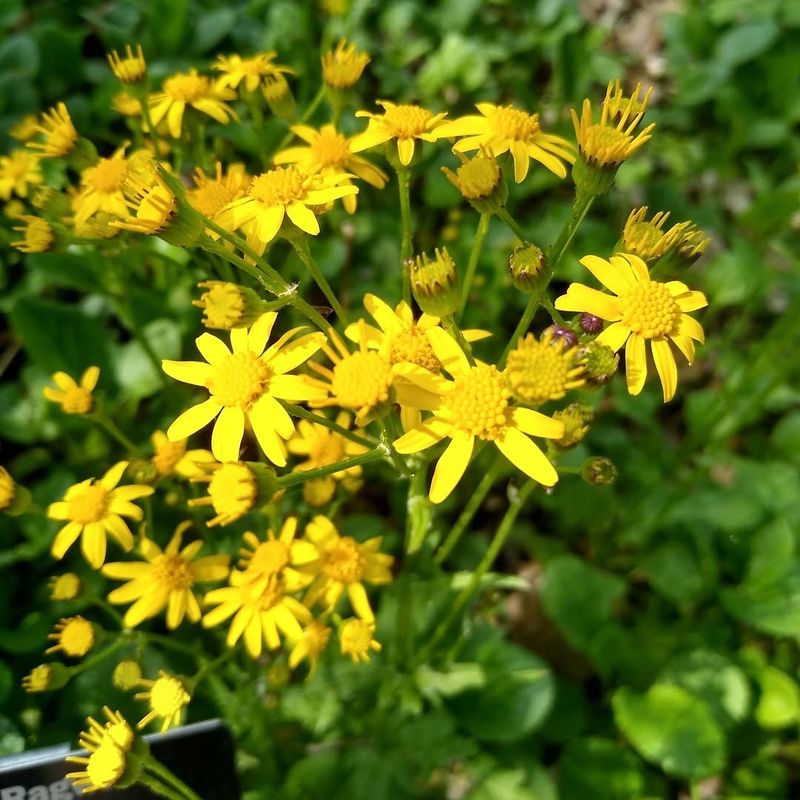
Bright yellow flowers in a shady garden sound almost too good to be true, but Golden Ragwort delivers exactly that every spring without fail.
Packera aurea is a fast-spreading native perennial that forms dense, weed-suppressing colonies in moist shade, lighting up dark corners with cheerful blooms from April through June.
It is one of the most underused native plants in Michigan, and that is a real shame.
The foliage is genuinely impressive outside of bloom season too. Dark green, heart-shaped basal leaves stay evergreen through much of our winter, giving shaded areas coverage and color when most plants have gone completely dormant.
This persistent foliage is one of the key reasons Golden Ragwort outperforms hostas in year-round landscape value.
Packera aurea spreads by both rhizomes and self-seeding, filling in areas fairly quickly compared to many native perennials. This spreading habit is a strength in large shaded areas that need coverage fast, though it is worth monitoring in smaller garden beds.
Planting in moist, organically rich soil and spacing starts about 12 to 18 inches apart gives colonies a strong beginning.
Pollinators absolutely love the spring flowers, making Golden Ragwort an ecological powerhouse in addition to a visual one. Early bees and butterflies rely on these blooms when few other plants are flowering.
For Michigan gardeners who want fast coverage, weed suppression, and genuine wildlife value all from a single native plant, Packera aurea is a standout choice worth planting in quantity.
7. Blue Cohosh
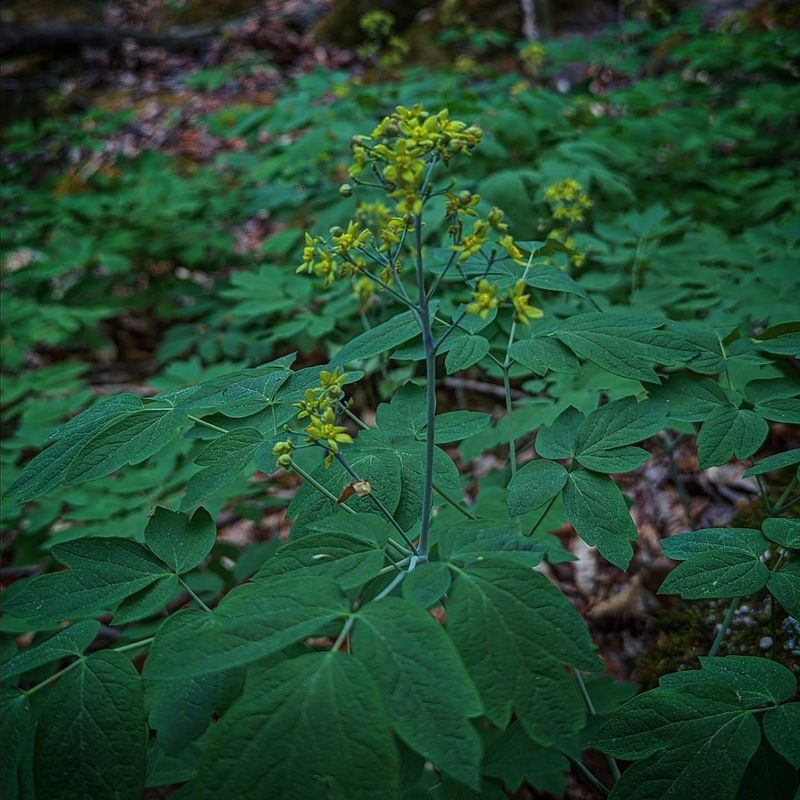
Bold, architectural, and genuinely unlike anything else in a shade garden, Blue Cohosh brings a completely different kind of energy to Michigan’s woodland plantings.
Caulophyllum thalictroides is a native woodland perennial with striking blue-green compound foliage that emerges early in spring with a smoky, almost blue tint before deepening to rich green through summer.
It looks like something from a botanical illustration come to life. This plant thrives in full to part shade in moist, humus-rich soil, exactly the conditions found in Michigan’s native hardwood forests.
It grows 18 to 24 inches tall with a naturally upright, layered structure that adds real visual depth to shaded garden beds.
Pairing Blue Cohosh with lower groundcovers like Wild Ginger or Pennsylvania Sedge creates a layered woodland look that feels genuinely natural rather than planted. Blue Cohosh is slower to establish than some native perennials, so patience pays off here.
Planting in well-amended soil and keeping moisture consistent through the first two seasons gives Caulophyllum thalictroides the foundation it needs to grow into a long-lived, low-maintenance garden fixture.
Once settled, it rarely needs any intervention at all.
In late summer, clusters of bright blue berries follow the small, inconspicuous spring flowers, adding another season of visual interest. These berries are attractive to birds, extending the plant’s ecological value well beyond its bloom period.
For gardeners who want structure, layering, and real woodland authenticity in shade gardens, Blue Cohosh is a bold and rewarding choice.
8. Maidenhair Fern
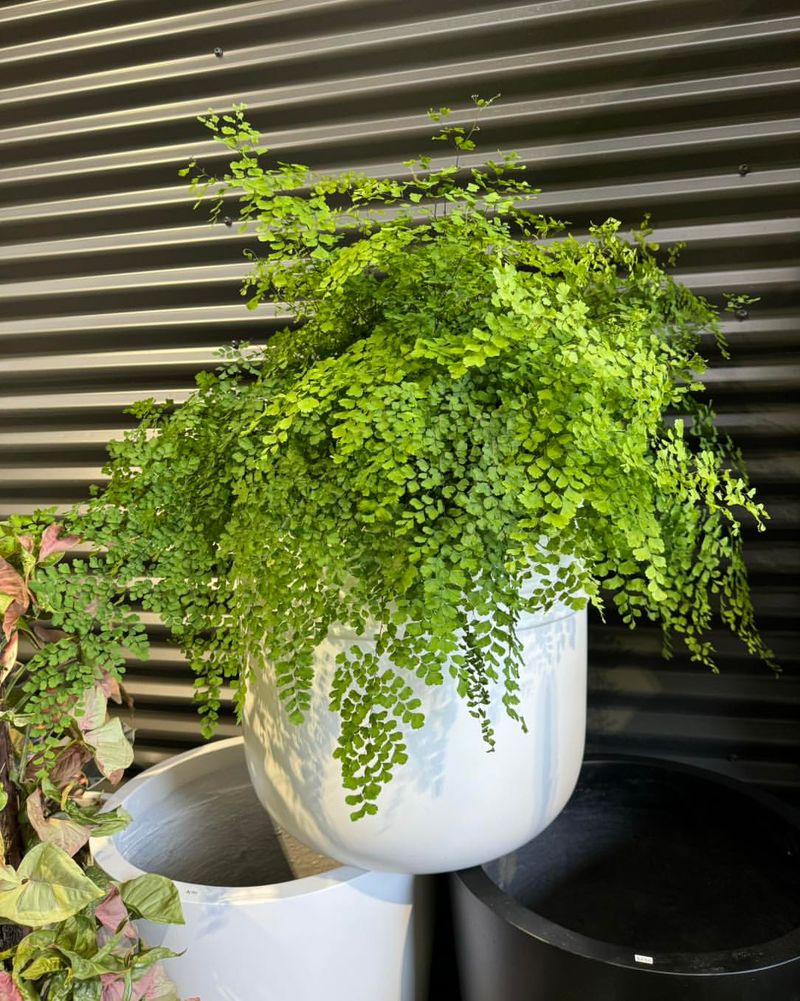
There is something almost magical about Maidenhair Fern. Adiantum pedatum produces fan-shaped, bright green fronds held on slender, nearly black stems that give it a light, airy quality unlike any other fern in the Michigan landscape.
It looks delicate, but this native woodland perennial is tougher than it appears when planted in the right conditions.
Cool, moist, humus-rich soil and consistent shade are the keys to keeping Maidenhair Fern happy.
It grows best in spots protected from drying winds and afternoon sun, making it ideal for north-facing garden beds, shaded courtyards, or the cool, sheltered areas beneath large deciduous trees.
In these conditions, Adiantum pedatum forms slowly expanding clumps that reach about 18 to 24 inches tall and wide.
Moisture management matters more for this fern than for some other shade natives. During dry Michigan summers, supplemental watering keeps fronds from browning at the edges.
A generous layer of shredded leaf mulch helps retain soil moisture and mimics the forest floor conditions where this plant naturally excels. Good drainage is equally important since standing water around the crown causes problems.
Maidenhair Fern creates a softness in the garden that hostas simply cannot replicate. Its feathery texture contrasts beautifully with bolder foliage plants, and its gentle movement in a light breeze adds life to otherwise static shade beds.
For Michigan gardeners who want elegance and refinement in a moist shaded corner, Adiantum pedatum is one of the finest native plants available.
9. Woodland Phlox
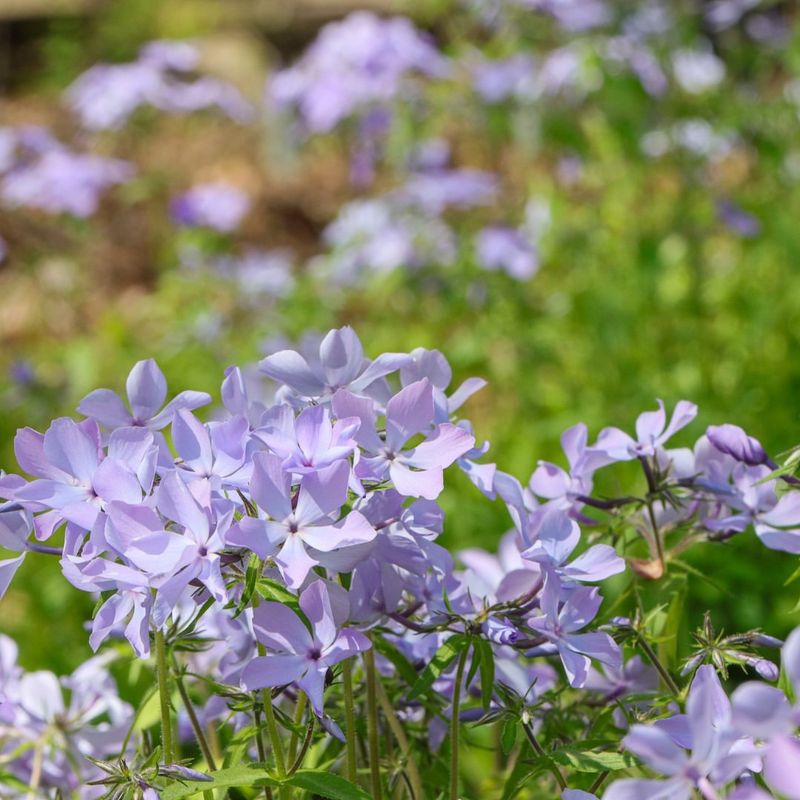
Imagine a shaded garden corner suddenly covered in soft lavender-blue flowers every spring. That is exactly what Woodland Phlox delivers, and it does so reliably year after year without much help from the gardener.
Phlox divaricata is a native woodland wildflower that spreads gently through part-shade areas, filling gaps with fragrant blooms from April through May and soft, low-growing foliage through the rest of the season.
This plant performs best in part shade with moist, well-drained soil that stays consistently cool. It tolerates the shifting light conditions common under Michigan’s deciduous trees, adapting well as the canopy opens and closes with the seasons.
Spacing plants about 12 to 15 inches apart allows them to knit together into a soft, flowing mat over two to three seasons.
Woodland Phlox is a genuine pollinator magnet. Butterflies, native bees, and hummingbirds visit the flowers regularly during spring, making this plant a lively and ecologically valuable addition to any shaded Michigan garden.
The fragrance is a bonus that hostas simply cannot offer, bringing a sensory dimension to shaded spaces that goes beyond just visual appeal.
After blooming, the foliage stays tidy and semi-evergreen, providing ground coverage through fall and into early winter. Cutting plants back lightly after flowering encourages denser growth and a neater appearance.
For gardeners who want spring color, fragrance, pollinator support, and easy care all from a single native perennial, Phlox divaricata checks every single box.