These Are The Fruit Trees North Carolina Homeowners Are Planting Instead Of Ornamentals
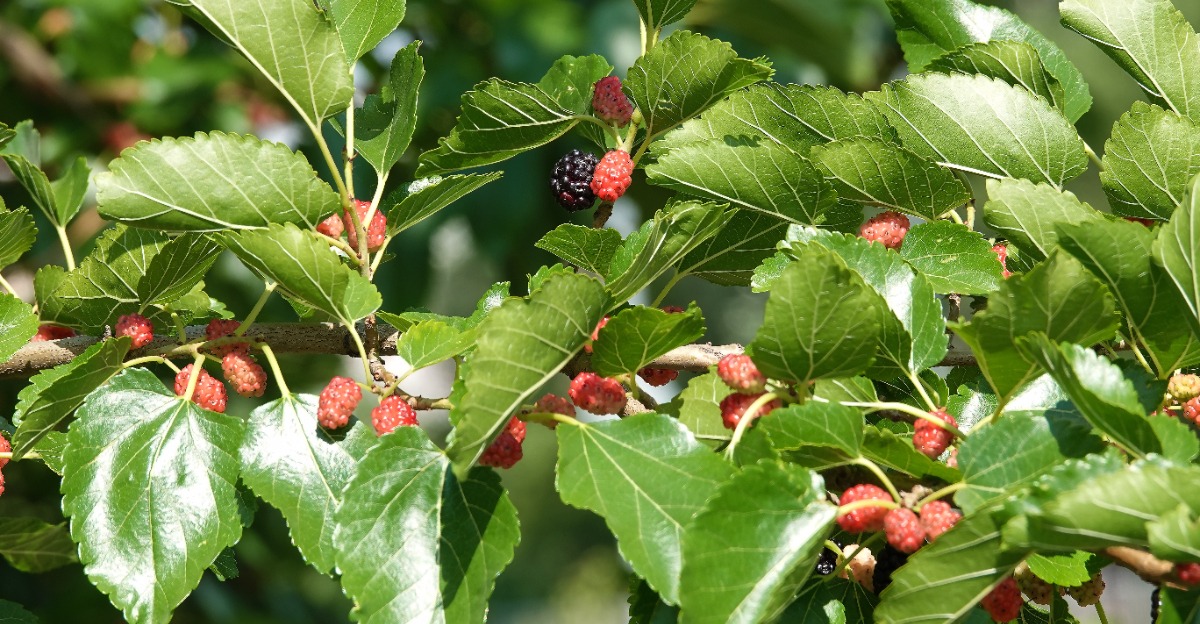
Something has been shifting quietly in North Carolina yards over the past few years. The ornamental trees that once lined driveways and filled front lawns are being swapped out, and not because they stopped looking good.
Homeowners started asking a different question. What if the tree in the yard actually gave something back?
Fruit trees have moved well beyond the backyard orchard. Many varieties handle the Carolina heat without complaint, pull in pollinators all season, and give you something to look forward to as each year unfolds.
When the harvest finally comes in, no flowering ornamental can really compete with that feeling. It is a practical shift, but it is also a new way of thinking about what a yard is actually for.
1. Fig Trees
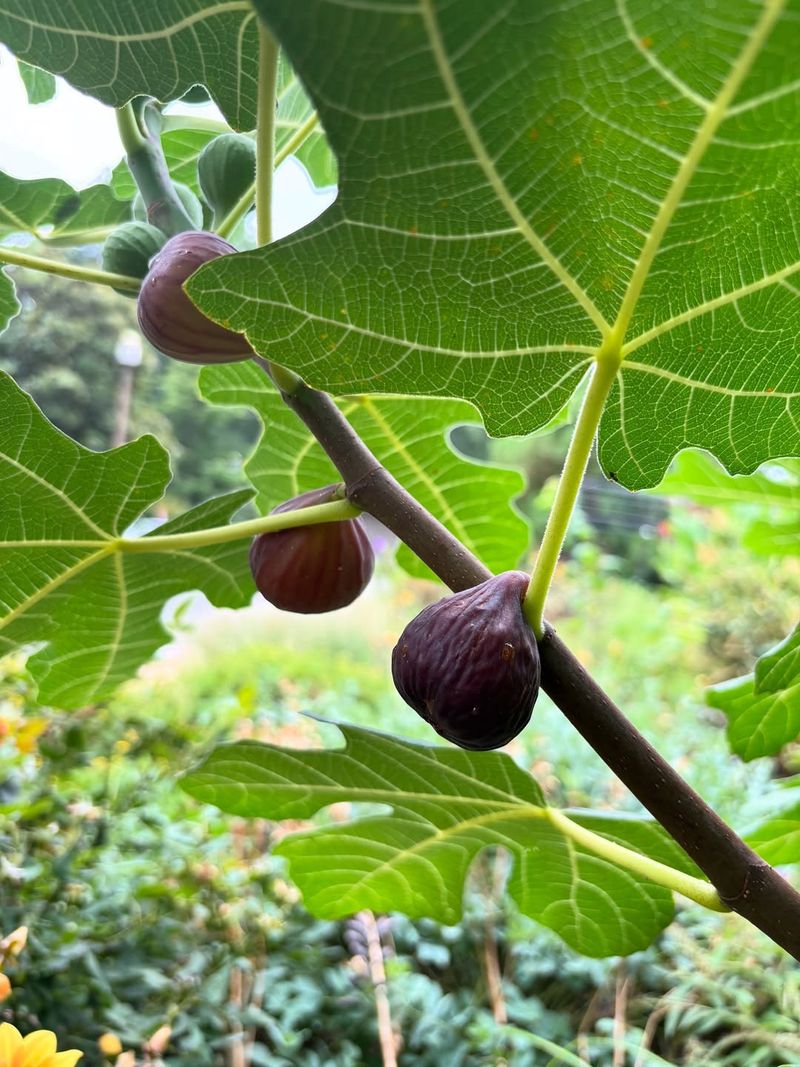
Few trees make a backyard feel as lush and productive as a well-grown fig.
Ficus carica has been cultivated for thousands of years, and once you see those bold, deeply lobed leaves up close, it is easy to understand why homeowners across North Carolina are replacing ornamental shrubs and trees with this beauty.
Figs thrive in full sun, needing at least six to eight hours of direct light daily. In the Piedmont and coastal regions, established trees handle summer heat remarkably well without constant watering.
Mountain homeowners should choose cold-hardy varieties like Brown Turkey or Celeste and plant them near a south-facing wall for extra warmth during colder months.
Spacing matters more than most people realize. Give each tree at least ten to fifteen feet of room to spread, since mature figs can grow wide and bushy.
Pruning in late winter keeps the shape manageable and encourages stronger fruit production the following season.
One of the biggest selling points is how little fuss figs require once they settle in. No complicated pollination needs, no heavy spray schedules, and no waiting a decade for your first harvest.
Most young trees produce fruit within two to three years of planting. The bold tropical foliage alone earns its place in any landscape, but the sweet summer harvest is what truly wins homeowners over.
2. Persimmon Trees
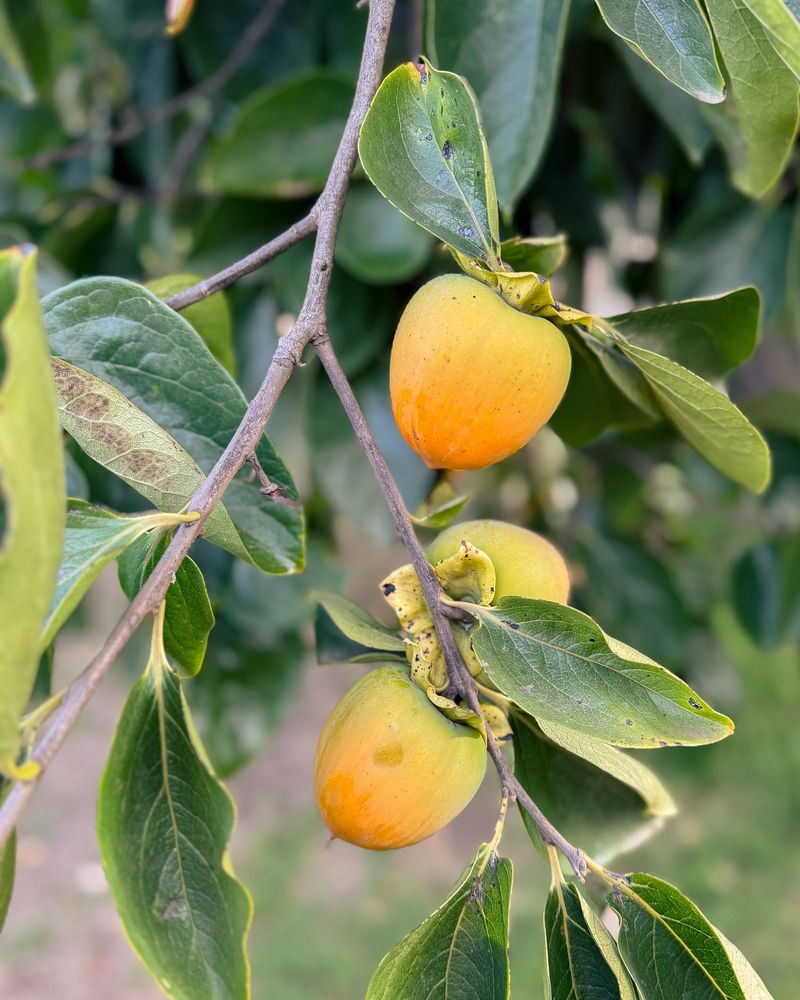
There is something almost magical about a persimmon tree in October. The fruit glows orange against the autumn sky like little lanterns, and the glossy foliage turns brilliant shades of yellow and red before dropping for winter.
Both Diospyros virginiana, the American native species, and Diospyros kaki, the Asian variety, perform beautifully across most of North Carolina.
Homeowners love persimmons because they genuinely do not ask for much. Once established, these trees handle drought, clay soil, and heat without complaint.
They grow well in full sun but tolerate partial shade better than many fruit trees, which makes them flexible for yards with mature canopy nearby.
Spacing should be around fifteen to twenty feet apart for good air circulation and healthy canopy development. For the best fruit set, planting at least two trees nearby improves pollination, especially with Asian varieties.
American persimmons often produce without a second tree, but yields improve significantly with cross-pollination.
Your North Carolina Garden Changes Every Week. Your Plan Should Too.
Gardening in North Carolina changes quickly throughout the season. Every Friday you’ll receive a simple weekly plan showing exactly what to plant, prune, fertilize, harvest, and protect so you never miss the right timing.
Fall color alone would justify planting one of these trees, but the fruit adds genuine value for wildlife too. Birds and deer absolutely love ripe persimmons, making them a wonderful choice for homeowners who enjoy supporting local wildlife.
Pruning needs are minimal compared to peaches or apples, so once your tree is established and shaped, seasonal maintenance stays light. For anyone wanting four-season landscape interest plus edible fruit, persimmons are genuinely hard to beat.
3. Serviceberry Trees
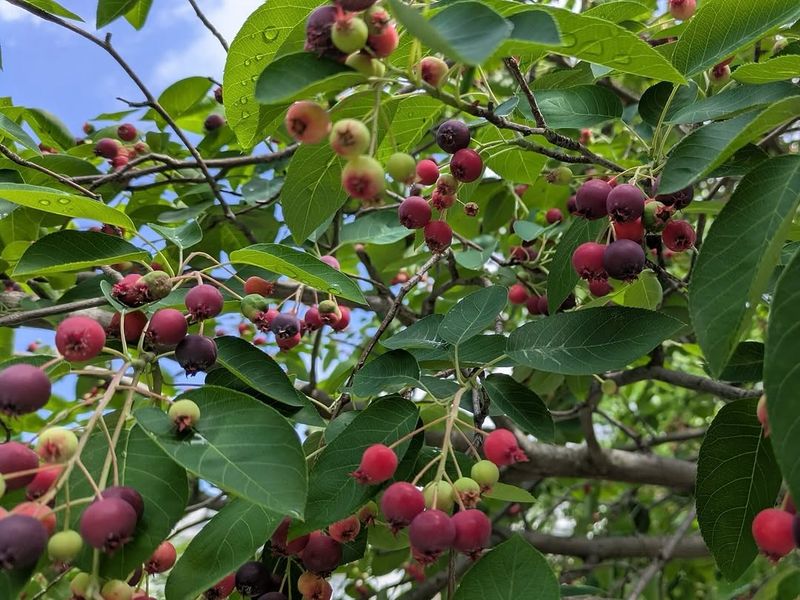
Serviceberry might be the most underappreciated small tree in American gardening.
Walk past one in early spring when the white blossoms open before almost any other tree has leafed out, and you will immediately understand why North Carolina homeowners are swapping out ornamentals for Amelanchier arborea and Amelanchier canadensis.
These trees bring something valuable to every single season. Spring delivers clouds of white flowers.
Early summer offers sweet purple-red berries that taste somewhere between a blueberry and a mild cherry. Fall foliage turns warm shades of orange, red, and gold.
Winter reveals an elegant branching structure that looks beautiful even without leaves.
Serviceberries are flexible growers that adapt to a wide range of soil conditions, including clay-heavy Piedmont soils that challenge many other fruit trees.
They prefer full sun to partial shade and consistent moisture during their first two years, after which drought tolerance improves noticeably. Spacing of ten to fifteen feet gives each tree enough room without crowding.
Birds go absolutely wild for the berries, which means you will need to act quickly if you want to harvest any for yourself. The berries make excellent jams, pies, and fresh snacks straight off the branch.
For homeowners who want a tree that earns its place through beauty, wildlife value, and edible production all at once, serviceberry genuinely checks every single box without requiring intensive care.
4. Pomegranate Trees
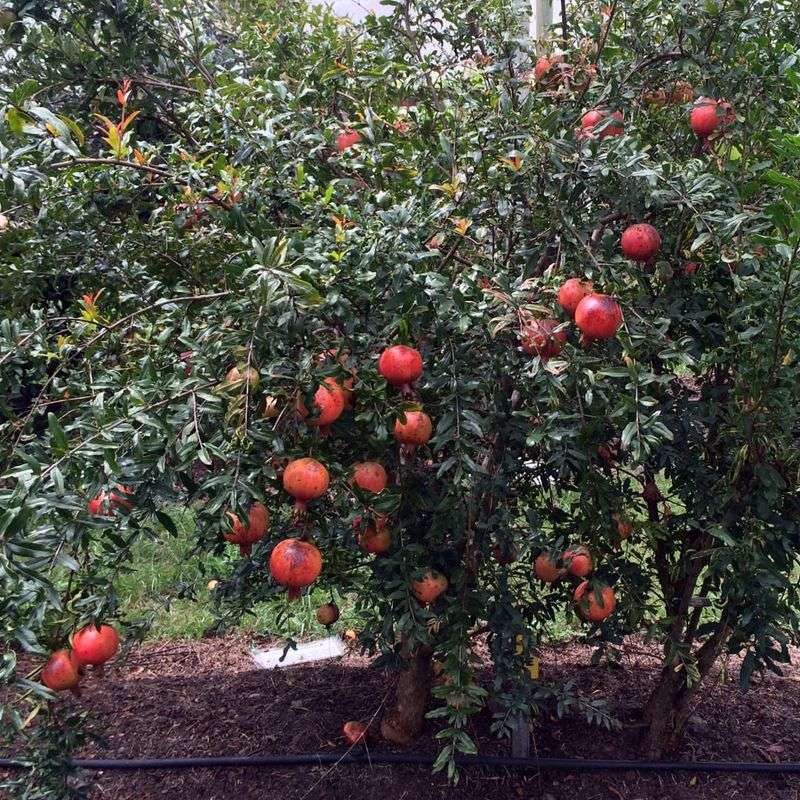
Bright orange-red flowers that look almost tropical, glossy green leaves that catch the light beautifully, and jewel-like fruit hanging from the branches in autumn.
Pomegranate, known botanically as Punica granatum, has been turning heads in warmer North Carolina gardens, and the enthusiasm is completely justified.
Pomegranates perform best in the coastal plain and warmer Piedmont zones where winters stay mild. They prefer full sun and well-drained soil, and once established, they handle drought conditions surprisingly well.
Cold hardiness is a real consideration though. Most pomegranate varieties survive down to around ten to fifteen degrees Fahrenheit, so mountain homeowners face more risk than those near the coast.
Planting near a south-facing wall or in a sheltered microclimate helps push cold hardiness further in marginal areas.
Spacing of ten to fifteen feet works well for most home landscapes, and the naturally multi-stemmed growth habit creates a beautiful rounded form without heavy pruning intervention.
Fruit production typically begins within two to three years of planting, and a single established tree can produce dozens of pomegranates each fall.
The flowers alone would justify the space in any ornamental garden, blooming brilliantly through summer when many other flowering trees have already finished.
For homeowners in warmer parts of the state who want dramatic color, minimal maintenance after establishment, and genuinely delicious edible fruit, pomegranate is one of the most rewarding swaps available right now.
5. Pawpaw Trees
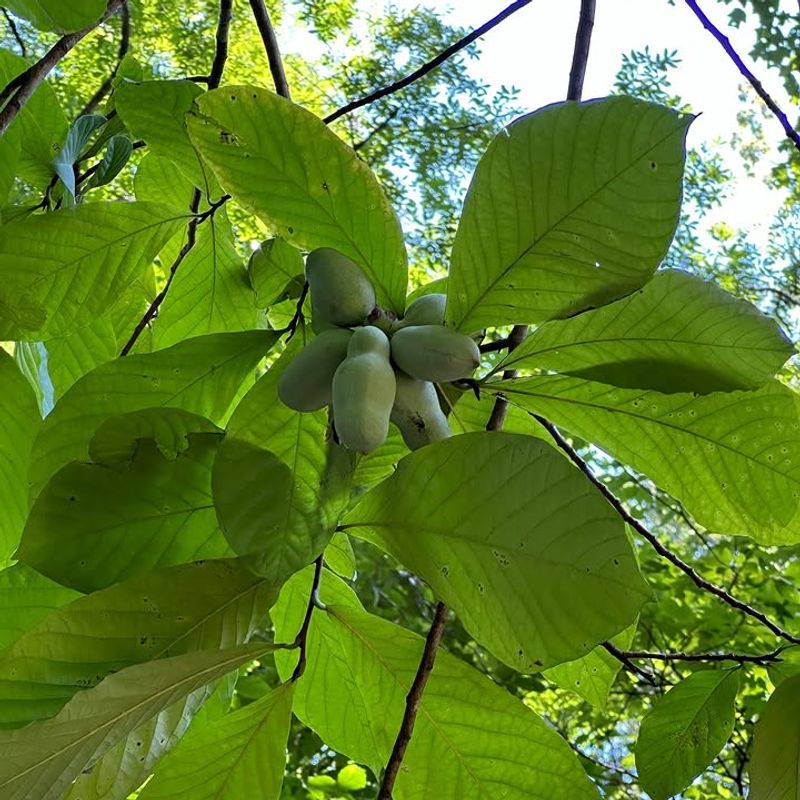
Pawpaw is North America’s largest native fruit, and most people have never tasted one.
Asimina triloba grows naturally across much of North Carolina, producing large tropical-looking leaves and heavy clusters of custard-like fruit that taste like a cross between a banana and a mango.
Replacing a purely ornamental understory tree with a pawpaw adds genuine wildlife value and a truly unique harvest to any naturalized landscape.
One thing to know upfront is that pawpaws take time. Expect to wait three to five years before seeing significant fruit production, and young trees establish slowly, especially in the first season.
Patience pays off though, because a mature pawpaw grove produces abundantly with very little ongoing care.
Unlike most fruit trees, pawpaws actually prefer partial shade during their early years, which makes them ideal for spots under taller canopy trees. They need consistently moist, well-drained soil and do poorly in dry, sandy conditions.
Spacing of ten to fifteen feet between trees works well, and planting at least two different varieties ensures reliable cross-pollination since pawpaws need another tree nearby to fruit well.
The foliage alone creates a lush, almost jungle-like look that no ornamental tree quite matches. Leaves can reach twelve inches long on established trees, creating dense shade beneath.
Deer tend to leave them alone, which is a real bonus for rural North Carolina homeowners who struggle with browse pressure on other fruit trees.
6. Peach Trees
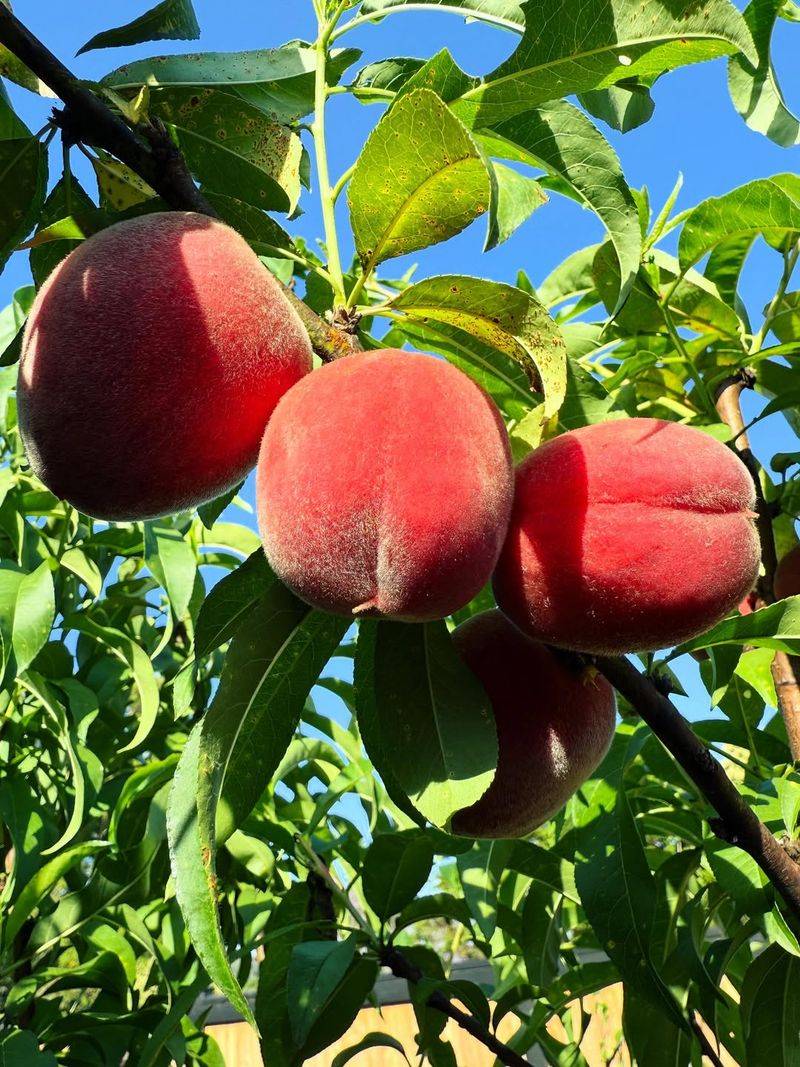
North Carolina has a long and proud history with peaches, and backyard growers across the state are rediscovering just how rewarding it is to grow your own.
Prunus persica delivers one of the most spectacular spring flower shows of any fruit tree, coating branches in pink blossoms before the leaves even fully open.
Replacing a purely ornamental flowering cherry or plum with a peach tree means getting that same gorgeous spring display plus a real harvest in summer.
Peaches need full sun, at least eight hours daily, and well-drained soil to perform their best. Heavy clay without amendment leads to root problems, so working organic matter into the planting area before you put the tree in the ground makes a meaningful difference.
Spacing of fifteen to twenty feet between trees gives each one room to develop a full, productive canopy.
Pruning is non-negotiable with peaches. Annual late-winter pruning keeps the tree open, improves air circulation, and drives better fruit size and quality. Skipping pruning even for one season leads to overcrowded growth and reduced harvests.
Disease pressure from peach leaf curl and brown rot is real in North Carolina’s humid summers, so a basic preventive spray program goes a long way toward protecting your crop.
Choose low-chill varieties suited to your specific region, since mountain homeowners and coastal growers have different chill-hour requirements.
Varieties like Contender and Reliance perform reliably across much of the state and reward careful attention with genuinely incredible homegrown fruit.
7. Apple Trees
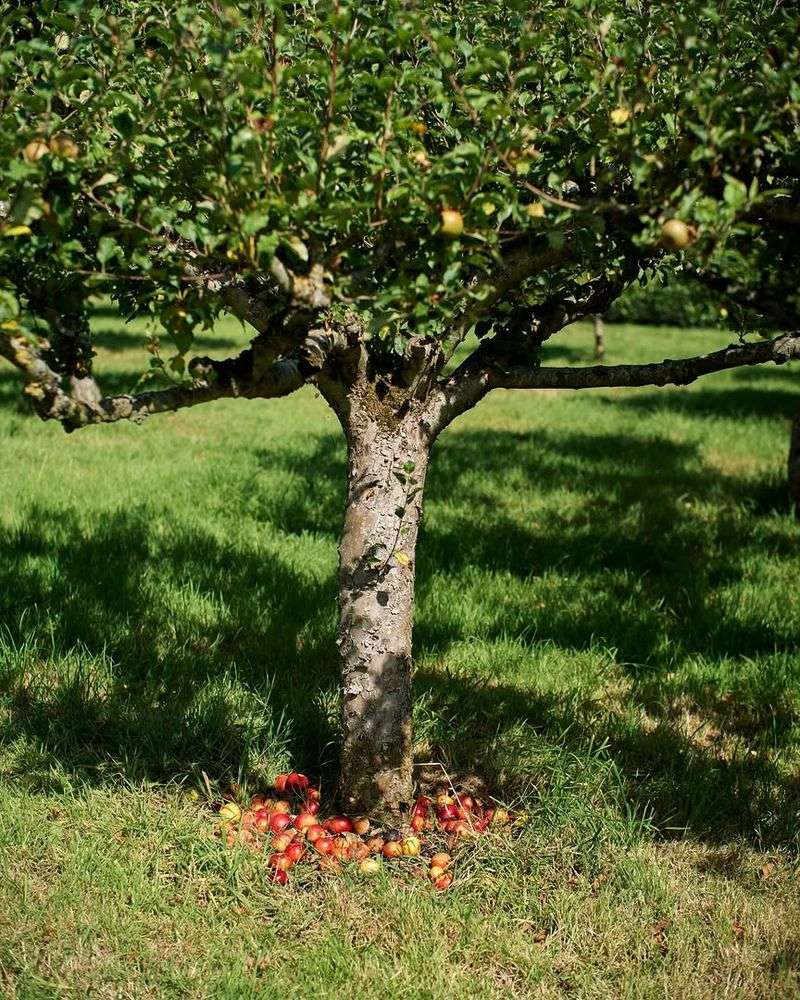
There is a reason apple trees have anchored home orchards for centuries. Malus domestica offers spring flowers that rival any ornamental crabapple, summer shade from a full rounded canopy, and a genuine harvest of fruit that you actually want to eat.
Across North Carolina, homeowners are realizing that a flowering tree without edible value is a missed opportunity when apple trees exist.
Apples need full sun and well-drained soil. They also need a compatible pollinator variety planted nearby, since most apple cultivars cannot reliably pollinate themselves.
Planting two different varieties that bloom at the same time solves this easily and doubles your harvest potential in the process.
Disease resistance is the most important factor when choosing varieties for North Carolina’s humid climate.
Fire blight and apple scab are serious concerns in the Southeast, so selecting resistant varieties like Enterprise, Liberty, or Goldrush saves enormous frustration compared to planting susceptible varieties and fighting disease every season.
Spacing of fifteen to twenty feet between standard trees, or ten to twelve feet for semi-dwarf varieties, gives each tree room to develop properly.
Annual pruning in late winter shapes the tree, removes crowded branches, and keeps the center open for light and airflow.
Young trees may need two to four years before producing meaningful harvests, but the spring flower display starts immediately and alone makes the planting worthwhile.
For homeowners wanting beauty and productivity from a single tree, apples deliver both with consistent reliability.
8. Mulberry Trees
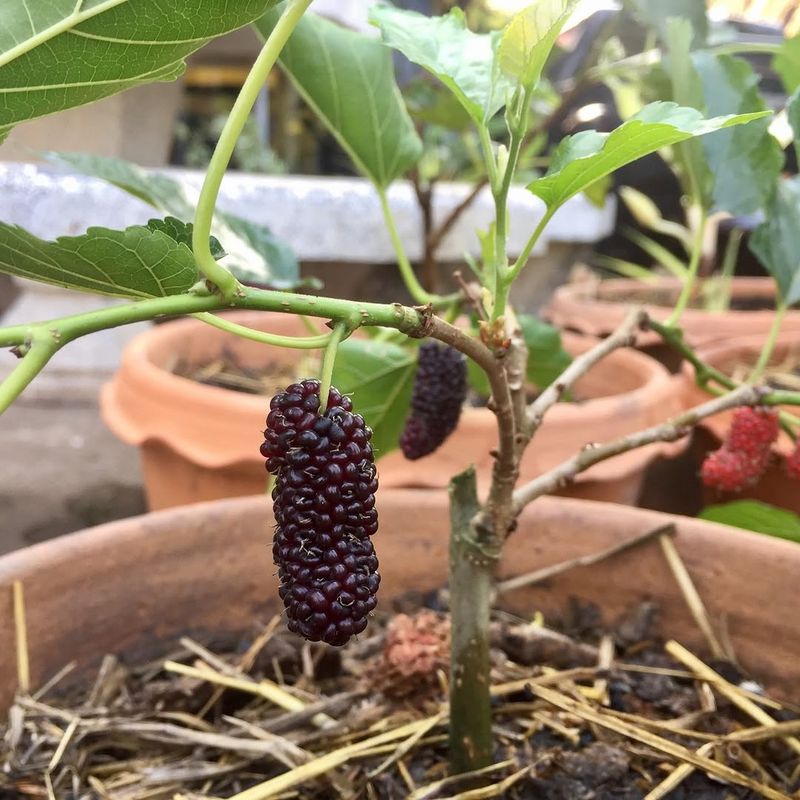
Mulberry trees are the kind of plant that sparks strong opinions. Some homeowners absolutely love them for their fast growth, generous shade, and the incredible volume of fruit they produce for wildlife and family alike.
Others hesitate because ripe berries dropping onto driveways and patios create a genuine cleanup challenge. Understanding both sides honestly helps you decide if a mulberry fits your specific yard.
Morus rubra, the native red mulberry, and Morus alba, the white mulberry introduced from Asia, both grow vigorously across North Carolina.
They tolerate a wide range of soils, handle heat and humidity without complaint, and establish faster than almost any other fruit tree on this list. A young mulberry can go from a sapling to a shade tree in just a few years.
Placement is everything with mulberries. Planting away from driveways, patios, sidewalks, and light-colored surfaces keeps the inevitable berry drop from becoming a headache.
Give trees at least twenty feet of space in all directions, since mature mulberries spread wide and root systems can extend considerably.
Birds, squirrels, and other wildlife flock to mulberry trees during fruiting season, which makes them outstanding for homeowners who enjoy watching wildlife activity in their yard.
The fruit is also genuinely delicious for humans, great fresh or made into jams and cobblers.
For larger yards where placement away from hardscapes is possible, mulberry offers shade, wildlife value, and abundant harvests with almost no maintenance required after establishment.