Why Some Shrubs In North Carolina Outgrow Their Space, And What To Plant Instead This Spring
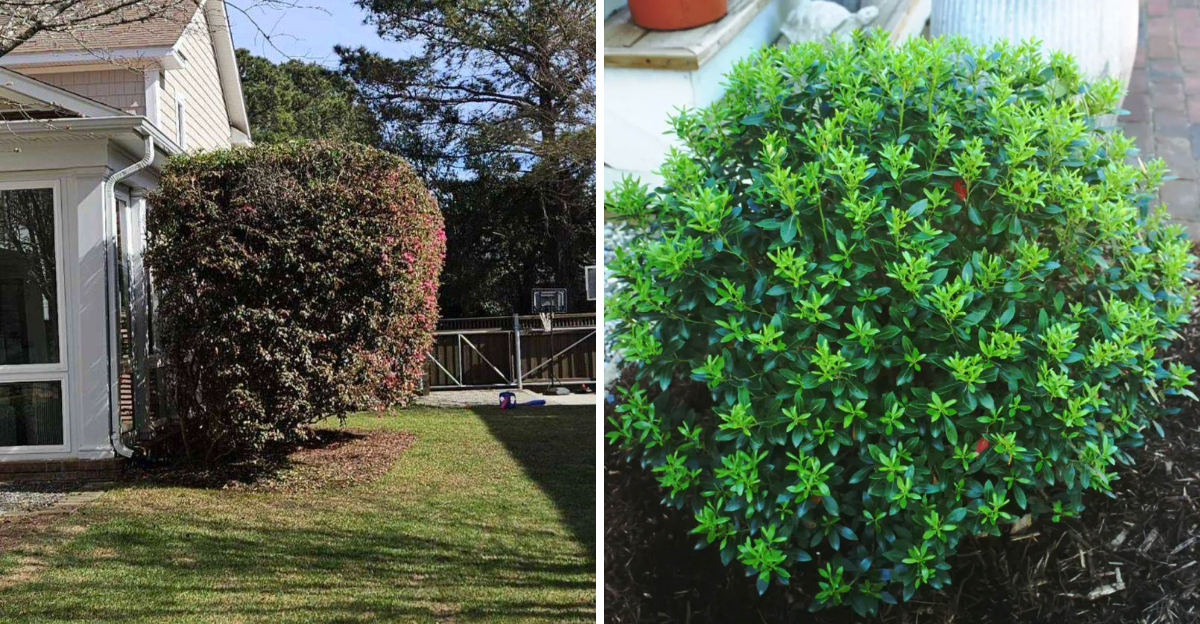
That small shrub you planted last spring can feel like it doubled in size overnight. Across North Carolina, fast growth catches a lot of gardeners off guard, especially when plants settle into warm, humid conditions and take off.
It is easy to choose something based on how it looks at the nursery, only to find it crowding walkways or pushing into nearby plants a year or two later.
With North Carolina’s long growing season, shrubs can fill in quickly.
Understanding why that happens can help you make better planting choices this spring and avoid constant trimming down the road.
1. Warm, Humid Summers Can Drive Rapid Growth
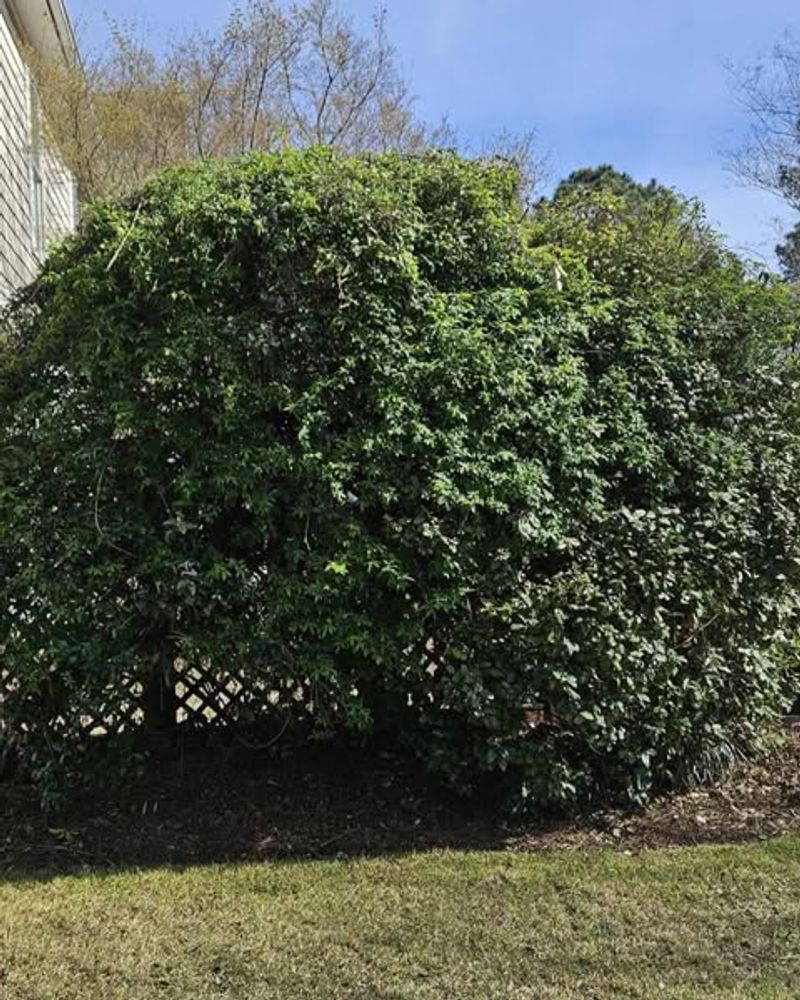
Summers in North Carolina are no joke when it comes to plant growth. The combination of heat, high humidity, and consistent moisture creates conditions where many shrubs put on several feet of new growth in a single season.
Plants that seem manageable in spring can become genuinely overwhelming by August.
Shrubs like forsythia and privet are classic examples. They respond to North Carolina’s warm temperatures by pushing out new shoots rapidly, often outpacing what most homeowners expect based on the plant tag.
By midsummer, what started as a tidy hedge can look more like a thicket.
Choosing shrubs with naturally slower growth rates can help reduce the constant cycle of pruning and reshaping. When selecting plants this spring, look for varieties that are rated for moderate growth in hot, humid climates.
Plants that are well-matched to North Carolina’s summer conditions tend to grow at a steadier, more predictable pace rather than surging forward aggressively.
Taking the time to research growth rates before purchasing can save a lot of frustration later in the season.
2. Mature Size Is Often Underestimated At Planting Time
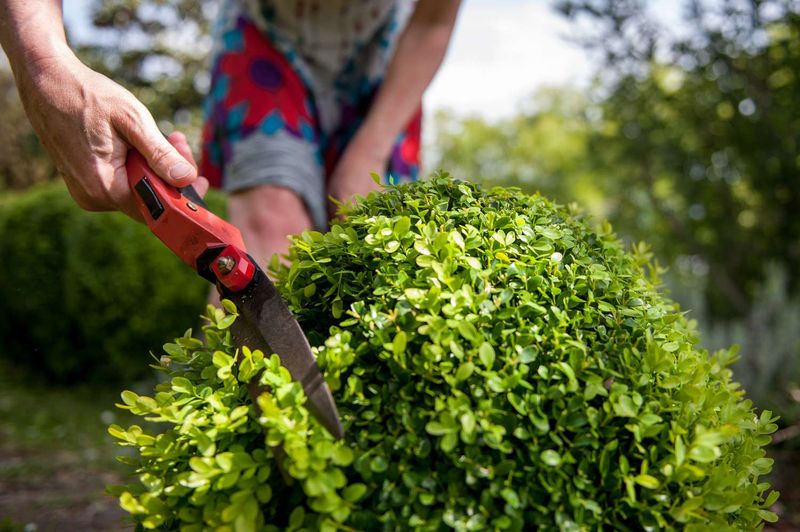
One of the most common landscaping mistakes across North Carolina is planting a shrub without fully accounting for how large it will eventually grow.
Nursery tags sometimes list a range like “4 to 8 feet,” and many buyers assume their plant will stay on the smaller end of that range.
In North Carolina’s favorable growing conditions, that assumption can lead to real problems.
Boxwoods, for example, are frequently planted in tight foundation beds where they look perfectly proportioned at purchase. Within five to seven years, some varieties can reach six feet or more in both height and width.
At that point, the homeowner faces a choice between aggressive pruning several times a year or replacing the plant altogether.
Reading the mature size information carefully before buying is one of the most practical things a gardener can do.
If the bed space allows for a plant that is four feet wide at maturity, choose a variety whose mature width is listed at three to four feet – not one that could reach six or eight.
Matching plant size to available space from the start reduces long-term maintenance and keeps the landscape looking intentional rather than overgrown.
3. Clay Soils Can Still Support Strong Root Growth
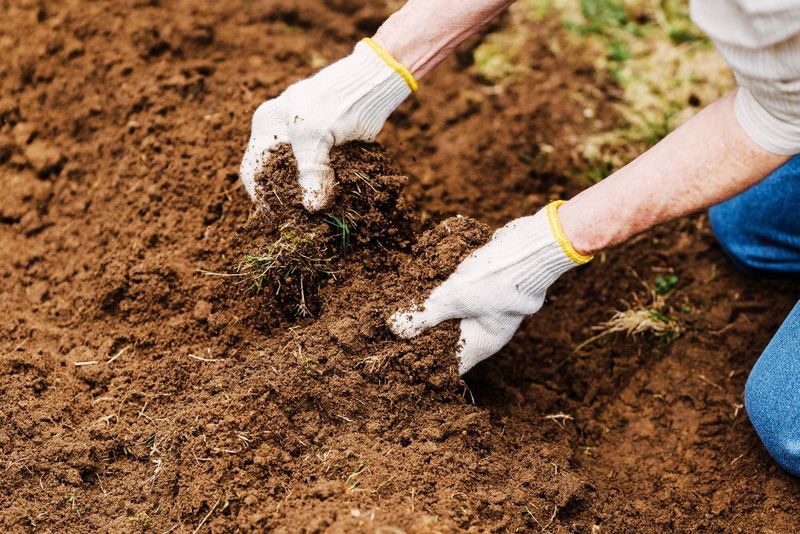
North Carolina is well known for its heavy clay soils, especially in the Piedmont region. Many gardeners assume clay soil will slow plants down, but the reality is more nuanced.
Your North Carolina Garden Changes Every Week. Your Plan Should Too.
Gardening in North Carolina changes quickly throughout the season. Every Friday you’ll receive a simple weekly plan showing exactly what to plant, prune, fertilize, harvest, and protect so you never miss the right timing.
Once shrubs establish their root systems in clay, they can become surprisingly vigorous growers.
Clay holds moisture and nutrients effectively, which means established shrubs have access to a steady supply of what they need to grow.
Species like red-tipped photinia and wax myrtle, which are commonly planted across the state, can develop deep, spreading root systems in clay that fuel substantial above-ground growth over time.
The roots also tend to anchor plants firmly, allowing them to withstand seasonal storms without much stress.
Amending clay soil with organic matter at planting time can improve drainage and aeration, which benefits both plant health and manageable growth.
Adding compost to the planting hole helps roots establish more evenly rather than circling or concentrating in one area.
For gardeners who want to avoid oversized shrubs, choosing compact varieties that are specifically noted to perform well in clay soils is a reliable strategy.
Compact cultivars of native shrubs, like dwarf oakleaf hydrangea, tend to stay within their expected size range even in North Carolina’s clay-heavy soils.
4. Frequent Rainfall And Long Seasons Encourage Overgrowth
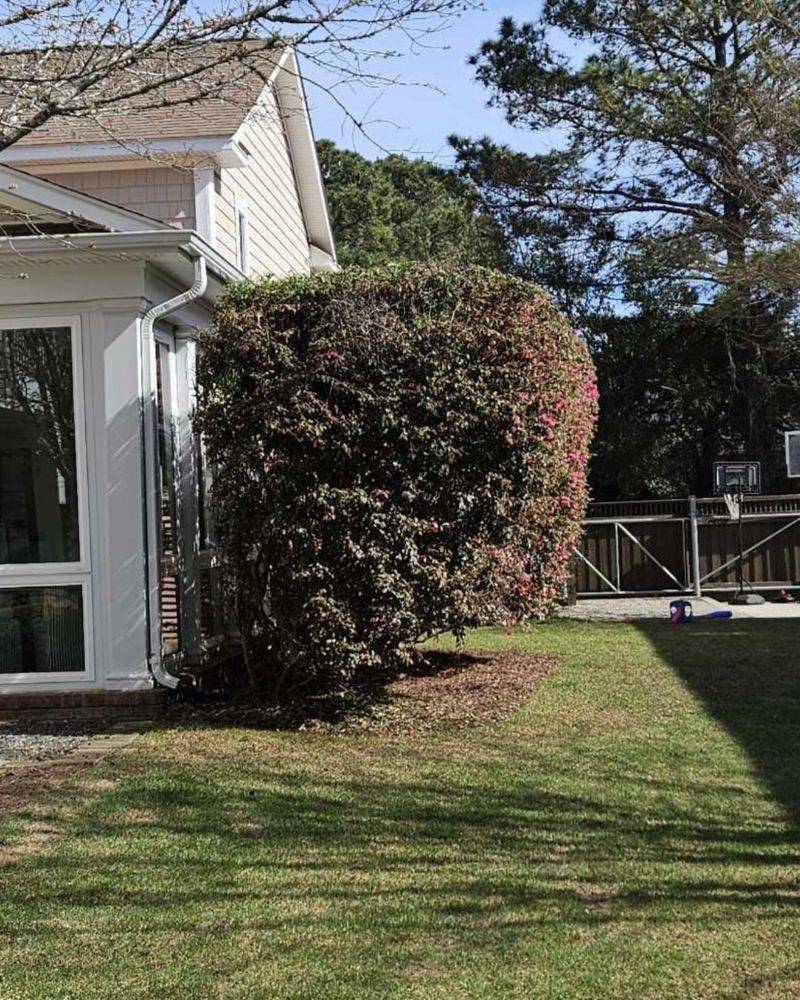
North Carolina receives an average of 40 to 50 inches of rainfall per year across much of the state, and that moisture is a major factor in how quickly shrubs grow.
Unlike drier climates where water stress naturally limits plant size, North Carolina’s rainfall keeps shrubs hydrated and actively growing for much of the year.
The growing season in most parts of North Carolina stretches from early spring through late fall, giving shrubs a long window to add new growth.
Combine that with warm temperatures and reliable rain, and you have conditions that can push even moderately sized shrubs well beyond their expected dimensions.
Gardeners who move to North Carolina from drier states are sometimes caught off guard by how quickly their landscape fills in.
Selecting shrubs that are noted for restrained growth habits under high-rainfall conditions can make a meaningful difference.
Native shrubs like spicebush and Carolina allspice tend to grow at a measured pace even in wet years, because they have evolved alongside North Carolina’s climate.
Avoiding non-native species that are known to grow aggressively in moist conditions – such as certain privets – is a straightforward way to reduce the risk of overgrowth in wetter-than-average seasons.
5. Improper Spacing Leads To Crowding And Competition
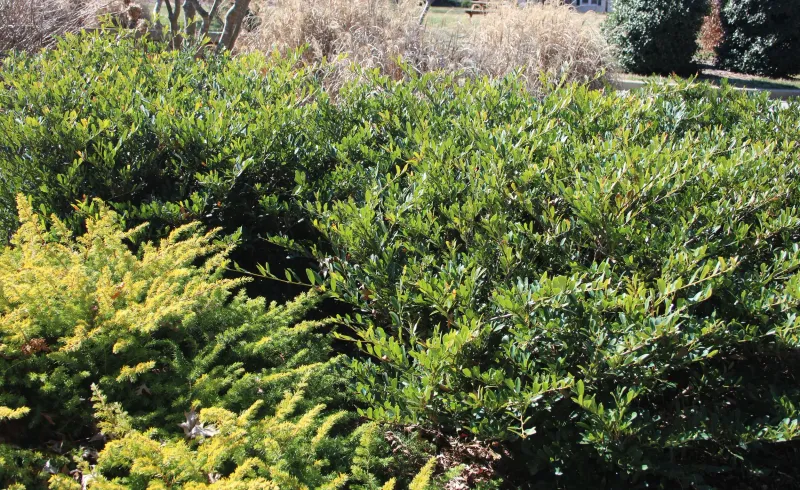
Walk through almost any established neighborhood in North Carolina and you will likely spot at least one garden bed where shrubs are clearly fighting for space.
Planting too close together is one of the most frequent causes of overcrowded landscapes, and it often happens because young plants look sparse when they are first installed.
When shrubs are spaced too tightly, they compete for sunlight, water, and nutrients. Over time, the stronger plants shade out weaker ones, branches intertwine, and air circulation decreases.
Poor air circulation in North Carolina’s humid climate can encourage fungal issues like powdery mildew or leaf spot, adding maintenance challenges on top of the crowding problem.
A useful rule of thumb is to space shrubs at least half of their expected mature width apart from one another, and to give them adequate clearance from structures like fences and house foundations.
It can feel a little sparse at planting time, but filling gaps with low-growing groundcovers or annuals in the short term is a smarter approach than planting shrubs too close.
Giving each plant room to develop its natural form results in a healthier, more attractive landscape over the long run and reduces the amount of corrective pruning needed each season.
6. Dwarf And Compact Plants Help Control Size Early
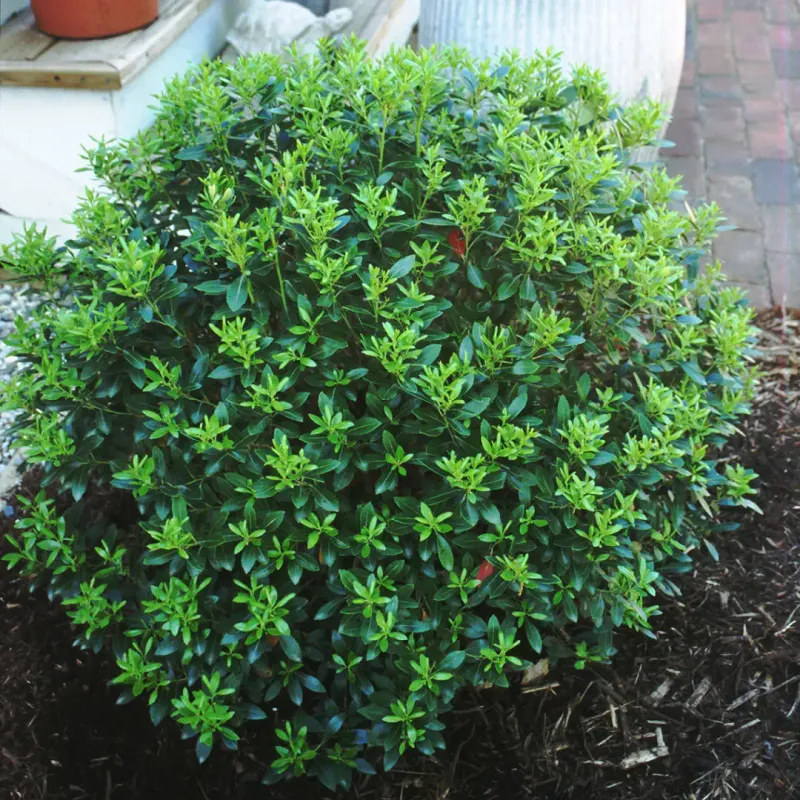
Reaching for a dwarf or compact cultivar at the nursery is one of the most reliable ways to avoid size problems before they start.
Plant breeders have developed compact versions of many popular landscape shrubs specifically to address the challenge of limited garden space, and North Carolina gardeners have a wide selection to choose from at most local nurseries this spring.
Dwarf cultivars are not simply younger versions of standard plants – they are genetically selected to grow more slowly and reach a smaller mature size.
For example, dwarf inkberry holly varieties typically top out at three to four feet, compared to the eight or more feet a standard inkberry might reach.
That size difference matters enormously in a foundation bed or along a walkway where space is limited.
Compact nandinas, dwarf gardenias, and smaller varieties of Virginia sweetspire are all worth exploring for North Carolina gardens where space is at a premium.
Keep in mind that even compact shrubs benefit from proper spacing and occasional light pruning to maintain their shape.
Checking the specific mature dimensions of any dwarf cultivar before purchasing is still a good habit, since some plants marketed as “dwarf” can still reach five or six feet under ideal growing conditions in North Carolina’s climate.
7. Native Shrubs Adapt Naturally To Local Conditions
Plants that have evolved in North Carolina over thousands of years bring a kind of built-in reliability that non-native species simply cannot match.
Native shrubs have developed growth habits suited to the state’s rainfall patterns, soil types, temperature swings, and seasonal rhythms.
That natural alignment often translates into plants that grow vigorously but within predictable limits.
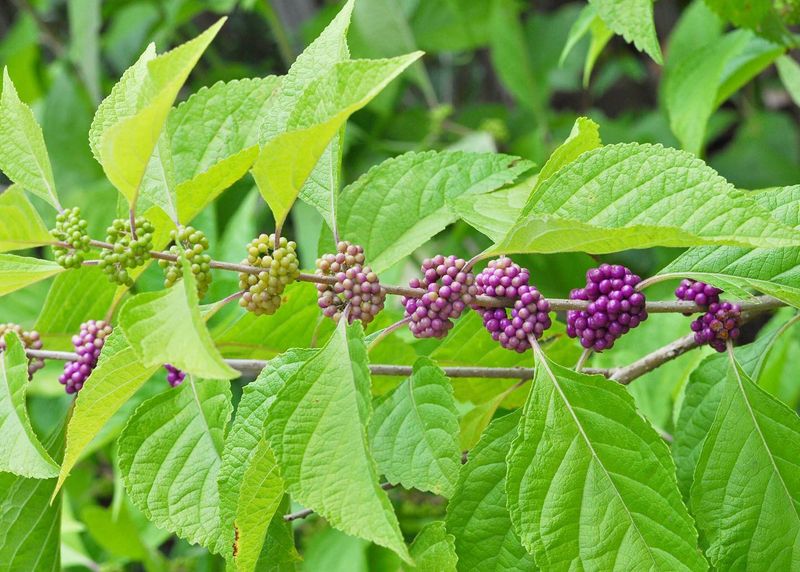
American beautyberry is a standout example. It produces striking clusters of vivid purple berries in late summer and fall that attract birds and pollinators, and it typically settles into a manageable size of four to six feet in most North Carolina landscapes.
Spicebush offers fragrant yellow flowers in early spring and red berries later in the season, all while staying within a reasonable footprint for most garden beds.
Beyond their manageable size, native shrubs tend to require less supplemental watering once established, since they are accustomed to North Carolina’s natural rainfall cycles.
They also support local wildlife in ways that non-native ornamentals often cannot, providing food and habitat for birds, butterflies, and beneficial insects throughout the growing season.
Replacing overgrown, high-maintenance non-native shrubs with well-chosen natives this spring is a practical move that pays dividends in both beauty and reduced upkeep for years ahead.
8. Slow-Growing Evergreens Offer Structure Without Overgrowth
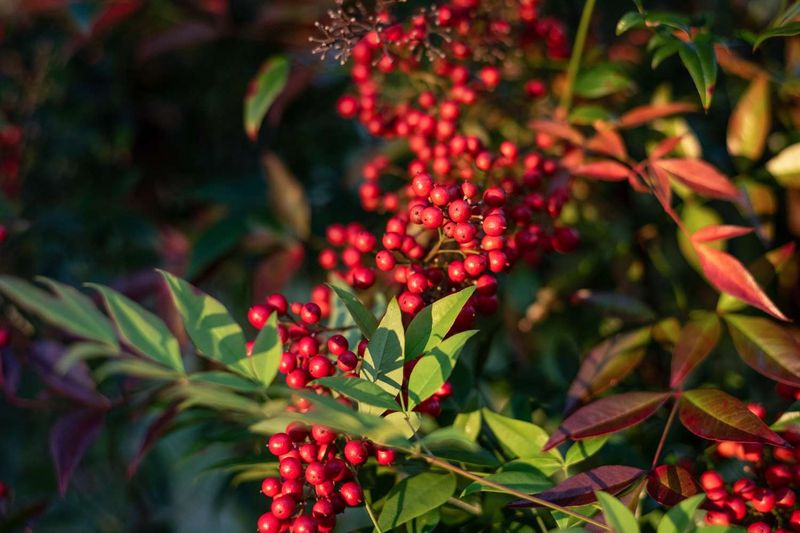
Structure and year-round greenery are two things most homeowners want from their landscape, and slow-growing evergreens can deliver both without the constant battle against overgrowth.
In North Carolina, where the growing season is long and conditions favor rapid growth, choosing an evergreen with a genuinely slow growth rate is a strategic move worth making this spring.
Inkberry holly is a native evergreen shrub that earns high marks for its restrained growth habit and adaptability to a range of North Carolina soil conditions, including wet or poorly drained areas.
Yaupon holly is another excellent option, offering dense, dark green foliage and a growth rate that stays manageable with minimal intervention.
Both plants provide winter interest and wildlife value that many faster-growing shrubs cannot match.
Japanese plum yew is a non-native but well-behaved evergreen that has become popular in North Carolina landscapes for its shade tolerance and slow, tidy growth.
It handles the state’s humid summers without significant pest or disease pressure, which makes it a lower-maintenance choice than some of the faster-growing evergreens that need frequent shaping.
When structure and predictability are the goals, slow-growing evergreens consistently prove their worth in North Carolina gardens of all sizes.
9. Shrubs That Handle Light Pruning Keep A Better Shape
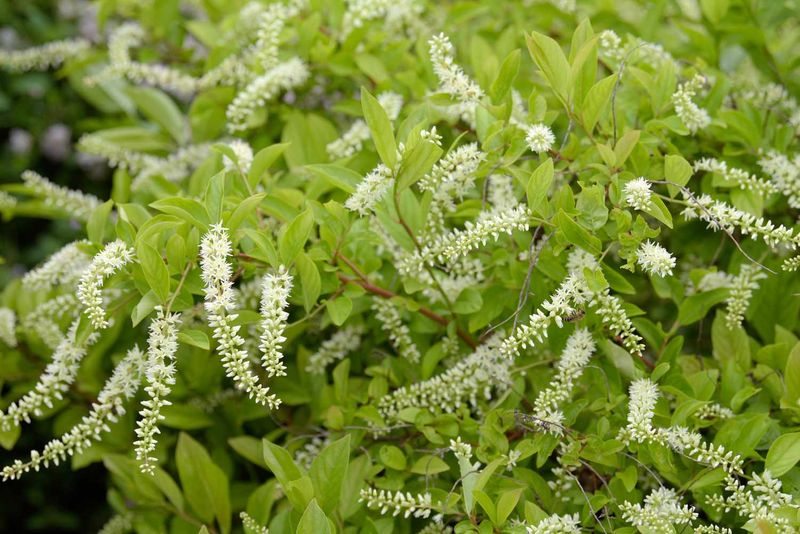
Not every shrub responds well to pruning, and choosing plants that tolerate – even benefit from – light annual shaping is a smart way to maintain a tidy landscape without excessive effort.
In North Carolina, where growth spurts can happen quickly after a warm spell, having shrubs that bounce back cleanly from a light trim makes a real difference in how the garden looks throughout the season.
Virginia sweetspire is a native shrub that responds beautifully to light pruning after its blooming period, producing fresh, attractive growth and maintaining a rounded, graceful form.
Oakleaf hydrangea can also be lightly shaped after flowering, though it is worth noting that pruning too heavily or at the wrong time of year will remove next season’s flower buds.
Timing and technique matter with every shrub species.
Shrubs that require heavy, repeated cutting to stay in bounds are generally not the right fit for a low-maintenance North Carolina garden.
When evaluating plants at the nursery this spring, ask specifically about pruning requirements and how the plant responds to being cut back.
A shrub that needs only one light trim per year to stay tidy is far more practical than one that demands shaping three or four times between April and October in North Carolina’s growing climate.
10. Layered Planting With Smaller Shrubs Reduces Crowding
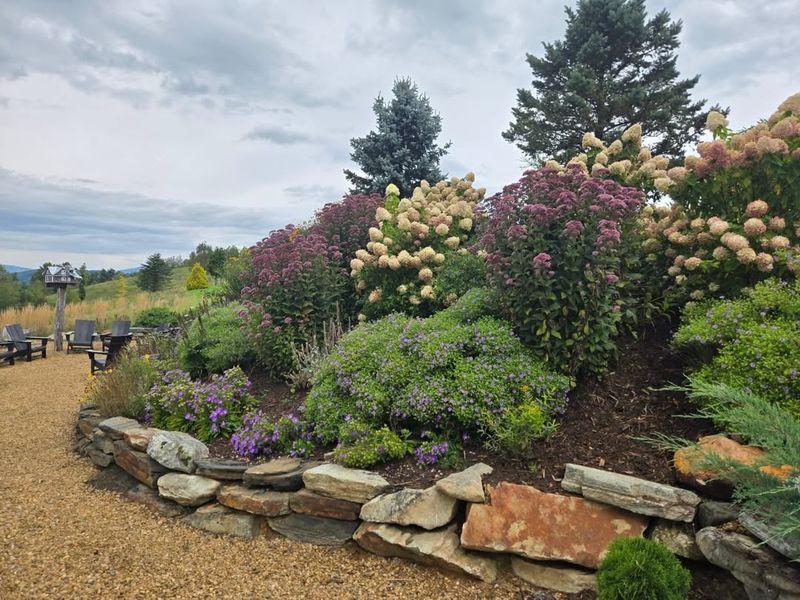
Layering plants by height and spread is a design approach that has practical benefits beyond aesthetics.
When a garden bed is filled with shrubs of varying sizes – taller ones toward the back, shorter ones in front – each plant has more access to sunlight and air circulation.
In North Carolina’s humid climate, that improved airflow can reduce the risk of fungal issues that tend to develop in densely packed plantings.
Incorporating smaller shrubs like dwarf fothergilla, compact itea, or low-growing native azaleas in the front layer of a mixed border keeps those areas visually full without the risk of one plant overtaking another.
Mid-sized native shrubs like serviceberry or Carolina allspice work well in the middle layer, offering seasonal interest without aggressive spreading.
Taller background shrubs can then anchor the planting without crowding the smaller plants in front.
Layered planting also makes it easier to replace individual plants if one outgrows its space or declines over time, since the other layers remain intact.
Planning a layered bed this spring with mature sizes clearly mapped out before any plant goes in the ground tends to result in a landscape that looks intentional and well-balanced for many years.
North Carolina gardeners who take this approach often find their overall pruning time drops significantly season after season.