The 7 Rat-Repelling Flowers Florida Gardeners Are Planting Right Now
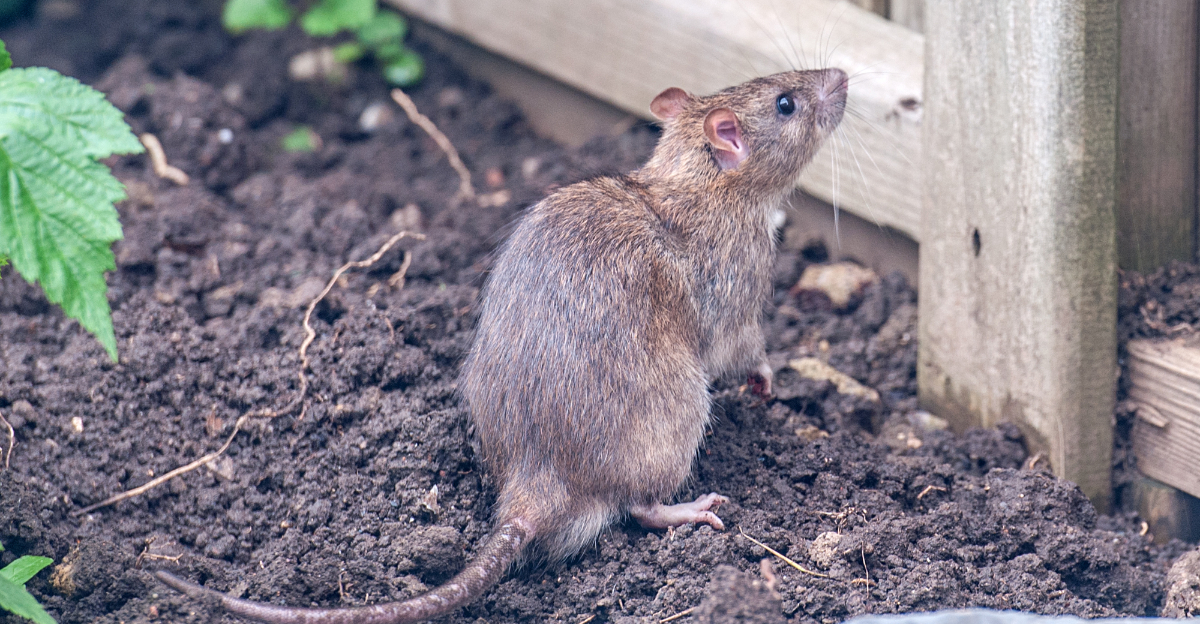
You’ve sealed the gaps, set the traps, and tried every trick in the book. But those rats?
Still running the show in your Florida garden. What if the fix was already growing in your neighbor’s yard?
Turns out, gardeners have caught on to something smart: certain flowers pull double duty, looking gorgeous while sending rats packing. Not magic, not a gimmick, just plants that do what chemicals can’t without the smell, the cost, or the headache.
Rats have a nose so sensitive it works against them, and savvy gardeners are exploiting exactly that. So which flowers are actually worth your time and garden space?
That’s the question every homeowner should be asking before the next planting season. These flowers are quietly making waves across Florida yards right now, and the results speak for themselves.
1. Marigolds Add Strong Scent Near Vegetable Beds
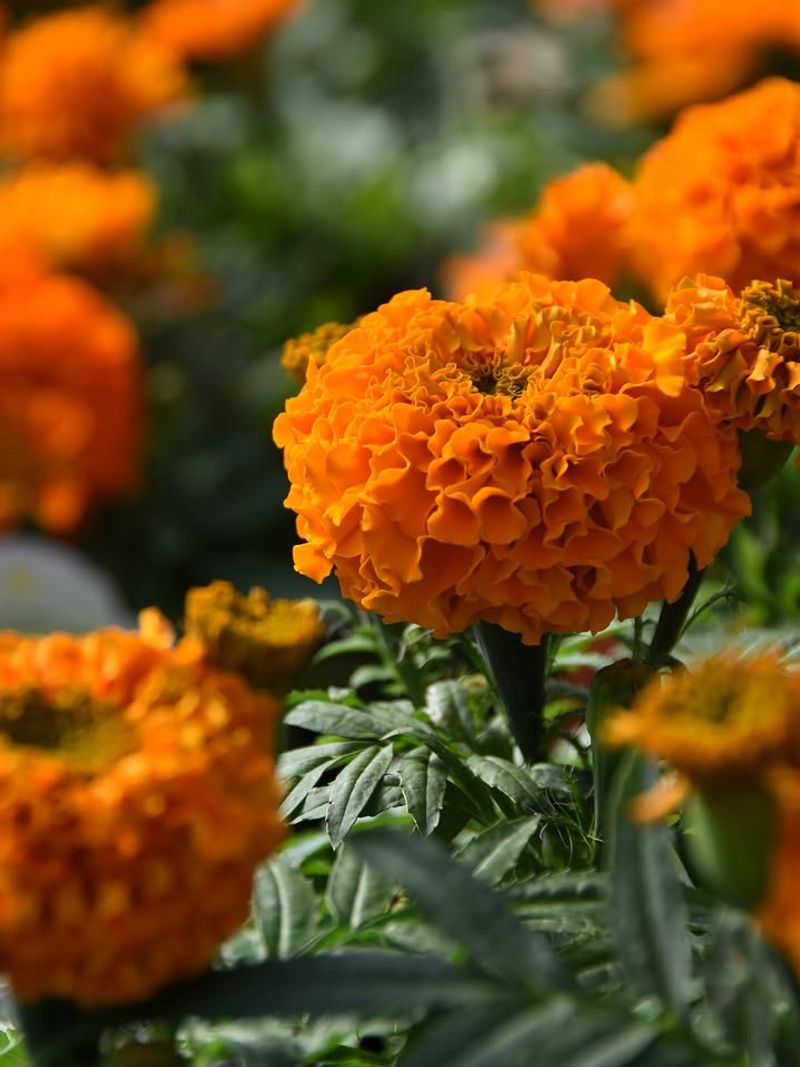
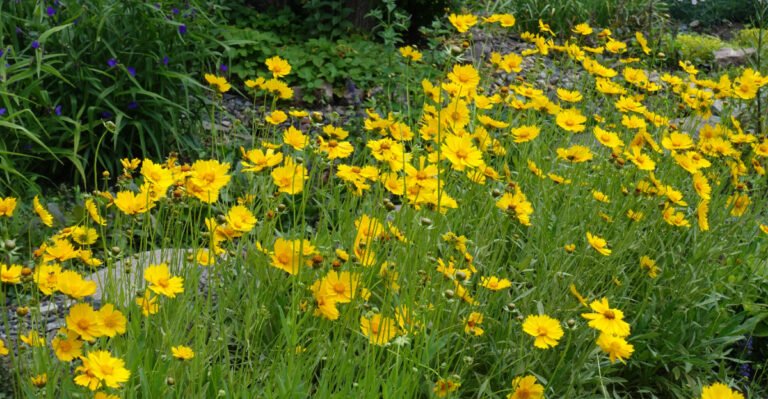
A bright flower can still have a practical job. Marigolds have been a favorite of vegetable gardeners for generations, and their cheerful orange and yellow blooms are only part of the reason.
The scent from marigold foliage and flowers is sharp, layered, and surprisingly strong up close. Many gardeners plant them along the edges of raised beds, near tomato plants, and around the borders of kitchen gardens precisely because of that bold smell.
Marigolds are one of the most reliable warm-season flowers for sunny spots across this state. French marigolds stay compact and work well in containers and small borders.
African marigolds grow taller and can create a fuller edge along walkways or vegetable beds. Both types bloom freely through the warm months when given regular sunlight and decent drainage.
The scent may make some areas feel less inviting to rats, but it is important to stay realistic. Marigolds alone will not drive rats away from a yard with open food sources, fallen fruit, or accessible trash.
They work best as one part of a layered approach that also includes cleanup, exclusion, and proper storage.
Planting marigolds in mixed borders alongside herbs and vegetables gives you color, fragrance, and a more complex sensory environment throughout the garden.
They are easy to find at local nurseries, affordable to grow from seed, and simple enough for new gardeners to manage.
Trimming spent blooms regularly encourages continued flowering. For best results, place them in full sun with soil that drains well, and water at the base to reduce moisture on the foliage during humid stretches.
2. Society Garlic Brings Flowers With A Sharp Garlic Smell
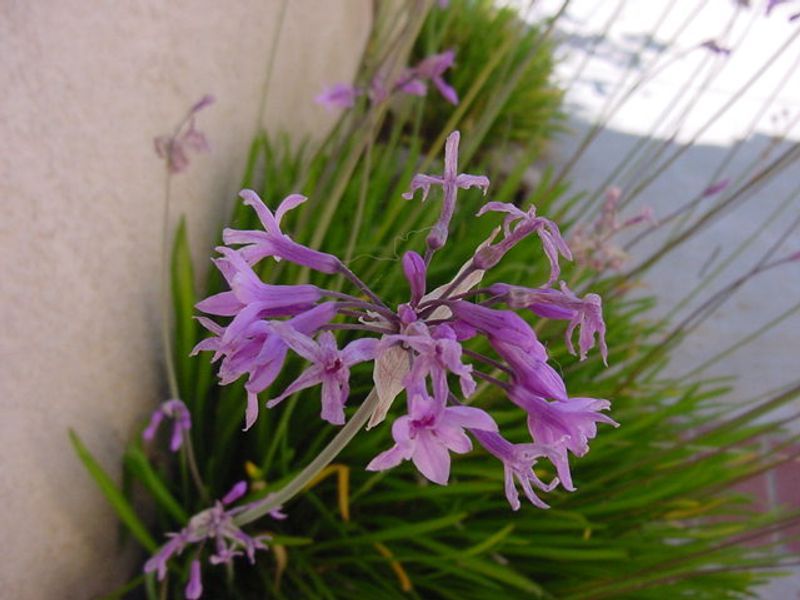
Sharp scent is the reason gardeners notice this plant long before they learn its name. Society garlic is a South African native that has settled in beautifully across warm, sunny gardens in this region.
Its slender, strap-like leaves release a strong garlic-like smell when brushed or disturbed. That is part of what makes it interesting as a border or edging plant near garden areas you want to protect.
Your Florida Garden Changes Every Week. Your Plan Should Too.
Gardening in Florida changes quickly throughout the season. Every Friday you’ll receive a simple weekly plan showing exactly what to plant, prune, fertilize, harvest, and protect so you never miss the right timing.
Despite its name, society garlic is not true garlic. It belongs to the genus Tulbaghia and is grown primarily as an ornamental.
Its leaves, rhizomes, and flowers are edible and can be used for a mild garlic-like flavor. The pale purple flowers appear on tall stems and bloom reliably through warm months.
They add a soft color contrast along walkways, fence lines, and garden edges without demanding much attention.
This plant handles the heat and humidity of local summers reasonably well when grown in full sun with good drainage. It spreads slowly over time through clumps and can be divided to fill more of a border.
That spreading habit makes it practical for creating longer stretches of scented edging without replanting every season.
Its strong garlic scent may help make certain garden edges feel less welcoming to rats, but it works best as one layer among many.
Keeping the area around society garlic free of debris, fallen fruit, and clutter is still the most effective part of any pest-reduction plan.
Pair it with other aromatic plants along fence lines or raised bed edges for a more complete sensory barrier. Check with your local Extension office for cultivar recommendations suited to your specific region.
3. Garlic Chives Offer Edible Blooms And Onion-Garlic Scent
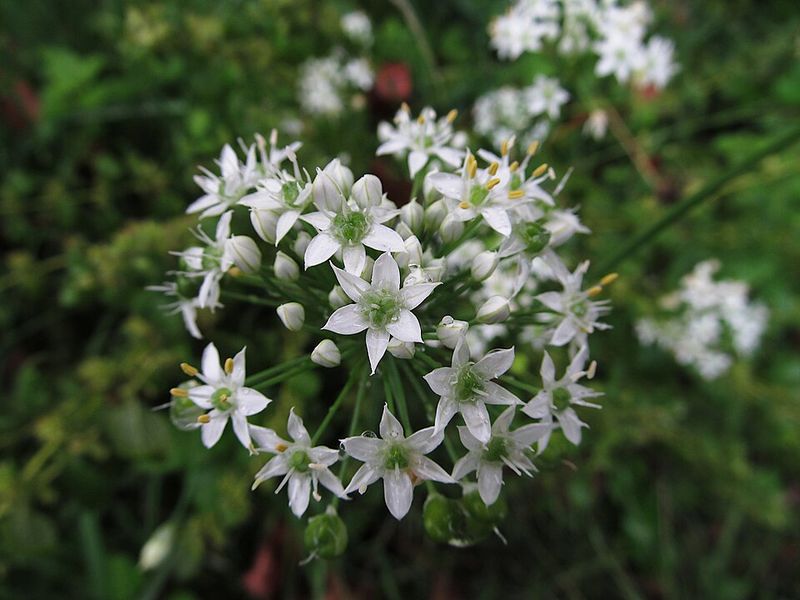
Edible flowers make a border far more useful than a pretty one. Garlic chives bring both the practical value of a kitchen herb and the sensory character of an aromatic border plant.
The flat, dark green leaves carry a mild onion-garlic flavor that works well in salads, stir-fries, and egg dishes.
When the plant is allowed to bloom, it produces clusters of small white star-shaped flowers that are also edible and carry a lighter version of the same scent.
Garlic chives grow well in sunny herb beds, vegetable gardens, and mixed borders with good drainage. They are more heat-tolerant than common chives, which makes them a better fit for the long warm season in this state.
Once established, they require minimal watering and tend to thrive with basic care.
One thing worth knowing is that garlic chives reseed freely. If you want to keep them from spreading beyond their original spot, trim the flower heads before the seeds mature and drop.
This also encourages the plant to put more energy into leaf production, which is helpful if you are growing them primarily for kitchen use.
The onion-garlic scent from the leaves and flowers may help make nearby garden areas less inviting to rats when combined with good sanitation habits.
Removing fallen produce, keeping compost bins sealed, and clearing dense ground-level cover will always matter more than any single plant.
Still, garlic chives earn their place in the herb bed through flavor, fragrance, and low-maintenance growth. They are easy to find at local nurseries and simple to divide and share once established.
4. Lavender Works Only In Dry Raised Spots
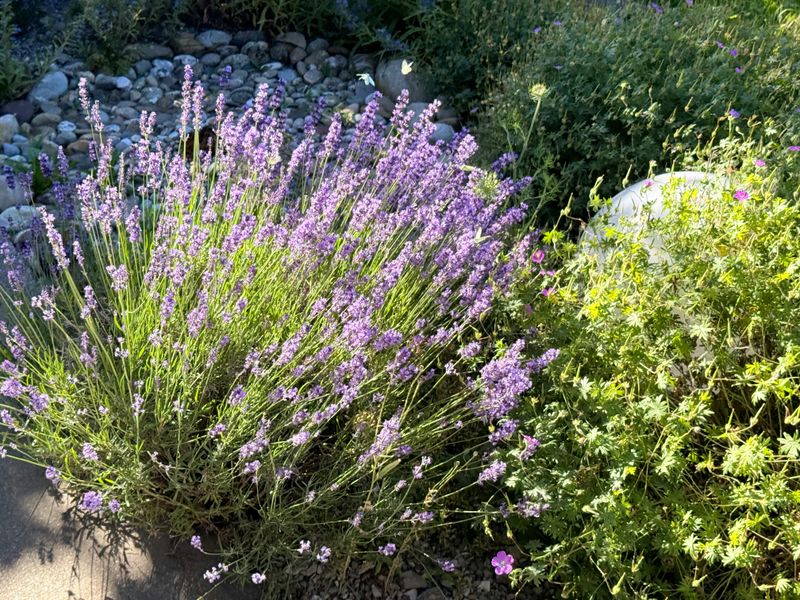
Fragrance only helps when the plant actually likes the site. Lavender is one of the most beloved aromatic plants in the world, but it asks for conditions that do not come naturally in many parts of Florida.
High humidity, heavy clay soil, and poor airflow are the main reasons lavender struggles here. Understanding that upfront will save you from frustration and help you set it up for success in the right spot.
The key to growing lavender in warm, humid regions is drainage above everything else. Raised beds filled with sandy or gritty mix, terracotta containers, or naturally fast-draining slopes give lavender the dry root zone it needs.
Full sun is non-negotiable. At least six to eight hours of direct light per day keeps the plant healthy.
It also encourages the aromatic oils in the foliage and flowers that give lavender its signature scent.
Good airflow matters just as much as drainage. Planting lavender where air circulates freely reduces the humidity around the foliage and lowers the chance of fungal problems during the rainy season.
Spanish lavender tends to handle warmth and humidity a little better than English types. That makes it the better choice for many gardeners in the central and southern parts of the state.
The fragrant foliage and flowers may contribute to a less inviting sensory environment near garden edges, but lavender is not a reliable rat deterrent on its own.
Use it where the site is genuinely suitable, such as a sunny raised bed or a well-drained patio container.
Pair it with good sanitation, exclusion, and cleanup for a balanced approach. Ask your county Extension office which varieties perform best locally.
5. Rosemary Adds Aromatic Flowers In Fast-Draining Soil
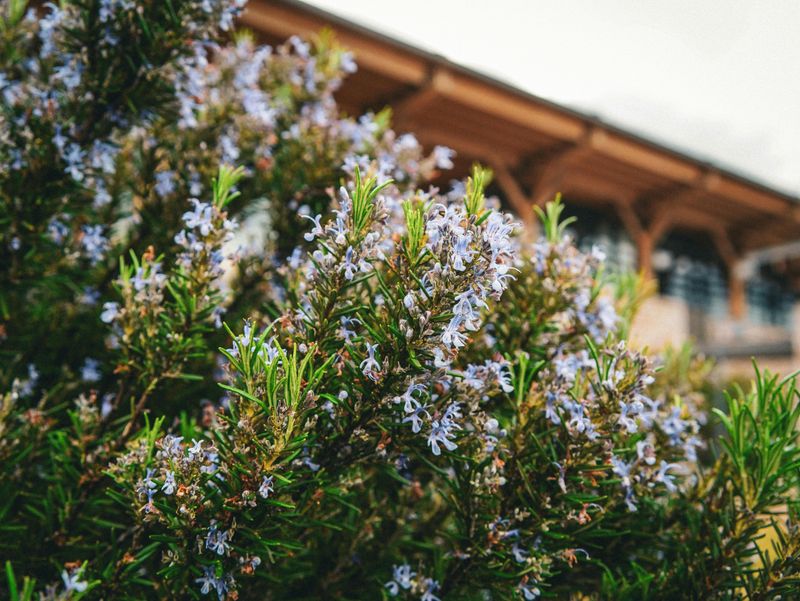
Aromatic herbs work best in dry sunny spots, and rosemary is one of the clearest examples of that rule. This Mediterranean shrub brings needle-like foliage loaded with essential oils.
It also produces small blue to purple flowers during cooler months and has a sharp, resinous scent that carries well in warm air.
Gardeners across the state use it in herb borders, raised beds, patio containers, and dry landscape edges where it can stretch into a rounded, productive shrub over time.
Rosemary needs full sun, excellent drainage, and reliable airflow to stay healthy through the humid season. Heavy or waterlogged soil is its biggest enemy.
In areas with clay-heavy ground, raised beds or large containers filled with well-draining mix give it the root environment it needs. Once established in the right spot, rosemary is surprisingly drought-tolerant and does not need frequent watering.
The strong scent from rosemary foliage may help make certain garden edges feel less appealing to rats. But this effect is modest and depends heavily on the overall environment.
Open food sources, fallen fruit, and dense ground cover nearby will always attract rodents regardless of what is planted close by. Rosemary works best as one aromatic layer in a garden that is also kept clean and well-maintained.
Beyond any pest-adjacent benefit, rosemary earns its place through culinary value, year-round greenery, and low water needs once established. Trailing varieties can spill attractively over container edges or raised bed walls.
Upright varieties work well as small focal plants in dry herb borders. Prune lightly after flowering to keep the shape tidy and encourage fresh, oil-rich growth.
Check local nursery availability for varieties that have performed well in your specific region.
6. Basil Brings Strong Herbal Scent Around Summer Crops
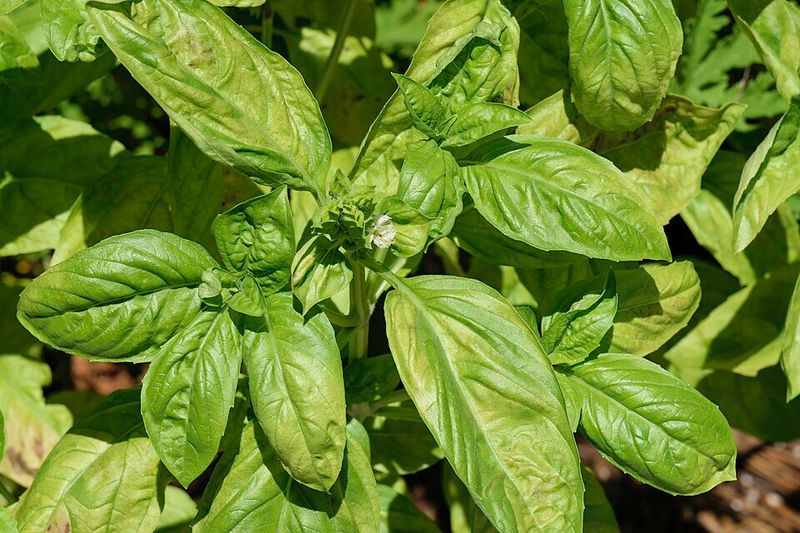
Kitchen herbs can shape the edge of a food garden in more ways than one. Basil is one of the most widely grown herbs in local gardens and containers.
It is valued for its bold herbal scent, culinary versatility, and the dense fragrance it releases when leaves are brushed or harvested.
Planting it near tomatoes, peppers, and other summer crops is a long-standing garden practice that adds sensory layers to the vegetable bed.
It also keeps fresh herbs within easy reach of the kitchen.
Basil loves heat, which means it fits the warm season in this state very well. It needs full sun, moist but well-draining soil, and protection from heavy, persistent rain that can cause root problems or leaf spotting.
Container growing is a smart option for gardeners who want to move plants under cover during heavy downpours or position them precisely where the scent is most useful.
Pinching off flower buds regularly keeps basil plants bushy and productive. When basil is allowed to bloom fully, the small white or purple flowers carry a lighter version of the same herbal fragrance and are edible.
Letting some plants bloom near garden edges can extend the aromatic presence of the planting.
The strong scent of basil may help create a less inviting environment near summer crops, but it is not a reliable rat deterrent by itself.
Removing fallen produce, sealing compost bins, and keeping the area tidy will always have a bigger impact than any single herb.
Basil works best as a fragrant, productive companion in a well-managed food garden. Replace plants that decline during peak heat with fresh seedlings to maintain coverage through the season.
7. Nasturtiums Work Best During The Cooler Season
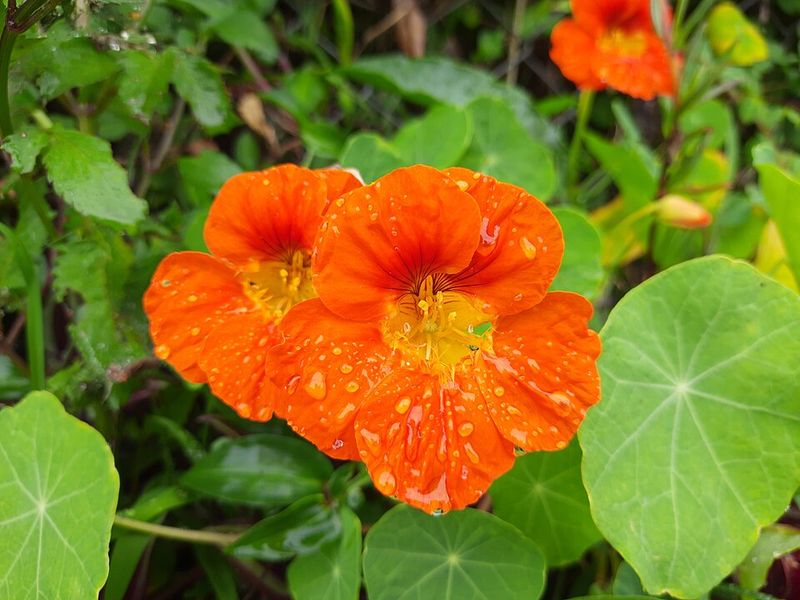
Cooler weather gives this flower its best chance, and that timing matters a lot in warm-climate gardening. Nasturtiums are cheerful, fast-growing annuals with round, lily-pad-like leaves and vivid flowers in orange, yellow, and red.
Both the leaves and flowers are edible, with a peppery, slightly spicy flavor that works well in salads, garnishes, and fresh dishes. That same peppery quality contributes to the plant’s distinct scent, which some gardeners describe as sharp and green.
In northern parts of the state, nasturtiums can be planted in fall and grown through much of winter and into early spring before heat shuts them down.
In central and southern regions, the cool-season window may be shorter or shift slightly depending on the year.
Starting seeds in October or November gives most gardeners the best chance of a full, productive bloom period before summer heat arrives.
Nasturtiums prefer lean soil with good drainage and actually bloom more freely when not over-fertilized. Rich soil tends to push leaf growth at the expense of flowers.
They do well in containers, raised bed edges, and open borders where they can sprawl lightly without crowding neighboring plants.
The peppery scent and taste of nasturtium leaves and flowers may contribute a sensory layer near garden edges during the cool season. But they are not a standalone solution for rat pressure.
Their real strength is in the beauty, edibility, and seasonal color they bring to a garden that is already managed well. Remove spent plants before they decline in heat, and consider saving seeds from healthy plants to replant the following fall.
Always combine plant-based strategies with sanitation and exclusion for the best results.