The Yard Mistakes Making Tick Problems Worse In Michigan This Spring
Tick populations in Michigan tend to spike in spring, and most yards are set up in ways that quietly make the problem worse without the homeowner realizing it. The conditions ticks prefer are not random.
They favor specific types of cover, specific levels of moisture, and specific transition zones between open and shaded areas. A lot of common yard features check every one of those boxes without anyone intending them to.
Leaf litter left along fence lines, tall grass at the edge of a lawn, wood piles stacked close to the house and overgrown borders that never quite get cleaned up all create the kind of habitat ticks rely on to survive and find a host.
Fixing the problem starts with understanding which parts of a yard are inviting ticks in and why.
1. Letting Grass Grow Too Tall Around The Yard
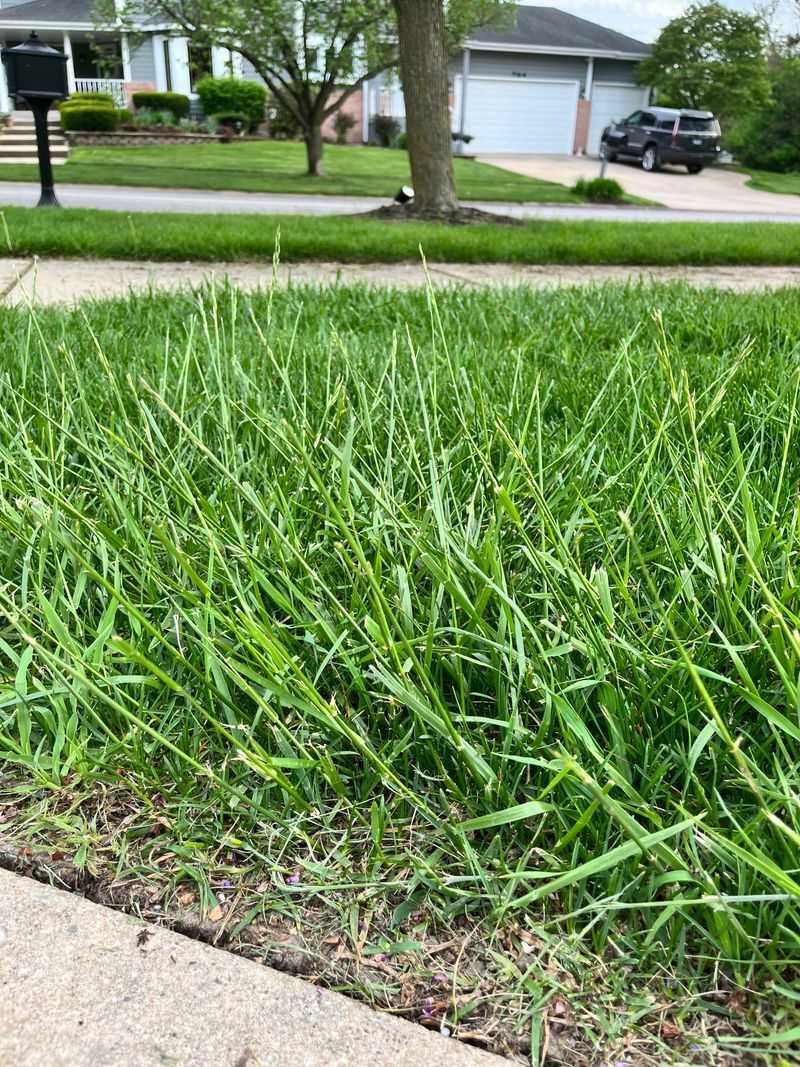
Tall grass is basically a welcome mat for ticks. When your lawn gets even a few inches beyond a normal mowing height, it creates a shaded, humid layer close to the ground where ticks love to wait for a passing host.
They cling to tall blades and brush onto people, pets, and wildlife without anyone noticing.
In Michigan, spring weather can be unpredictable, with rainy stretches that make it easy to fall behind on mowing. Aim to keep your grass at around three inches or shorter, especially in areas near patios, play sets, sidewalks, and garden borders.
Those transition zones between your lawn and garden beds are prime spots where ticks tend to gather.
Getting on a regular mowing schedule as soon as the ground dries out in April makes a huge difference. Even cutting every seven to ten days through the wet spring season helps reduce the moist, shaded conditions ticks depend on.
Pay extra attention to edges along fences, foundation plantings, and any areas where kids or pets spend time.
Shorter grass means more sunlight hits the soil, drying it out faster and making the environment far less comfortable for ticks to survive and stay active throughout the season.
2. Allowing Leaf Piles To Sit Too Long Into Spring
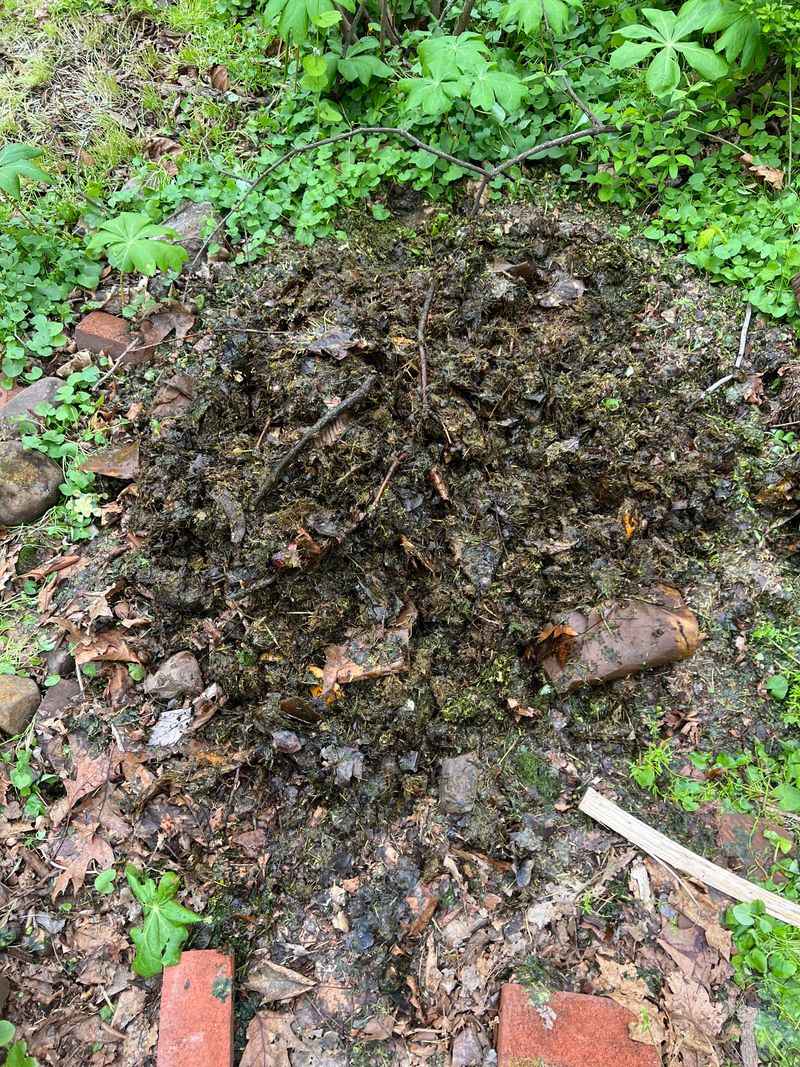
Most people think of leaf cleanup as a fall chore, but leftover leaf piles sitting through winter and into spring are a serious tick problem.
Damp, matted leaves create a perfectly insulated, humid hiding spot that ticks use to survive cold temperatures and emerge ready to feed once spring arrives.
Small rodents like mice also burrow into leaf litter, and those animals are major carriers of ticks.
If you missed fall cleanup or piles accumulated over winter, prioritize clearing them out as soon as the ground thaws in early spring. Focus first on areas closest to your home, walkways, play areas, and anywhere your family spends time outdoors.
The farther leaf debris sits from high-traffic zones, the lower your exposure risk becomes.
You do not need to strip every leaf from your entire yard. Leaving some natural leaf cover in far corners or along property edges away from the house can support beneficial insects and wildlife.
Your Michigan Garden Changes Every Week. Your Plan Should Too.
Gardening in Michigan changes quickly throughout the season. Every Friday you’ll receive a simple weekly plan showing exactly what to plant, prune, fertilize, harvest, and protect so you never miss the right timing.
The key is creating a clear buffer between decomposing organic material and the spaces where people and pets move around daily.
Bagging or composting leaf piles promptly, rather than letting them sit and soak through spring rains, removes one of the most reliable tick shelters hiding right in your own yard without much effort at all.
3. Planting Dense Shrubs Too Close To Patios And Walkways
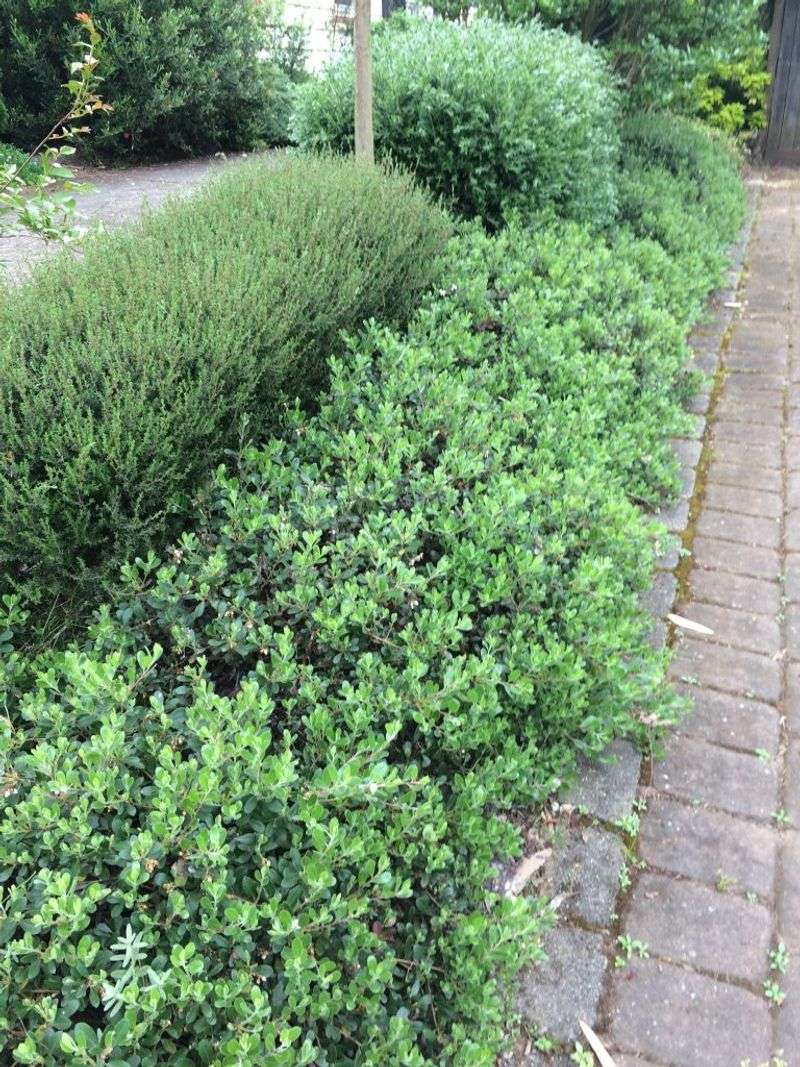
Lush, full shrubs look gorgeous around a patio, but when they are planted too close together or allowed to grow without regular pruning, they create exactly the kind of cool, dark, humid microclimate that ticks prefer.
Air barely moves through overcrowded plantings, moisture stays trapped near the soil, and ticks settle right in at the edge of where you spend your time outdoors.
Foundation shrubs within a few feet of a walkway, deck, or seating area deserve special attention every spring. Pruning them back so that sunlight can reach the base and airflow improves through the canopy makes the environment noticeably less hospitable for ticks.
Even thinning dense plantings by removing a few interior branches goes a long way toward drying things out.
Spacing also matters when adding new plants to your landscape. Choosing shrubs suited to their mature size and planting them with enough room to grow without crowding reduces the need for constant management later.
Ground covers planted beneath shrubs can help, but only if they stay low and allow sunlight to hit the soil. Thick, spreading ground covers that mat together behave similarly to leaf litter and can harbor the same problems.
Keeping your planting zones open, airy, and well-maintained near outdoor living spaces is one of the most effective long-term strategies for reducing tick pressure right where your family gathers.
4. Ignoring Wooded Edges Around The Property
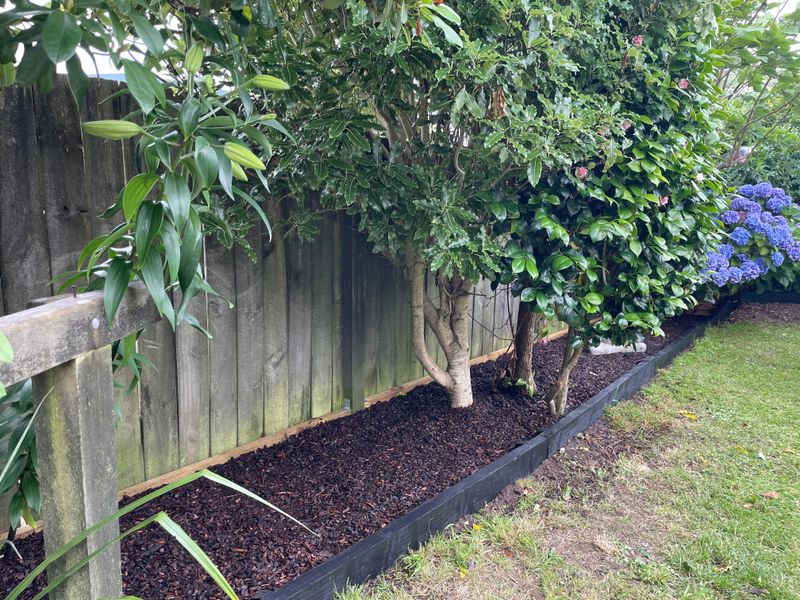
The border between your lawn and a wooded area is one of the most active zones for tick movement in any Michigan yard. Ticks do not roam far on their own, but they hitch rides on deer, mice, rabbits, and other wildlife that travel along these edges daily.
When that wooded border is thick with brush, tall weeds, and fallen branches, it becomes a launching pad for ticks moving toward your open yard.
Managing the transition zone does not mean removing trees or clearing natural areas entirely. A simple approach is to mow or trim a buffer strip of three to eight feet along the wooded edge regularly throughout spring and summer.
Keeping that strip short and open breaks the connection between the dense woodland habitat and your maintained lawn, making it harder for ticks to move through.
Laying a strip of wood chip mulch or gravel along the edge of the woods adds another layer of separation. Ticks tend to avoid crossing dry, loose material because it does not hold the moisture they need.
Trimming back overhanging branches that shade the lawn near the edge also helps dry out the soil faster after rain.
Spending even a little time managing this boundary each spring creates a meaningful barrier that reduces how many ticks end up wandering into the parts of your yard where your family actually spends time.
5. Feeding Deer Near The Yard Increases Tick Pressure

Deer are beautiful to watch from a distance, but drawing them close to your home is one of the fastest ways to increase tick activity on your property.
White-tailed deer are one of the primary hosts for blacklegged ticks, also called deer ticks, which are the species responsible for Lyme disease transmission in Michigan.
Every deer that walks through your yard can drop dozens of ticks along the way.
Putting out deer feeders, planting large patches of their favorite foods right next to the house, or leaving fallen fruit and garden scraps accessible all encourage deer to visit regularly.
Over time, this builds a steady flow of tick-carrying wildlife moving right through the spaces where your family plays and gardens.
Removing feeders entirely and relocating any deer-attracting plants away from high-traffic areas of the yard helps reduce how often deer pass through.
Planting deer-resistant species along your yard borders is a practical long-term strategy. Lavender, Russian sage, catmint, and ornamental grasses are far less appealing to deer and can serve as attractive landscape plants at the same time.
Fencing off garden areas with deer pressure can also reduce browsing without eliminating the natural look of your yard.
Fewer deer visits means fewer ticks dropped near your home, and that simple reduction in wildlife traffic makes a surprisingly noticeable difference in tick activity by midsummer.
6. Leaving Brush Piles Near Garden Beds Creates Tick Habitat
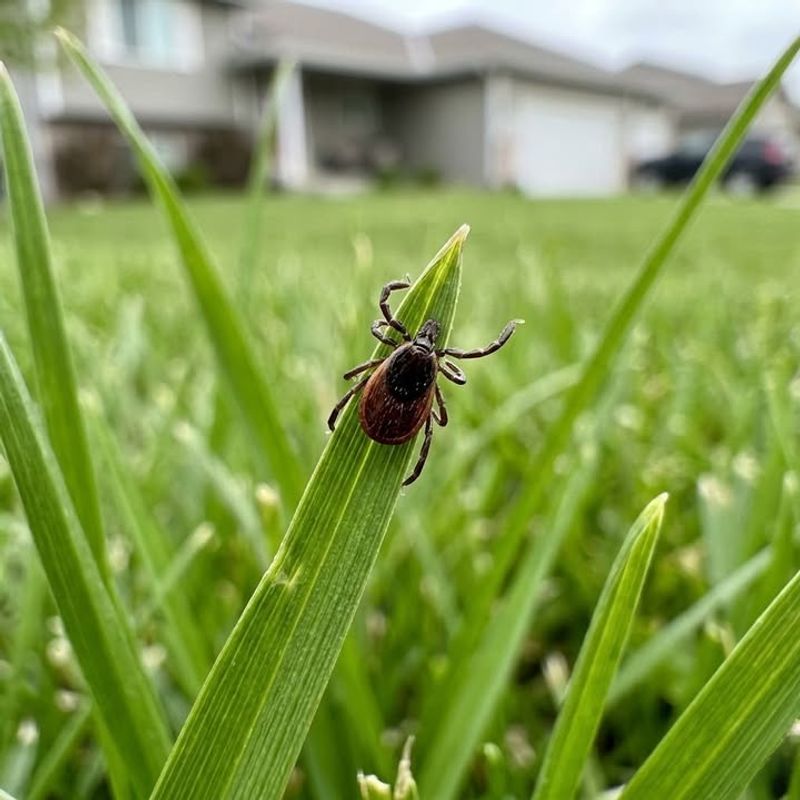
That pile of branches sitting in the corner of the yard since last fall might feel harmless, but it is essentially a five-star hotel for the small animals that carry ticks.
Mice, voles, and chipmunks love to nest in brush piles, and since these rodents are primary tick hosts, having them set up camp near your garden beds brings ticks right into the spaces where you dig and plant most often.
Spring is the right time to deal with any accumulated yard debris before tick season hits full stride. Stacked branches, old lumber, forgotten garden supplies, and cluttered corners all create the cool, sheltered, humid conditions that both ticks and rodent nesters find ideal.
Clearing these areas out and keeping them clear through the season removes a major source of tick introduction to your yard.
If you generate a lot of woody debris from pruning and yard work, consider chipping it for mulch or scheduling regular pickup rather than letting it stack up.
When temporary storage is necessary, keep brush piles as far from the house, garden beds, and play areas as possible.
Even moving a pile from ten feet away from your garden to the far back corner of your property meaningfully reduces the chance of ticks spreading into the areas where you and your family spend the most time working and relaxing outdoors each spring.
7. Skipping Mulch Borders Between Woods And Lawn Areas
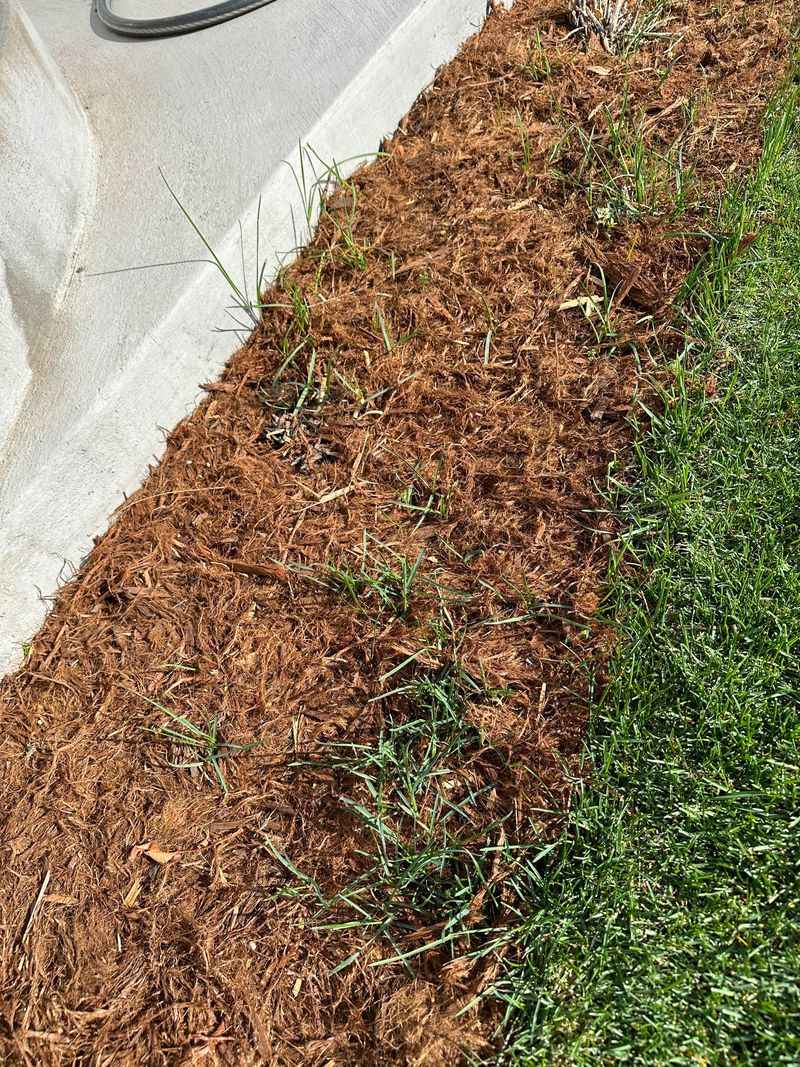
One of the most underrated tools for managing tick movement in a Michigan yard is a simple mulch border. A strip of dry wood chip mulch or gravel placed between a wooded area and your lawn acts as a physical barrier that ticks are reluctant to cross.
Ticks need moisture to survive, and dry, loose mulch dries out quickly in the sun, creating an environment they tend to avoid.
Research from the Connecticut Agricultural Experiment Station found that ticks rarely crossed a three-foot wood chip barrier in yard settings.
For Michigan homeowners dealing with wooded property edges, installing a border of at least three to four feet wide along that transition zone can noticeably reduce tick movement into the lawn.
Wider is better, especially in shadier spots where moisture lingers longer after rain.
Maintaining the border matters just as much as installing it. Rake mulch borders periodically to keep them loose and allow sunlight to reach through.
Replace mulch annually so it stays dry and does not compact into a dense mat that begins to behave more like leaf litter. Gravel or crushed stone works even better in very shaded spots since it holds no moisture at all.
Combining this barrier with regular mowing of the lawn edge and trimming back overhanging branches creates a layered defense that makes it genuinely harder for ticks to move from the woods into the heart of your yard.
8. Assuming Plants Alone Will Solve Tick Problems
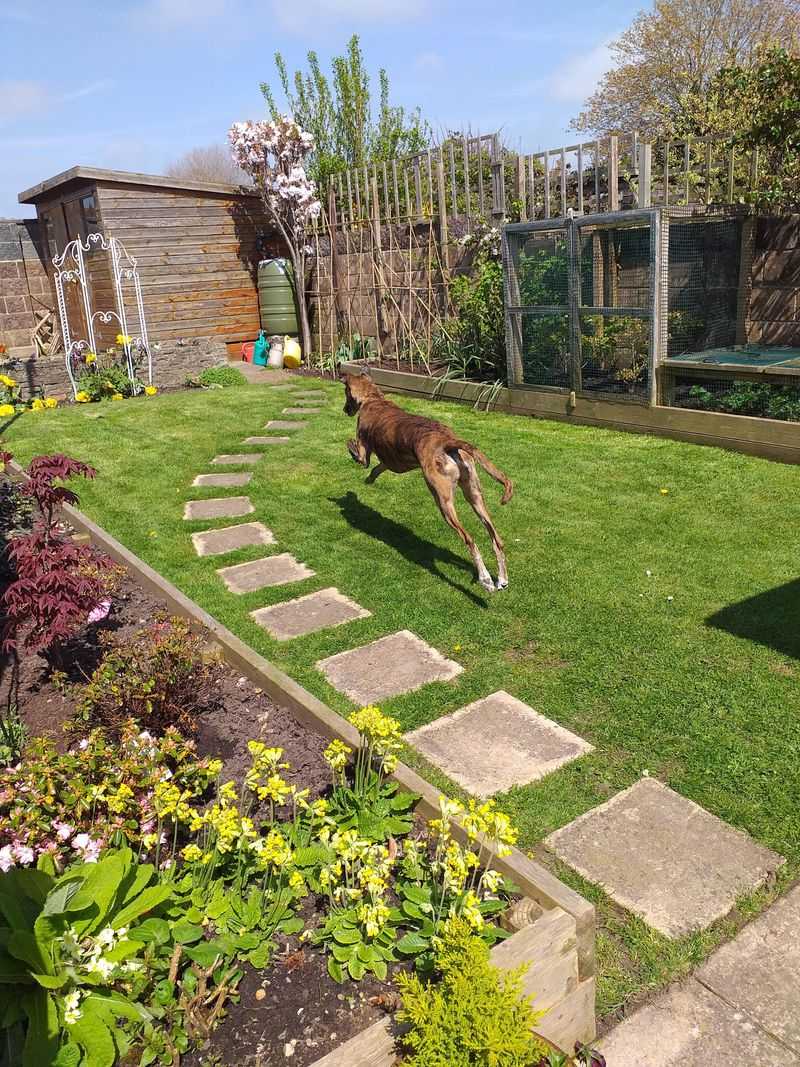
Fragrant herbs like lavender, rosemary, and mint get a lot of attention online as natural tick repellents. While they may have some minor deterrent effect, treating them as a complete solution is a mistake that leaves your yard far more vulnerable than it should be.
No plant alone is going to meaningfully reduce tick populations across an entire Michigan yard, especially without pairing it with real habitat management.
Ticks thrive based on conditions, not scent. Tall grass, leaf litter, brush piles, deer traffic, and unmaintained wooded edges matter far more than what you have growing in a garden bed.
Planting rosemary near your patio while ignoring an overgrown wooded border thirty feet away does very little to protect your family from tick exposure during spring and summer activities. A realistic approach combines several strategies working together.
Regular mowing, clearing debris, managing wooded edges, reducing deer attraction, installing mulch barriers, and checking yourself and your pets after time outdoors all contribute far more than any single plant ever could.
Tick checks after every outdoor session remain one of the most reliable ways to catch a tick before it has time to transmit anything.
Fragrant plants can absolutely be part of a beautiful, functional yard, but treating them as a standalone fix gives a false sense of security that may cause you to overlook the habitat changes that actually move the needle on tick reduction all season long.