The Secret To Keeping Salvia Blooming All Summer Long In Pennsylvania
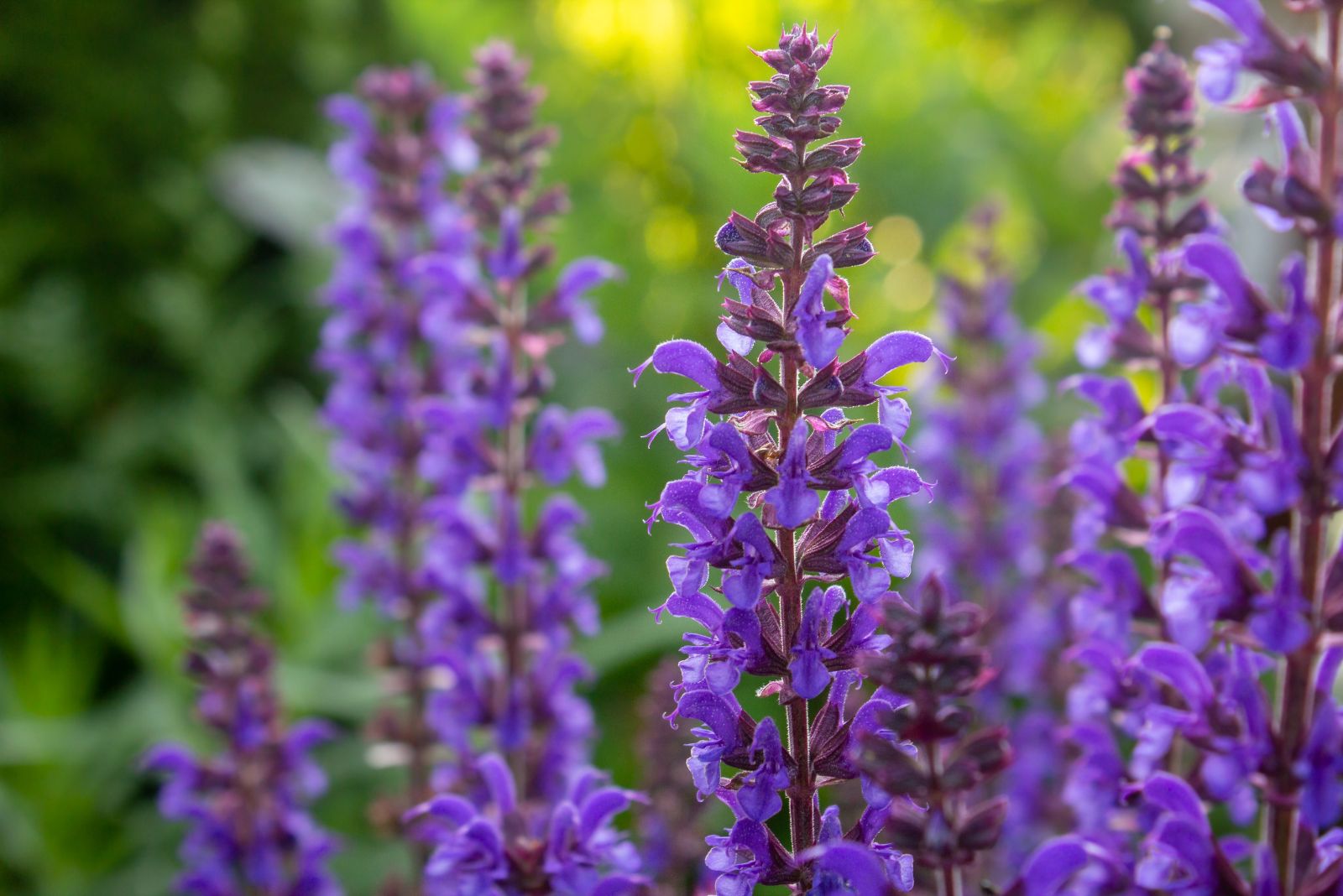
Salvia is one of those plants that looks like it should just take care of itself, and in the right conditions it almost does. Almost.
Pennsylvania summers can be unpredictable, swinging from cool and wet to hot and dry within the same month, and salvia responds to those shifts in ways that not every gardener catches in time.
A lot of Pennsylvania gardeners end up with salvia that blooms beautifully in early summer and then tapers off right when they want it most.
The plant is not failing. It is just not getting what it needs to keep pushing new blooms through the heat.
The difference between a salvia that peaks in June and one that keeps going strong into September usually comes down to a few specific habits that are easy to overlook.
Once you know what actually drives repeat blooming in this plant, keeping it going all summer becomes much less of a guessing game.
1. Give Salvias Plenty Of Direct Sun
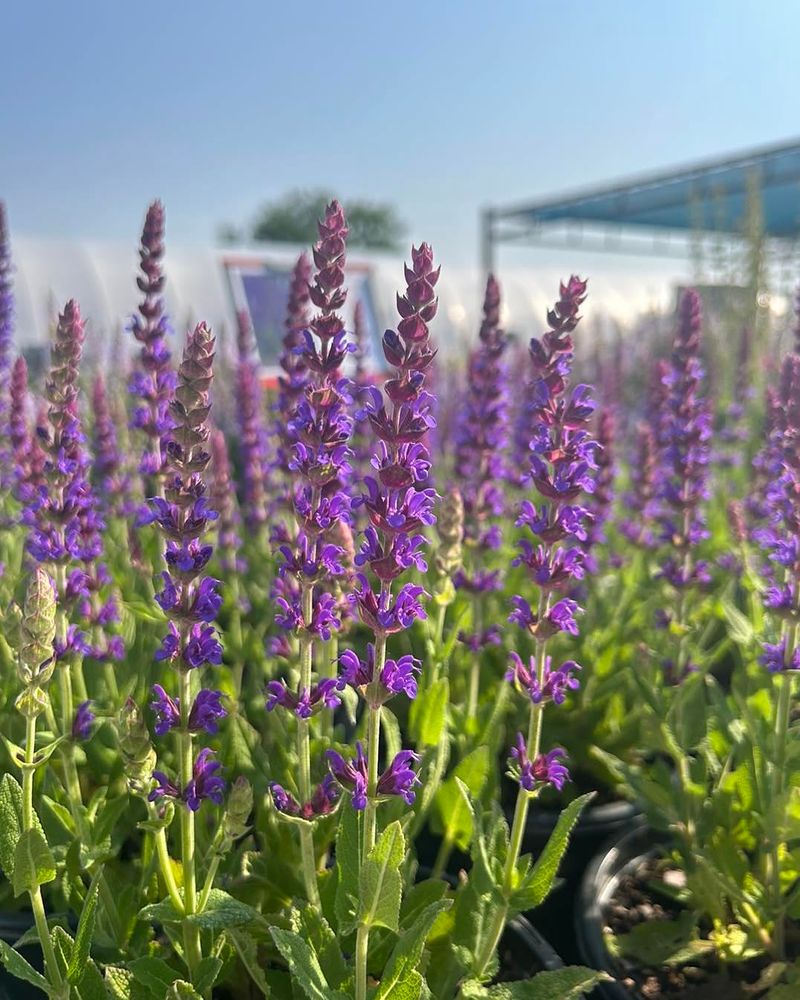
Sunlight is the single biggest factor in getting salvia to bloom its best. Without enough of it, plants get leggy, pale, and flower much less than they should.
Salvia needs at least six full hours of direct sunlight every single day to perform well throughout the season.
Pennsylvania summers offer plenty of sunshine, but placement really matters. A spot along a south-facing fence, an open garden bed, or a sunny front yard works great.
Avoid planting salvia near tall shrubs or trees that cast shade during the afternoon hours, since that afternoon sun is often the most intense and most useful for flower production.
Young plants especially need strong light to get established quickly. When they are planted in full sun from the start, their root systems develop faster and their stems grow sturdier. Sturdy stems support more flower spikes, which means more blooms for you to enjoy.
If your salvia is already in a partially shaded spot and struggling to bloom, consider moving it during a cooler part of the day in early summer.
Transplanting can stress plants temporarily, but a sunnier location will pay off big time by midsummer. Water well after moving and watch for new growth within a couple of weeks.
One quick tip: morning sun combined with a little afternoon shade in the hottest weeks of July and August can actually help salvia in Pennsylvania stay hydrated without losing too much bloom power.
Full sun is the goal, but smart placement makes all the difference when summer temperatures climb high.
2. Deadhead Spent Flower Spikes Regularly
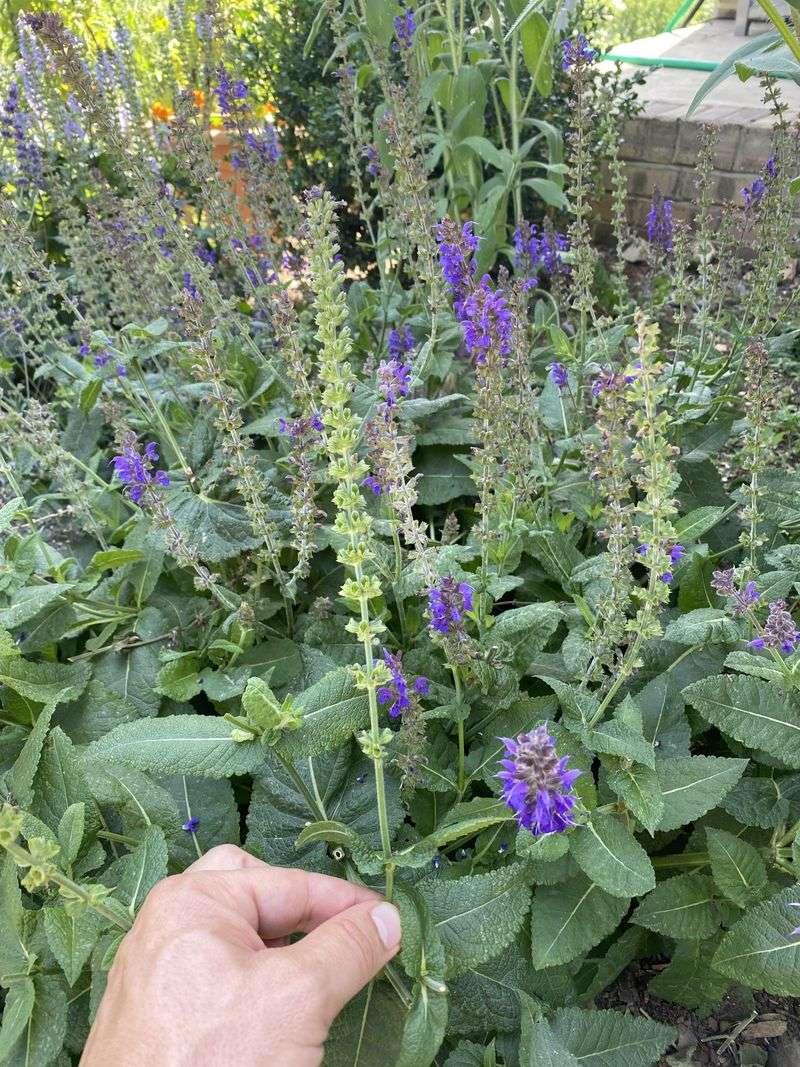
Here is a simple truth most gardeners learn quickly: salvia stops putting energy into new blooms once it thinks its job is done. When flower spikes fade and go to seed, the plant shifts focus away from flowering.
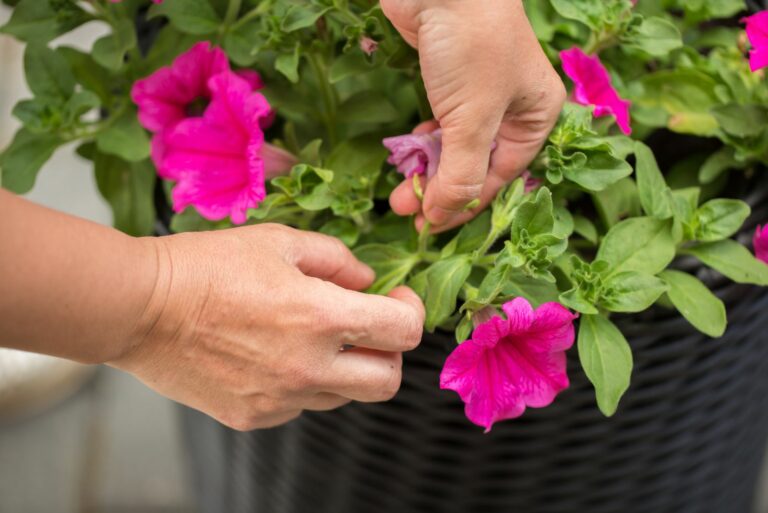
Deadheading, which means removing those old spent spikes, tricks the plant into producing fresh blooms again and again.
All you need is a clean pair of scissors or small garden pruners. Snip the faded flower spike off just above the first set of healthy green leaves below it.
Your Pennsylvania Garden Changes Every Week. Your Plan Should Too.
Gardening in Pennsylvania changes quickly throughout the season. Every Friday you’ll receive a simple weekly plan showing exactly what to plant, prune, fertilize, harvest, and protect so you never miss the right timing.
Do this every week or two throughout the summer and you will be amazed at how quickly new buds form and open up.
Pennsylvania summers can be long and warm enough for salvia to push out three or even four rounds of blooms if you stay on top of deadheading.
Skipping even one or two rounds of cleanup can slow the whole process down noticeably. Making it a regular garden habit pays off more than almost any other maintenance task.
Some gardeners find deadheading almost meditative. Walking through the garden in the early morning with a small basket, snipping off old blooms while checking on plant health, is a relaxing and productive routine.
You get to enjoy the garden up close while actively encouraging more flowers at the same time.
A fun fact worth knowing: certain salvia varieties are more self-cleaning than others and will drop their spent blooms on their own.
But even those benefit from occasional manual deadheading to keep growth tidy and encourage the fastest possible rebloom cycle throughout the season.
3. Avoid Overwatering Established Plants
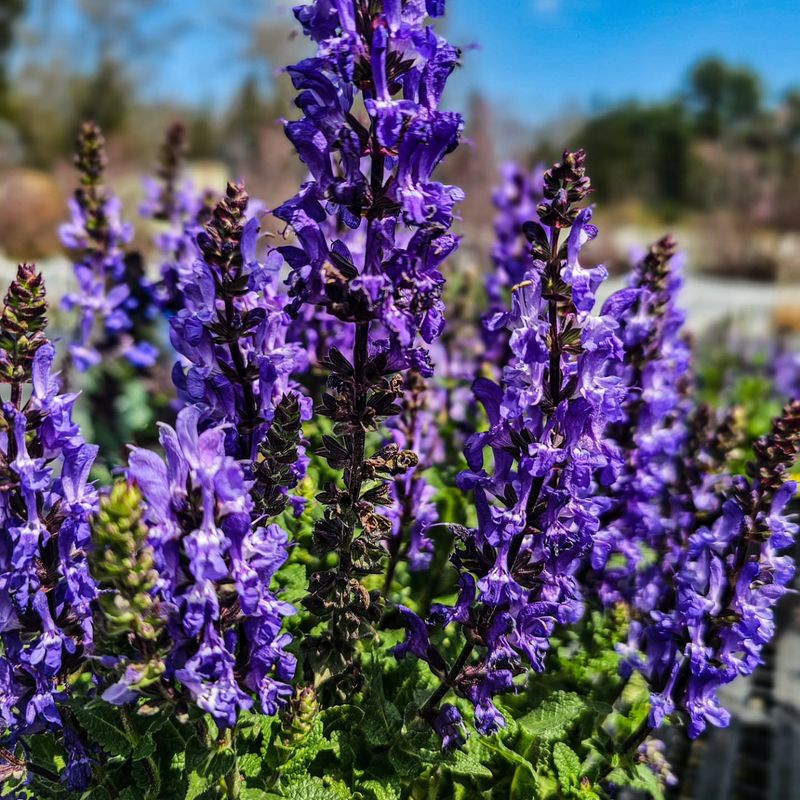
Watering salvia feels like the right thing to do, especially during a hot Pennsylvania summer. But overwatering is actually one of the most common reasons salvia stops blooming well.
Established salvia plants are surprisingly drought-tolerant and prefer to dry out a little between waterings rather than sit in constantly moist soil.
Soggy roots lead to root rot, yellowing leaves, and a dramatic drop in flower production. Well-draining soil is absolutely essential for salvia to thrive.
If your garden bed holds water after rain, consider amending the soil with coarse sand or perlite, or build a slightly raised bed to improve drainage before planting.
Once salvia is established, usually after its first four to six weeks in the ground, it only needs watering during extended dry spells. A good rule of thumb is to water deeply once a week if there has been no significant rainfall.
Deep, infrequent watering encourages roots to grow downward and become more resilient during hot stretches. Mulching around the base of plants helps regulate soil moisture beautifully.
A two-inch layer of wood chip mulch or shredded bark keeps the soil from drying out too fast after watering while also preventing waterlogging during rainy periods. It also keeps weeds down, which is an added bonus.
New transplants are the exception to the hands-off watering approach. They need consistent moisture for the first few weeks while their roots settle in.
After that, stepping back and letting the soil cycle between moist and slightly dry is exactly what salvia needs to focus its energy on producing blooms rather than just surviving.
4. Trim Plants Lightly After Heavy Bloom Cycles
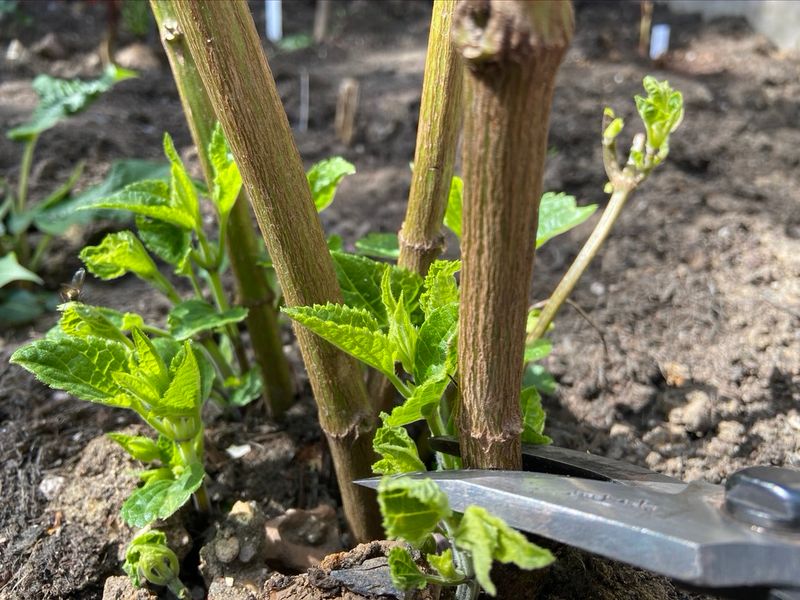
Every salvia plant hits a point in midsummer where it looks a little worn out. The first big flush of blooms has faded, the stems look stretched, and new flower spikes are slow to appear.
That is the perfect moment to give your salvia a light haircut and reset its growing energy for a fresh second wave.
You do not need to cut salvia back severely. Removing about one-third of the plant’s height is usually enough to encourage strong new growth without shocking the plant.
Use clean, sharp garden shears and cut just above a set of healthy leaves or a side shoot. Within a week or two, you will notice fresh green growth pushing out from below the cut points.
Timing matters with this technique. In Pennsylvania, the best window for a midsummer trim is usually late June through mid-July, depending on when your salvia had its first major bloom cycle.
Trimming too late in the season risks cutting off new buds that are already forming for a fall flush of color.
After trimming, give plants a light watering if the soil is dry and consider adding a thin layer of compost around the base. The compost feeds the soil gently and supports the new growth surge that follows a trim.
Avoid heavy fertilizing right after cutting since that can push leafy growth instead of flower development.
Gardeners who skip this midsummer step often end up with tall, floppy plants and fewer blooms in August and September. A small amount of effort in July leads to a much more colorful and productive garden for the rest of the summer season.
5. Use Moderate Fertilizer Instead Of Heavy Feeding
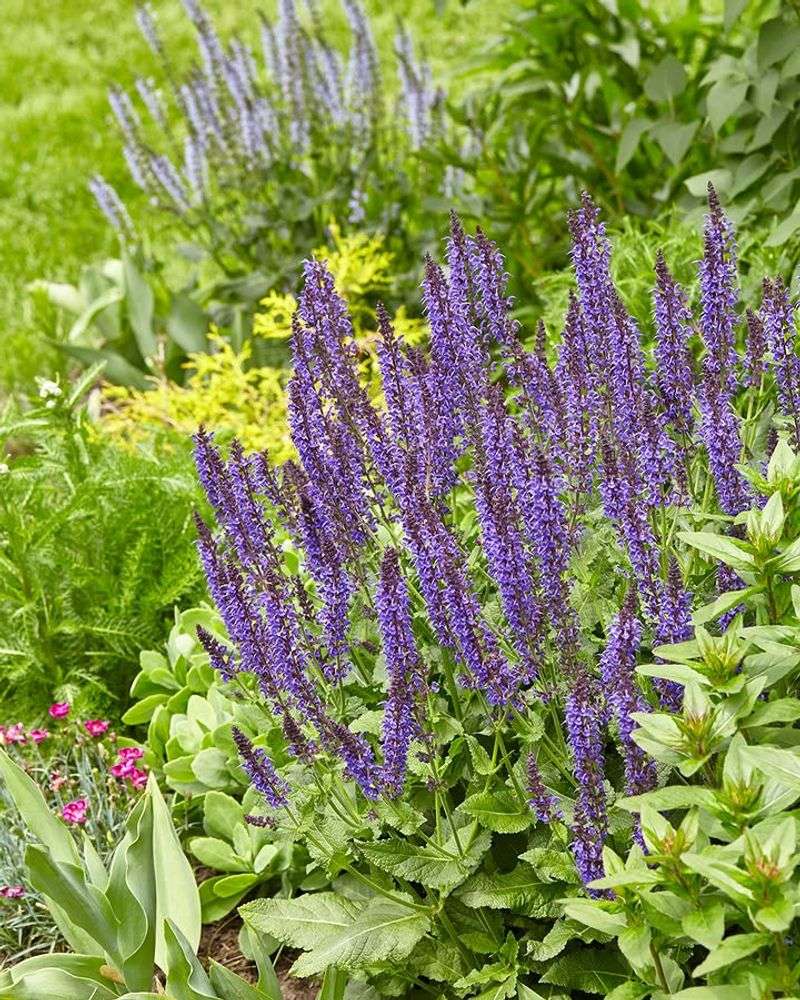
More fertilizer does not always mean more flowers. With salvia, it often means the exact opposite.
Overfeeding salvia, especially with nitrogen-heavy fertilizers, pushes the plant to grow lots of lush green leaves while producing far fewer of the flower spikes you actually want. Finding the right balance is key to keeping blooms coming all summer.
A balanced, slow-release granular fertilizer applied once at the start of the growing season is usually all salvia needs.
Look for a product with roughly equal parts nitrogen, phosphorus, and potassium, sometimes labeled as an all-purpose or bloom-boosting formula.
Phosphorus in particular supports flower development, so a fertilizer slightly higher in phosphorus than nitrogen can be a smart choice for flowering plants.
In Pennsylvania, where spring rains can wash nutrients out of the soil faster than in drier climates, a second light feeding in early July can help sustain blooms through the hottest part of the season. Keep it light though.
Half the recommended dose is often plenty for established salvia plants growing in decent garden soil.
Liquid fertilizers work quickly but need to be applied more carefully to avoid overstimulating leafy growth. If you prefer liquid feeding, dilute it more than the label suggests and apply it no more than once a month during summer.
Organic options like fish emulsion or liquid kelp are gentler and less likely to cause nutrient overload.
Healthy garden soil amended with compost often provides enough baseline nutrition that salvia needs very little added fertilizer at all.
Testing your soil every few years helps you understand exactly what your garden needs so you never over-apply and accidentally reduce your flower count.
6. Improve Airflow Around Plants
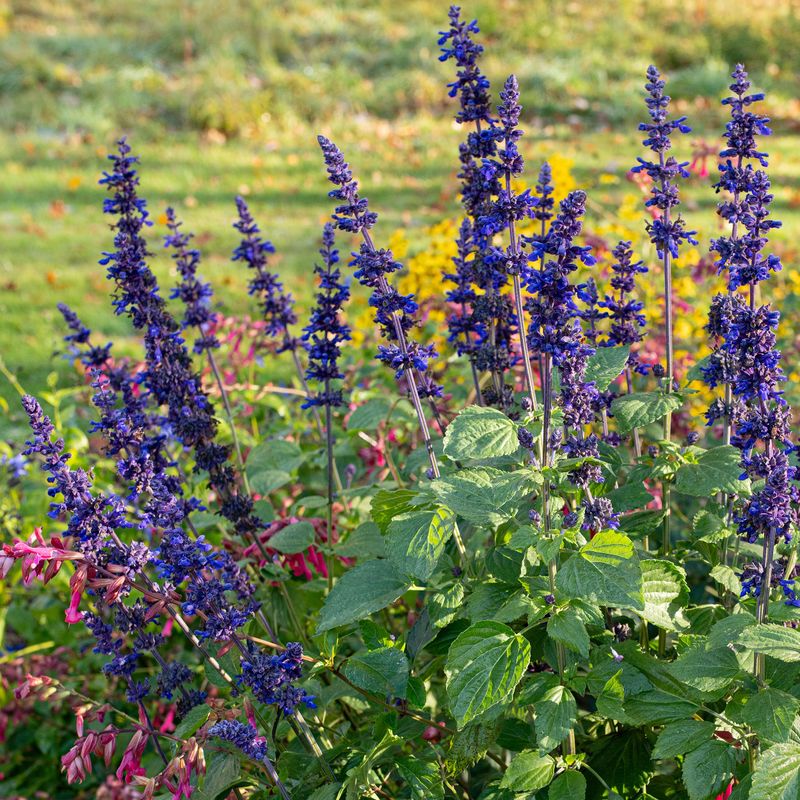
Pennsylvania summers are famously humid, and that moisture in the air creates the perfect conditions for powdery mildew and other fungal issues to take hold on garden plants. Salvia is not immune.
When plants are crowded too closely together, air cannot circulate freely around the leaves and stems, and disease spreads much more easily from one plant to the next.
Spacing salvia plants properly from the start makes a huge difference. Most varieties do best when planted at least eighteen to twenty-four inches apart, depending on the mature size of the cultivar.
That open space between plants allows air to move freely, foliage to dry out after rain or morning dew, and sunlight to reach all parts of the plant rather than just the top.
If you already have salvia planted too closely together, thinning them out is a worthwhile project. Carefully remove every other plant and transplant the extras to a new location or share them with a neighbor.
The remaining plants will reward you with better health, stronger stems, and more consistent blooming through the summer.
Weeds growing between salvia plants also restrict airflow and compete for water and nutrients. Keeping the area around your salvia clean and clear is a simple but powerful habit.
Pull weeds as soon as you spot them rather than letting them grow tall and dense around your plants. Good airflow also helps salvia handle temperature swings better.
On hot, sticky Pennsylvania days, a plant with room to breathe stays healthier and keeps producing blooms longer than one packed tightly into a crowded bed. A little extra space truly goes a long way for summer-long flowering success.