These Plants Repel Rabbits From Michigan Gardens So Reliably Neighbors Will Ask What You Did
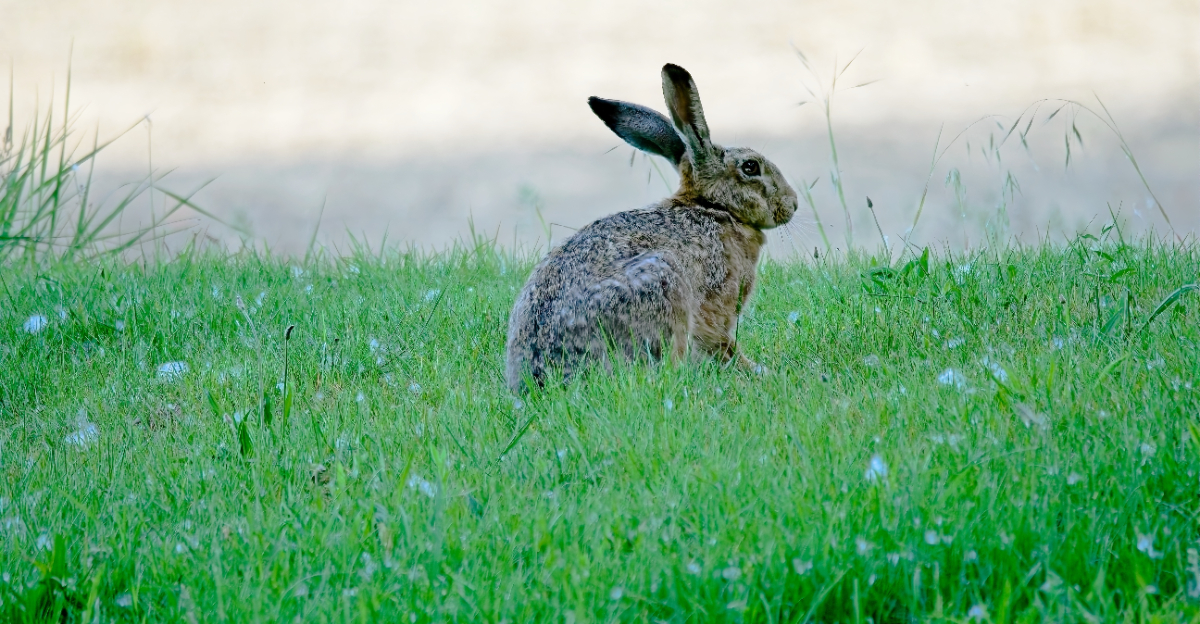
Rabbits in Michigan are persistent and they have good taste. They tend to go straight for the most carefully tended parts of a garden and leave the weeds completely untouched.
Fencing helps but it is not always practical or attractive, and repellent sprays need constant reapplication especially after rain. Some gardeners have found a more permanent solution by simply changing what they grow in vulnerable spots.
Certain plants are so unpleasant to rabbits in terms of smell, texture or taste that they stop visiting areas where those plants are present. The effect is consistent enough that neighbors start noticing.
The beds stay intact, nothing needs to be sprayed, and the plants doing the work tend to be ones worth growing for their own sake regardless of what they do to the local rabbit population.
1. Lavender
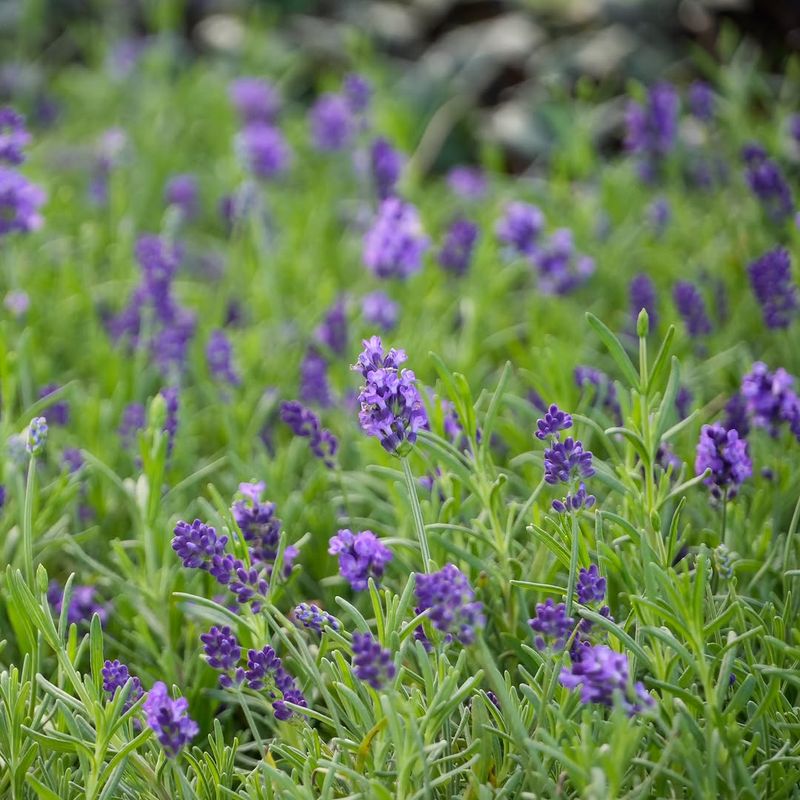
Few plants earn their place in a garden quite like lavender. That signature fragrance humans adore is exactly what sends rabbits in the other direction.
Their sensitive noses find the strong essential oils overwhelming, and the woody, bristly texture of lavender stems makes it even less appealing as a snack.
Growing lavender successfully in Michigan means choosing the right spot. Full sun is non-negotiable, ideally six to eight hours daily.
Excellent drainage matters just as much, since lavender roots rot quickly in heavy, wet soil. Raised beds or sloped areas with sandy or amended soil work beautifully.
Winter survival depends on the variety you choose. English lavender, especially cultivars like Hidcote and Munstead, handles our winters far better than Spanish or French types.
Planting near a south-facing wall adds extra warmth during cold months. Pruning keeps lavender healthy and productive. Trim back lightly after the first flush of blooms in midsummer, cutting into the leafy growth but never into bare woody stems.
This encourages a second bloom and prevents the plant from getting leggy. Pollinators absolutely love lavender flowers.
Bees, butterflies, and beneficial insects flock to the blooms all season long, making it one of the most hardworking plants you can add to a sunny border.
2. Catmint
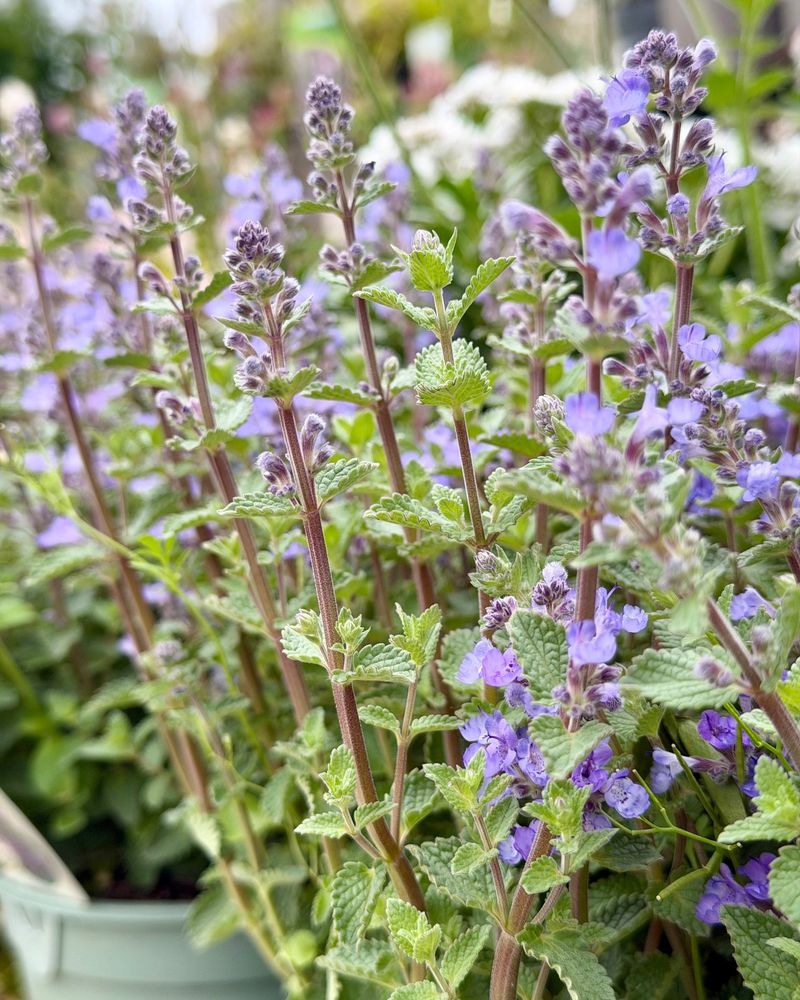
Catmint has a reputation for charming gardeners while quietly keeping rabbits at bay. The aromatic oils locked inside its soft, fuzzy leaves create a scent profile that rabbits find unappealing, especially compared to the tender, sweet foliage they prefer to munch on.
One of the best things about catmint is how easy it is to grow. Once established in a sunny garden, it handles dry spells with impressive toughness.
It thrives in full sun to light shade and prefers well-drained soil, though it tolerates average garden conditions without much fuss.
The real secret to keeping catmint looking great all season is a hard trim after the first bloom. Cutting it back by about one-third right after the flowers fade encourages a fresh flush of blooms in late summer.
That second round of purple-blue flowers is often just as showy as the first.
Catmint spreads into soft, mounding clumps that look gorgeous along pathways, garden edges, and mixed borders. Varieties like Walker’s Low stay tidy and manageable without taking over the whole bed.
Your Michigan Garden Changes Every Week. Your Plan Should Too.
Gardening in Michigan changes quickly throughout the season. Every Friday you’ll receive a simple weekly plan showing exactly what to plant, prune, fertilize, harvest, and protect so you never miss the right timing.
Pollinators go wild for catmint. Bumblebees, honeybees, and butterflies visit the flowers constantly from late spring through early fall.
Planting it near vegetable gardens or fruiting plants can actually boost pollination in those areas while keeping rabbits away at the same time.
3. Sage
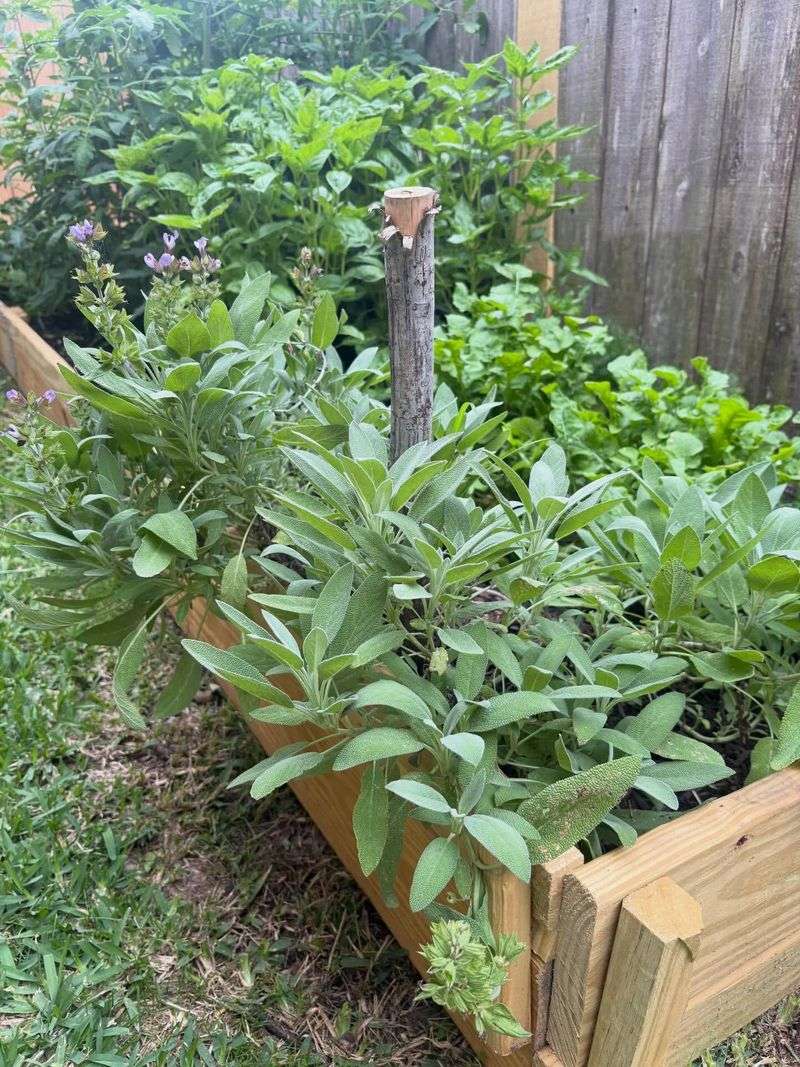
Sage brings double duty to the Michigan garden. It gives you a steady supply of flavorful leaves for cooking, and its powerful fragrance works as a natural rabbit deterrent.
Rabbits rely heavily on scent to find food, and sage essentially signals that this corner of the garden is not worth investigating.
The textured, slightly rough surface of sage leaves also plays a role. Rabbits strongly prefer smooth, tender foliage, so the pebbly texture of sage adds another layer of protection beyond just the smell.
Planting sage near softer herbs like basil or parsley can help shield those more vulnerable plants.
For Michigan gardeners, full sun and sharp drainage are the two most important factors. Sage planted in soggy or poorly draining soil tends to struggle, especially through wet Michigan springs.
Raised beds or containers with added perlite work well for problem spots. Watering should be moderate.
Once established, sage is fairly drought tolerant and does not need frequent irrigation. Overwatering is actually one of the most common mistakes gardeners make with this plant.
Pruning after flowering keeps sage bushy and productive. Cutting back the flowering stems encourages fresh leafy growth and prevents the plant from becoming too woody.
As a bonus, sage flowers attract bees and other pollinators throughout the summer, making it a genuinely useful addition to any herb or vegetable garden.
4. Yarrow
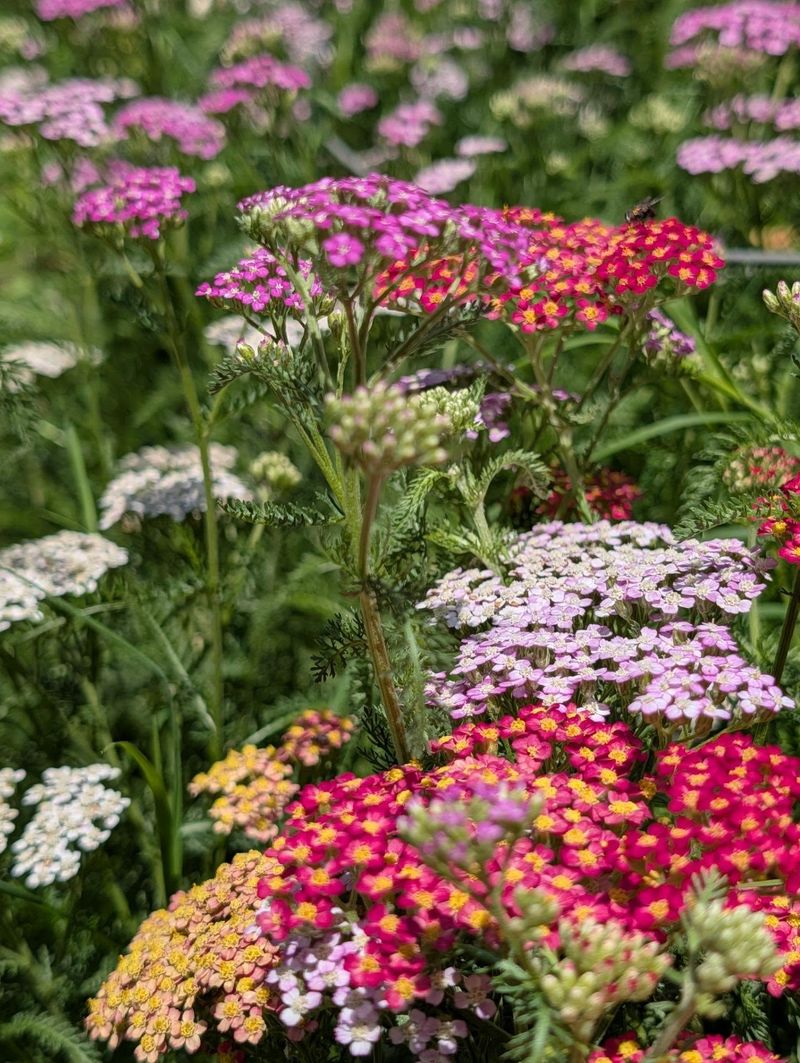
Yarrow is one of those plants that earns serious respect once you see how well it performs in tough conditions. Rabbits tend to leave it alone, largely because of its strongly aromatic, fernlike foliage.
That distinctive herbal scent is pleasant to most humans but off-putting enough to discourage browsing rabbits from making it part of their regular menu.
Michigan gardeners love yarrow for more than just its rabbit resistance. It blooms for an incredibly long season, often from early summer all the way into fall, and comes in a wide range of colors including white, yellow, pink, and deep red.
The flat-topped flower clusters are a favorite landing pad for butterflies and native bees.
Yarrow is also remarkably tough. It tolerates clay soils that would stress many other perennials, handles dry spells without wilting, and spreads steadily to fill open areas in the garden.
Full sun brings out the best blooms, though it can manage with slightly less. Maintenance is minimal. Removing spent flowers encourages continued blooming, and cutting the whole plant back in late fall keeps the garden looking tidy going into winter.
Dividing clumps every few years refreshes the plant and controls spread.
For gardeners looking to build a low-maintenance, pollinator-friendly border that rabbits walk right past, yarrow belongs near the top of the list. It is reliable, beautiful, and genuinely hard to mess up.
5. Russian Sage
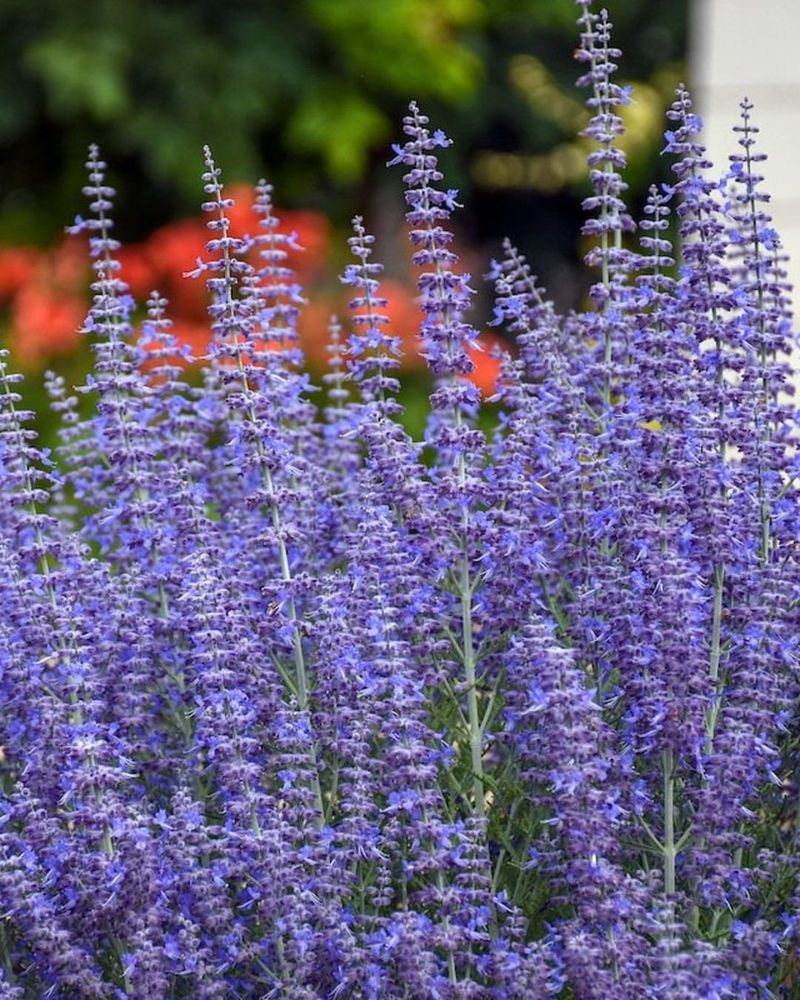
Russian sage looks like something out of a dream garden, with its tall, airy silver stems and hazy clouds of lavender-blue flowers. Rabbits, however, want nothing to do with it.
The intensely fragrant foliage and woody, fibrous stems make it one of the least appealing plants a rabbit could encounter in a Michigan yard.
Growing Russian sage in Michigan is straightforward as long as you respect its two biggest needs: full sun and excellent drainage. Wet or compacted soil is the fastest way to lose this plant.
Sandy or amended beds where water moves freely give it the best chance to thrive and spread into a gorgeous, wispy clump.
Drought tolerance is one of Russian sage’s strongest qualities. Once established, it needs very little supplemental watering, making it a smart choice for gardeners who want beauty without constant maintenance.
Hot, dry summers that stress other plants barely slow this one down. Pruning is simple but important. Cut stems back hard in early spring before new growth emerges, leaving about six inches from the ground.
This keeps the plant from getting floppy and encourages strong, upright new growth each season.
Winter hardiness is solid in most of Michigan, typically surviving in zones 5 and 6 without protection.
Pairing Russian sage with other pollinator favorites like coneflower or black-eyed Susan creates a stunning summer display that bees and butterflies will visit all season long.
6. Bee Balm
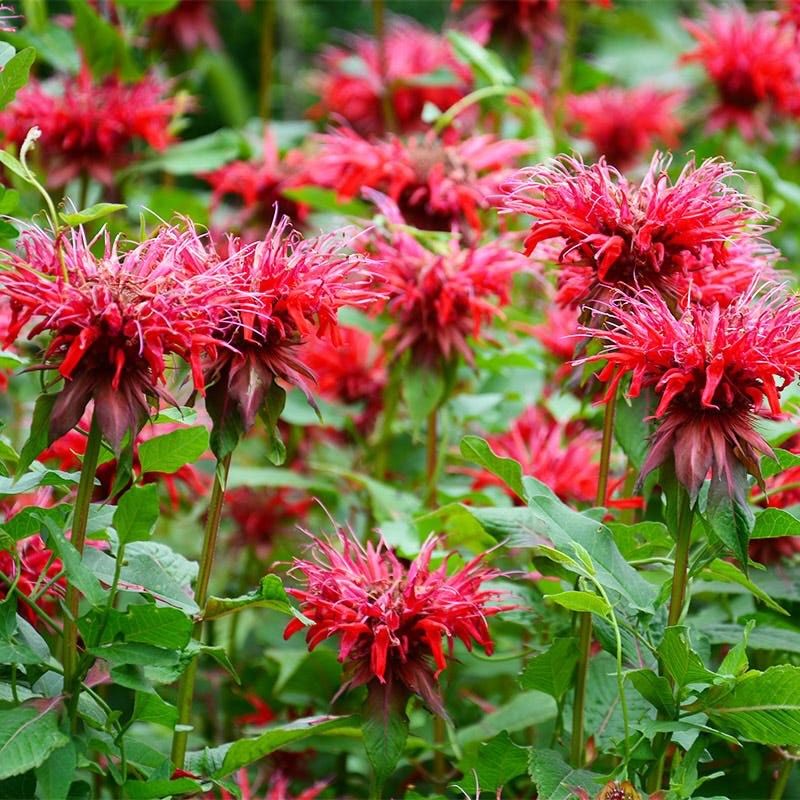
Bee balm is one of those plants that feels like it belongs in every garden. Native to North American woodlands and meadows, it produces bold, shaggy flowers in shades of red, pink, purple, and white that hummingbirds and pollinators simply cannot resist.
Rabbits, on the other hand, tend to browse it far less often than softer, sweeter-smelling plants nearby.
The reason rabbits usually pass on bee balm comes down to fragrance. The foliage carries a strong minty-oregano scent from its natural aromatic oils.
While that smell is appealing to humans and pollinators, it tends to steer rabbits toward easier, less pungent options in the garden.
Bee balm grows best in full sun with at least six hours of direct light daily. It can handle partial shade, though flowering tends to be less impressive.
Consistent moisture keeps it happy, and it actually tolerates heavier Michigan soils better than many other perennials.
Powdery mildew is the most common challenge with bee balm. Good airflow is the best prevention, so space plants about 18 to 24 inches apart and avoid planting them too close to walls or dense shrubs.
Mildew-resistant varieties like Jacob Cline and Raspberry Wine perform especially well in Michigan conditions.
Cutting plants back by half after the first bloom often triggers a second flush of flowers. That extra bloom period extends the garden’s appeal for hummingbirds well into late summer.
7. Thyme
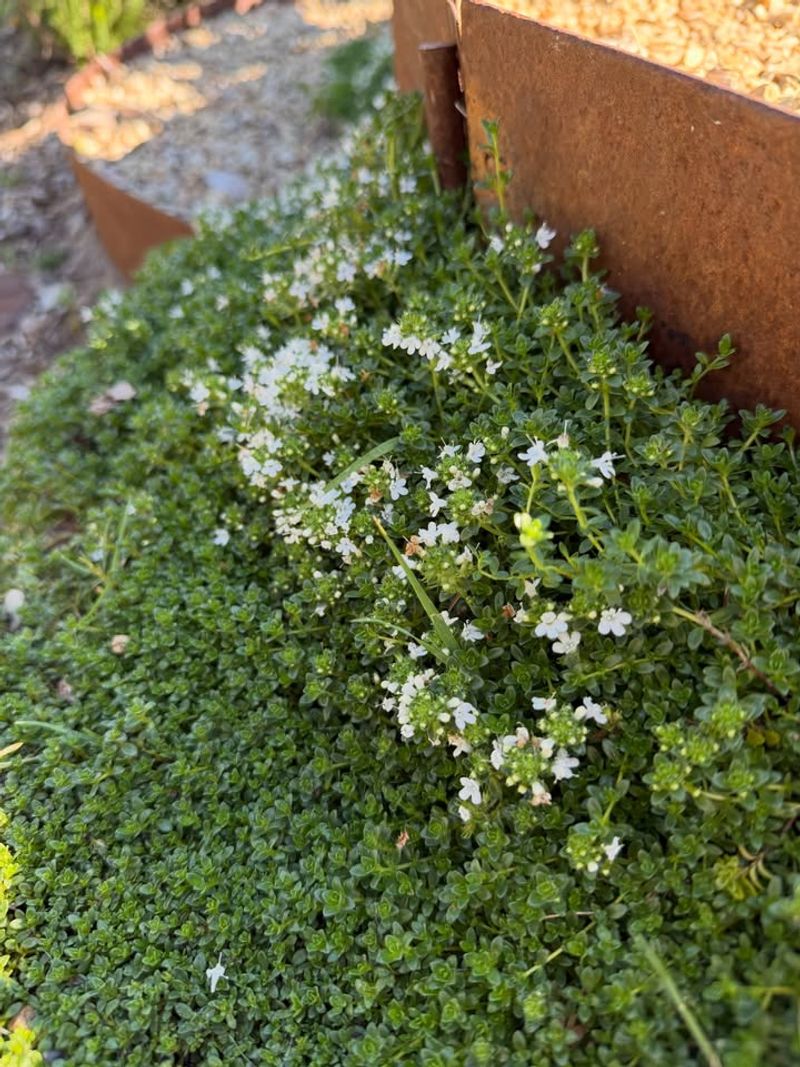
Thyme might be small, but it punches well above its weight when it comes to keeping rabbits out of the garden. The strong aromatic oils that make thyme so valuable in the kitchen are the same compounds that make rabbits turn their noses up and move along.
It is one of the most practical rabbit deterrents you can plant right along garden edges and pathways.
Creeping thyme varieties work especially well as ground covers along borders and between stepping stones. They stay low, spread slowly, and release their fragrance whenever brushed or lightly stepped on.
That constant scent presence creates an aromatic perimeter that rabbits find discouraging.
Full sun and excellent drainage are thyme’s two non-negotiable requirements. It thrives in lean, slightly sandy or rocky soil and actually blooms more freely when not overfed with rich compost or fertilizer.
Heavy, wet Michigan soils should be amended with gravel or coarse sand before planting. Winter survival is solid for most thyme varieties in Michigan, especially common thyme and creeping thyme.
A light layer of mulch after the ground freezes helps protect roots during harsh winters without smothering the plant.
Watering needs are minimal once established. Thyme prefers to dry out between waterings, and overwatering is a far bigger risk than drought.
Light trimming after flowering keeps plants compact and encourages fresh, fragrant growth throughout the growing season.
8. Daffodils
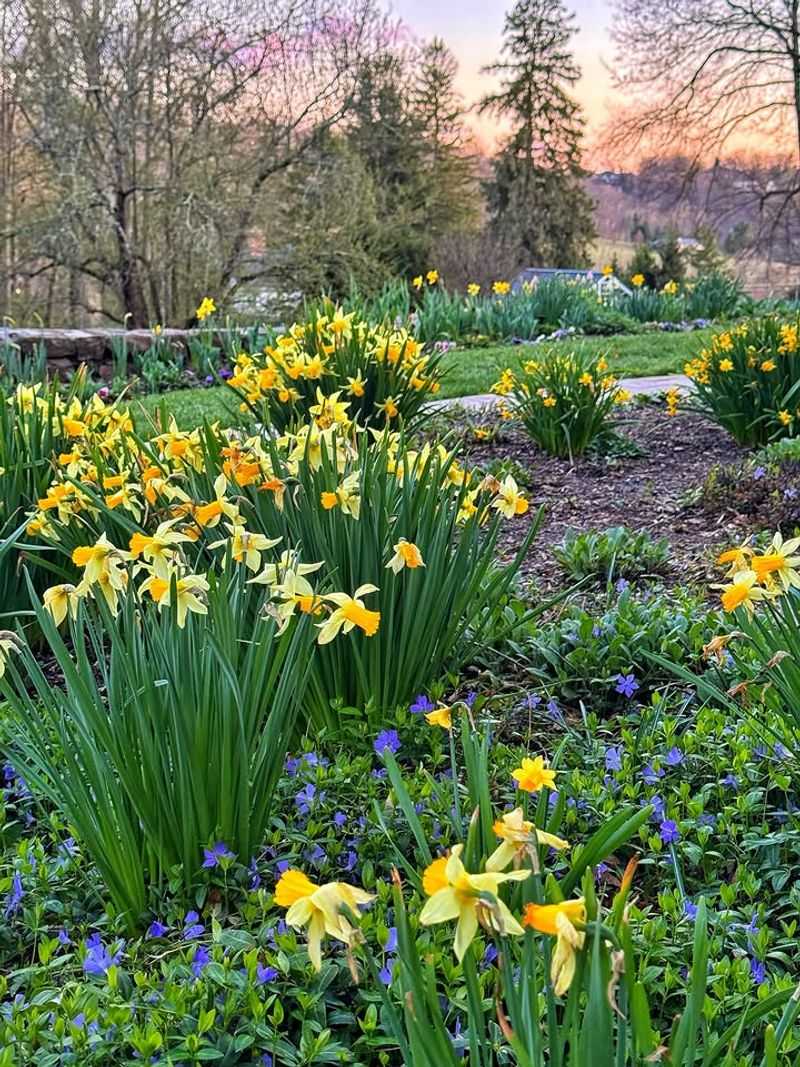
Every spring, daffodils put on one of the most cheerful shows in the Michigan garden, and rabbits want absolutely nothing to do with them.
Unlike tulips, which rabbits munch enthusiastically, daffodils contain alkaloid compounds throughout the entire plant that make them highly unappealing to browsing animals.
Rabbits seem to know instinctively to leave them alone. Planting daffodil bulbs in Michigan is best done in fall, ideally between September and November before the ground freezes.
Bulbs need to go in at a depth of about two to three times their diameter, which typically means six to eight inches deep for standard-sized bulbs.
This depth protects them from frost heaving and gives roots plenty of room to establish.
Full sun to partial shade suits daffodils well. They bloom early enough in spring that deciduous trees have not fully leafed out yet, making spots under future shade workable for spring flowering.
Well-drained soil keeps bulbs healthy through winter and spring wet spells. One of the most rewarding qualities of daffodils is their tendency to naturalize. Clumps multiply over the years, producing more blooms each spring without requiring replanting.
Dividing overcrowded clumps every four to five years refreshes their vigor and gives you extra bulbs to spread around the yard.
Mixing daffodils with tulips or other spring bulbs provides built-in protection for those more vulnerable neighbors, since rabbits typically avoid the entire area once daffodils are present.
9. Alliums
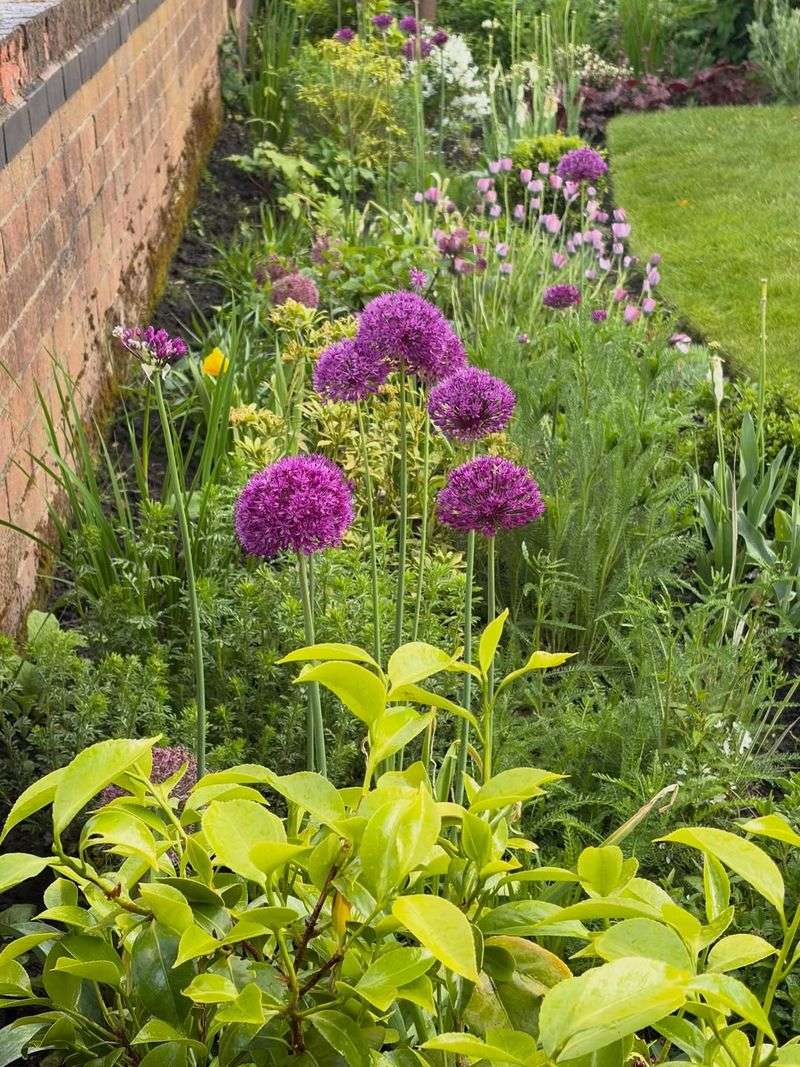
Ornamental alliums bring some of the most striking flowers in the spring and early summer garden, and they come with a built-in rabbit deterrent. Every part of the allium plant, from the bulb to the stem to the foliage, carries that unmistakable onion scent.
Rabbits rely heavily on smell when foraging, and this aroma is one they consistently avoid.
The globe-shaped flower heads of ornamental alliums are genuinely showstopping. Varieties like Globemaster and Purple Sensation produce large, perfectly round clusters of tiny purple flowers on tall stems that rise well above surrounding plants.
Bees and butterflies are drawn to the blooms from the moment they open.
Planting allium bulbs in Michigan follows the same fall timing as other spring bulbs, with October being ideal. Depth should be about three times the bulb’s diameter, typically four to six inches for medium-sized varieties and up to eight inches for large ones.
Full sun and well-drained soil produce the strongest stems and biggest blooms.
After flowering, the seed heads remain attractive for weeks and can be left on the plant to add texture to the summer garden. Foliage does yellow and fade after bloom, which is normal.
Planting alliums among perennials like salvia or catmint helps disguise the fading leaves naturally.
Companion planting alliums throughout the garden, especially near roses or vegetable beds, extends their protective scent to neighboring plants that rabbits might otherwise target first.