What It Means When A Praying Mantis Appears In Your Oregon Garden
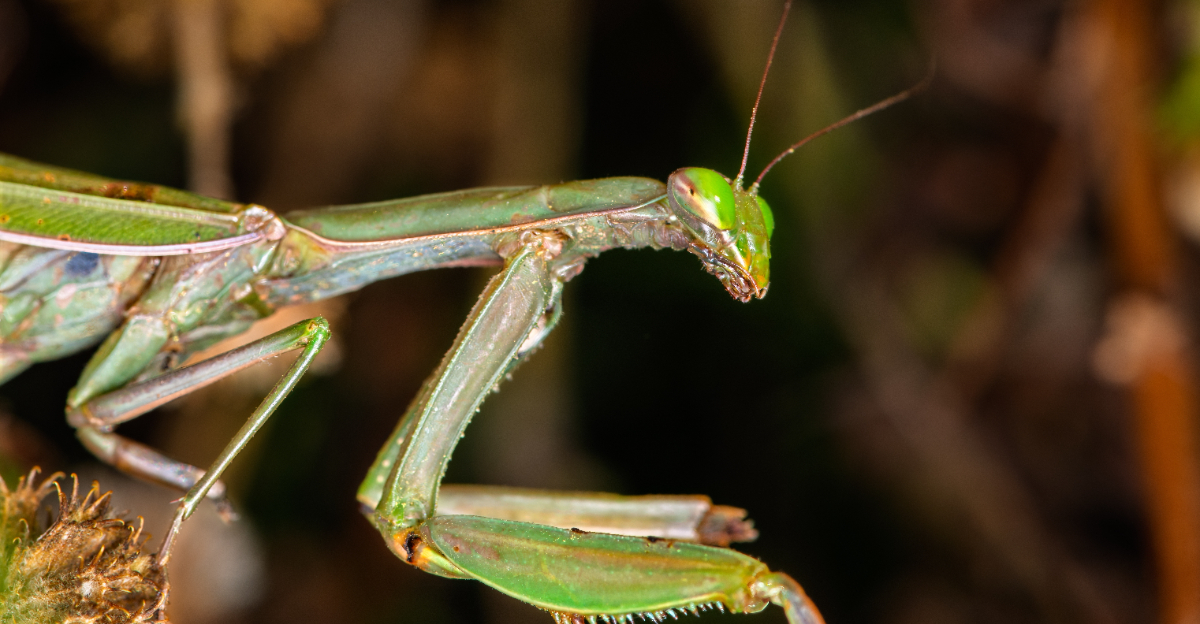
A praying mantis can make an Oregon garden feel oddly magical for a moment. You are checking leaves, minding your own business, and suddenly this little green statue is staring back like it has garden secrets.
It is the kind of visitor that makes people pause and wonder what its visit means. Some gardeners see it as a lucky sign.
Others wonder if it means pests are hiding nearby. The truth sits somewhere more interesting than a simple yes or no. A mantis does not show up for no reason, but it also does not arrive with a tiny garden report card.
Its presence can hint at a yard full of small activity that is easy to miss. Oregon gardens are busy places, even when they look calm.
So before you brush off this strange visitor, it is worth asking why it picked your plants as the place to hang out.
1. A Praying Mantis Means Your Garden Has Prey
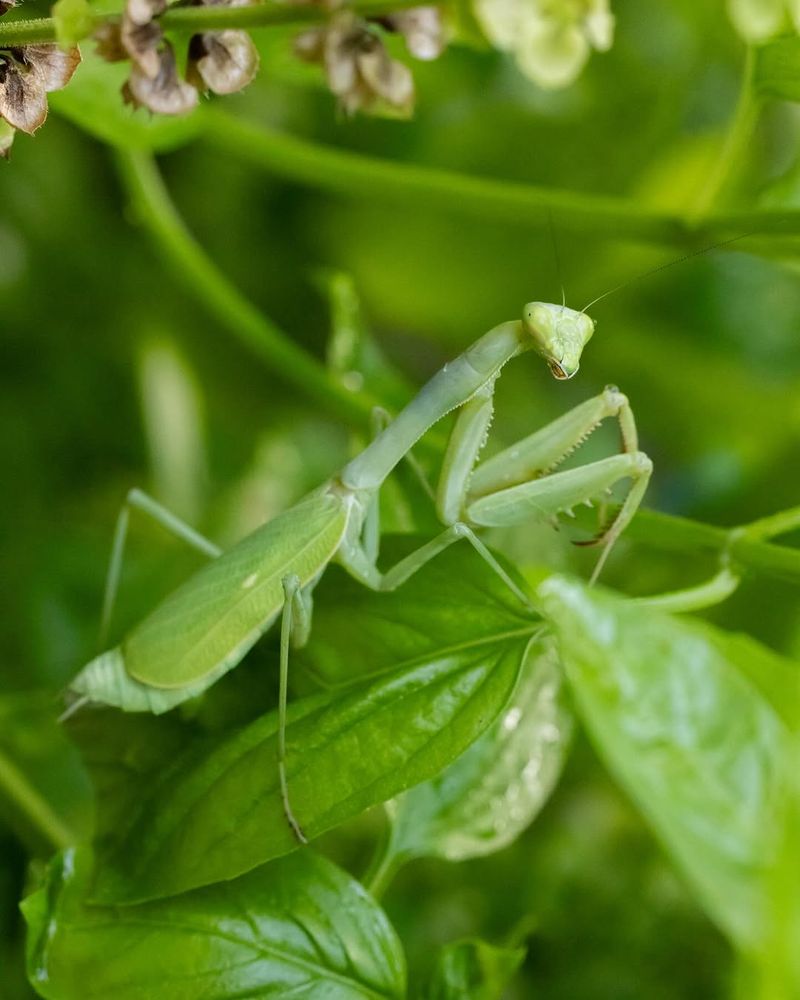
Finding a praying mantis in your garden is actually a good sign. These insects do not show up randomly. They go where the food is, and food for a mantis means other insects.
If one has found your garden, it means there are enough bugs around to keep it fed. That includes flies, beetles, caterpillars, aphids, and even small grasshoppers. A garden rich in insect life is one that is also rich in plants, flowers, and organic matter.
Think of the mantis as a natural tracker. It hunts by staying very still and waiting for prey to come close.
It needs a steady supply of insects to survive, so its presence tells you the garden food chain is active.
Healthy gardens attract a wide range of insects, both helpful and harmful. The mantis does not care which is which. It just hunts what moves.
But the fact that it chose your space means your garden is alive and buzzing. For gardeners in this state, that is something to feel proud of.
A garden with enough insect activity to support a predator like the mantis is doing something right.
You are likely growing a variety of plants, avoiding heavy chemical use, and letting nature do its thing. That balance is exactly what a thriving garden looks like.
2. It Can Be A Sign Of A Living Food Web
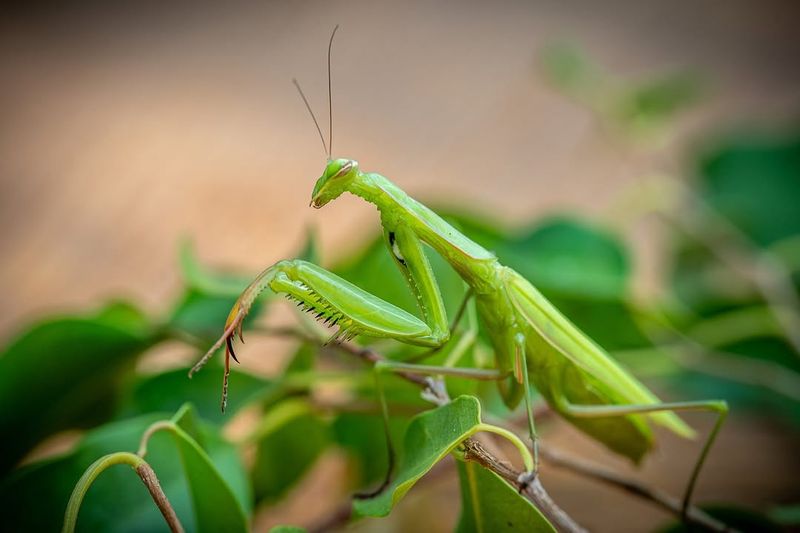
A praying mantis does not exist in isolation. It is part of a bigger system. When one appears in your garden, it signals that a living, connected food web is working right in your backyard.
Food webs are networks where every creature depends on another. Plants feed herbivores. Herbivores feed predators.
Predators keep populations in check. The mantis fits right in the middle of that chain. Birds eat mantises. Mantises eat smaller insects. Smaller insects feed on plants and decomposing matter.
Each link in that chain matters. When you spot a mantis, you are seeing proof that several links are functioning at once.
Gardeners sometimes focus only on the plants they grow. But the insects, birds, and other creatures living among those plants are just as important. They help with pollination, pest control, and soil health.
Your Oregon Garden Changes Every Week. Your Plan Should Too.
Gardening in Oregon changes quickly throughout the season. Every Friday you’ll receive a simple weekly plan showing exactly what to plant, prune, fertilize, harvest, and protect so you never miss the right timing.
A garden with a working food web is more stable. It can handle pest outbreaks better because natural predators are already present.
It also tends to need fewer chemical treatments, which is better for the environment and for your family.
Seeing a mantis is a reminder to think about your garden as an ecosystem, not just a collection of plants.
Every creature has a role. Supporting that balance, even by simply leaving things a little wild, can lead to a healthier and more productive garden over time.
3. Mantises Eat Pests, But Not Only Pests
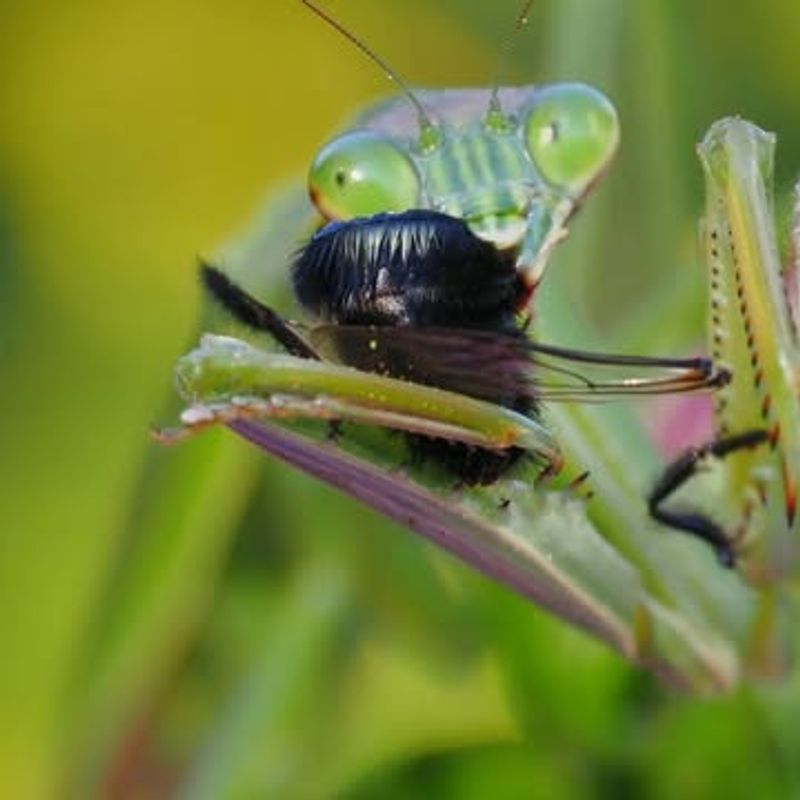
Here is something every gardener should know: the praying mantis is not a selective hunter. It eats what it can catch, and that includes both pests and beneficial insects.
Yes, it will grab aphids, caterpillars, and beetles that damage your plants. That part is great. But it will also snatch up bees, butterflies, and other pollinators if they come close enough.
It does not discriminate. That does not make the mantis a bad garden guest. It just means you should not rely on it as your only form of pest control. Think of it more like a wild card.
It helps in some ways and may occasionally take out a good bug too. Pollinators are critical for fruit and vegetable production.
Losing even a few to a mantis is not usually a major problem, but it is worth being aware of. If you have a lot of mantises and notice fewer bees, there could be a connection.
The best approach is to welcome mantises without putting all your hopes on them. They are part of a balanced garden, not a complete solution.
Planting a variety of flowers, reducing pesticide use, and supporting diverse insect life will create an environment where the good and the bad naturally balance out.
Mantises are impressive hunters, but nature works best when no single creature is in charge of keeping everything in order.
4. One Mantis Won’t Control An Infestation
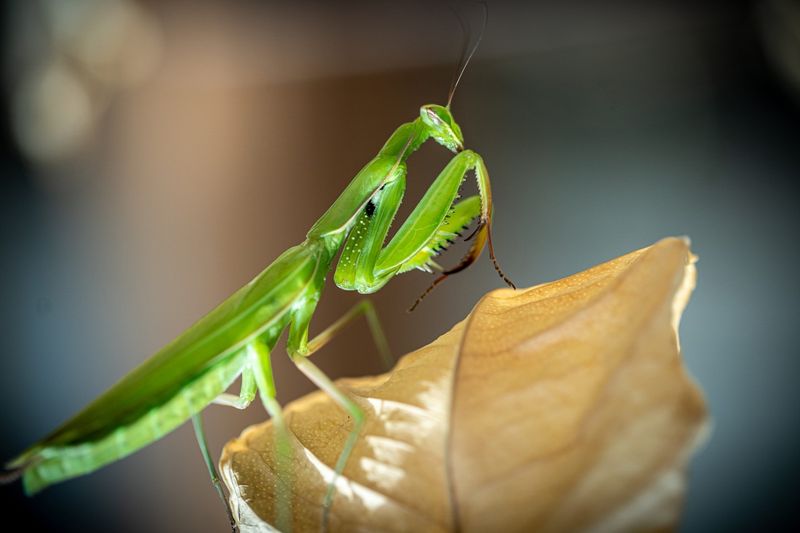
Some gardeners see a praying mantis and think their pest problem is solved. That is a hopeful thought, but not quite how it works. One mantis is a single predator in a very large space.
A typical mantis eats a few insects each day. It is a patient, slow hunter that waits for prey to come to it.
That strategy works well for survival, but it cannot keep up with a full-blown aphid or caterpillar outbreak.
Infestations happen fast. A colony of aphids can double in just a few days under the right conditions. One mantis eating a handful of bugs a day will barely make a dent in that kind of growth.
That does not mean the mantis is not helpful. Over time, a small population of mantises can help keep pest numbers from climbing too high.
But if you are already dealing with a serious infestation, you will need other tools too.
Targeted sprays, row covers, hand-picking, or encouraging other beneficial insects like ladybugs and lacewings are all better options for active infestations. These methods work faster and on a larger scale.
The mantis is best thought of as a long-term garden ally rather than an emergency response.
Supporting its presence over the season helps prevent problems from building up in the first place. Prevention always beats trying to fix a problem once it has already gotten out of hand.
5. Oregon Gardens May See Native And Introduced Mantises
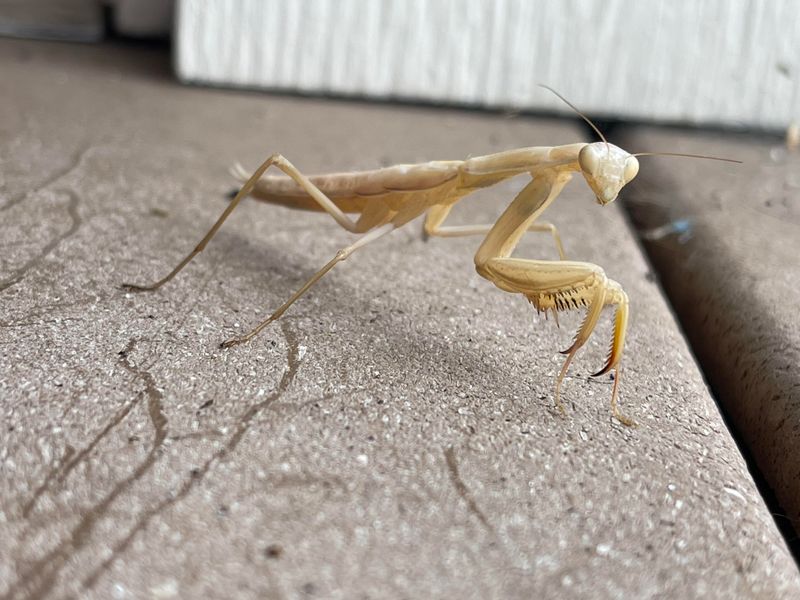
Not every mantis you see in this state is the same species. Gardeners here may encounter both native and introduced mantises, and they behave a little differently.
The most common introduced species are the Chinese mantis and the European mantis. Both were brought to North America to help control garden pests. They are now found across much of the country, including throughout this state.
Native mantises also exist here, though they are smaller and less commonly noticed. The ground mantis is one example. It tends to blend into dry, scrubby environments and is easy to overlook.
Chinese mantises are the large, green-brown ones most people recognize. They can grow over three inches long. European mantises are slightly smaller and often bright green.
Both are active hunters and adapt well to garden environments.
Introduced species can sometimes outcompete native ones for food and habitat. That is worth knowing if you care about supporting local biodiversity.
Encouraging native plants and reducing disturbance can help native mantis populations hold their own.
Whether native or introduced, every mantis in your garden is doing its job as a predator. The key difference lies in what they mean for the local ecosystem.
Supporting native species when possible is always the more ecologically sound choice.
But either way, a mantis in your garden is a sign that your space has enough life to attract and support one of nature’s most skilled hunters.
6. Egg Cases Can Hide On Stems And Fences
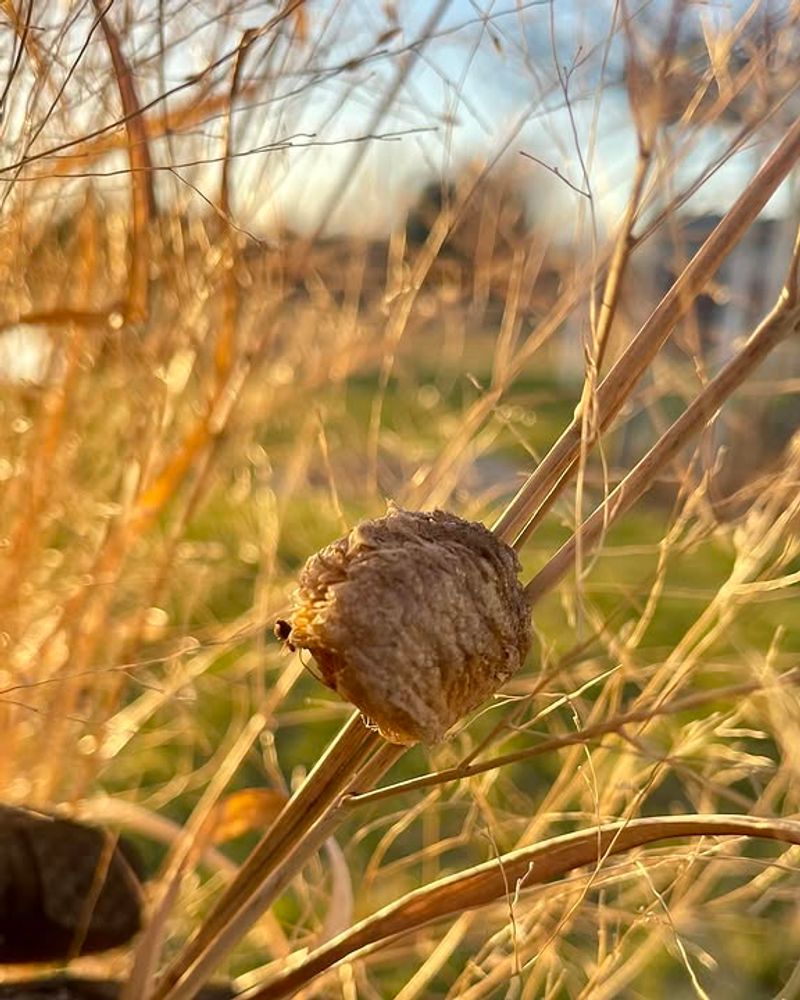
One of the most overlooked parts of the mantis life cycle is the egg case, also called an ootheca.
These small, foam-like cases hold dozens to hundreds of eggs and are often hidden in plain sight.
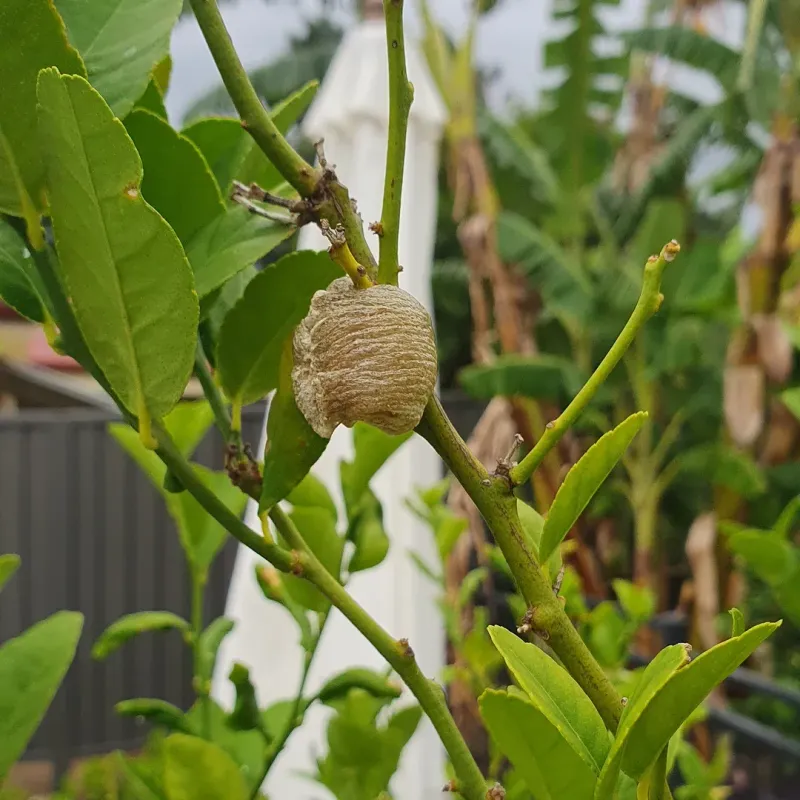
Mantises lay their egg cases in late summer or fall. They attach them to plant stems, wooden fences, twigs, and even the sides of garden structures. The cases look like a tan or brown blob of dried foam, roughly the size of a large grape.
Many gardeners accidentally remove or destroy these cases during fall cleanup. Cutting back stems and clearing debris is a normal part of garden maintenance, but it can wipe out next year’s mantis population before it even gets started.
Before you prune or clear in autumn, take a slow walk through your garden and check stems carefully. If you find an egg case, leave it alone.
The eggs will hatch in spring when temperatures warm up, releasing dozens of tiny nymphs ready to start hunting.
You can also move an egg case to a sheltered spot nearby if you absolutely need to clear the area.
Just make sure it stays attached to a twig or stem and is placed in a protected location with some cover.
Being mindful during fall cleanup is one of the easiest ways to ensure mantises return to your garden year after year. A little awareness goes a long way in supporting these helpful visitors.
7. Skip Broad Sprays If You Want Them To Stay
Pesticides are one of the biggest threats to praying mantises in home gardens. Broad-spectrum insecticides do not just target pests.
They affect every insect they touch, including beneficial ones like the mantis. Even if a mantis does not come into direct contact with a spray, it can still be affected.
If it eats insects that were exposed to pesticides, those chemicals can build up in its system over time. This is called secondary poisoning, and it is more common than most gardeners realize.
Neonicotinoids, pyrethroids, and other common garden sprays are especially harmful. They linger in soil and on plant surfaces long after application. Any insect living in or around treated plants is at risk.
If you want mantises to stick around, rethink your spray routine. Start with the least harmful options first.
Targeted sprays like insecticidal soap or neem oil are much safer for beneficial insects when used carefully and only on affected areas.
Spot treatment is always better than blanket spraying. Focus on the specific plants or areas with pest problems rather than treating the whole garden at once.
This approach protects the insects you want while still managing the ones causing damage.
Reducing overall pesticide use also encourages a more diverse insect population, which gives mantises more to eat.
A garden full of life is one that naturally supports its own balance. Less spraying often means more mantises, more pollinators, and fewer long-term pest problems.
8. Their Spiritual Meaning Is Patience And Timing
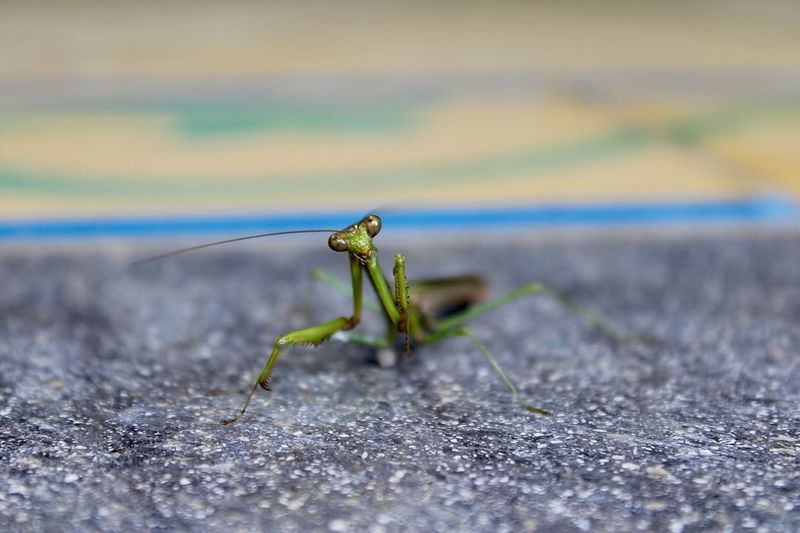
Beyond biology, the praying mantis carries deep symbolic meaning for many people. Across different cultures and traditions, this insect is seen as a messenger of patience, stillness, and perfect timing.
The name itself comes from the Greek word for prophet. The mantis holds its forelegs in a pose that looks like prayer, which has led many to associate it with spiritual awareness and mindfulness.
In some African traditions, the mantis is considered a bringer of good luck and even a guide from the spirit world.
In Chinese culture, the mantis represents bravery and focus. Martial arts styles have even been developed based on its movements.
The way it waits, watches, and strikes at exactly the right moment is seen as a lesson in discipline and precision. For gardeners who feel a personal connection to nature, seeing a mantis can feel like a sign.
Maybe it shows up during a stressful time, or right when you are feeling unsure about something. Many people interpret its stillness as a reminder to slow down and trust the timing of things.
You do not have to hold any particular spiritual belief to appreciate that message. The mantis lives its entire life in quiet focus. It does not rush.
It does not panic. It simply waits for the right moment and then acts with total precision. That is a lesson most of us could use, whether we are in the garden or not.