The Late-May Watering Mistake That Sets Ohio Gardens Back For Weeks
Nobody suspects watering. It’s the one task that feels purely generous, purely straightforward.
You’re giving plants what they need, so what could possibly go wrong? Late May is when that assumption costs Ohio gardeners the most.
The temperatures feel cooperative, the rain fills in the gaps, and a particular watering habit settles in that seems completely reasonable for the conditions. Plants don’t protest immediately.
They absorb it, adapt around it, and quietly build a foundation that won’t hold up when summer actually tests them.
Shallow roots, weak stems, harvests that plateau early, none of it gets traced back to what happened in late May because by then the season has moved on.
Which habit is doing this much damage under the radar? That question deserves a straight answer before another growing season pays the price for it.
1. Do Not Water Just Because Summer Feels Close
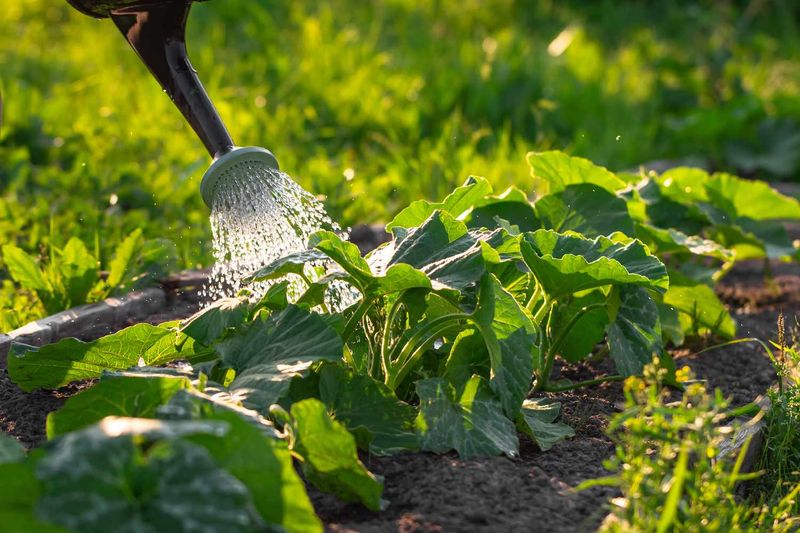
Pulling out the hose on a warm late-May afternoon feels like the right move. The sun is up, the garden looks thirsty, and summer seems right around the corner.
But the calendar does not know what your soil is doing.
Many gardeners shift into a summer watering routine in late May simply because the season feels close. The problem is that late May weather in this state is unpredictable.
A stretch of cool, cloudy days followed by a rainy weekend can leave soil much wetter than it looks from the surface. Adding a full watering session on top of that is where things go sideways.
Warm-season plants like tomatoes, peppers, and squash need soil that is warming up and draining well. When soil stays cool and wet from overwatering, those plants can sit still for days or even weeks instead of putting on new growth.
Checking the soil before you water takes about thirty seconds. Push a finger or a small stick a few inches into the ground near your plants.
If it feels moist, step back and check again in a day or two. Your plants will respond much better to water they actually need than to water added out of habit.
2. Check The Root Zone Before You Add More Water
Surface soil can fool you. A quick glance at the top of your garden bed might show dry, cracked, or dusty soil.
But that layer tells you very little about what is happening a few inches down where roots are actually drinking.
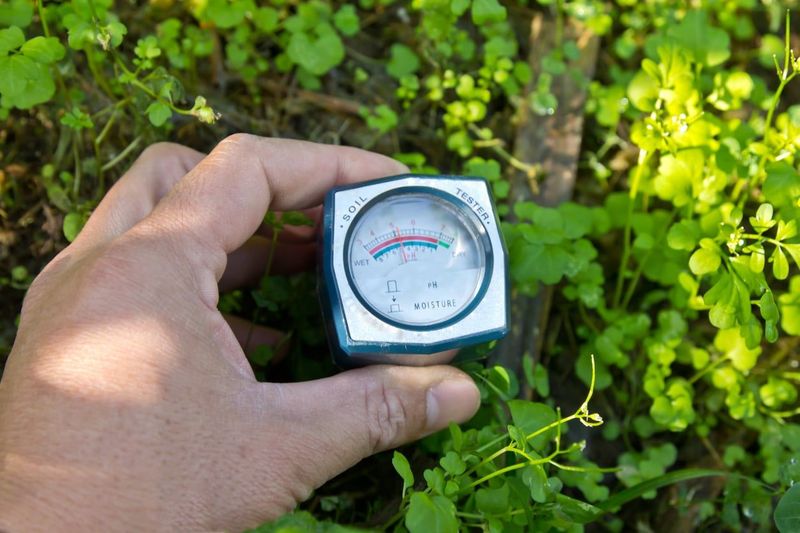
Roots grow below the surface, and that is where moisture matters most. Before watering any in-ground bed, use your finger, a small trowel, or an inexpensive moisture meter to check the soil about two to three inches deep.
If the soil at that depth feels cool and moist, your plants likely have what they need for now.
New transplants are a special case. Their root systems are still small and concentrated near the planting hole, so they do need consistent moisture close to their roots while they get established.
But even with new transplants, soggy soil can slow root development and make young plants look droopy and pale instead of healthy and upright. The goal is evenly moist soil, not waterlogged soil.
Your Ohio Garden Changes Every Week. Your Plan Should Too.
Gardening in Ohio changes quickly throughout the season. Every Friday you’ll receive a simple weekly plan showing exactly what to plant, prune, fertilize, harvest, and protect so you never miss the right timing.
Checking the root zone before every watering session gives you real information instead of guesswork. That small step can keep your garden moving forward steadily through late spring.
3. Cool Wet Soil Can Slow Warm-Season Plants
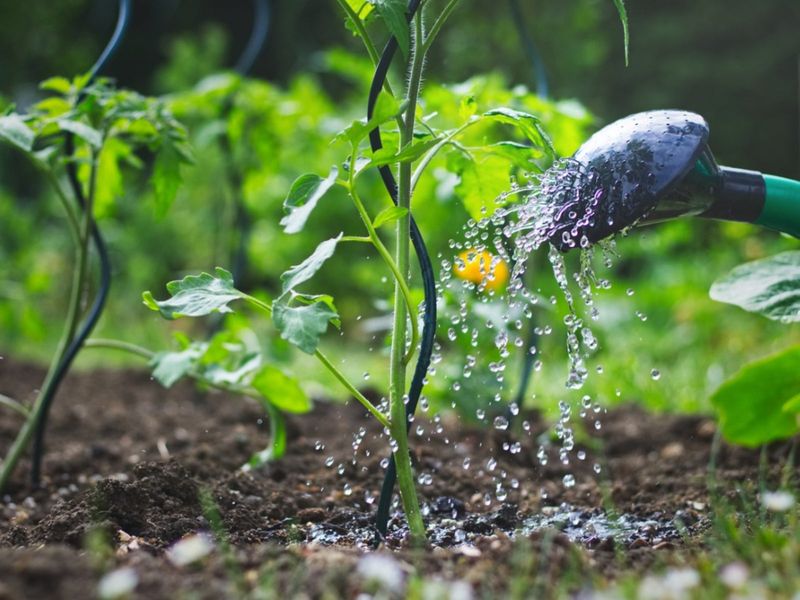
Tomatoes, peppers, cucumbers, squash, basil, zinnias, petunias, and lantana all share one thing in common: they thrive in warm, well-drained soil. Plant any of them into cold, soggy ground and they tend to just sit there, looking unimpressive for days on end.
Late May can bring soil temperatures that are still catching up with the air temperature, especially after a rainy stretch or a run of cool nights. When warm-season plants are sitting in cool, wet soil, their roots slow down.
They struggle to absorb nutrients efficiently, and top growth stalls while the plant waits for better conditions.
Adding more water to already cool, damp soil makes the situation worse, not better. Gardeners sometimes see pale or slow-growing plants and assume they need more water.
But the real fix is patience and letting the soil dry and warm a bit between waterings. A soil thermometer can be a helpful tool if you want to get specific.
Most warm-season vegetables and annual flowers prefer soil temperatures above 60 degrees Fahrenheit to really get moving. Checking both moisture and temperature before reaching for the hose gives your late-May transplants the best possible start.
4. Dry Surface Soil Does Not Tell The Whole Story
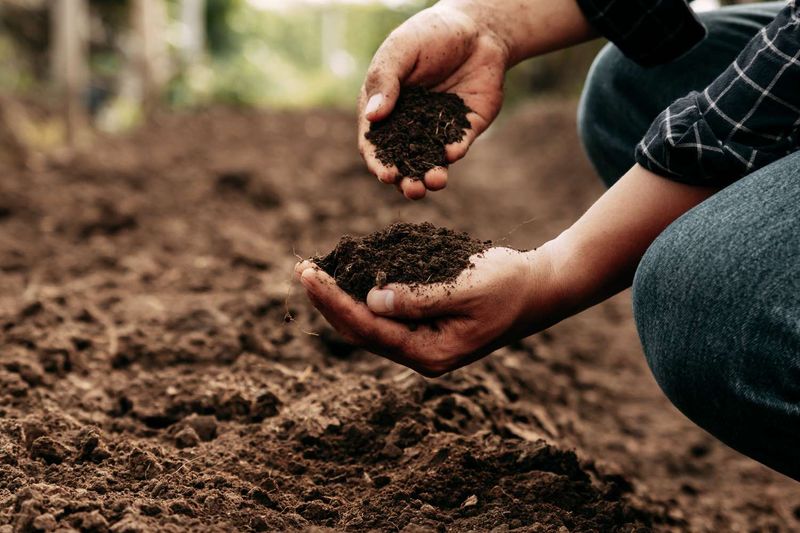
Windy afternoons and bright May sunshine can dry out the top half-inch of soil surprisingly fast.
That crusty, light-colored surface can make a garden bed look thirsty when the soil just a few inches below is still holding plenty of moisture from last week’s rain.
Clay soil is especially tricky in this situation. Clay holds water well below the surface and can stay damp for days after rain while the very top layer dries and cracks.
Gardeners with heavy clay beds who water every time the surface looks dry can end up with chronically wet root zones without realizing it.
Raised beds and sandy soil behave differently. They drain faster and dry out more evenly from top to bottom, so the surface appearance is a more reliable signal in those cases.
Still, checking a few inches down is always a smarter move than guessing. A simple finger test or a quick probe with a pencil or small stick can tell you more in ten seconds than staring at the surface for ten minutes.
Reacting to what the root zone actually needs rather than what the surface looks like is one of the most practical habits any home gardener can build.
5. Containers Need A Different Watering Routine
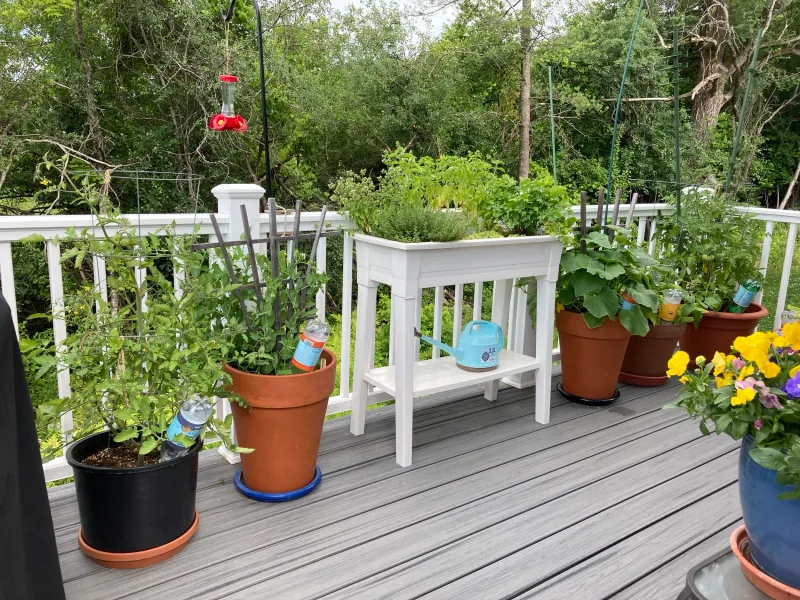
Porch pots, hanging baskets, window boxes, and bucket gardens play by completely different rules than in-ground beds.
Because containers hold a limited amount of soil, they dry out much faster, especially on sunny or breezy days when evaporation is working overtime.
A garden bed that holds moisture for three or four days after rain might have a container bone-dry in less than twenty-four hours under the same conditions.
That gap matters a lot in late May, when the weather can swing between cool and rainy to warm and windy within a single week.
Container plants often need water when the garden beds absolutely do not.
At the same time, containers need good drainage to stay healthy. Pots without drainage holes or containers sitting in saucers full of standing water can develop soggy root zones just as easily as overwatered garden beds.
Check containers daily by lifting them slightly to feel the weight or sticking a finger into the top inch of soil. Heavy pots usually still have moisture.
Light pots that feel almost hollow are telling you they need water soon. Keeping containers on a separate mental checklist from your garden beds helps you give each plant exactly what it needs.
6. Water Deeply Instead Of Sprinkling Every Day
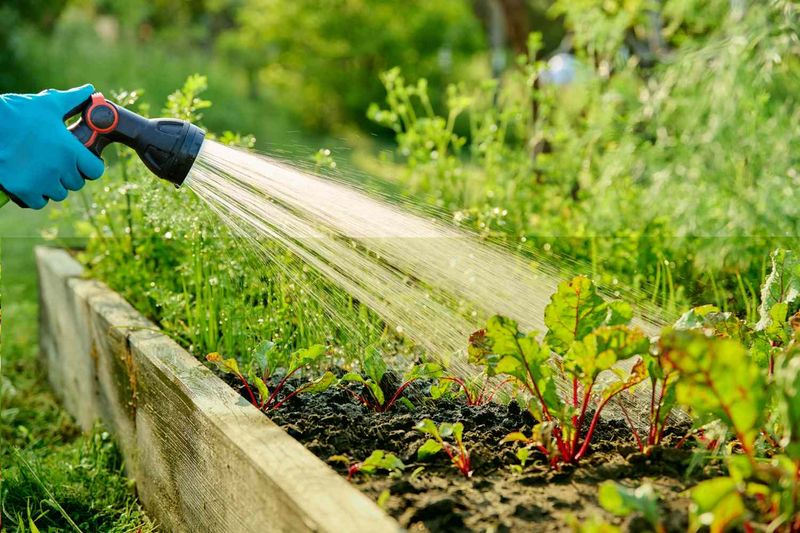
Quick daily sprinkles feel productive, but they often do more for the gardener’s peace of mind than for the plants. Light surface watering wets only the top layer of soil, and roots follow moisture downward.
When moisture never reaches deep, roots stay shallow and plants become more vulnerable to heat and dry spells later in the season.
Deep watering means applying water slowly enough that it soaks several inches into the root zone rather than running off or evaporating quickly.
For most vegetable beds and flower borders, watering thoroughly every few days is more effective than a light sprinkle every single morning.
The key is letting the soil tell you when it is time, not the clock.
Slow drip irrigation, soaker hoses, or a gentle wand attachment on a hose are all good tools for deep watering. Aim water at the base of plants rather than over the top of foliage.
New transplants benefit especially from deep watering right at the root zone while they are getting established. A deep, steady drink encourages roots to grow downward.
That builds stronger, more self-sufficient plants that can handle the heat and occasional dry stretches that summer in this state reliably brings.
7. Morning Watering Helps Leaves Dry Faster
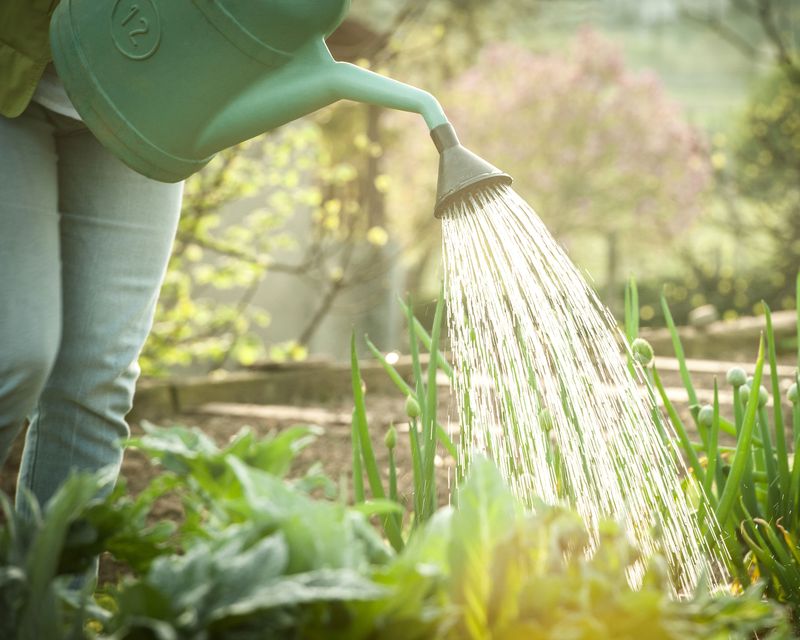
Early morning is widely regarded as the best time to water a garden, and the reasons are practical. Temperatures are cooler, wind is usually calmer, and the soil has time to absorb moisture before midday heat speeds up evaporation.
Any water that lands on leaves has hours of daylight to dry off before nightfall.
Wet foliage that stays damp overnight creates conditions where fungal diseases can get a foothold. Tomatoes, squash, and cucumbers are all prone to leaf diseases that spread more easily when leaves stay wet for extended periods.
Watering at the base of plants using a wand, drip line, or soaker hose reduces how much water lands on foliage in the first place, which is a good habit any time of day.
Evening watering is sometimes necessary, especially during a sudden heat spell or when morning watering was missed. There is nothing wrong with watering in the evening when plants genuinely need it.
Just try to direct water to the soil rather than over the tops of plants, and avoid making evening overhead watering a regular routine.
Morning watering gives plants a head start on the day and keeps foliage drier overnight, which adds up to healthier plants through the whole season.
8. Wait To Mulch If The Soil Is Still Cool And Wet
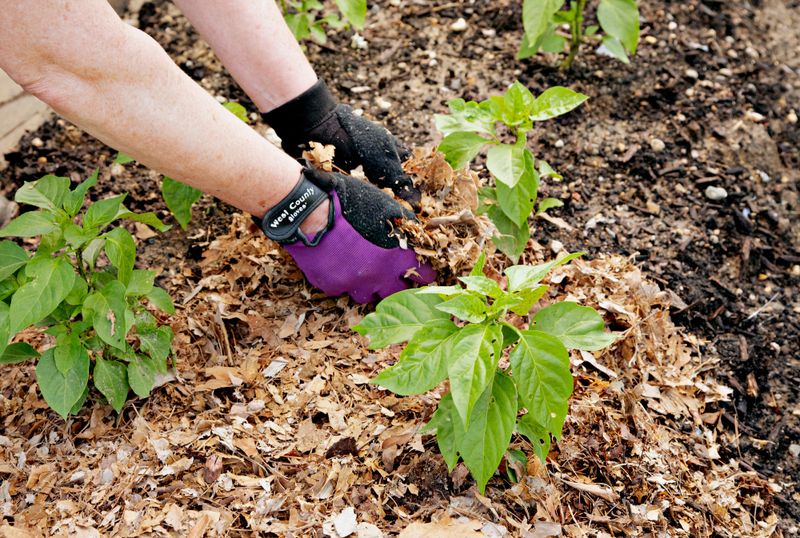
Mulch earns its reputation. A good layer of straw, shredded leaves, or wood chips can hold moisture, reduce weeds, and keep soil temperatures steadier once summer heat arrives.
But timing matters, and applying thick mulch too early in late May can work against you.
If the soil is still cool and wet from spring rain or a run of cloudy days, adding a heavy mulch layer traps that cool moisture underneath. Warm-season plants sitting on top of cool, damp, mulch-covered soil can stall just as they would in an overwatered bed.
The soil needs some time to warm and breathe before mulch goes on.
A good rule of thumb is to wait until plants are actively growing and putting out new leaves before applying more than a light mulch layer. When the soil feels consistently warm a few inches down and plants are visibly moving, mulch becomes a real asset.
Apply it two to three inches deep and keep it a few inches away from plant stems and crowns to allow airflow and prevent rot near the base. Mulching at the right time gives your garden the benefits of moisture retention and weed control.
It does this without locking in the cool, wet conditions that slow warm-season plants down.