The Meaning Behind Seeing A Blue Jay In Your Ohio Yard
Most people stop what they’re doing when a blue jay lands nearby. Something about that bird commands attention in a way that a sparrow or a starling simply doesn’t.
Bold coloring, sharp call, a presence that feels almost deliberate. It’s no surprise that people have been attaching meaning to blue jay sightings for a long time across many different cultures and belief systems.
Ohio yards get regular blue jay visitors. Plenty of homeowners wonder whether that visit carries any significance beyond the bird just passing through.
Does it? That depends on who you ask and which tradition you’re drawing from.
What’s consistent across the board is that the blue jay rarely gets treated as ordinary. Messenger, protector, symbol of clarity, sign of change, the interpretations vary but the weight people give this bird stays remarkably constant.
So what does it actually mean when one shows up in your yard?
1. Blue Jays Bring Bold Energy To Backyard Birdwatching
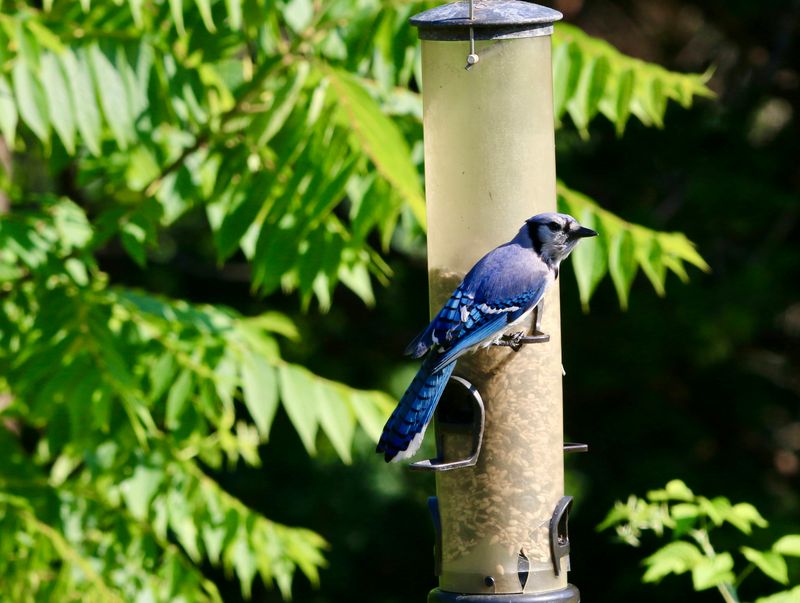
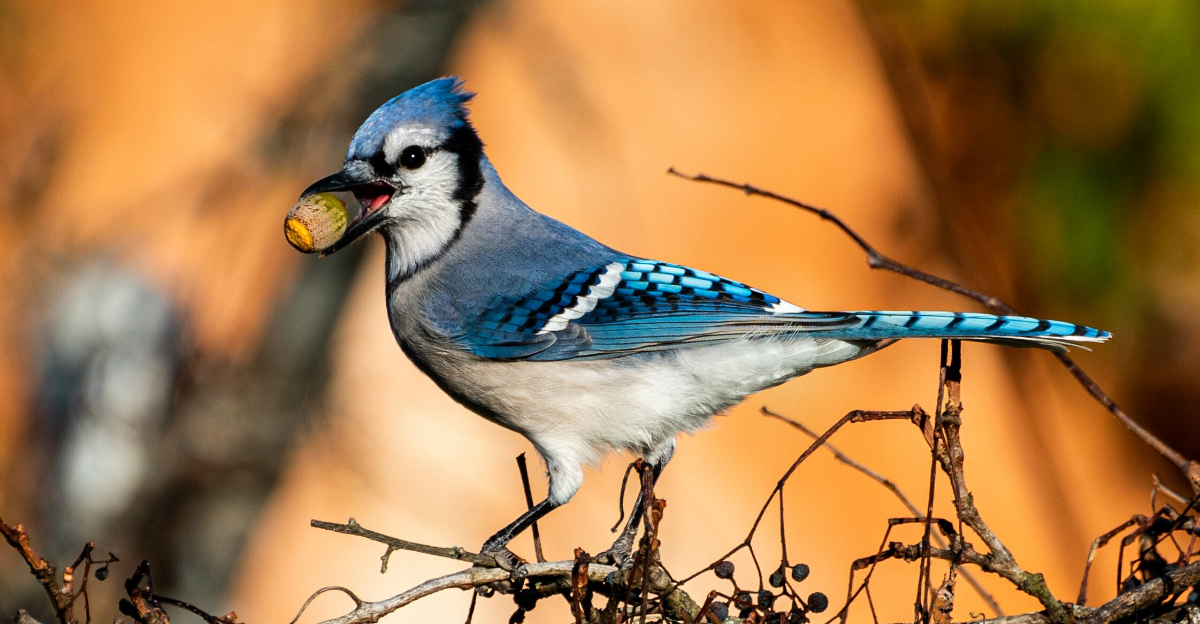
Few backyard birds announce themselves quite like a blue jay. That electric blue plumage, the bold black necklace across its chest, and the loud, piercing call all work together to make sure you notice it.
Most birds can blend into the background, but a blue jay seems almost unwilling to go unnoticed.
Cyanocitta cristata, known commonly as the blue jay, is one of the most intelligent birds you can spot in a local yard. It belongs to the same family as crows and ravens, which explains its sharp problem-solving behavior and curious personality.
Birdwatchers in this state know them as year-round residents that show up at feeders, in oak trees, and along woodland edges with confident regularity.
Part of what makes a blue jay sighting feel meaningful is simply how the bird carries itself. It moves with purpose.
It calls loudly. It asserts space.
For people who spend time watching backyard birds, seeing a blue jay can feel like a shift in energy, as if something alert and alive just stepped into the frame. That feeling is not an accident.
The bird earns that attention through its behavior, its color, and its unapologetic presence in the yard.
2. Their Bright Color Often Symbolizes Confidence And Clarity
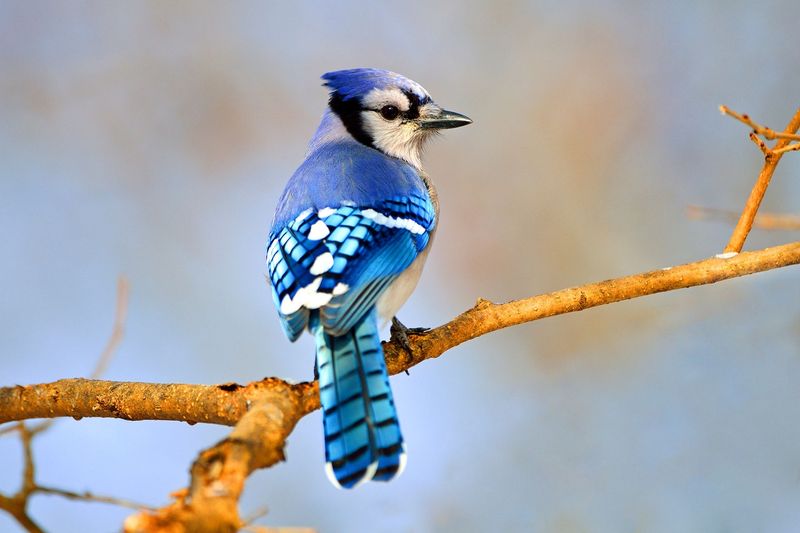
Color carries meaning for people across many cultures, and blue is one of the most symbolically loaded colors there is. It shows up in art, language, and tradition as a representation of clarity, truth, calm, and open communication.
When people see a blue jay, that rich blue coloring naturally pulls in those associations.
Beyond the color itself, the blue jay’s behavior adds another layer. It is not a shy or hesitant bird.
It speaks up, holds its ground, and moves through the world with visible self-assurance. Some people interpret that boldness as a reminder to speak clearly and stand firm in their own convictions.
Others see it as a prompt to pay attention to how they are communicating.
It is worth being clear that these are personal and cultural interpretations, not scientific conclusions. Ornithologists do not study blue jays as messengers of spiritual truth.
Your Ohio Garden Changes Every Week. Your Plan Should Too.
Gardening in Ohio changes quickly throughout the season. Every Friday you’ll receive a simple weekly plan showing exactly what to plant, prune, fertilize, harvest, and protect so you never miss the right timing.
But the symbolic lens is a very human one, and there is nothing wrong with finding personal meaning in what you observe. Many people feel a moment of quiet reflection when a blue jay appears.
That pause to notice something beautiful and bold in the yard can itself be a kind of clarity worth holding onto.
3. A Visit Can Signal Food, Shelter, Or Nearby Nesting
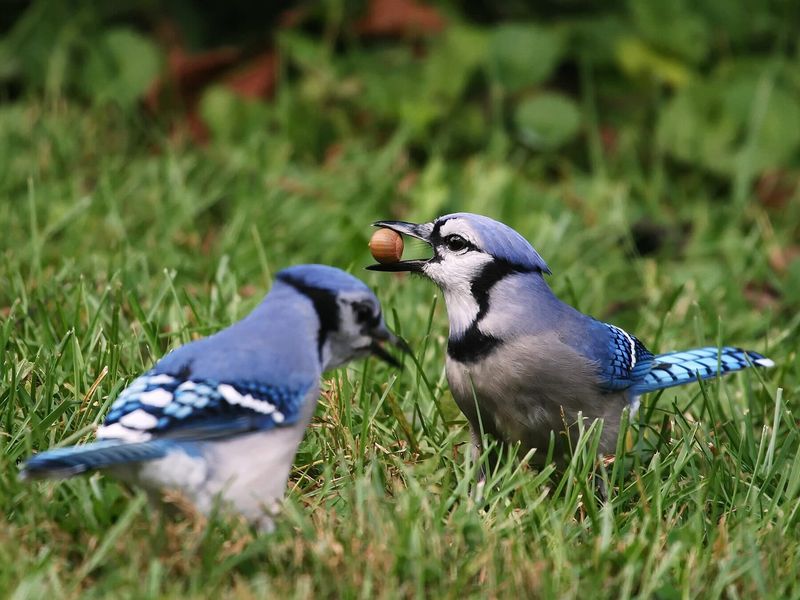
Before reading anything symbolic into a blue jay visit, it helps to ask a simple question: what does this yard actually offer? Blue jays are practical birds, and when they show up somewhere regularly, there is usually a very straightforward reason for it.
Food is almost always part of the equation.
Acorns are one of their favorite foods, and they are drawn strongly to yards with oak trees. They also eat seeds, berries, insects, and the occasional small creature they find while foraging.
A well-stocked bird feeder with sunflower seeds, peanuts, or cracked corn can bring them in reliably. According to the Cornell Lab of Ornithology, blue jays are particularly attracted to platform feeders.
They also like feeders with enough space for them to land and sort through options.
Beyond food, blue jays look for safe cover and suitable nesting spots. Dense shrubs, tall trees, and wooded edges of the yard give them places to rest and raise young.
Nesting season in this region typically runs from spring through early summer, so a blue jay that keeps returning during those months may be scoping out a location. A repeat visitor is often a sign that your yard simply has what the bird needs to thrive.
4. Their Loud Calls Warn Other Birds About Trouble
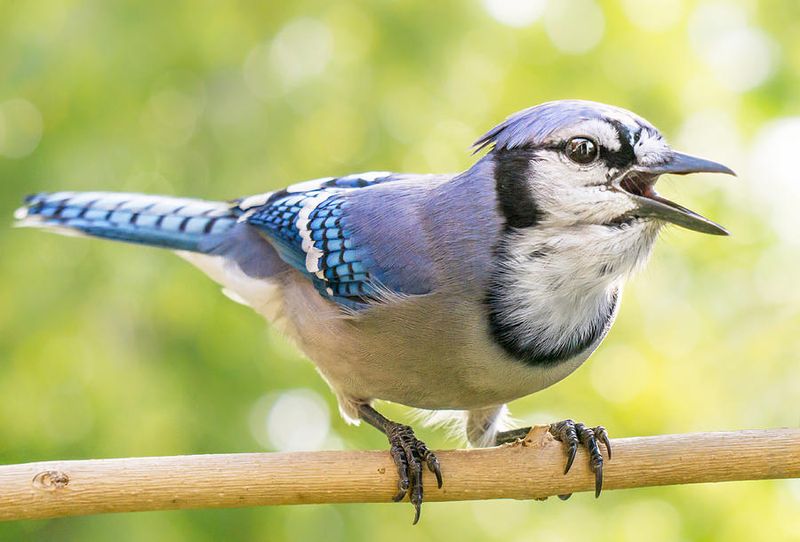
One of the first things people notice about blue jays is that they are not quiet. Their calls range from a sharp, repetitive jay-jay sound to mimicked hawk calls that can fool even experienced birders.
That vocal range is not just noise; it serves real communication purposes in the backyard bird community.
Blue jays are well known for giving alarm calls when a predator, such as a hawk, a cat, or an unfamiliar disturbance, enters the area. Those calls often prompt nearby songbirds to freeze or scatter, which can actually protect smaller birds in the vicinity.
In that sense, a loud blue jay in the yard is acting as an informal neighborhood watch for local wildlife.
Some people find the calls jarring at first, especially in early morning. But once you understand what the bird is communicating, the sound takes on a different quality.
A blue jay calling loudly near your feeder may simply mean something caught its attention nearby. Listening for changes in the call pattern, whether it is steady and repeating or short and sharp, can help you read what the bird is responding to.
Paying attention to a blue jay’s voice is one of the most rewarding parts of watching them.
5. Blue Jays Help Move Acorns Through Local Woodlands
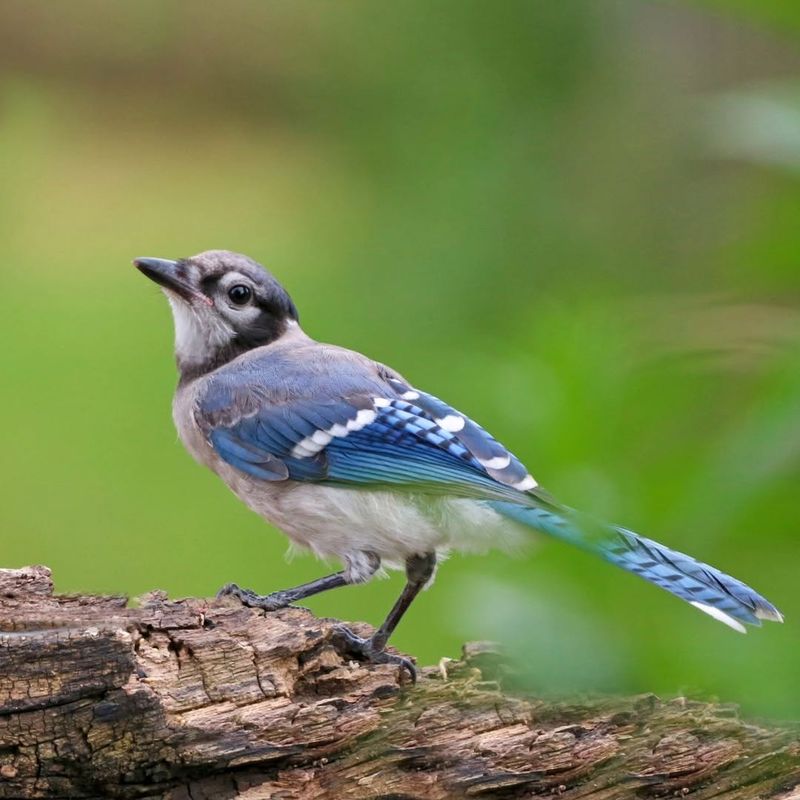
Most Ohioans know blue jays as feeder visitors or noisy yard birds, but there is an ecological role they play that is genuinely impressive. Blue jays are prolific acorn carriers.
They can hold multiple acorns in their throat pouch, beak, and esophagus at once, then fly off to bury or cache them for later use.
Research from the Cornell Lab of Ornithology and other ornithology sources has shown that blue jays can carry and cache thousands of acorns in a single season.
Many of those cached acorns are never retrieved, which means they effectively become planted seeds.
Over time, this behavior contributes to the natural spread of oak trees across woodland edges, forest gaps, and even into suburban areas.
For anyone watching a blue jay work a yard near oak trees in late summer or fall, this behavior is visible and fascinating. The bird moves quickly, picks up an acorn, tests its weight, and flies off to a chosen spot.
Seeing this in your own yard connects that single bird to something much larger than a backyard visit. It is a small piece of a long ecological relationship between blue jays and oak trees that has shaped the forests of this region for centuries.
6. Seeing One May Mean Your Yard Has What Birds Need
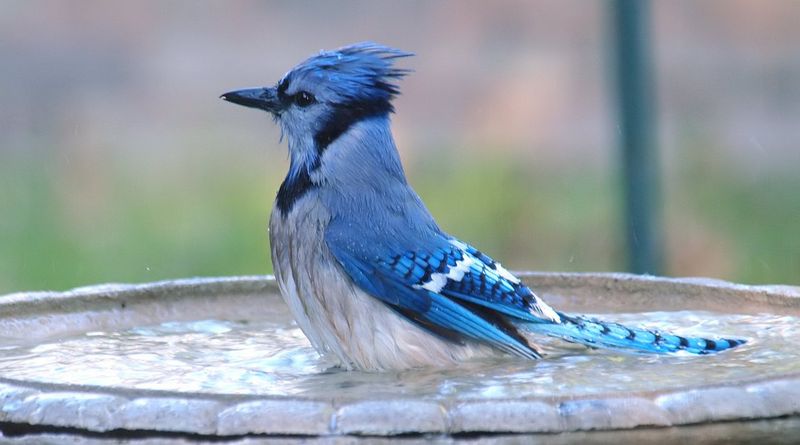
A blue jay does not wander into just any Ohio yard without reason. Seeing one, especially more than once, is often a quiet indicator that your outdoor space offers something useful.
That might be a food source, a mature tree, a water feature, or dense shrubs. It might also be a safe enough environment for a cautious and intelligent bird to feel comfortable visiting.
Native plantings are particularly helpful for drawing in birds like blue jays. Oak trees are the obvious draw.
Native berry-producing shrubs, leaf litter on the ground, and low-maintenance garden beds also support the insects and plant foods that blue jays eat.
The Audubon Society and many state wildlife organizations encourage homeowners to plant native species as one of the most impactful things they can do for local birds.
A birdbath with fresh, clean water is another detail that can make a yard more attractive during warmer months. Blue jays, like most birds, need reliable water for drinking and bathing.
If you have been seeing blue jays regularly, take a moment to look at what your yard is actually providing. You may find that you have already created a more bird-friendly space than you realized, even without planning it that way.
That is something genuinely worth appreciating.
7. Their Behavior Tells You More Than The Symbolism
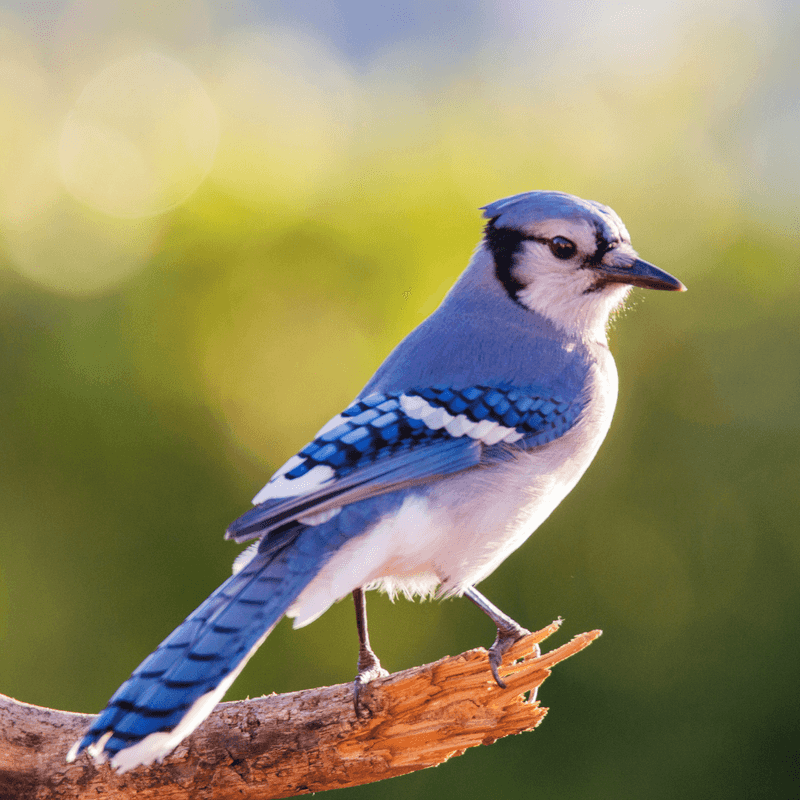
Symbolism gives you one way to interpret a blue jay visit, but watching what the bird actually does gives you something even more grounded and interesting. Behavior is where the real story is.
A blue jay that is quietly moving through the canopy tells a different story than one that is calling sharply from a fence post.
If the bird is carrying food or working a feeder methodically, it is likely foraging or caching for later. If it is chasing other birds, it may be defending a food source or protecting a nearby nest.
A blue jay that is calling repeatedly in one direction is almost certainly responding to something it considers a threat. That might be a hawk overhead, a cat in the bushes, or an unfamiliar sound.
Watching the bird with that kind of attention shifts the experience from passive observation to active learning. You start to see the yard as the blue jay sees it, full of resources, risks, and decisions.
Over time, regular watchers begin to recognize individual behaviors and even individual birds. That familiarity turns a backyard into something closer to a living field study.
Noticing what the bird is doing, not just that it appeared, is always the more rewarding place to start.
8. A Blue Jay Visit Is A Reminder To Notice The Wild Around You
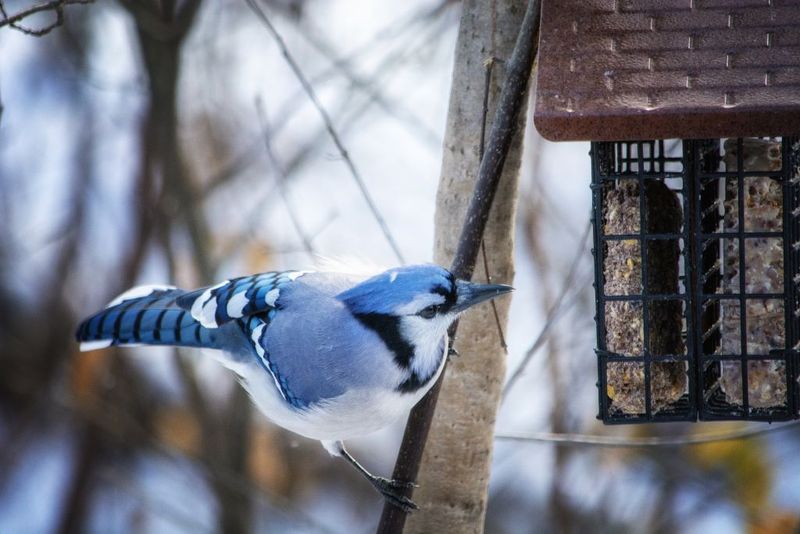
Somewhere between the symbolism and the science, there is a simpler truth about what it means to spot a blue jay in your yard. It is an invitation to look up from whatever you are doing and pay attention to the living world just outside your window.
That kind of attention is easy to forget in a busy day, and the blue jay has a way of demanding it.
You might see the bird as a personal sign, a reminder, or simply a beautiful and clever creature doing its daily work. Either way, the experience is worth sitting with for a moment.
Curiosity about local wildlife connects people to their environment in ways that feel grounding and genuine. Noticing a blue jay today might lead you to set up a feeder, plant a native shrub, or simply spend five more minutes outside tomorrow.
Local wildlife does not need to carry mystical weight to be meaningful. The blue jay is common enough to visit many yards across this state, but it is never ordinary once you start watching it closely.
Bold, loud, intelligent, and deeply woven into the ecology of local woodlands and neighborhoods, it is a bird that earns a second look every single time. That is a kind of meaning anyone can appreciate.