Who Is Responsible For Tree Roots Crossing Property Lines In Oregon
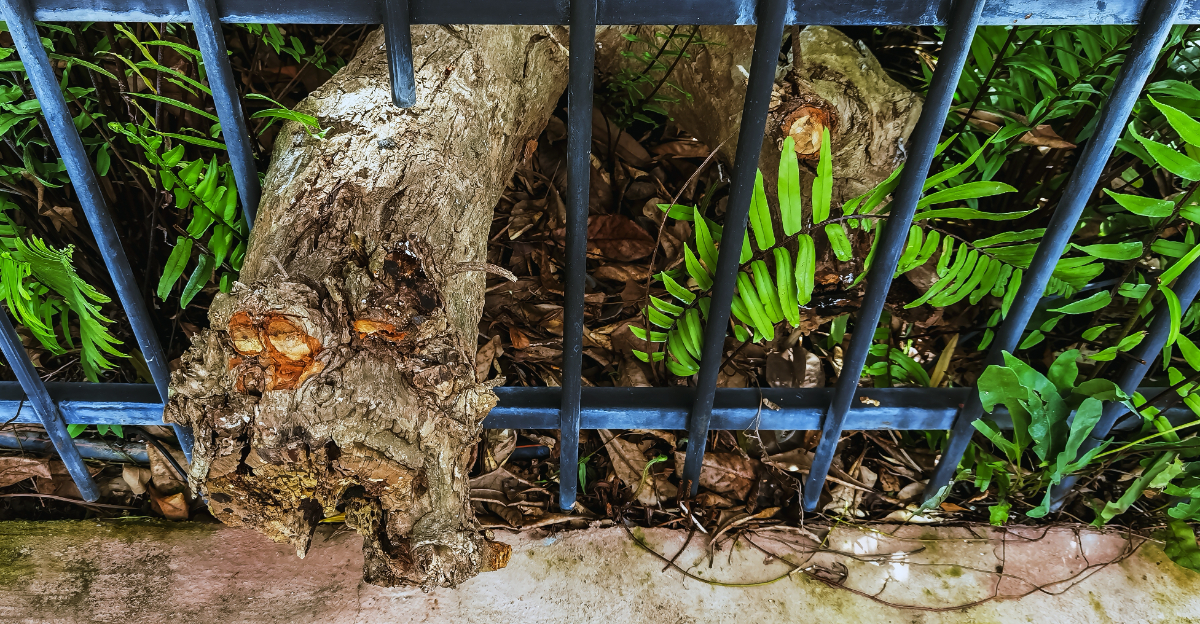
Tree roots do not care where one yard ends and the next one begins. In Oregon, that can turn a quiet neighbor situation into a very awkward backyard problem.
One tree may look harmless above ground, while its roots sneak under fences, lift pavement, or push into garden beds next door.
Then the big question shows up. Who has to deal with it? The answer can feel simple at first, but property lines make things messy fast.
Homeowners may wonder what they can trim, what they should leave alone, and when damage changes the situation.
Nobody wants a root problem to turn into a neighbor feud with shovels involved. The tricky part is knowing the difference between a nuisance and a real responsibility.
Before cutting roots or blaming the tree owner, Oregon homeowners need to understand how these situations usually work.
1. The Property Line Is The Legal Limit
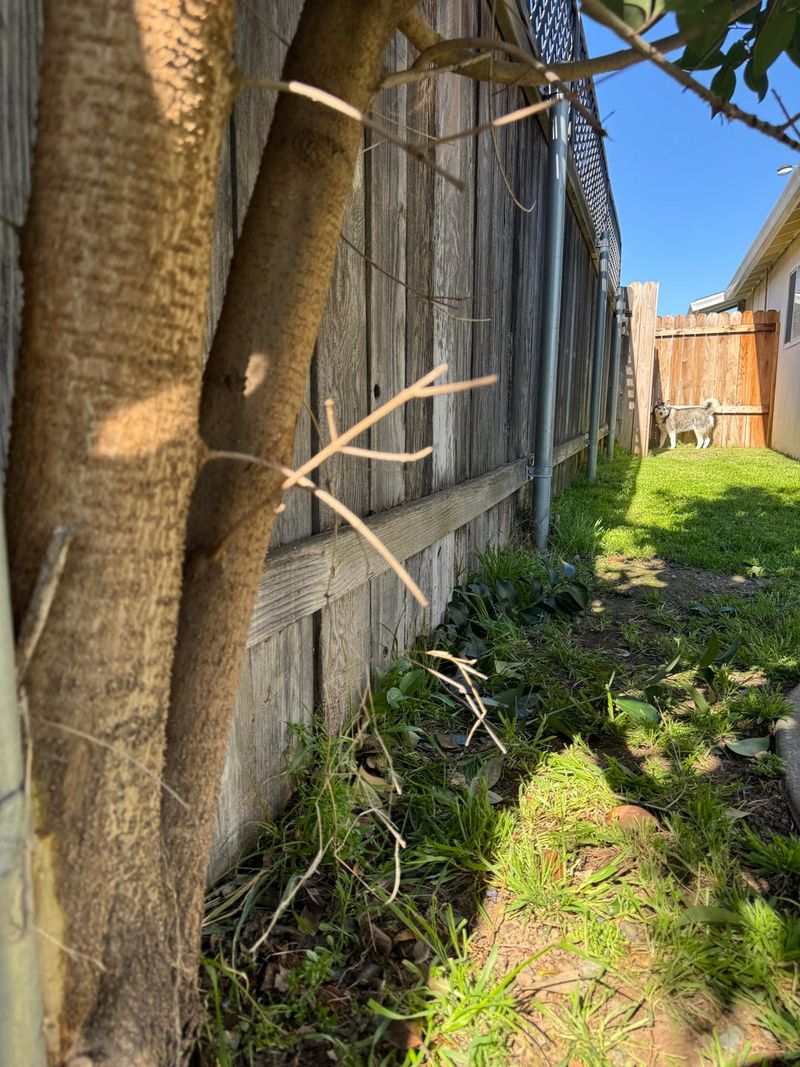
Property lines are more than just invisible markers on a map. In Oregon, they are legal boundaries that define where your rights begin and end.
When a neighbor’s tree roots cross that line and enter your yard, you do have some rights, but they are carefully limited by where that line sits.
Oregon follows what is commonly called the “self-help” rule. That means you may deal with encroaching roots, but only on your own side of the property line.
Portland’s neighbor-tree guidance makes this clear: you can prune limbs or roots that cross onto your property, but only up to the property line. Not one inch past it.
Before you pick up a shovel or call a contractor, you need to know exactly where your property line is. A survey map, your deed, or a licensed land surveyor can confirm this. Guessing is not good enough.
Cutting on the wrong side, even accidentally, can turn a simple root problem into a legal one.
Take time to confirm your boundary first. That single step can save you from a costly mistake later. Knowing your legal limit is the foundation of everything else that follows in this process.
2. Roots Can Be Cut Only From Your Side
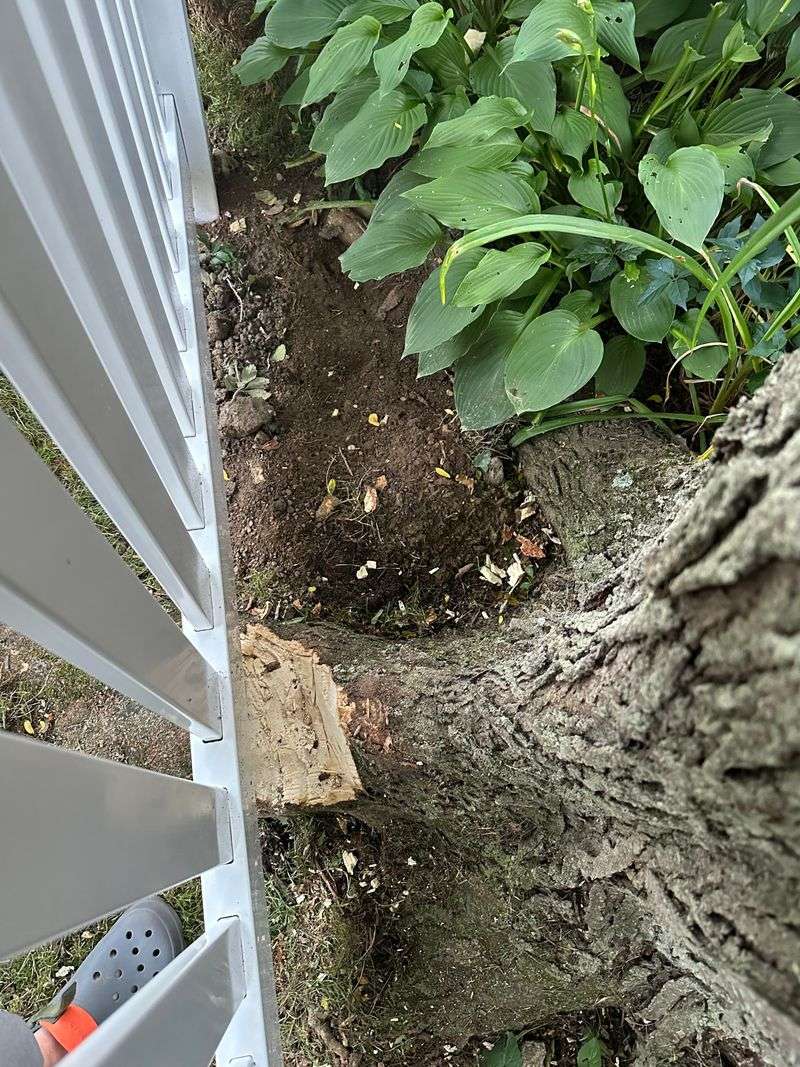
One of the most practical rights Oregon homeowners have is the ability to cut roots that cross onto their property.
But that right has a very firm rule attached to it: all cutting must happen from your side of the property line only. You cannot cross over, dig on the neighbor’s lawn, or reach tools into their yard.
Small feeder roots, the thin ones that spread wide but do not support the tree’s structure, are generally lower risk to cut.
Still, even small roots should be cut cleanly and carefully. Ragged cuts invite disease and can stress the tree unnecessarily.
A clean cut with the right tool is always the better choice. Structural roots are a completely different matter.
These are the thick, deep roots that keep the tree stable and supply it with water and nutrients.
The Oregon Department of Forestry notes that roots anchor trees, store energy, and deliver what the tree needs to survive.
Your Oregon Garden Changes Every Week. Your Plan Should Too.
Gardening in Oregon changes quickly throughout the season. Every Friday you’ll receive a simple weekly plan showing exactly what to plant, prune, fertilize, harvest, and protect so you never miss the right timing.
Cutting a structural root without professional guidance can weaken the entire tree. If the tree falls or declines after you cut a major root, you could be held responsible for the damage.
Always stay on your side, cut carefully, and get expert advice before touching any root that looks large or important to the tree’s stability.
3. You Cannot Enter The Neighbor’s Yard Without Permission
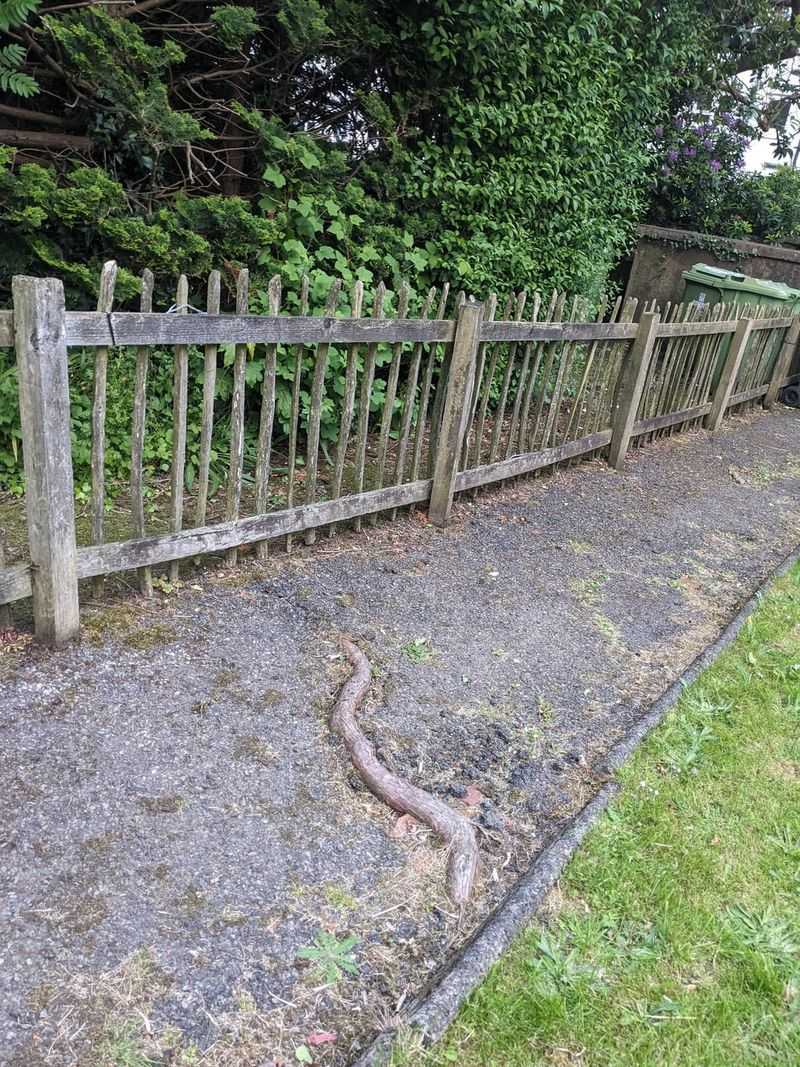
Even when roots are causing serious damage to your yard, driveway, or foundation, you do not have the legal right to enter your neighbor’s property to fix the problem. Oregon law is clear on this point.
Going onto someone else’s property without their permission is trespassing, plain and simple.
Portland’s neighbor-tree guidance specifically warns that homeowners may not go onto a neighbor’s property without permission.
This applies to digging, trenching, applying root barriers, or using any chemical treatments near the roots. None of those actions are allowed on the neighbor’s side without written consent.
The smart move is to talk to your neighbor first. A calm, respectful conversation can go a long way. Show them the damage, share your concerns, and ask if they would be willing to work together on a solution.
Many neighbors are willing to cooperate when approached kindly. If they agree to let you work on their side, get that agreement in writing before any work begins. A simple written note or email confirming their permission protects both of you.
If your neighbor refuses to cooperate and the damage is serious, consulting a property attorney or mediator is a reasonable next step.
Trying to handle it secretly by crossing the line will only create bigger legal problems for you down the road.
4. Large Roots Need An Arborist First
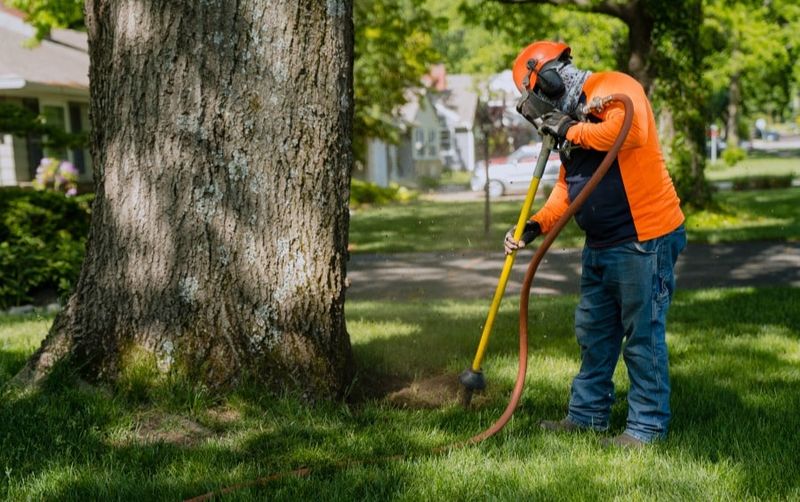
Not all roots are created equal. A thin feeder root near the surface is very different from a thick structural root that runs deep into the ground and connects directly to the tree’s base.
Before cutting anything large, bringing in a certified arborist is one of the smartest things you can do.
A certified arborist has the training to assess how important a root is to the tree’s health and stability.
They can tell you whether cutting it is likely to cause the tree to lean, weaken, or fail. That kind of professional opinion protects you legally and practically.
If something goes wrong after you cut a major root without expert guidance, it becomes very hard to defend yourself.
The Oregon Department of Forestry highlights that roots perform several essential jobs. They anchor the tree, transport water and nutrients, and store the energy the tree needs to grow and recover. Losing a major root is not a small event for the tree.
An arborist can also suggest alternatives, like root barriers, that redirect growth without cutting.
Getting that professional evaluation before you act is not an extra step; it is the responsible step. Many arborists offer initial consultations at low or no cost.
A short visit from a professional can prevent a much larger and more expensive problem later on.
5. Damaging The Tree Can Create Liability
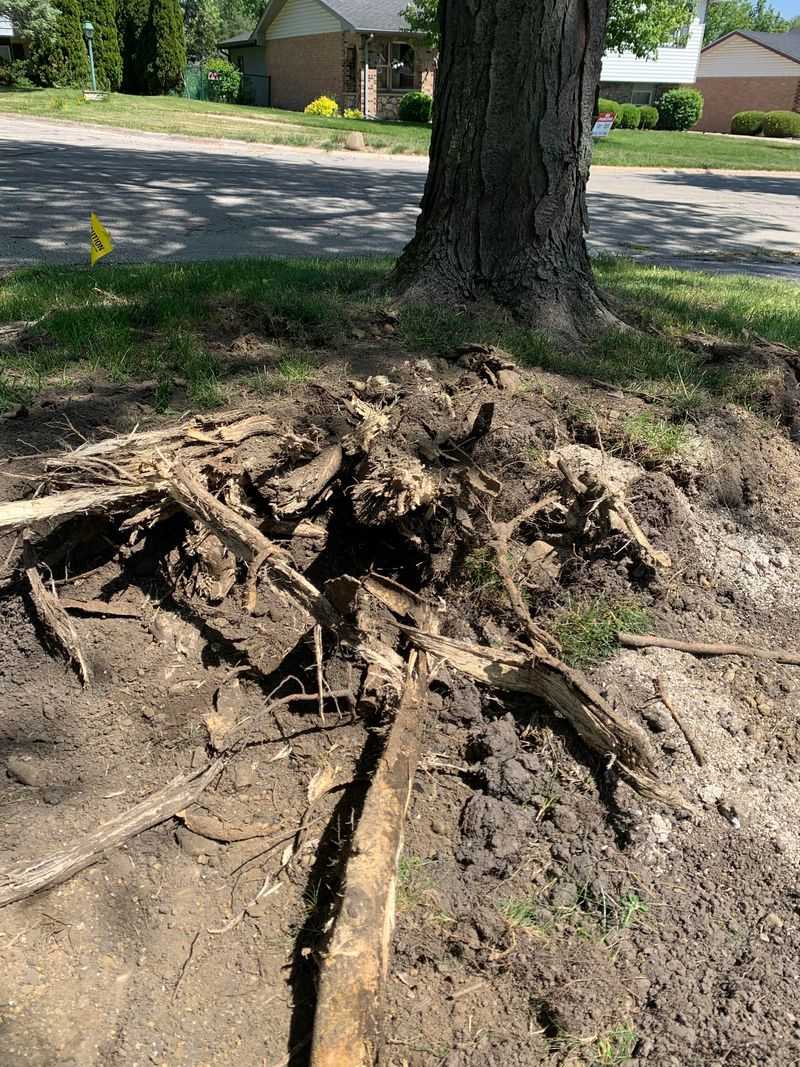
Here is something many homeowners do not expect: if your root cutting seriously harms or removes a neighbor’s tree, you could end up owing them money. Oregon law takes tree damage seriously, and the financial consequences can be steep.
Oregon Revised Statute 105.810 allows for treble damages in qualifying cases involving injury to or removal of trees or shrubs.
That means a court could order you to pay up to three times the value of the tree. For a mature, well-established tree, that value can be surprisingly high.
Portland’s neighbor-tree guidance echoes this warning clearly, noting that harming a neighbor’s tree can expose a homeowner to significant financial liability.
Root cutting that weakens a tree’s structure, causes it to lean dangerously, or leads to its eventual decline can all fall under this category.
Even if your intentions were good and you genuinely believed you had the right to cut, the outcome is what matters legally. That is exactly why getting an arborist involved before any major root work is so important.
Their professional assessment creates a record showing you acted responsibly. Cutting roots carelessly, without documentation or expert advice, leaves you wide open to a legal claim.
The cost of an arborist visit is nothing compared to a potential court judgment of three times the tree’s value.
6. Boundary Trees Require Extra Caution
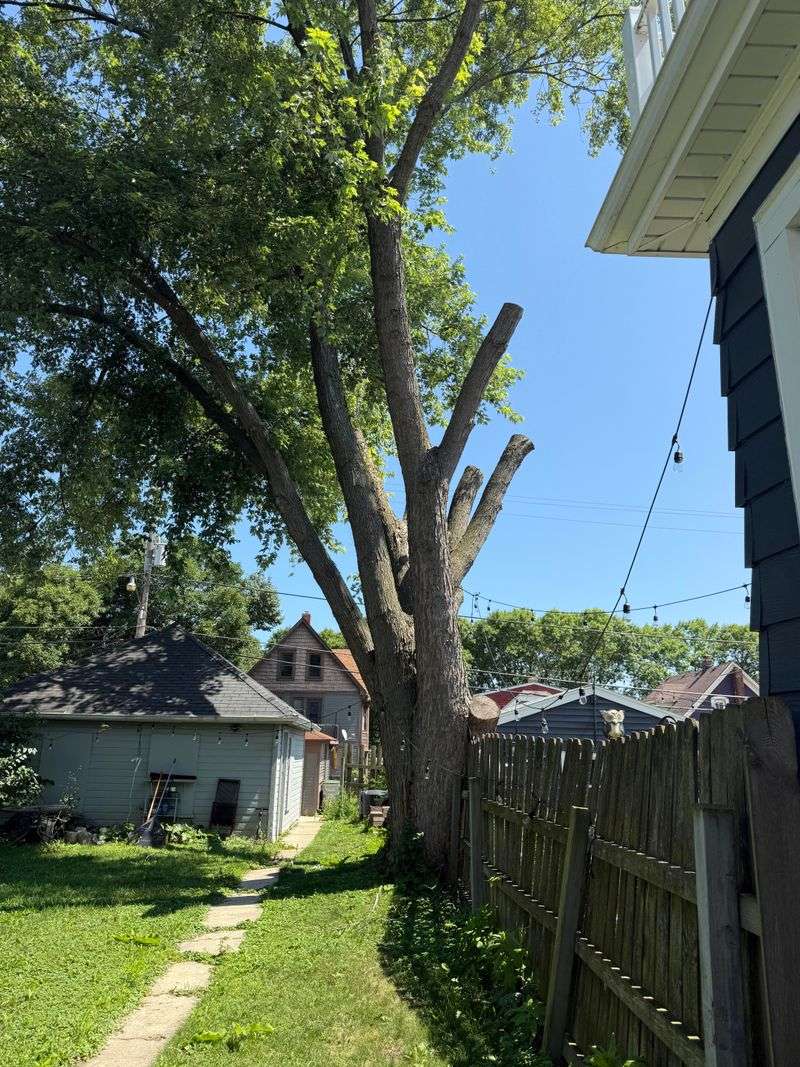
Most tree disputes involve a tree that clearly sits on one side of the property line. But sometimes the trunk itself sits right on the line.
That situation creates a different kind of ownership and a different set of rules that both neighbors need to understand.
Portland’s neighbor-tree guidance describes this as a “boundary tree.” A boundary tree is legally owned by all property owners whose land the trunk touches.
That shared ownership means neither neighbor can prune, remove, or significantly alter the tree without the other’s consent. It is a shared asset, and it carries shared responsibility.
When it comes to roots from a boundary tree, the caution level goes up even further. Because both neighbors own the tree together, any root cutting that harms the tree could be seen as damaging shared property.
That opens the door to disputes and potential legal claims from the other owner. Before doing anything with a boundary tree’s roots, both neighbors should agree on a plan in writing.
Bringing in a certified arborist to assess the situation together is a wise move. Having a shared professional opinion makes it easier to agree on a course of action.
Never assume that because the roots are on your side, you have full freedom to cut them if the trunk itself straddles the line.
7. Sidewalk Or Sewer Damage Changes The Conversation
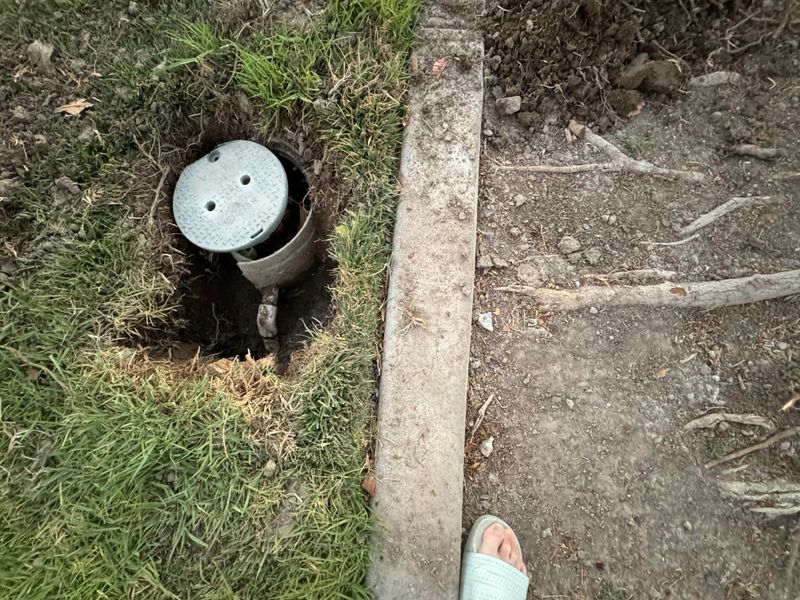
When tree roots damage private landscaping, it is mostly a dispute between neighbors. But when those roots start cracking sidewalks or breaking into sewer lines, the conversation gets more complicated and more people get involved.
In many Oregon cities, sidewalks are the homeowner’s responsibility to maintain, even if a street tree caused the damage.
That means you might be financially responsible for a cracked sidewalk caused by roots from a tree you did not even plant.
Checking your city’s specific rules on sidewalk maintenance is an important early step if you notice root-related cracking near the street.
Sewer line damage is another serious concern. Tree roots are naturally drawn to water sources, and sewer pipes are a prime target. When roots get inside a sewer line, the repair costs can be significant.
In these cases, your city’s public works department or utility provider may need to be contacted.
Some cities have specific processes for reporting and handling root intrusions in public infrastructure.
Documenting the damage with clear photos and getting a plumber or arborist to confirm the cause is essential before pursuing any repair claims.
Whether the city or the neighboring property owner shares responsibility often depends on where the tree is located and what local ordinances say. Always check local rules before assuming who pays.
8. Permits May Apply In Some Oregon Cities
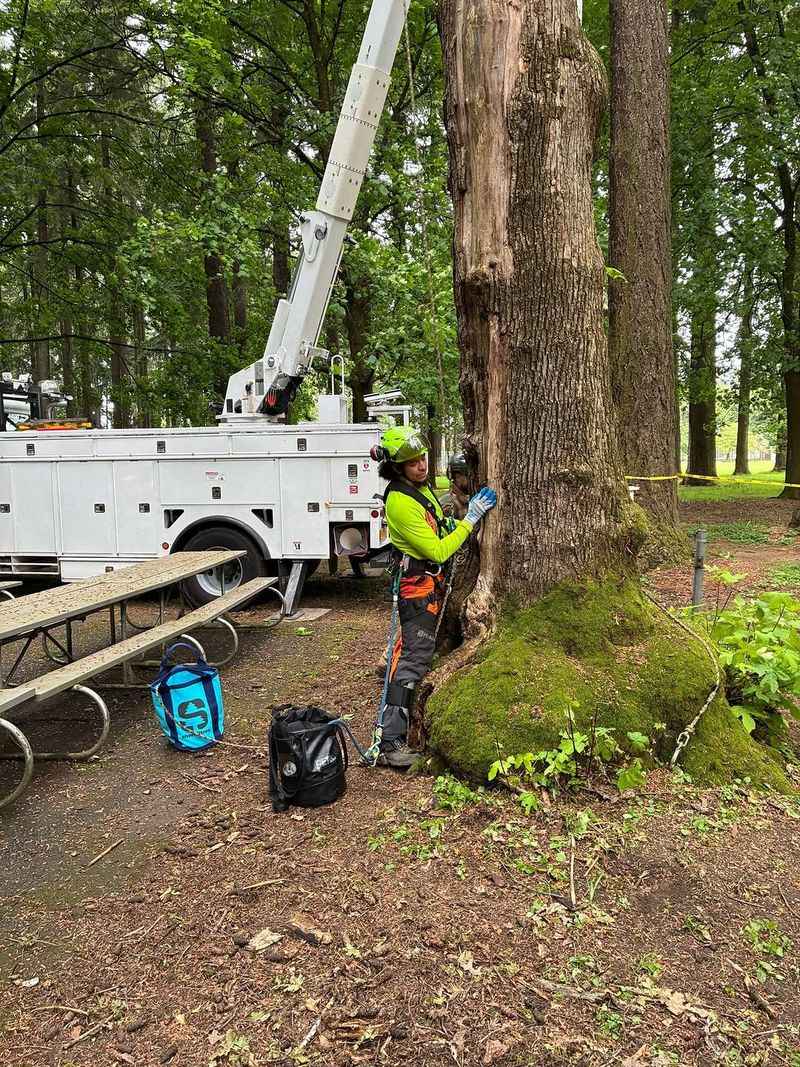
Oregon is not just one set of rules. Each city can have its own tree codes, and some of those codes require permits before any significant tree work is done.
Skipping the permit step can lead to fines, forced replanting requirements, or other penalties that make the original root problem look small.
Portland is a good example. The city has a detailed tree permit process that covers pruning, removal, and even root pruning in some cases.
Heritage trees, street trees, and trees in certain zones may all fall under specific protections.
What is allowed in one neighborhood might require a permit in another. Eugene, Salem, and other Oregon cities may have their own versions of these rules.
Before starting any significant root work, especially if it involves a street tree or a tree near a public right-of-way, contact your city’s urban forestry or planning department.
Ask specifically about root pruning permits and whether your situation requires a review. This is a quick phone call or website visit that can save you from a fine or a forced restoration project.
Some cities even offer free on-site evaluations for tree-related concerns. Taking the time to check local rules is not just a legal precaution; it shows you are a responsible neighbor and property owner who respects the community’s shared environment.
9. Document The Damage Before Cutting
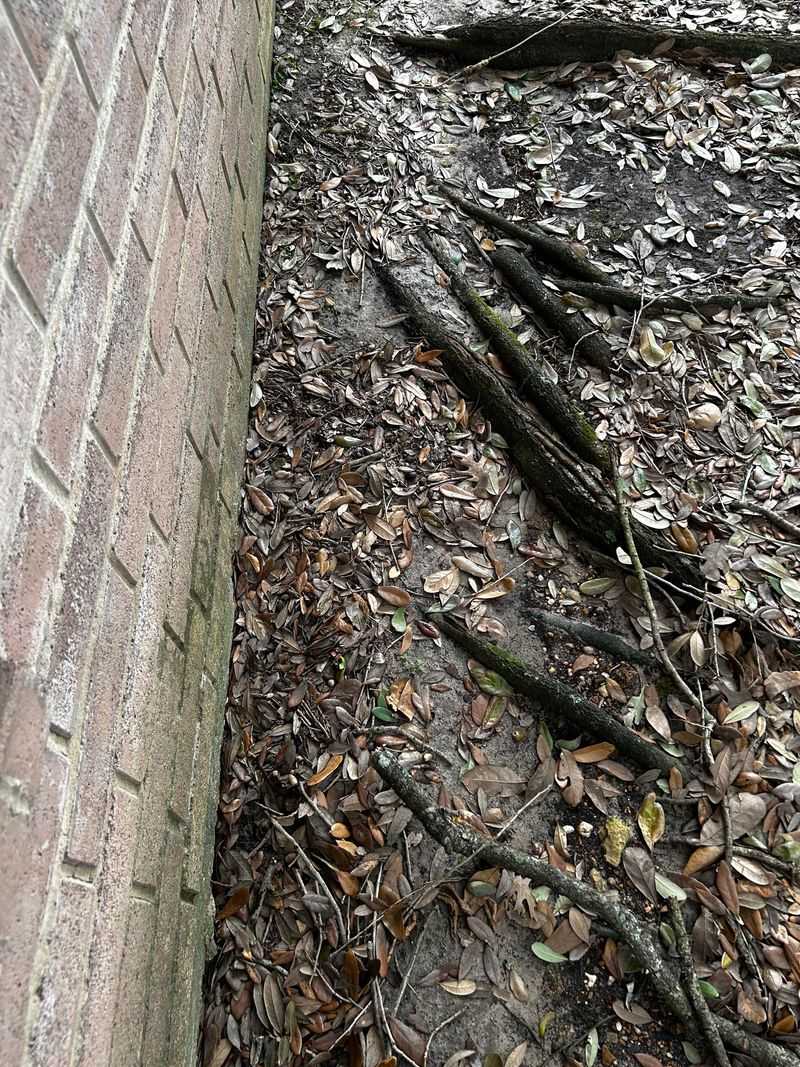
Before any tools come out, your first move should always be documentation. Taking clear, dated photos of the damage gives you a factual record that protects you if any dispute arises later. This step costs nothing and can be invaluable.
Photograph the damaged area from multiple angles. Capture the roots clearly, show how far they extend, and document any property damage they have caused, whether that is a cracked driveway, lifted patio stones, or damaged foundation.
If possible, take a wide shot that shows the tree, the property line, and the damage all in one frame.
Write down the date and a short description of what you observed. After documenting the damage, identify the exact property line using your survey records or deed.
Then talk to your neighbor before doing anything else. Let them know what you found and give them a chance to respond.
Check your local city rules for any permit requirements. If the roots are large or near the tree’s base, schedule a consultation with a certified arborist. Only after completing these steps should you consider any cutting.
Having this documentation also helps if you need to file an insurance claim, pursue mediation, or consult a property attorney.
The few minutes it takes to document carefully can make a significant difference in how any future dispute gets resolved. Always protect yourself with a clear paper trail.