These Are The Drought-Tolerant Oregon Native Plants That Handle Dry Summers Alone
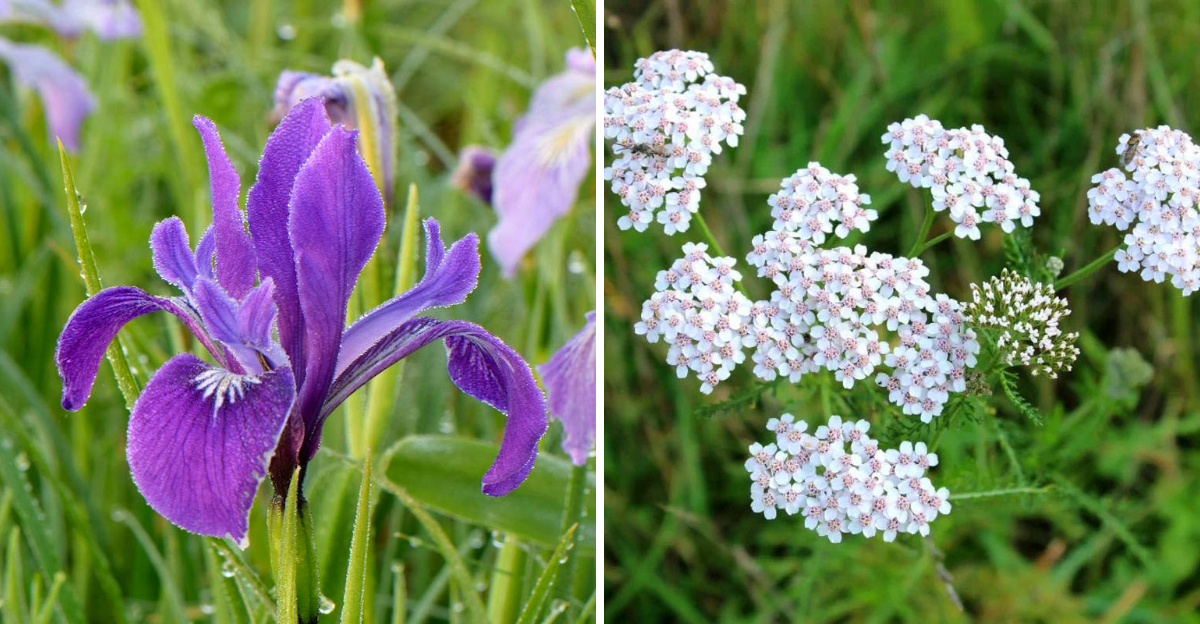
Oregon summers have a reputation that surprises a lot of new gardeners.
The same state that spends half the year under grey skies and steady rain can flip the script completely by July, turning into weeks of sunshine with zero precipitation and not a single apology about it.
Suddenly that lush spring garden needs a lot of attention, and the water bill starts making itself known.
Here’s the good news though: Oregon’s native plants have been handling this exact situation for thousands of years without any help from a garden hose.
They developed deep roots, clever water-storing tricks, and serious staying power long before irrigation was even a concept. Plant the right natives now and your garden can cruise through the dry season looking fantastic without the drama.
1. Tall Oregon Grape Handles Dry Summers Well
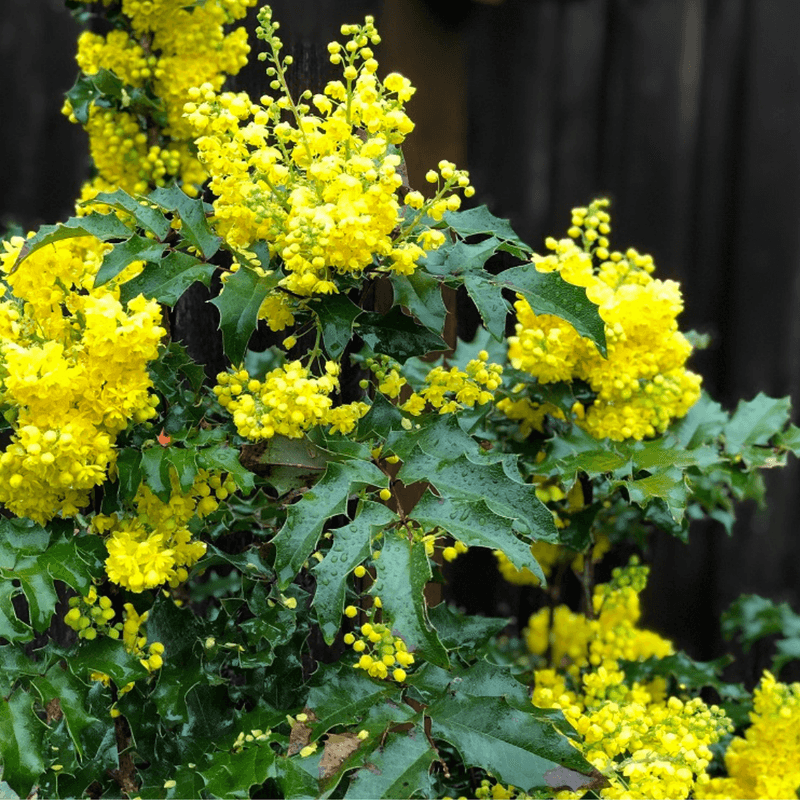
Few plants carry as much Oregon identity as Tall Oregon Grape, the state’s official flower and a true workhorse in dry landscapes. Once its root system settles in, this shrub handles summer drought with a calm resilience that many gardeners come to rely on.
It asks for very little once established, making it a practical choice for dry borders and native plantings.
The plant grows upright, typically reaching four to six feet tall, with bold, spiny leaflets that stay deep green through the dry months.
In late winter and early spring, clusters of bright yellow flowers appear before the heat sets in, adding early color when the garden needs it most.
By late summer, those flowers become dark blue-purple berries that attract birds and add visual interest.
Tall Oregon Grape adapts well to partial shade or full sun, though it tends to look its best with some afternoon shade in hotter inland valleys. Well-drained soil suits it well, and it handles lean, rocky ground without complaint.
Gardeners who want a structural native shrub that stays attractive through dry summers without constant watering will find this one earns its place.
2. Cascade Oregon Grape Spreads In Dry Spaces
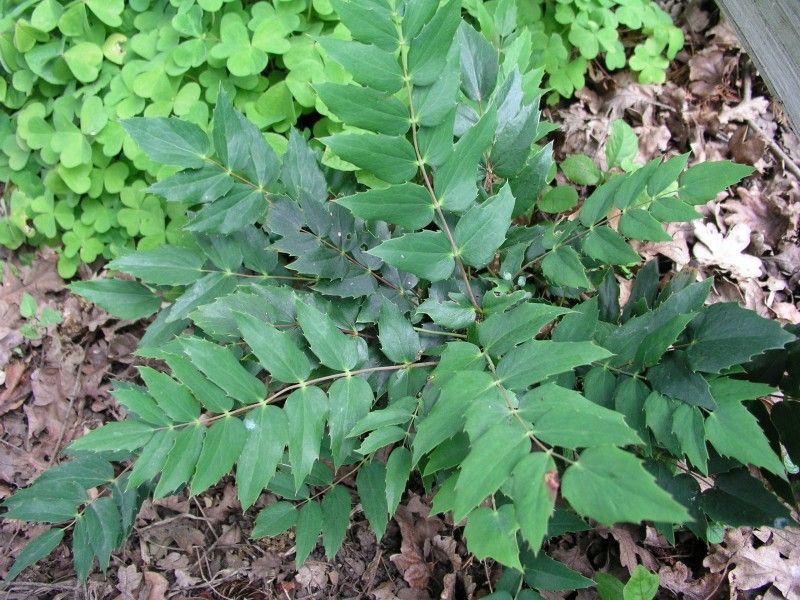
Where a low, spreading groundcover is needed on a dry slope or under established trees, Cascade Oregon Grape earns serious attention.
Unlike its taller relative, this species stays low to the ground, typically reaching only one to two feet in height while spreading steadily outward to fill open spaces.
That spreading habit makes it genuinely useful for dry areas where other plants tend to struggle.
Cascade Oregon Grape thrives in the dry shade that forms under conifers, a situation that challenges many garden plants.
Its smaller leaflets have the same spiny texture as Tall Oregon Grape, and the plant produces similar clusters of yellow flowers in spring followed by dusty blue berries in late summer.
The foliage often takes on warm reddish or bronze tones in winter, giving it seasonal interest beyond the dry summer months.
This plant grows naturally across Oregon’s forest understories and rocky hillsides, so it brings genuine regional character to a home garden. Establishment watering helps it settle in during its first season or two, but once rooted, it handles dry summers with minimal help.
Your Oregon Garden Changes Every Week. Your Plan Should Too.
Gardening in Oregon changes quickly throughout the season. Every Friday you’ll receive a simple weekly plan showing exactly what to plant, prune, fertilize, harvest, and protect so you never miss the right timing.
Gardeners looking to cover dry ground under trees without reaching for the hose regularly will find Cascade Oregon Grape a reliable and attractive solution.
3. Pinemat Manzanita Thrives In Tough Dry Spots
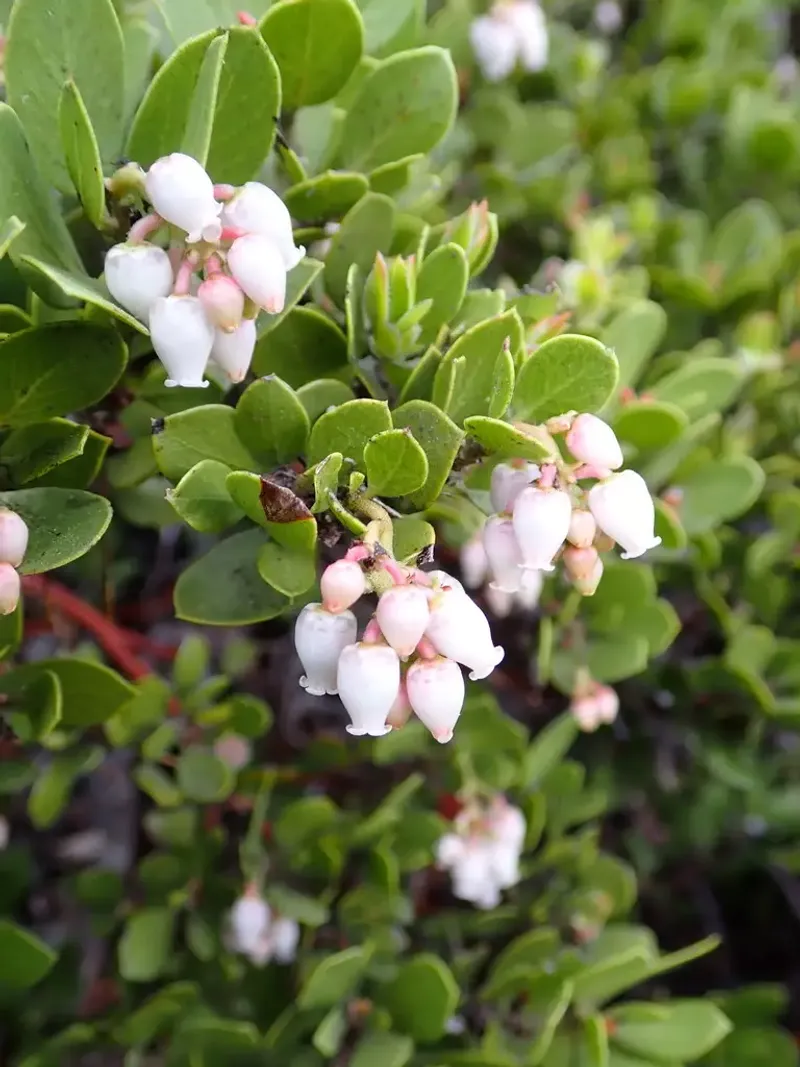
Rocky slopes and gravelly hillsides that leave most plants looking ragged are exactly where Pinemat Manzanita feels at home.
This low-growing native shrub hugs the ground in a dense, spreading mat, making it one of the more interesting groundcover options for dry, exposed sites in gardens.
Its small, glossy leaves stay green through summer heat that would stress many other plants.
In early spring, Pinemat Manzanita produces clusters of small, urn-shaped flowers in soft pink or white that attract early pollinators before much else is blooming.
The plant tends to spread slowly but steadily, filling in rocky or gravelly ground where soil quality is low and moisture is scarce.
That combination of traits makes it particularly well-suited to gravel gardens, dry rock gardens, and sloped native plantings across Oregon.
Pinemat Manzanita is native to higher elevations in the Cascades and surrounding ranges, so it handles cold winters in addition to dry summers, giving it a broader range of usefulness in Oregon landscapes.
Excellent drainage matters more than soil richness for this plant.
Gardeners who are working with challenging dry, rocky sites and want a low-maintenance native that rewards patience with steady, attractive coverage will find Pinemat Manzanita worth trying.
4. Oregon Sunshine Brightens Dry Summer Beds
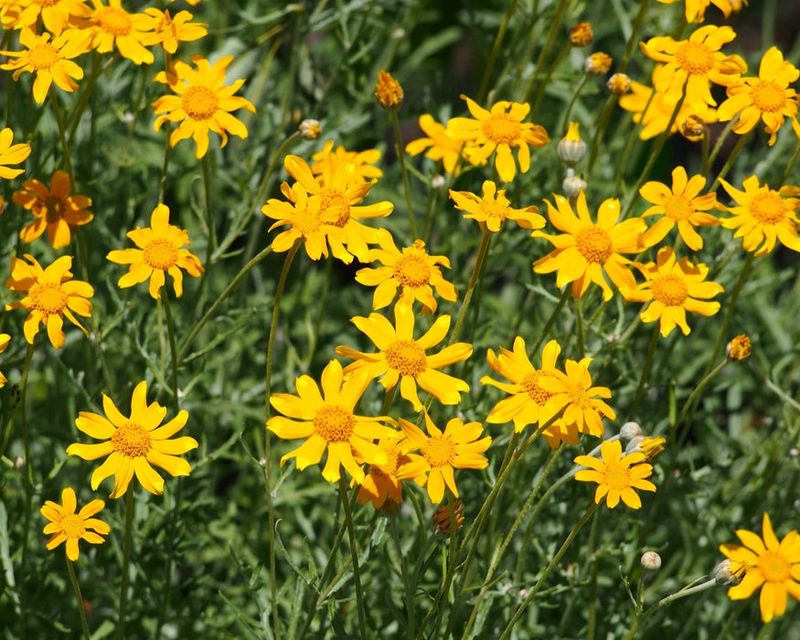
When much of the garden starts fading under summer sun, Oregon Sunshine keeps its cheerful yellow flowers going with very little water to support them.
The common name fits perfectly because this native perennial seems to collect sunlight and reflect it back in waves of golden-yellow blooms that light up dry garden beds from late spring well into summer.
It is one of the more reliably colorful options for a waterwise planting.
The plant forms low mounds of woolly, silvery-green foliage that stays attractive even when it is not in flower.
That soft, textured foliage is part of what makes Oregon Sunshine drought-tolerant, as the fine hairs on the leaves help reduce moisture loss during dry spells.
The combination of silvery leaves and bright yellow flowers creates a pleasing contrast that works well in mixed native plantings and sunny dry borders.
Oregon Sunshine grows naturally on rocky slopes, open meadows, and dry hillsides, so it is well-adapted to lean soils with good drainage. Rich, moist soils can actually cause problems, leading to floppy growth and reduced longevity.
Giving it a sunny spot with well-drained, even gravelly soil tends to bring out the best performance through dry summer months.
5. Idaho Fescue Adds Texture With Less Water
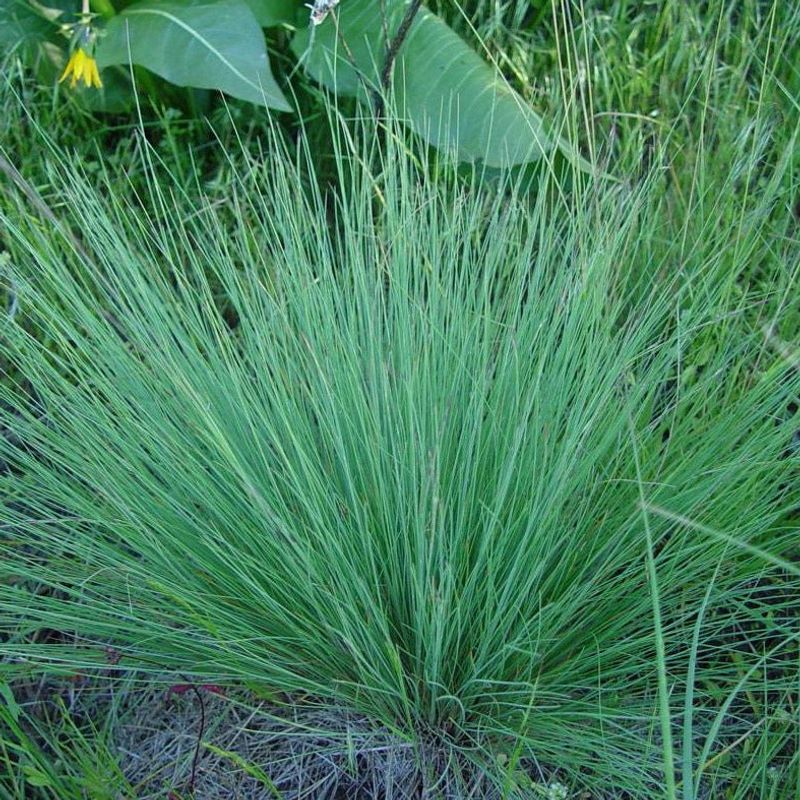
Ornamental grasses bring a kind of movement and texture to a garden that flowering plants simply cannot replicate, and Idaho Fescue does that job beautifully without needing much water once it gets settled.
The fine, blue-green blades form tidy, rounded clumps that sway gently in a breeze, adding softness to dry borders and rocky native plantings across Oregon.
It is a plant that earns attention for what it does quietly and consistently.
Idaho Fescue grows naturally across Oregon’s dry meadows, rocky slopes, and open hillsides, and that native range tells you a lot about what conditions it prefers.
It handles full sun and lean, well-drained soils with ease, and its cool-season growth pattern means it looks its freshest in spring and fall when moisture is more available.
During the dry summer months, it may go somewhat dormant or slow down, which is a normal and healthy response rather than a cause for concern.
In a home garden, Idaho Fescue works well as an edging plant, a groundcover on dry slopes, or as a textural contrast alongside broader-leafed native perennials. Dividing clumps every few years helps keep them looking full and healthy.
Gardeners who want structure, texture, and a reliable native presence in a dry sunny bed will find this grass a smart addition to the planting palette.
6. Oregon Iris Handles Dry Summers Once Established
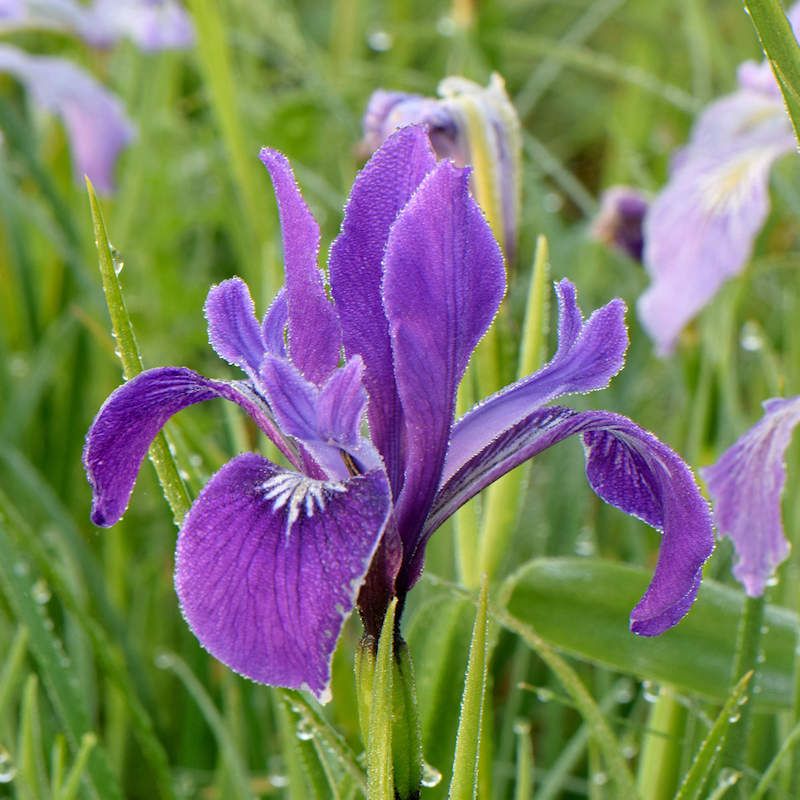
There is something quietly elegant about Oregon Iris blooming in late spring, its delicate purple and white flowers rising from slender, grass-like foliage just as the dry season starts to approach.
This native iris is one of Oregon’s most charming wildflowers, and it transitions from a woodland edge plant to a surprisingly capable dry garden performer once it has had time to establish a strong root system.
That establishment period is important and worth respecting.
Oregon Iris grows naturally in open woodlands, grassy meadows, and along roadsides throughout western Oregon, often in soils that drain quickly and dry out by midsummer.
That native habitat tells you the plant is genuinely adapted to summer drought, not just tolerant of it.
Once its roots are settled, it handles the dry months without much intervention, going semi-dormant as a natural response to summer conditions.
In a home garden, Oregon Iris fits well along dry borders, in native meadow plantings, or at the edge of a lightly shaded area where summer dryness is the norm.
The foliage stays relatively tidy through the season, and the plant spreads slowly into small clumps over time.
Gardeners in western Oregon especially will find this iris a rewarding native choice that connects the garden to the broader regional landscape.
7. Common Yarrow Keeps Going In Dry Weather
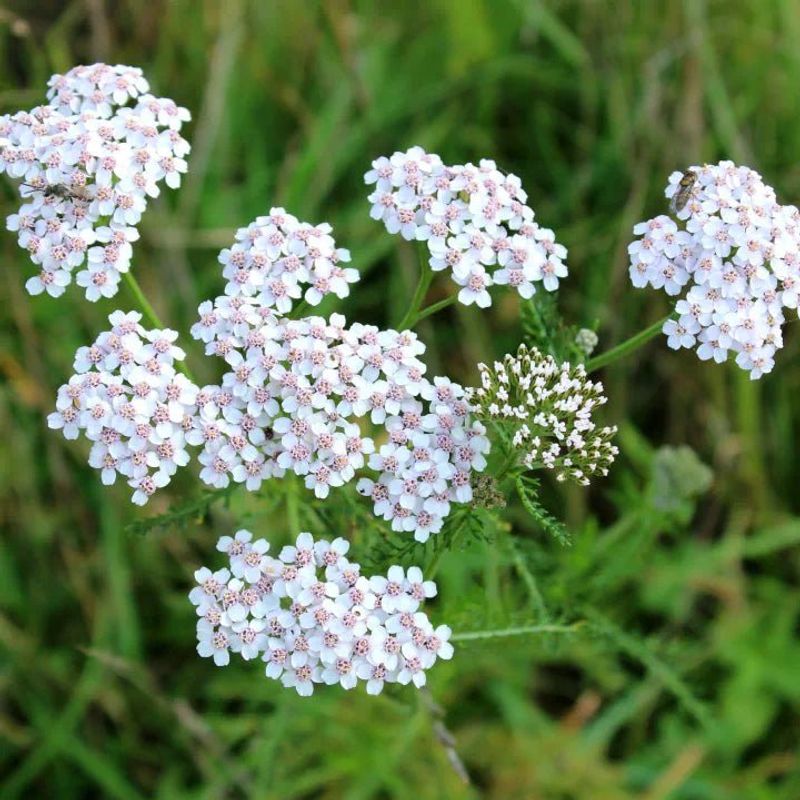
Yarrow has been growing in Oregon’s dry meadows, roadsides, and open hillsides for a very long time, and that track record says something meaningful about its staying power in summer-dry conditions.
Common Yarrow is one of those plants that keeps producing flowers when the rest of the garden is struggling, offering flat-topped clusters of white blooms above feathery, aromatic foliage well into the dry season.
It does not ask for much in return.
The finely cut leaves of Common Yarrow are part of its drought-resistance strategy, reducing the surface area exposed to drying sun and wind.
The plant spreads through rhizomes over time, gradually filling in dry, open areas with a soft, textured carpet of foliage.
That spreading habit can be an asset in a dry native bed or a gravel garden where coverage is the goal, though it may need occasional management in smaller plantings.
Common Yarrow handles full sun and poor, well-drained soils with ease, and it tends to become floppy or prone to issues when given rich, moist conditions. In an Oregon garden, planting it in a lean, sunny spot lets it perform closer to how it grows in the wild.
The flowers attract a wide range of beneficial insects, adding ecological value alongside its practical drought tolerance.
8. Barestem Biscuitroot Thrives In Dry Rocky Soil
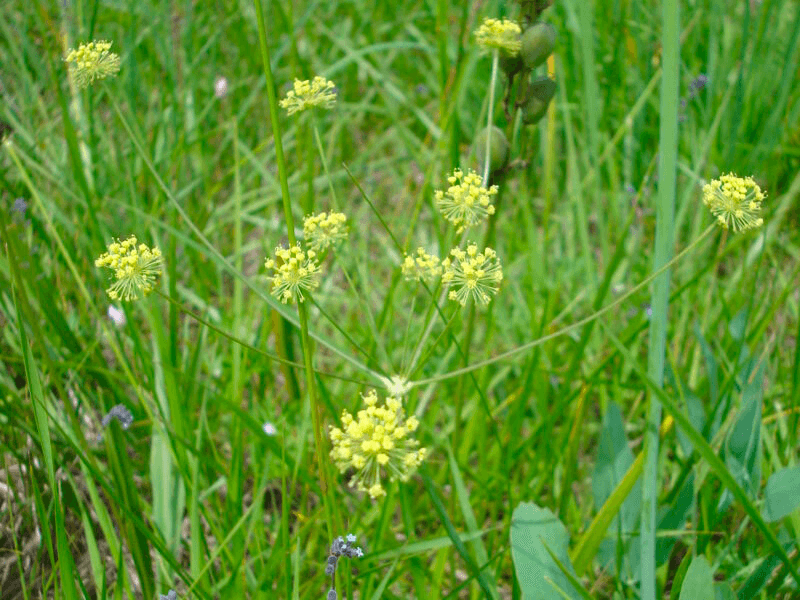
Dry, rocky ground that discourages most garden plants is exactly the kind of site where Barestem Biscuitroot quietly flourishes.
This native perennial belongs to the carrot family and grows naturally across Oregon’s rocky slopes, basalt outcrops, and dry open hillsides, making it genuinely well-suited to the challenging conditions that many gardeners face on sloped or gravelly sites.
Its blue-green foliage alone gives it a distinct presence in a dry native planting.
Barestem Biscuitroot blooms in spring with small clusters of yellow flowers held on upright stems above the foliage. The flowering happens early, often while soil moisture is still available, and the plant then retreats into summer dormancy as conditions dry out.
That cycle is a natural and efficient adaptation rather than a weakness, and the plant re-emerges reliably when fall moisture returns.
Because it goes dormant in summer, Barestem Biscuitroot works best when combined with other plants that provide visual interest through the dry months.
Pairing it with low ornamental grasses or spreading groundcovers helps fill the space it vacates.
The roots of plants in this genus were historically used as food by Indigenous peoples of the Pacific Northwest, giving Barestem Biscuitroot a cultural depth that adds another layer of meaning to growing it in a garden.
9. Roundleaf Alumroot Holds Up In Dry Spaces
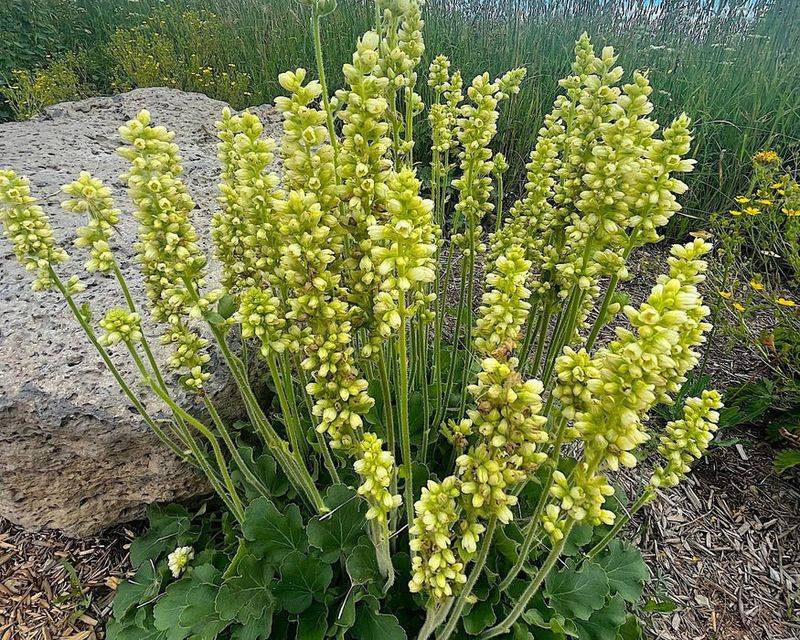
Shaded dry spots under Oregon’s trees and along rocky outcrops present a real gardening challenge, and Roundleaf Alumroot is one of the natives that genuinely rises to meet it.
This low-growing perennial forms tidy clumps of rounded, slightly lobed leaves that stay attractive through the dry season, even in spots where both shade and summer drought combine to make plant selection tricky.
It is a plant that earns its spot by handling conditions others cannot.
In late spring and early summer, Roundleaf Alumroot sends up slender, wiry flower spikes topped with small, creamy or greenish-white flowers.
The flower spikes add vertical interest above the low foliage clumps, and they attract small pollinators without requiring any supplemental watering once the plant is established.
The foliage itself is the main attraction through the rest of the season, providing steady green texture in dry shaded corners.
Roundleaf Alumroot grows naturally on rocky slopes, cliff faces, and shaded canyon walls across Oregon, which explains its comfort with lean soils and limited moisture.
Excellent drainage is more important than soil fertility for this plant, and it tends to do better with some shade than in full, blazing sun.
Gardeners dealing with dry shade under large trees or along a north-facing rocky slope will find Roundleaf Alumroot a genuinely practical and attractive native choice.