These Are The Oregon Native Plants That Establish In Shade Under Douglas Fir Trees
Growing anything under a Douglas fir is one of the more humbling experiences in an Oregon garden.
The canopy blocks light, the roots compete hard for water, and the soil tends to be dry and acidic in a way that shuts down most plants fast.
A lot of gardeners give up on those shaded patches and just leave them bare or covered in wood chips. The good news is that Oregon has native plants that evolved in exactly these conditions.
They did not just adapt to life under conifers. That is where they belong. Deep shade, dry summer soil, and acidic ground are not obstacles for these plants. They are home.
Getting the right ones established under a Douglas fir turns one of the most frustrating spots in the yard into something that looks intentional and fills in reliably year after year.
1. Sword Fern
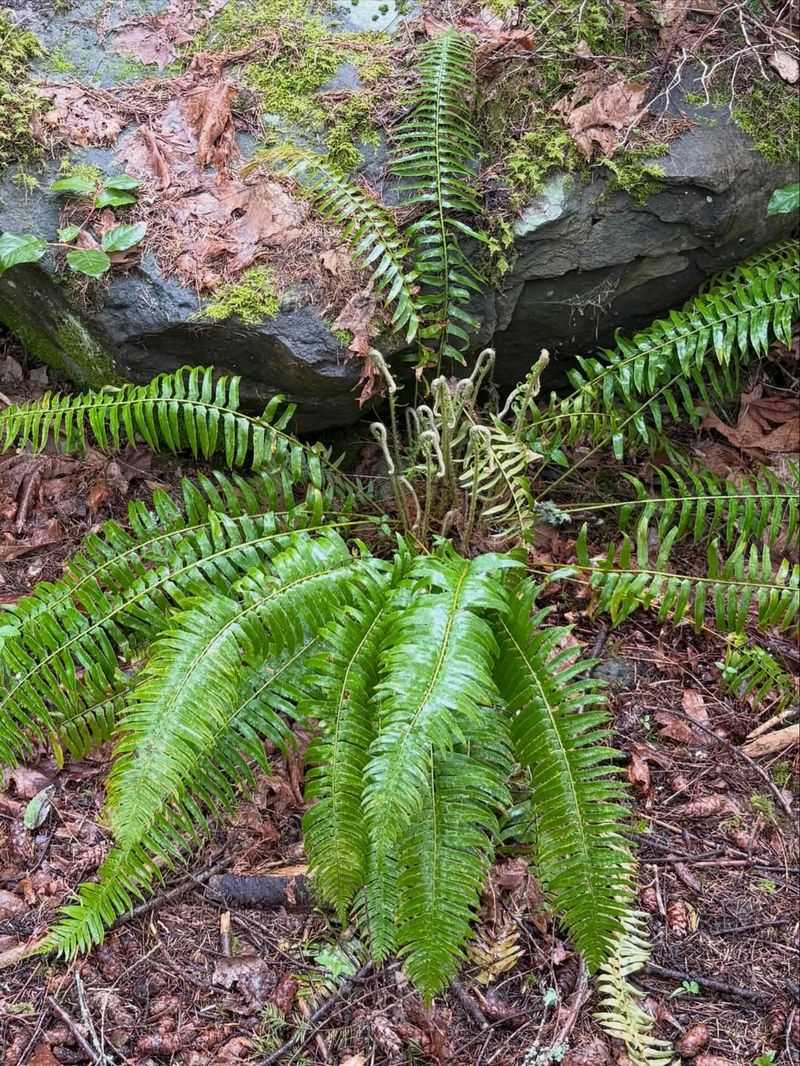
Few plants are as dependable under a Douglas fir as the sword fern. Known by its scientific name Polystichum munitum, this evergreen fern has been thriving on the Pacific Northwest forest floor for a very long time.
Its bold, arching fronds can reach up to four feet long, creating a full and dramatic look even in the deepest shade.
What makes it such a great fit under Douglas firs is its ability to handle dry, root-filled soil. Once established, sword ferns are incredibly drought-tolerant.
They do not need much water, rich soil, or extra fertilizer to look good. That is a big deal when you are working with the challenging conditions that exist beneath big conifers.
Planting sword ferns is pretty simple. Dig a hole just slightly larger than the root ball, place the fern in at the same depth it was growing before, and water it well for the first season.
After that, it largely takes care of itself. Space plants about two to three feet apart to give them room to spread.
Wildlife also benefits from sword ferns. Deer tend to leave them alone, and birds use the dense foliage for cover.
The fronds stay green all year, so your shaded garden bed never looks bare or tired. For a reliable, low-effort ground layer under Douglas firs, sword fern is hard to beat.
2. Salal
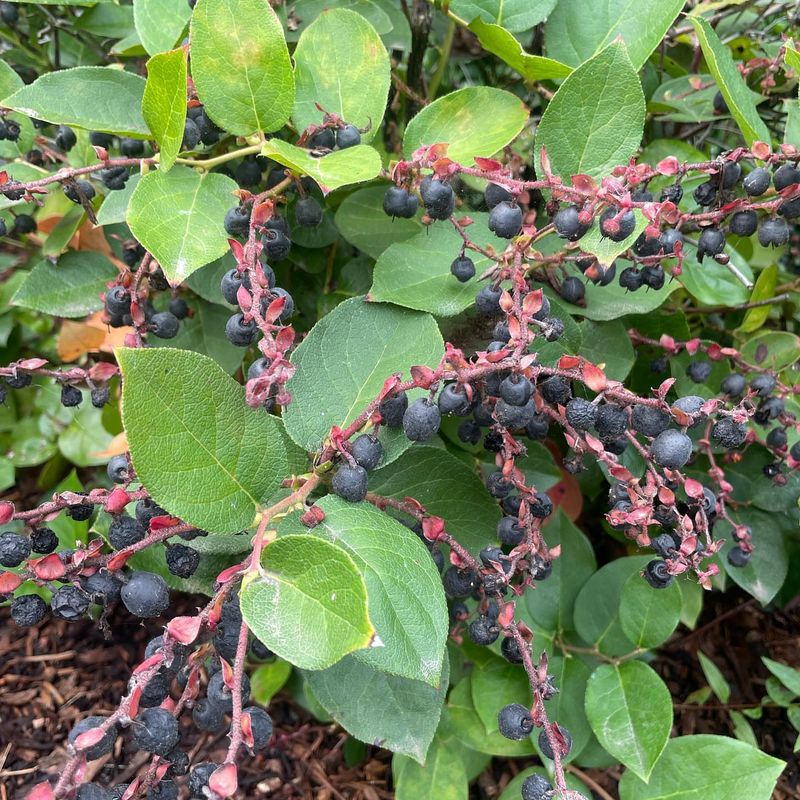
Salal is one of those plants that quietly does everything right. This low-growing evergreen shrub, known scientifically as Gaultheria shallon, is a staple of the Pacific Northwest forest understory.
It grows happily in the dry, acidic shade beneath Douglas firs, which is exactly the kind of environment that sends most plants running.
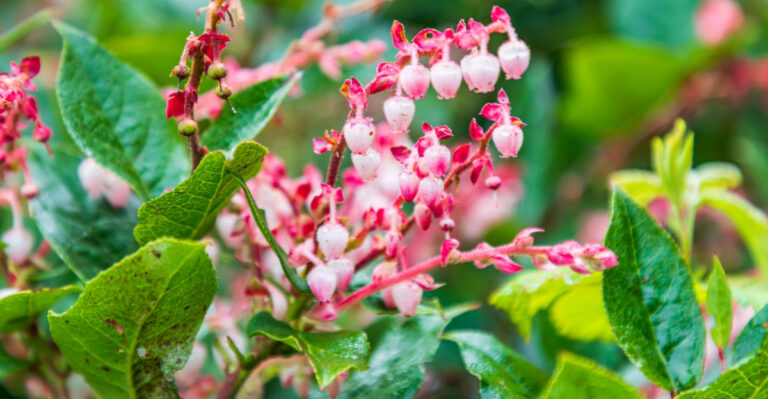
The leaves are thick, waxy, and dark green, giving salal a polished look year-round. In late spring, it produces small, bell-shaped pink or white flowers that hang in clusters.
Those flowers turn into dark purple-black berries by late summer. Birds absolutely love those berries, so planting salal is a great way to invite more wildlife into your yard.
Salal spreads slowly by underground stems, gradually forming a dense mat that helps suppress weeds. That spreading habit makes it a smart ground cover choice for larger shaded areas.
Your Oregon Garden Changes Every Week. Your Plan Should Too.
Gardening in Oregon changes quickly throughout the season. Every Friday you’ll receive a simple weekly plan showing exactly what to plant, prune, fertilize, harvest, and protect so you never miss the right timing.
It typically grows one to five feet tall depending on conditions, and it can handle a fair amount of competition from tree roots.
Did you know that Indigenous peoples of the Pacific Northwest used salal berries as an important food source for thousands of years? The berries were eaten fresh and dried into cakes.
Today, salal branches are popular in the floral industry for their long-lasting foliage. It is a plant with deep roots in the natural and cultural history, and it earns its place in any native garden.
3. Oregon Oxalis
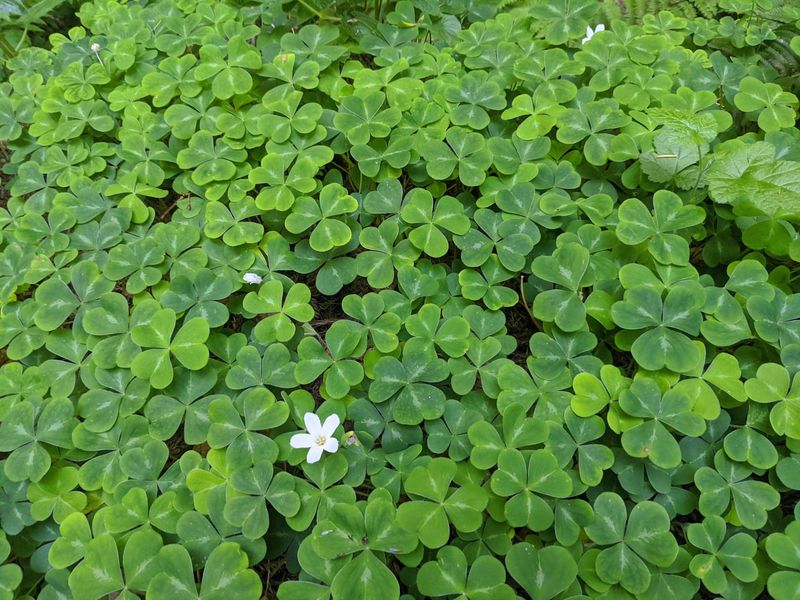
There is something almost magical about Oregon oxalis. Also called Oregon wood sorrel, this low-growing perennial creates a soft, bright green carpet across the forest floor.
Its clover-shaped leaves are cheerful and fresh, and they fold up at night or when the light changes, which is one of the coolest things to watch in a garden.
Scientifically known as Oxalis oregana, this plant is perfectly suited to the moist, shaded conditions under Douglas firs. It can handle poor, root-dense soil, and it spreads gently by underground rhizomes to fill in open spaces over time.
The small pink or white flowers bloom in spring and sometimes again in fall, adding a delicate touch to the forest floor.
Oregon oxalis works beautifully as a ground cover in woodland gardens. It stays low, usually only a few inches tall, so it never competes with taller understory plants.
It also tolerates foot traffic better than many delicate plants, making it practical for areas near garden paths.
One thing to keep in mind is that Oregon oxalis prefers some moisture, especially when getting established. Water it regularly during the first dry season to help it settle in.
After that, it becomes more self-sufficient. Pair it with sword fern or salal for a layered, natural look that mimics what you would find in an old-growth forest.
It is simple, beautiful, and genuinely at home under those big trees.
4. Inside-Out Flower
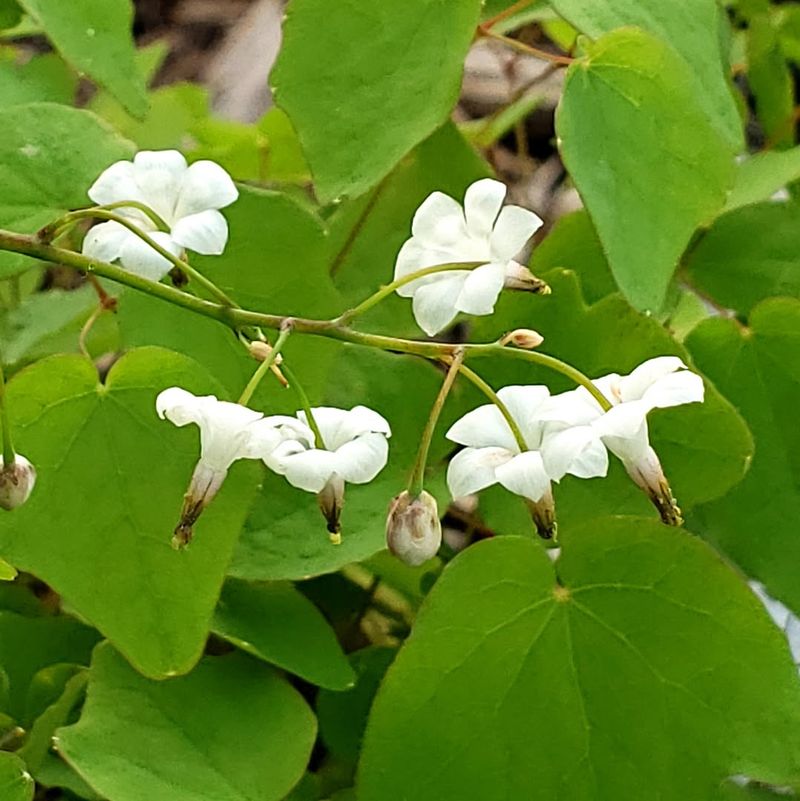
The name alone makes you curious, and the plant absolutely delivers. Inside-out flower, or Vancouveria hexandra, gets its quirky name from the way its tiny white petals sweep sharply backward, almost like they are turned inside out.
Up close, the blooms are surprisingly intricate and elegant for such a modest woodland plant.
Native to the forests of the Pacific Northwest, inside-out flower grows naturally in the shaded understory beneath conifers like Douglas fir. It forms delicate, low-growing colonies that spread slowly by rhizomes.
The foliage is airy and compound, with small rounded leaflets that bring a fine texture to the garden floor. It typically grows about one foot tall.
This plant blooms in late spring, sending up thin, wiry stems topped with those distinctive reflexed white flowers. The blooms are small but charming, and they tend to sway gently in any breeze.
After flowering, the plant focuses its energy on spreading and filling in space, creating a soft, layered ground cover effect.
Inside-out flower is a good choice for gardeners who want something a little different. It is not as commonly planted as sword fern or salal, which makes it a fun conversation starter.
It pairs well with other woodland natives and handles the dry summer conditions under Douglas firs reasonably well once established. Give it a season or two to settle in, and it will reward you with years of quiet, understated charm.
5. Vanillaleaf
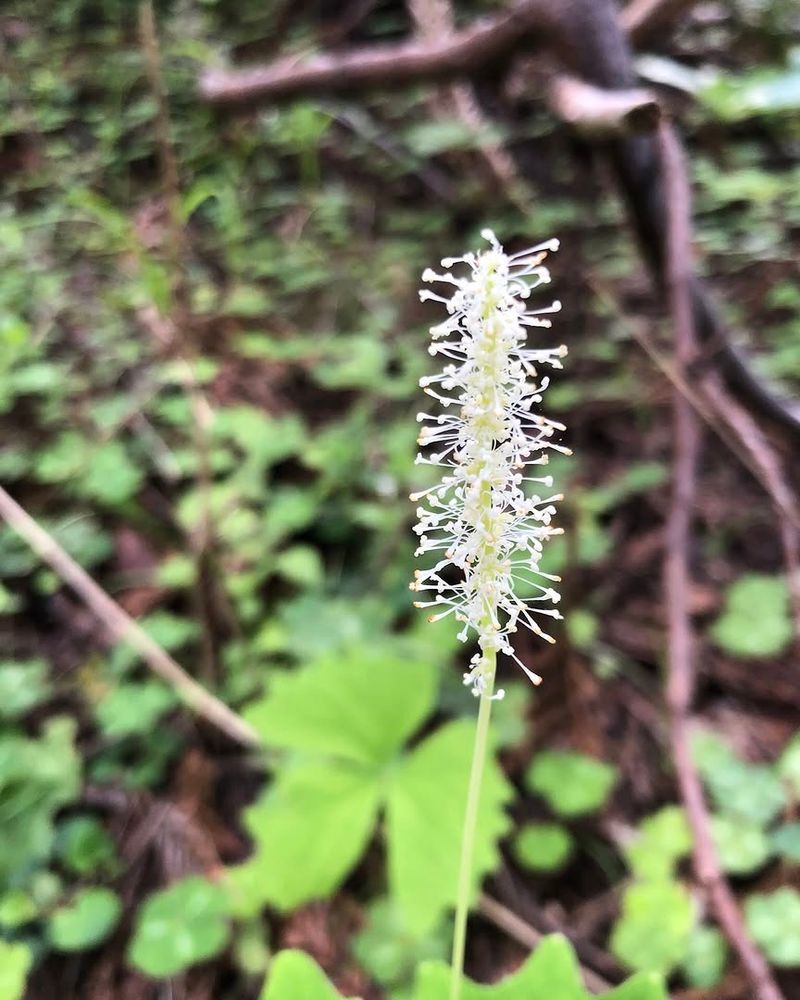
Crush a dried leaf of vanillaleaf and you will understand the name instantly. This unusual native plant, known scientifically as Achlys triphylla, releases a sweet vanilla-like scent when its leaves are dried or bruised.
That fragrance alone makes it one of the most memorable plants you can grow in a shaded woodland garden.
Vanillaleaf grows naturally in the moist, shaded forest understory across the state and the broader Pacific Northwest. Each plant produces a single stem topped with three large, fan-shaped leaflets that look almost tropical in their boldness.
In late spring, a slender spike of tiny white flowers rises above the foliage, creating a soft and graceful display.
This plant spreads by underground rhizomes, gradually forming colonies that fill in shaded areas beautifully. It typically stays under two feet tall, making it a great mid-layer plant between low ground covers and taller shrubs.
It does best in moist, humus-rich soil, so adding a layer of leaf mulch around the base can help it establish more quickly under dry Douglas firs.
Vanillaleaf is not always easy to find at native plant nurseries, but it is worth seeking out. Once established, it is a real showstopper in a woodland garden.
The combination of bold foliage, delicate flowers, and that surprising scent makes it stand out from the usual shade plants. Indigenous communities historically used dried vanillaleaf as a natural insect repellent, tucking bundles into homes and storage areas.
That is a fascinating piece of plant history worth sharing.
6. Wild Ginger
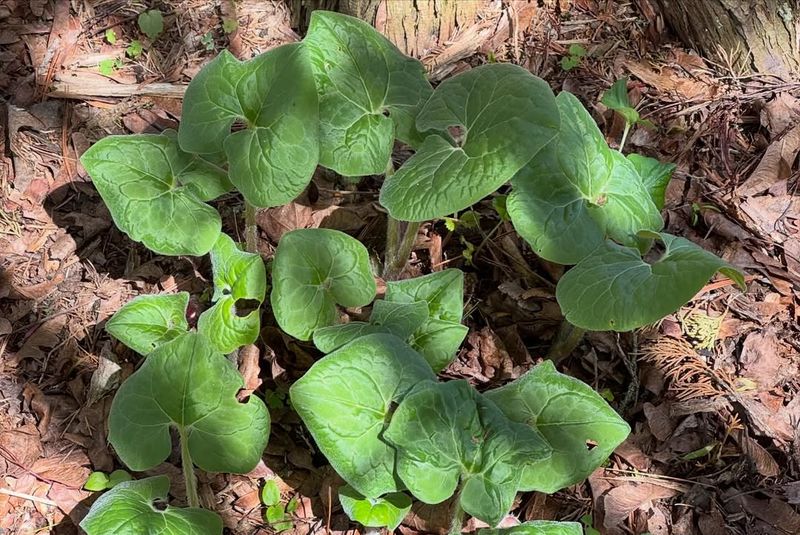
Wild ginger has a secret. Tucked beneath its dense carpet of heart-shaped leaves, this low-growing native hides curious, brownish-purple flowers right at the soil level.
Most people never even notice them because the blooms are hidden under the foliage, close to the ground. That hidden quality gives wild ginger a mysterious, storybook charm.
Asarum caudatum is the scientific name for Pacific wild ginger, and it is one of the most effective ground covers you can plant under Douglas firs. The glossy, dark green leaves overlap thickly, creating a lush mat that suppresses weeds and looks great year-round.
It spreads steadily by rhizomes, eventually filling in large shaded areas without becoming aggressive or unruly.
Despite its name, Pacific wild ginger is not related to culinary ginger. However, the roots do have a ginger-like scent when crushed.
It prefers moist, shaded conditions but adapts reasonably well to the drier soil found under big conifers, especially if given some supplemental water during the first summer or two.
From a design standpoint, wild ginger is incredibly versatile. It works as a ground cover on its own, or it can be combined with taller plants like sword fern for a layered woodland look.
Slugs can sometimes be a problem, but healthy plants usually recover quickly. For anyone who wants a dense, weed-smothering, visually rich ground cover that truly belongs in an Oregon forest garden, wild ginger is a top-tier choice worth every bit of effort to establish.
7. Western Starflower
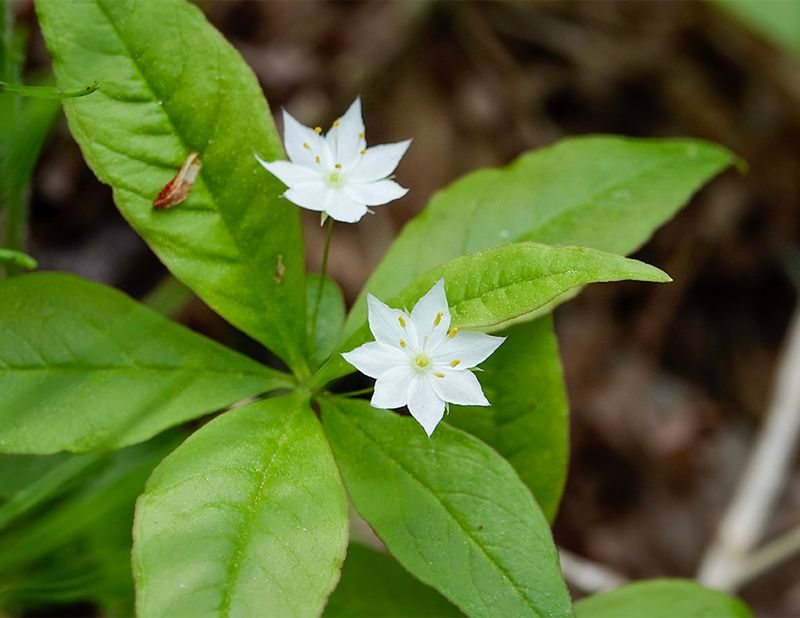
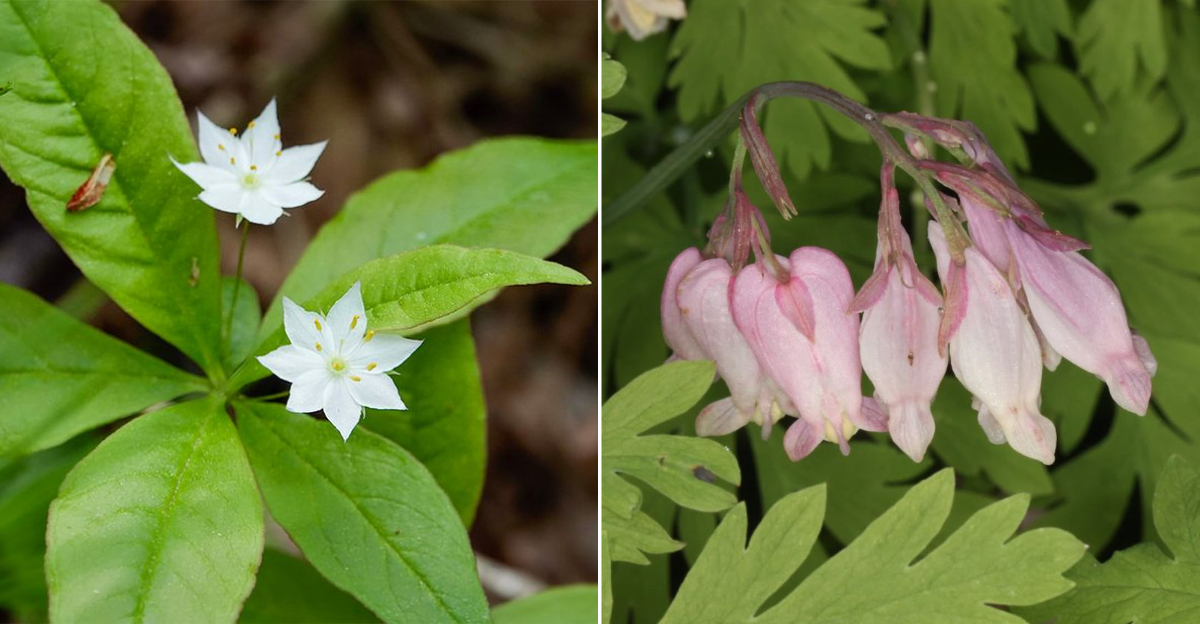
Tiny but completely captivating, western starflower is the kind of plant that makes you stop and look twice. Each slender stem rises just a few inches above a neat whorl of bright green leaves, topped with one or more star-shaped pink flowers.
The whole plant is so delicate it almost looks like something from a fairy tale.
Known scientifically as Trientalis latifolia, western starflower is native to conifer forests throughout the Pacific Northwest. It grows naturally in the shaded understory beneath Douglas firs, cedars, and other big trees.
The plant blooms in late spring, and while the flowers are small, they are surprisingly showy when a whole colony of plants blooms together.
Western starflower grows from small underground corms and spreads slowly to form loose colonies over time. It stays very low, usually only three to six inches tall, so it works best as part of a layered planting rather than as a stand-alone feature.
Pair it with Oregon oxalis or wild ginger for a natural woodland carpet effect that feels genuinely authentic.
This plant is not always easy to establish from seed or transplant, so patience is important. Look for starts at native plant sales or specialty nurseries.
Once it finds its footing in the right shaded spot with decent moisture, it tends to persist for years. Western starflower is a quiet reminder that some of the most beautiful things in nature come in small packages, and a shaded Douglas fir garden is richer for having it.
8. Pacific Bleedingheart
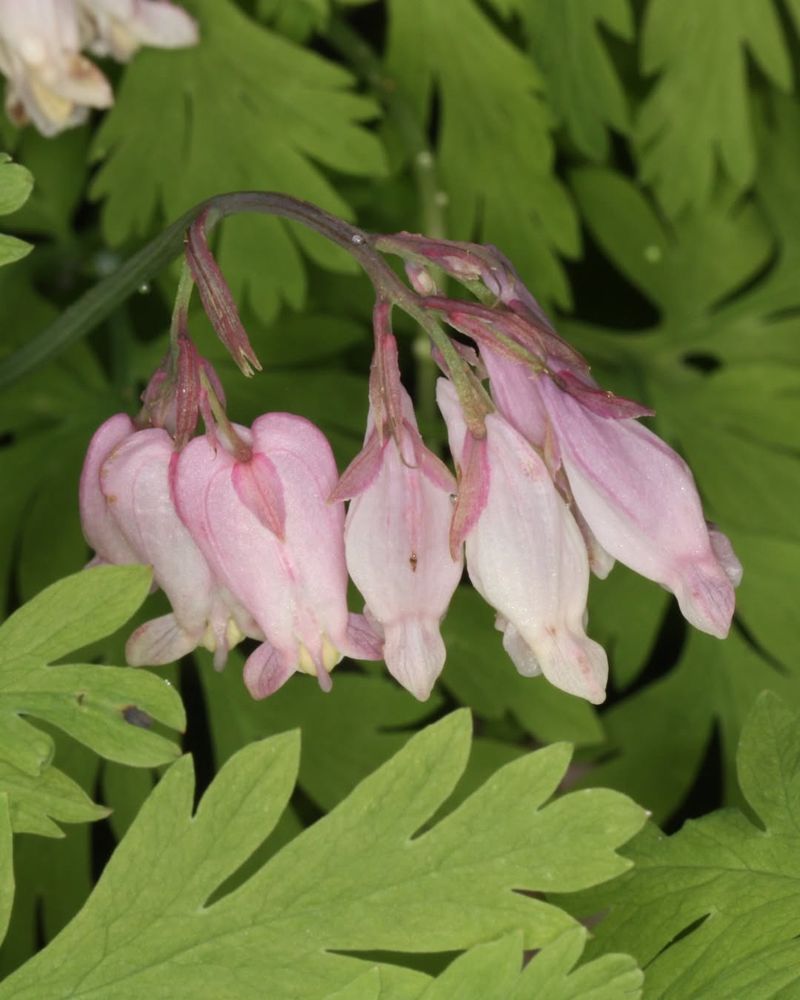
Few native plants bring as much color and texture to a shaded garden as Pacific bleedingheart. The feathery, blue-green foliage alone is worth growing it for, but the clusters of dangling pink, heart-shaped flowers that appear in spring take things to a whole new level.
It is one of those plants that stops people in their tracks the first time they see it in bloom.
Dicentra formosa is native to moist, shaded forests across the Pacific Northwest, including under Douglas firs. It grows from spreading rhizomes and can form generous colonies over time.
The foliage stays attractive through the season, and in mild years it may remain semi-evergreen, keeping the garden looking full even in winter.
Blooming typically begins in early spring and can continue into summer, especially in cooler or moister spots. Hummingbirds are attracted to the flowers, which makes planting Pacific bleedingheart a great way to add some wildlife action to a quiet shaded corner.
The plant grows about one to two feet tall, making it a nice mid-layer option in a layered woodland planting scheme.
For best results, plant it in soil with some organic matter and keep it watered during the first dry season. After that, it handles dry summers fairly well, especially in deeper shade where soil moisture is more consistent.
Pacific bleedingheart is one of those native plants that feels like a true gift from the forest, bringing elegance, color, and life to spots where most garden plants simply refuse to grow.