Missouri Tree Laws Mean Business, And Violating Them Can Cost You
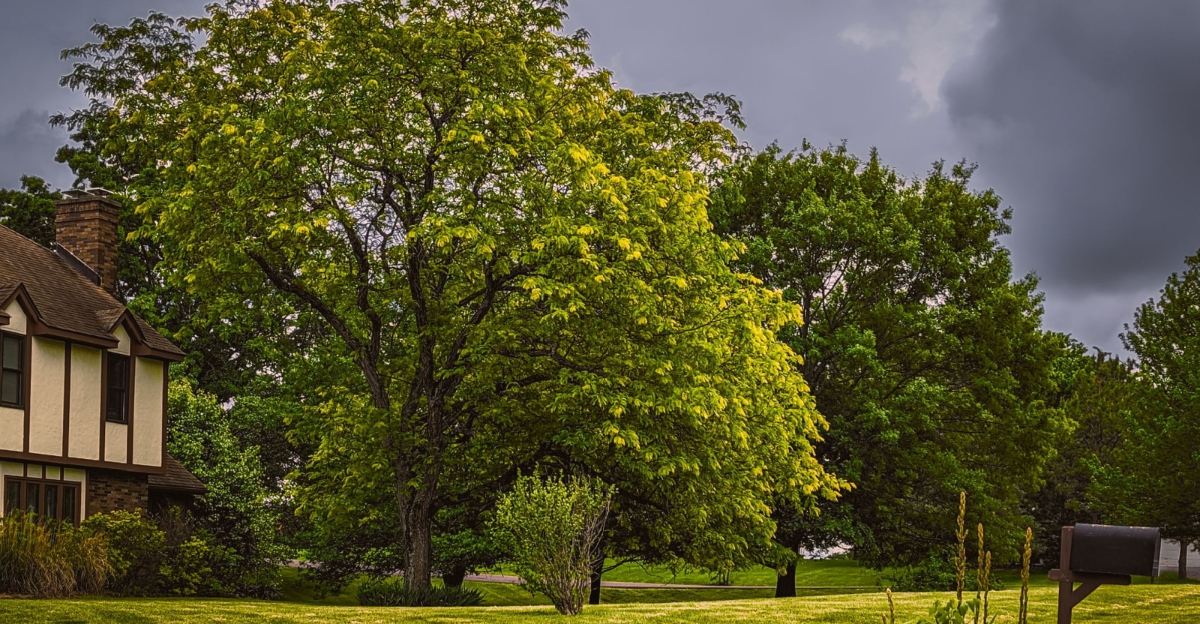
That tree in your backyard is not just a landscaping feature. In Missouri, it is a legal matter.
Trees here come with ownership rights, shared boundaries, and liability rules that most homeowners have never heard of.
There is even a law that can triple what you owe if you cut the wrong one.
Most people find this out after a neighborly disagreement turns into a court date.
Missouri Revised Statute § 537.340 is not light reading, but it is the kind of law that shows up with expensive consequences attached.
Before you reach for the pruning shears or call a tree service, it is worth knowing where you stand.
Understanding the rules now could save you money later.
Missouri’s Tree Laws Are Surprisingly Strict
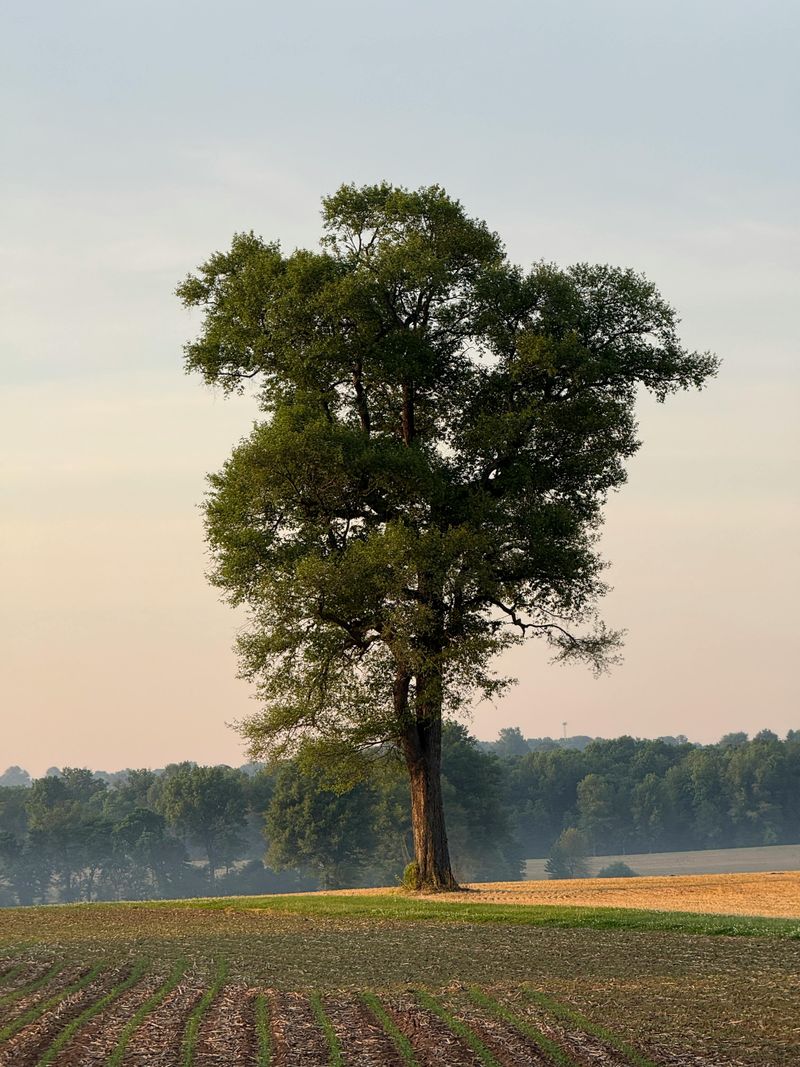
Image Credit: © Clinton Weaver / Pexels
Cutting down a tree sounds simple, but Missouri law treats unauthorized tree removal like a serious offense.
Missouri has a strong tree-damage statute, and some cities add local tree-protection rules.
Local ordinances in cities like Kansas City and St. Louis add even more layers on top of state law.
Many municipalities require permits before you touch certain trees, especially ones above a specific trunk diameter.
Skip that permit, and you could face fines before a single branch hits the ground.
In some municipalities, certain native species carry additional restrictions worth checking before any removal.
Private property does not give you unlimited rights over every tree on your land.
If a tree sits near a public right-of-way, city officials can have a say in what happens to it.
Knowing which trees on your property fall under local protection is step one in staying out of legal trouble.
A quick call to your city or county planning office can save you thousands of dollars and a massive headache.
Do not assume that because a tree is in your yard, you have total control over its fate.
The rules here mean business, and ignoring them is a gamble you do not want to take.
The “Triple Damages” Rule Can Get Expensive Fast

Here is the number that stops most people cold: three times the value of the tree.
Missouri Revised Statute § 537.340 covers timber trespass on another person’s property.
Under this law, courts can award triple damages when someone wrongfully cuts down or destroys trees they do not own.
That means if a tree is worth two thousand dollars, you could be on the hook for six thousand, plus legal fees.
It was designed to discourage people from thinking they can just pay a small fine and move on.
The triple damages penalty makes tree disputes one of the most financially punishing neighborhood conflicts out there.
Arborists may use appraisal methods such as the trunk formula technique.
According to certified arborists, a mature shade tree can be worth several thousand dollars depending on its size and species.
So the financial stakes in these cases are not small by any stretch of the imagination.
If you are ever tempted to quietly remove a tree that might belong to a neighbor, think about that multiplier first.
Your Missouri Garden Changes Every Week. Your Plan Should Too.
Gardening in Missouri changes quickly throughout the season. Every Friday you’ll receive a simple weekly plan showing exactly what to plant, prune, fertilize, harvest, and protect so you never miss the right timing.
One bad decision with a chainsaw can turn into a courtroom nightmare that drains your savings.
The triple damages rule is the law’s way of saying that trees have real value, and so does respecting them.
The Rules Around Trimming Your Neighbor’s Tree
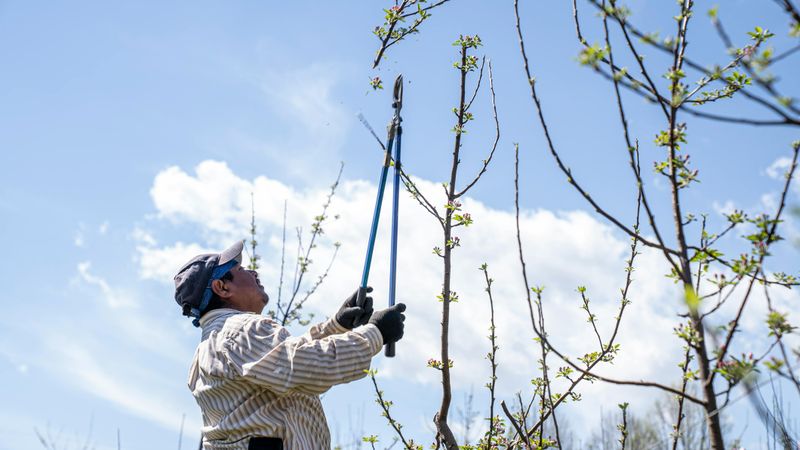
Branches hanging over your fence can feel like an open invitation to grab the clippers.
But Missouri law draws a careful line between what you can legally trim and what counts as property damage.
You generally have the right to cut branches that cross onto your side of the property line, up to the boundary.
The catch is that you can only trim up to the property line and no further.
You cannot go onto your neighbor’s land to do the cutting, even if the tree is causing problems.
And if your trimming ends up harming the tree, you could face liability for that damage.
Missouri generally follows the common law principle that the tree’s trunk location determines ownership, not where the branches fall.
So even if branches are dropping leaves all over your garden, the tree legally belongs to whoever owns the ground where the trunk stands.
That distinction matters a lot when disputes end up in front of a judge.
Before you pick up any tools, talk to your neighbor first.
A friendly conversation can prevent a legal battle that costs both of you far more than a simple trim would have.
Good communication and a basic understanding of boundary lines are your two best tools in any tree situation.
Boundary Trees Are Nobody’s Favorite Conversation Topic
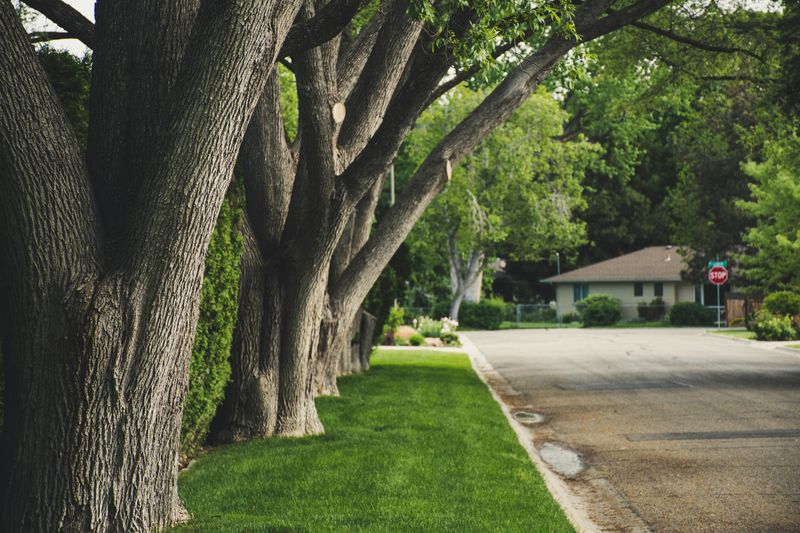
A tree on the property line belongs to both of you. So does the headache.
Both neighbors legally co-own that tree, which means neither one can cut it down without the other’s permission.
That shared ownership sounds simple until one person wants the tree gone and the other does not.
Missouri courts have dealt with boundary tree disputes for decades, and the outcomes are rarely clean.
If one neighbor removes a boundary tree without consent, they can be sued for the full value of the tree, and possibly triple that amount.
Even trimming a shared tree significantly without agreement can spark a lawsuit.
The smart move is to get any agreement about a boundary tree in writing before any work begins.
A simple signed document stating what work will be done and who will pay for it can prevent years of legal drama.
Hiring a certified arborist to assess the tree together is also a wise first step.
Boundary trees often become flashpoints because they sit right where tensions between neighbors already run high.
Property lines, privacy, and personal pride all collide in that one spot.
Handling the situation with clear communication and legal awareness is the only way to come out of it without regret.
A Fallen Tree May Trigger Insurance Claims Or Liability Questions
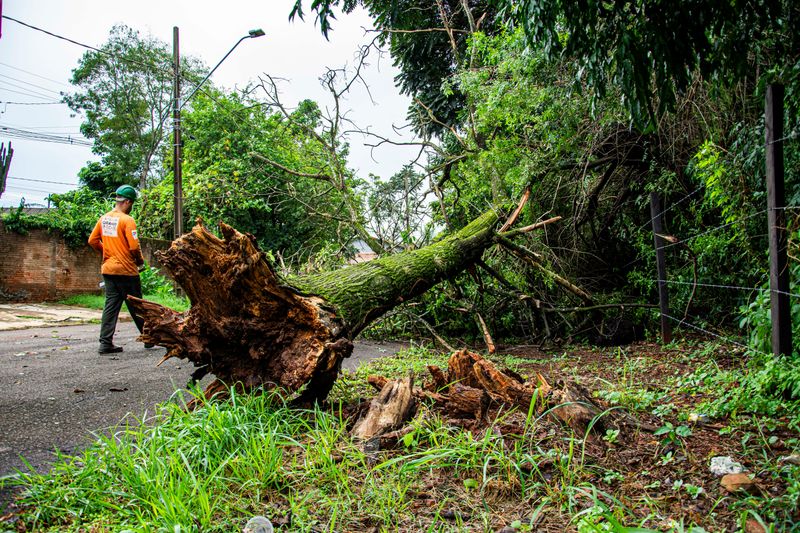
Storm season in Missouri brings wind, rain, and one very stressful question: who pays when a tree crushes a fence or punches through a roof?
The answer depends on a combination of negligence, notice, and insurance coverage, and it is not always what you expect.
Many homeowners are shocked to learn their neighbor is not automatically responsible just because the tree came from their yard.
If a healthy tree falls during a storm and damages your property, your own homeowner’s insurance may cover the repair, depending on your policy.
The neighbor is generally not liable unless they knew the tree was diseased or dangerous and failed to act on it.
That word “knew” carries a lot of legal weight in Missouri courtrooms.
This is why sending a written notice to your neighbor about a hazardous tree is so important.
If you document your concern and they do nothing, that record may support a negligence claim later.
Keep copies of any letters or emails you send, because that paper trail can become critical evidence.
Talking to your insurance agent before a tree becomes a problem is a smart move every homeowner should make.
Knowing what your policy covers, and what it does not, saves you from a devastating financial surprise after the storm passes.
Preparation is always cheaper than the aftermath.
Utility Companies Have Special Rights
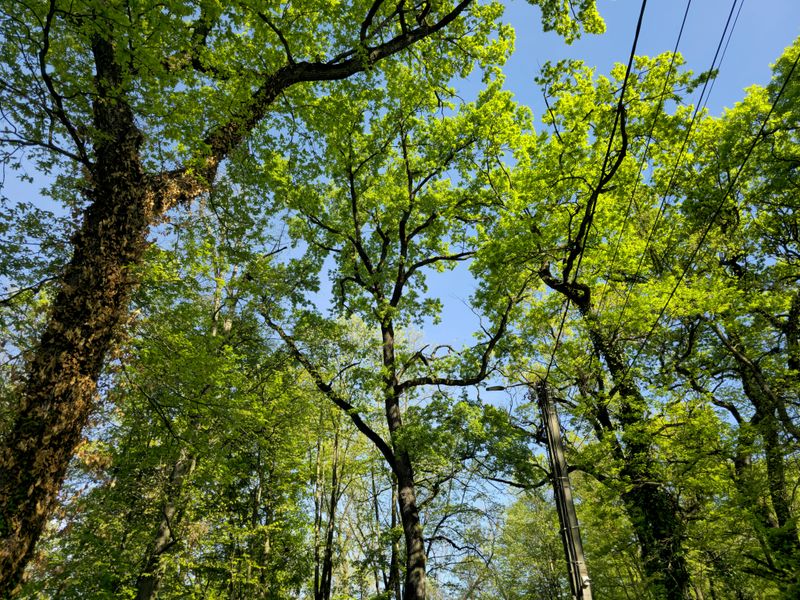
Power lines and trees are a dangerous combination, and Missouri gives utility companies broad authority to manage that risk.
Companies like Ameren Missouri and Evergy have the legal right to trim or remove trees near power lines, even on private property.
That right comes from easements, which are legal agreements that give utilities access to a strip of land along their infrastructure.
Most homeowners signed away that access when they bought their property, whether they realized it or not.
Easement language is buried in property deeds and title documents, and it gives utility crews permission to cut without asking each time.
That can feel jarring when workers show up and start pruning a tree you love without advance notice.
Utilities are generally expected to follow industry standards for tree trimming, including guidelines from the International Society of Arboriculture.
But their primary goal is keeping lines clear, not preserving the shape or health of your tree.
If you feel their work was excessive or damaging, you can file a complaint, though winning that argument is an uphill battle.
Planting trees away from utility lines in the first place is the easiest way to avoid this situation entirely.
Check with your utility provider before planting anything tall near a power corridor.
A little planning now keeps your trees, and your relationship with the power company, in much better shape.
What To Do Before Cutting Any Tree
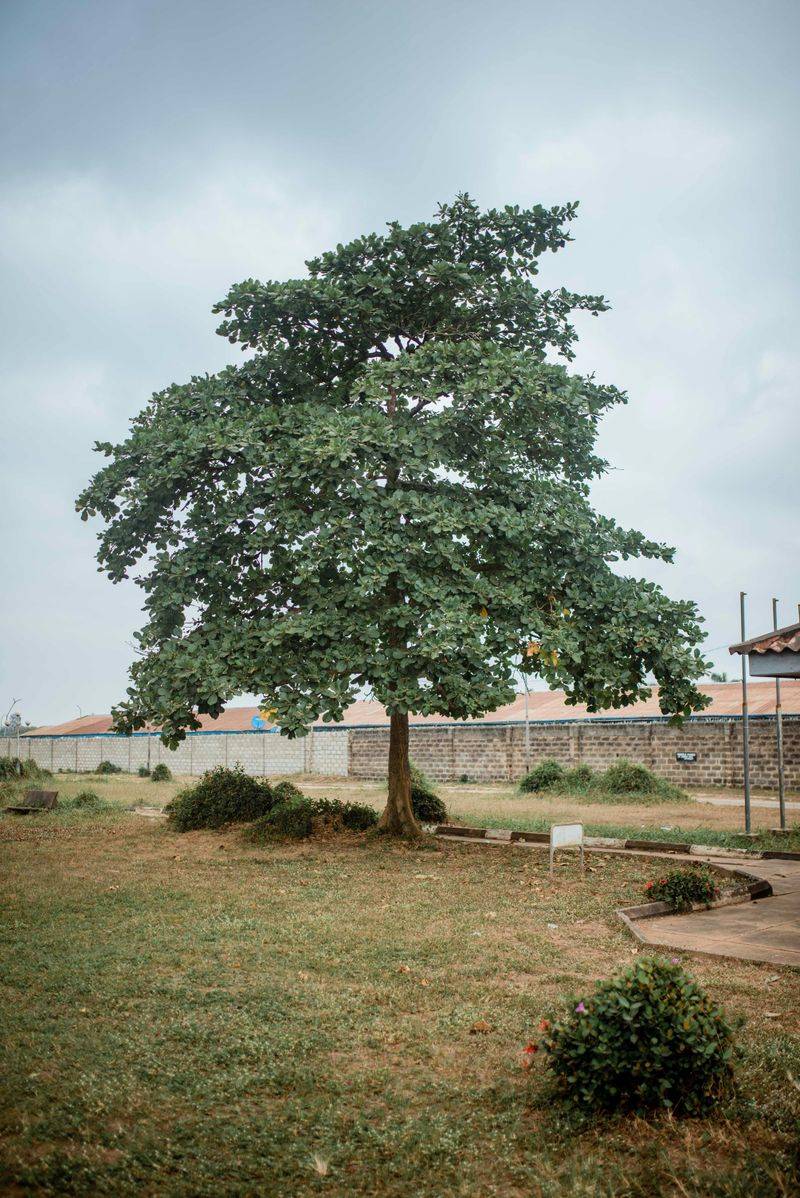
Picking up a chainsaw before doing your homework is how a simple yard project becomes a very expensive lesson.
A few basic steps taken before any cutting begins can protect you legally and financially.
Start by confirming your property boundaries.
Do not rely on a fence or a visual guess.
Hire a licensed surveyor if there is any doubt about where your land ends and your neighbor’s begins.
Once you know the lines, check your local ordinances.
Some Missouri cities regulate city trees, landmark trees, protected trees, or development-related removals; always check the local ordinance.
A quick call to your city or county planning office will tell you exactly what applies to your property.
If the tree is large, near a property line, or visibly unhealthy, hire a certified arborist before touching it.
An arborist can assess its condition, document its value, and give you a professional opinion that holds up if a dispute ever goes to court.
Talk to your neighbor if the tree is anywhere near a shared boundary.
A short conversation now is far cheaper than a lawsuit later.
Finally, take photos of the tree before any work begins.
Document its condition, location, and proximity to property lines.
That record could become important evidence if anything goes sideways.
The few hours you spend on these steps are nothing compared to the cost of skipping them.