Why Raccoons Visit Virginia Yards After Dark And What Actually Stops Them
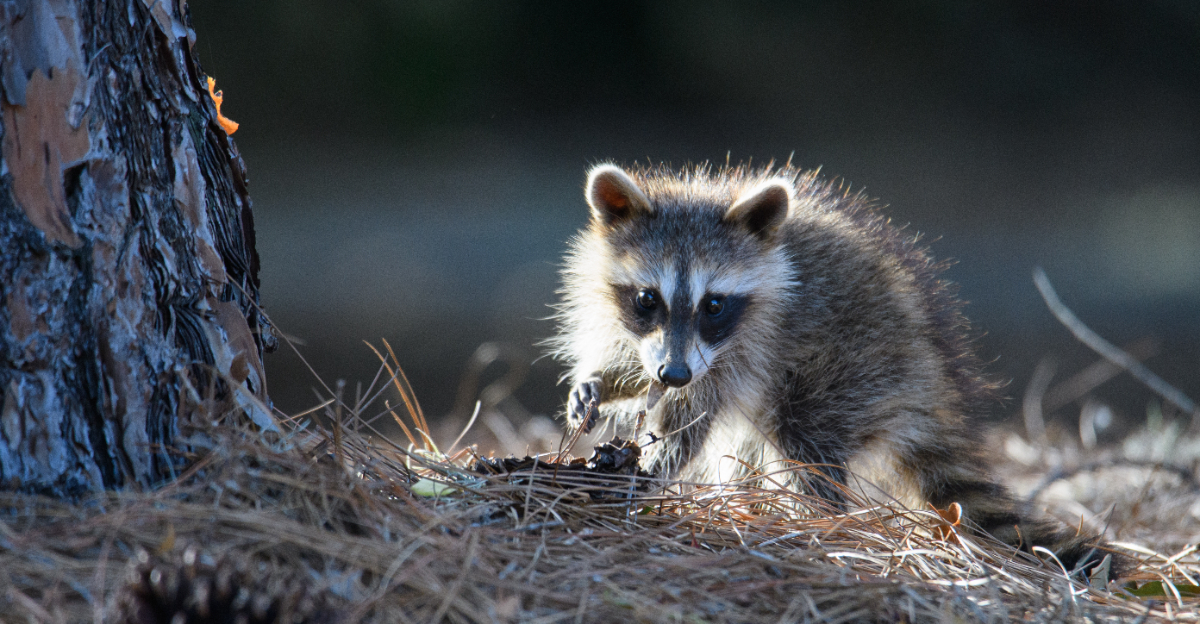
Raccoons did not get the memo about personal boundaries.
One night your trash can is fine.
The next morning it looks like a masked burglar held a dinner party in your driveway and got away clean.
Virginia homeowners know this routine well.
The state’s mix of dense suburbs, mature trees, and mild winters makes it a raccoon paradise.
Once they find something worth visiting, they come back. Every night.
Without fail.
The good news is that raccoons are not random.
They show up for specific reasons, which means you can actually fix the problem instead of just hoping they move on.
Keep reading, you might be surprised how simple the fixes actually are.
This Is Why Raccoons Are Drawn To Virginia Yards At Night
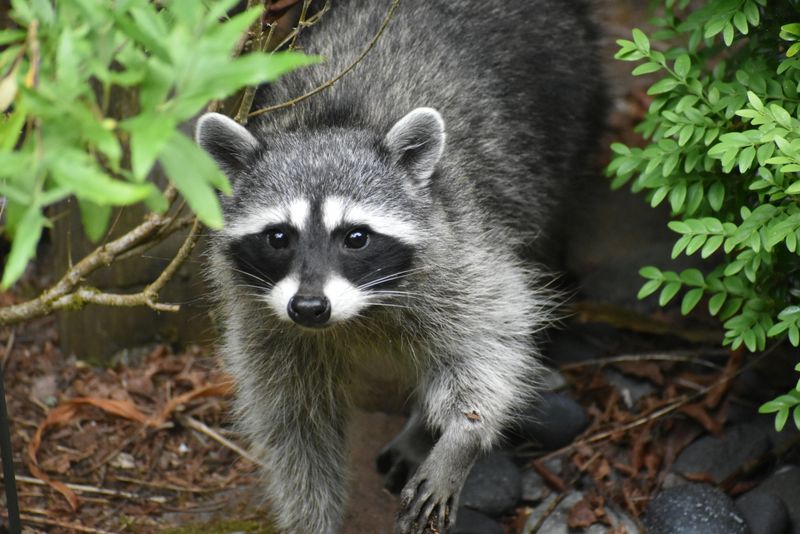
Raccoons are not wandering into your yard by accident.
These animals are strategic foragers.
A typical Virginia backyard is basically an all-you-can-eat buffet waiting to be discovered.
Most homeowners have no idea just how much their property signals “come on in” to local wildlife after sunset.
A raccoon’s nose is extraordinarily powerful, capable of detecting food smells from remarkable distances.
That faint smell of last night’s grilled chicken? To a raccoon, it is a neon sign.
Virginia raccoons are active nearly year-round.
They run rotating patrols through neighborhoods, returning to the same yards again and again.
Warm months bring extra pressure because mothers are feeding young kits, doubling or tripling the urgency of each foraging run.
Suburban sprawl has also pushed natural habitats closer to residential areas, making backyards a natural extension of their territory.
Once a raccoon finds something good in your yard, it memorizes that location with impressive precision.
It will be back, and it will bring a route.
Breaking that pattern starts with one thing, knowing exactly what pulls them in.
Common Food Sources That Attract Them
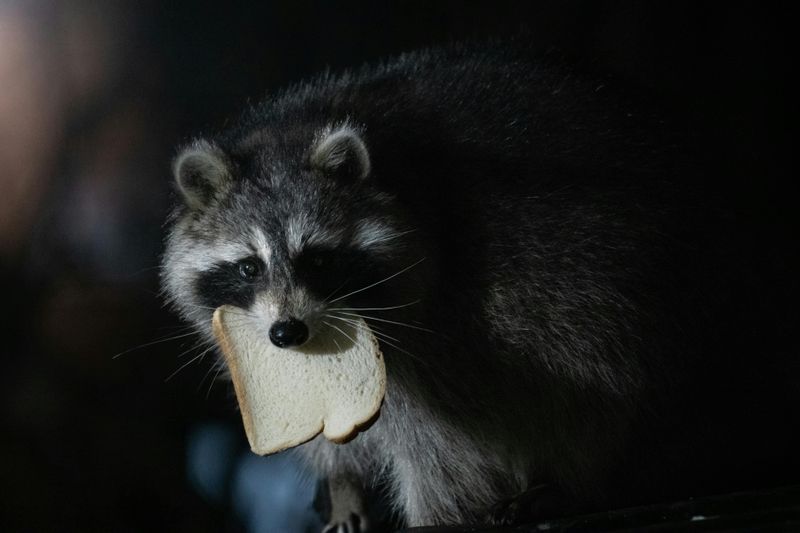
Trash cans are the obvious culprit. The full list goes much further than that.
Pet food left on a back porch, birdseed scattered beneath a feeder, fallen apples or berries from landscaping plants, and even compost bins can all become reliable dinner stops for a hungry raccoon.
These animals are omnivores with a jaw-dropping range of acceptable foods.
Raccoons will eat insects, grubs, frogs, fish from backyard ponds, and garden vegetables. Pretty much anything humans toss in the garbage works too.
That number tells you just how much our habits shape their behavior.
Switching to wildlife-resistant trash cans with locking lids is one of the fastest ways to cut off a primary food source.
Bring pet bowls inside before dark, clean up fallen fruit regularly, and store birdseed in sealed containers overnight.
Compost bins should be secured with a locking lid or moved to an enclosed structure.
Cut off two or three of these sources and raccoons will simply move on.
They are opportunists. Easy meals elsewhere beat a fight with your yard.
Water And Shelter As Hidden Attractants
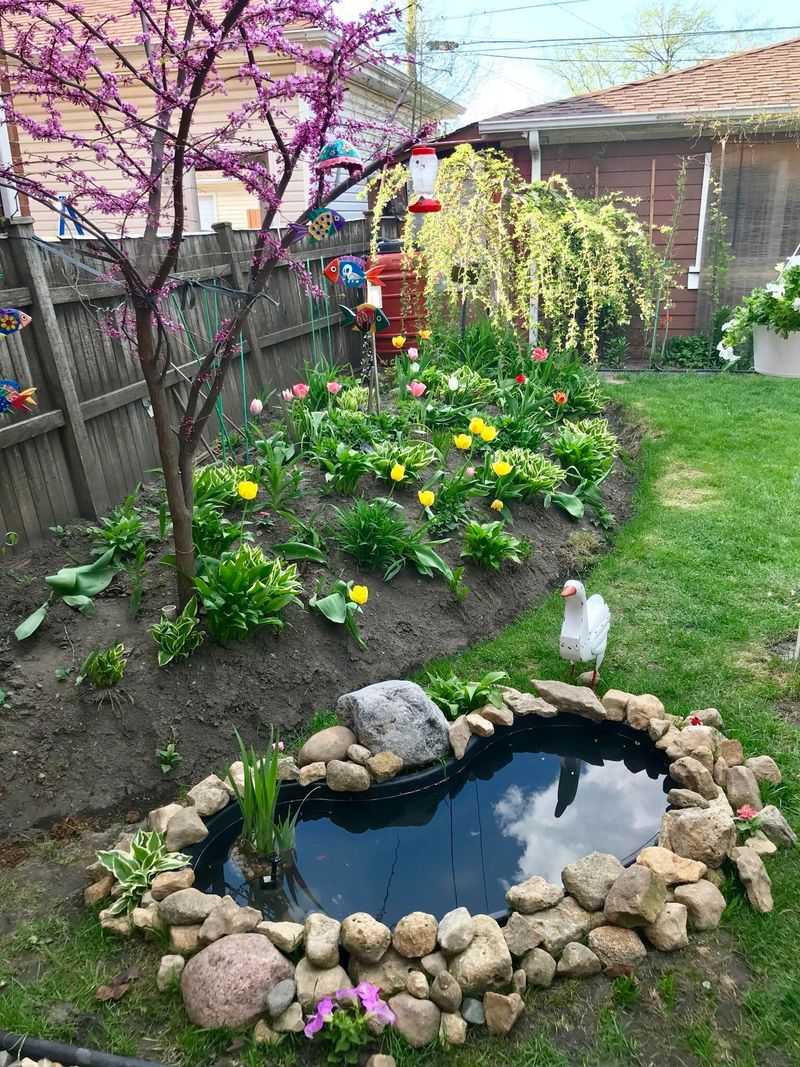
Food gets all the attention, but water and shelter are just as powerful when it comes to drawing nocturnal wildlife onto your property.
Your Virginia Garden Changes Every Week. Your Plan Should Too.
Gardening in Virginia changes quickly throughout the season. Every Friday you’ll receive a simple weekly plan showing exactly what to plant, prune, fertilize, harvest, and protect so you never miss the right timing.
A backyard pond, a decorative fountain, a clogged gutter full of standing water, all reliable hydration stops on a nightly route.
Even a low spot in the lawn that holds rain will do the job.
During dry summer stretches, these water sources become even more magnetic.
Shelter is the other half of the equation that most homeowners overlook entirely.
Raccoons den in hollow trees, but they are equally happy under decks, inside crawl spaces, beneath sheds, and even in uncapped chimneys.
A gap as small as four inches is enough for a young raccoon to squeeze through and set up a den.
Once a female gives birth inside a structure, removal becomes a much more complicated and emotional process.
Walk your property during daylight hours and look for dark, enclosed spaces that might seem appealing to a denning animal.
Seal gaps under porches and sheds with hardware cloth rather than wood, since raccoons can chew through soft materials with ease.
Consider covering chimneys with a commercial cap.
Fix the drainage. Empty the containers at night.
Take away the water and you take away a reason to return.
They Remember Your Yard Better Than You Remember Their Face
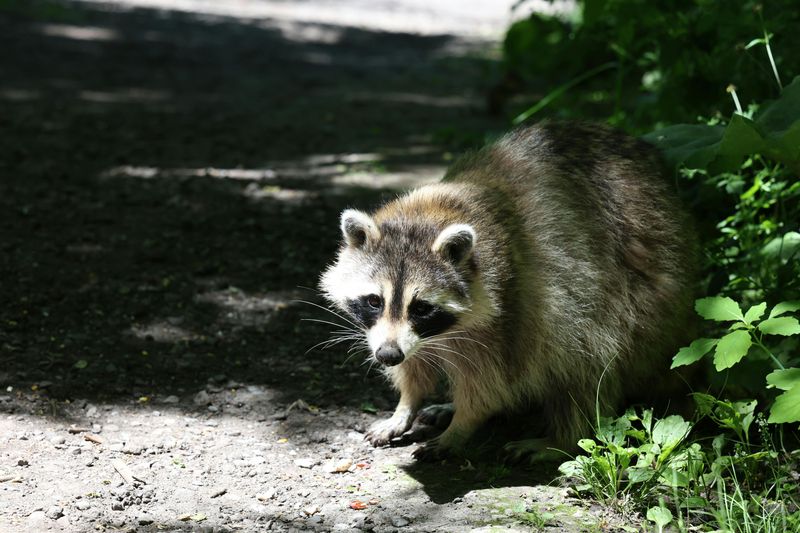
Raccoons have a memory that rivals some primates, and that is not an exaggeration.
Research has shown that raccoons can remember solutions to problems for up to three years.
So if your yard fed one of these animals last spring, there is a good chance it has been penciled into the rotation ever since.
Young raccoons follow their mothers on nightly foraging routes.
They absorb the same mental map of productive locations and carry it for life.
A family group can cover a home range of one to three miles, and within that range, certain spots get revisited on a near-nightly basis.
Once a yard earns a spot on that mental map, simply removing one food source is rarely enough to erase it.
Raccoons also adapt quickly to new deterrents, which is why a single strategy almost never works long-term.
A motion-activated sprinkler might startle them the first two nights.
By the third night, some individuals have already figured out the spray pattern and learned to avoid the trigger zone.
Layering multiple deterrents and changing them periodically helps.
Consistently removing attractants is what makes it stick.
Know your opponent. Everything else follows from there.
Practical Ways To Make Your Yard the Least Appealing One
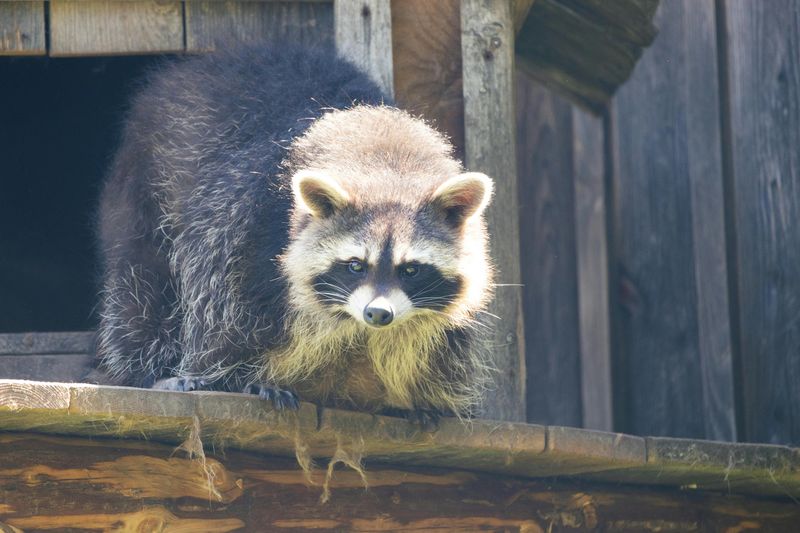
Raccoons have seen plenty of motion-activated lights.
They adapt faster than most homeowners expect.
That is why lights work best when paired with something else, like a motion-activated sprinkler.
A two-sense disruption is harder to ignore and harder to get used to.
Ammonia-soaked rags placed near den entry points can discourage raccoons from settling in.
The scent mimics predator urine and triggers an instinctive avoidance response.
Granular repellents containing capsaicin or predator urine work well around garden beds and trash areas too.
Reapply them after rain.
Skipping that step is the most common reason raccoons come back.
For physical barriers, hardware cloth with openings no larger than half an inch is reliable and easy to find at any home improvement store.
Install it around the base of decks, sheds, and garden beds.
Low-voltage electric fencing is another strong option, especially around chicken coops or vegetable gardens.
The goal is not a fortress.
It is simply making your yard consistently less rewarding than the one down the street.
For most homeowners, that is a completely realistic outcome.
Plants That Make Raccoons Think Twice

Not every deterrent comes in a spray bottle or a hardware store bag.
Certain plants can quietly work in your favor, simply by being there.
Raccoons rely heavily on scent to navigate their environment.
Strong-smelling plants like lavender and mint can make parts of your yard less inviting to raccoons, adding a quiet layer of discouragement without any extra effort.
These are not foolproof, but planted strategically around garden beds or entry points, they add one more layer of discouragement.
Prickly plants serve a different purpose.
Holly, barberry, and rugosa roses create physical obstacles that raccoons prefer to avoid, especially when they are looking for a quick, easy route to a food source.
Planting them along fence lines or around vulnerable areas like compost bins and vegetable beds can quietly redirect foot traffic.
A dense row of any of these along a property edge does more work than most people expect.
No single plant will keep raccoons out on its own.
Think of them as passive reinforcements rather than solutions.
Combined with everything else, the right plants quietly make your yard not worth the effort.
Some Raccoon Problems Need More Than A Hardware Store Trip
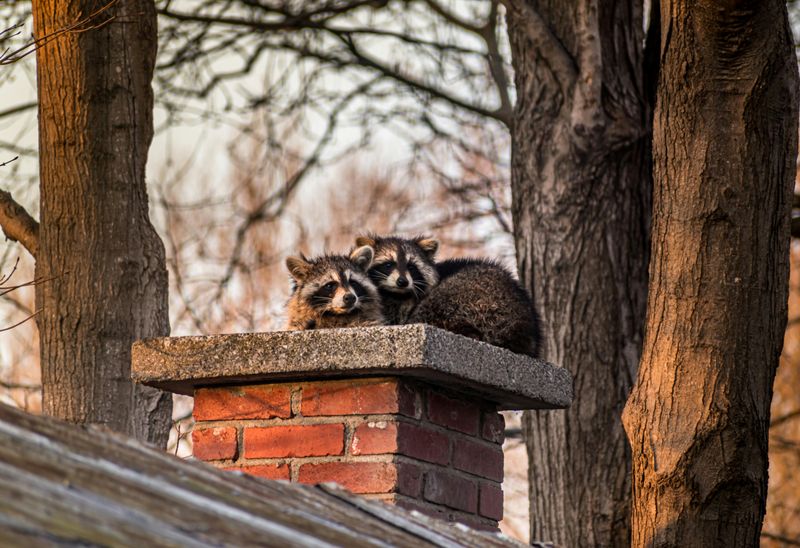
Some situations are simply beyond a weekend fix.
Knowing when to step back is half the battle.
If a raccoon is denning inside your attic, crawl space, or chimney, DIY removal can backfire badly.
A mother with kits hidden inside will become frantic and destructive if separated from them.
That is not a situation you want to manage alone.
Health risks are real too.
Raccoons can carry rabies, leptospirosis, and raccoon roundworm.
Any animal that appears disoriented, moves during daylight without obvious cause, or behaves aggressively should be treated as a potential concern.
Contact your local animal control office or a licensed wildlife removal service immediately.
Licensed professionals in Virginia are trained to handle removal humanely and in compliance with local regulations.
Many also seal entry points after removal to prevent the same problem from repeating.
That part matters more than most people realize.
The cost of a professional visit is almost always less than repairing damaged insulation, wiring, or ductwork. If raccoons keep returning despite your best efforts, a professional assessment can identify what you missed.
Sometimes the smartest move is knowing when to call someone who does this for a living.