Put These 9 Plants Near Your Virginia Patio And Mosquitoes Will Think Twice About Your Yard
There is a specific kind of evening only mosquitoes can ruin.
You finally sit down with an iced coffee after a long day.
Then the buzzing starts.
Before you reach for the chemical spray, consider this: Some of the most effective mosquito repellents are already growing at your local nursery.
Certain plants produce natural compounds that mosquitoes genuinely cannot stand.
Plant them strategically around your patio, and you might be surprised how much more you actually enjoy your outdoor space this summer.
The best part?
Most of these plants are easy to find, easy to grow, and pull double duty, looking beautiful while quietly doing their job.
Here are nine plants worth adding to your Virginia patio before mosquito season hits full swing.
1. Lavender Is Pretty, Fragrant, And A Mosquito’s Nightmare
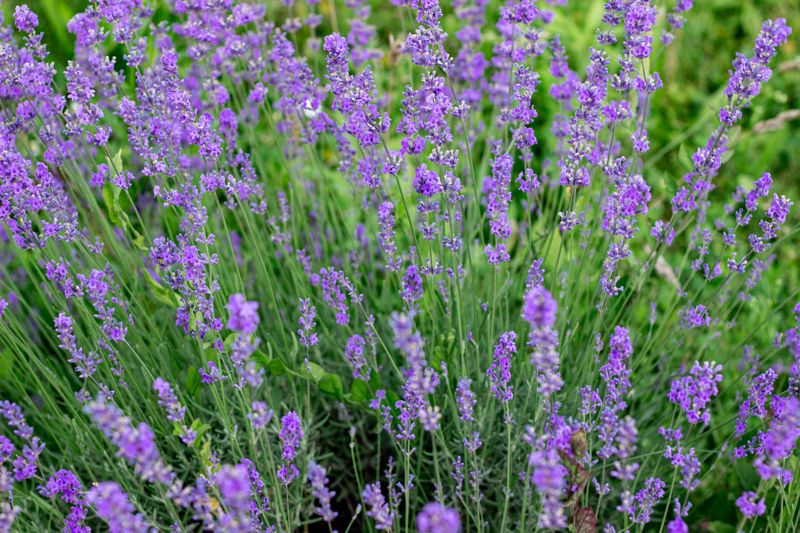
Lavender smells incredible.
Mosquitoes want nothing to do with it.
That signature purple bloom is not just eye candy for your garden.
Studies show that linalool, the natural compound lavender produces, does repel mosquitoes.
The effect is strongest when the plant is touched or the oils are applied directly to skin.
Either way, it is one of the most pleasant and practical plants you can grow near your patio.
Lavender thrives in sunny spots and well-drained soil, so tuck it into pots or raised beds along the edges of your outdoor seating area.
Once established, it needs very little water, which makes it a dream for gardeners who forget to water.
The oils in the leaves and flowers get stronger when the plant is touched or brushed against.
Ancient Egyptians used lavender for perfume and even preservation, so this plant has serious staying power across centuries.
Snap off a few stems and rub them on your skin for a quick, fragrant boost, though the effect is short-lived, so reapply as needed.
And as a bonus?
It attracts butterflies and bees, turning your patio into a pollinator-friendly escape all season long.
2. Lemon Balm Smells Like Lemonade And Works Like A Force Field
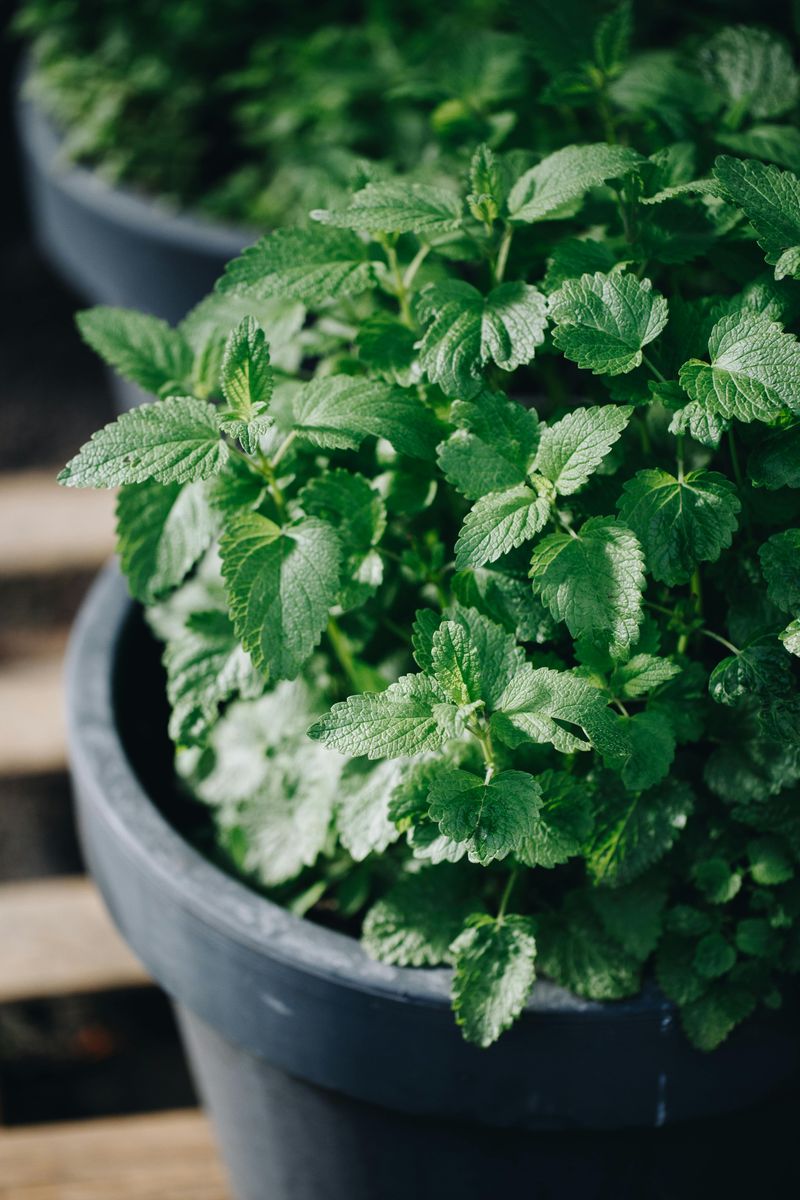
Scratch a lemon balm leaf.
What you get is a burst of citrusy freshness, like a lemon dropped into a mint patch.
Mosquitoes, however, find that scent completely overwhelming and will steer clear of any area where lemon balm is growing.
Studies have shown that lemon balm contains citronellal and other natural terpenoids that mosquitoes find overwhelming.
These are the same types of compounds used in commercial bug-repelling candles and sprays.
Lemon balm grows fast.
Almost suspiciously fast.
If you plant it directly in the ground, consider using a container instead to keep it from taking over your whole garden bed.
A few pots placed near your seating area will create a fragrant, invisible barrier that keeps the biters away.
Beyond bug control, lemon balm has been used for centuries to ease anxiety and promote better sleep.
It earns its place in any garden on multiple levels.
Crush a handful of leaves and rub them on exposed skin before heading outside for an easy, all-natural repellent.
Your Virginia Garden Changes Every Week. Your Plan Should Too.
Gardening in Virginia changes quickly throughout the season. Every Friday you’ll receive a simple weekly plan showing exactly what to plant, prune, fertilize, harvest, and protect so you never miss the right timing.
You can even add fresh leaves to iced tea or lemonade for a refreshing herbal twist.
It is low-maintenance, fast-growing, and genuinely useful.
Far beyond just keeping mosquitoes out of your yard.
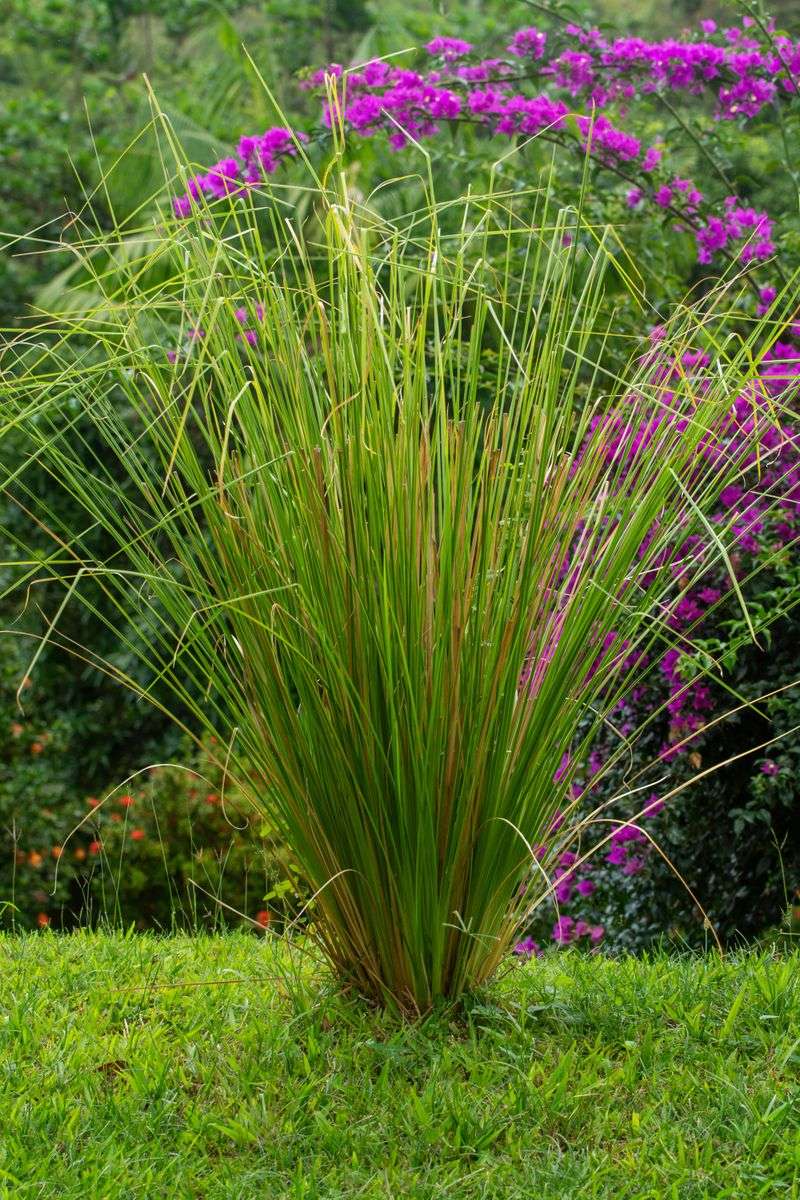
3. Citronella Grass Does What The Candle Always Promised
You have probably seen citronella candles at every hardware store since Memorial Day weekend.
They are everywhere.
And for good reason.
But the real thing, actual citronella grass, is far more powerful than any candle trying to copy it.
This tall, tropical-looking grass is the original source of that famous mosquito-fighting scent.
Plant it near your patio and you have the real deal right where you need it most.
Citronella grass can grow up to six feet tall, so it acts like a fragrant living fence around your outdoor space.
In warmer climates it grows as a perennial, but in cooler zones you can grow it in large containers and bring it inside before frost hits.
The key is placement: set it close enough to your seating area that a gentle breeze carries that signature scent across the space.
The oils in the leaves are what repel mosquitoes, and simply brushing past the plant releases a fresh wave of that citrusy, grassy fragrance.
Many people do not realize that citronella grass is a completely different plant from citronella-scented geraniums.
They are often mislabeled at garden centers, so knowing the difference matters.
Real citronella grass belongs to the Cymbopogon family, the same group that gives us lemongrass used in cooking.
Bold.
Beautiful.
Brutally effective at keeping mosquitoes away from your yard.
4. Basil Does Not Just Belong In The Kitchen Anymore
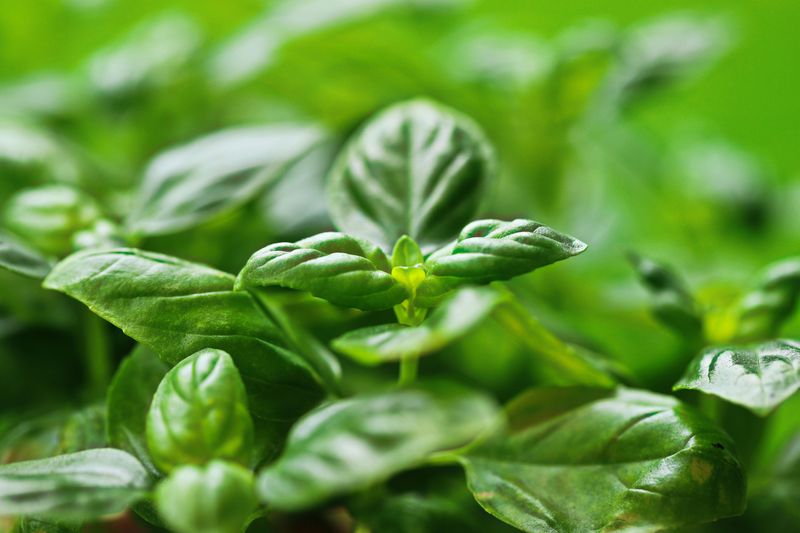
Basil smells like the best pizza you have ever eaten, but to mosquitoes, it smells like a warning sign.
Not all basil is equal though, lemon and cinnamon varieties are the real heavy hitters.
Unlike most repellent plants that need to be crushed or bruised to release their oils, basil pushes its scent into the air all on its own.
That makes it one of the more low-effort options for keeping your patio zone mosquito-free.
Lemon basil and cinnamon basil varieties tend to pack an even stronger punch than sweet basil when it comes to repelling insects.
Plant them in containers near your patio door, along the railing, or right on the table where you eat outside.
Basil loves heat and sunshine.
It thrives in the same summer conditions that mosquitoes love, which makes the timing absolutely perfect.
Ancient Romans believed basil brought good luck.
Finding out your herb garden doubles as a bug barrier feels pretty lucky too.
You can harvest leaves regularly for cooking.
This actually encourages the plant to grow bushier and produce more of those powerful oils.
Fresh pesto, caprese salad, AND a mosquito-free patio?
That is a triple win most gardeners never even knew was possible.
Basil is affordable, widely available, and one of the most rewarding plants you can add to your patio this season.
Hard to argue with that.
5. Do Not Underestimate Catnip When Science Certainly Does Not
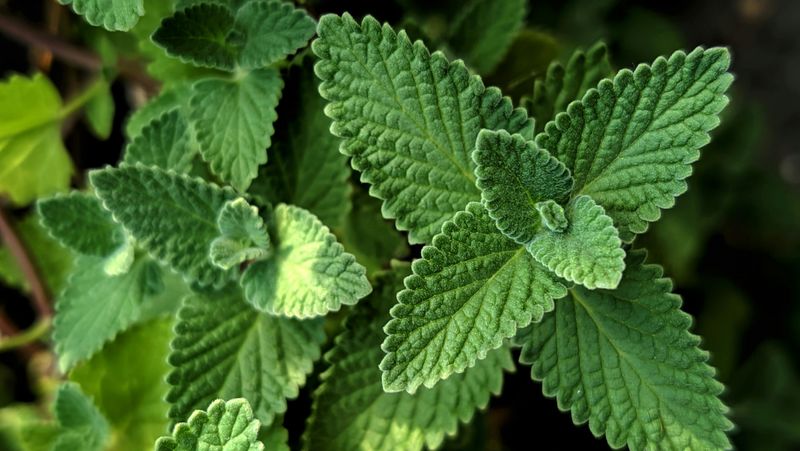
Researchers at Iowa State University found that catnip is ten times more effective at repelling mosquitoes than DEET.
Ten times.
Let that sink in.
Nepetalactone, the compound that makes cats go absolutely wild, is also the compound that makes mosquitoes want nothing to do with your yard.
Catnip is shockingly easy to grow and spreads quickly in garden beds, so containers are a smart choice if you want to keep things tidy.
Place a few pots around your patio perimeter and you have a surprisingly powerful defense system that costs just a few dollars at the nursery.
The plant produces small white and lavender flowers in summer, so it looks lovely while it works hard.
One thing to keep in mind: if neighborhood cats know you have catnip, expect some uninvited feline visitors.
Rubbing a crushed leaf on your skin gives you a portable, natural shield for outdoor activities beyond the patio.
Gardeners who have tried catnip as a mosquito barrier often say they are shocked by how well it actually performs compared to sprays and candles.
Simple to grow.
Easy to maintain.
The results are impressive and worth every square inch of garden space.
6. Rosemary Smells Like Sunday Roast And Repels Mosquitoes Too
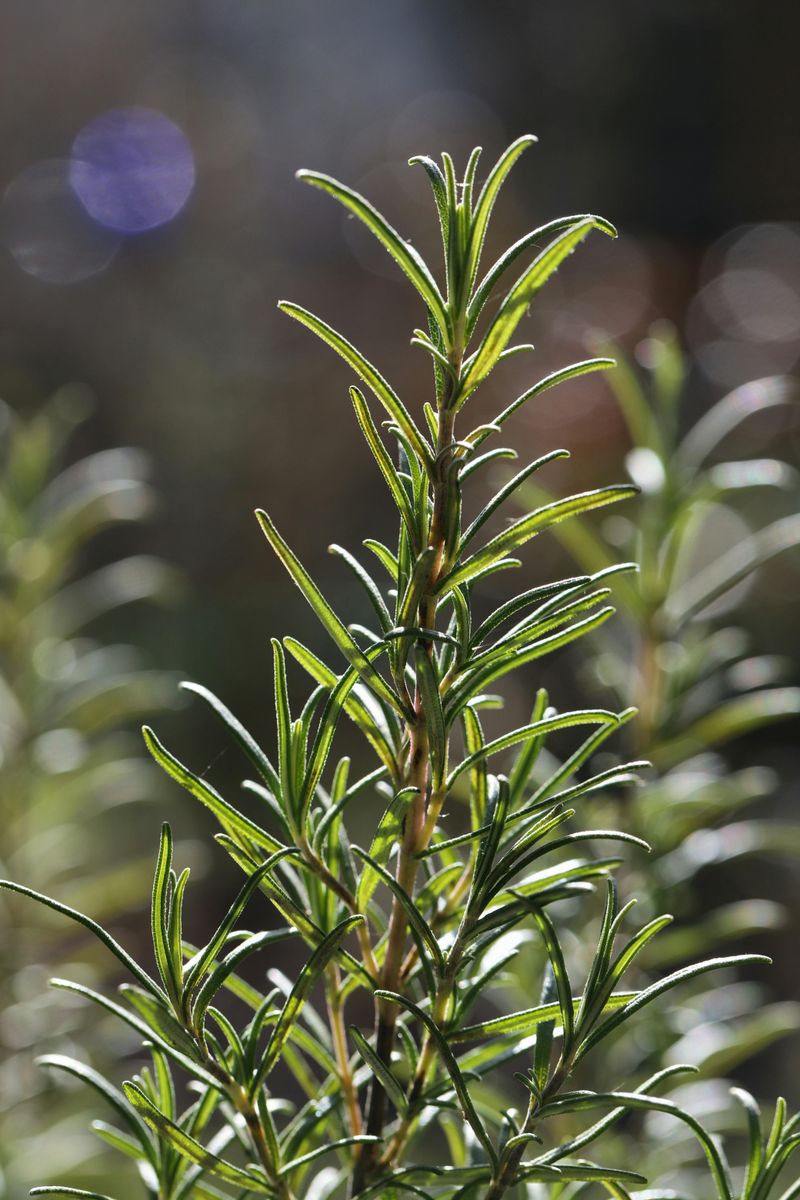
Close your eyes for a second.
Your patio.
Warm evening.
The smell of rosemary drifting through the air.
No mosquitoes in sight.
That is what this plant can do for you.
That woody, piney fragrance is exactly what mosquitoes find so unbearable about it.
The strong essential oils packed into those needle-like leaves act as a natural deterrent.
Mosquitoes simply do not get comfortable anywhere near it.
Rosemary grows well in containers or directly in garden beds.
It actually prefers hot, dry conditions, making it a perfect match for sunny patio corners.
Tall upright varieties can be shaped into small topiaries for a polished, decorative look that also serves a practical purpose.
Trailing varieties spill beautifully over the edges of planters and raised beds, adding texture and fragrance right where you need it.
Tossing a few fresh rosemary sprigs onto a backyard fire or grill releases a concentrated burst of its oils into the air.
The fragrant smoke that follows is something mosquitoes will not go near.
This trick works surprisingly well during outdoor dinner parties when guests are seated close together and bug spray feels like a social faux pas.
Beyond the patio, rosemary is a culinary powerhouse that elevates roasted vegetables, grilled meats, and homemade bread.
Beautiful.
Fragrant.
Tough enough to handle a Virginia summer without fuss.
Few plants offer this much in one package.
7. Do Not Let Marigolds Fool You. They Mean Business.
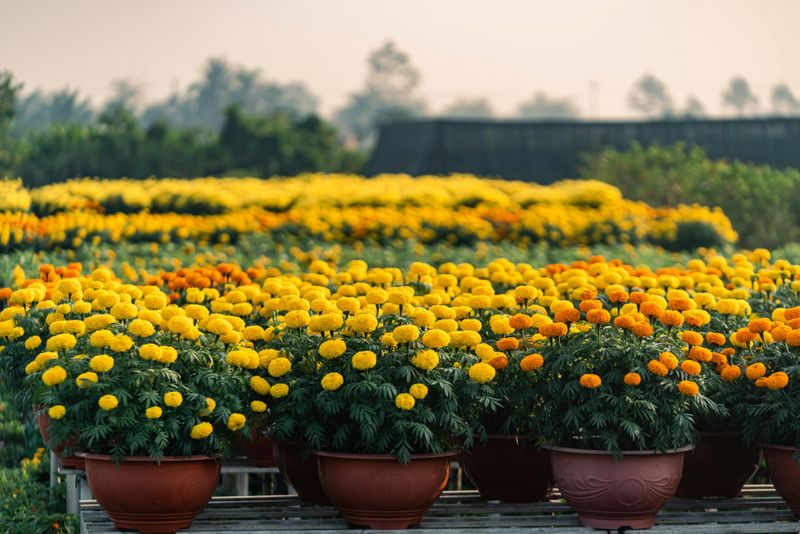
Nobody talks about marigolds enough.
They should.
That bold orange and yellow color looks cheerful and welcoming to people, but the scent those blooms produce is a full-on mosquito nightmare.
French marigolds contain natural compounds called thiopenes that mosquitoes find deeply repellent.
They are potent enough that the plant has long been used as a trusted pest barrier in gardens across the world.
French marigolds are a popular choice for natural pest control and work best when planted in thick clusters along the border of your patio.
They are annual flowers, meaning you replant them each season.
Inexpensive and widely available at every garden center from spring through summer.
Full sun and regular watering are really all they need.
Once they hit their stride, they bloom and get straight to work.
Marigolds also repel aphids, whiteflies, and even certain nematodes in the soil.
They protect the rest of your garden while guarding your patio from mosquitoes.
Gardeners have been planting them alongside tomatoes and vegetables for generations.
That kind of track record speaks for itself.
They may not be the most potent mosquito repellent on this list.
But as a low-cost, low-effort addition that also protects the rest of your garden, they are hard to beat.
If you are building a natural defense garden this summer, start with marigolds.
Easy to find, affordable, and impossible to overlook.
Not a bad place to begin.
8. Peppermint Is Cool, Fresh, And Absolutely Unbearable For Mosquitoes
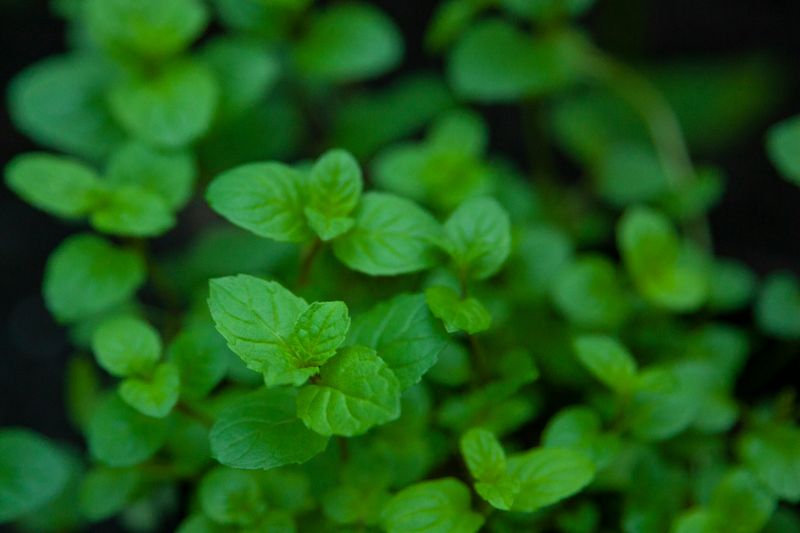
Peppermint is not subtle.
Neither is its effect on mosquitoes.
Its strong, refreshing scent is produced by high concentrations of menthol.
This makes it highly effective at masking the carbon dioxide and body heat that attract mosquitoes in the first place.
Unlike some plants on this list, peppermint does not need to be crushed or brushed to do its job.
It releases its scent naturally into the surrounding air.
This makes it a low-maintenance option for homeowners who want continuous protection without much effort.
It grows quickly and thrives in Virginia’s warm summers, though it does prefer partial shade and moist soil.
Placing it in a pot near a shaded corner of your patio is ideal.
Growing peppermint in containers is actually recommended, since it spreads fast and can take over a garden bed if left unchecked.
As a bonus, you can snip fresh leaves for teas, and cooking, making it one of the most practical additions to any outdoor space.
Plant it at the edges of your seating area for the best results.
For an even stronger effect, brush the leaves with your hand on your way outside.
A fresh burst of natural oils and not a single mosquito invited.
9. Sage Is The One Plant That Works Even Harder Around A Fire Pit
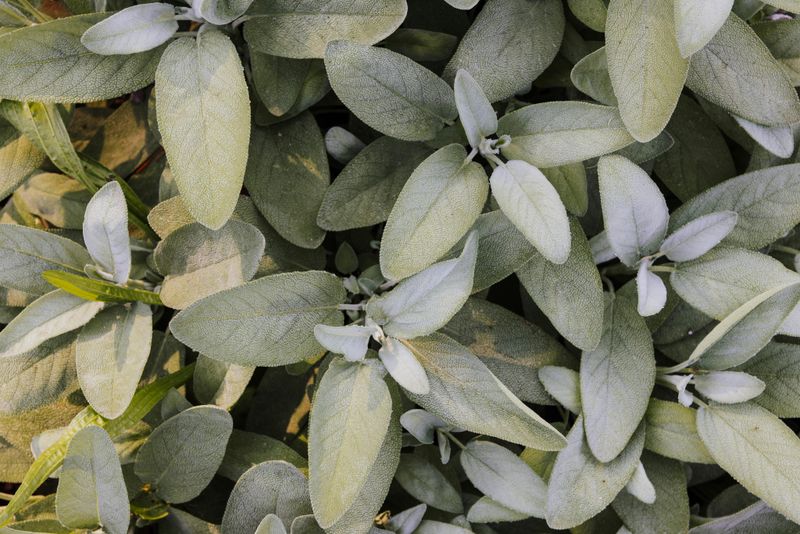
A lot of Virginia homeowners have sage in their kitchen.
Very few realize it belongs on their patio too.
Its strong, earthy aroma comes from natural compounds like thujone and camphor.
Mosquitoes find both deeply unpleasant and will actively avoid them.
Like most plants on this list, sage works best when its leaves are touched or brushed against.
That contact releases a stronger burst of its natural oils into the surrounding air.
However, sage has one unique advantage that sets it apart from the other plants here.
If you have a fire pit or outdoor grill nearby, toss a few dried sage sprigs onto the flames.
The smoke that follows is powerful enough to cover a much wider area than any potted plant could on its own.
This makes sage especially useful for Virginia homeowners who enjoy evening gatherings outside, when mosquitoes tend to be most active.
Sage thrives in Virginia’s climate, preferring full sun and well-drained soil, and it is relatively drought-tolerant once established.
It also looks beautiful in garden beds with its silvery-green leaves and purple flowers.
Plant it along the edges of your seating area.
Keep a few dried bundles handy for your next bonfire night.
You will be glad you did.