These 8 Garden Smells Send Critters Running In New York
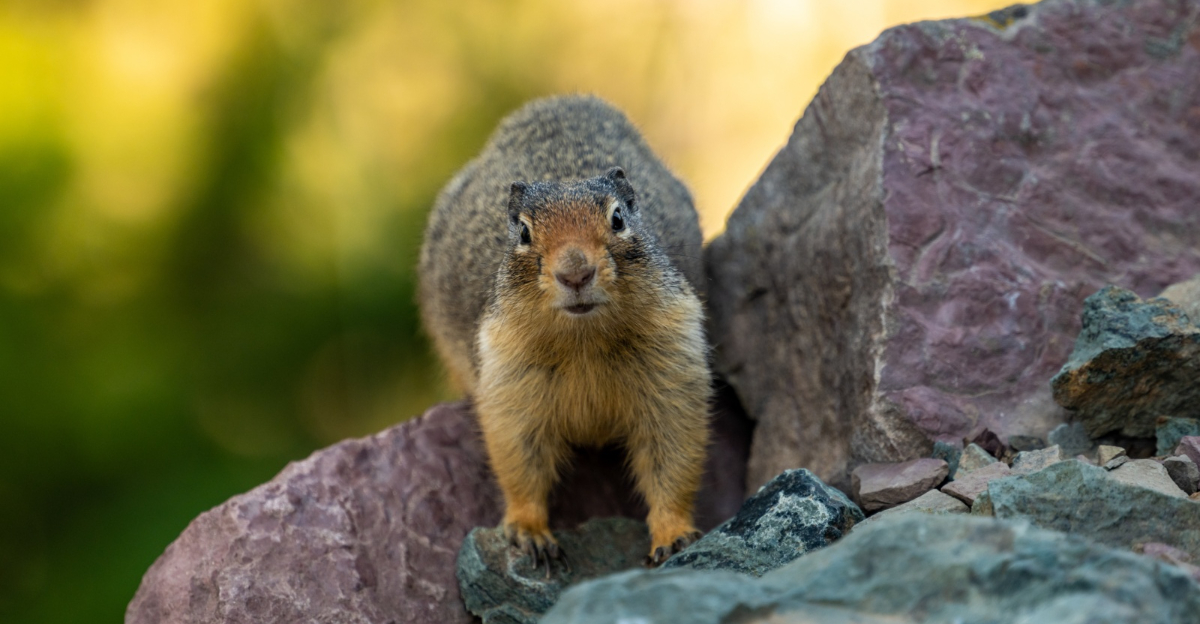
Something has been nibbling at your garden again. The culprits are almost always the same familiar backyard wildlife that treats New York gardens like a free meal. The frustrating part is that once they find your yard, they tend to keep coming back.
The good news is that you may already have everything you need to discourage them. Certain smells are genuinely unpleasant to these animals, and placing them strategically around your garden can make a real difference.
The approach does not require traps, expensive gadgets, or complicated setups. Nature provides a surprisingly effective toolkit when you know where to look. Your spice rack, your garden beds, and your local nursery are all good places to start.
Different scents work better on different animals, and combining a few of them tends to give the strongest results. New York gardeners who lean into this approach often find it far more effective than they expected. Ready to give it a try?
1. Garlic
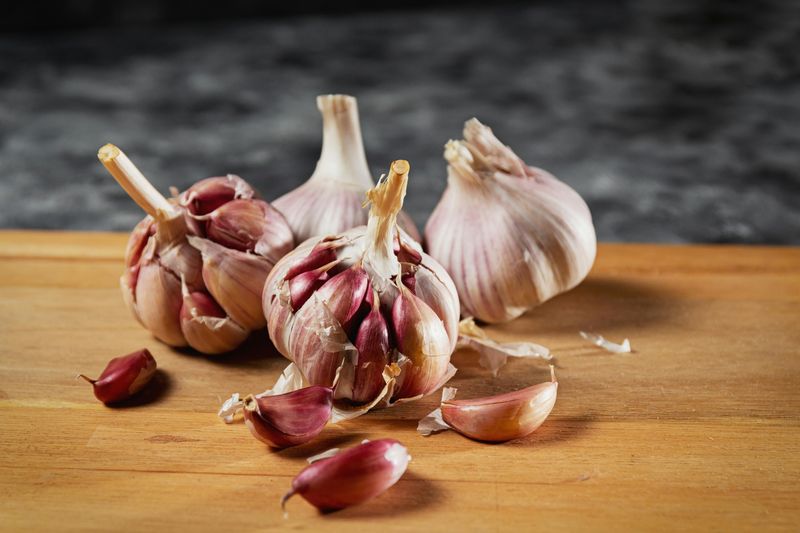
Garlic is basically nature’s alarm system for wildlife, and it costs almost nothing to use.
Animals like deer, rabbits, and groundhogs have noses that are far more sensitive than ours. To them, the sulfur compounds in garlic smell like a chemical factory.
It is overwhelming, and they tend to want nothing to do with it. Crush a few cloves and scatter them around the base of your plants.
You can also mix minced garlic with water, let it sit overnight, and spray it directly on leaves and soil. The scent clings to surfaces and stays active even after light rain.
Gardeners across New York have used garlic spray for decades as one of the most reliable garden smells for keeping critters at bay.
It works especially well against deer browsing the edges of your property at dusk. Reapply every five to seven days, and always refresh after heavy downpours.
Planting garlic bulbs between your vegetables adds a living, continuous barrier that replenishes itself all season long.
The deeper the planting, the longer the scent lingers in the surrounding soil. Regular reapplication may reduce browsing pressure.
Consistency matters more than quantity here, so small and regular applications tend to outperform occasional heavy ones.
That steady routine is exactly what you want to build.
2. Hot Pepper And Capsaicin

Capsaicin is what gives hot peppers their heat. It turns out that effect is not limited to humans.
Squirrels, deer, and rabbits have capsaicin receptors that trigger intense irritation. Even a faint whiff can be enough to send them looking elsewhere.
This is one of the garden smells that wildlife genuinely cannot tolerate. Mix cayenne pepper or crushed red flakes with water and a drop of dish soap.
Spray the mixture on plant stems, soil, and the perimeter of your garden beds.
The soap helps the solution stick to surfaces so it does not wash off immediately.
Sprinkle dried cayenne directly around bulbs before squirrels get a chance to dig them up in fall.
Your New York Garden Changes Every Week. Your Plan Should Too.
Gardening in New York changes quickly throughout the season. Every Friday you’ll receive a simple weekly plan showing exactly what to plant, prune, fertilize, harvest, and protect so you never miss the right timing.
This is a trick that many New York gardeners rely on to protect their tulip bulbs each fall.
You can also buy ready-made capsaicin sprays at most hardware stores if mixing your own feels like too much work.
One important note: avoid spraying directly on fruit or vegetables you plan to eat without washing thoroughly.
Reapply after rain and every few days during dry spells.
The animals will eventually associate your yard with discomfort and choose easier targets elsewhere.
Persistence is the real secret here.
3. Peppermint
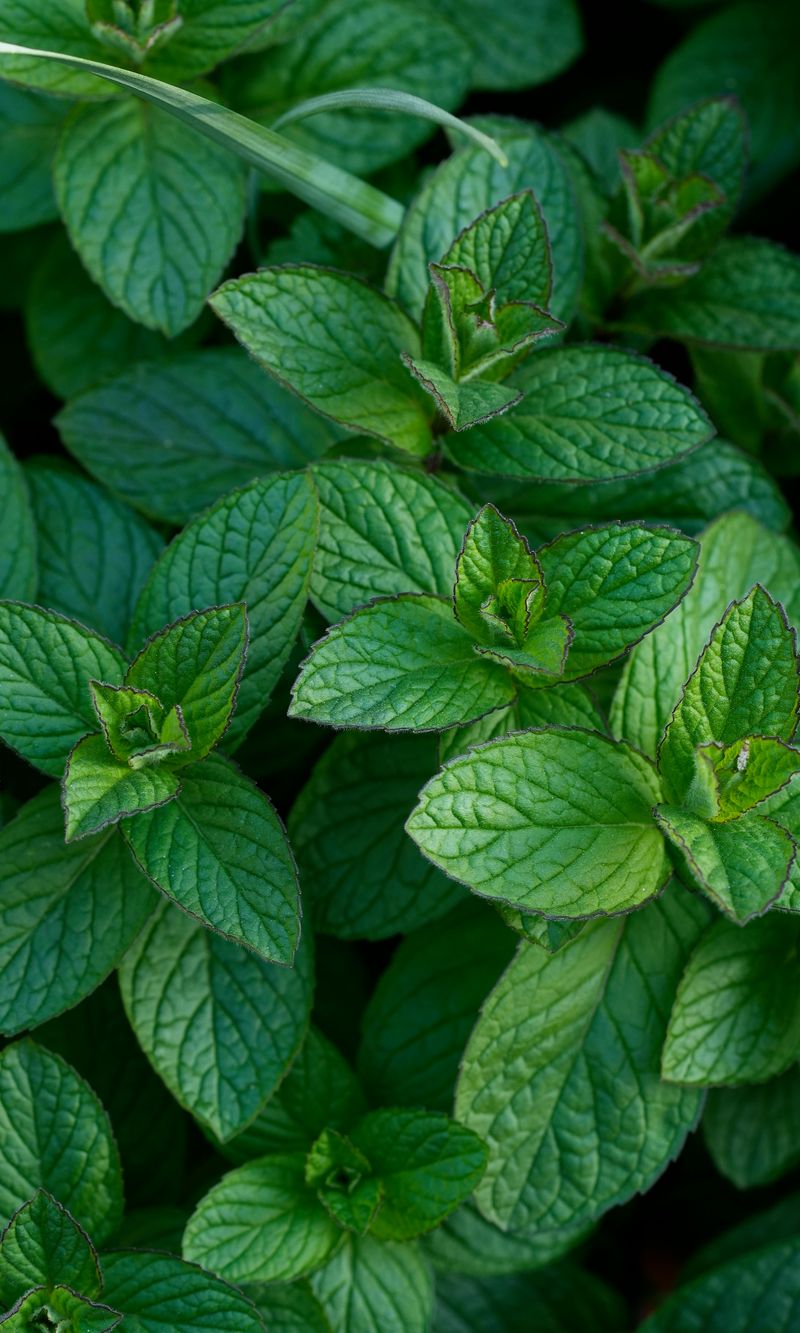
Few scents divide opinion quite like peppermint. People tend to find it refreshing while mice, voles, and deer would rather avoid it entirely.
The menthol content in peppermint is intense enough to overwhelm the sensitive olfactory systems of small mammals.
They find it disorienting and uncomfortable.
Many New York homeowners have discovered this accidentally after planting mint and noticing fewer rodents nearby.
Soak cotton balls in peppermint essential oil and tuck them around the edges of your garden beds.
Replace them every week or so, since the scent fades quickly outdoors.
You can also plant peppermint directly in your garden as a living repellent that stays fresh on its own.
One fun fact: peppermint also discourages ants and aphids, making it one of the hardest-working garden smells on this list.
A single plant can spread strong effect, so consider keeping it in a container to prevent it from taking over your beds.
Peppermint oil sprays work well along fence lines and entry points where critters tend to sneak through.
The scent can create a sensory barrier that many small animals tend to avoid.
Using it consistently through the growing season keeps the barrier effective and your plants protected.
4. Lavender
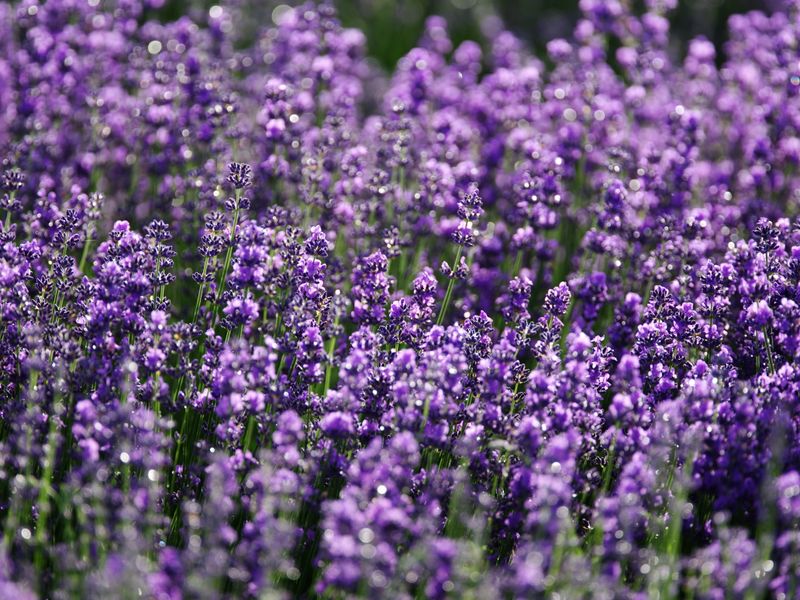
Lavender might be a favorite at farmers markets, but deer and rabbits treat it like a warning sign posted at the garden gate.
The strong aromatic oils in lavender, especially linalool and linalyl acetate, are deeply unpleasant to many browsing animals. They prefer softer, sweeter-smelling plants and will skip lavender entirely.
This makes it one of the most attractive and functional garden smells you can add to your landscape.
Plant lavender along the border of your garden as a natural fence that also looks stunning.
It thrives in full sun and well-drained soil, which is easy to find in most New York backyards.
once established, it requires minimal care and can continue repelling pests through the growing season.
Dried lavender sachets placed near vulnerable seedlings can also provide temporary protection while young plants get established.
Crush a few fresh stems and scatter them around areas where rabbits tend to graze.
The bruised stems release even more of those repelling oils.
Beyond pest control, lavender attracts pollinators like bees and butterflies, which your garden genuinely needs.
It is one of the few solutions that makes your yard more beautiful while also making it less inviting to critters.
That combination is rare and worth every bit of garden space you give it.
5. Citrus Peels

Tossing your orange peels in the trash is a missed opportunity if critters are raiding your garden beds. Cats, squirrels, and dogs find citrus scents deeply off-putting.
The limonene and other volatile compounds in citrus rinds act as natural deterrents that are completely safe for your plants and soil. As a bonus, the peels break down over time and add organic matter to your garden beds.
Scatter fresh lemon, orange, or grapefruit peels around the base of plants you want to protect. Refresh them every few days before they dry out and lose their scent.
Grating the peel directly onto the soil releases even more of those irritating oils and makes the effect stronger.
Citrus peels work especially well against cats that use garden beds as litter boxes. This is a surprisingly common complaint among New York gardeners with neighbors who let their cats roam freely.
A fresh layer of citrus peels around your seedlings can go a long way toward discouraging that habit.
You can also simmer citrus peels in water, let the liquid cool, and spray it around your garden for a more concentrated effect.
This is one of the most budget-friendly garden smells on this list since the raw material is essentially free. Save your peels, protect your plants, and let nature handle the rest.
6. Marigolds
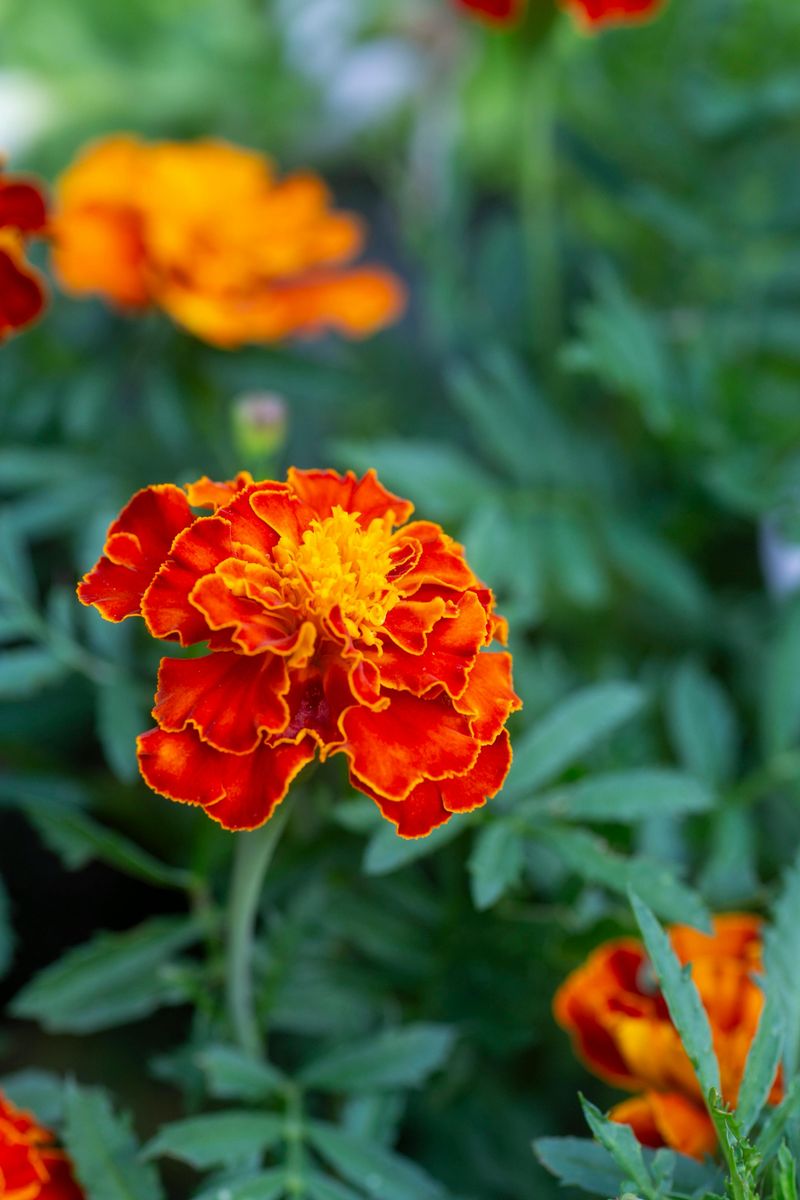
Marigolds have been a gardener’s secret weapon for generations. Research has helped explain why marigolds have been a trusted garden companion for so long.
The pungent scent released by marigold leaves and roots contains thiophenes and other compounds that repel a wide range of pests.
Aphids, whiteflies, nematodes, and even some deer find the smell unpleasant enough to avoid.
Planting them as a border creates a scented wall around your more vulnerable crops.
French marigolds are considered the most effective variety for pest control due to their especially strong fragrance.
Plant them thickly along the edges of your vegetable beds and between rows of tomatoes, peppers, and squash.
The denser the planting, the stronger the scent barrier becomes.
Marigolds also attract beneficial insects like ladybugs and parasitic wasps that prey on garden pests.
So while the smell pushes unwanted visitors away, the flowers simultaneously invite the good bugs in.
These cheerful blooms thrive in full sun and tolerate the hot, humid summers that are common across New York.
They are easy to grow from seed and bloom all season with minimal attention.
Few garden smells come packaged in such a beautiful, low-maintenance plant.
Marigolds are reliable enough that most gardeners find them worth growing year after year.
7. Rosemary
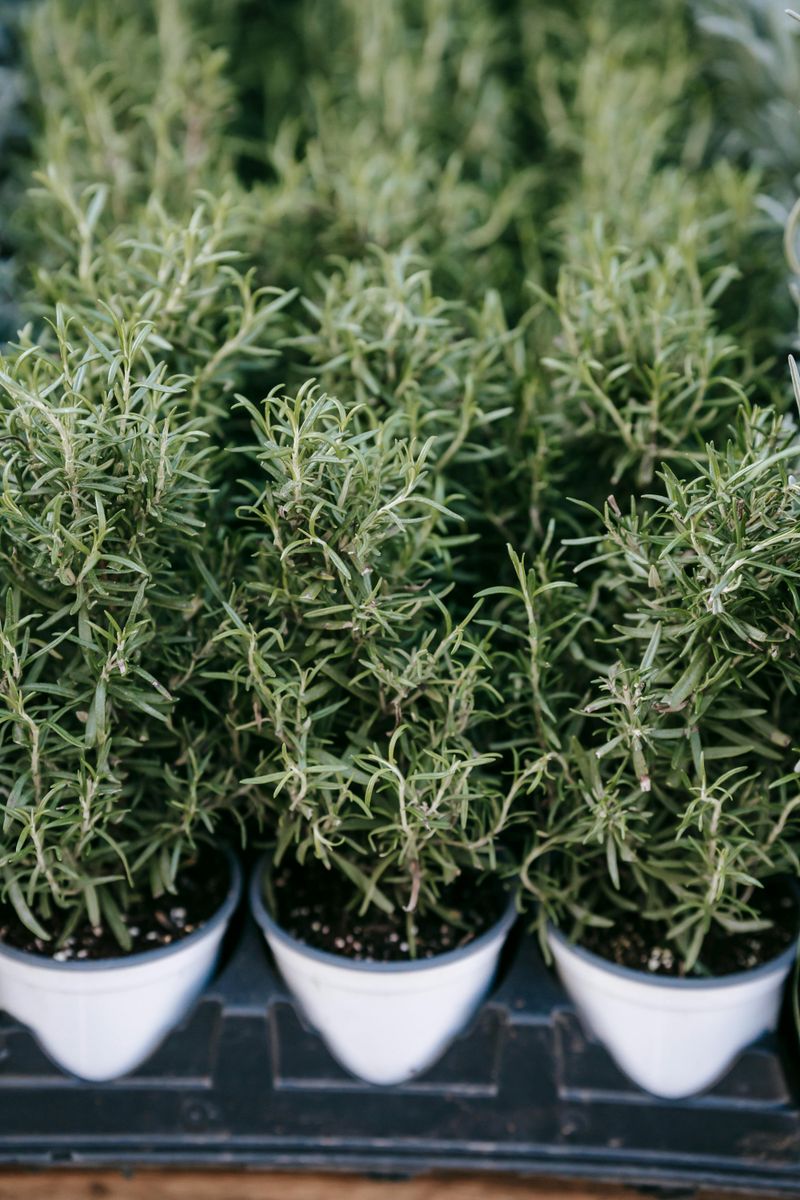
Rosemary brings a lot to the kitchen table.
In the garden, that same powerful scent tends to make deer and rabbits considerably less interested in getting close.
The woody, resinous aroma of rosemary comes from camphor and other volatile oils that browsing animals find deeply unappealing.
Most herbivores prefer sweet, mild-smelling plants and actively avoid anything this pungent.
That makes rosemary one of the most practical garden smells you can grow without any extra effort.
Plant rosemary near entry points in your garden, along pathways, and beside plants that deer love to browse like hostas and roses.
Its upright, bushy growth also creates a physical barrier that makes access more difficult.
The combination of scent and structure is surprisingly effective.
Dried rosemary tucked into mesh bags and hung along fence lines works well during the off-season when the plants are dormant.
You can also simmer fresh rosemary in water and use the cooled liquid as a spray on surrounding plants.
The spray is gentle enough not to harm foliage but strong enough to keep browsers moving along.
Rosemary is also drought-tolerant and thrives in the rocky, well-drained soils found in many parts of New York.
It overwinters reasonably well in zones 6 and above, which covers parts of the state including the Hudson Valley, Long Island, and New York City. Gardeners in colder upstate zones may want to bring potted rosemary indoors for winter.
You get a culinary herb, a landscape plant, and a critter deterrent all in one.
That is a deal too good to pass up.
8. Cedar
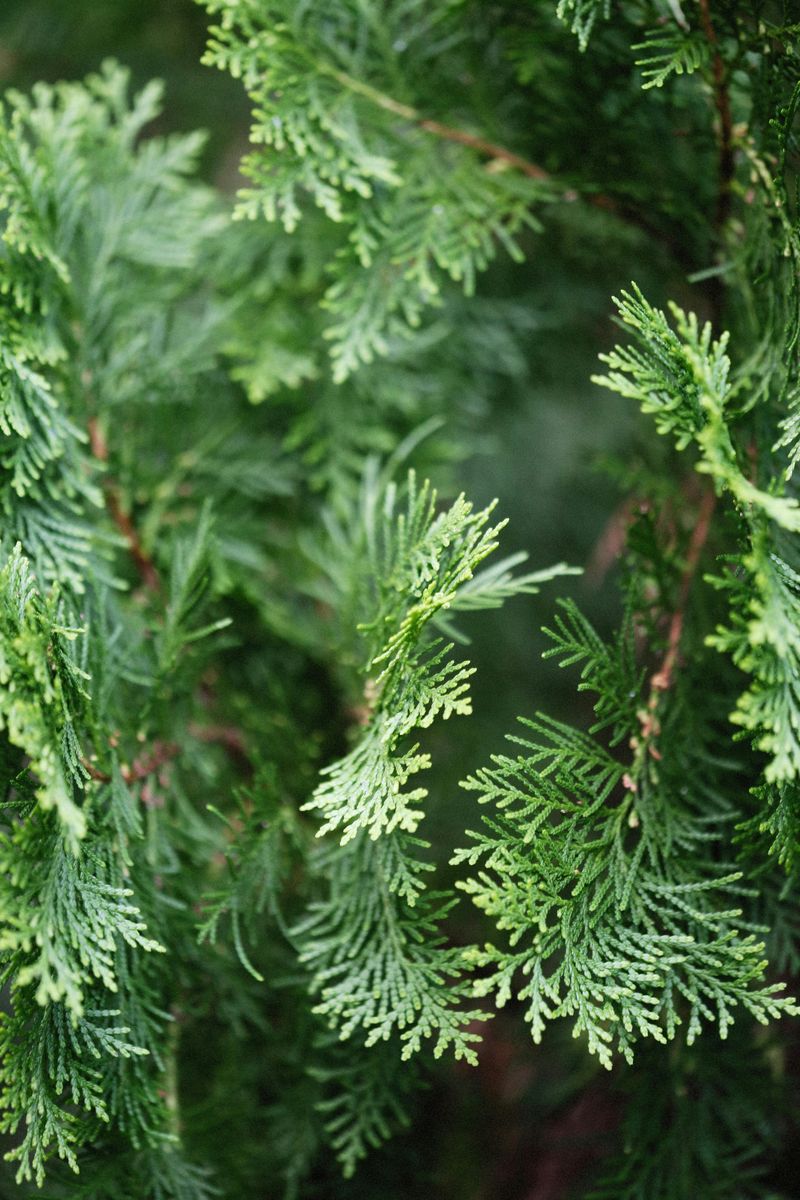
Cedar has a warm, woodsy scent that humans love and garden pests absolutely find deeply unpleasant.
The natural oils in cedar wood, particularly cedrol and thujopsene, act as powerful repellents against moths, ants, mites, and even some rodents.
These compounds interfere with the nervous systems of small insects and make the environment feel hostile to them.
For small rodents like voles and mice, the scent of cedar may act as a mild deterrent that encourages them to move on to less fragrant areas.
Spread cedar mulch generously around your garden beds as a ground cover that does double duty.
It suppresses weeds, retains moisture, and releases repelling oils slowly over time as it breaks down.
Fresh cedar chips are the most potent, so refresh your mulch layer at the start of each growing season.
Cedar essential oil can also be diluted with water and sprayed along fence lines and garden perimeters.
This is especially useful in raised bed gardens where laying down mulch is not always practical.
The spray penetrates crevices and soil edges where small rodents like to tunnel.
As one of the most long-lasting garden smells on this list, cedar keeps working even when you are not paying attention.
It weathers well and holds its scent through rain and heat.
For New York gardeners who want a low-effort option, cedar mulch is one of the more worthwhile investments you can make this season. Lay it down at the start of the season and it can keep working with very little attention from you.