The Heat-Tolerant Vegetable Still Producing In New York Gardens
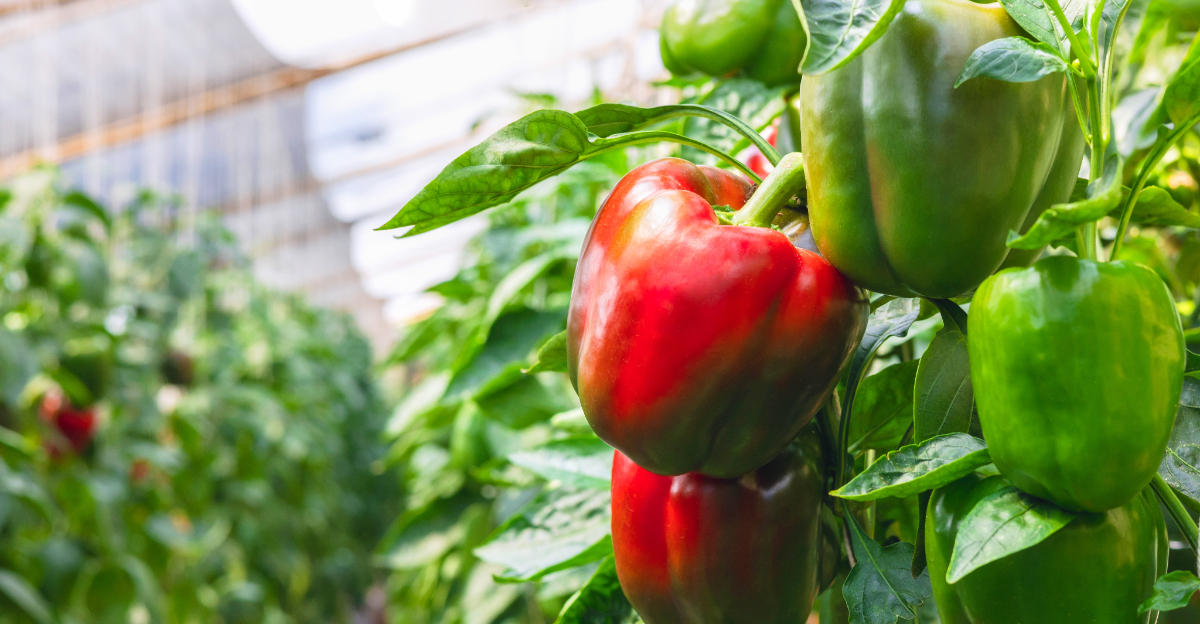
July in New York does not play fair. Basil wilts by noon. Cucumber vines go limp in the humidity. Even confident gardeners start second-guessing their raised beds.
But one plant refuses to fold. It stands tall through Long Island’s mugginess. It keeps flowering when Buffalo’s afternoons turn brutal. The hotter it gets, the more it seems to enjoy itself. And somehow, the flavor only improves as summer drags on.
Gardeners who catch onto its rhythm get rewarded with color well into October, long after the rest of the garden has given up. No wilting, or sulking. Just steady, stubborn growth through the worst New York can throw at it.
One New York Crop Refuses To Quit In The Summer Heat
Peppers laugh at heat waves. While other crops sulk and stall, pepper plants dig in and keep producing when temperatures climb past 85 degrees in a New York garden.
Most gardeners are surprised to learn that peppers originated in Central and South America. They evolved in hot, humid climates, which means New York summers feel almost comfortable to them.
That evolutionary backstory gives peppers a serious edge. When your zucchini wilts by midday and your spinach bolts before you can blink, the pepper plant just keeps flowering.
Peppers hold up well because they develop a wide, well-branched root system that keeps drawing in moisture even when the topsoil dries out.
Gardeners across New York have started leaning on peppers as their go-to summer staple. From Long Island to the Hudson Valley, the results are consistently impressive.
Peppers also handle humidity well, which matters in New York where August nights can feel like a sauna. Most other crops struggle with fungal issues in those conditions, but peppers push through.
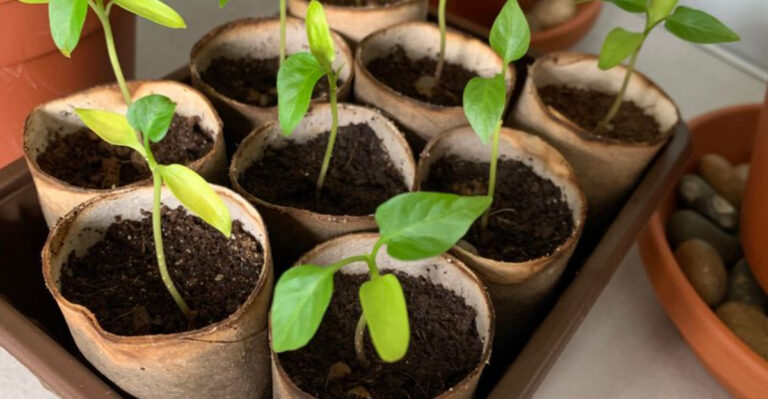
Picking the right planting window makes a big difference. Starting seeds indoors in late February or early March gives plants enough time to establish before the heat arrives.
Transplanting after Memorial Day, once soil temps hit 65 degrees, sets peppers up for a long and productive season. That timing gives them a strong foundation before the hardest summer months begin.
Peppers Keep Setting Fruit Even In New York’s Hottest Stretches
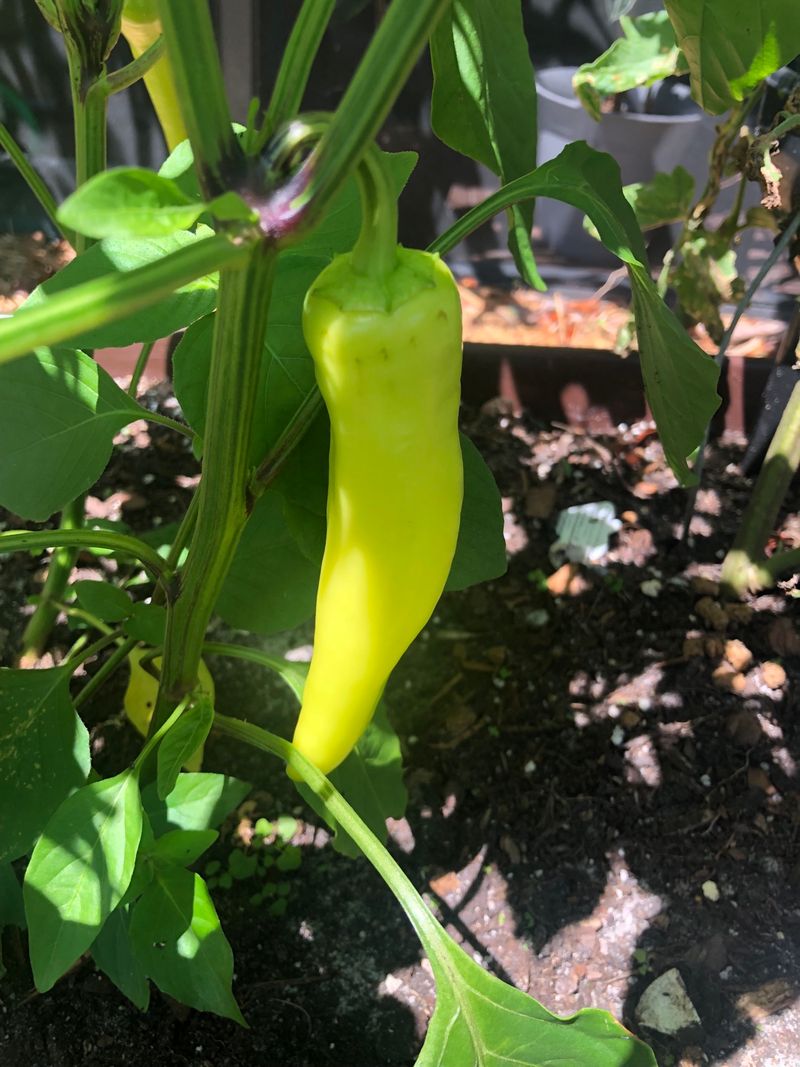
Most fruiting crops slow down once daytime temps push past 90 degrees, and peppers feel that stress too, but they tend to bounce back and resume flowering faster than many other crops once the heat breaks.
The secret is in how the plant recovers. Pepper blossoms do fall in extreme heat just like other fruiting crops, but the plant keeps pushing out new flowers steadily once temperatures ease, so the season rarely stalls for long.
That resilience shows up in real numbers. A healthy pepper plant can set 20 to 30 fruits over a single season in a New York garden with good soil and consistent watering.
During the hottest stretches, fruit development slows slightly. But the plant does not shut down entirely, which is the key distinction between peppers and more heat-sensitive crops.
Nighttime temperatures matter just as much as daytime highs. When nights stay above 75 degrees for extended periods, even peppers can slow their fruit set temporarily.
Your New York Garden Changes Every Week. Your Plan Should Too.
Gardening in New York changes quickly throughout the season. Every Friday you’ll receive a simple weekly plan showing exactly what to plant, prune, fertilize, harvest, and protect so you never miss the right timing.
Smart gardeners use shade cloth during extreme heat events. A 30 percent shade cloth draped over the bed can drop leaf temperature by several degrees and keep production steady.
Mulching around the base of each plant also helps enormously. A thick layer of straw or wood chips keeps soil moisture locked in and root zones cooler on scorching afternoons.
When everything else in the garden looks defeated, the pepper plants stand tall and keep delivering.
What This Plant Needs To Keep Producing Through July And August
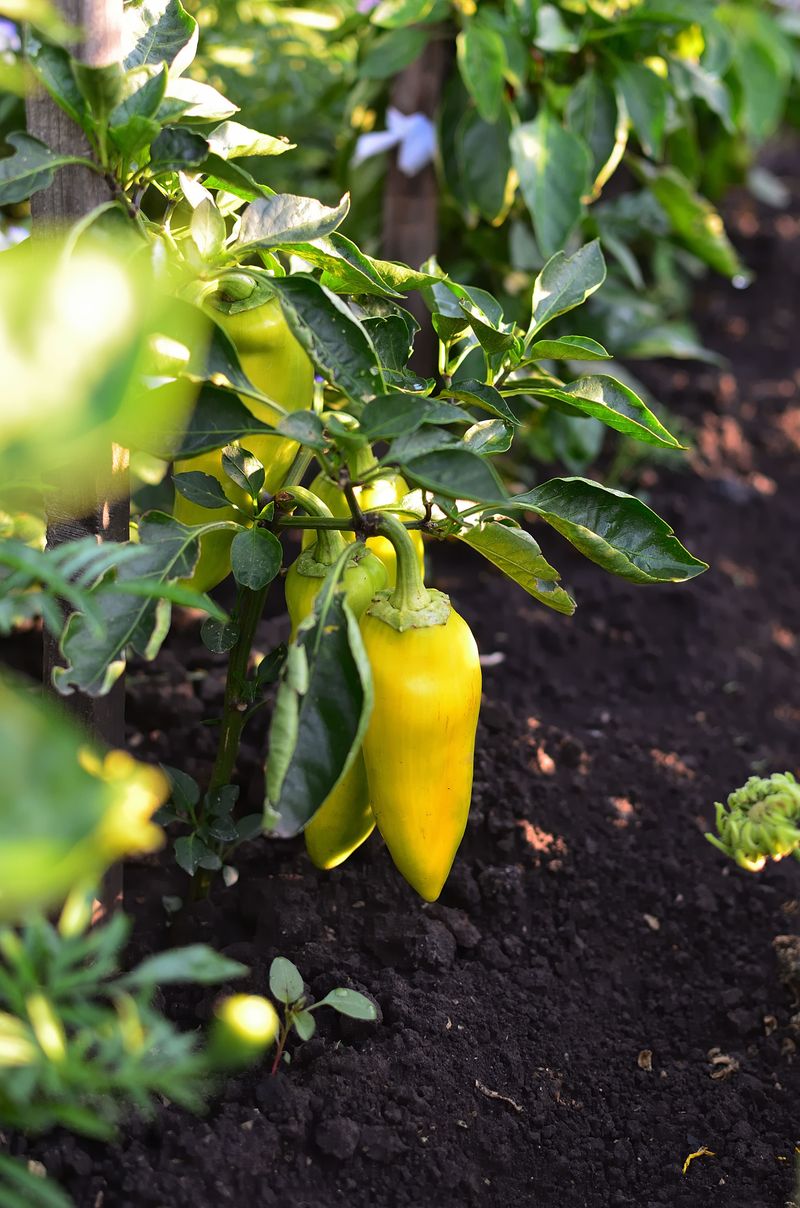
Consistency is the number one thing peppers demand. Irregular watering causes blossom end rot and cracked fruit, two problems that can derail a promising harvest fast.
Aim for about one inch of water per week, either from rain or a hose. Deep, infrequent watering encourages roots to grow downward, which builds drought tolerance over time.
Fertilizing correctly is just as important as watering. Peppers need a balanced fertilizer early in the season, then a lower-nitrogen option once fruiting begins to keep energy focused on the harvest.
Too much nitrogen late in the season pushes leafy growth at the expense of peppers. Switch to a phosphorus-heavy blend after the first fruits appear and watch production take off.
Calcium plays a surprising role in pepper health. Adding crushed eggshells or a calcium spray helps prevent blossom end rot, especially during dry stretches when calcium uptake slows.
Full sun makes the biggest difference in how much a plant produces. Pepper plants need at least six to eight hours of direct sunlight each day to fuel the energy required for continuous fruiting.
Staking or caging plants early prevents stem breakage as fruits get heavy. A simple tomato cage works perfectly and keeps branches from snapping under the weight of a full load.
A little consistent effort in July and August pays off with a harvest that stretches far beyond most crops.
Harvesting Often Is The Secret To Nonstop Pepper Production
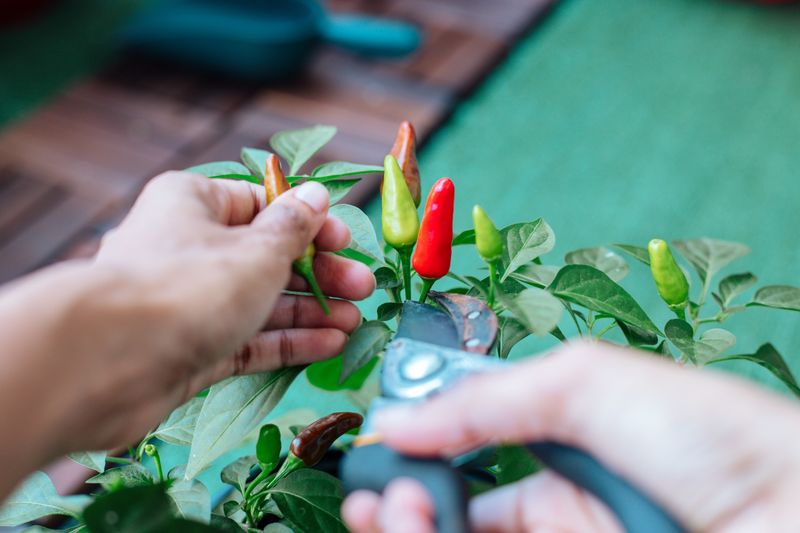
Most gardeners make one big mistake with peppers: they wait too long to pick. Leaving mature fruits on the plant signals it to slow down and stop producing new ones.
Think of the pepper plant as a machine with a feedback loop. When it senses heavy mature fruit, it redirects energy toward ripening those peppers instead of making new flowers.
Picking fruits as soon as they reach usable size keeps that feedback loop working in your favor. The plant responds by pushing out more flowers within days of each harvest.
Green bell peppers can be picked as soon as they reach full size, usually around 70 days after transplanting. Waiting for color is fine, but it does slow overall production.
Hot pepper varieties follow the same logic. Harvesting jalapeños and banana peppers when firm and full-sized encourages the plant to keep setting fruit through the hottest weeks.
Using clean scissors or pruning snips prevents stem damage during harvest. Pulling peppers by hand can break branches and leave wounds that invite disease into the plant.
Checking plants every two to three days during peak season keeps you ahead of overripe fruits. A pepper left too long becomes soft, seedy, and less useful in the kitchen anyway.
Regular harvesting is the single most powerful tool for extending production on a pepper. Treat each picking like a reset button and your plants will reward you generously.
Pepper Varieties Best Suited To New York’s Growing Season
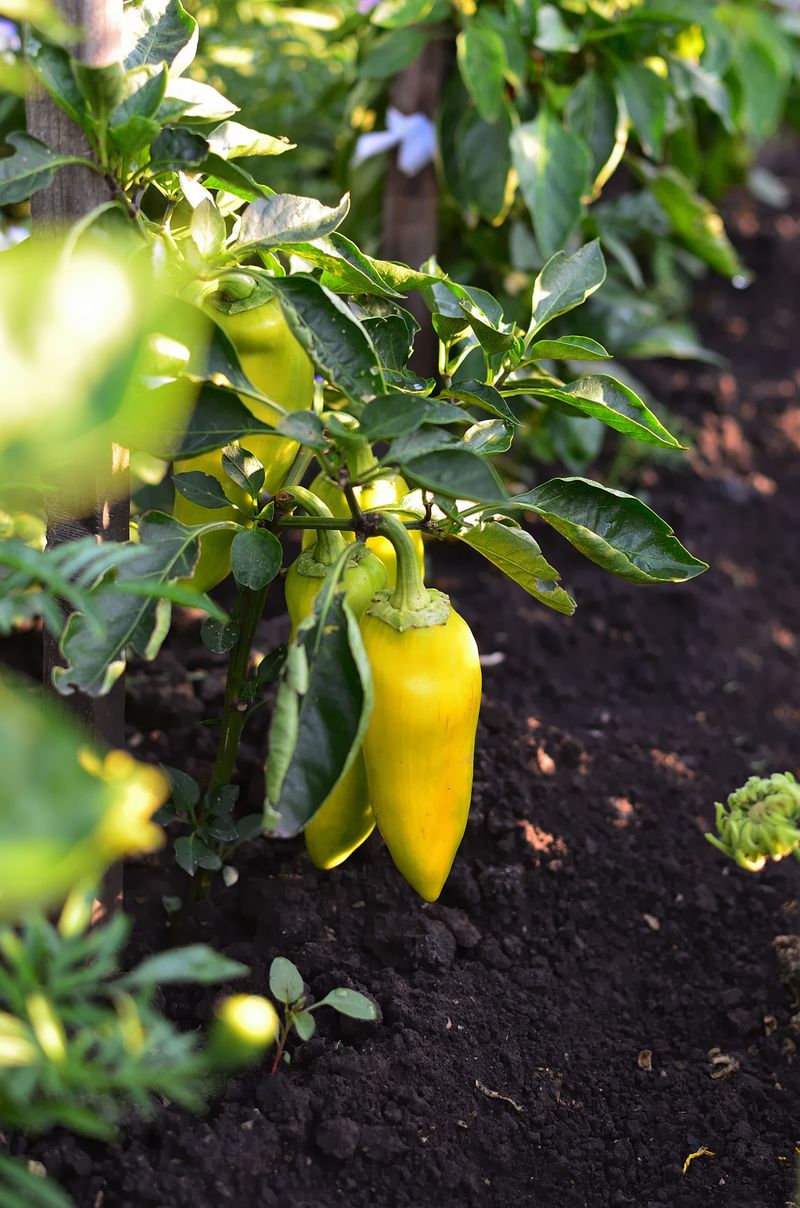
Not every pepper is built the same for New York conditions. The state has a relatively short frost-free window, so choosing early-maturing or mid-season varieties makes a real difference.
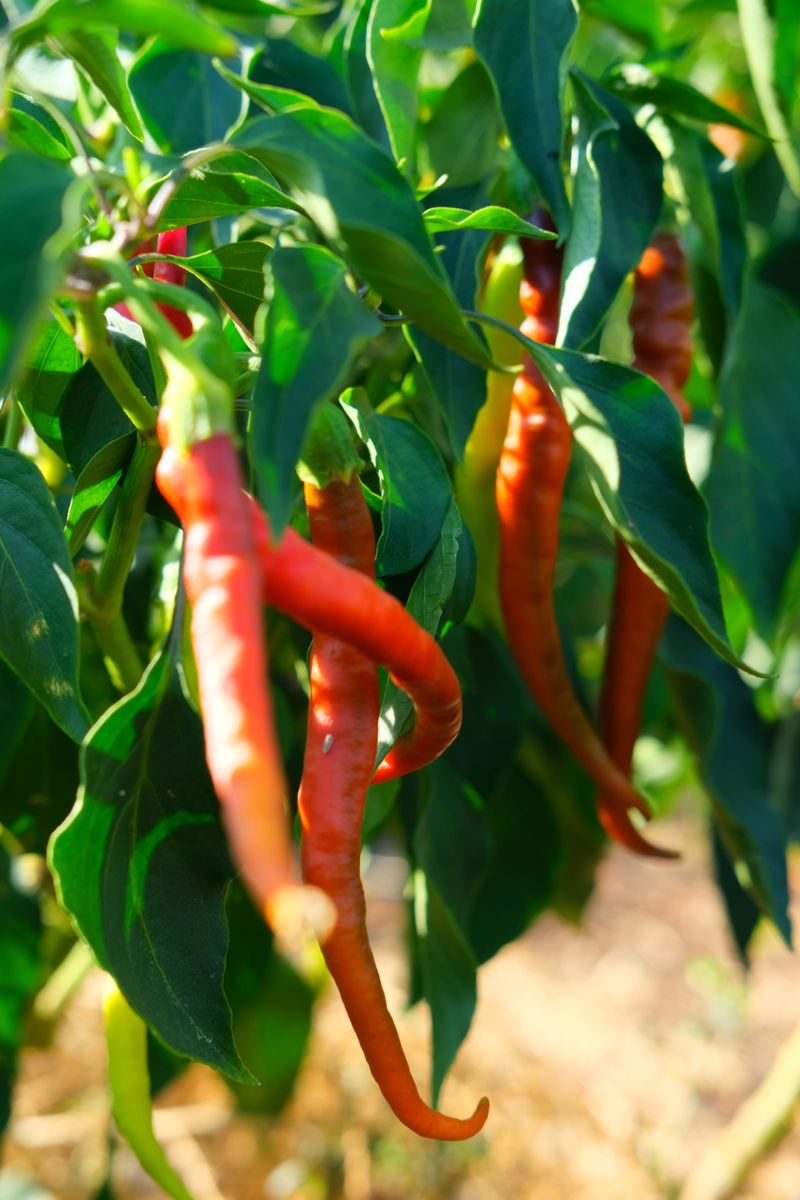
Carmen Italian frying peppers are a fan favorite among New York gardeners. They reach usable green size in about 60 to 65 days, with full red ripeness following a few weeks later, and they handle both heat and cooler late-season nights well.
Cubanelle peppers are another smart pick for the region. They are thin-walled, early to ripen, and absolutely reliable through the kind of mixed summer weather New York throws at gardeners.
For bell pepper lovers, the Ace variety is worth seeking out. It matures faster than most bells, setting fruit in around 50 days and shrugging off temperature swings with ease.
Jalapeño fans should look at the Early Jalapeño variety specifically. It produces abundantly from midsummer onward and holds up well even when August nights stay warm and muggy.
Shishito peppers have become increasingly popular in home gardens across the state. They mature quickly, produce in clusters, and have a mild flavor that appeals to a wide range of cooks.
Hungarian Wax peppers are another excellent option for gardeners wanting heat and heavy yields. They thrive in hot weather, resist common diseases, and produce fruit well into September.
Matching the right variety to your local microclimate gives peppers their best shot. A well-chosen pepper variety can make the difference between a decent harvest and an exceptional one.
Pairing This Crop With Other Vegetables That Struggle In Heat
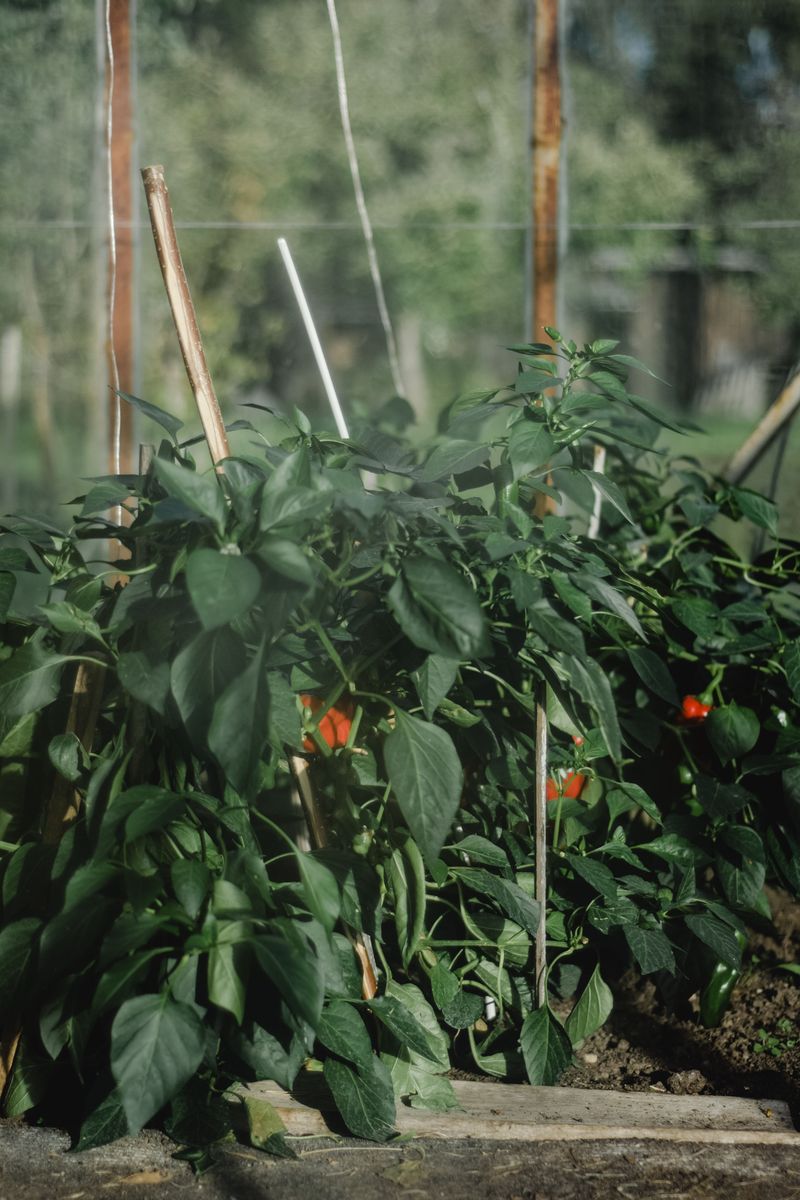
Smart garden planning means knowing which crops can handle heat and which ones need a little shelter. Peppers can actually help their more sensitive neighbors survive the summer.
Basil is the most classic companion for peppers. It loves the same warm conditions, repels aphids naturally, and fits neatly between pepper plants without competing for root space.
Eggplant is another heat-lover that pairs beautifully with peppers in the same bed. Both crops share similar water and fertilizer needs, making them easy to manage side by side.
Sweet potatoes are an underrated companion for peppers in hot-weather beds. Their sprawling vines act as a living mulch, shading the soil and keeping moisture levels steadier through dry spells.
Conversely, planting peppers near struggling crops like lettuce or spinach can provide light shade during the hottest afternoon hours. That filtered shade can buy those cool-season crops a few extra weeks of productivity.
Avoid planting peppers near fennel, which releases chemicals that stunt pepper growth. Keeping those two separated protects your pepper plants from unnecessary stress during an already demanding season.
Rotating peppers through different bed locations each year also prevents soil-borne diseases from building up. Moving them around keeps the soil healthy and your plants vigorous season after season.
Peppers earn their place at the center of any smart summer garden plan. Pair it wisely and every plant in your garden benefits from the arrangement.