7 Early Warning Signs A Groundhog Has Moved Into Your Wisconsin Garden

Something is raiding your garden, and it is not the neighbor’s cat or a rogue raccoon passing through. It is a groundhog, and by the time most Wisconsin gardeners figure that out, half the bean row is already gone.
Groundhogs are surprisingly easy to overlook at first. They are quiet, they work fast, and they do most of their damage close to the ground where it blends in with normal garden wear and tear.
A few chewed stems here, a suspicious hole there. It is easy to dismiss until suddenly your zucchini is decimated and there is a tunnel system under your raised beds.
Groundhogs leave plenty of clues before things get that bad. Once you know what to look for, you can spot the signs early and actually do something about it.
Here is exactly what to watch for.
1. Freshly Dug Holes And Burrow Entrances Near Garden Beds
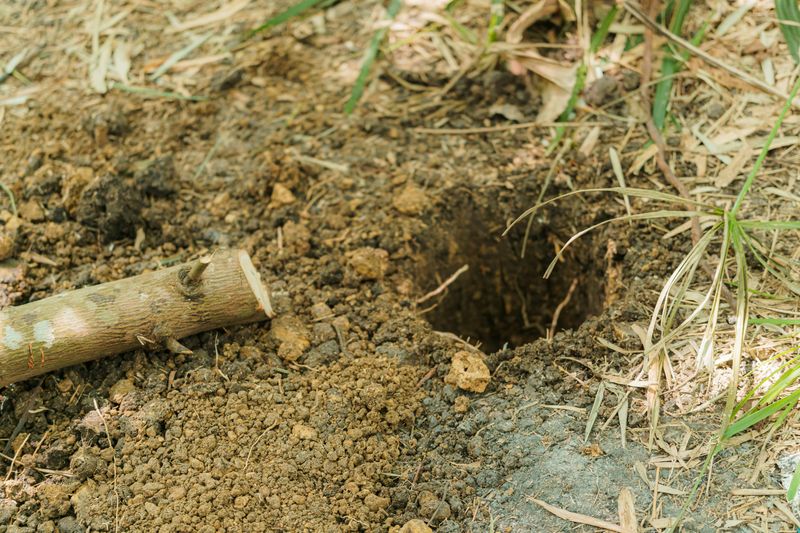
Picture stepping outside with your morning coffee. There it is, a fist-sized hole right at the edge of your raised bed, surrounded by a fan of loose, freshly turned dirt.
That is not a rabbit hole. That is a groundhog moving-in announcement.
Groundhog burrow entrances are typically two to five inches wide, sometimes wider. Almost always, there is a distinctive dirt mound piled just outside the opening.
Unlike mole tunnels, which push soil up in ridges, groundhog holes go straight down or at a slight angle before leveling off underground. The soil around the entrance looks freshly excavated because it is.
Groundhogs are efficient diggers. A single animal can move several pounds of soil in one session, which explains why that mound appears so suddenly overnight.
You might find one main entrance and one or two secondary exits nearby. They are often hidden under a shrub, a wood pile, or beneath your garden shed.
Groundhogs are clever about placing their exits in sheltered spots. That is why the first hole you find is rarely the only one.
Do a slow walk around your entire yard before assuming you have located the full burrow. Early spring is prime time for new burrow activity in Wisconsin, especially after the ground thaws.
Groundhogs that hibernated through winter emerge hungry and ready to establish territory fast. If you spot fresh digging near your garden perimeter, do not wait to investigate.
A burrow that looks brand new today can become a permanent underground highway in just a few weeks if the groundhog decides to stay.
And once it settles in, convincing it to leave gets considerably harder.
2. Chewed Stems And Missing Leaves At Ground Level
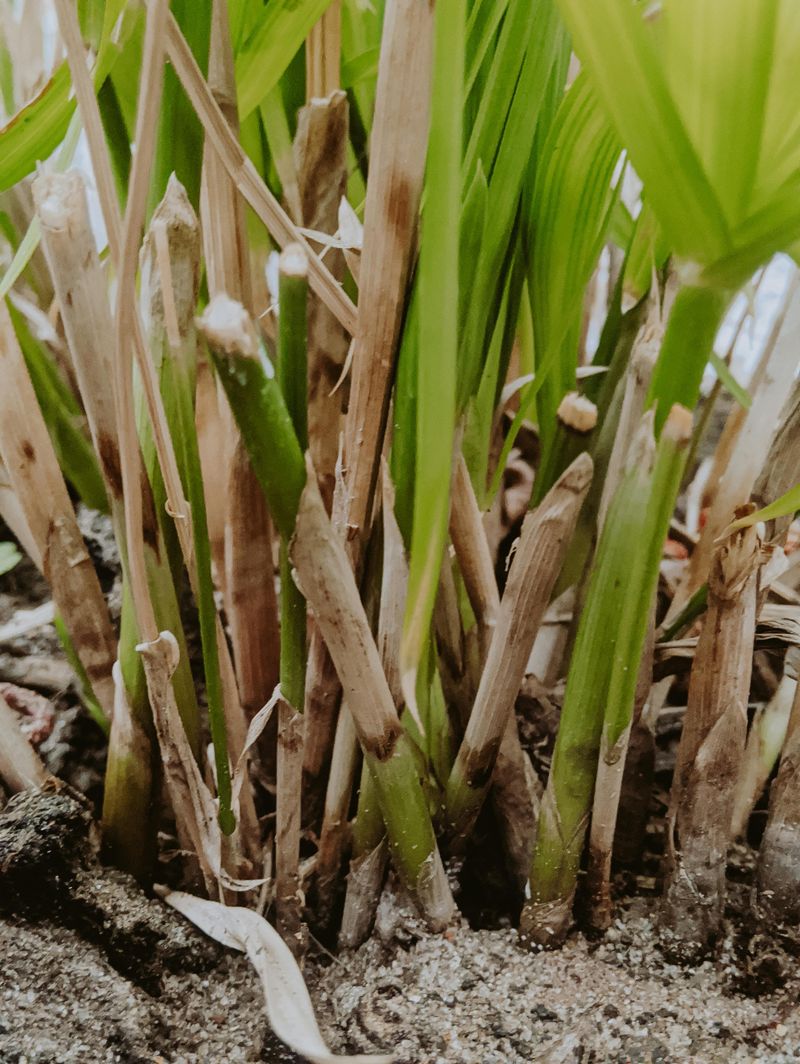
Waking up to find your pepper plants snapped off at the base is one of the more disheartening garden moments a person can experience.
Groundhogs chew stems with a clean, angled bite that looks almost surgical compared to the ragged damage slugs or caterpillars leave behind. That precision is your first clue you are dealing with a mammal, not an insect.
Your Wisconsin Garden Changes Every Week. Your Plan Should Too.
Gardening in Wisconsin changes quickly throughout the season. Every Friday you’ll receive a simple weekly plan showing exactly what to plant, prune, fertilize, harvest, and protect so you never miss the right timing.
Groundhogs tend to feed low to the ground. They strip leaves from the bottom of plants upward, often leaving just a bare stalk sticking out of the soil.
If your broccoli, kale, or bean plants look like someone trimmed them with scissors from the ground up, a groundhog is a strong suspect. The damage usually appears overnight, which makes it even easier to miss until the plant is already stripped bare.
They also love to clip entire stems of clover, dandelion, and other low-growing plants right at the soil line. One helpful detail: groundhog feeding damage tends to appear in clusters rather than scattered randomly across your garden.
Groundhogs work a zone methodically before moving on. You may find one section of your garden looking devastated while another area nearby seems completely untouched.
That pattern is not random, it tells you the animal has a preferred feeding path. And that path can actually help you figure out where its burrow entrance is located.
Checking your plants at first light gives you the freshest evidence since groundhogs often feed in the early morning hours. Fresh damage still has green, moist edges on the cut stems.
If the cuts look dry and brown, the feeding happened a day or two ago. Not exactly a comforting thought, but at least now you know what you are dealing with.
3. Disappearing Vegetables Overnight
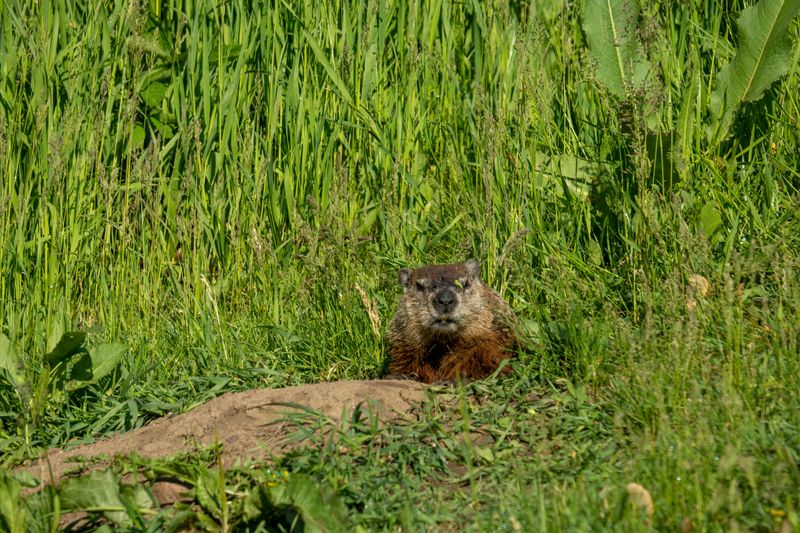
You planted six heads of lettuce on Sunday. By Wednesday, three of them are completely gone, not just nibbled but entirely missing, stem and all.
That is the kind of disappearing act that makes gardeners question their own memory. Groundhogs are bold and efficient feeders.
They do not just take a bite and move on the way deer sometimes do. They sit down and eat an entire plant, then move to the next one, working through a row of vegetables with surprising focus and speed.
Whole bean plants, squash seedlings, and young tomato transplants are especially vulnerable. They are tender, low to the ground, and packed with the moisture and nutrients a groundhog craves during the growing season.
Even root vegetables are not safe. Groundhogs will dig slightly to access carrot tops or pull up small beet plants entirely.
If your garden losses seem disproportionately large for any single night, a groundhog is worth suspecting first. Insect pressure and weather rarely cause that kind of overnight damage all at once.
Keeping a simple garden journal where you note what was planted where and when makes it much easier to spot this pattern early. Photograph your rows every few days so you have a visual record of what was there before.
When an entire section of your garden starts vanishing faster than you can replant it, you have moved past coincidence and into confirmed wildlife territory.
Time to take action before the next harvest window is completely lost.
4. Tracks And Fur Caught On Fences Or Plants

Not every garden intruder announces itself with dramatic damage right away.
Sometimes the first real clue is a tuft of coarse, brownish-gray fur. You might find it snagged on the bottom wire of your garden fence or caught on a thorny shrub near the garden edge.
That small, easy-to-miss detail is actually a solid piece of evidence. Groundhog fur is coarse and slightly grizzled, meaning each hair has alternating bands of dark and light color.
It tends to get caught on rough surfaces when the animal squeezes under fences or pushes through dense plantings. If you find fur consistently in the same spot along your fence line, take note.
That is likely the exact entry point the groundhog uses every time it visits. Knowing that one spot can make all the difference when it comes to blocking access later.
Tracks are another underused clue. Groundhogs leave four-toed front prints and five-toed rear prints, both with visible claw marks pressed into soft soil.
Look for tracks in freshly watered garden beds, in muddy low spots near the garden edge, or in the loose soil around a burrow entrance after a rain.
Photographing the fur and tracks with your phone gives you a quick reference to compare against wildlife identification guides.
Even if you are not certain what animal you are dealing with, having physical evidence helps. It gives you something concrete to work with when you call a local wildlife extension office for advice.
Small clues like these add up to a clear picture much faster than waiting for the big dramatic damage to confirm what you already suspect.
5. Droppings Near Garden Edges
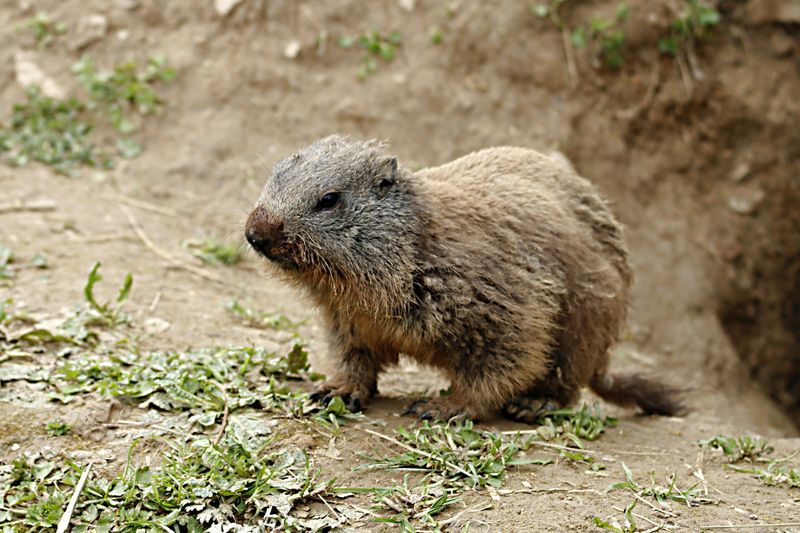
Nobody wants to spend their Saturday morning inspecting droppings near the garden bed. But if you find small, dark, oval pellets near your garden edge, do not ignore them.
It is one of the most reliable signs you have a groundhog problem. Groundhog scat is typically dark brown to black, about half an inch long, and somewhat cylindrical with rounded ends.
It looks a bit like large rabbit droppings but is usually deposited in small clusters near burrow openings or along feeding paths. One thing that sets groundhog droppings apart from rabbit or deer scat is placement.
Groundhogs tend to use specific latrine spots near their burrow entrances rather than leaving droppings randomly throughout the garden. That consistency works in your favor.
If you notice a small cluster of pellets appearing in the same spot near a suspicious hole, pay attention. That is a strong behavioral indicator of a groundhog actively using that burrow.
While groundhogs are generally not considered a high-risk species for disease transmission to humans, basic hygiene around any wildlife waste is still a smart habit.
Wash your hands thoroughly after handling soil near burrow areas as well. Fresh droppings are darker and slightly moist, while older ones fade to a lighter brown and become crumbly.
Check the same spot every morning for a few days. Fresh droppings mean the groundhog is still there, and your garden is still on the menu.
6. Bite Marks On Young Seedlings And Transplants
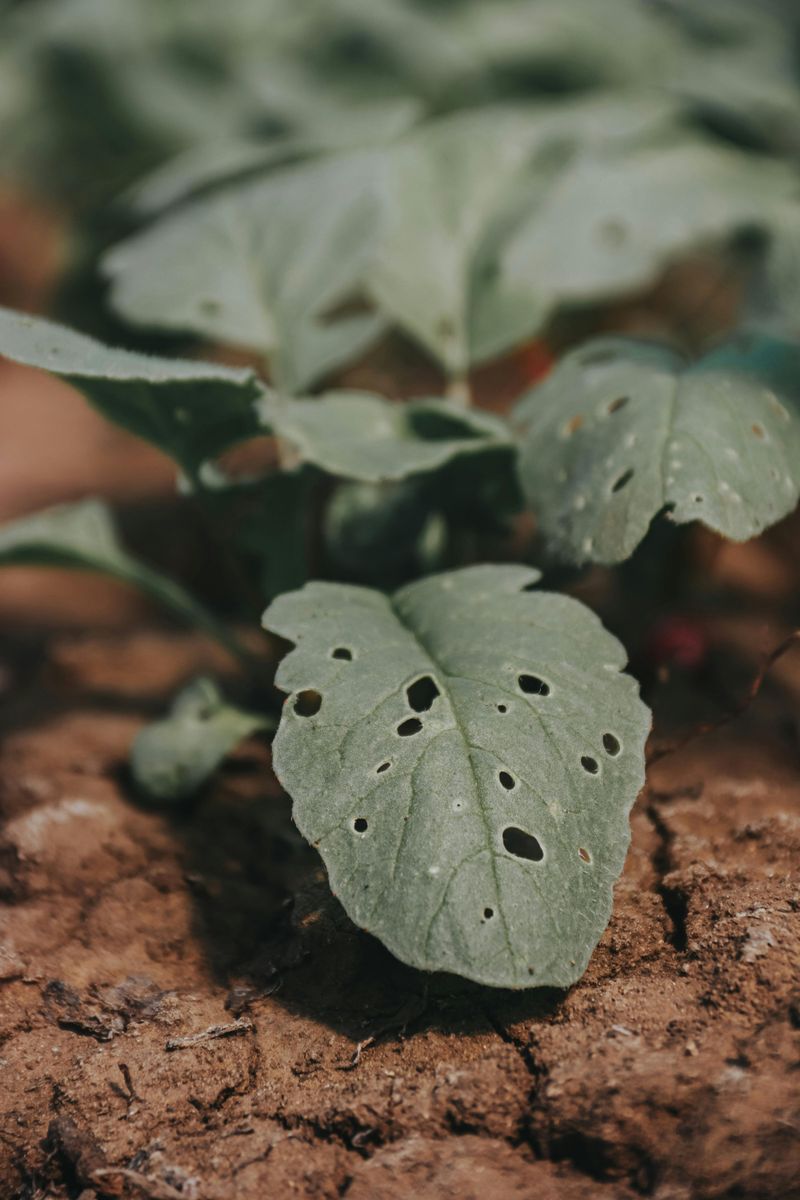
There is a particular heartbreak that comes with losing seedlings you started indoors from seed back in February.
You hardened them off, transplanted them carefully. Then you came out one morning to find half of them bitten off at the soil line.
That clean, low cut is practically a groundhog signature.
Young seedlings and fresh transplants are prime targets. Their stems are tender, their leaves are soft, and they have not yet developed the tougher cell structure of mature plants.
A groundhog can wipe out an entire row of new transplants in a single feeding session. All that is left behind are small stubs poking out of the soil.
The damage often looks almost too clean to be animal-related. That is why some gardeners mistakenly blame cutworms or other insects at first.
The key difference is depth and scale. Cutworms typically cut one plant at a time at soil level and move slowly through a garden.
A groundhog can take out six to ten plants in a row in one night, leaving a trail of identical low cuts along a straight feeding path.
Protecting new transplants with wire cloches or hardware cloth cylinders immediately after planting is one of the most effective early defenses. Even a simple physical barrier around individual plants buys you time.
Time to identify the intruder, figure out where it is coming from, and take longer-term action. Because the alternative is watching your entire seedling investment disappear into the belly of a very well-fed groundhog.
7. Your Dog Won’t Stop Sniffing Around One Specific Spot
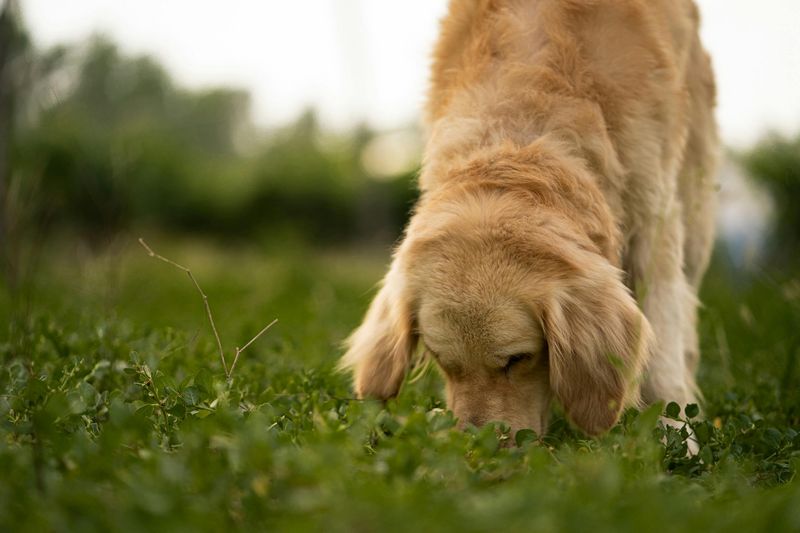
Dogs are basically living groundhog detectors, and most of them do not charge a consulting fee.
If your dog has started obsessively circling one corner of the yard, take that behavior seriously. Dogs can smell a groundhog burrow long before a human would ever notice anything unusual.
A dog that has picked up a fresh scent trail will return to the same spot repeatedly over several days, even after being called away. You might notice whining, barking at the ground, or a stubborn refusal to leave a particular area during your morning walk around the yard.
These are not random behaviors. Your dog is telling you, as clearly as it can, that something alive is living very close by.
Some dogs will dig frantically near a burrow entrance if they catch a strong enough scent. That can actually collapse part of the tunnel and agitate the groundhog inside, which is not a situation you want.
Redirecting your dog away from suspected burrow areas is a good idea, both for the dog’s safety and to avoid disturbing the burrow before you have a plan.
Think of your dog as a living detection tool. Wherever it keeps returning to sniff is almost certainly where the groundhog is spending its time underground.
That kind of focused, persistent attention from your four-legged companion is one of the earliest and most reliable signals that something has moved in.
Do not wait for the damage in your garden to confirm what your dog already knows.