What Your Wisconsin Porch Has That Carpenter Bees Can’t Resist
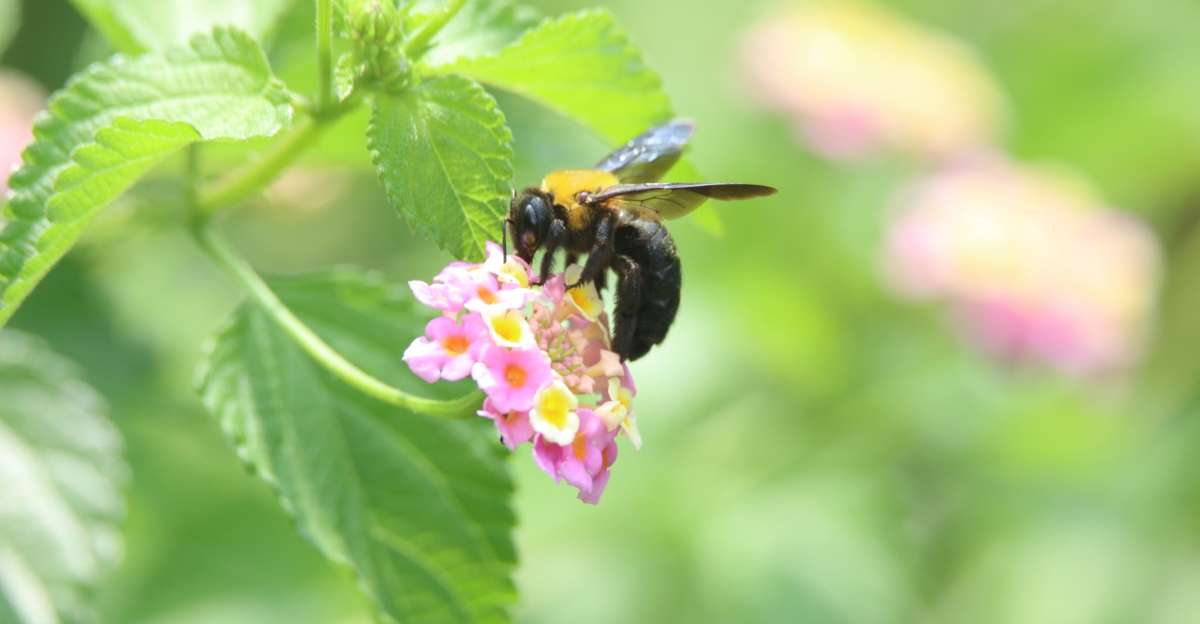
Right now, carpenter bees are choosing your porch over every other on the block. These insects target Wisconsin homes every spring, and the situation escalates fast.
Clean circular holes appear in railings, fascia, and exposed beams. Untreated wood is an open invitation they cannot resist.
Wisconsin properties with bare, unpainted timber report the worst infestations. Your materials, your paint choices, your wood type all factor in.
Each female bee excavates a tunnel deep inside the wood. Structural compromise builds quietly behind the surface, season after season.
Repairs push past several hundred dollars when infestations go unchecked. Soft, weathered wood accelerates every stage of the infestation cycle.
Prevention costs far less than waiting on a contractor repair. Knowing what draws them in changes everything about how you respond.
Most homeowners target bees when the real problem is the porch. Every detail your porch got wrong, it got exactly right for them.
Bare Or Unfinished Wood Is Basically An Open Invitation
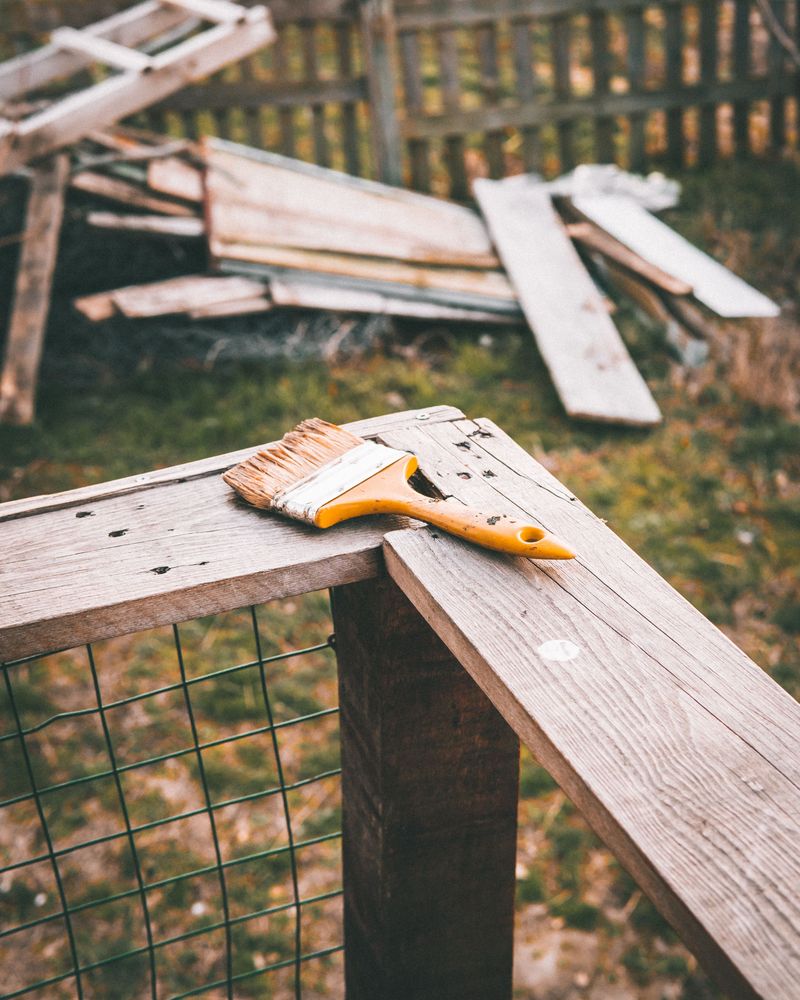
Unpainted wood is a carpenter bee’s dream address. If your porch has raw, exposed lumber anywhere, those bees already have their eyes on it.
Carpenter bees strongly prefer untreated wood over painted or sealed surfaces. The natural grain and softness make tunneling fast and easy for them.
Many Wisconsin homeowners skip finishing the undersides of railings or porch beams. That overlooked strip of bare wood is prime real estate for nesting.
Finishing every surface, even the hidden ones, sends a clear message. Bees will move on to easier targets when your wood is properly sealed.
A good exterior primer followed by two coats of paint can block entry almost completely. Hardware stores carry specific wood sealers rated for outdoor use in cold climates.
Do not forget the ends of boards, either. Cut ends absorb moisture and attract bees faster than any other part of the structure.
Once you seal every inch, including the spots you cannot easily see, your porch stops being the neighborhood hotspot for carpenter bees. Protection is always cheaper than repairs.
Your Wood Is Hollowing Out And You Cannot See It Happening
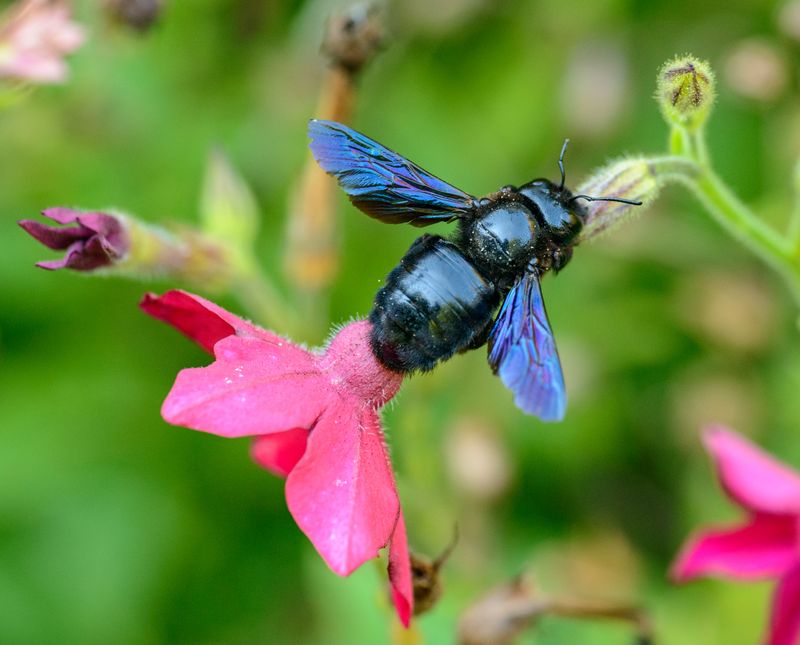
Here is the sneaky part about carpenter bee damage. Most of it happens where you cannot see it at all.
A single entry hole can branch into tunnels stretching six to ten inches deep. That is a lot of missing wood inside what looks like a solid beam.
Female carpenter bees do all the drilling work. They create chambers inside the tunnel where they lay eggs and store pollen for larvae to eat.
Each new season, returning bees often reuse and expand old tunnels. What started as a small hole two summers ago could now be a network of damage running through your support beams.
Tap on your porch beams with your knuckle. A hollow sound where there should be solid wood is a red flag worth investigating immediately.
Frass, which looks like fine sawdust mixed with pollen, often appears below active holes. Spotting that yellow-brown powder means drilling is happening right now.
Your Wisconsin Garden Changes Every Week. Your Plan Should Too.
Gardening in Wisconsin changes quickly throughout the season. Every Friday you’ll receive a simple weekly plan showing exactly what to plant, prune, fertilize, harvest, and protect so you never miss the right timing.
Getting ahead of this kind of hidden weakness requires regular inspections every spring. Walk your entire porch and check every beam, board, and railing for signs that carpenter bees have already moved in and started expanding.
Softwood Surfaces Are The First Ones Targeted Every Season
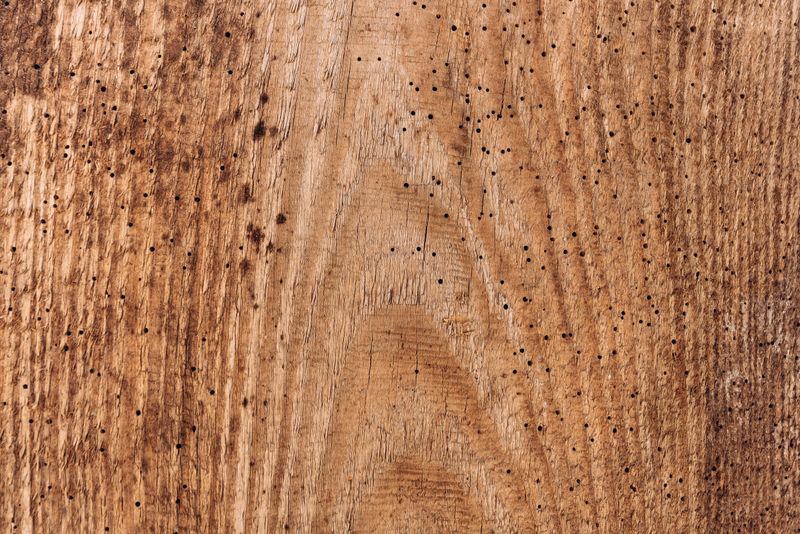
Not all wood is created equal in the eyes of a carpenter bee. Softwoods like cedar, pine, and redwood are their absolute favorites.
These species are common in Wisconsin porch construction because they are affordable and widely available. Unfortunately, that also makes them the first targets every spring.
Hardwoods like oak or maple are much harder to bore through. Bees will almost always choose the path of least resistance, which means your soft pine railing is already at the top of their list.
Composite decking materials are basically bee-proof. If you are planning a porch renovation, switching to composite boards for flat surfaces can dramatically cut down on bee activity.
For existing softwood structures, the goal is to make the surface as uninviting as possible. Sanding rough areas and applying a quality stain or sealant changes the texture and smell that bees find attractive.
Some homeowners also wrap vulnerable beams in aluminum flashing. It sounds extreme, but it works surprisingly well on the spots bees keep returning to year after year.
Knowing which wood on your porch is softest helps you prioritize where to focus protection efforts first. Target those spots early, and you take away the easiest nesting options before the season heats up.
Mating Season Arrives Every Spring And It Changes Everything On Your Porch
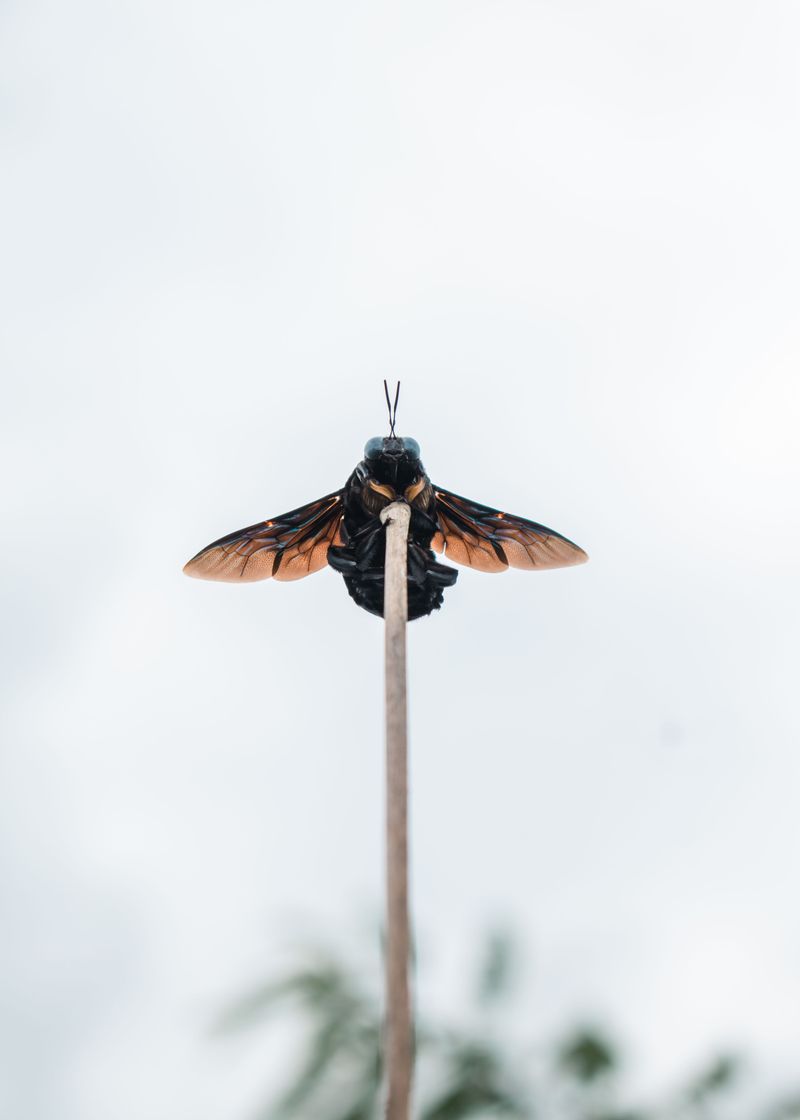
Every April and May, something shifts on Wisconsin porches. The buzzing gets louder, the hovering gets bolder, and suddenly carpenter bees are everywhere.
Spring is mating season, and male carpenter bees are on full patrol. They hover aggressively near porch overhangs, dive-bombing anyone who walks by.
Here is a fun fact worth knowing: male carpenter bees have no stinger. All that dramatic hovering is just a bluff to protect nesting territory.
Female bees, on the other hand, can sting if handled. They are the ones doing the actual drilling work while the males put on their aerial show.
Once mating happens, the female gets to work fast. She can bore a perfectly round hole through wood in just a few days, then begin laying eggs inside the tunnel.
Spring is the exact right time to act if you want to prevent new nests. Treating or sealing wood before females start drilling stops the cycle before it begins.
Watching for increased bee activity around your porch in early spring is your early warning system. When you spot those hovering males, the females are right behind them, already scoping out your lumber for the season ahead.
Perfectly Round Tunnels Are Being Drilled As You Read This
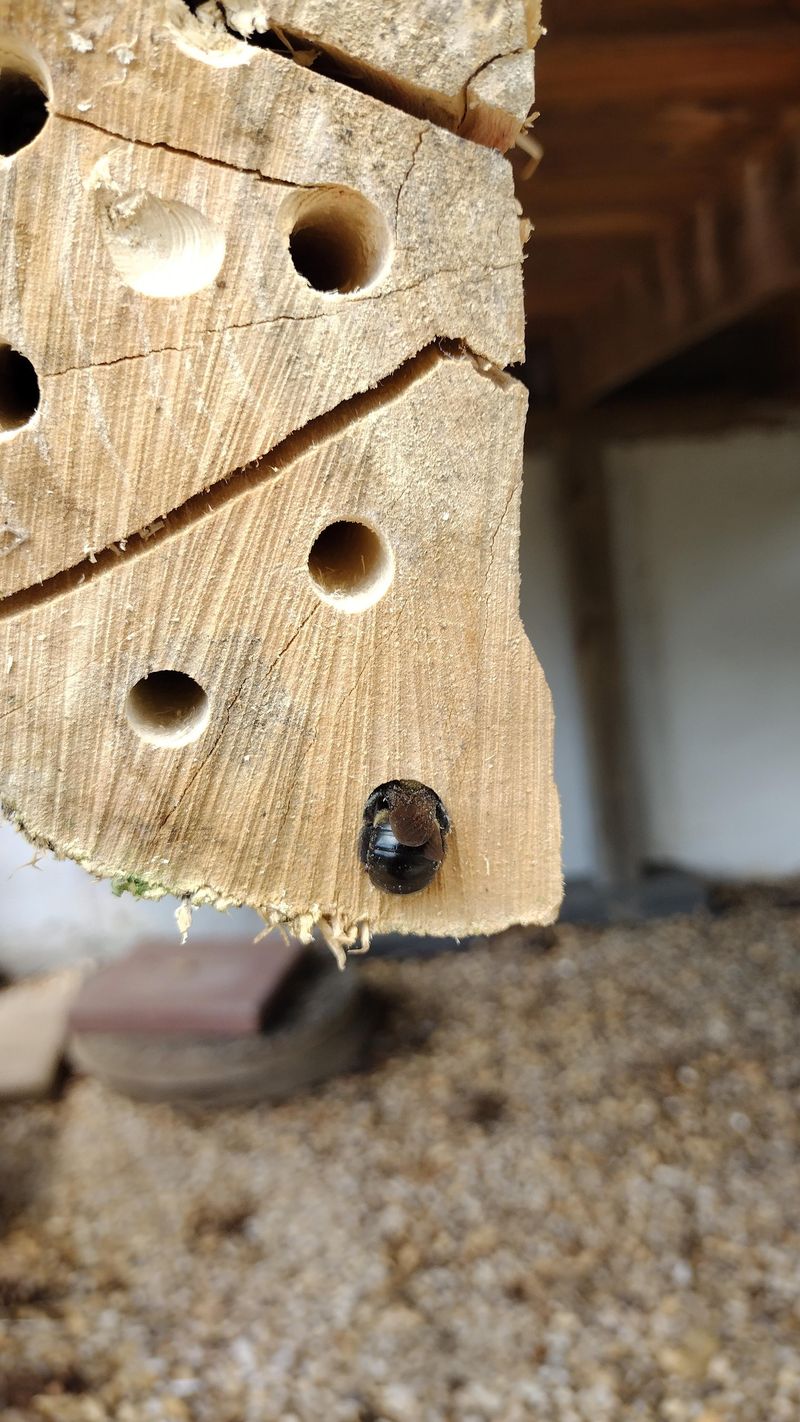
That clean, half-inch circle in your railing is not a coincidence. Carpenter bees are remarkably precise, and their entry holes look almost machine-made.
The drilling process starts with a straight entry hole going across the wood grain. After about an inch, the bee turns and tunnels with the grain for several more inches.
This L-shaped tunnel design is intentional. It creates a protected space where eggs stay dry and safe from the elements outside.
A single female can drill a new tunnel or expand an old one in just a few days. Multiply that by several bees targeting the same porch, and the damage adds up fast.
Yellow-brown sawdust below a hole is the clearest sign of active drilling. Fresh frass means work is happening inside that beam right now, not last season.
Plugging active holes without treating the tunnel first is a mistake many homeowners make. The bees often chew right through the plug or exit through a new hole nearby.
The right approach is to treat the tunnel with an appropriate product, wait a few days, then seal it permanently with wood putty or a wooden dowel. Acting quickly limits how far each tunnel can grow before nesting is complete.
Carpenter Bees Attract Woodpeckers And Your Porch Pays Twice
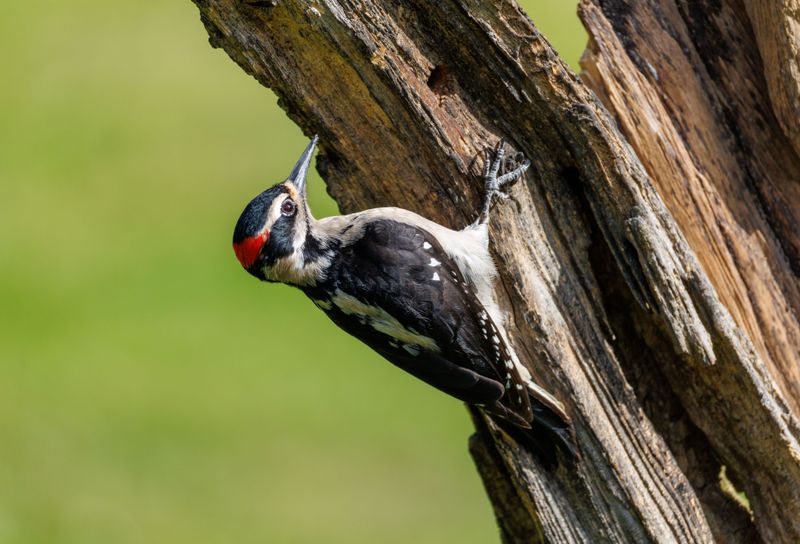
Carpenter bees bring trouble, but they also bring company you do not want. Woodpeckers locate bee larvae by sound.
The boring activity inside your wood is audible to them, and they will break open a beam to reach them.
What starts as a half-inch bee hole can become a ragged, enlarged hole after a woodpecker works through it. The secondary damage from birds often exceeds the original bee damage by a wide margin.
Wisconsin has a healthy woodpecker population, including Downy, Hairy, and Pileated species. All of them are capable of doing serious structural harm when they find a larvae-filled beam.
Woodpeckers are federally protected birds, so you cannot legally trap or harm them. Prevention is the only realistic option once they discover your porch.
Reflective tape, wind chimes, and owl decoys can deter woodpeckers to some degree. Moving deterrents around regularly keeps birds from getting used to them and ignoring them.
The most effective long-term solution is eliminating the bee larvae inside the wood. No larvae means no reason for woodpeckers to keep coming back to your porch structure.
Treating carpenter bee tunnels early in the season stops the woodpecker problem before it starts. One pest draws the other, so cutting off the chain at the source protects your porch from two threats at once.
Paint Is Your Most Reliable Defense Against Carpenter Bees
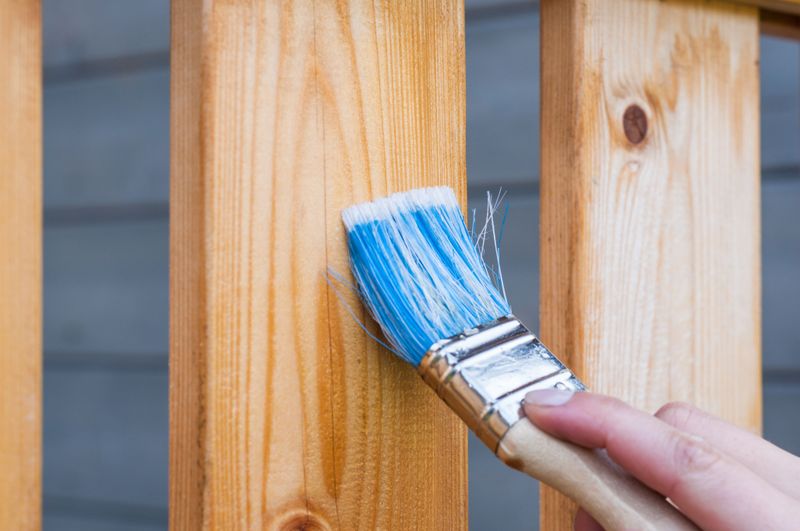
Painting your porch is not just about curb appeal. It is one of the most reliable ways to make carpenter bees look elsewhere for nesting spots.
Oil-based exterior paint forms a film barrier on wood that carpenter bees are strongly deterred by. A well-painted surface is significantly harder for them to commit to as a nesting site.
Paint creates a physical barrier carpenter bees consistently avoid. Stain alone offers minimal protection and is not considered a reliable deterrent by entomologists.
Reapplication matters just as much as the first coat. Most exterior paints need refreshing every two to three years, especially on surfaces exposed to Wisconsin winters.
Darker finishes tend to hold up longer than lighter ones in direct sunlight. Choosing a quality brand rated for exterior use in harsh climates makes a real difference in how long protection lasts.
Pay special attention to end grain on boards and any areas where water tends to pool. Those spots break down fastest and become vulnerable entry points if left untreated.
Taking a full weekend each spring to inspect and touch up your porch paint keeps carpenter bees from treating your home as a permanent address.
Consistent maintenance is the simplest, most affordable way to keep carpenter bees from returning for good.