The California Native Plants That Help Control Gophers And Weeds At The Same Time
Gophers and weeds are two garden headaches that seem to enjoy teamwork a little too much. One digs from below. The other pops up above ground like it owns the place.
In California, that combo can make even a nice planting bed feel like a tiny outdoor battlefield.
Native plants can help change the mood without turning yard care into a full time job. Some grow with strong roots that make digging less inviting.
Others spread into living coverage that leaves fewer open spots for weeds to enjoy. That does not mean any plant can magically solve the whole problem. Gophers are stubborn little contractors, and weeds are professional opportunists.
Still, the right natives can make a garden harder for both to disrupt. They also bring a more natural look that fits California’s dry seasons. A yard can be beautiful while quietly pushing back against trouble.
1. Creeping Sage Covers Soil With Strong Scent
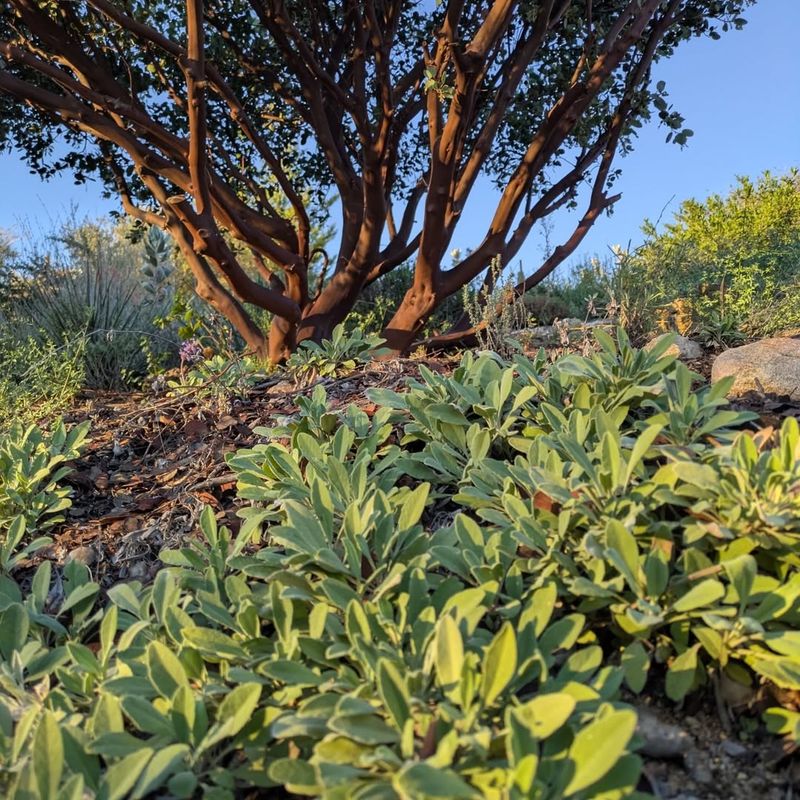
Few plants pull off a two-in-one trick quite like creeping sage. Known botanically as Salvia sonomensis, this low-growing native spreads across bare ground like a soft, fragrant blanket. Its strong herbal scent is something gophers genuinely cannot stand.
The plant stays close to the ground, usually reaching only about six to twelve inches tall. It spreads outward steadily, covering soil that weeds would otherwise love to claim. Once it fills in, very little sunlight reaches the soil below, which means weed seeds simply cannot sprout.
Creeping sage thrives in full sun and well-drained soil. It handles dry summers without complaint and rarely needs supplemental watering after its first season. Gardeners in coastal and inland areas both report great success with it.
Planting it along slopes, pathways, or open garden beds works really well. Space plants about two to three feet apart and let them do the rest. Within one to two seasons, you will have a dense, weed-blocking mat that smells wonderful every time you brush past it.
The small purple-blue flowers that appear in spring also attract bees and butterflies. So not only does creeping sage protect your garden from pests and weeds, it also supports local pollinators. That makes it one of the most hardworking plants you can add to a low-maintenance native garden.
2. Bee’s Bliss Sage Fills Bare Ground Fast
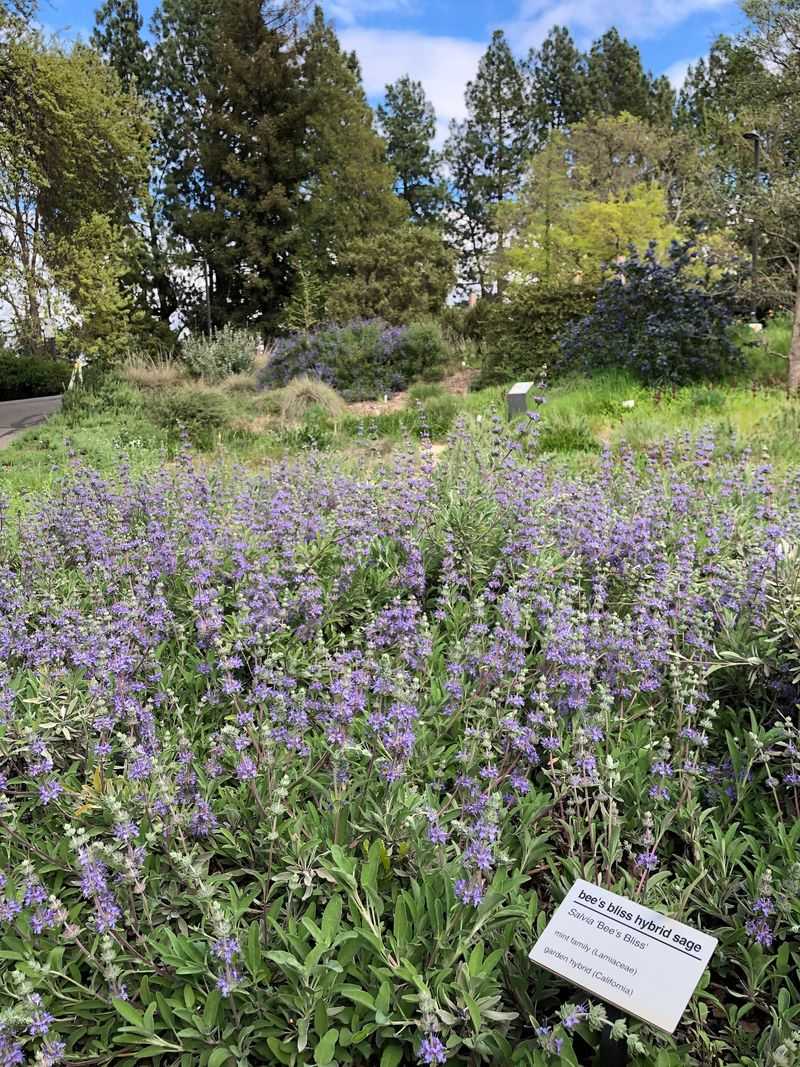
Speed matters when you are trying to beat weeds to bare soil. Bee’s Bliss sage, a hybrid of two native sages, is one of the fastest-spreading ground covers you can plant in a dry garden. It wastes no time filling in empty spaces.
This plant can spread six to eight feet wide while staying only about two feet tall. That wide, low profile is exactly what makes it such an effective weed blocker. The thick canopy of silvery-green leaves shades the soil completely, leaving no room for weeds to grow underneath.
Beyond its coverage, Bee’s Bliss produces a strong, pleasant sage fragrance. Gophers are sensitive to aromatic plants, and the oils in sage leaves are a known deterrent. Planting it along garden borders creates a scented barrier that most burrowing animals prefer to avoid.
Your California Garden Changes Every Week. Your Plan Should Too.
Gardening in California changes quickly throughout the season. Every Friday you’ll receive a simple weekly plan showing exactly what to plant, prune, fertilize, harvest, and protect so you never miss the right timing.
It performs best in full sun with good drainage. Once established, it needs very little water, making it perfect for our state’s dry summers. Occasional trimming after flowering keeps it looking neat and encourages fresh growth.
The long spikes of lavender-blue flowers that bloom in spring are absolutely stunning. Bees love them, which is exactly how this plant got its charming name. Bee’s Bliss sage gives you beauty, coverage, fragrance, and pest resistance all wrapped up in one tough, reliable plant that earns its place in any native garden.
3. Coyote Mint Brings Fragrance To Dry Borders
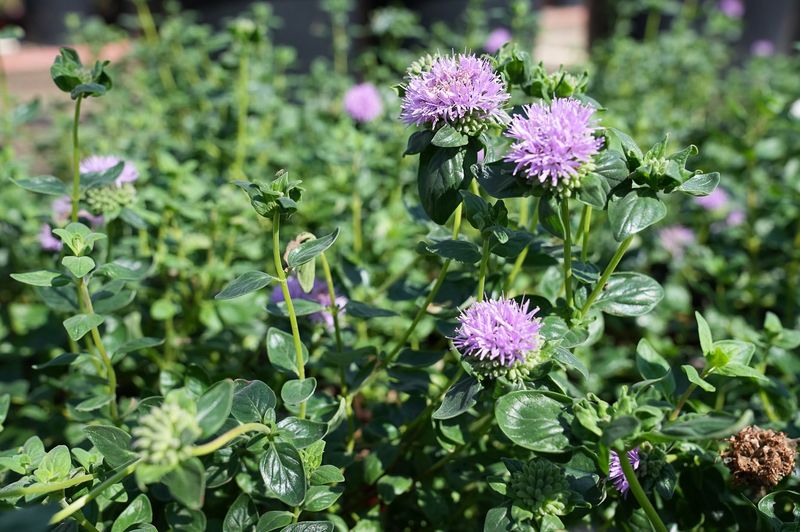
There is something almost magical about a plant that smells like a mountain breeze and keeps garden pests away at the same time. Coyote mint, or Monardella villosa, does exactly that. It is native to our state and thrives in the kind of dry, rocky conditions that most plants struggle with.
Growing about one to two feet tall and spreading about two feet wide, coyote mint forms a rounded, fragrant clump. It is not a sprawling ground cover, but planted in groups, it creates a dense border that blocks weed growth between plants effectively.
The strong minty scent is what really sets this plant apart as a gopher deterrent. Gophers rely heavily on their sense of smell when tunneling, and mint-family plants are among the scents they most avoid. Planting coyote mint along garden edges or near vegetable beds can help redirect their activity.
It thrives in full sun and drains well. Summer dry conditions are no problem at all. In fact, overwatering is one of the few things that can actually harm this tough little plant.
The purple flower clusters that bloom in summer draw hummingbirds and native bees in impressive numbers. That pollinator activity adds real value to any garden. Coyote mint is a compact, hardworking plant that earns high marks for fragrance, pest resistance, and sheer beauty in difficult growing conditions.
4. California Sagebrush Is Tough, Aromatic, And Unfussy
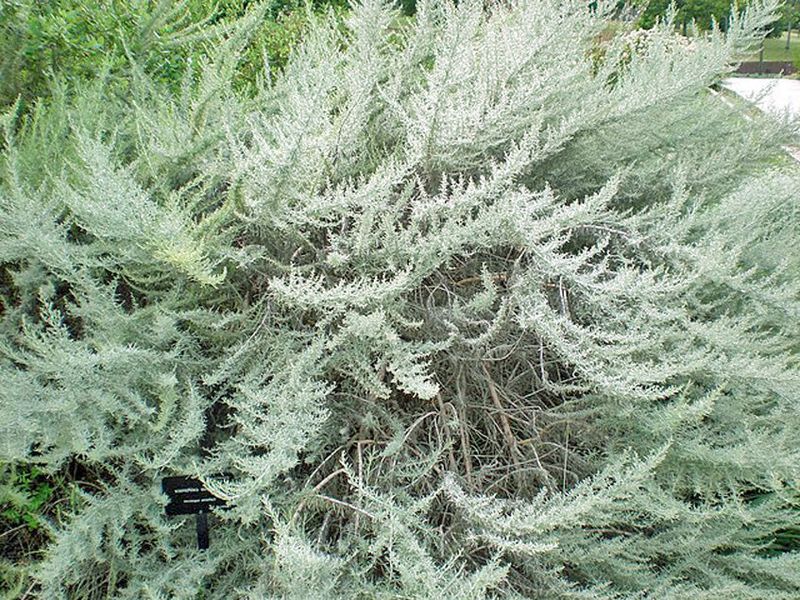
Walk through any coastal chaparral in our state and you will likely catch a whiff of California sagebrush before you even see it. Artemisia californica has one of the most distinctive, powerful scents of any native plant. That sharp, resinous aroma is precisely what makes it so effective at deterring gophers.
This shrub grows two to five feet tall and spreads several feet wide. The fine, silvery-gray leaves create a soft, feathery texture that looks beautiful in the garden. More importantly, its dense growth habit shades the soil beneath it, preventing most weed seeds from getting the light they need to sprout.
California sagebrush is about as low-maintenance as plants come. It thrives in poor, dry soils where other plants give up. Once established, it needs almost no supplemental watering.
It handles heat, drought, and neglect without complaint.
Planting it along slopes, dry hillsides, or open garden areas works extremely well. It also provides important habitat for native birds and insects. Several butterfly species depend on it as a larval host plant, which adds another layer of ecological value.
One tip worth knowing: do not plant it too close to water-loving plants. California sagebrush prefers dry conditions and may not thrive if overwatered. Give it space, full sun, and well-drained soil, and it will reward you with years of reliable, aromatic, weed-suppressing coverage that practically takes care of itself.
5. California Buckwheat Shades Weeds In Sunny Beds
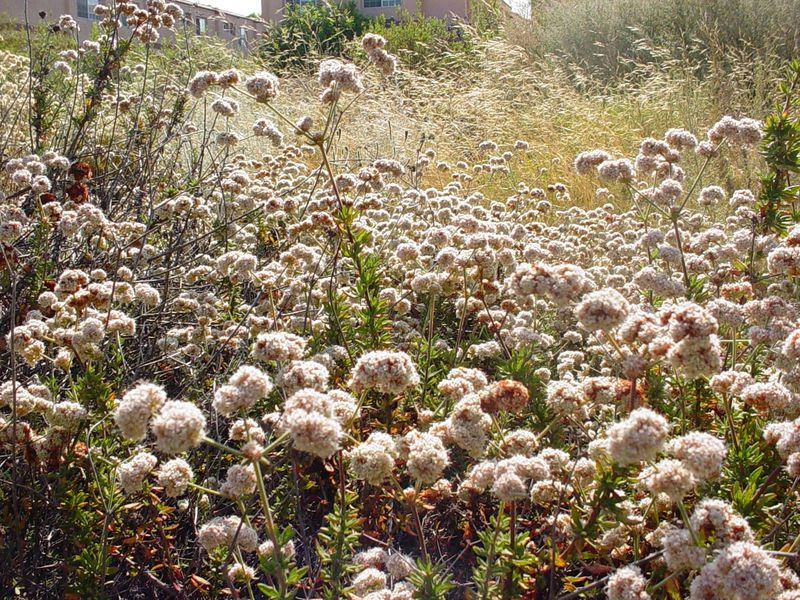
Bold, tough, and surprisingly beautiful, California buckwheat is a plant that many gardeners overlook and later regret not planting sooner. Eriogonum fasciculatum is native throughout our state and handles hot, sunny beds with remarkable ease. Its ability to shade out weeds while looking good doing it is hard to beat.
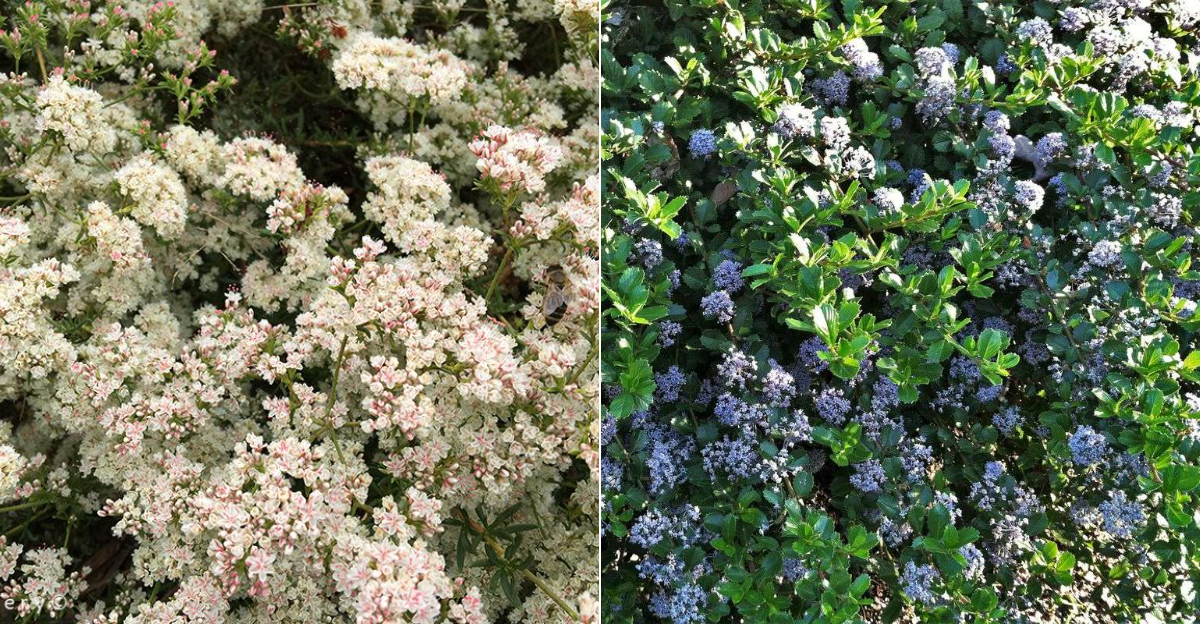
The plant typically grows two to four feet tall and spreads three to six feet wide. That wide, bushy spread creates a dense canopy that blocks sunlight from reaching the soil below. Weed seeds sitting under a mature buckwheat plant simply do not get the light they need to grow.
Gophers tend to steer clear of buckwheat as well. The roots and foliage contain compounds that these burrowing animals find unappealing. While no plant is a guaranteed gopher barrier, buckwheat earns consistent praise from native plant gardeners who notice fewer tunnel mounds near established plants.
White flower clusters bloom from spring through fall, slowly turning a rich rust color as they dry. Those dried flower heads are stunning and often left in place through winter for visual interest and bird habitat.
Buckwheat is incredibly drought-tolerant once established. It needs very little water and thrives in poor, rocky, or sandy soils. Full sun is a must.
Plant it in open sunny beds or along dry slopes and watch it transform bare, weed-prone areas into something genuinely attractive and ecologically useful.
6. Warriner Lytle Buckwheat Stays Low And Spreading
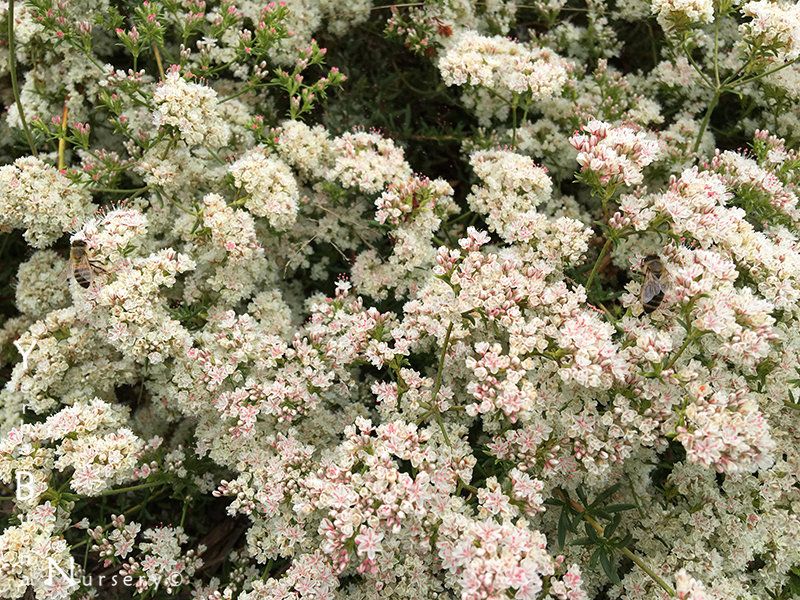
Not every buckwheat grows tall and bushy. Warriner Lytle is a compact, ground-hugging selection of Eriogonum fasciculatum that stays low and spreads wide. It is one of the best-kept secrets in the world of native ground covers for our state.
Reaching only about one foot tall but spreading three to four feet across, this plant forms a dense, flat mat. That low profile makes it ideal for slopes, pathways, and open garden beds where you want coverage without height. The thick mat leaves no room for weeds to push through.
Like other buckwheats, Warriner Lytle contains aromatic compounds in its foliage and roots that gophers dislike. Planting it across open garden areas creates a natural deterrent zone. Pairing it with other fragrant natives amplifies the effect even further.
White flower clusters appear from spring through late summer, attracting an impressive variety of native bees and butterflies. Watching the pollinators visit this small plant on a warm afternoon is one of the quieter joys of a native garden.
It thrives in full sun with excellent drainage and needs very little water once established. Sandy, rocky, or gravelly soils suit it perfectly. Avoid clay-heavy or consistently wet soils, as those conditions do not work well for this plant.
With the right placement, Warriner Lytle buckwheat is a reliable, low-effort ground cover that earns its spot in any weed-suppressing native planting scheme.
7. Coyote Brush ‘Pigeon Point’ Creates Dense Native Cover
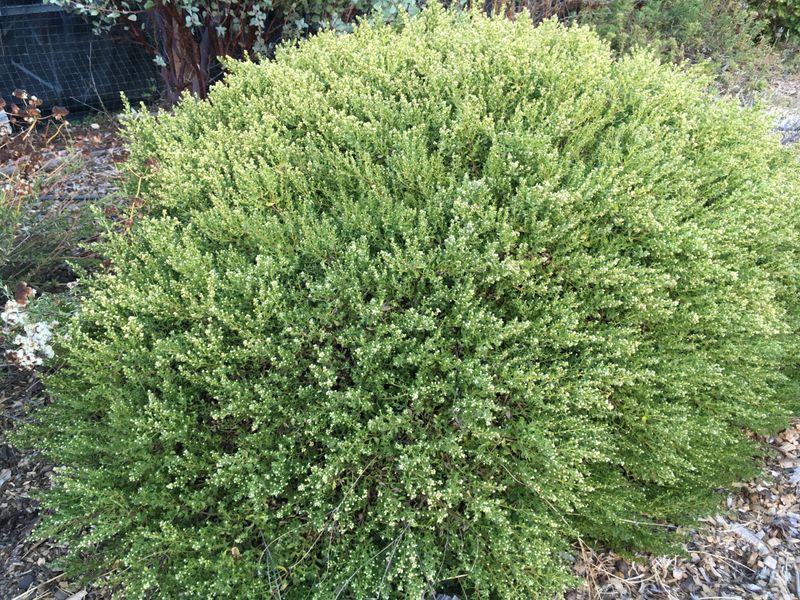
Some plants are workhorses, and Coyote Brush ‘Pigeon Point’ is absolutely one of them. This low-growing selection of Baccharis pilularis is native to the coastal areas of our state and is widely considered one of the best large-scale ground covers available for tough, dry conditions.
It spreads two feet tall and up to ten feet wide. That enormous spread is its greatest strength. Once established, it forms an impenetrable mat of dense green foliage that smothers weeds completely.
Bare soil simply disappears beneath it.
Gophers are not fans of coyote brush either. The foliage has a resinous, slightly bitter quality that discourages browsing and burrowing alike. Gardeners who plant it along slopes or open hillsides often report noticeably fewer gopher mounds in those areas over time.
One of its best qualities is its resilience. It handles wind, drought, salt spray, and poor soil without missing a beat. Coastal and inland gardens both benefit from its presence.
Once it gets through its first summer with some occasional watering, it is essentially on its own.
Small white flowers appear in fall and attract native bees during a season when many other plants have stopped blooming. That late-season nectar source is genuinely valuable for pollinators. Pigeon Point coyote brush gives you coverage, pest deterrence, pollinator support, and near-zero maintenance, which is a combination that is very hard to find in a single plant.
8. Point Reyes Ceanothus Forms A Low Evergreen Mat
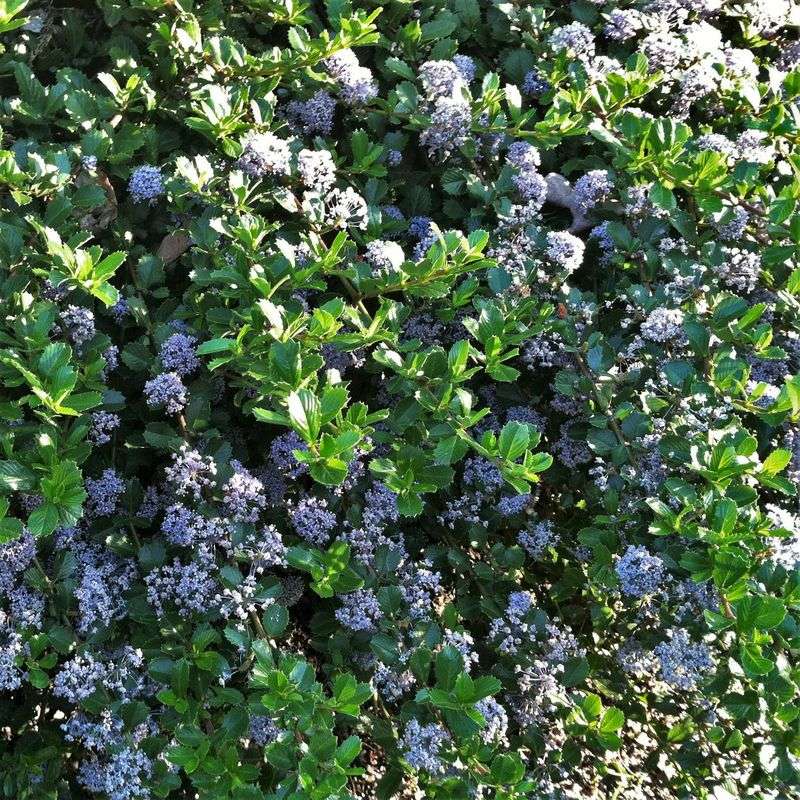
Few sights in a spring native garden are more striking than Point Reyes ceanothus in full bloom. Ceanothus gloriosus covers itself in vivid blue-purple flower clusters every spring, and it does it while staying flat to the ground. That combination of beauty and function is rare.
Growing only about one to two feet tall but spreading six to ten feet wide, this evergreen mat-former is exceptional at covering large areas. The dense, low canopy blocks sunlight from reaching soil below, making it one of the more effective weed suppressors in the native plant world.
Gopher deterrence comes from the plant’s firm, leathery leaves and tough root system. Gophers prefer soft, easy-to-chew roots. The fibrous, woody roots of ceanothus are not appealing to them, and the dense surface mat makes burrowing upward through the plant difficult.
Point Reyes ceanothus thrives in coastal and inland gardens with full sun and excellent drainage. It is highly drought-tolerant once established and does not appreciate summer irrigation. In fact, keeping it dry in summer is one of the keys to its long-term health.
Beyond weed and gopher control, this plant also fixes nitrogen in the soil, which naturally improves soil fertility over time. That is an added bonus that benefits neighboring plants as well. For large open areas that need coverage, beauty, and low maintenance, Point Reyes ceanothus is genuinely hard to beat in a native garden setting.
9. Emerald Carpet Manzanita Covers Soil Without Getting Tall
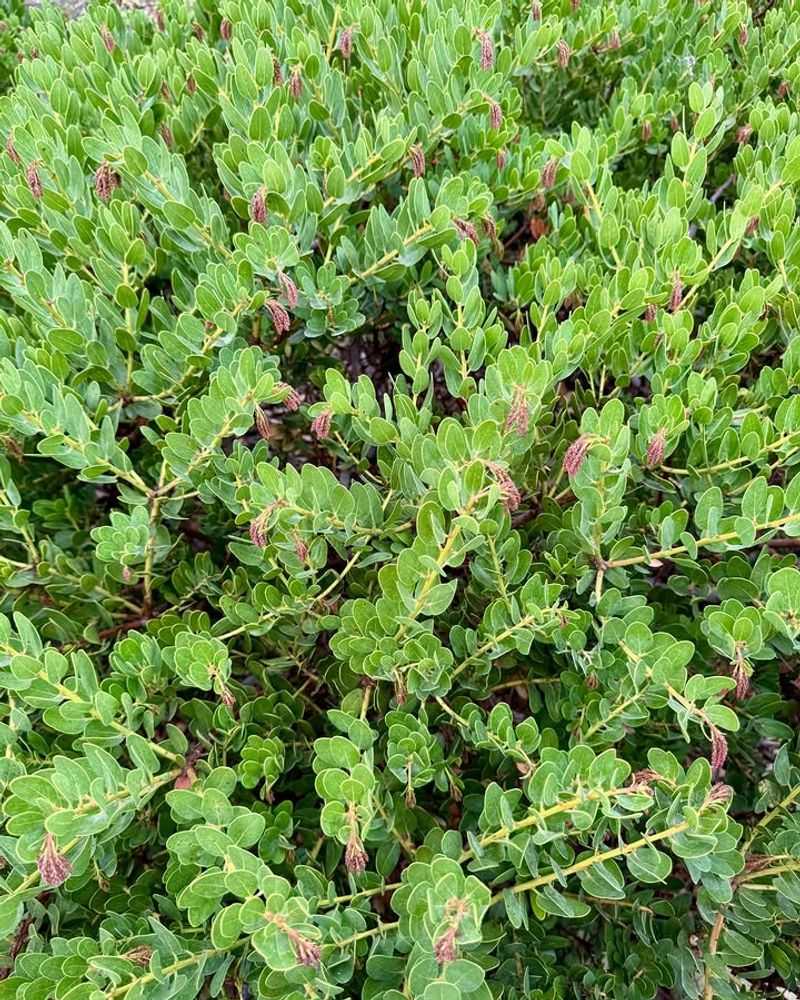
Shiny, dark green, and impossibly flat, Emerald Carpet manzanita looks like someone pressed a shrub to the ground and told it to stay there. Arctostaphylos ‘Emerald Carpet’ is a hybrid manzanita that stays under one foot tall while spreading up to six feet wide. That growth habit makes it an outstanding weed suppressor.
The dense, overlapping foliage creates a tight mat that blocks virtually all sunlight from reaching the soil. Weed seeds have almost no chance of germinating underneath a well-established planting. It is one of the most visually polished ground covers in the native plant toolkit.
Manzanitas are also known for their tough, fibrous roots and resinous foliage, both of which gophers tend to avoid. The waxy leaf surface does not offer anything nutritionally appealing to burrowing rodents. Planting Emerald Carpet across open garden beds creates a clean, low-maintenance barrier that protects the soil beneath it.
It grows best in full sun with excellent drainage and is extremely drought-tolerant once established. Avoid planting in clay soils or areas with poor drainage. Slopes, terraced beds, and open flat areas all work well for this plant.
Small white or pink flowers appear in late winter or early spring. They are not showy, but they do attract native bees during a time when few other plants are blooming. Emerald Carpet manzanita is a polished, dependable, and low-effort plant that makes any native garden look intentional and well-planned.
10. Deergrass Helps Fill Space Without Tender Roots
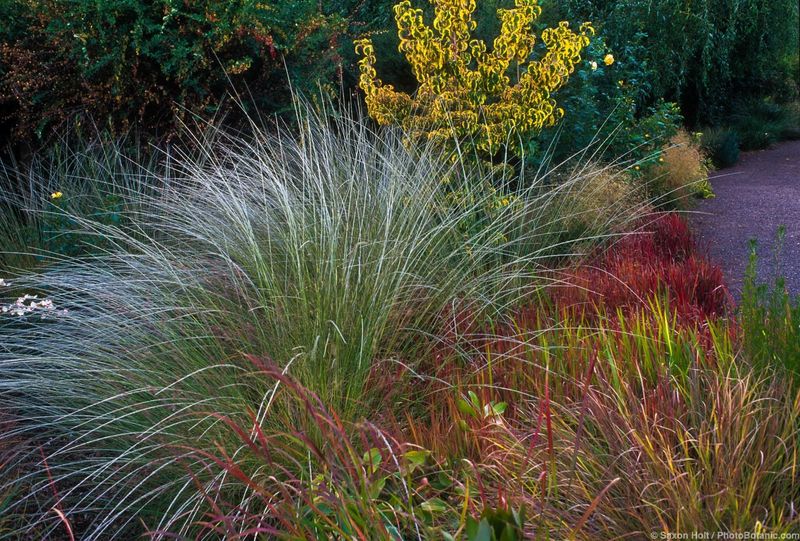
Grasses often get overlooked in conversations about weed suppression, but deergrass deserves a real seat at the table. Muhlenbergia rigens is a native bunchgrass that forms large, dense clumps of fine-textured foliage. Those clumps are surprisingly effective at crowding out weeds in the spaces between other plants.
Each clump grows about two to three feet tall and equally wide. Planting deergrass in groups creates a connected mass of foliage that covers soil effectively. Weeds struggle to establish between tightly spaced clumps because there is simply not enough open ground or light for them to take hold.
Gophers are less drawn to deergrass than to many other garden plants. The fibrous, tough roots are not easy to chew through, and the dense base of the plant makes burrowing upward through it difficult. It is not a foolproof gopher barrier, but it is a meaningful one when used strategically.
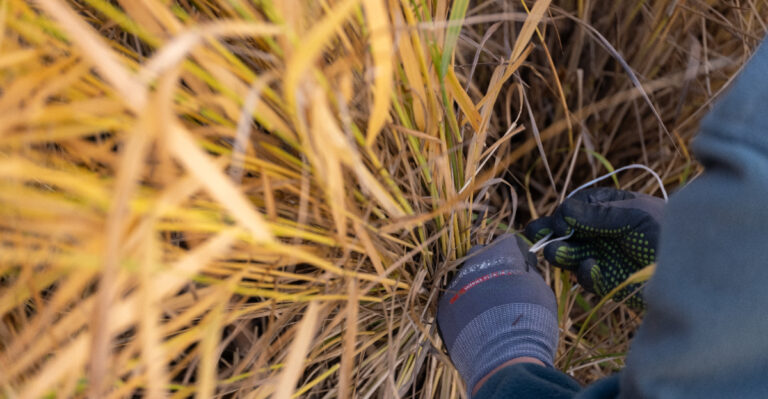
Deergrass is extremely drought-tolerant and thrives in full sun to light shade. It handles heat, poor soil, and occasional flooding better than most ornamental grasses. Cut it back hard in late winter to encourage fresh, tidy growth each spring.
Tall, slender flower stalks rise dramatically above the foliage in summer and fall, adding real vertical interest to the garden. Wildlife also appreciate the seeds and the shelter the dense clumps provide. Deergrass is a tough, textural, and ecologically rich plant that fills space beautifully while quietly doing its part against weeds and burrowing pests.