The Mulching Mistakes Kansas Homeowners Make That Damage Plants Through Summer
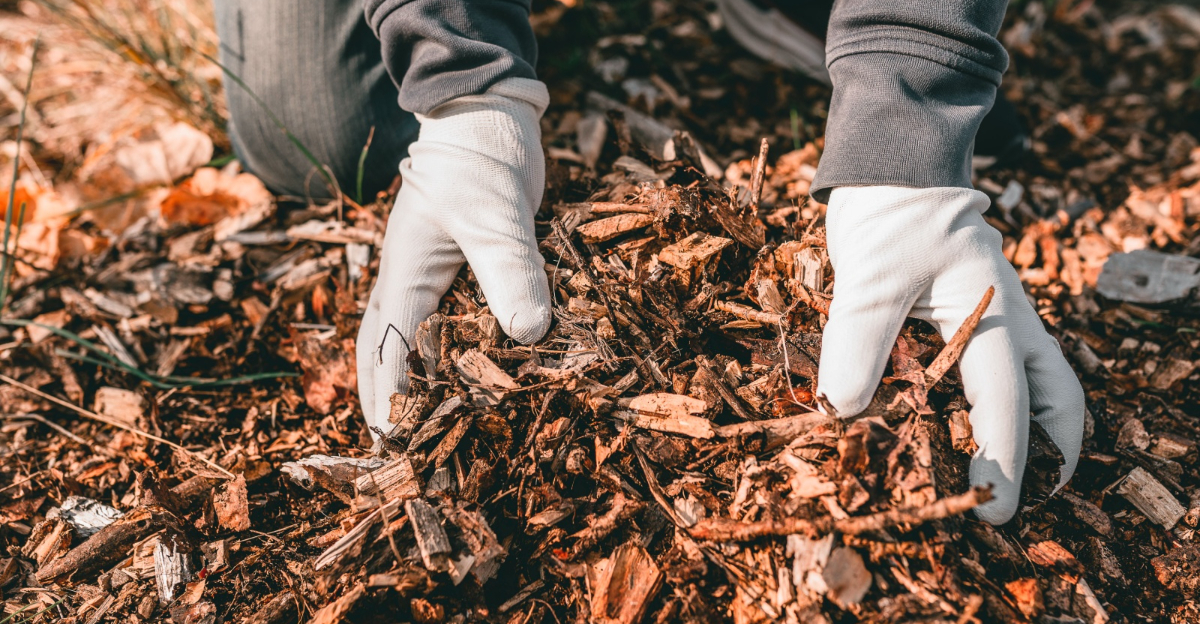
Mulching looks like the easy part of gardening. Grab some wood chips, scatter them around your plants, and move on with your Saturday.
What could possibly go wrong? Quite a bit, it turns out.
Kansas gardens take a beating from June through August, and the mulch you laid down with good intentions may be making it worse. The frustrating part is that most of these habits feel completely reasonable in the moment.
You think you’re helping your plants. You’re being thorough.
You’re putting in the effort. But the results tell a different story by midsummer.
Here’s the thing though: none of these mistakes are hard to fix. Once you know what to look for, the corrections take maybe ten minutes and a little attention.
Your plants recover fast when you give them what they actually need. So let’s go through exactly where Kansas gardeners go wrong and how to get it right before summer does the damage for you.
1. Piling Mulch Too Deep Around Plants And Trees
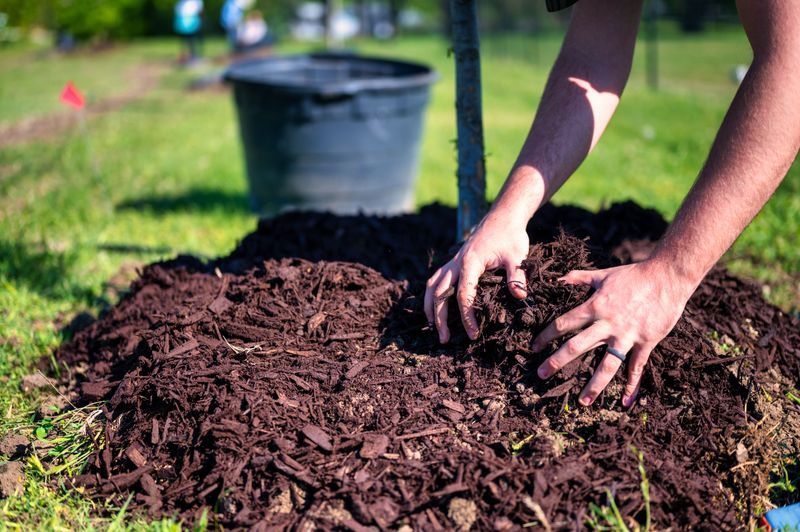
Most people think more mulch means more protection, but that logic can seriously backfire in a hurry.
When mulch gets piled too deep, around five or more inches, it creates a suffocating barrier. Oxygen cannot reach plant roots the way it needs to.
Roots need air just as much as they need water. Thick mulch layers trap moisture and that creates the perfect conditions for rot and fungal problems.
Kansas summers already put enough heat stress on garden plants without adding a soggy, airless root zone to the mix. The sweet spot for mulch depth is two to three inches, no more.
At that depth, you get all the moisture-saving and temperature-regulating benefits without the downsides.
Homeowners often pile it high thinking they are helping. The problem is that signs do not show up right away.
Yellowing leaves, wilting, and stunted growth appear weeks later when the damage is already done.
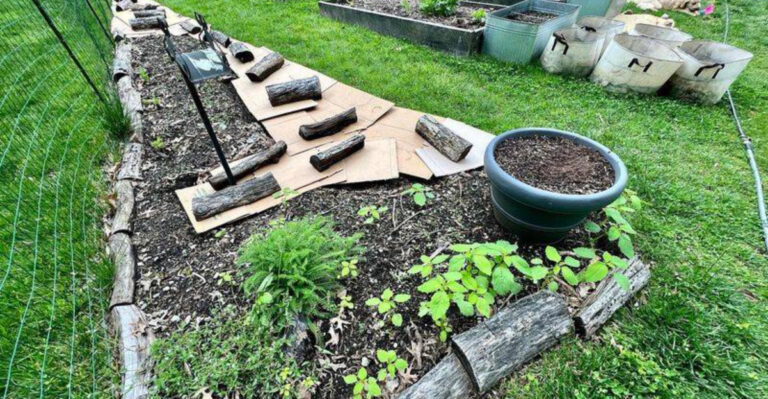
If you have existing beds that look more like mulch mountains, rake some of that material back and redistribute it to other areas of your yard.
Thinner layers applied consistently across more ground will outperform one thick mound every single time.
Your trees especially will respond well to giving their root zones a little breathing room this season.
2. Pushing Mulch Against Tree Trunks And Plant Stems
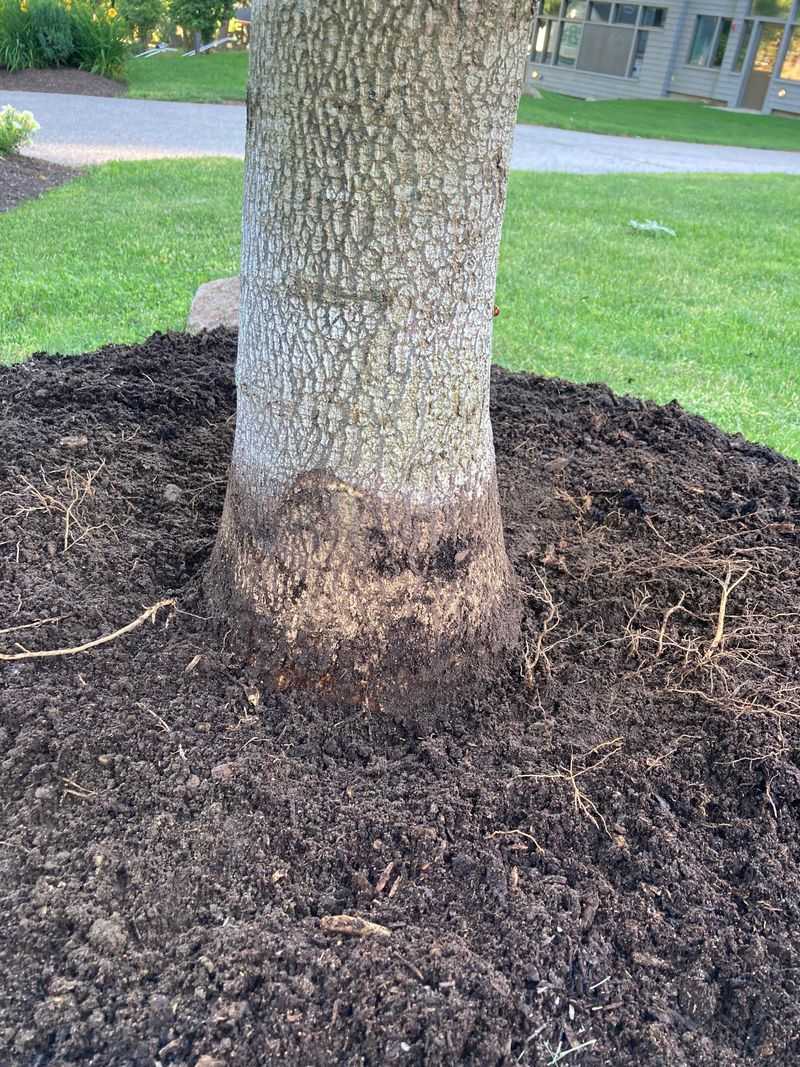
Mulch volcanoes are everywhere in Kansas neighborhoods. And they are doing serious damage to trees that homeowners never even see coming.
When mulch gets piled directly against the bark of a tree trunk or the stem of a shrub, it traps constant moisture against tissue that is not designed to stay wet.
That ongoing dampness softens and breaks down the protective outer bark, leaving a doorway wide open for insects and disease.
Some trees take years to show the damage, which makes this mistake so sneaky and so common.
The fix is refreshingly simple though.
Pull the mulch back so there is a clear two to three inch gap between the material and the trunk or stem.
Your Kansas Garden Changes Every Week. Your Plan Should Too.
Gardening in Kansas changes quickly throughout the season. Every Friday you’ll receive a simple weekly plan showing exactly what to plant, prune, fertilize, harvest, and protect so you never miss the right timing.
Think of it like giving your tree a little breathing collar, a ring of open space where air can circulate freely.
For established landscape shrubs, the same rule applies.
Stems that stay buried under mulch for an entire summer become weak, discolored, and vulnerable to crown rot.
Kansas gardeners who switch from volcano-style mulching to the donut method, where mulch forms a ring around the plant rather than a pile against it, often notice healthier foliage and stronger growth by mid-summer.
Small adjustments in technique produce big results when you give plants the space they actually need to thrive.
3. Using The Wrong Type Of Mulch For Kansas Climate
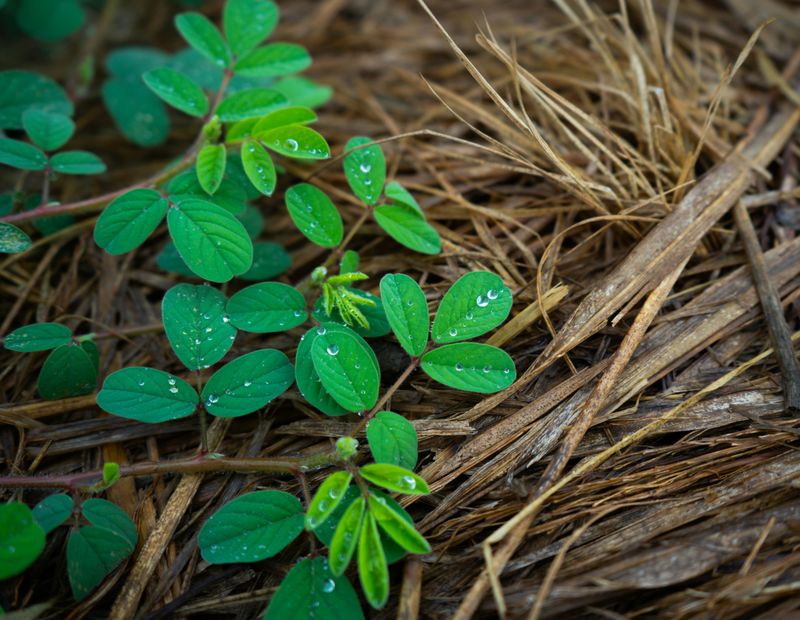
Not all mulch is created equal, and the Kansas climate has a strong opinion about what belongs in your garden beds.
Kansas climate is not easy on anything, including mulch. The state swings between scorching dry summers and cold wet springs.
The mulch you choose needs to handle both extremes without causing new problems. Fine-textured mulches like shredded hardwood break down faster and feed the soil.
But they can mat together and repel water when they dry out under intense heat.
Coarse wood chips allow rain to pass through more easily. They stay loose longer, making them a solid choice for most landscape beds.
Rubber mulch might look tidy and low-maintenance, but it absorbs and holds heat at dangerous levels for roots during Kansas summers.
Ground temperatures under rubber mulch can climb high enough to stress even established plants. Straw works beautifully in vegetable gardens because it breaks down quickly and adds organic matter to the soil.
Rock mulch has its place around drought-tolerant plants and xeriscapes. But using it around moisture-loving perennials or annuals is a different story.
By July, those plants will be wilted and struggling.
Matching your mulch type to your plant type takes a little research upfront. But it pays off through the whole growing season.
The right material matters just as much as how you apply it. Get both right and your yard will show it.
4. Mulching Over Dry Soil Without Watering First
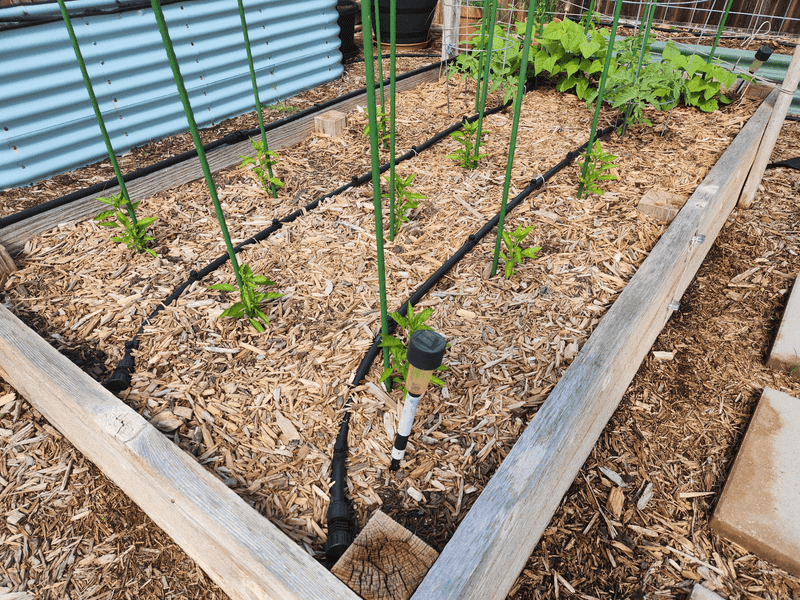
Spreading mulch over bone-dry soil is like putting a lid on an empty pot and expecting something to cook.
Mulch does a fantastic job of locking in soil moisture, but it can only preserve what is already there to begin with.
When the ground is dry before you mulch, that layer of material makes it harder for rain or irrigation to reach the roots below. Water tends to bead off dry mulch and run sideways.
It does not soak straight down to where plants need it most.
Kansas summers can go weeks without meaningful rainfall. Starting with dry soil puts plants at an immediate disadvantage.
Before spreading any mulch, give your beds a deep watering first. Let the moisture soak several inches into the ground before you lay anything on top.
Then apply your mulch while the soil is still damp. That sequence traps the moisture you just added and slows evaporation dramatically over the coming days.
For gardeners dealing with heavy clay soil, pre-watering is especially important. Clay is common across much of Kansas.
When it dries out it forms a hard crust that sheds water rather than absorbing it.
Breaking that cycle before mulching makes a real difference. Your entire garden ends up with stronger and more consistent hydration all season long.
A well-watered bed under fresh mulch is one of the most satisfying setups you can give your plants heading into the heat of summer.
5. Leaving Old Mulch To Build Up Year After Year
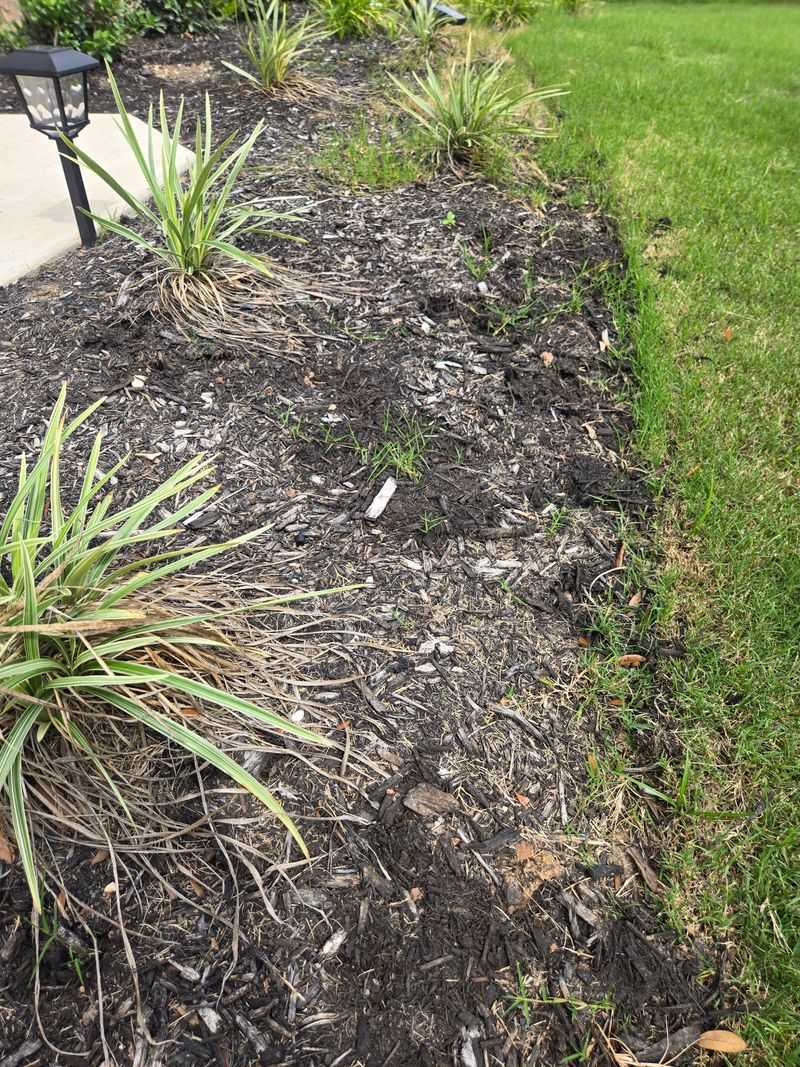
Every spring, thousands of homeowners top off their garden beds with a fresh layer of mulch. They never remove what is already there.
Old mulch does not just disappear. The old layer just sits there, season after season, getting denser.
It compresses, mats, and forms a dense layer that water and air struggle to move through.
Beneath that packed-down material, soil can become anaerobic. That means it runs low on oxygen.
Without it, the beneficial microbes that keep plant roots healthy begin to suffocate.
Fungal problems also love the dark, damp environment that forms between old and new mulch layers. Before adding fresh material each season, take a few minutes to assess what is already in the bed.
If the existing mulch is still loose and only an inch or so deep, topping it off makes sense. If it has compacted into a solid mat or the total depth is already three inches or more, rake it back and remove the excess before adding anything new.
Use decomposed excess mulch as compost elsewhere, or lightly incorporate it into vegetable beds. Staying on top of this habit keeps beds looking fresh, smelling clean, and functioning the way they should.
Healthy mulch management is a cycle, not a one-and-done task, and your plants will show you the difference each summer.
6. Mulching Too Early In Spring Or Too Late In Fall
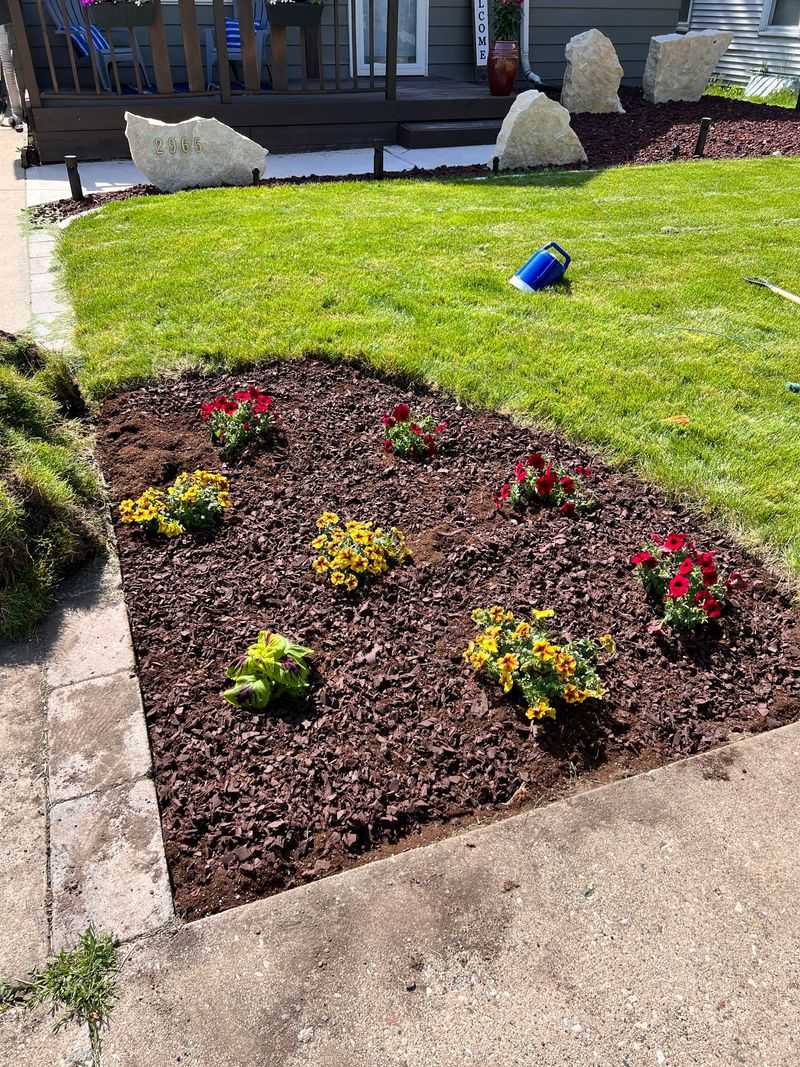
Timing mulch application sounds like a minor detail. It is not.
Get it wrong and your entire garden can fall behind schedule for the whole growing season.
Spreading mulch too early in spring traps cold soil temperatures. It slows the warming process that signals plants to start growing.
In Kansas, late frosts can still hit in March and even early April. Adding insulating mulch before the soil has warmed up delays root activity and weakens early-season growth.
Waiting until soil temperatures consistently reach around 60 degrees gives plants the warmest and most welcoming start possible.
On the other end of the calendar, mulching too late in fall creates its own problems. Applying mulch after the ground has already frozen locks that frozen temperature in place.
Shallow roots can then suffer during the freeze-thaw cycles that are common across the region.
The ideal fall window is after the first hard frost has slowed plant growth but before the ground freezes solid. That timing lets plants harden off naturally while still giving roots protection from the harshest winter cold.
Watching the forecast and checking soil temperature with an inexpensive thermometer takes the guesswork out completely. It is a small habit.
But it separates a garden that just survives from one that genuinely thrives season after season.
7. Mulching With Fresh Wood Chips Before They Compost
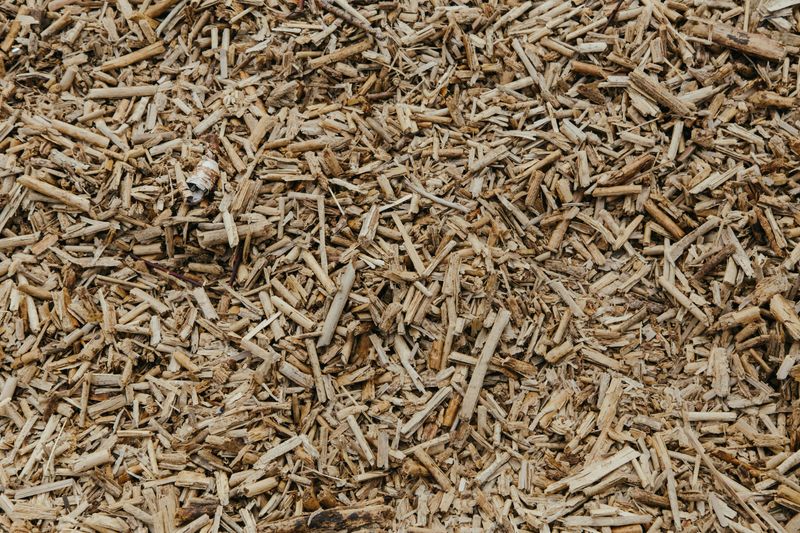
Fresh wood chips straight from the chipper have a certain appeal, especially when a tree service offers them for free. But spreading them directly around your plants is a mistake you will likely regret.
Do not mix large amounts of fresh chips into vegetable soil; as a surface mulch, wood chips are usually fine.
Nitrogen is one of the key nutrients plants need for healthy green growth, and when microbes compete for it during decomposition, plants often come up short.
The result is yellowing leaves and sluggish growth that can puzzle even experienced gardeners.
The fix is straightforward though.
Let fresh wood chips age in a pile for at least six months to a year before spreading them around plants.
During that time, the decomposition process progresses enough that the chips stop robbing nitrogen from the soil and start contributing organic matter instead.
Aged chips also have a more neutral smell, while fresh chips can carry a sour or fermented odor that signals active anaerobic breakdown.
If you need to use fresh chips right away, apply them only in pathways or areas without plants, where nitrogen competition is not a concern.
For vegetable gardens especially, this mistake can set back an entire season of hard work in just a few weeks.
Patience with your mulch pays off in ways that show up clearly in the health of your plants.
8. Using Dyed Or Treated Mulch Near Edible Plants
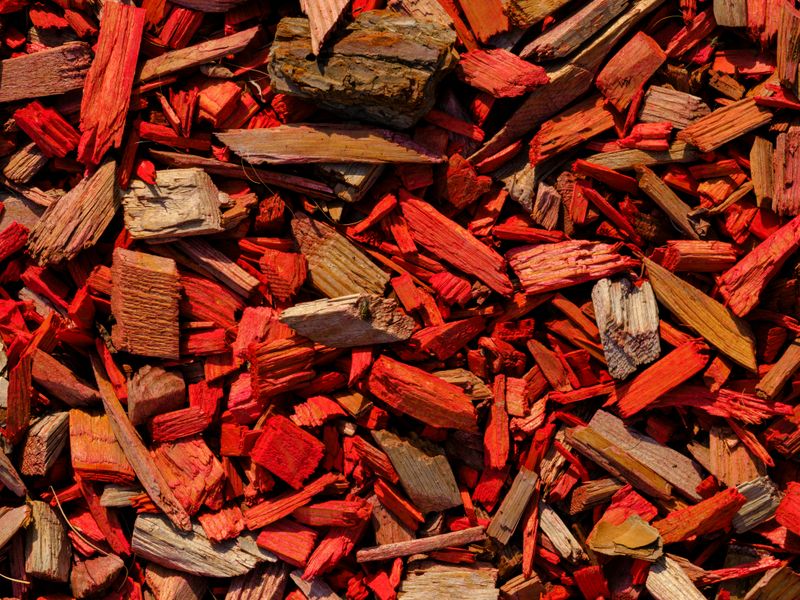
Brightly colored mulch looks sharp in a front yard landscape. But placing it near your vegetable garden is a choice worth reconsidering before you open that bag.
Dyed mulches often use colorfast pigments that are generally considered safe in ornamental settings. The problem is they have not been thoroughly studied for long-term effects on edible crops.
More concerning is the base material itself. Certain brands source their wood from recycled pallets, construction debris, or reclaimed lumber.
That material may have been treated with chemicals or preservatives you do not want leaching into the soil around your tomatoes and peppers. Reading the label carefully before buying is essential.
Even then, the sourcing is not always fully transparent.
For vegetable beds, herb gardens, and fruit-producing plants, stick with natural untreated options. Straw, plain wood chips, and shredded leaves break down cleanly and add organic matter to the soil.
They carry no chemical baggage.
Straw mulch in particular has been a trusted choice among vegetable gardeners for generations. It is affordable, effective, and completely food-safe.
Save the decorative dyed mulch for flower beds and ornamental shrubs.
When it comes to the food your family eats, simple and natural always wins.